Category: All News

  • HP launches 14-inch laptop with 64GB RAM, cellular, 120Hz OLED display worldwide

    HP launches 14-inch laptop with 64GB RAM, cellular, 120Hz OLED display worldwide

    Key Takeaway

    – HP launched the EliteBook X G2a with Ryzen AI 400 series CPUs, starting at $3,105 (64-bit Windows 11 Pro included) and configurable up to high-end specs, including 64 GB RAM and 1 TB SSD.
    – The same model is available in UK, Eurozone, and US with analogous configurations and prices, staggered by region; notable top-spec options include Ryzen AI 9 HX PRO 470, 64 GB RAM, 1 TB PCIe Gen 5 storage, and an OLED 1200p display.
    – The EliteBook X G2a offers add-ons such as a haptic trackpad, NFC, and optional 5G connectivity, with regional variations in display options (OLED in some markets) and a notable price disparity compared to the older X G1a.


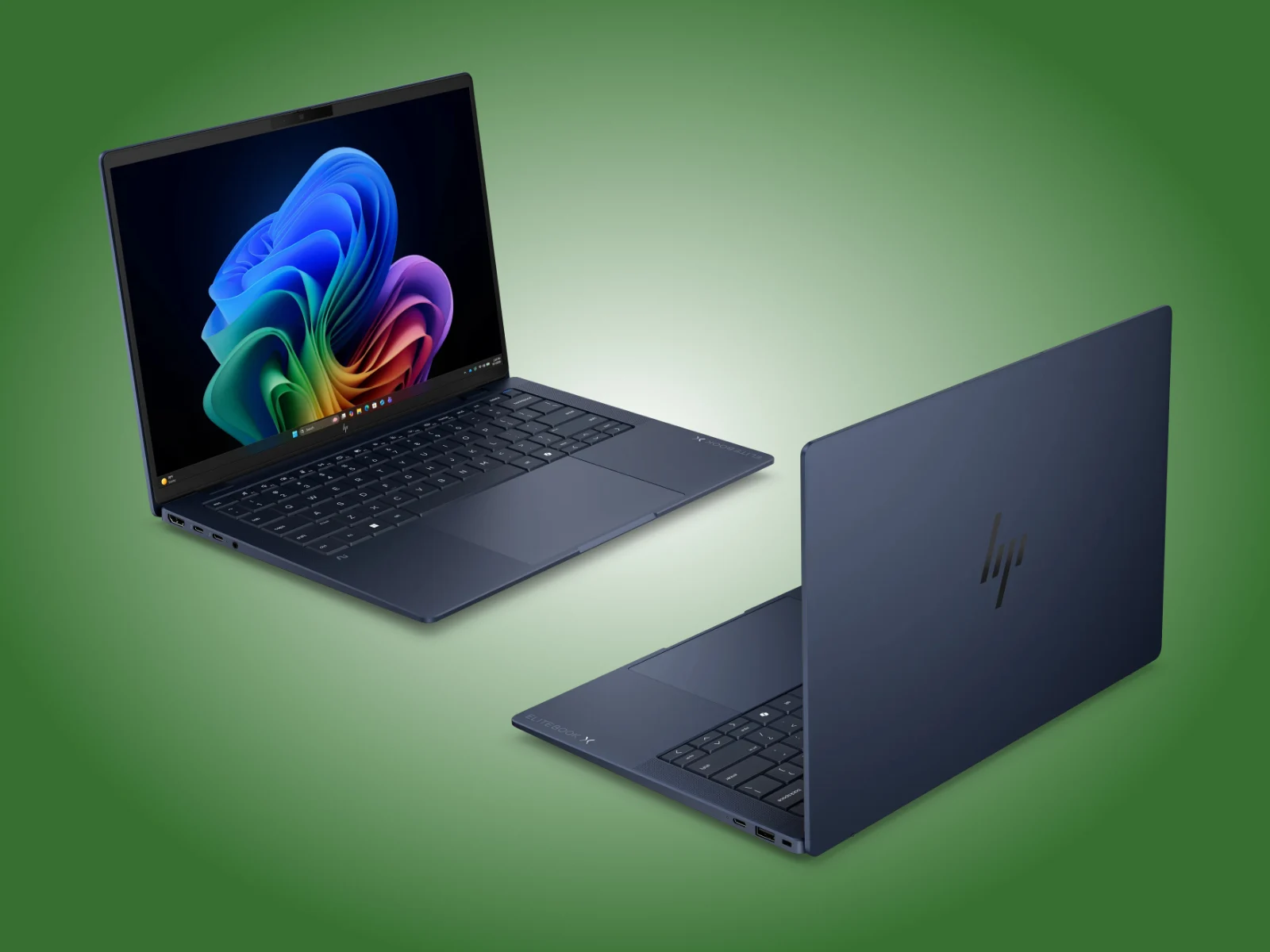
    HP has quietly started selling one of its latest 14-inch laptops powered by AMD Ryzen AI 400 processors. Announced during CES 2026 in January, the EliteBook X G2a was joined by the Snapdragon X2-based EliteBook X G2q, too. Incidentally, the latter has now gone on sale globally as well, full details of which we have covered separately.

    Pricing and availability

    By default, the Elitebook X G2a starts at $3,105 with the Ryzen AI 5 435, 16 GB of RAM and 512 GB of PCIe Gen 4 storage. This pricing includes a Windows 11 Pro licence though, which can be swapped with FreeDOS for a $250 saving. Nonetheless, the EliteBook X G2a is significantly more expensive than the EliteBook X G1a that we reviewed in early 2025 (curr. $1,199 on Amazon).

    Regional pricing

    By contrast, the same configuration costs £1,535 in the UK. Configurations range up to £3,323 with a Ryzen AI 9 HX PRO 470, 64 GB of RAM, a 1 TB SSD and a 1800p (2.8K) Tandem OLED display featuring a 120 Hz refresh rate. Meanwhile, HP lists the EliteBook X G2a in the Eurozone with the same processor for €4,119 but 32 GB of RAM, a 1 TB SSD and a 1200p IPS display.

    US options

    The company offers similar configurations in the US, too. At the time of writing, the EliteBook X G2a can be purchased there with the Ryzen AI 9 PRO HX 470, 64 GB of RAM, 1 TB of PCIe Gen 5 storage and the same OLED display as in the UK. A haptic trackpad, NFC and 5G cellular connectivity can be added too, but for a total price of $6,975 at the time of writing. Please see HP’s website for more details.


  • OviOS Linux 6 Switches from SysV to Systemd

    OviOS Linux 6 Switches from SysV to Systemd

    Key Takeaway

    – Transition from SysV to systemd, with newer Samba, NFS, iSCSI, and security daemons using systemd units while preserving legacy commands (pool, lun, target, service) for compatibility.
    – Major generational upgrade: modernized internals, expanded protocol support, and guided simplicity for administrators.
    – OviOS 6 ships with Linux kernel 7.0 (stable) and ZFS 2.4.2, targeting x86_64 hardware and maintaining LSB compliance.


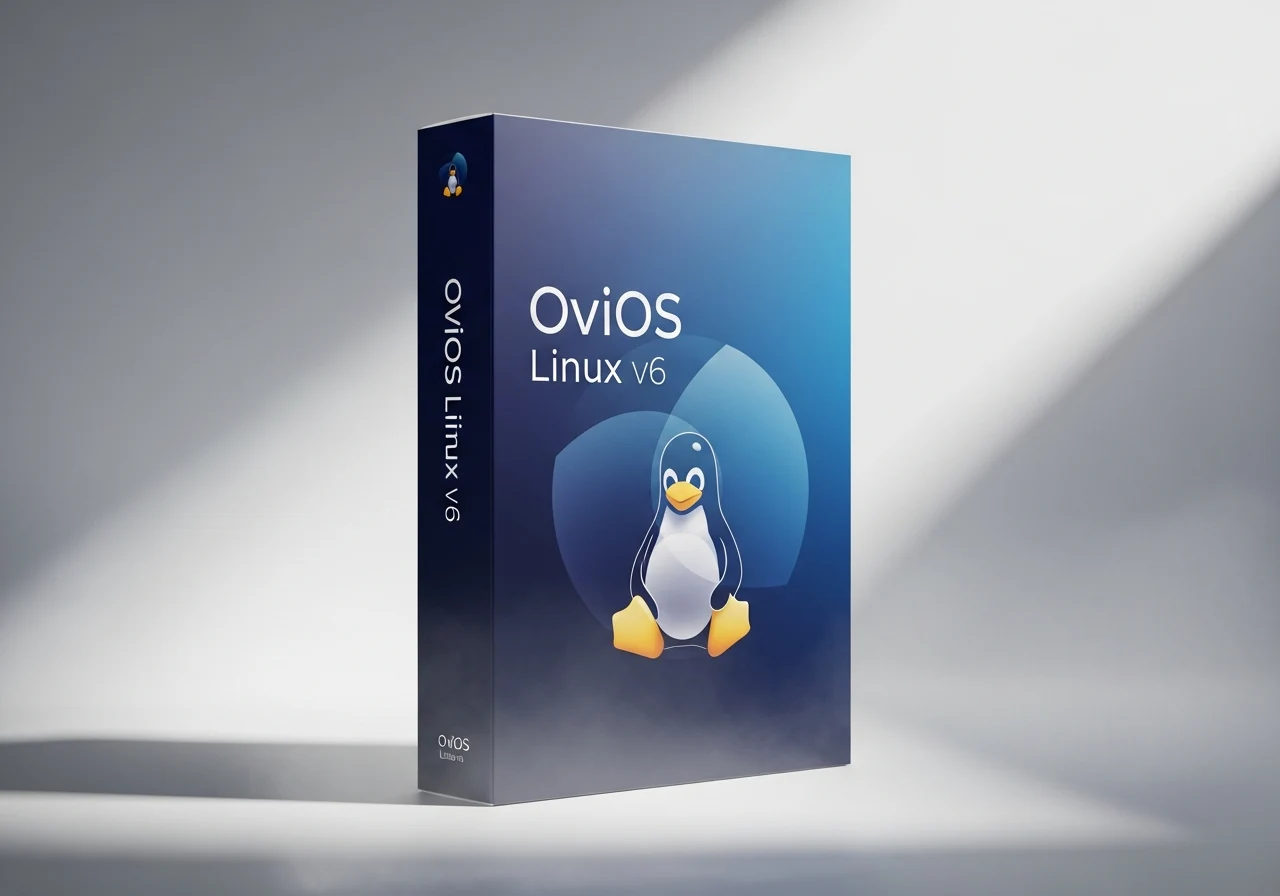
    OviOS Linux 6 is presented as a major upgrade with modernised internals and expanded protocol support, while keeping the familiar guided simplicity that admins rely on. This release notes describe a significant generational shift in the storage platform, emphasizing enhanced capabilities without sacrificing ease of use.

    System and kernel changes

    The distribution moves from SysV to systemd, reflecting a modernized init and service management approach. New versions of Samba, NFS utilities, iSCSI tools, and security daemons are provided with systemd unit files, making the transition smoother for administrators who rely on contemporary tooling. The kernel remains aligned with the latest stable release at the time of the update, and the platform targets x86_64 hardware to maintain broad compatibility.

    New features and compatibility

    OviOS 6 ships with Linux kernel 7.0 stable and ZFS 2.4.2, providing enhanced performance and storage capabilities. The system maintains LSB compliance, ensuring compatibility with a wide range of software expectations and standards. The release highlights several new features while stating that existing commands from the previous version—such as pool, lun, target, or service—continue to operate as before. The additional capabilities are designed to layer on top of the established workflow rather than replace it.

    Usage and deployment notes

    Old users can rely on the continuity of essential commands, with the new features available when needed. The Polaris codename identifies this release, and the distribution is distributed as a 1.4 GB ISO file that can be downloaded from the official page. This packaging choice mirrors the intent to deliver a complete, ready-to-deploy system while preserving familiar management paradigms.

    Sources
  • Lenovo 16″ Laptop with 32GB RAM and Intel Panther Lake

    Lenovo 16″ Laptop with 32GB RAM and Intel Panther Lake

    Key Takeaway

    – ThinkPad E16 Gen 4 shifts to Intel Panther Lake and offers Core Ultra 5–7 configurations, with RAM up to 64 GB and PCIe 4.0 storage options.
    – Choices between Wi‑Fi 6E or Wi‑Fi 7, and battery options of 48 Wh or 64 Wh (64 Wh model rated for over 32 hours in official tests).
    – Display options include default 1200p/60 Hz (45% NTSC) or higher-end 1600p/120 Hz with 100% sRGB and 400 nits brightness; up to 64 GB RAM in some regions.


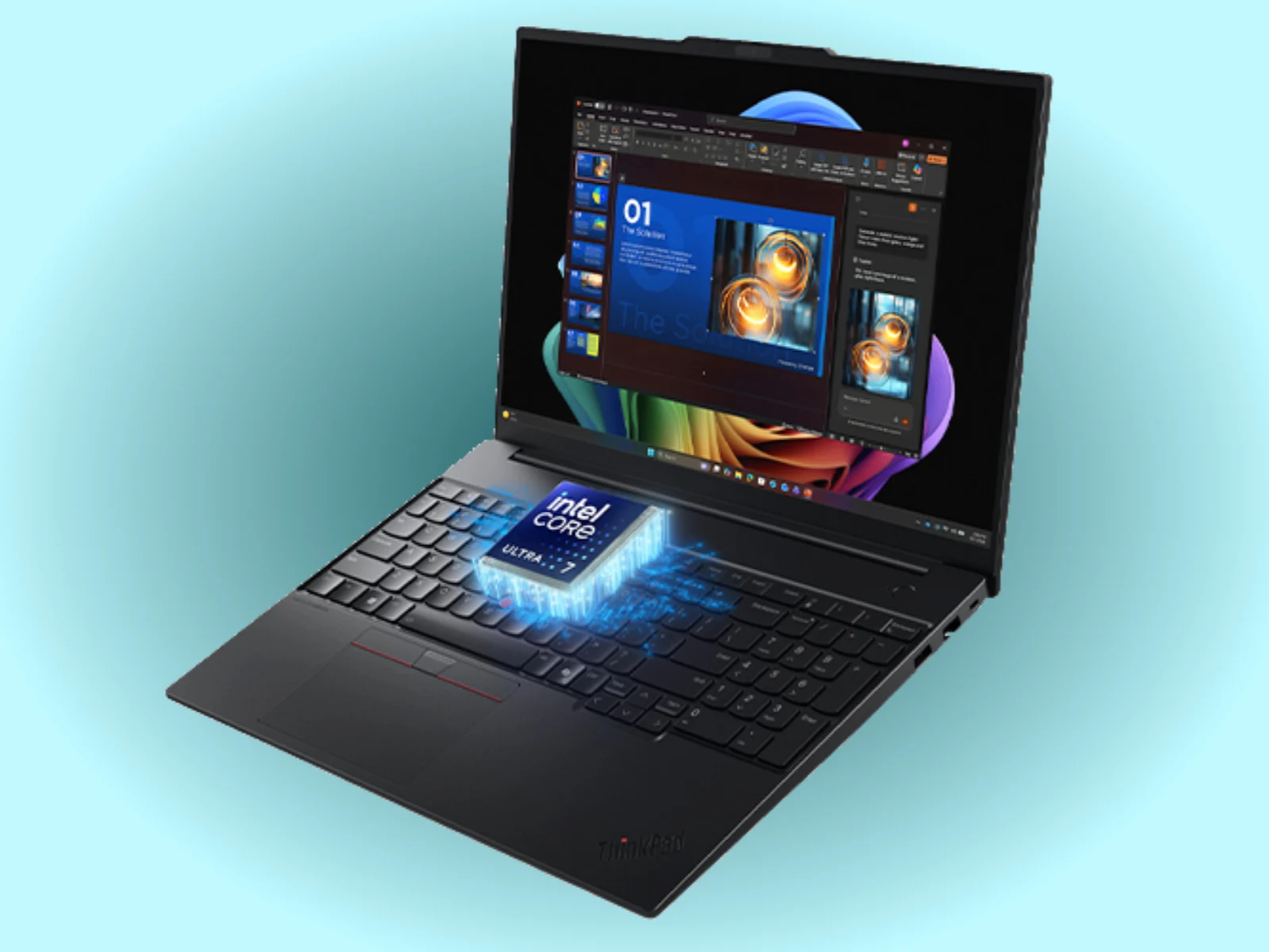
    Lenovo ThinkPad E16 Gen 4 Update and Context

    Lenovo has finally released its new ThinkPad E16 generation in some capacity. To recap, the company has just updated the ThinkPad E16 Gen 3 with Lunar Lake processors. Running alongside existing Arrow Lake options (curr. $1,299 on Amazon), these Lunar Lake models serve as cheaper options in Lenovo’s 16-inch ThinkPad portfolio.

    Gen 4 Variants and Core Ultra Configurations

    Now, it has complemented the ThinkPad E16 Gen 3 with Gen 4 variants. This time, Lenovo has switched to Intel’s newer Panther Lake platform, albeit without powerful Core Ultra X variants. Instead, the ThinkPad E16 Gen 4 starts with a Core Ultra 5 325 and can be configured through to the Core Ultra 7 356H as needed.

    RAM, Storage, Connectivity, and Battery Options

    Additionally, Lenovo offers its new 16-inch ThinkPad with 16 GB or 32 GB of DDR5-5600 RAM and 256 GB, 512 GB or 1 TB of PCIe 4.0 storage via an M.2 2242 drive. Moreover, the laptop comes with a choice between Wi-Fi 6E or Wi-Fi 7 connectivity and 48 Wh or 64 Wh batteries, the latter of which is rated to last over 32 hours in official battery life tests.

    Display Options and Color Gamut

    By default, the ThinkPad E16 Gen 4 comes with a 1200p IPS display that peaks at 60 Hz and 45% NTSC, colour space coverage. Alternatively, Lenovo offers up to a 1600p and 120 Hz IPS panel with 100% sRGB colour space coverage and 400 nits peak brightness at its disposal.

    Pricing and Market Reach

    Currently, pricing starts at HKD 12,074, AUD 1,862, MYR 5,745 and SGD 2,525 (~$1,976) in Hong Kong, Australia, Malaysia and Singapore, respectively. For reference, Lenovo charges at least SGD 4,092 (~$3,203) for the ThinkPad P16s i Gen 5 in Singapore. Eventually, the ThinkPad E16 Gen 4 should reach more markets with up to 64 GB of RAM. Unfortunately, it remains to be seen when that will be the case.


  • MSI Pro Max 27 QD-OLED Monitor with DarkArmor Scratch-Resistant【65 characters】

    MSI Pro Max 27 QD-OLED Monitor with DarkArmor Scratch-Resistant【65 characters】

    Key Takeaway

    – High-end professional OLED with 26.5″ QD OLED, 3840×2160, 120 Hz, and 1,000 nits peak HDR brightness, targeting both Windows and macOS workflows.
    – Strong color and brightness tooling via MSI M-Mate app and extensive color coverage (≈99% DCI-P3, ≈97.5% Adobe RGB) with DarkArmor coating for improved blacks in bright environments.
    – Versatile connectivity and power delivery: two USB-C ports (one up to 98 W, one up to 15 W), plus two HDMI 2.1 and DisplayPort 1.4a; built-in 2.5W×2 speakers; height-adjustable stand.


    Overview

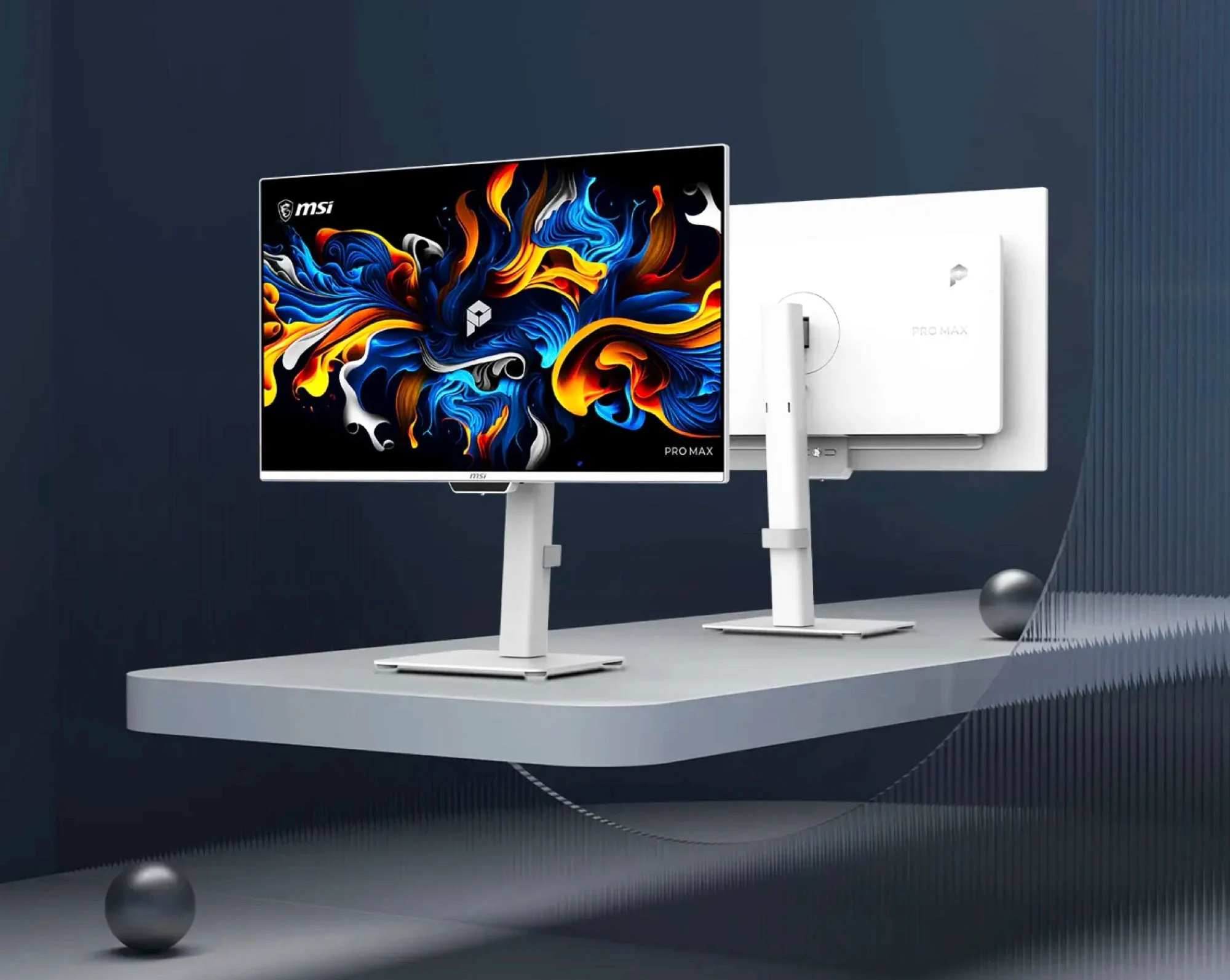
    Most OLED monitors in recent years have been aimed specifically at gaming enthusiasts, with a few exceptions such as the Asus ProArt OLED ($1,699 on Amazon). With the Pro Max 271UPXW12G, MSI now offers another monitor for professional users, which should work perfectly not only with Windows, but also with macOS. On the one hand, the MSI M-Mate app makes setting color profiles and brightness more convenient. And on the other hand, the monitor is equipped with a USB-C port that can charge MacBooks with up to 98 watts. A second USB-C port supplies up to 15 watts of power, which is enough to charge an Apple iPad, for example. Alternatively, two HDMI 2.1 and one DisplayPort 1.4a are also available. MSI installs 2 x 2.5 watt stereo speakers and includes a height-adjustable stand.

    Display and Color Performance

    The highlight of the equipment is the 26.5-inch QD OLED panel, which offers a resolution of 3,840 x 2,160 pixels, a frame rate of 120 Hz and a peak HDR brightness of 1,000 nits. According to MSI, 99% of the DCI-P3 color space can be displayed and 97.5% of Adobe RGB. A coating that MSI calls “DarkArmor” is said to make black appear 40 percent darker in daylight, as less ambient light is reflected, while the display is 2.5 times more scratch-resistant as a result.

    Release Details

    MSI has not yet confirmed when or at what price the MSI Pro Max 271UPXW12G monitor will be launched. Further information can be found on the official product page.


    Sources

  • AlmaLinux 10.2 & 9.8 Update: New Compilers and Security Enhancements

    AlmaLinux 10.2 & 9.8 Update: New Compilers and Security Enhancements

    Key Takeaway

    – AlmaLinux 9.8 “Olive Jaguar” and 10.2 “Lavender Lion” are released side-by-side with simultaneous release goals for 2026, featuring updated kernels and broader hardware support.
    – 9.8 brings new compiler toolsets, updated module streams, improved security, ALESCo-approved kernel backport, and multi-architecture ISO support (ARM64, IBM Z, IBM PowerPC, x86_64).
    – 10.2 adds parallel Intel/AMD builds with matching EPEL coverage, legacy 32-bit (i686) support, updated compiler toolchains, new language/database packages, and improved security for containerized workloads.


    The AlmaLinux OS Foundation is releasing a side-by-side package drop, presenting the “Olive Jaguar” stable release 9.8 with the 5.14.0-687.5.3.el9_8 kernel and AlmaLinux 10.2, nicknamed “Lavender Lion” powered by the 6.12.0-211.7.3.el10_2 kernel. Previously, the second release tended to trail the first by about a week, so moving to a concurrent release is one of the foundation’s 2026 goals. Anyone curious about the 2026 aims should read this blog post.

    New features in Olive Jaguar

    AlmaLinux 9.8 “Olive Jaguar” ships with fresh compiler toolsets, refreshed module streams, and tightened security. A number of packages receive updated versions along with various tweaks and fixes, including an ALESCo-approved kernel backport ahead of upstream. The ISO images target ARM64, IBM Z, IBM PowerPC, and 64-bit Intel/AMD platforms. The full release notes are accessible on the linked page.

    Lavender Lion and its parallel build

    Even though it supports the same architectures, AlmaLinux 10.2 “Lavender Lion” also comes with a parallel Intel/AMD build that matches EPEL coverage for older hardware. The key highlights include updated compiler toolsets, new language and database packages, and improved security. Thanks to i686 userspace packages now in a stable stage, AlmaLinux 10.2 enables legacy 32-bit software and CI pipelines, as well as containerized workloads. The full release notes can be found here.

    Cloud, container, and live images

    In addition to the above, it should be noted that a variety of cloud, container, and live images are available for both releases (see the Source link for details). This ensures versatile deployment options across environments while maintaining compatibility and ongoing updates.

    Sources
  • DuRoBo Krono E-Ink Reader Expands to More Markets After Update

    DuRoBo Krono E-Ink Reader Expands to More Markets After Update

    Key Takeaway

    – Native browser added (improves web access without Play Store routing) and Invert Scrolling option for Smart Dial via updates 1.2.1.
    – Version 1.1 introduced Transfer app for wireless file sharing, enhanced reading controls, saved Spark summaries, and a cleaner bookshelf.
    – Amazon UK listing launched at £249 (also available in US at $279.99) with black and white colors; device features 6.13″ Carta 1200 ePaper display, 300 PPI, octa-core, 6 GB RAM, 128 GB storage.
    – Core differentiators: Smart Dial, Spark idea capture, Libby AI assistant, built-in music; ongoing incremental updates planned.


    DuRoBo Krono Updates and UK Availability

    the duRobo krono, which we covered at launch in april, has picked up two key software updates since release and expanded its retail reach to amazon uk. this casual overview notes the shifts and doesnt pretend to be a deep technical report, yet it still preserves the essential pricing and spec details that readers expect to find in a launch follow-up. the text also touches on how the device sits in the market now, with emphasis on new software capabilities and where buyers can purchase it.

    Software Version 1.1 Enhancements

    version 1.1 added the transfer app for wireless file sharing, enhanced reading controls with adjustable fonts and layouts, saved spark summaries, and a cleaner bookshelf interface. this paragraph keeps the core price and spec details intact, while listing the features in a slightly lighter, narrative style that doesn’t overwhelm the reader with too much jargon. you’ll notice the writing shifts here as it moves to describe user experience rather than raw specs.

    Version 1.2.1 and the Native Browser

    version 1.2.1 followed with a native browser and an invert scrolling option for the smart dial — the latter was added directly in response to user feedback. the sentence structure shifts again to emphasize user feedback and practical benefits, while still mentioning the underlying hardware context and how this update changes day-to-day use, including how web access is simplified beyond routing everything through the play store.

    The Native Browser and Play Store Context

    the native browser is the primary addition here. the krono already runs android 15 with full google play store access, but a built-in browser removes a huge friction point for users who prefer not routing basic web access through the play store. the paragraph integrates the pricing note and the notion that this tweak makes the device more self-contained, a point that often resonates with buyers who prioritize convenience and speed in consuming web content on ereader-like hardware.

    Pricing and Availability in the UK

    the krono is now listed on amazon uk for £249, alongside its existing amazon us listing at $279.99 and the duRoBo website. it is available in black and white. the paragraph preserves the exact price references and respect for the original figures, while keeping a narrative flow that remains readable even with minor stylistic quirks.

    Hardware and Core Features

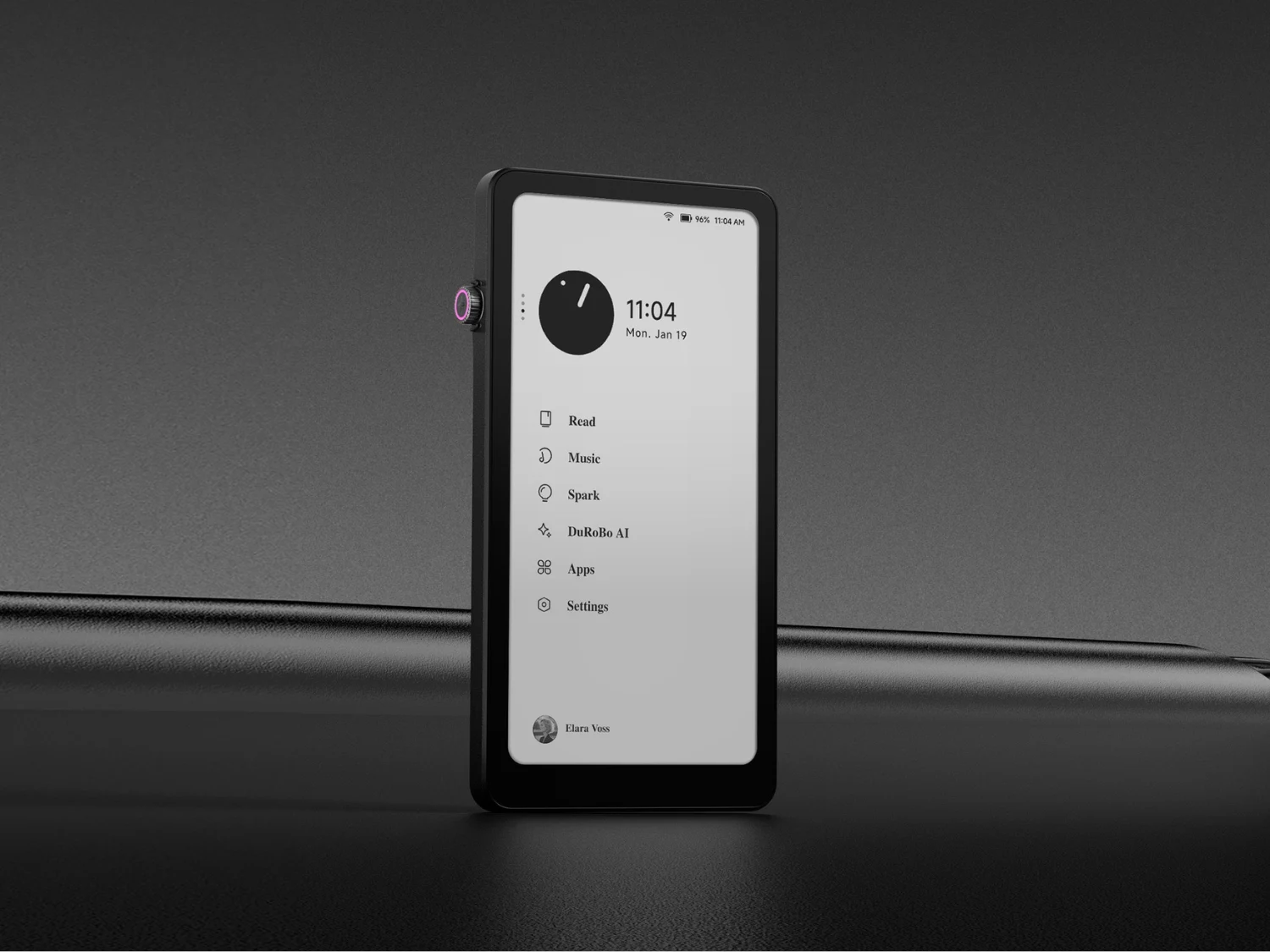
    the krono is built around a 6.13-inch carta 1200 epaper display at 300 ppi, with an octa-core processor, 6 gb ram, and 128 gigs of storage. at 9 mm thick and 173 g, it is much closer to a smartphone in hand than a traditional e-reader. the smart dial, spark idea capture tool, libby ai assistant, and built-in music are its core differentiators over standard kindle-style e-readers. the paragraph continues to list specs clearly while weaving in distinctive features to illustrate why someone might choose this device over others.

    Ongoing Updates and Outlook

    duRoBo says incremental updates will continue as the device evolves. in this closing statement, the style shifts again to a forward-looking note, reminding readers that the software and ecosystem may grow while snapshotting the current hardware strengths, including the display, processor, memory, storage, and the unique interface tools that set the krono apart in a crowded market.


    Sources

  • Crankboy Brings Full-Speed GB Emulation to Playdate for $10

    Crankboy Brings Full-Speed GB Emulation to Playdate for $10

    Key Takeaway

    – Crankboy brings a functional Game Boy emulator to Playdate for $10, with four pre-installed homebrew games and the ability to run ROM hacks and other titles via the Crankboy app.
    – It’s notable but pricey: the $10 price plus a Playdate (and potentially refurbished unit) makes the total cost comparable to or higher than buying a standalone Game Boy.
    – The developers, Sodium and Stonerl, achieved snappy performance on the Playdate by slimming the core to about 2KB and leveraging the device’s tightly coupled memory, plus targeted audio tweaks for stability.


    Playdate maker Panic has now officially added “Crankboy” to its Catalogue, letting owners use the quirky yellow handheld to revisit classic Game Boy titles, including four homebrew games included with Crankboy.

    Pricing and availability

    The Crankboy Game Boy emulator for the Playdate isn’t free: it costs $10, which is a tad expensive given the Playdate’s unique but limited platform and the fact that the device itself is already $229. Users can, however, still snag a refurbished unit for as low as $179. This would still cost nearly as much as purchasing a standalone, renewed Game Boy on Amazon.

    Included games

    Once you purchase Crankboy from the Playdate Catalogue, you get four pre-installed homebrew games: Life’s Too Short GB by Pixel Ghost, Dashosaur by Sleeping Panda, GBBS95 by Beatscribe, and Lo-Fi by Beatscribe, a music album built inside the Crankboy emulator but actually intended for your Playdate.

    How to use

    Playdate owners can download ROM hacks and other homebrew games directly within the Crankboy app. If you’re looking to play some classic retro Game Boy titles like Pokémon Red and Blue, The Legend of Zelda: Link’s Awakening, Metroid II: Return of Samus, or Wario Land: Super Mario Land 3, that’s entirely possible as well.

    Technical notes

    The catch is that you’ll have to legally dump your own Game Boy cartridges and use the Crankboy Manager tool to import your games onto your Playdate and into the Crankboy emulator.

    Development and performance

    The developers behind the project, known as Sodium and Stonerl, poured months of effort into making Crankboy run at full speed and feel snappy on the Playdate’s modest hardware. When hype around the Playdate was at an all-time high, people wondered whether it could ever run emulators, but skeptics figured it was too underpowered to handle even lightweight Game Boy games. However, the two developers managed to prove them wrong. In an earlier interview with ReadOnlyMemo, developer Sodium said:

    “A lot of people were speculating that the Playdate is too underpowered to be able to run a Game Boy emulator. But it turns out not to be true. The trouble is that until recently, most people were not aware of what exactly the performance bottleneck on the emulator was. The real bottleneck was the size of the cache.”

    To bypass this limitation, the two developers decided to slim the emulator’s core code to a mere 2 kilobytes, using the device’s tightly coupled memory (TCM) so that data and code remain in place between frames rather than being copied in and out.

    Stonerl also had to make specific audio tweaks because certain sound channels could lead to frame drops, which, of course, is a no-go for a $10 Game Boy emulator on a niche $229 gaming handheld with a crank.

    Ultimately, you can play Game Boy titles with 44.1 kHz audio, support for multiple save slots per game, and plenty of tweaks for retro gamers, such as widescreen support.

    Sources
  • Leica 44 MP Full-Frame Camera Coming Soon

    Leica 44 MP Full-Frame Camera Coming Soon

    Key Takeaway

    – Leica SL3-P is rumored for June 2026 release with a €5,900 price and a 44 MP full-frame sensor, positioned between the SL3-S (24 MP, €5,190) and SL3 (60 MP, €6,990).
    – The camera is reportedly based on the Panasonic Lumix S1RII architecture, not on the SL3-S or SL3, with Leica-like menu/RAW adaptations but a premium price.
    – Expected tradeoffs: higher resolution and faster autofocus than SL3-S, but worse video performance; operating concept said to resemble Panasonic cameras more than typical Leica bodies.


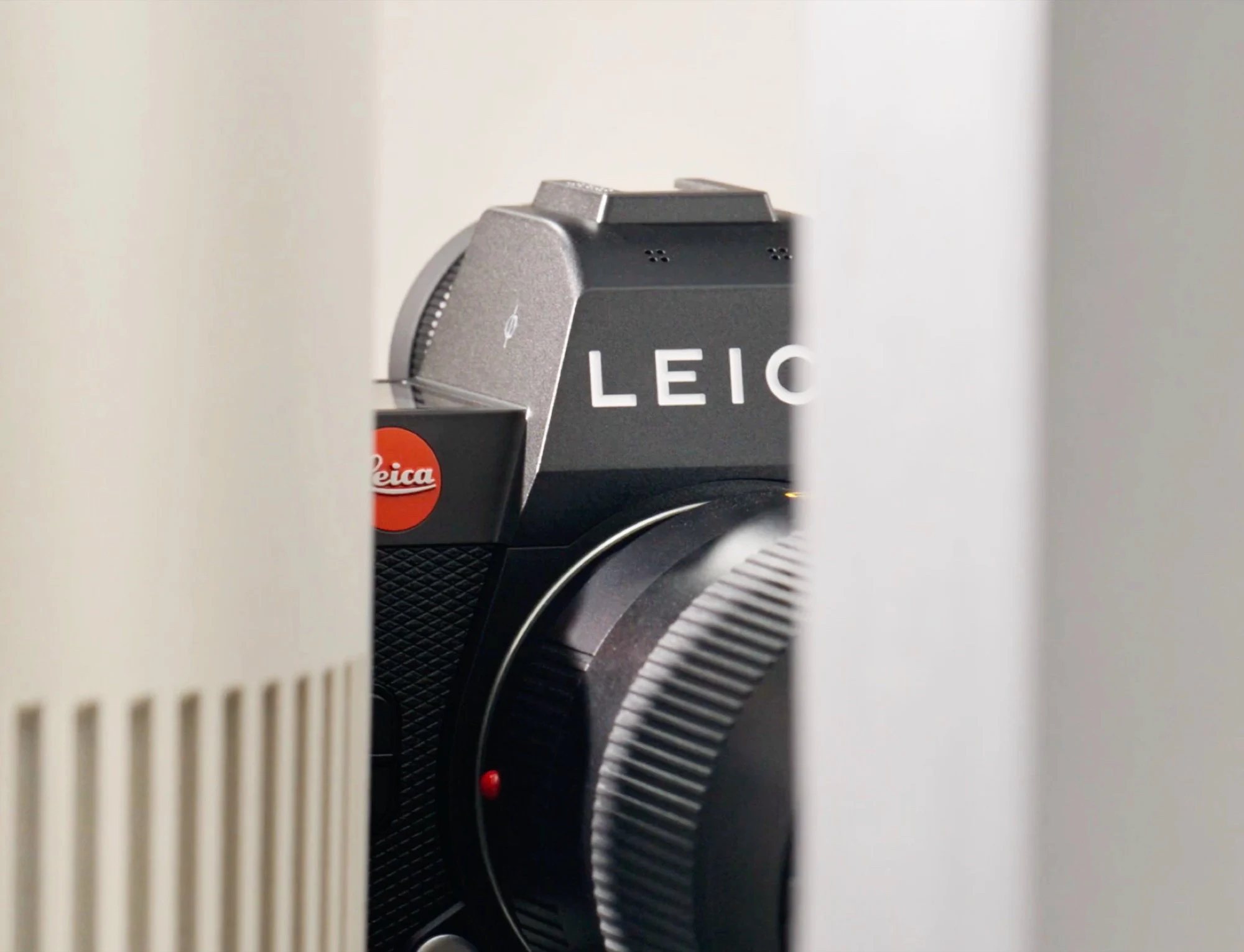
    Rumors swirling since March about Leica’s next big release, the SL3-P, have now found some firmer footing as LeicaRumors reports fresh details. The anticipated launch window points to June 2026, with a suggested retail price hovering around €5,900 and a 44-megapixel full-frame sensor aboard. The revelation frames the camera as a midpoint in the SL3 lineup, straddling performance and price in intriguing ways.

    New specs emerge

    The leaked specs place the SL3-P squarely between the SL3-S and the SL3. The SL3-S offers 24 MP for €5,190, while the SL3 sports a beefier 60 MP sensor for €6,990. Yet insiders claim the SL3-P isn’t simply a rehash of either model. Instead, it purportedly borrows its core from the Panasonic Lumix S1RII, which debuted in February 2025 and currently sells for around $2,997 in the U.S. market. This mix suggests Leica is pursuing a unique cross-brand approach with this release.

    Branding and design choices

    Historically, Leica has tweaked menus, controls, and RAW files in DNG format to fit its own ecosystem, even when underlying hardware originates elsewhere—seen in the D-Lux 8’s basis on the Panasonic LX100 II. For the SL3-P, buyers might still encounter Leica’s signature look in UI and processing, but the hardware performance could align closely with its Panasonic counterpart, raising questions about premium pricing for essentially similar image quality.

    In terms of target audience, the information from LeicaRumors hints that the SL3-P will edge ahead in resolution and autofocus speed relative to the SL3-S, while potentially sacrificing some video capabilities. This positioning suggests a camera aimed more at stills shooters, with an operating concept that leans toward Panasonic-like ergonomics rather than a pure Leica experience. If accurate, the pricing premium over the S1RII will be a hot topic for early buyers and analysts alike.

    Market positioning

    The overall strategy appears to be a blend of premium branding and pragmatic hardware sourcing. If the SL3-P uses the Lumix S1RII’s sensor and processing backbone, Leica would be leveraging established tech while charging a higher price due to its name and post-processing pipeline. The expected June 2026 launch supports a staggered rollout that could test consumer appetite for a Leica-branded camera built on another brand’s core tech.


    Sources

  • Instagram Plus and WhatsApp Plus arrive: the beginning

    Instagram Plus and WhatsApp Plus arrive: the beginning

    Key Takeaway

    – Meta is rolling out new subscribed tiers across Instagram, Facebook, and WhatsApp, starting with Plus options at $2.99–$3.99/month.
    – Instagram, Facebook Plus offer features like extended story sharing, broader follower lists, viewership insights, and customization (icons/fonts); WhatsApp Plus adds themes, ringtones, and premium stickers.
    – Meta is planning AI-centric subscriptions (Meta One Plus $7.99, Meta One Premium $19.99, Meta One Advanced $49.99) focused on image/video generation and reach enhancement.


    Meta launches new subscriptions across Instagram, Facebook, and WhatsApp

    Meta has announced that a range of new subscriptions are now available and will be made available to all Instagram, Facebook and WhatsApp users over the coming weeks. The scope of these “Plus” subscriptions varies depending on the app. The article maintains pricing and specification details as provided, including monthly costs and feature sets for each platform.

    Instagram Plus features and price

    Instagram Plus costs $3.99 per month, and allows you to see how many people have viewed a Story multiple times, while unlimited follower lists can be created, rather than just a “Close Friends” list as with a free account. Subscribers can share stories for longer than the usual 24 hours and highlight them once a week to generate additional reach. With the subscription, it is also possible to see stories from other users without appearing on the list of people who have seen the story. Small cosmetic features, such as a selection of different app icons or a font selection in your own profile, complete the subscription. In this section the price and feature details are repeated as described.

    Facebook Plus and WhatsApp Plus

    Facebook Plus also costs $3.99 per month and offers a similar range of functions. WhatsApp Plus is slightly cheaper at $2.99 per month and includes the option to personalize the entire app with themes, use exclusive ringtones and send premium stickers. The article preserves the exact pricing and feature notes for these two platforms, including the monthly costs and customization options.

    Subscription ecosystem and future plans

    These “Plus” subscriptions are offered in addition to the Meta Verified subscription. But Meta’s flood of subscriptions doesn’t end there, as the company also plans to offer AI subscriptions in the future with Meta One Plus for $7.99 per month and Meta One Premium for $19.99 per month, which will allow users to generate images and videos using AI. Meta One Advanced for $49.99 per month is primarily intended to increase reach on Facebook and Instagram. The text keeps the pricing structure as stated, noting upcoming AI services and their aims.

    Sources
  • Acemate AI Tennis Robot: Advanced Drill Modes for All Skill Levels

    Acemate AI Tennis Robot: Advanced Drill Modes for All Skill Levels

    Key Takeaway

    – New drilling system with 40+ templates for NTRP 1.0–5.0 players to target specific skills (spin control, backhand placement, etc.).
    – Advanced auto-ball collection and live AI coaching: robot catches returns and analyzes each shot for coaching tips across multiple languages.
    – Dynamic return behavior with accuracy enforcement: robot refuses catches outside target zone to reinforce precision, while adding human-like unpredictability.
    – On-sale price: $2,199 with the Acemate V2 update and 2026 improvements.


    Acemate AI Tennis Robot 2026 Update Overview

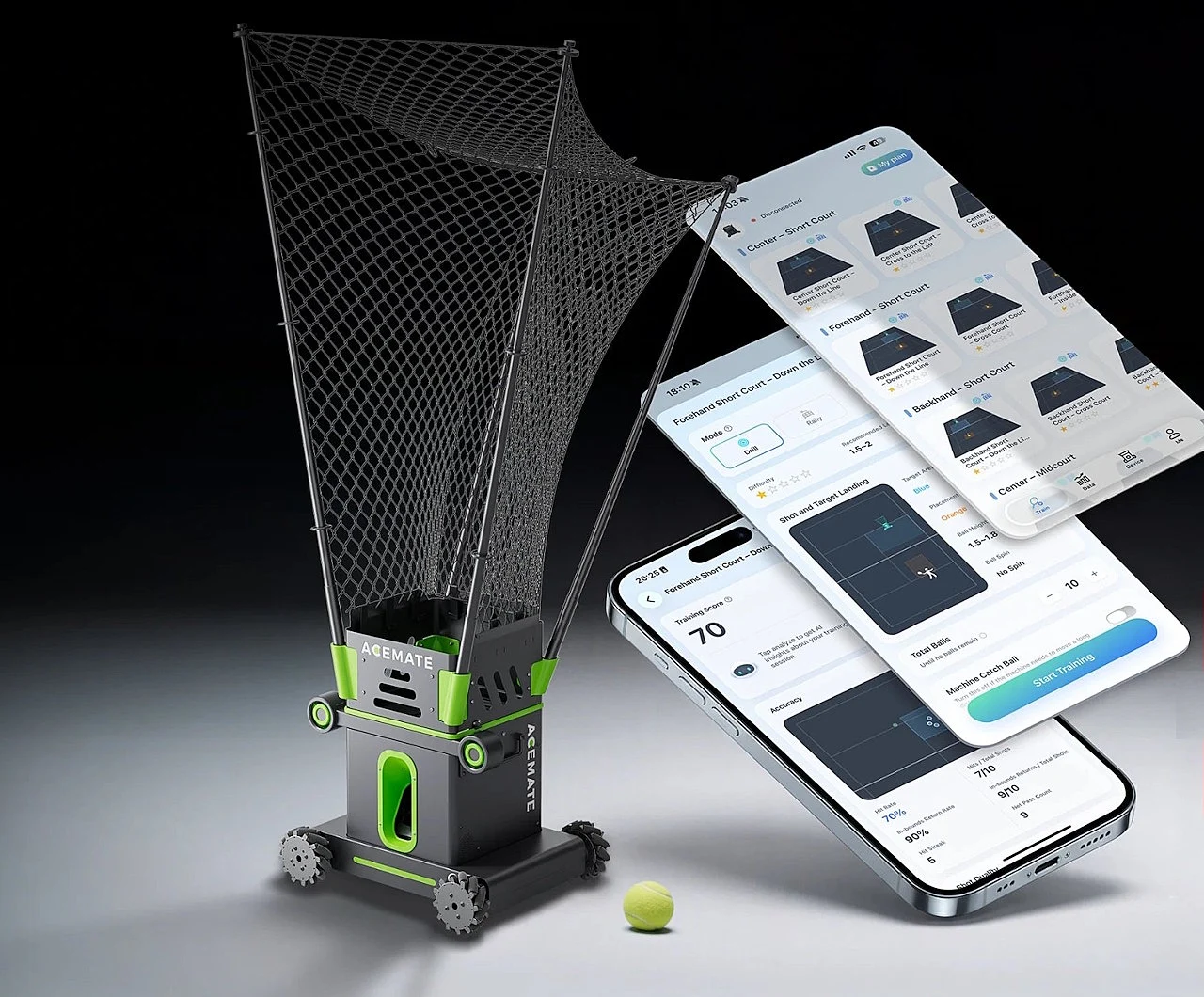
    Acemate has updated the Acemate AI Tennis Robot for 2026 with new drills and features to help push NTRP-rated players to train at their best during practices. The new version promises more tailored drills and smarter ball handling, aimed to keep players engaged and progressing while indoors or on the court. There are shifts in capabilities and a focus on precise feedback to users who are serious about improving their game.

    What’s New in 2026 and 2.0 App

    The Acemate was unveiled in 2025 as what is possibly the only consumer-grade tennis training robot that can not only launch balls across the court during training, but also catch them as they are returned. This eliminates the hassle of stopping training sessions to gather loose balls that traditional ball machines cannot collect on their own, while allowing users to focus on their on-court practice.

    Drills and Templates

    The version 2.0 app update brings new features to the Acemate robot, including an advanced drill system for NTRP 1.0- to 5.0-rated players. The update adds over forty training templates, each focused on a specific drill, such as improving spin control or backhand ball placement. This wide selection helps users target multiple facets of their game in a structured manner, with an emphasis on practical on-court outcomes.

    Smart Catch and Feedback

    The robot can also refuse to catch returns that land outside the target zone, helping reinforce the need for shot accuracy, while returning well-placed ones in a dynamic manner that adds natural unpredictability like a human coach. Each shot is tracked and analyzed by AI for coaching tips that can help the player improve across all recorded sessions in English, Chinese, Japanese, and Korean. This multilingual coaching capability broadens accessibility for international players who want instant feedback.

    Pricing and Availability

    The Acemate AI tennis robot is currently on sale for $2,199. This price point positions the device as a premium consumer product with a focus on integrated coaching, realistic ball delivery, and automatic ball collection to minimize downtime during practice sessions. Availability details and regional shipping options are not listed here, but are typically provided by the official store.

    Sources