Author: GizNews

  • OnePlus 15T Beats 13T in Benchmarks, Matches OnePlus 15 Performance

    OnePlus 15T Beats 13T in Benchmarks, Matches OnePlus 15 Performance

    Key Takeaways

    1. OnePlus has not announced a release date for the OnePlus 15T, but leaks are emerging online.
    2. The OnePlus 15T is expected to feature a Snapdragon 8 Elite Gen 5 processor and 16 GB of RAM.
    3. In Geekbench tests, the OnePlus 15T scored 3,555 in single-core and 10,632 in multi-core, showing slight improvements over the OnePlus 15.
    4. The OnePlus 15T outperforms the OnePlus 13T by 20% in both Geekbench single-core and multi-core tests.
    5. The OnePlus 15T is anticipated to launch in China later this month, featuring a 7,500 mAh battery and a 6.32-inch AMOLED screen.


    OnePlus has not yet revealed the release date for the OnePlus 15T. Meanwhile, various leaks are surfacing online about the upcoming sub-flagship smartphone. Recently, Digital Chat Station posted new information about the device on Weibo.

    Geekbench Listings

    The same device seems to have been spotted on Geekbench multiple times. As anticipated, the OnePlus 15T is equipped with a Snapdragon 8 Elite Gen 5 processor and 16 GB of RAM, mirroring the OnePlus 15. Presently, the OnePlus 15 ranks among the lower-performing Snapdragon 8 Elite Gen 5 smartphones we have tested until now.

    Benchmark Scores

    The OnePlus 15 achieved an average score of 3,498 in the Geekbench 6.5 single-core test and 10,645 in the multi-core test, which shows a decline of 6.5% and 8.5% compared to the RedMagic 11 Pro (currently priced at $799 on Amazon). In contrast, the OnePlus 15T scored 3,555 in single-core and 10,632 in multi-core. It slightly outperforms the OnePlus 15 in single-core performance but falls short in multi-core, with both scores being within the margin of error.

    Comparison with OnePlus 13T

    Nevertheless, the OnePlus 15T outperforms the OnePlus 13T in these benchmarks. Notably, the new model surpasses its predecessor by 20% in both Geekbench single-core and multi-core tests. Currently, OnePlus is anticipated to unveil the OnePlus 15T later this month in China, featuring a 7,500 mAh battery and a 6.32-inch AMOLED screen. Information regarding its international release is still not available.

    Source:
    Link


  • Galaxy Watch Ultra 2 to Switch to Snapdragon Wear Elite, Watch 9 Stays

    Galaxy Watch Ultra 2 to Switch to Snapdragon Wear Elite, Watch 9 Stays

    Key Takeaways

    1. Samsung is expected to reveal the Galaxy Watch 9 and Galaxy Watch Ultra 2 this summer, alongside the Galaxy Z Fold 8.
    2. Qualcomm’s Snapdragon Wear Elite, featuring advanced AI processing, may be used in the Galaxy Watch Ultra 2, while the Galaxy Watch 9 is likely to run on the Exynos W1000.
    3. The Galaxy Watch Ultra 2 is currently being tested with the Snapdragon Wear Elite SoC, while the Galaxy Watch 9 will likely use the Exynos W10.
    4. The Exynos W1000 is believed to outperform the Snapdragon W5+ Gen 2, making performance comparisons between the two chips interesting.
    5. The Galaxy Watch 9 is expected to have the model number SM-L345, and the Galaxy Watch Ultra 2 is likely designated as SM-L716.


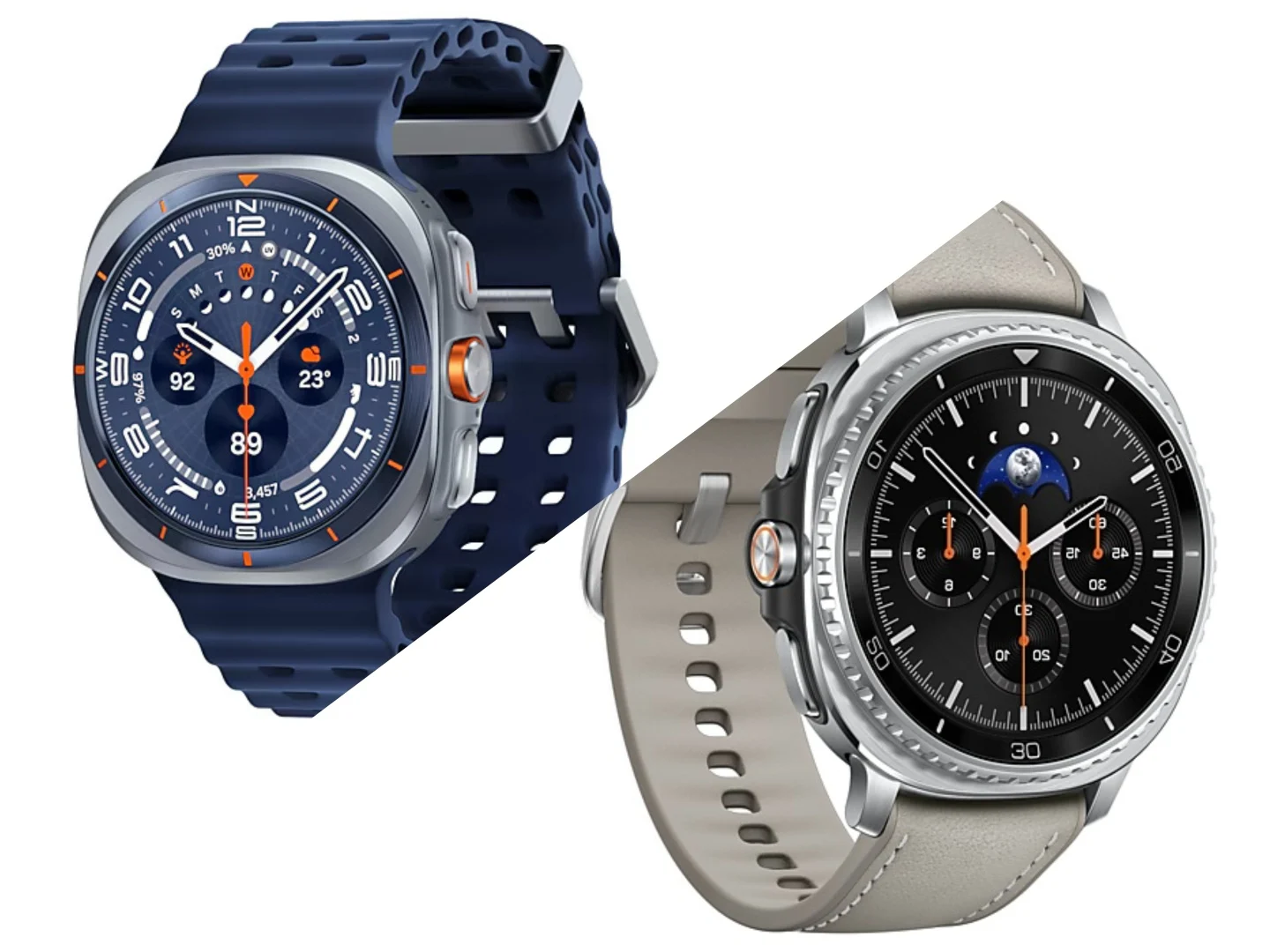
    Samsung is likely to reveal its Galaxy Watch 9 and Galaxy Watch Ultra 2 this summer. Although a specific release date has not been disclosed, they are anticipated to debut alongside the Galaxy Z Fold 8. There isn’t much information available about these smartwatches, however, a recent leak suggests an interesting chip strategy that could please those interested in the Ultra 2.

    Snapdragon Wear Elite Update

    Qualcomm has recently launched the Snapdragon Wear Elite at the MWC, marking it as the first wearable platform focused on personal AI. It incorporates the company’s Hexagon NPU, allowing for high-performance AI processing right on the device itself. This new processor might be featured in the Galaxy Watch Ultra 2, while the Galaxy Watch 9 is expected to utilize the Exynos W1000. This information has been shared by leaker Jason C on X, who claims that this dual-chip strategy aims to differentiate between the premium and standard models.

    Specifications of the Watches

    The leaker mentions that Samsung is putting the Galaxy Watch Ultra 2 through tests with the Snapdragon Wear Elite SoC. Furthermore, the Galaxy Watch 9 is said to run on the “Exynos W10,” which is likely the W1000, the same system-on-chip used in the original Galaxy Watch Ultra (buy on Amazon) and Galaxy Watch 8 (buy the Classic on Amazon) versions. The W1000 is a robust wearable SoC, outperforming the Snapdragon W5+ Gen 2. It will be intriguing to compare its performance against the Snapdragon Wear Elite.

    Speculative Processor Strategy

    At this stage, the dual-processor approach for the upcoming Galaxy smartwatches remains speculation. The only other detail that has surfaced pertains to the model numbers linked to them. Reports indicate that the Galaxy Watch 9 will have the model number SM-L345, while the Galaxy Watch Ultra 2 is expected to be designated as SM-L716.

    Jason C on X

    Source:
    Link


  • LEGO Horizon Adventures Leak Suggests Fewer PS5 Exclusives on Switch 2

    LEGO Horizon Adventures Leak Suggests Fewer PS5 Exclusives on Switch 2

    Key Takeaways

    1. Microsoft is collaborating with Nintendo, as seen with Bethesda’s Fallout 4 on the Switch, but Sony’s interest in the Switch 2 remains uncertain.
    2. PlayStation may stop transferring single-player PS5 exclusives to PC, raising questions about its strategy for other platforms.
    3. LEGO Horizon Adventures for the Switch was not indicative of a broader partnership, as it was commissioned by the Lego Group, and Sony views Nintendo as a competitor.
    4. There is debate on whether Sony considers Nintendo a primary rival, with some experts suggesting the audiences for their platforms differ significantly.
    5. Sony’s strategy appears to limit cross-platform play, focusing on keeping more PS5 exclusive games within its own ecosystem.


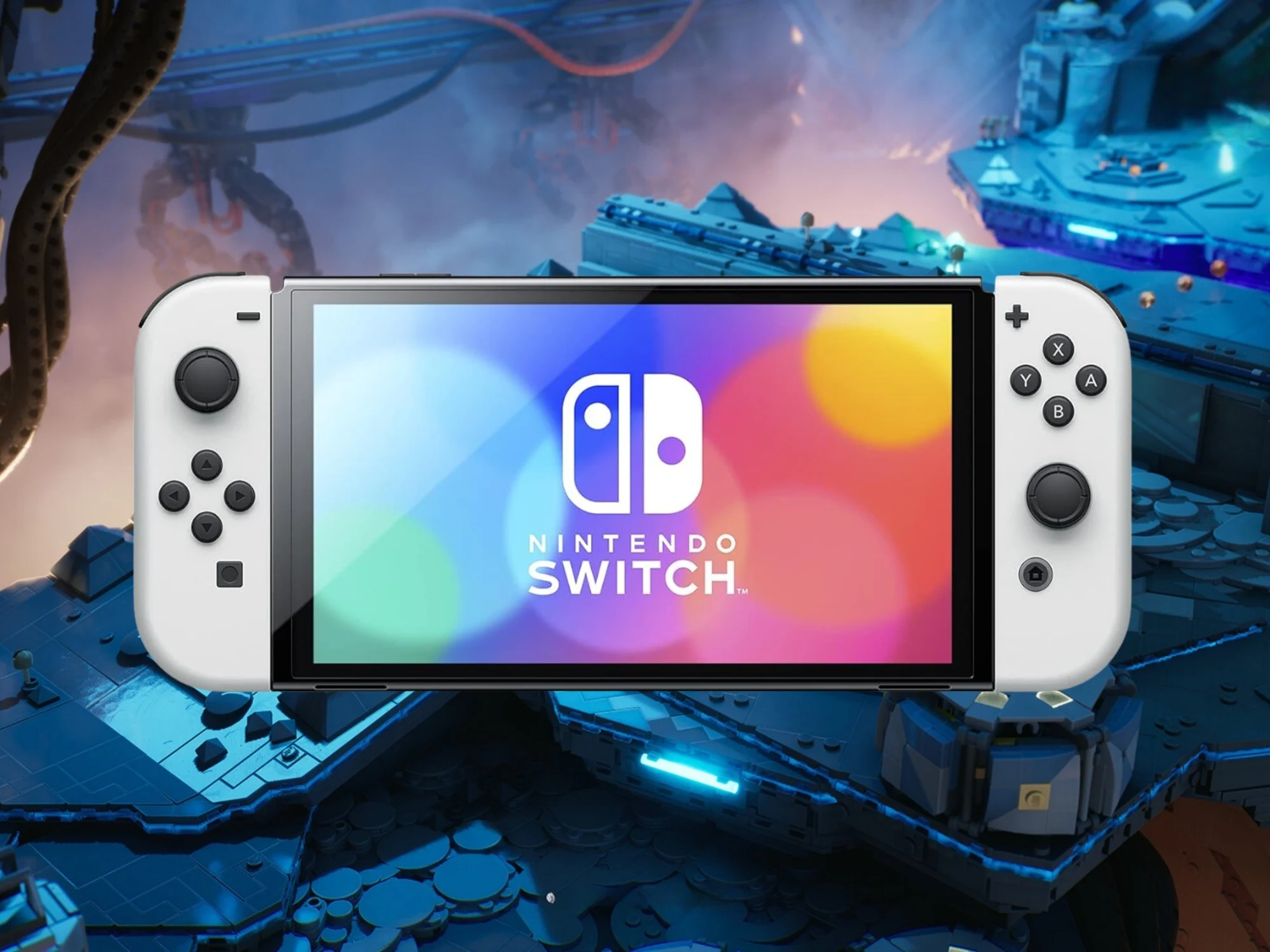
    Microsoft has welcomed Nintendo’s gaming console, with Bethesda’s Fallout 4 being the newest instance of this collaboration. Nevertheless, there is still doubt regarding Sony’s interest in releasing games for the Switch 2. While LEGO Horizon Adventures made its way to the older handheld in 2024, a new leak suggests this was probably just a one-off situation.

    PlayStation’s Strategy

    A recent article from Bloomberg indicated that PlayStation might halt the transfer of single-player PS5 exclusive titles to PC. This development has prompted gamers to question the company’s stance on other gaming platforms. Helldivers 2 made its debut on Xbox systems in 2025, yet even multiplayer titles from SIE are infrequent on the Switch 2.

    Speculations Around LEGO Horizon Adventures

    When LEGO Horizon Adventures appeared on the Switch, some fans speculated it might signify a future partnership between these two gaming powerhouses. However, on social media, Reece “Kiwi Talkz” Reilly pointed out that the port was “ordered by the Lego Group.” He elaborated that “Sony sees Nintendo as a direct competitor,” which added to the conversation.

    This information caught many gamers off guard, especially those who recalled a previous statement from Guerrilla Games. Narrative Director James Windeler had suggested that the studio aimed to attract younger audiences who enjoy LEGO titles. In an interview with Video Games Chronicle, he described the game as a “natural fit for the goals that we had.” Although Sony does not own the IP, it’s uncertain if they could be compelled to release a port.

    Rivalry Considerations

    Whether Sony truly views Nintendo as a primary competitor is still up for discussion. Former PlayStation executive Shuhei Yoshida has challenged this idea, noting that the audience for Switch 2 games is different from that of PlayStation. Conversely, many analysts interpreted the introduction of a more affordable, region-locked PS5 in Japan as an attempt to bridge the sales divide.

    In any case, Kiwi Talkz believes that Sony’s future plans do not involve the handheld market. Any choice to keep more PS5 exclusive games confined to its own devices could have significant effects. Unlike Microsoft, there appears to be a limit to Sony’s ambitions for cross-platform play.

    Reece “Kiwi Talkz” Reilly, Bloomberg, Video Games Chronicle.

    Source:
    Link


  • Xiaomi Book 14 Refresh Leaks with Intel Arc B390 iGPU

    Xiaomi Book 14 Refresh Leaks with Intel Arc B390 iGPU

    Key Takeaways

    1. Xiaomi is set to launch a new lightweight laptop, believed to be the updated Xiaomi Book 14.
    2. The laptop will feature a 14-inch display and can be upgraded with Intel Core Ultra X7 358H or Core Ultra 5 325 processors.
    3. It will support up to 32GB of RAM and initial storage options will be limited to 1TB.
    4. The design is focused on being slim and light, weighing under 1kg (approximately 2.2lbs).
    5. The laptop’s review by a Chinese YouTuber suggests that an official launch is expected soon.


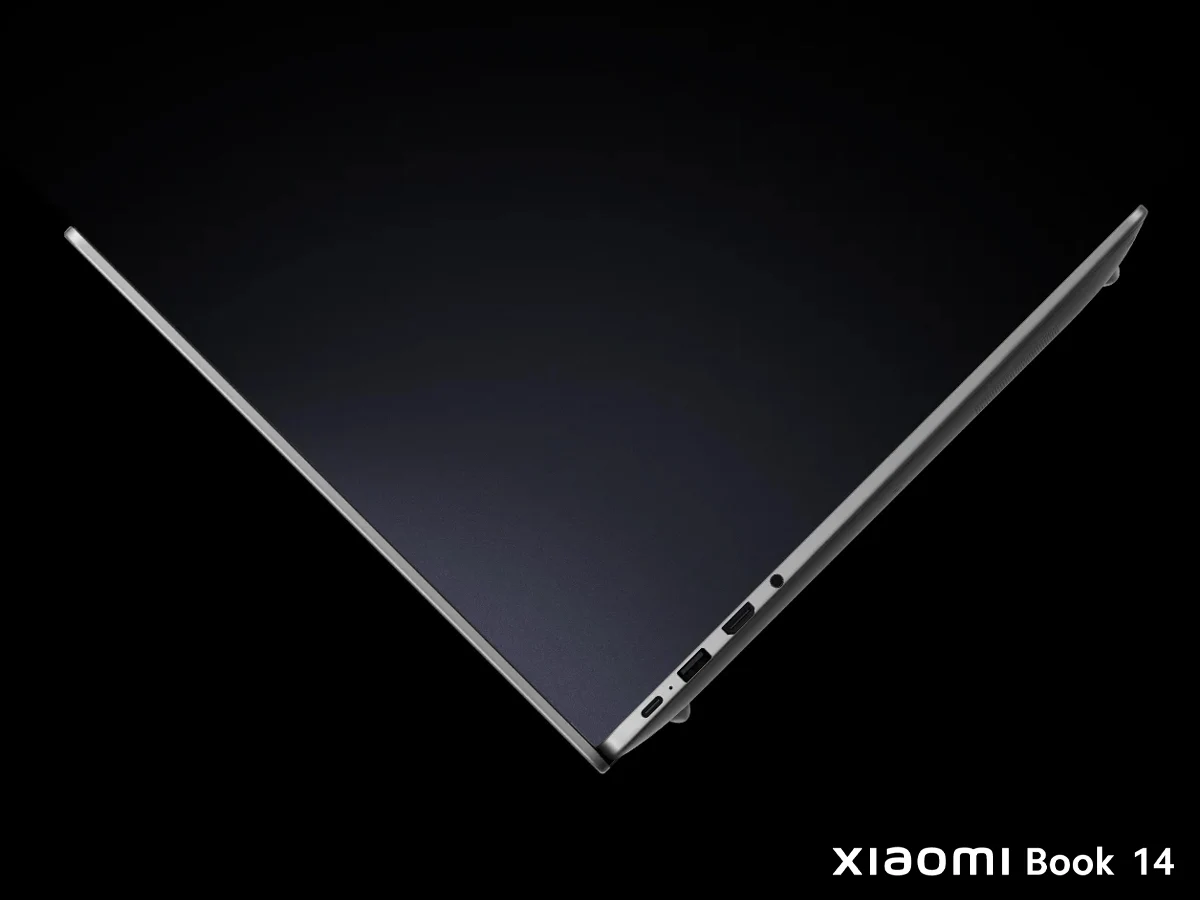
    It looks like Xiaomi is preparing to introduce a new lightweight laptop. A Chinese reviewer known as @Bibalaptop on YouTube revealed that the company has provided them with what is believed to be the updated Xiaomi Book 14. The initial insights from the reviewer suggest that this device will be a high-end model featuring a slim and light design.

    Specifications Revealed

    A well-known leaker on Weibo, Digital Chat Station, also released information about this laptop in late February 2026. The source indicated that it will sport a 14-inch display and can be upgraded with the Intel Core Ultra X7 358H processor. This CPU is designed for performance and belongs to the Panther Lake series, equipped with the capable Intel Arc B390 integrated graphics.

    Furthermore, the leaker mentioned that there will also be a configuration featuring the Core Ultra 5 325, which is a mid-tier option from the same processor family. According to the report, the Xiaomi Book 14 will support up to 32GB of RAM, although the initial storage options will be restricted to 1TB (with a 2TB Samsung T7 portable SSD currently priced at $314.22 on Amazon).

    Design and Launch Expectations

    Regarding its design, Digital Chat Station noted that the laptop will be lightweight, weighing less than 1kg (approximately 2.2lbs). While additional specifics about the Panther Lake Xiaomi Book 14 remain undisclosed, the fact that the company has sent it to a reviewer suggests that an official launch may be imminent.

    Both Digital Chat Station and Aura Pig have provided updates on Weibo about this upcoming device.

    Source:
    Link


  • BYD’s Fast-Charging Battery: 10% to 97% in 9 Minutes, 620+ Miles

    BYD’s Fast-Charging Battery: 10% to 97% in 9 Minutes, 620+ Miles

    Key Takeaways

    1. Rapid Charging Capabilities: The Blade Battery 2.0 can charge from 10% to 70% in five minutes and from 10% to 97% in nine minutes, significantly reducing charging anxiety for users.

    2. Impressive Range: The new battery offers a range of over 1,000 km (621 miles) under lenient CLTC testing conditions, aiming to balance performance, range, and charging speed.

    3. First Vehicle Launch: The Yangwang U7 will be the first vehicle to use the Blade Battery 2.0, featuring a range of 1,006 km (625 miles), with the Denza Z9 GT also set to incorporate the battery.

    4. Charging Infrastructure Expansion: BYD plans to establish 20,000 flash-charging stations in China by year-end, with upgraded stations capable of 1,500 kW output, far exceeding Tesla’s current offerings.

    5. Market Strategy Amid Slowdown: The introduction of the Blade Battery 2.0 is part of BYD’s strategy to revive demand and stand out in a competitive market, as the company faces declining sales and profits.


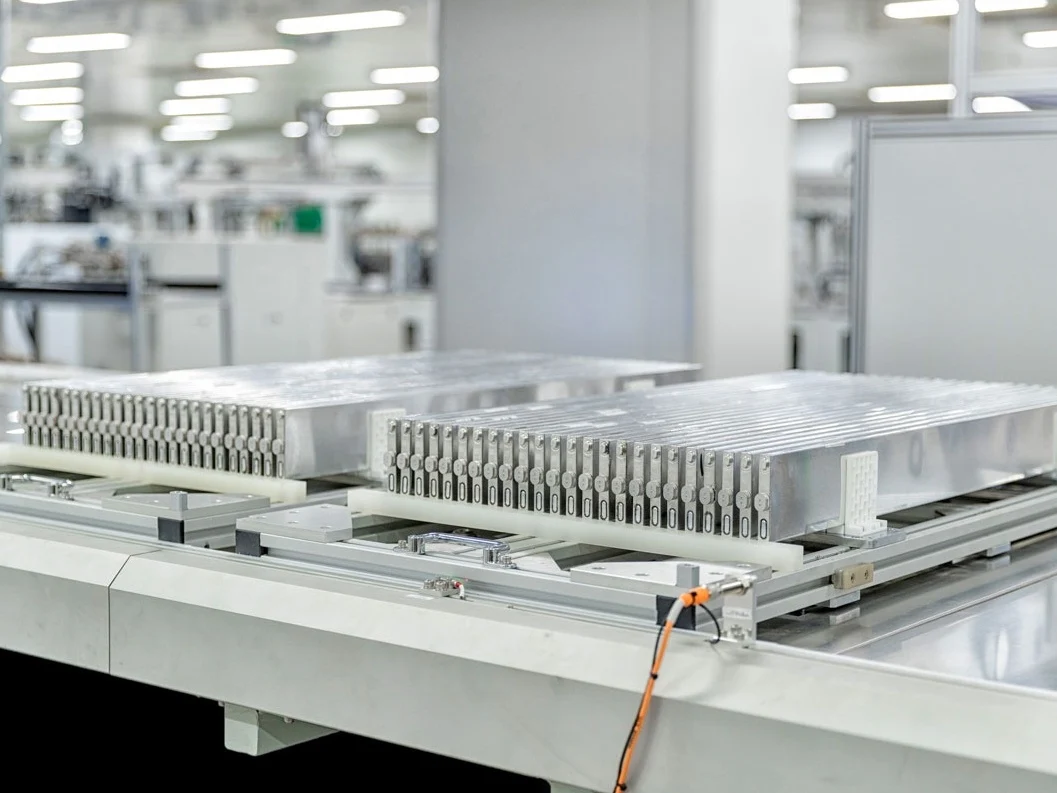
    BYD has recently presented its Blade Battery 2.0 during the “Disruptive Technology” event held on March 5. This innovative battery is touted as a new-generation EV battery technology that boasts impressive charging speeds, aiming to tackle what BYD refers to as “charging anxiety,” which they see as a key hurdle for electric vehicle adoption.

    Impressive Charging Speeds

    The new battery is said to charge from 10 to 70 percent in just five minutes, and it can go from 10 to 97 percent in an astounding nine minutes. Even in cold weather (like -22°F / -30°C for a full day), it can still charge from 20 to 97 percent in only 12 minutes. BYD asserts that these charging speeds are currently 30 to 50 percent quicker than most electric vehicles under typical conditions, and they purposely target a 97 percent charge, keeping three percent for regenerative braking.

    Range and Specifications

    Additionally, BYD claims that this new battery can provide over 1,000 km (621 miles) of range, although this has been tested under CLTC conditions, which tend to be more lenient compared to EPA (used in the US) and WLTP (used in Europe). The battery pack will work alongside a high-voltage platform and enhanced thermal management, enabling what BYD describes as the “impossible triangle” of performance, range, and rapid charging.

    Future Vehicles and Market Strategy

    The first vehicle to utilize this new battery will be the Yangwang U7, a four-motor electric vehicle boasting a reported CLTC range of 1,006 km (625 miles). The Denza Z9 GT will also incorporate the new battery pack, with a range of up to 1,036 km (644 miles, still under CLTC) and prices in China expected to start at around $39,115. Furthermore, BYD aims to set up 20,000 flash-charging stations across China by the end of the year, with 18,000 being added to existing locations, each capable of reaching a peak output of 1,500 kW. For context, Tesla’s V4 Superchargers can peak at 500 kW, with only about 40 currently installed in China.

    At a time when the world’s largest EV manufacturer is experiencing a slowdown in sales growth in China, with vehicle sales declining by 35.8 percent year-over-year in early 2026 and net profits dropping by 32.6 percent in the third quarter of last year, the Blade Battery 2.0 seems to be BYD’s strategy to revive demand and distinguish itself in a more competitive domestic market.

    Source:
    Link


  • Apple iPhone 17e Benchmark Shows Minor Upgrades from Previous Model

    Apple iPhone 17e Benchmark Shows Minor Upgrades from Previous Model

    Key Takeaways

    1. The iPhone 17e offers a more affordable Apple phone experience but has notable cutbacks, such as a lower quality display and fewer camera features.
    2. It is powered by the A19 SoC, similar to the standard iPhone 17, with only one less GPU core.
    3. Benchmark scores show the iPhone 17e has a minor performance gap of about 4-5% compared to the iPhone 17, achieving scores of 3,459 (single-core) and 8,811 (multi-core).
    4. The iPhone 17e has weaker GPU performance, with a 4-core GPU resulting in approximately 20% less graphics performance than the higher-end A19 SoC.
    5. Compared to the iPhone 16e, the 17e shows a slight improvement, being about 10.4% faster in multi-core tasks and 6% faster in single-core operations.


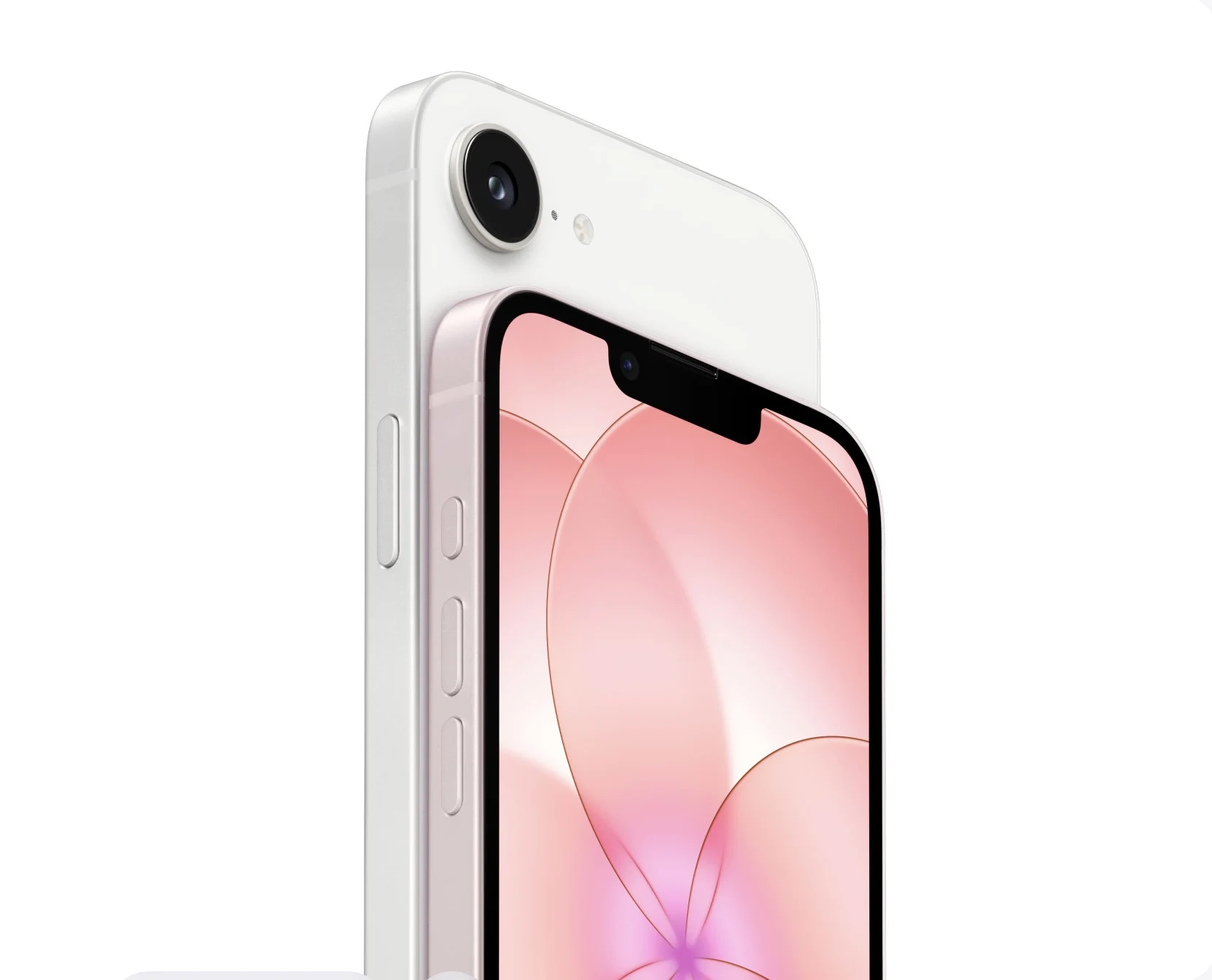
    Apple’s new iPhone 17e continues the legacy of the previous iPhone 16e, providing a more affordable Apple phone experience. However, it comes with several notable cutbacks, including a lower quality display, absence of an ultra-wide camera, and no 18 MP selfie camera, among other things.

    Performance That Stands Out

    On the bright side, the iPhone 17e won’t be lacking in performance. The device is powered by the A19 SoC, which is quite similar to the one used in the regular iPhone 17. Specifically, the A19 chip in the 17e has one less GPU core, but retains the same CPU configuration.

    Benchmark Results

    Leaked Geekbench scores reinforce this perspective, showing the iPhone 17e achieving 3,459 and 8,811 points in single-core and multi-core tests respectively. In comparison, the standard iPhone 17 achieves 3,627 and 9,249 points in the same tests, indicating that the performance gap between the two devices is merely around 4-5%.

    Although, it’s worth noting that the iPhone 17e will exhibit significantly weaker GPU performance, as it contains a 4-core GPU versus the 5-core GPU of the higher-end A19 SoC. Purely from a numerical standpoint, the graphics performance should be about 20% less.

    Comparison with Previous Model

    Relative to the iPhone 16e, the 17e shows a minor improvement, being approximately 10.4% quicker in multi-core tasks and 6% faster in single-core operations. These differences are quite minimal. Meanwhile, the Galaxy S25 FE is often available on Amazon for just a bit more (currently priced at $612) and offers many additional features, even if its performance is not as strong.

    Source:
    Link


  • Scientists Uncover Hidden Structural Changes Deep Within the Sun

    Scientists Uncover Hidden Structural Changes Deep Within the Sun

    Key Takeaways

    1. The solar cycle lasts 11 years and includes two phases: solar maximum (high activity) and solar minimum (low activity).
    2. New research challenges the belief that the Sun’s internal structure remains constant during solar minimum phases.
    3. Data collected over 40 years using helioseismology reveals insights about the Sun’s internal temperature, pressure, and density.
    4. A unique sound wave disturbance, known as the helium ionization glitch, was detected, indicating changes in the Sun’s internal conditions.
    5. The unusual solar minimum from 2008 to 2009 had unique internal conditions, which could improve understanding of solar activity and enhance space weather forecasts.


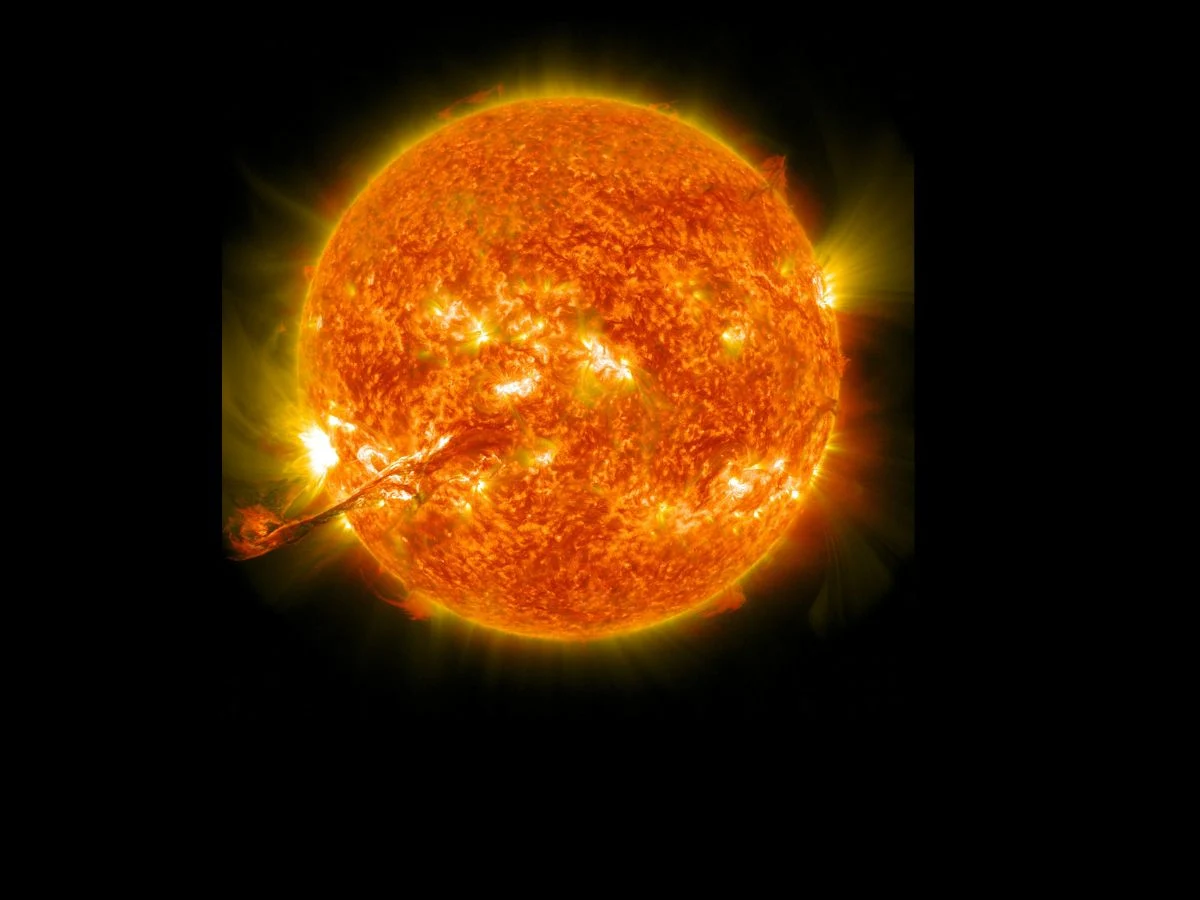
    The solar cycle happens every 11 years and consists of two key phases. The first phase is called the solar maximum, when the Sun is very active and generates sunspots and solar flares. The second phase is known as the solar minimum, where the Sun’s activity significantly decreases, leading to weaker magnetic fields.

    New Findings Challenge Old Beliefs

    It was previously thought that the internal structure of the Sun remained constant during the solar minimum phases. But recent research has proven this idea to be incorrect. Scientists utilized the Birmingham Solar-Oscillation Network (BiSON), a collection of telescopes that observe the Sun continuously, to gather data on solar vibrations.

    Long-Term Data Collection

    Over a span of 40 years, data was gathered during four solar minimum periods across solar cycles 21 to 25. The primary method employed for this research was helioseismology, which allows scientists to study the Sun’s inner structure by analyzing vibrations caused by sound waves trapped within it. By measuring vibrations on the Sun’s surface from Earth, researchers can deduce information about the Sun’s internal temperature, pressure, and density. Notably, a sound wave called the helium ionization glitch was detected. This glitch occurs when helium atoms become ionized at very high temperatures, causing small disturbances in sound waves.

    Unusual Solar Minimum Observed

    The solar minimum from 2008 to 2009, which took place between cycles 23 and 24, was particularly unusual, as it lasted longer and showed extremely low solar activity. However, this minimum had very unique internal conditions when compared to the other three minima observed. These findings could enhance our understanding of stellar magnetic activity, allow for better predictions of future solar cycles, and improve space weather forecasts that have an impact on Earth.

    arXiv.org via Phys.org

    Source:
    Link


  • PS6 Launch Expected in 2027 or Early 2028 Despite Speculation

    PS6 Launch Expected in 2027 or Early 2028 Despite Speculation

    Key Takeaways

    1. Uncertainty surrounds new gaming console launches due to RAM and storage pricing issues, with some reports suggesting a 2029 release.
    2. Console lifespans typically last around seven years, indicating new consoles could be expected around 2027.
    3. Insider source Moore’s Law Is Dead suggests the PS6 is likely set for a 2027 release, with minimal delays expected.
    4. Sony’s significant investment in AMD for custom APUs makes it illogical to delay the PS6 just to save on RAM costs.
    5. RAM prices are expected to improve soon, which may influence Sony’s decision to launch the PS6 in late 2027 or early 2028.


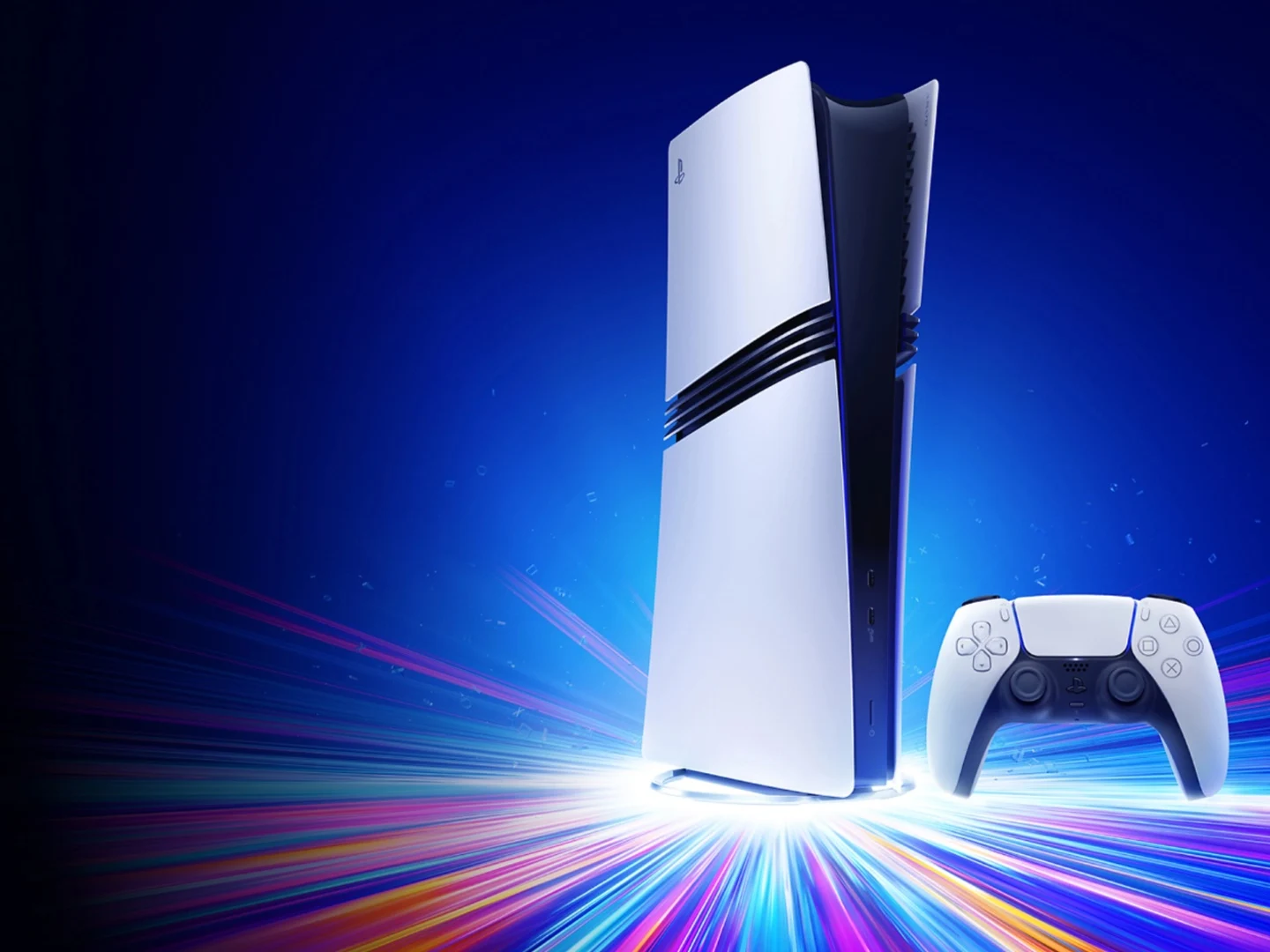
    The timelines for launching new gaming consoles are somewhat uncertain due to the ongoing crisis in RAM and storage pricing. Many reports indicate delays, with the latest suggesting a 2029 release. However, there has been no official word from Microsoft or Sony. Typically, console lifespans last around seven years, which means we should see new consoles around 2027. A well-known leaker suggests that this is likely to be the case.

    Insights from a Trusted Source

    The information originates from the YouTube channel Moore’s Law Is Dead (MLID). This channel has been providing updates on upcoming consoles, particularly focusing on the AMD APUs that will drive their performance. In a recent video, MLID elaborated on a comment made on his Patreon regarding the PS6’s release timeline. A commenter mentioned that Sony is unlikely to delay the console significantly, as it would be more expensive to do so than to release it on time with a higher price tag.

    Expectations for the PS6

    MLID supports this viewpoint, stating that the PS6 is “almost certainly set for 2027, or perhaps early 2028. I really don’t think it’ll be pushed to 2029.” Sony has invested millions in AMD for the custom APU, and it wouldn’t be logical to delay the console just to save on RAM costs during the first six months post-launch. Additionally, MLID claims to have seen documents detailing Sony’s agreements with AMD and TSMC, indicating a production timeline targeting Q2 2027. Any attempt to shift these timelines could jeopardize Sony’s allocation of 3nm manufacturing, potentially delaying them to 2030.

    Previous Launches and Future Pricing

    The leaker also highlighted that Sony launched the PS5 (available on Amazon) in 2020 amidst the COVID-19 pandemic, and despite earlier reports of delays, it successfully launched. Therefore, even if they end up with less desirable or more expensive RAM, it’s unlikely that the PS6 will experience significant delays. The most anticipated delay could be up to six months, potentially pushing the release to April 2028 to align with tax season. Finally, drawing from insider information, the leaker noted that RAM prices are projected to improve by the end of this year and even more in early next year. This could allow Sony to decide whether to launch the console in late 2027 or early 2028.


  • Apple MacBook Neo Benchmarks Show M3 Chip Outperforming Rivals

    Apple MacBook Neo Benchmarks Show M3 Chip Outperforming Rivals

    Key Takeaways

    1. The MacBook Neo will start shipping on March 11 and is available for pre-order at $599.
    2. It features the new A18 Pro chip, improving performance in CPU and GPU tasks compared to the M1 MacBook Air.
    3. The MacBook Neo scored 31,178 in the Geekbench 6.5 Metal test, slightly outperforming the M1 MacBook Air’s score of 30,112.
    4. Its single-core performance averages 3,530, nearly 50% higher than the M1 MacBook’s score of 2,363.
    5. The MacBook Neo performs about 12.7% better than the actively-cooled MacBook Pro 14 M3 and is close to Apple’s M4 generation devices.


    Apple has announced that the MacBook Neo will start shipping on March 11. This new 13-inch model can be pre-ordered for $599 through various sellers like Amazon, following its introduction on March 4. While we wait for independent reviews to come out, Geekbench has shared some early information regarding the performance of Apple’s first laptop powered by the A18 Pro chip, particularly in CPU and GPU demanding tasks.

    Performance Comparison

    In terms of GPU capabilities, it looks like the MacBook Neo is slightly better than the M1 MacBook Air that we tested back in 2020. At that time, the M1 model scored an average of 30,112 in the Geekbench 6.5 Metal test. The new MacBook Neo, however, achieved a score of 31,178 in the benchmarks released so far. This score is about 5.7% lower than the iPhone 16 Pro Max, which has 16.6% more GPU cores.

    CPU Insights

    Similarly, when it comes to multi-core CPU performance, the MacBook Neo shows a small edge over the M1 MacBook Air. The single-core performance is particularly impressive, with an average score of 3,530, which is nearly 50% greater than the M1 MacBook’s score of 2,363 points. The A18 Pro enables the MacBook Neo to perform around 12.7% better than the actively-cooled MacBook Pro 14 M3. In fact, it ranks just behind devices from Apple’s M4 generation. For further details about the $599 MacBook Neo, check out our launch article.

    Source:
    Link


  • Ancient Arabia Terra: Cratered History of Mars Uncovered

    Ancient Arabia Terra: Cratered History of Mars Uncovered

    Key Takeaways

    1. Arabia Terra is one of the oldest regions on Mars, dating back 3.7 to 4.1 billion years from the Noachian period.
    2. Trouvelot Crater, a significant feature in Arabia Terra, is about 130 km wide and shows signs of erosion and age.
    3. The floors of some craters contain dark materials, possibly indicating the presence of mafic minerals from volcanic rocks.
    4. Barchan dunes within Trouvelot Crater suggest a consistent wind direction on Mars.
    5. Light-colored mounds in the area contain minerals that may indicate past water activity, enhancing our understanding of Mars’ geological history.


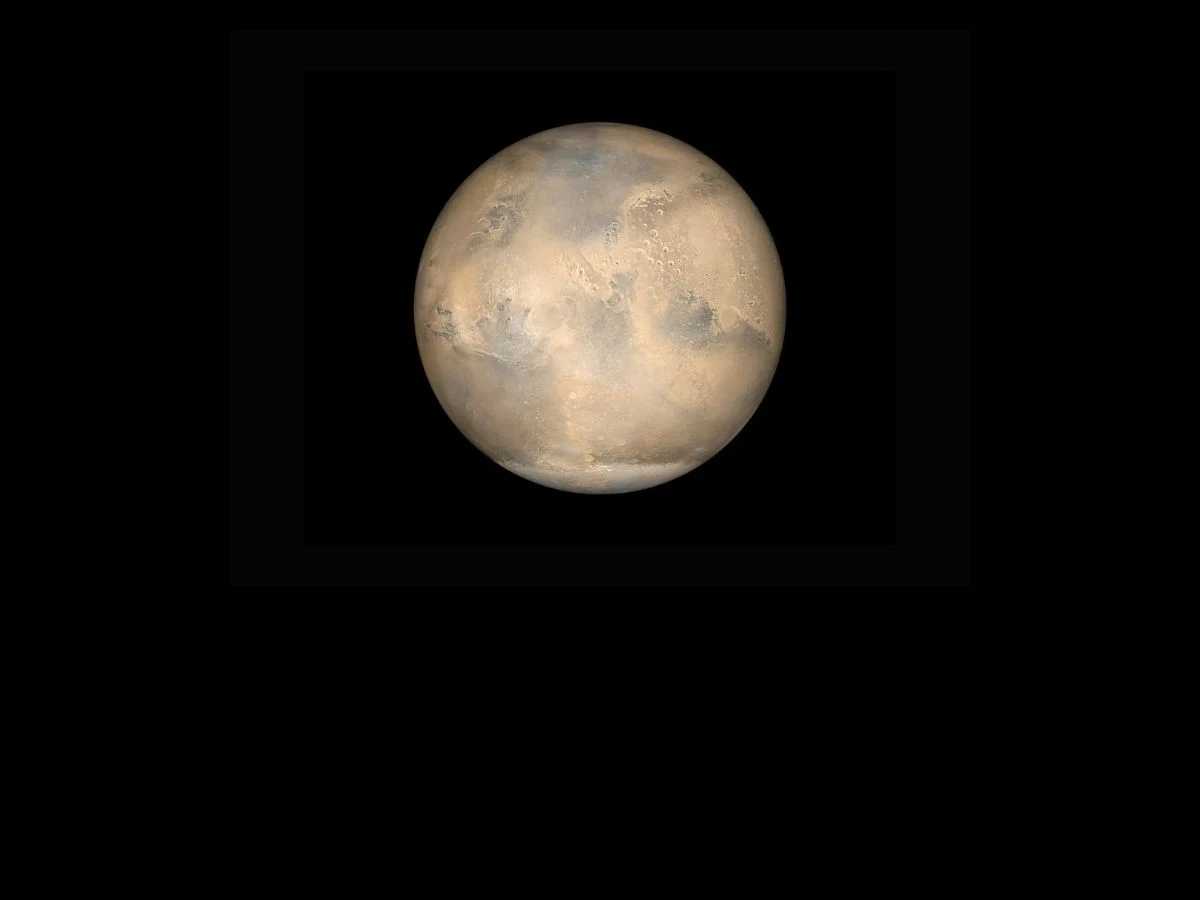
    Arabia Terra is a region found in the northern part of Mars’ southern highlands. It is one of the oldest areas on the planet, with its surface dating back between 3.7 and 4.1 billion years, originating from the Noachian period. During this time, the planets faced heavy bombardment from asteroids and comets, leaving behind impact scars that are still visible on Mars today.

    Trouvelot Crater

    One of the significant features in the area is the Trouvelot Crater, which spans about 130 km in width and is very ancient. Signs of its age can be seen in the eroded rim of the crater, the terraced walls, and the craters that overlap it. Nearby, another crater has been identified that is even older, with its rim nearly fully eroded.

    Geological Features

    Some floors of the craters appeared to be dark, which scientists think might be due to the presence of mafic minerals that are typically found in volcanic rocks. Within the Trouvelot Crater, curved formations known as barchan dunes indicate that there is a consistent wind direction on Mars. Additionally, light-colored mounds were noted containing minerals that form when in contact with water, hinting at possible past water activity.

    The image was taken by a high-resolution stereo camera aboard the Mars Express, an orbiter launched by the European Space Agency in 2003, aimed to observe Mars’ atmosphere and surface. This research provides insights into potential past water activity and enhances our understanding of the geological history of Mars.

    Source:
    Link