
Tag: Blade Battery 2.0

  • BYD Unveils Longest-Range EV and 3-Row SUV with Blade 2.0 Battery

    BYD Unveils Longest-Range EV and 3-Row SUV with Blade 2.0 Battery

    Key Takeaways

    1. BYD has launched its Blade Battery 2.0 technology, enabling the longest range electric vehicles (EVs) on the market.
    2. The Denza Z9 GT can achieve up to 1,036 km on a single charge, claiming a “world range record” based on the CLTC cycle.
    3. The Datang SUV, a premium 3-row family vehicle, can cover 950 km per charge and accelerates from 0 to 62 mph in 3.9 seconds.
    4. BYD’s 1000V architecture allows for megawatt flash charging, enabling quick recharge times, with the Z9 GT reaching 97% capacity in just over nine minutes.
    5. The pricing for the 2026 Z9 GT is set at $39,000, while the luxury Datang SUV is expected to start under $60,000.


    The largest electric vehicle manufacturer and the second-biggest battery producer in the world has revealed its latest iteration of the famous Blade battery system, along with the new electric vehicles (EVs) that it will support.

    Impressive Range Claims

    The 2026 lineup from BYD showcases some remarkable figures, as the Blade Battery 2.0 technology has enabled the creation of both the electric car with the longest range per charge and a full-sized SUV that boasts the same achievement.

    For this launch, BYD has selected its high-end Denza brand, known for introducing cutting-edge technologies such as “crab walking” to maneuver into compact spots, to present what it asserts is the EV with the longest range.

    The Denza Z9 GT Unveiled

    The refreshed Denza Z9 GT now features a rear-wheel drive (RWD) variant that stretches the limits of electric vehicle range. According to BYD, the Z9 GT can achieve an impressive 1,036 km on a single charge, which the company claims is a “world range record.” This distance is likely based on the CLTC cycle, which is more lenient than the EPA estimates in the United States that consider more highway driving.

    Initial tests for the Denza Z9 GT are expected to provide real-world numbers that can be compared with other range champions like NIO’s ET7, which utilizes a 150 kWh hybrid liquid-solid battery, or the Air Pure and Lucid’s innovative efficiency in the US market.

    The Datang SUV’s Specifications

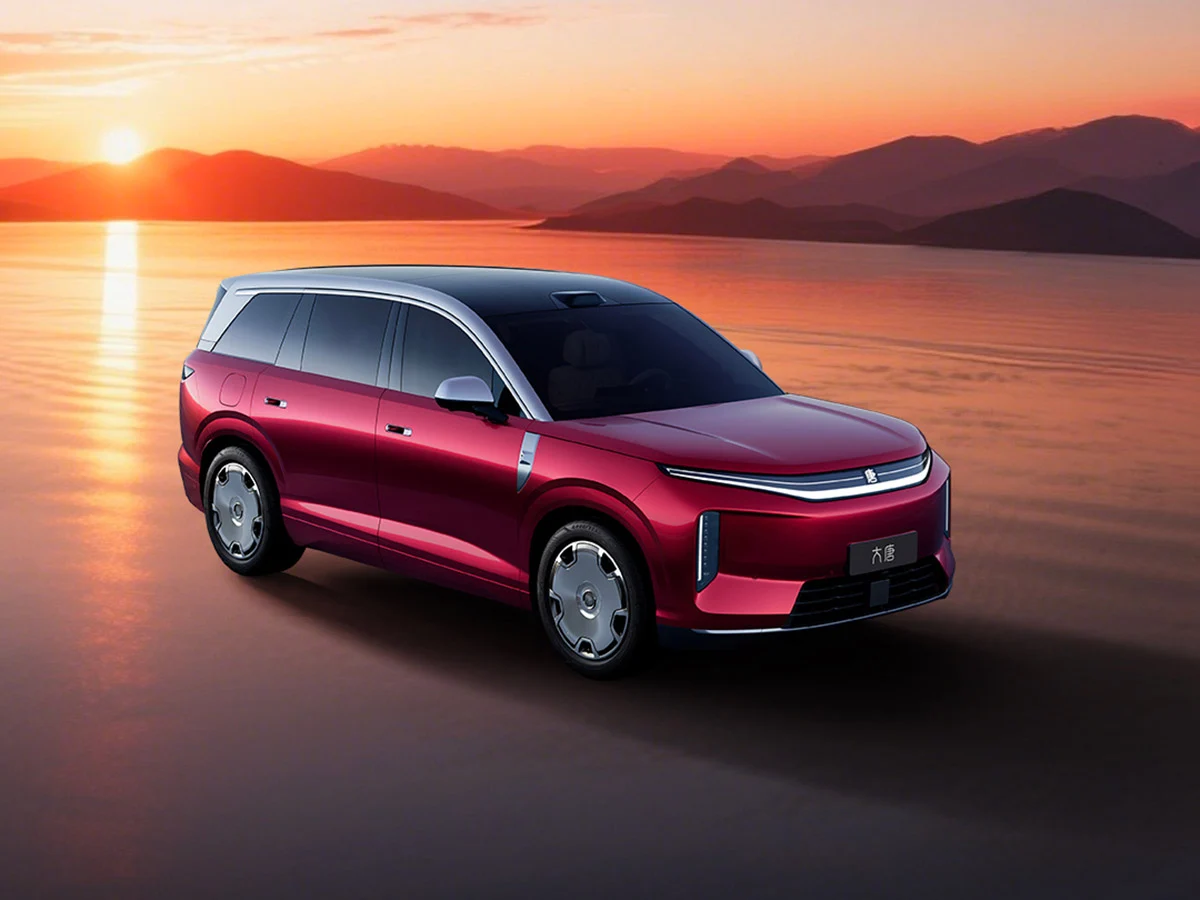
    BYD also boasts another range record thanks to its advanced Blade Battery 2.0 energy density technology, this time for its first premium 3-row family SUV in the Dynasty series. The full-size Datang SUV measures 17 feet long and can accelerate from 0 to 62 mph in just 3.9 seconds, despite its size.

    The RWD model is said to cover 950 km on a single charge, based on the CLTC cycle, positioning it alongside the Lucid Gravity SUV’s 450 miles according to EPA standards. This specification will be put to the test in early summer when the Datang hits showrooms.

    Although these impressive range claims have yet to be verified through real-world driving tests, BYD has already secured another top specification concerning charging speed. Its 1000V architecture enables megawatt flash charging, allowing the substantial Blade 2.0 battery of the luxury SUV to be recharged for daily commuting in just five minutes. BYD is in the process of establishing the world’s largest megawatt charging network, featuring 1.5 MW T-shaped stations with a unique hanging cable design.

    Quick Charging for the Z9 GT

    The Z9 GT offers fast charging as well, reaching 97% capacity in just over nine minutes, leaving some room for the additional charge from regenerative braking. Despite its enhanced energy density and megawatt charging capabilities, the second-generation Blade battery is less expensive to produce. This has enabled BYD to set the price for the 2026 Z9 GT record holder at $39,000, while the luxury SUV is expected to start slightly under sixty thousand dollars when it arrives next quarter.

    Source:
    Link


  • BYD’s Fast-Charging Battery: 10% to 97% in 9 Minutes, 620+ Miles

    BYD’s Fast-Charging Battery: 10% to 97% in 9 Minutes, 620+ Miles

    Key Takeaways

    1. Rapid Charging Capabilities: The Blade Battery 2.0 can charge from 10% to 70% in five minutes and from 10% to 97% in nine minutes, significantly reducing charging anxiety for users.

    2. Impressive Range: The new battery offers a range of over 1,000 km (621 miles) under lenient CLTC testing conditions, aiming to balance performance, range, and charging speed.

    3. First Vehicle Launch: The Yangwang U7 will be the first vehicle to use the Blade Battery 2.0, featuring a range of 1,006 km (625 miles), with the Denza Z9 GT also set to incorporate the battery.

    4. Charging Infrastructure Expansion: BYD plans to establish 20,000 flash-charging stations in China by year-end, with upgraded stations capable of 1,500 kW output, far exceeding Tesla’s current offerings.

    5. Market Strategy Amid Slowdown: The introduction of the Blade Battery 2.0 is part of BYD’s strategy to revive demand and stand out in a competitive market, as the company faces declining sales and profits.


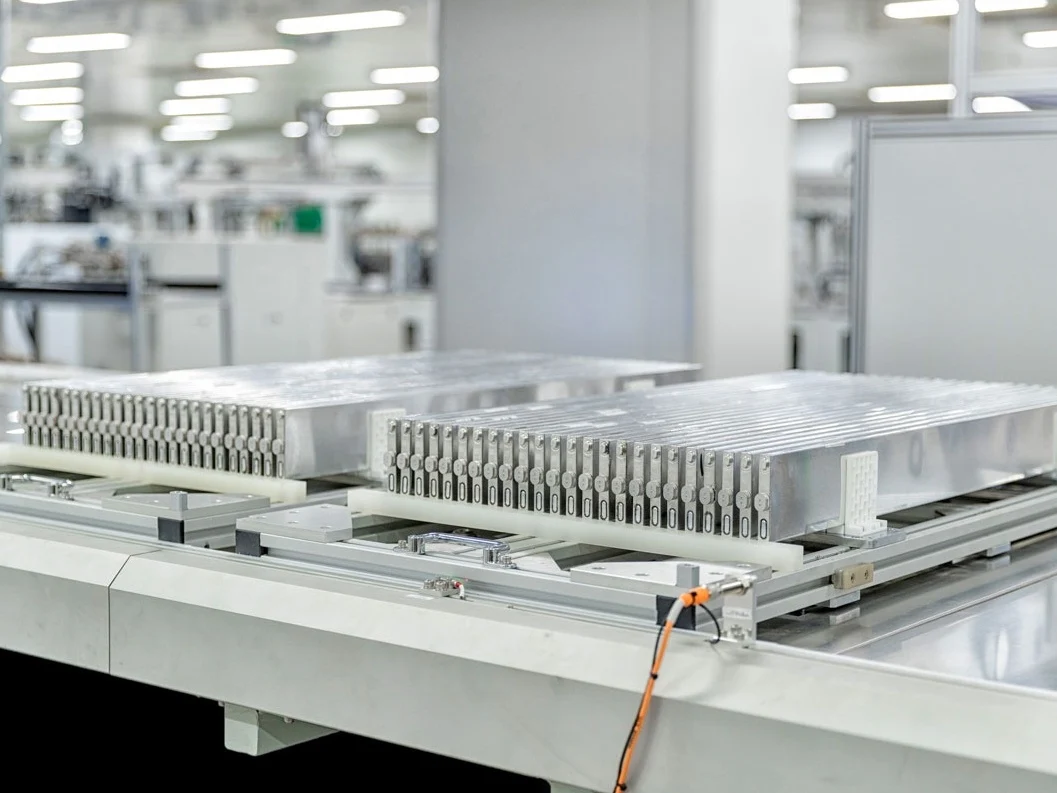
    BYD has recently presented its Blade Battery 2.0 during the “Disruptive Technology” event held on March 5. This innovative battery is touted as a new-generation EV battery technology that boasts impressive charging speeds, aiming to tackle what BYD refers to as “charging anxiety,” which they see as a key hurdle for electric vehicle adoption.

    Impressive Charging Speeds

    The new battery is said to charge from 10 to 70 percent in just five minutes, and it can go from 10 to 97 percent in an astounding nine minutes. Even in cold weather (like -22°F / -30°C for a full day), it can still charge from 20 to 97 percent in only 12 minutes. BYD asserts that these charging speeds are currently 30 to 50 percent quicker than most electric vehicles under typical conditions, and they purposely target a 97 percent charge, keeping three percent for regenerative braking.

    Range and Specifications

    Additionally, BYD claims that this new battery can provide over 1,000 km (621 miles) of range, although this has been tested under CLTC conditions, which tend to be more lenient compared to EPA (used in the US) and WLTP (used in Europe). The battery pack will work alongside a high-voltage platform and enhanced thermal management, enabling what BYD describes as the “impossible triangle” of performance, range, and rapid charging.

    Future Vehicles and Market Strategy

    The first vehicle to utilize this new battery will be the Yangwang U7, a four-motor electric vehicle boasting a reported CLTC range of 1,006 km (625 miles). The Denza Z9 GT will also incorporate the new battery pack, with a range of up to 1,036 km (644 miles, still under CLTC) and prices in China expected to start at around $39,115. Furthermore, BYD aims to set up 20,000 flash-charging stations across China by the end of the year, with 18,000 being added to existing locations, each capable of reaching a peak output of 1,500 kW. For context, Tesla’s V4 Superchargers can peak at 500 kW, with only about 40 currently installed in China.

    At a time when the world’s largest EV manufacturer is experiencing a slowdown in sales growth in China, with vehicle sales declining by 35.8 percent year-over-year in early 2026 and net profits dropping by 32.6 percent in the third quarter of last year, the Blade Battery 2.0 seems to be BYD’s strategy to revive demand and distinguish itself in a more competitive domestic market.

    Source:
    Link