Author: GizNews

  • Linux From Scratch 13.0 Released with Kernel 6.18.10 Update

    Linux From Scratch 13.0 Released with Kernel 6.18.10 Update

    Key Takeaways

    1. Linux From Scratch (LFS) 13.0 offers users total control over their hardware by allowing them to build a custom Linux system from the ground up.
    2. This version includes 100 new commits, with updates to the Linux kernel (6.18.10) and toolchain components (binutils-2.46, glibc-2.42).
    3. LFS 13.0 features 36 updated packages, including popular tools like Python, vim, zlib, expat, and openssl.
    4. Users can choose between two book formats for installation: systemd and SysV, available online and in various download formats.
    5. Additional resources include BLFS, ALFS, MLFS, GLFS, and SLFS, providing options for further customization and functionality beyond the basic LFS setup.


    Linux enthusiasts who want total control over their hardware can now get version 13.0 of Linux From Scratch. This guide, mostly managed by Bruce Dubbs over the past ten years, was first introduced in 1999 as a Linux installation manual and a book by Gerard Beekmans. Commonly known as “LFS,” it enables users who are willing to put in the time to create a system from the ground up, including only what they need and nothing else.

    Major Updates in LFS 13.0

    When compared to version 12.4, LFS 13.0 features 100 new commits. The Linux kernel has been updated to version 6.18.10, and significant changes include updates to the toolchain with binutils-2.46 and glibc-2.42. The collection of 36 updated packages features popular tools such as Python, vim, zlib, expat, openssl, and many others. As in previous versions, users can choose between two different book formats—systemd and SysV—available both online and for download in various formats.

    Additional Resources Available

    Alongside the main book, the Linux From Scratch website offers a variety of additional resources. These include BLFS (Beyond Linux From Scratch, which explores more customized extensions of a finished LFS setup), ALFS (Automated Linux From Scratch), MLFS (Multilib Linux From Scratch, crafted for building and running 32-bit binaries), GLFS (Gaming Linux From Scratch), and SLFS (Supplemental Linux From Scratch, for users looking for even more beyond BLFS).

    Source:
    Link


  • Xiaomi Poco X8 Pro Max Early Benchmarks and Global Launch Date

    Xiaomi Poco X8 Pro Max Early Benchmarks and Global Launch Date

    Key Takeaways

    1. Xiaomi is set to launch two new Poco X Pro models, including the Poco X8 Pro Max, on March 17.
    2. The Poco X8 Pro Max will feature MediaTek’s Dimensity 8500 Ultra and 9500s chipsets, with 12 GB of RAM as the only option.
    3. The starting price for the Poco X8 Pro Max is expected to be €529 (around $610) for the 256 GB storage variant.
    4. Benchmarks show the Poco X8 Pro Max has a single-core score of 2,673, outperforming previous flagships but falling short compared to the OnePlus 15R.
    5. Multi-core performance averages 8,471, indicating the Poco X8 Pro Max lags behind devices using Snapdragon 8 Gen 5 and Dimensity 9500 chipsets.


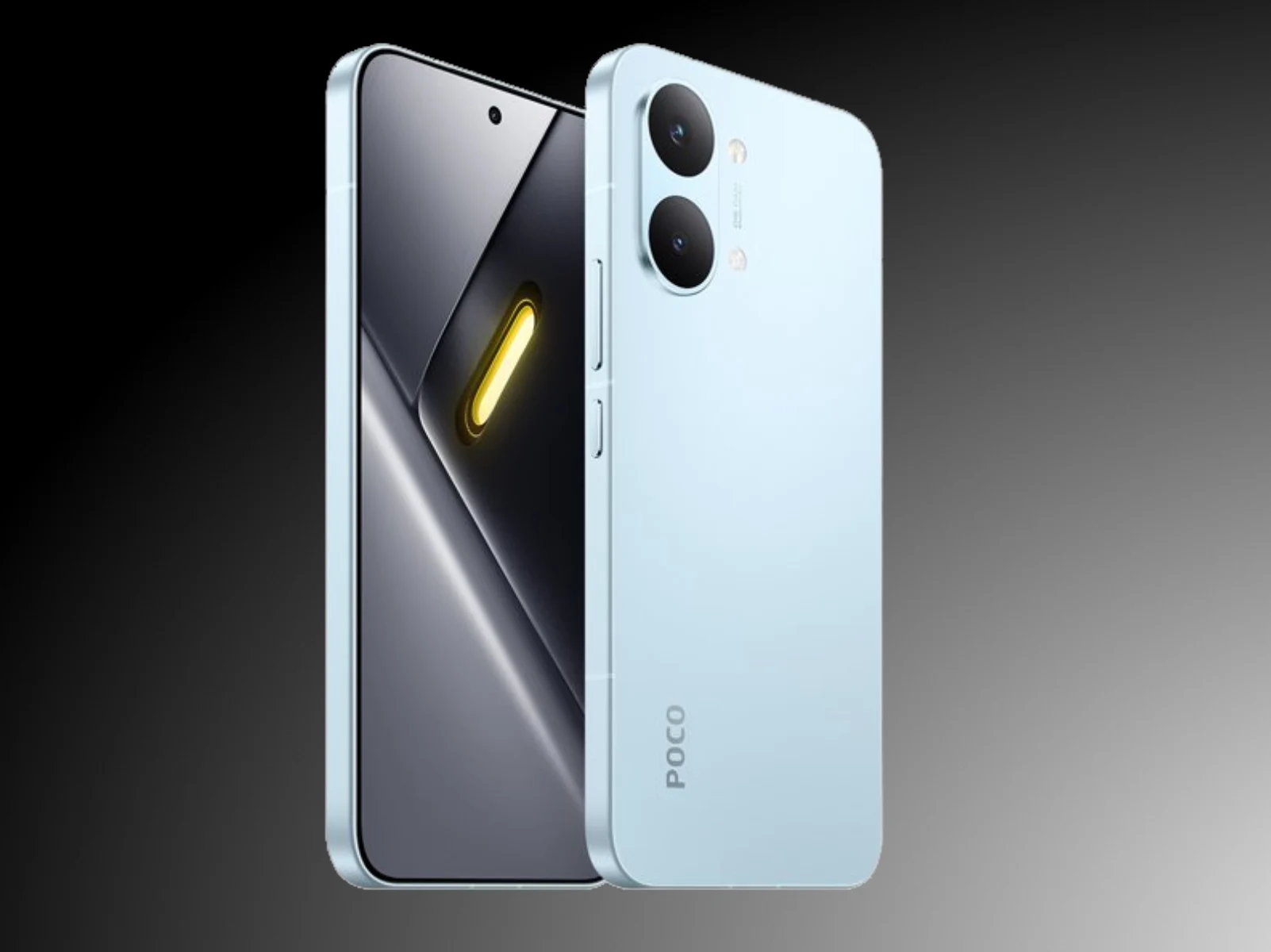
    Xiaomi’s new Poco X series smartphone has appeared on Geekbench ahead of its release. The company announced on March 4 that it would soon launch two new Poco X Pro models worldwide. At that time, Xiaomi disclosed that these smartphones would utilize MediaTek’s Dimensity 8500 Ultra and Dimensity 9500s chipsets.

    Performance Insights

    The latter version, known as 2602BPC18G, has shown up in various initial benchmarks. This model number has been associated with the retail name “Poco X8 Pro Max.” The listings indicate that Xiaomi intends to offer the Poco X8 Pro Max with 12 GB of RAM. According to other leaks, this will be the sole RAM option available for the Poco X8 Pro Max.

    Pricing and Storage Options

    The Poco X8 Pro Max is expected to start at €529 (around $610) for the 256 GB storage variant, with an additional €50 (about $60) increase for double the storage. The benchmarks also shed light on the potential performance of this device.

    Based on the results, single-core averages of 2,673 position the Poco X8 Pro Max ahead of earlier flagships powered by Dimensity 9400 and Dimensity 9400 Plus. However, it still falls over 10% short when compared to the OnePlus 15R, which is powered by the Snapdragon 8 Gen 5 (currently priced at $699 on Amazon). In terms of multi-core performance, averages of 8,471 show that the Poco X8 Pro Max lags behind devices powered by Snapdragon 8 Gen 5 and Dimensity 9500 that we’ve tested so far. Xiaomi is anticipated to globally unveil the Poco X8 Pro Max on March 17.

    Geekbench via ZionsAnvin, SmartPrix.

    Source:
    Link


  • Casio G-Shock Mudmaster GGB100X with Quad Sensors and Bluetooth US Launch

    Casio G-Shock Mudmaster GGB100X with Quad Sensors and Bluetooth US Launch

    Key Takeaways

    1. New Launch: Casio has introduced the G-Shock GGB100X series, featuring five analog-digital watches available on the Casio US online store.

    2. Price Range: The starting price is $420 for entry models, while stainless steel versions range from $440 to $460.

    3. Rugged Design: The watches are designed for outdoor use, with a large case, Carbon Core Guard technology, 200-meter water resistance, and mud-resistance.

    4. Advanced Features: Equipped with a Quad Sensor system, each watch includes an altimeter, barometer, digital compass, thermometer, and Bluetooth connectivity for app integration.

    5. Variety in Style: The series offers different materials, with carbon fiber and resin in standard models, and stainless steel in the upscale versions.


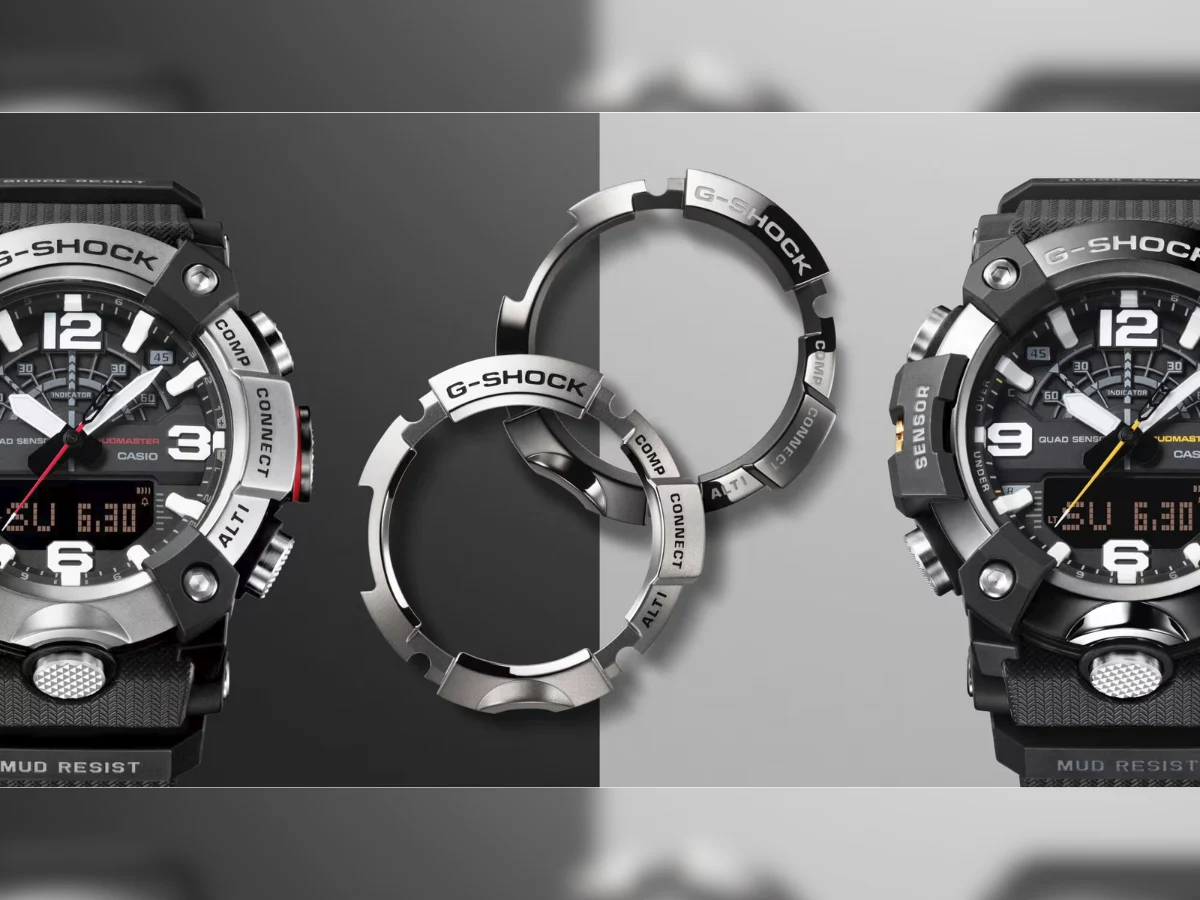
    Casio has just launched its newest Mudmaster models in the G-Shock GGB100X series, and they’re now available on the Casio US online store. This lineup features five watches that combine analog and digital displays, equipped with quad-sensor capabilities, a tough build, and Bluetooth connectivity. The starting price is $420, depending on the material of the bezel. This collection includes three models with carbon bezels and two that have stainless steel. The entry models—GGB100X-1A, GGB100X-1A3, and GGB100X-1A9—are priced at $420. For the metal-bezel versions, the GGB100XM-1A and GGB100XMB-1A are set at $440 and $460, respectively. This rollout confirms they are now more broadly available in the US after being sold through select third-party retailers.

    Tough Design for Adventure

    In line with previous Mudmaster designs, the GGB100X series is tailored for rugged outdoor use. Each piece has a large case measuring 55.4 × 51.3 × 19.4 mm, built around Casio’s Carbon Core Guard technology, which utilizes carbon fiber, resin, and stainless steel. These watches boast a water resistance of up to 200 meters and are also mud-resistant, featuring durable resin straps and protective case designs.

    Enhanced Features

    The functionality is powered by Casio’s Quad Sensor system. Each watch includes an altimeter that measures elevations up to 10,000 meters, a barometer that monitors pressure fluctuations and provides trend graphs, a digital compass, and a thermometer. Additionally, there’s a step counter supported by a three-axis acceleration sensor, allowing the watch to serve as a basic activity tracker.

    Bluetooth connectivity allows you to connect your Mudmaster to the Casio Watches app on your smartphone, enabling automatic time updates, world-time features, and extra data options like mission logs and location tracking. Through the app, the watches can support around 300 world-time cities. Traditional digital functionalities are still included, such as a 1/100-second stopwatch, countdown timer, five daily alarms, LED lighting, and a full auto calendar valid until the year 2099. Battery life is estimated at about two years with a CR2025 battery. Although they aren’t solar-powered, a power-saving mode switches the sensor system to sleep mode after periods of inactivity.

    Style Variations

    The main differences among the models lie in their exterior materials and design aesthetics. The standard GGB100X watches feature carbon fiber bezels and components made from bio-based resin, while the GGB100XM and GGB100XMB models enhance their appeal with stainless-steel bezels that come in brushed or ion-plated finishes for a more upscale appearance. All five variations are currently available for purchase directly from Casio, starting at $420.


    Source:
    Link


  • Amazfit Smartwatches Update Adds Route Planning Tool

    Amazfit Smartwatches Update Adds Route Planning Tool

    Key Takeaways

    1. The Amazfit T-Rex 3 smartwatch is receiving a new update, software version 4.5.3.3, similar to the T-Rex 3 Pro update.
    2. New features include an offline route planning tool and support for Recreational Diving workouts.
    3. The update optimizes the depth algorithm for Freediving workouts and improves the BioCharge energy level monitoring.
    4. Bug fixes address issues with Freediving depth charts and crashes during long outdoor workouts.
    5. The rollout of the update is happening in phases, and users can install it via the Zepp App once available.


    The Amazfit T-Rex 3 smartwatch is getting a fresh update, software version 4.5.3.3. This new release is quite similar to the recently launched version 4.5.3.3 firmware for the T-Rex 3 Pro. It comes about a month after the previous update for this wearable, which introduced some map-related features.

    New Features for Users

    With the new software version 4.5.3.3, as reported by 4PDA, users of the Amazfit T-Rex 3 can now access an offline route planning tool. This feature is found in the smartwatch’s Map app, allowing you to create routes from your current location to a selected destination, or even make loops, with an automatic rerouting option. Additionally, these watches now cater to Recreational Diving, which can be accessed by navigating to Workout > More workouts > Diving.

    Enhancements and Fixes

    Zepp Health has mentioned that the software version 4.5.3.3 for the Amazfit T-Rex 3 optimizes the depth algorithm for both Outdoor and Indoor Freediving workouts. The algorithm that powers the BioCharge energy level monitoring has also seen improvements. Changes have been made to the turn reminder page that appears when using route navigation during workouts. Moreover, there are bug fixes addressing issues with Freediving depth charts and crashes that occurred during extremely long outdoor workouts.

    Rollout Information

    The rollout of software version 4.5.3.3 seems to be happening in phases for Amazfit T-Rex 3 smartwatch users (currently priced at $279 on Amazon Marketplace). It’s not clear when the rollout will be finished. Once the update is available in your area, you can install it through the Zepp App.

    Source:
    Link


  • Anker Unveils New Nano Smart Shield Magnetic Power Bank

    Anker Unveils New Nano Smart Shield Magnetic Power Bank

    Key Takeaways

    1. The Anker Nano Smart Shield Magnetic Power Bank features Smart Shield technology for enhanced safety, addressing consumer concerns about power bank safety.
    2. It includes advanced safety measures like smart safety monitoring, dual-core protection, and flame-retardant materials.
    3. The power bank supports wireless charging at 7.5W and wired charging up to 27W with a 10,000 mAh battery capacity.
    4. It has a built-in stand, LCD display for charging info, and is available in three colors: black, white, and blue.
    5. Priced at CNY 369 (~$54) in China, its availability in other regions is uncertain, while older models are available for around $39.99.


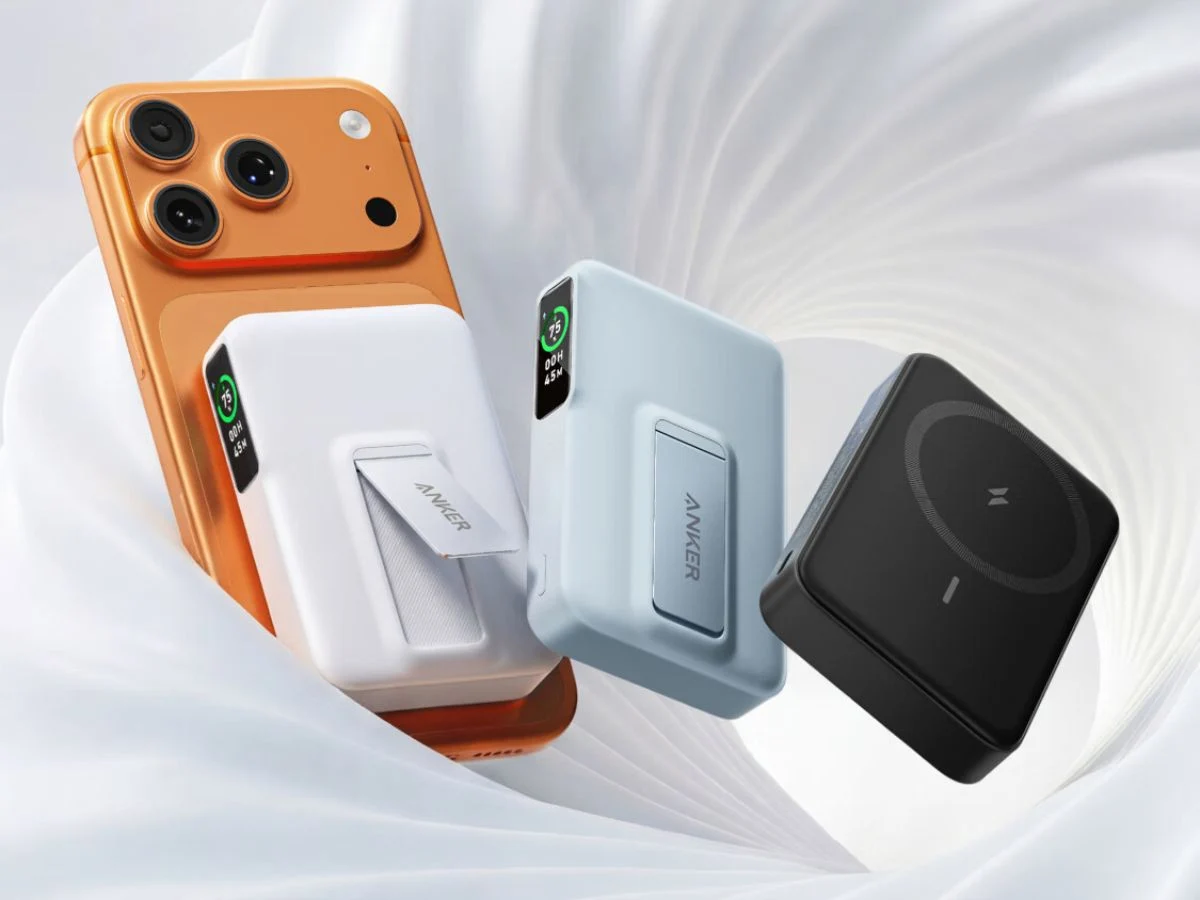
    The Anker Nano Smart Shield Magnetic Power Bank has made its debut in China. This handy device marks one of the first from Anker to showcase the new Smart Shield technology. This innovation seems to be a direct response to growing worries among consumers regarding the safety of power banks, as well as recent product recalls.

    Advanced Safety Features

    As per Anker, the Nano Smart Shield Magnetic Power Bank comes with smart safety monitoring, which quickly detects temperature-related issues “right after activation.” Furthermore, the device uses dual-core protection and includes flame-retardant materials throughout its design. Users can also check the manufacturing information of the battery through a unique identification number if they’re interested.

    Charging Capabilities

    The Anker Nano Smart Shield Magnetic Power Bank allows for wireless charging of smartphones at a maximum output of 7.5W through its front charging pad. Additionally, it offers wired charging at up to 27W via the USB-C port, which is also utilized for recharging the power bank’s 10,000 mAh battery. Anker claims that this model features “Apple-certified” ATL cells. Moreover, it includes a built-in stand and an LCD display that shows relevant charging information like the charging duration and remaining battery life. The dimensions of the power bank are 107 x 68.9 x 21.9 mm (~inches), with a weight of 233 g (~oz), and it is available in three colors: black, white, and blue.

    Pricing and Availability

    In China, the Anker Nano Smart Shield Magnetic Power Bank is priced at CNY 369 (~$54). It is currently unclear if or when this product will be available in other regions, such as the US. In the meantime, older models like the Anker 633 Magnetic Battery (MagGo) can be purchased for around $39.99 on Amazon.

    Anker via JD.com

    Source:
    Link


  • Exciting New Cyberpunk Shooter Sequel Transforms into Action RPG

    Exciting New Cyberpunk Shooter Sequel Transforms into Action RPG

    Key Takeaways

    1. Ruiner 2 shifts from fast-paced arena battles to a systems-oriented action RPG, focusing on experimentation and character growth.
    2. The new Shell system allows players to collect and switch between multiple combat bodies, each with unique abilities and progression paths.
    3. Progression involves a Neural Network passive tree affecting the entire roster, along with individual upgrades for each Shell.
    4. The Overload system limits gear customization, balancing equipment choices through a resource-driven approach and a risk-based crafting method.
    5. Ruiner 2 introduces a co-op mode for up to three players, enhancing replayability with increased difficulty levels and better loot rewards in the endgame.


    Reikon Games has revealed the follow-up to its popular 2017 cyberpunk shooter, Ruiner 2. However, this new installment isn’t quite like the first one. Instead of focusing solely on fast-paced arena battles, the sequel takes a different direction by emphasizing a more systems-oriented action RPG.

    New Features and Systems

    According to the developers, the sequel encourages experimentation, character growth, and trade-offs with gear. A major innovation is the Shell system, which allows players to create a lineup of “combat bodies” called Shells, each obtained by defeating specific bosses.

    Every Shell has its own set of abilities, progression routes, and functions. Players can have up to three Shells equipped in solo mode, and they can switch between them instantly during fights. This roster-based approach marks a significant shift from the original game, which revolved around a single character.

    Progression and Customization

    Progression also differs from that of the original. Players will level up using a Neural Network passive tree that impacts the entire roster, while still having access to individual upgrades for each Shell. In contrast, the first game featured a more flexible skill system.

    The Overload system introduces added limits to gear customization. Unlike Ruiner (currently priced at $3.99 on Humble), the new game focuses on balancing equipment choices through a resource-driven gear system. Additionally, a risk-based crafting method allows players to push upgrades beyond their standard limits, but this can lead to unpredictable item behaviors.

    Co-op Mode and Replayability

    Another exciting addition is the co-op mode, a highly requested feature from the original. Ruiner 2 supports up to three players in co-op play, and its endgame includes increasing difficulty levels with better loot rewards. This implies that the developers want players to replay the campaign at least once after completing it.

    There isn’t a release date for Ruiner 2 yet, but Reikon Games is likely to provide more information shortly. Be sure to check out the reveal trailer below for more insights.

    Steam

    Source:
    Link


  • Asteroid 2024 YR4 Will Miss Moon in 2032, New Data Shows

    Asteroid 2024 YR4 Will Miss Moon in 2032, New Data Shows

    Key Takeaways

    1. Asteroid 2024 YR4 was first spotted on December 27, 2024, and initially considered a potential danger to Earth.
    2. Further analysis confirmed that the asteroid poses no threat to Earth or the Moon.
    3. The James Webb Space Telescope observed the asteroid from February 18 to 26, 2026, providing new data on its path.
    4. 2024 YR4 is set to fly by the Moon at a safe distance of approximately 13,200 miles (21,243 kilometers).
    5. If it had been a threat, a collision could have caused significant destruction, including a crater one kilometer wide.


    Finally, the Moon is safe from asteroid 2024 YR4. New findings from the James Webb Space Telescope in February 2026 confirm that there is no threat to the Moon, and we now understand the path of this space rock.

    Discovery of the Asteroid

    To recap, this asteroid was first spotted on December 27, 2024, by NASA’s ATLAS system. It was initially labeled a potential danger to Earth, measuring 60 meters across and posing a risk of collision in 2032. Luckily, further analysis revealed that it won’t endanger our planet. Attention then shifted to the Moon, where earlier studies suggested a 4.3% chance of impact.

    Recent Observations

    Recently, researchers at the Johns Hopkins University Applied Physics Laboratory (JHUAPL) in Maryland took a closer look at this asteroid from February 18 to 26 using the James Webb Space Telescope. Despite 2024 YR4 being one of the smaller objects ever examined by this telescope, the latest data shows that it poses no risk to the Moon, as the asteroid will fly by at a distance of approximately 13,200 miles (21,243 kilometers).

    Implications of the Findings

    However, this also means that astronomers and scientists won’t get the chance to witness the effects of such a massive impact in real-time. If it had been a threat, it could have resulted in an explosion comparable to a nuclear bomb and left behind a crater measuring one kilometer wide.

    NASA Science’s

    Source:
    Link


  • Apple Raises RAM Upgrade Prices for M3 Ultra Mac Studio

    Apple Raises RAM Upgrade Prices for M3 Ultra Mac Studio

    Key Takeaways

    1. The M3 Ultra Mac Studio surprised many but falls behind the M4 Max in single-core performance despite its high price.
    2. The M3 Ultra features 512 GB of unified system memory, allowing users to run large language models locally without costly enterprise GPUs.
    3. Due to DRAM shortages, the Mac Studio’s maximum RAM configuration has been reduced from 512 GB to 256 GB.
    4. The price for upgrading to 256 GB has increased from $1,600 to $2,000, reflecting Apple’s longstanding premium pricing strategy for memory upgrades.
    5. An upcoming M5 Ultra SoC could introduce a new Mac Studio with advanced AI capabilities, but it’s unclear if it will offer a 512 GB memory option.


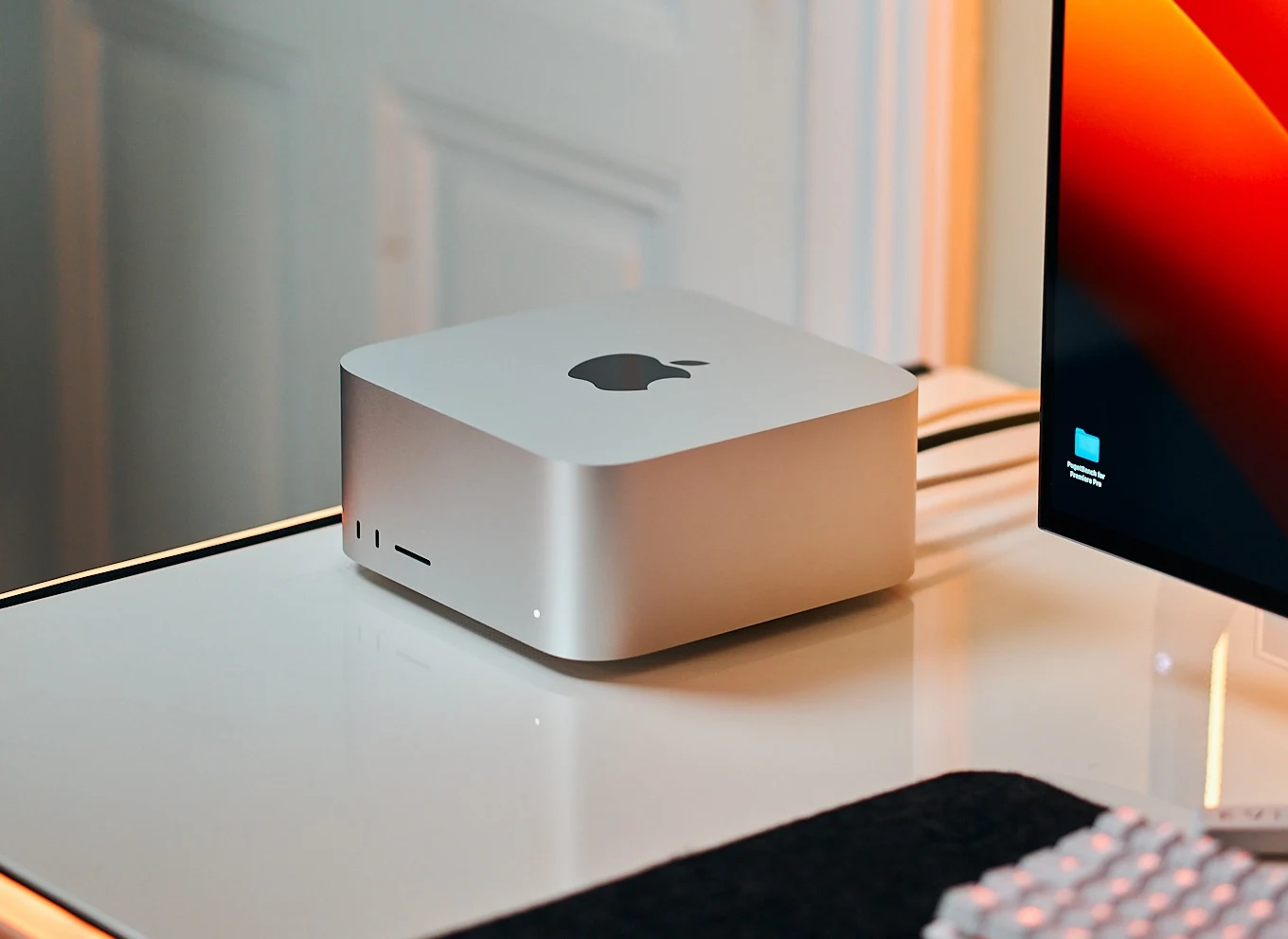
    When the M3 Ultra Mac Studio was revealed last year, it truly surprised many gadget enthusiasts. The M3 Ultra was introduced alongside the M4 Max variant, which made the former fall behind in single-core performance, even though it came with a staggering price tag.

    Specifications and Performance

    Despite this, the M3 Ultra offered an impressive 512 GB of unified system memory that the GPU and CPU shared, enabling users to run large language models (LLMs) locally without needing to invest in expensive enterprise-level GPUs.

    The ongoing shortage of DRAM has affected many, and it seems Apple has not escaped the impact either. As of now, the Mac Studio with 512 GB of RAM has been phased out, and the maximum configuration is now “only” 256 GB of RAM.

    Memory Capabilities

    Even with 256 GB of shared memory, the Mac Studio is capable of managing LLMs that other consumer-grade GPUs simply cannot handle. The top-tier Ryzen AI Max+ 395 APU from the AMD Strix Halo series only supports up to 128 GB (the ROG Flow Z13 is currently priced at $2,170 on Amazon). However, it’s important to note that the M3 Ultra doesn’t match the raw performance of other high-end consumer GPUs like the Nvidia GeForce RTX 5090.

    Interestingly, the costs for memory upgrades had remained stable in Apple’s ecosystem—until now. The upgrade to 256 GB for the Mac Studio, previously priced at $1,600, has now increased to $2,000. Other Mac models do not appear to have experienced any price adjustments.

    Pricing Strategy

    It’s crucial to mention that Apple has long charged high premiums for storage and memory upgrades, even before the supply chain issues came into play, suggesting that their current pricing approach is anything but generous. Nevertheless, it seems the company has decided that the 512 GB memory option for the Mac Studio was too costly given the current circumstances.

    As we mentioned earlier, the M5 Ultra SoC has been detected in a beta version of macOS, hinting that a new Mac Studio featuring exceptional AI capabilities thanks to neural accelerators in every GPU core is likely on the horizon. Whether this new version will offer a 512 GB memory configuration is still uncertain.


    Source:
    Link


  • Oppo Launches New Wear OS Smartwatch for Global Market

    Oppo Launches New Wear OS Smartwatch for Global Market

    Key Takeaways

    1. Oppo is teasing the new high-end smartwatch, Watch X3, with reservations open in China.
    2. The Watch X3 is expected to operate on Wear OS, similar to its predecessor, the Watch X2.
    3. The official unveiling of the Watch X3 is scheduled for later this month in China.
    4. The Watch X3 will likely be launched globally alongside other devices, such as the Find N6.
    5. Initial teasers suggest a premium design with improved weather resistance and a rotating crown.


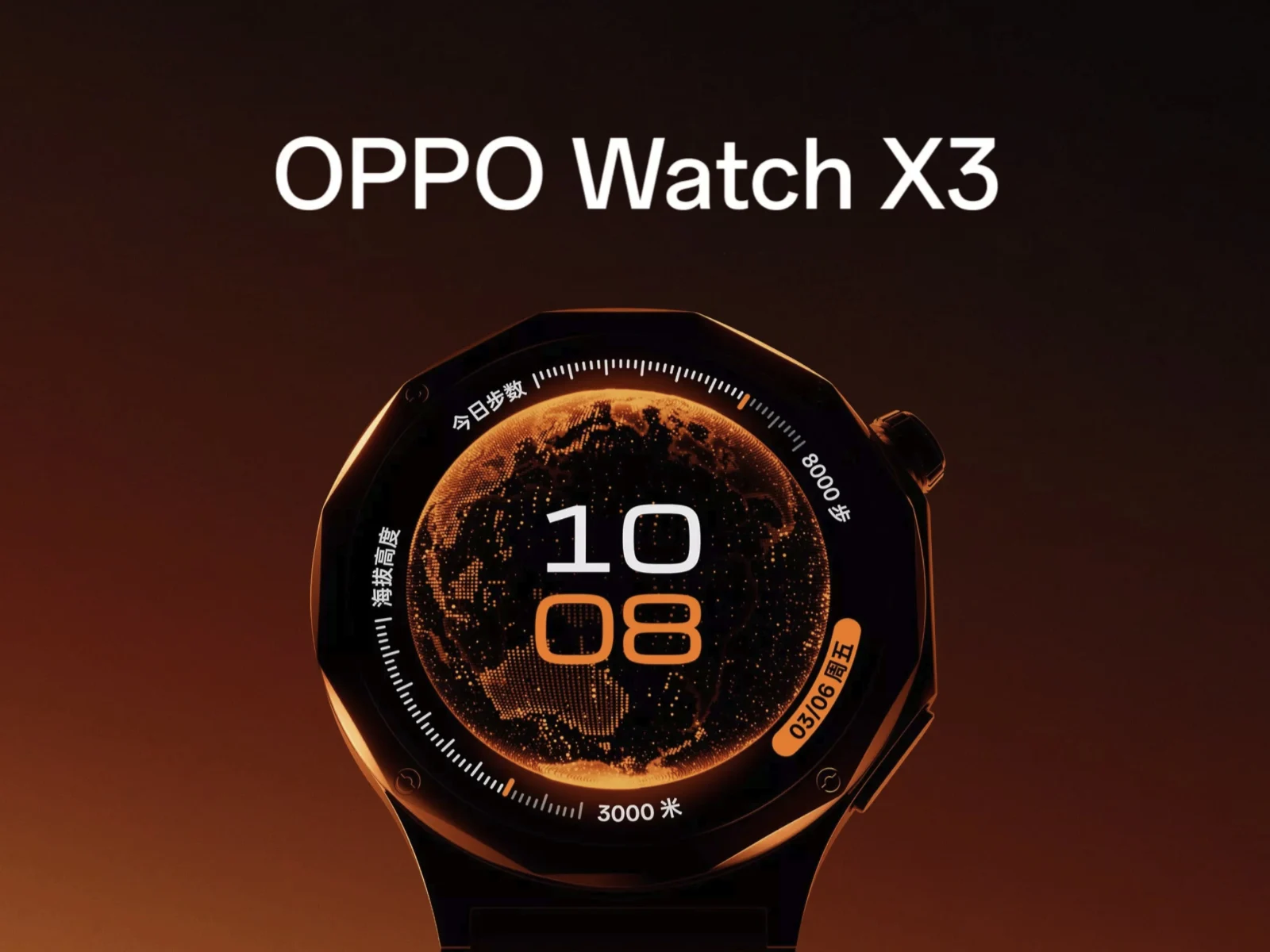
    Oppo is working on a new high-end smartwatch. As is typical, the company has started to tease this device first in China, where reservations are already open. However, it seems likely that the Watch X3 will also be launched globally.

    Previous Releases

    Last year, Oppo globally launched the Watch X2, which operated on Wear OS, serving as an alternative to the OnePlus Watch 3 (currently priced at $355 on Amazon). Because of this, it is reasonable to expect that its global successor will also use Google’s smartwatch operating system, rather than a custom one.

    Upcoming Launch

    The Watch X3 is set to be unveiled later this month in China, alongside the Find N6. With the Find X9 Ultra and the Find N6 already confirmed for a global release soon, it is a good indication that the Watch X3 will also be part of the same international event.

    Design and Features

    Although Oppo has not shared too much information yet, the initial teasers give hints at what we can expect from this premium smartwatch. For example, the elegant design of the Watch X2 will be back, but it will feature a more weather-resistant and durable casing. Additionally, the Watch X3 will include a rotating crown in the same spot as last year’s model. As for hardware specifics, those are still unknown at this point.

    Source:
    Link


  • Google Pixel 10a Lags Behind Pixel 8a and iPhone 15 in DxOMark

    Google Pixel 10a Lags Behind Pixel 8a and iPhone 15 in DxOMark

    Key Takeaways

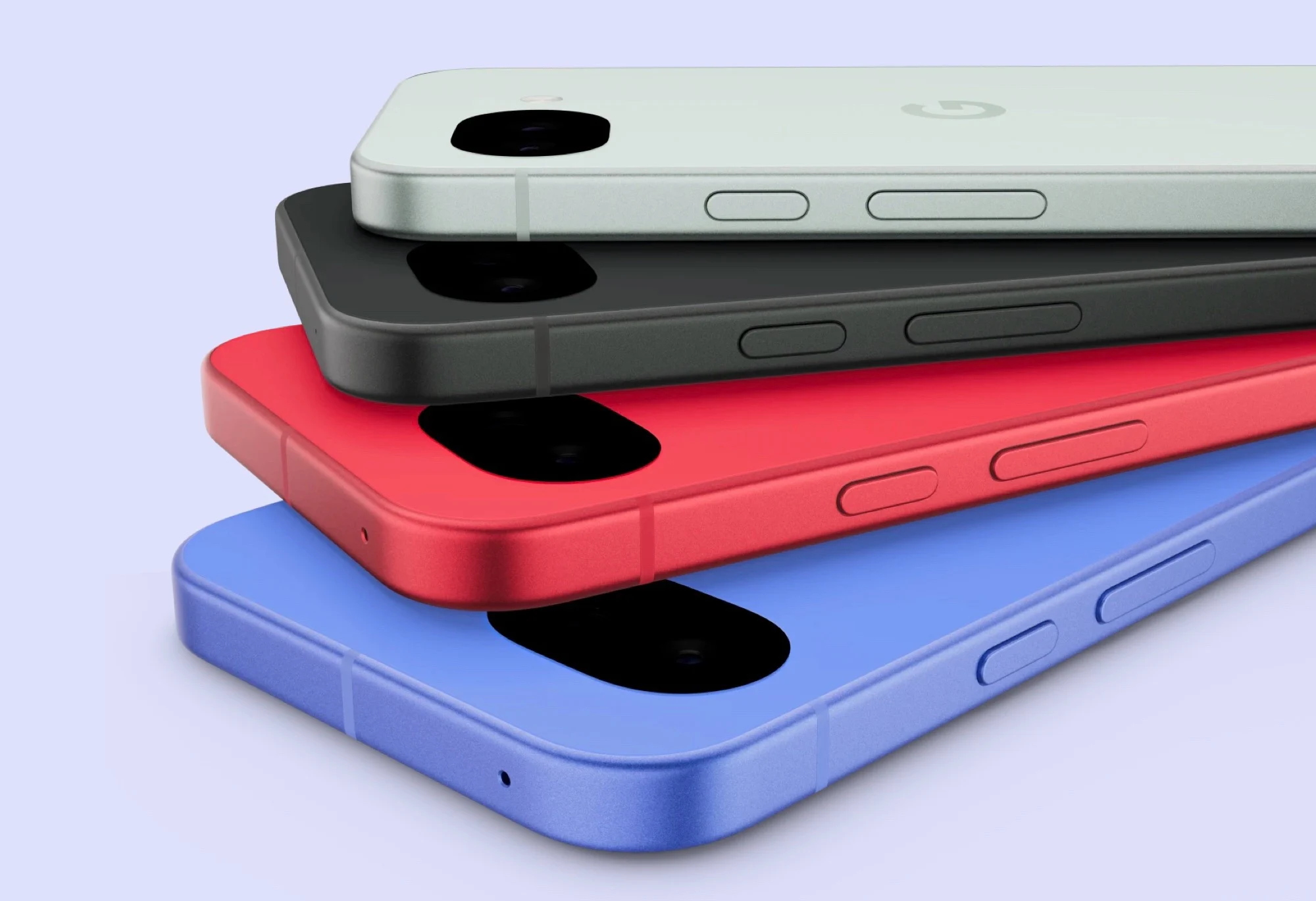
    1. The Google Pixel 10a is priced at $499 and is designed to be sturdy and compact.
    2. It features a 48-megapixel main camera with Optical Image Stabilization and a 13 MP ultra-wide camera.
    3. The Pixel 10a scored 134 points in the DxOMark camera test, showing improved image processing over the Pixel 9a.
    4. It performs better than models like the iPhone 14 and Pixel 6, but struggles with low-light image quality and video detail.
    5. The lack of a telephoto camera results in a low telephoto score, but the device maintains decent dynamic range and effective portrait mode in bright conditions.


    The Google Pixel 10a, priced at $499 on Amazon, is marketed as a sturdy and durable smartphone that’s not too big. One of the standout features of this mid-range device is its cameras, which are level with the back of the phone. The main camera is a 48-megapixel f/1.7 lens with a 1/2.0 inch sensor and Optical Image Stabilization (OIS). It also includes a 13 MP f/2.2 ultra-wide camera that has a smaller 1/3.1 inch sensor, both of which have been kept the same from the previous Pixel 9a.

    Camera Performance Overview

    It’s not surprising that the Pixel 10a scored 134 points in the DxOMark camera test, which is an improvement of six points over the Pixel 9a, mostly due to better image processing. This score places it at 75th on the DxOMark charts. In comparison, the Pixel 8a scored 136 points because it has a 64 MP main camera with a larger 1/1.73 inch sensor that was introduced two years ago. The older Apple iPhone 15 is ahead with a score of 145 points.

    Comparison with Other Models

    However, the Pixel 10a does perform better than the iPhone 14, Google Pixel 6, and Samsung Galaxy S23. The main issue is the noticeable image noise in low-light situations, which is expected given the smaller sensors. The auto-exposure and white balance features can be unreliable in dim lighting. When shooting videos, the Pixel 10a tends to show less detail, and its autofocus sometimes struggles to focus correctly.

    Telephoto Capability and Dynamic Range

    The absence of a telephoto camera has led to a low telephoto score of 25 points, which is no surprise—currently, the highest score in this category is 140 points. Despite this, the Google Pixel 10a can still capture photos and videos with a decent dynamic range, and its exposure and white balance perform well in bright conditions. The portrait mode is quite effective and works smoothly.

    Source:
    Link