
Key Takeaways
1. Asteroid 2024 YR4 was first spotted on December 27, 2024, and initially considered a potential danger to Earth.
2. Further analysis confirmed that the asteroid poses no threat to Earth or the Moon.
3. The James Webb Space Telescope observed the asteroid from February 18 to 26, 2026, providing new data on its path.
4. 2024 YR4 is set to fly by the Moon at a safe distance of approximately 13,200 miles (21,243 kilometers).
5. If it had been a threat, a collision could have caused significant destruction, including a crater one kilometer wide.
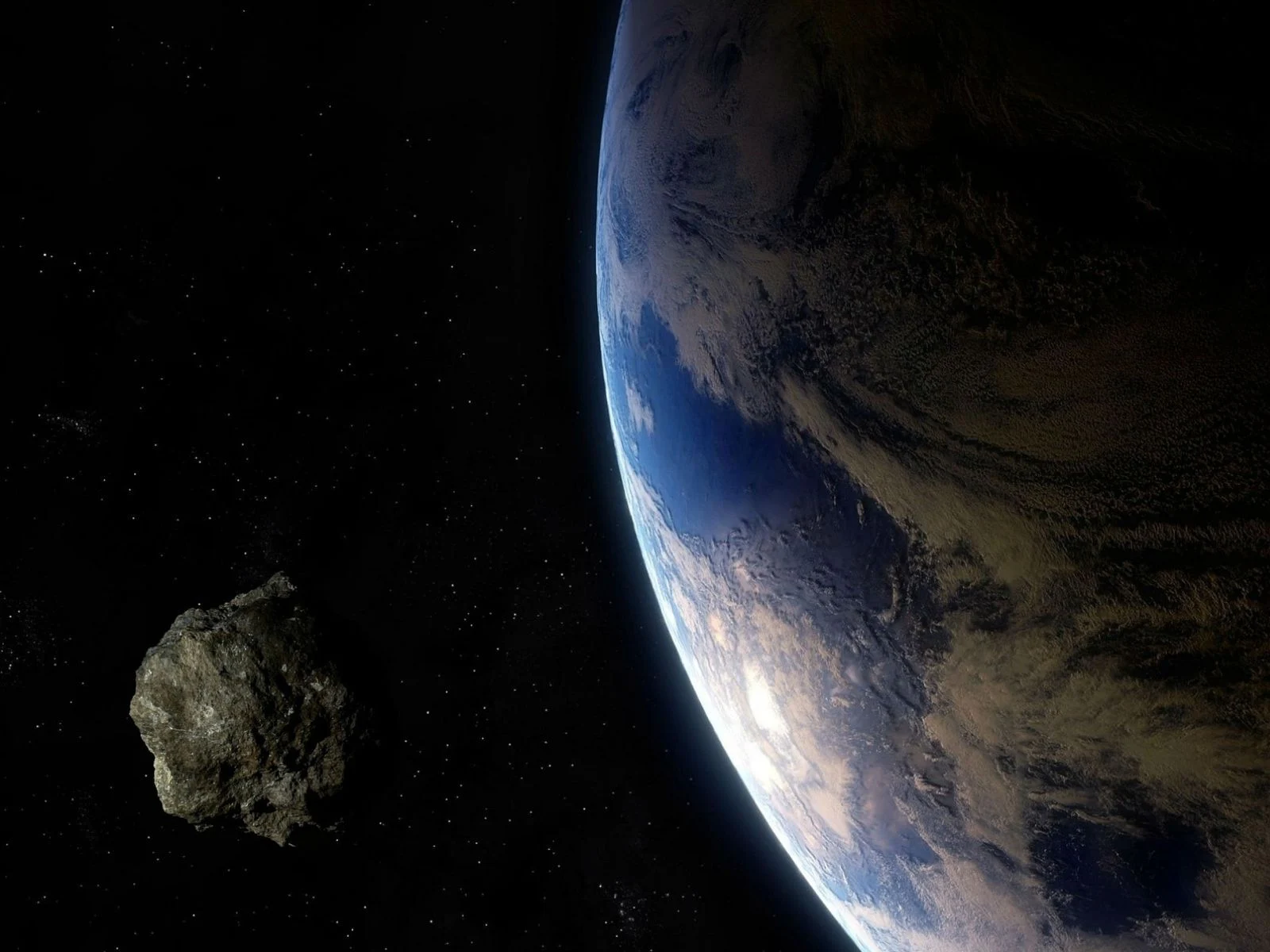
Finally, the Moon is safe from asteroid 2024 YR4. New findings from the James Webb Space Telescope in February 2026 confirm that there is no threat to the Moon, and we now understand the path of this space rock.
Discovery of the Asteroid
To recap, this asteroid was first spotted on December 27, 2024, by NASA’s ATLAS system. It was initially labeled a potential danger to Earth, measuring 60 meters across and posing a risk of collision in 2032. Luckily, further analysis revealed that it won’t endanger our planet. Attention then shifted to the Moon, where earlier studies suggested a 4.3% chance of impact.
Recent Observations
Recently, researchers at the Johns Hopkins University Applied Physics Laboratory (JHUAPL) in Maryland took a closer look at this asteroid from February 18 to 26 using the James Webb Space Telescope. Despite 2024 YR4 being one of the smaller objects ever examined by this telescope, the latest data shows that it poses no risk to the Moon, as the asteroid will fly by at a distance of approximately 13,200 miles (21,243 kilometers).
Implications of the Findings
However, this also means that astronomers and scientists won’t get the chance to witness the effects of such a massive impact in real-time. If it had been a threat, it could have resulted in an explosion comparable to a nuclear bomb and left behind a crater measuring one kilometer wide.
NASA Science’s
Source:
Link