Author: GizNews

  • Japanese Cargo Ship Ready for ISS Departure After Successful Mission

    Japanese Cargo Ship Ready for ISS Departure After Successful Mission

    Key Takeaways

    1. The Japanese cargo ship HTV-X1 is departing from the ISS after completing its resupply tasks and is carrying waste and outdated technology for incineration.
    2. The departure process involves two main stages: detachment by the ISS robotic arm, Canadarm2, and sensor demonstration testing while still connected.
    3. After release, HTV-X1 will spend three months in orbit conducting additional scientific tests before burning up upon re-entry.
    4. NASA plans to deploy a seventh solar array to enhance the ISS’s power output, requiring a spacewalk by two astronauts.
    5. Ongoing research in the ISS includes Earth observation from the Russian segment and testing artificial intelligence tools, supporting continuous scientific efforts in space.


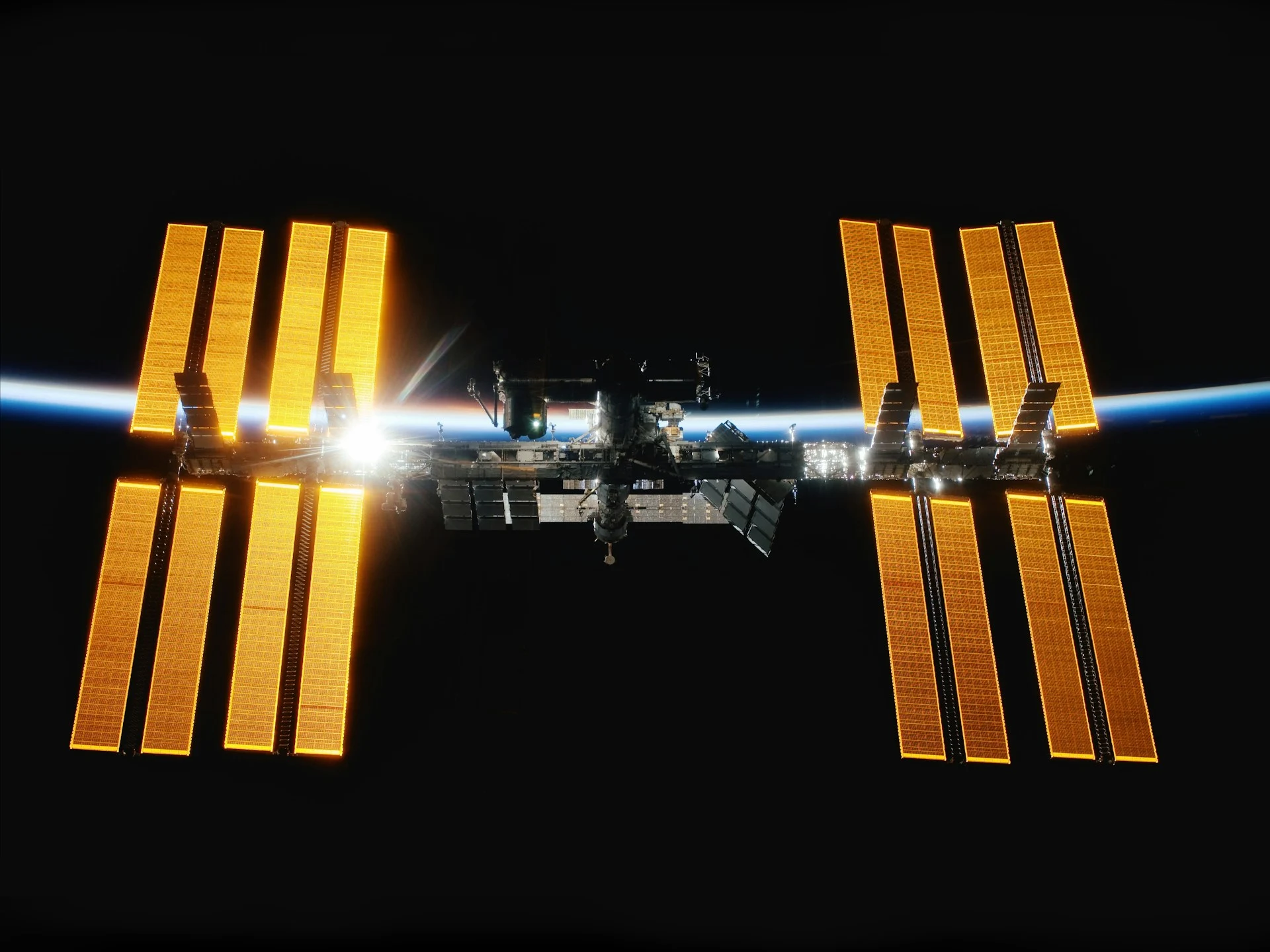
    A Japanese cargo ship, HTV-X1, is getting set to depart from the ISS. This is the newest spacecraft from the Japan Aerospace Exploration Agency. It has finished its resupply tasks and is now loaded with waste, discarded gear, and outdated tech ready to be incinerated in the Earth’s atmosphere.

    Departure Steps

    The process for leaving involves two main stages. The first step is uninstallation, where the ISS robotic arm, Canadarm2, detaches the HTV-X1 from the Harmony module’s Earth-facing port. The second step is to perform sensor demonstration testing. During this phase, controllers in Japan will check the onboard sensors while the spacecraft is still connected to Canadarm2. After this, the spacecraft is released into orbit, where it will spend the next three months carrying out additional scientific tests before safely burning up.

    Power Boost for the ISS

    Meanwhile, NASA is getting ready to deploy the seventh solar array to boost the ISS’s power output. This operation necessitates a spacewalk, which two astronauts are currently gearing up for. The logistics cycle of the ISS integrates the SpaceX Dragon and Cygnus XL, creating a never-ending chain of supplies. Additionally, research in the Russian segment is focused on observing Earth from space and testing artificial intelligence tools.

    NASA’s preparations are vital for maintaining the ISS’s operations and supporting ongoing scientific research in orbit.

    Source:
    Link


  • Garmin Smartwatches Update: New Workout Features Added

    Garmin Smartwatches Update: New Workout Features Added

    Key Takeaways

    1. Garmin has changed its release pattern for the Instinct E, Instinct 3, and Instinct Crossover AMOLED.
    2. The current price of the Instinct Crossover AMOLED is $629.99 on Amazon.
    3. System Software 13.25 was launched less than a month ago, followed by updates to versions 13.27 and 13.28.
    4. The upcoming v13.29 update includes one new bug fix for Interval Workouts.
    5. v13.29 is currently in the Beta Program and is expected to move to stable software soon.


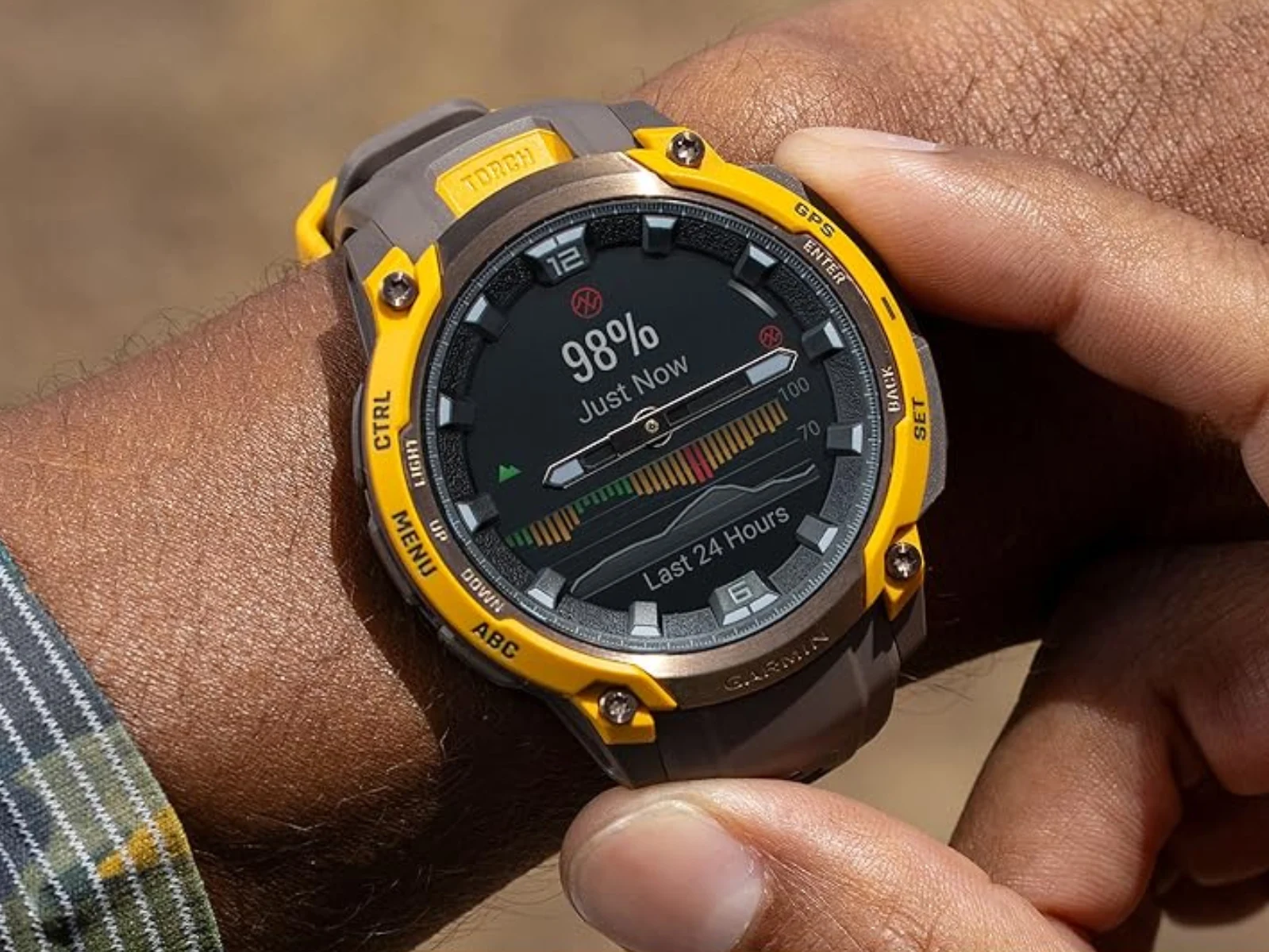
    Garmin has been following a rather unusual release pattern for the Instinct E, Instinct 3, and Instinct Crossover AMOLED recently, which is currently priced at $629.99 on Amazon. Normally, the brand rolls out several versions to beta testers before settling on a final stable update. However, Garmin has chosen a different approach with the v13.xx development series.

    Recent Updates

    It’s been less than a month since the launch of System Software 13.25. Shortly after, Garmin provided a series of updates, culminating in System Software 13.28 at the end of February, which had the same changelog as the previous version 13.27. Now, Garmin has shifted focus to v13.29, which is currently only available to its Beta Program.

    New Features

    Interestingly, v13.29 includes just one new bug fix when compared to System Software 13.28. This update aims to fix a bug that might lead to a crash while using Interval Workouts. Given Garmin’s recent update schedule, v13.29 is expected to move to the stable software channel soon, becoming System Software 13.29. For more information, refer to Garmin’s forum post.

    Source:
    Link


  • Oukitel RG14-P Rugged Laptop: Solar Charging & Swappable Batteries

    Oukitel RG14-P Rugged Laptop: Solar Charging & Swappable Batteries

    Key Takeaways

    1. Rugged Design: The Oukitel RG14-P laptop features an IP68 and IP69K rated tough exterior, making it suitable for harsh outdoor environments, including resistance to dust, water, and submersion.

    2. Powerful Hardware: It is equipped with an Intel Core i7-150U processor, 16 GB of LPDDR5 RAM, and a 512 GB SSD, providing strong performance for demanding tasks.

    3. High-Quality Display: The laptop has a 14.1-inch 1080p touchscreen display with a brightness level of 1,000 nits, making it effective for use in direct sunlight.

    4. Enhanced Connectivity and Security: It includes various sealed ports, a fingerprint scanner, an NFC module, and dual speakers, ensuring secure and versatile connectivity options.

    5. Solar Charging and Portability: The RG14-P features solar panels for wireless charging, a carry handle, and two hot-swappable batteries, making it practical for use in remote locations.


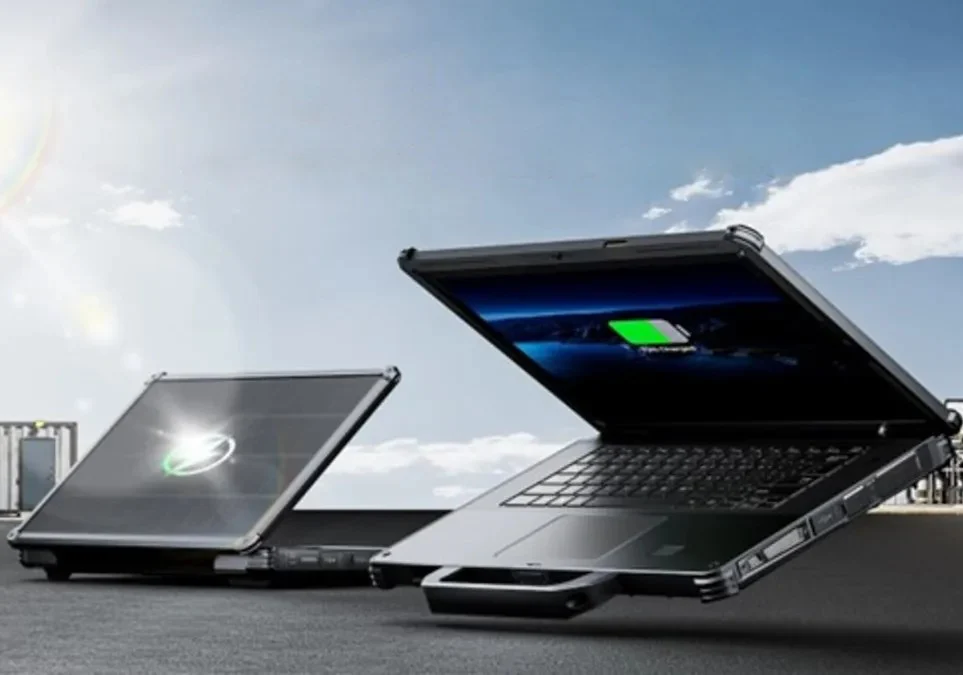
    Oukitel is primarily recognized for its durable smartphones and tablets. However, during MWC ’26 this year, the Chinese brand unveiled a pre-production model of a Windows 11 laptop featuring a rugged design, solar panels for wireless charging off the grid, and two hot-swappable batteries.

    Rugged Design Specifications

    The Oukitel RG14-P laptop boasts a tough exterior that meets IP68 and IP69K standards, making it suitable for outdoor use. It is designed to endure harsh impacts and can handle long exposure to dust and water, even being submersible for a period of time.

    Powerful Hardware Features

    On the technical front, this rugged laptop is powered by an Intel Core i7-150U processor that includes two performance cores operating up to 5.4 GHz and eight efficiency cores maxing out at 4 GHz. The integrated GPU is an older model with 96 execution units. It also features 16 GB of LPDDR5 RAM with unlisted speeds and a 512 GB SSD that can be upgraded for larger storage options.

    The RG14-P showcases a 14.1-inch 1080p touchscreen display (likely LCD) covered with a thick glossy finish, reaching brightness levels of up to 1,000 nits, ideal for usage in direct sunlight. An 8 MP webcam can be magnetically attached above the screen, allowing for 180-degree angle adjustments and includes a physical privacy cover.

    Connectivity and Security Features

    In terms of ports, the laptop includes sealed options like USB 3.2, HDMI outputs, serial, and a Gigabit Ethernet jack (though Wi-Fi capabilities were not mentioned). For enhanced security, this model is equipped with a fingerprint scanner and an NFC module, along with dual 5 W speakers.

    The laptop’s chassis is designed with a carry handle, weighing in at 3.7 kg including its two batteries: a 3,000 mAh internal battery and a 5,200 mAh external swappable one, together yielding a total capacity of 95 Wh. As previously noted, the back cover features solar panels that generate up to 10 W of charging when exposed to optimal sunlight, and it can also charge under artificial light. This enables the internal battery to reach 50% charge in about six hours, making it a viable option for emergency charging in remote locations. Additionally, the front part of the laptop includes a camping light, useful for low-light conditions or nighttime use.

    Source:
    Link


  • Antarctica Ice Sheet Stability Decline: New Study Findings

    Antarctica Ice Sheet Stability Decline: New Study Findings

    Key Takeaways

    1. Significant ice retreat observed in Antarctica, with grounding lines receding up to 42 kilometers since the 1990s.
    2. Approximately 12,800 square kilometers of grounded ice lost between 1996 and 2025, nearly half the size of Belgium.
    3. Warmer ocean waters, particularly the Circumpolar Deep Water current, are contributing to the melting of ice shelves from beneath.
    4. Over 77% of Antarctica’s coastline remains unchanged, but continued grounding line retreat may accelerate ice loss and raise global sea levels.
    5. Satellite data from the Copernicus Sentinel-1 mission is crucial for monitoring changes in polar regions year-round.


    For more than three decades, satellites have been discreetly observing Antarctica. A group of researchers, mostly from the University of California, used the data gathered over these years to carry out a study, the results of which were shared in the Proceedings of the National Academy of Sciences (PNAS).

    Significant Ice Retreat

    The research indicates that certain areas of Antarctica’s grounding lines have receded significantly. Grounding lines are where ice transitions from resting on the land to floating on the ocean. Along the Amundsen Sea in West Antarctica, the ice has pulled back by as much as 42 kilometers since the 1990s. In total, the continent has experienced a loss of approximately 12,800 square kilometers of grounded ice between 1996 and 2025, which is nearly half the size of Belgium.

    Role of Warm Ocean Water

    Researchers indicate that warmer ocean waters are a key factor in this situation. A current referred to as Circumpolar Deep Water flows beneath the ice shelves, causing them to melt from underneath. As the ice becomes thinner, it becomes less anchored to the bedrock, and when this occurs, the grounding line moves inland — signaling a decrease in the stability of the ice sheet.

    The study also highlights that more than 77% of Antarctica’s coastline has remained unchanged. Nonetheless, if the retreating grounding lines continue, this could speed up ice loss and lead to higher global sea levels.

    Importance of Satellite Data

    To observe the changes noted in this research, scientists heavily depended on information from the Copernicus Sentinel-1 mission, run by the ESA. These satellites utilize radar capable of seeing through clouds and darkness, making them perfect for year-round monitoring of polar areas.

    Source:
    Link


  • Massive Hot Planet Found Orbiting Young Dwarf Star

    Massive Hot Planet Found Orbiting Young Dwarf Star

    Key Takeaways

    1. Astronomers discovered a young exoplanet, TOI-5734 b, orbiting the star TOI-5734, located about 106 light-years from Earth.
    2. TOI-5734 b is classified as a hot sub-Neptune with a radius of 2.1 Earth radii and a mass of 9.1 Earth masses, experiencing extreme temperatures around 688 K.
    3. The star TOI-5734 is a young K-type dwarf star, smaller and less massive than our Sun, with TOI-5734 b located near the upper limit of the radius valley.
    4. The exoplanet may be losing its atmosphere through photoevaporation, potentially evolving into a rocky super-Earth in about 300 million years.
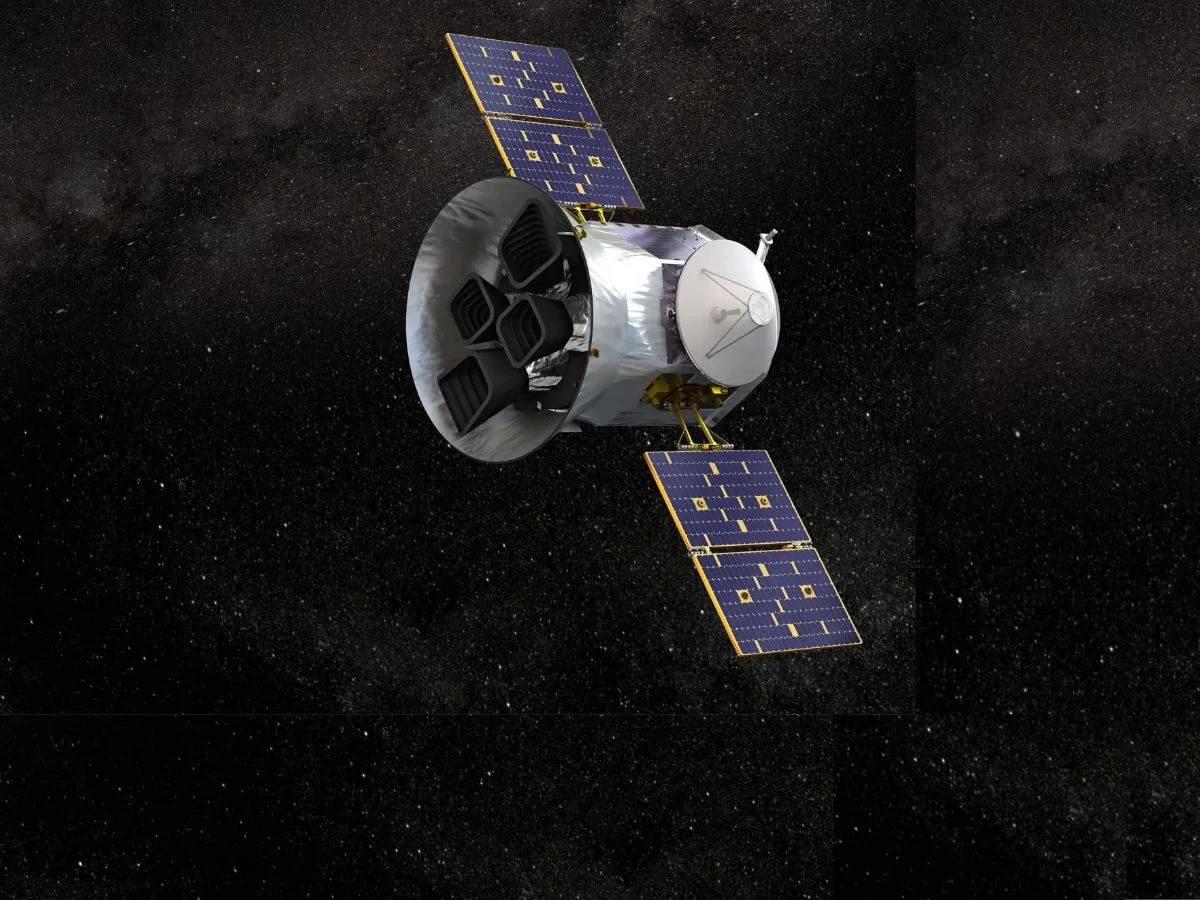
    5. The discovery utilized the Transiting Exoplanet Survey Satellite (TESS) to measure size and brightness, alongside HARPS-N for confirming mass and density.


    Astronomers have found a young exoplanet that orbits the star TOI-5734, which is situated roughly 106 light-years from Earth. This planet, which is smaller than Neptune but bigger than Earth, has a radius of 2.1 Earth radii and boasts a mass of 9.1 Earth masses, with a density that is a bit less than that of our planet. It’s categorized as a hot sub-Neptune exoplanet because of its size and its close orbit to its star, completing a full orbit every 6.18 days at a distance of 0.06 AU. Due to its close proximity to its star, this exoplanet experiences extremely high temperatures, estimated at around 688 K.

    Characteristics of TOI-5734

    The TOI-5734 star is a relatively young K-type dwarf star that has 0.72 times the mass of our Sun and 0.64 times its radius. The exoplanet TOI-5734 b resides near the upper limit of the radius valley, which is a gap observed in planet sizes between 1.5 and 2.0 Earth radii. There are very few planets that exist in this transitional area, suggesting that TOI-5734 b could be undergoing a significant change. Research indicates that this planet might be losing its atmosphere due to a process called photoevaporation, and scientists predict that it could shed its primordial envelope in about 300 million years, possibly evolving into a rocky super-Earth.

    Observational Tools and Methods

    The main tool that led to this discovery was the Transiting Exoplanet Survey Satellite (TESS). This instrument helps gauge the planet’s size by monitoring the star for slight decreases in brightness, which happen when a planet crosses in front of it. The initial observations were made in 2022, and to confirm these findings, another instrument known as HARPS-N was utilized. Together, these tools allowed astronomers to measure the planet’s mass, radius, and overall density, offering important understanding about how planetary systems develop over time.

    arXiv via Phys.org

    Source:
    Link


  • OnePlus 15T Specs Revealed Ahead of Compact Flagship Launch

    OnePlus 15T Specs Revealed Ahead of Compact Flagship Launch

    Key Takeaways

    1. OnePlus is set to launch the OnePlus 15T, powered by Snapdragon 8 Elite Gen 5, around March 2026 in China.
    2. The OnePlus 15T will feature a 6.32-inch flat display with 1.5K resolution and a 165Hz refresh rate, ideal for mobile gaming.
    3. It will come with a large 7,500mAh battery, supporting 100W fast charging and 50W wireless charging.
    4. The camera will include an enhanced LUMO periscope telephoto lens and improved water resistance with IP66, IP68, IP69, and IP69K ratings.
    5. The phone will have a better 3D ultrasonic fingerprint sensor and compatibility with magnetic accessories, with design details to be revealed soon.


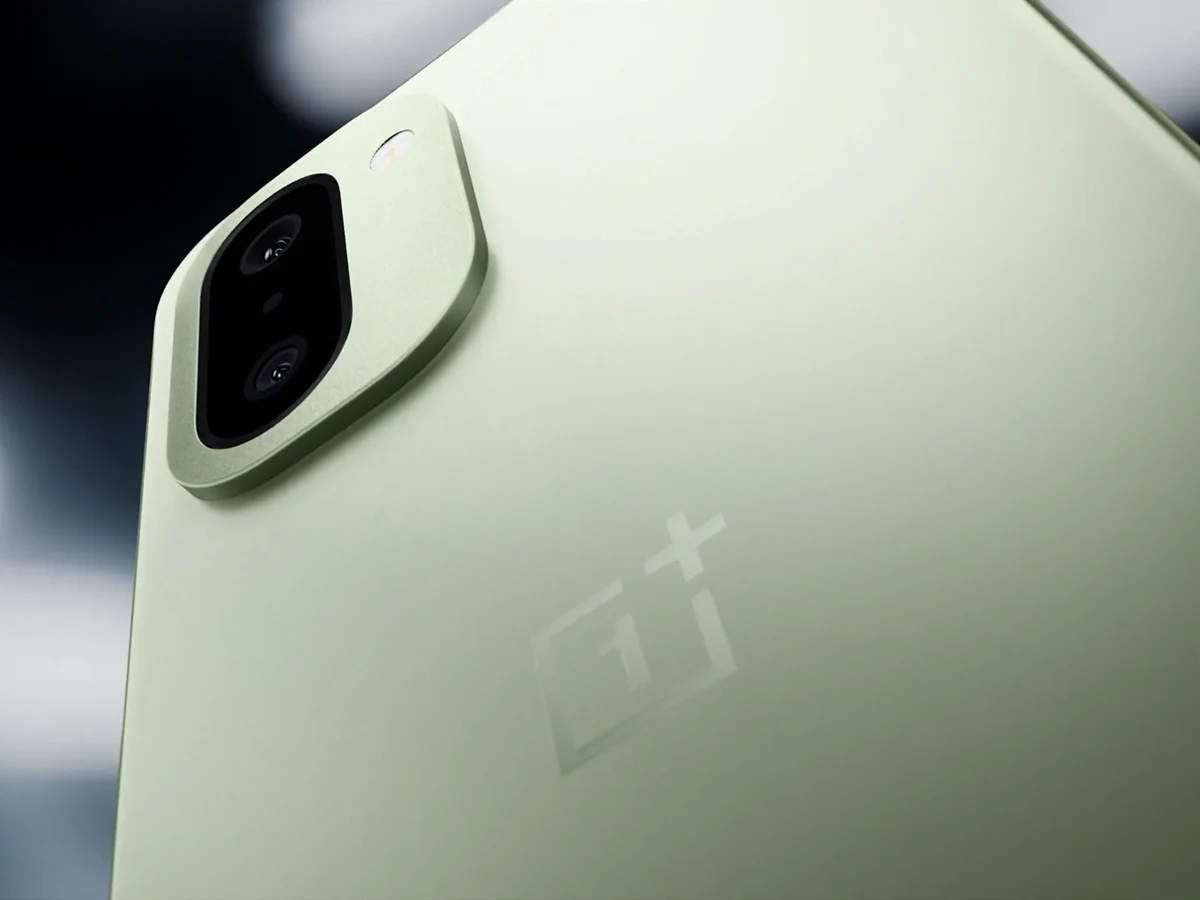
    OnePlus is preparing to unveil its latest flagship smartphone, the OnePlus 15T. Although an official announcement has yet to be made, this device, powered by the Snapdragon 8 Elite Gen 5, is anticipated to launch in China around March 2026. In the meantime, the president of the company, Li Jie Louis, has been sharing important information regarding this new device.

    Key Specifications Revealed

    Recently, Louis made a post on Weibo, reaffirming the confirmed specifications and disclosing some new information. Similar to the OnePlus 13T, the new compact phone is set to include a 6.32-inch flat display, which, as Louis hinted in a recent teaser, will have extremely slim bezels.

    According to reliable leaker Digital Chat Station, the display will have a 1.5K resolution. Even more impressive is its 165Hz refresh rate, aligning with the non-T flagship model. This means it will support 165 FPS for most popular games, making it a great choice for mobile gamers who prefer a smaller device.

    Battery and Charging Capabilities

    Returning to Louis’ Weibo update, it was recently disclosed that the compact phone will feature a substantial 7,500mAh battery, which surpasses the capacity of the Galaxy S26 Ultra (512GB priced at $1,299.99 on Amazon). It is confirmed to support 100W fast charging and 50W wireless charging, along with bypass power delivery.

    In terms of camera technology, the rear of the OnePlus 15T will include an enhanced LUMO periscope telephoto lens, and Louis has assured that the camera bump will be smaller than previous versions. Additionally, there will be an improved water-resistant design compared to its predecessor, boasting IP66, IP68, IP69, and IP69K ratings.

    Enhanced Features and Design Tease

    The compact flagship will also feature a better 3D ultrasonic fingerprint sensor compared to the 13T, and it will be compatible with magnetic accessories. Although the design details of the phone have not yet been revealed, Louis hinted that the full unveiling of the OnePlus 15T is coming soon.

    Source:
    Link


  • KeyGo Gen2 Pro: Final Discount on Smart Touchscreen Keyboard

    KeyGo Gen2 Pro: Final Discount on Smart Touchscreen Keyboard

    Key Takeaways

    1. The KeyGo Gen2 Pro crowdfunding campaign is nearing its end, with a discounted price of $329 available for about 24 more hours.
    2. The campaign has raised over $500,000, unlocking multiple stretch goals, including a wireless transmission feature.
    3. Backers will receive a free USB Type-C dongle for wireless image transmission and keyboard connectivity.
    4. New features include a wireless keyboard, built-in touchscreen, and support for various keyboard layouts (German, Mac (US), and UK).
    5. The system is compatible with Windows, Linux, and Android devices, and can serve as a secondary display or work with mini PCs.


    We have previously shared updates on the KeyGo Gen2 Pro, and now the crowdfunding effort is approaching its final push. Backers have a chance to grab the system at a discounted rate for about 24 more hours. The exact price is set at $329. It’s important to remind everyone of the financial risks involved with crowdfunding projects – there’s no guarantee that the product will arrive in the promised quality or at all. Although the maker isn’t entirely new to the market, uncertainties still linger.

    Success of the Campaign

    The crowdfunding initiative has enjoyed remarkable success so far, having raised over 500,000 dollars, which has unlocked multiple significant stretch goals. The most recent stretch goal introduced a wireless transmission feature. Backers will also receive a USB Type-C dongle free of charge, allowing for wireless image transmission as well as keyboard connectivity. Additionally, features like a protective cover and brightness adjustment options have already been made available.

    New Features and Compatibility

    The system now offers a keyboard that can connect wirelessly and includes a built-in touchscreen. Keyboard layouts for German, Mac (US), and UK are now offered. The high resolution is a key selling point. This system can function as a secondary display, for instance, or be used on the move with a mini PC that doesn’t need a large monitor. The manufacturer claims that the system is compatible with devices that run on Windows, Linux, and Android.

    Source:
    Link


  • Vivo X300 Ultra: Professional Stabilization in New Telephoto Lens

    Vivo X300 Ultra: Professional Stabilization in New Telephoto Lens

    Key Takeaways

    1. The Vivo X300 Ultra will feature a new Zeiss camera and make its debut in the European market.
    2. The new telephoto sensor is based on Samsung’s HP0 and offers improved performance in color accuracy, autofocus, HDR, and dynamic range.
    3. Vivo has achieved a major stabilization upgrade, reaching the professional CIPA 7.0 standard with up to 3 degrees of stabilization.
    4. The stabilization is effective even with a 4.7x telephoto extender, achieving up to 1600 mm equivalent focal length.
    5. Motion tracking has been enhanced to operate at 60 fps, improving capabilities for wildlife photography.


    The Mobile World Congress in Barcelona has wrapped up, but the excitement around the Vivo X300 Ultra is still alive in China. Product manager Han Boxiao has shared more details about the new Zeiss camera that will be featured in the successor to the Vivo X200 Ultra, which will also make its debut in the European market. Following yesterday’s details on the impressive 1/1.12 inch 200-megapixel main camera with a 35mm lens, Vivo has now introduced information on its second 200-megapixel sensor, the enhanced telephoto.

    New Samsung Sensor

    Vivo states that the new telephoto sensor is based on a Samsung sensor known as HP0. Vivo has tailored it and reportedly, it’s closely related to the ISOCELL HPE used in the Vivo X300 Pro. This fifth generation 200 MP sensor from Vivo/Samsung aims to provide improved performance in color accuracy, autofocus, HDR, and dynamic range compared to the ISOCELL HPE. Most impressively, it sets new benchmarks for stabilization, which Han Boxiao detailed on Weibo.

    Major Stabilization Upgrade

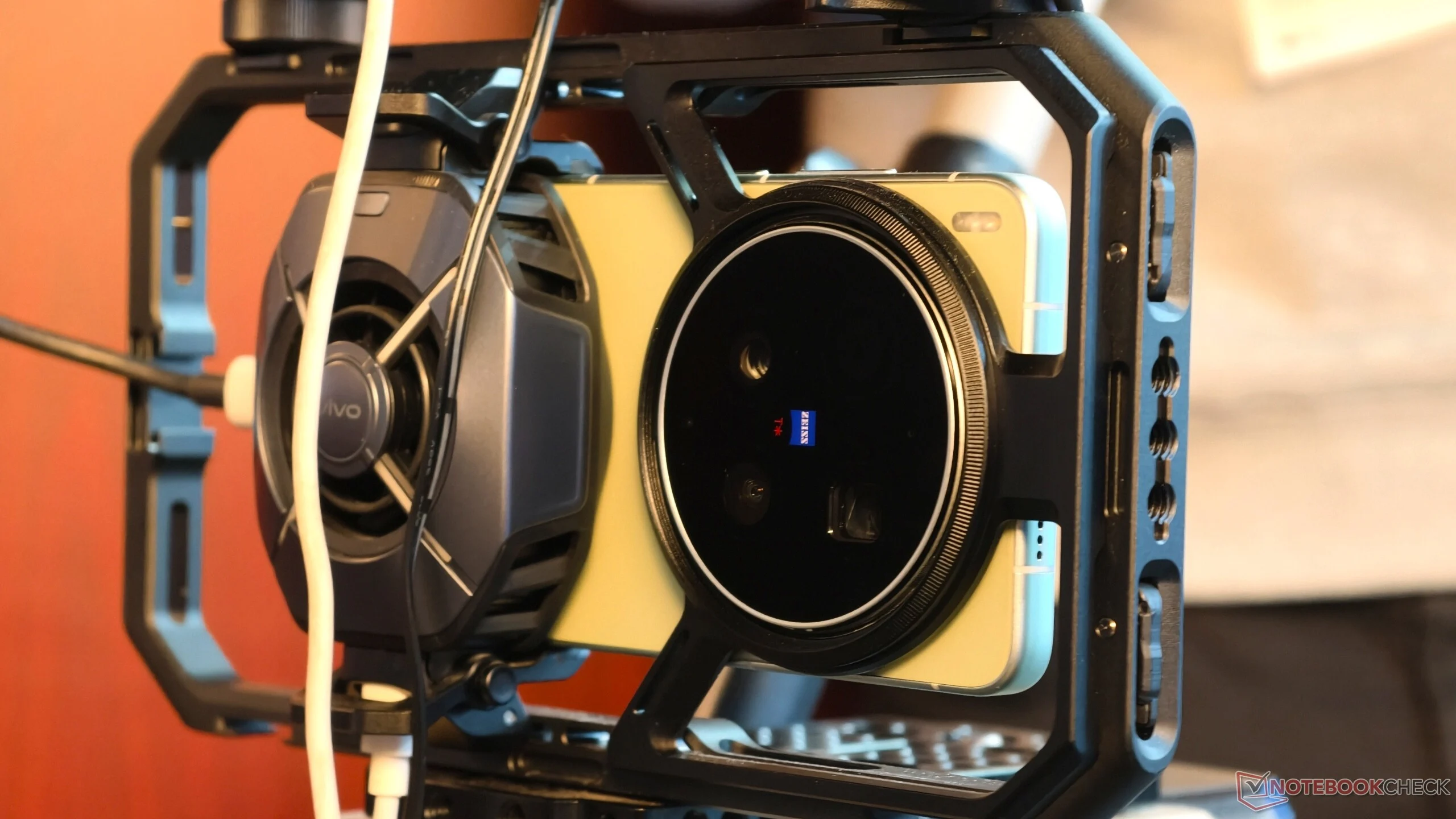
    For the first time, Vivo has reached the professional CIPA 7.0 standard with this new telephoto module, marking a major improvement from the CIPA 5.5 of the previous year. The optics can now stabilize by up to 3 degrees, which is quite exceptional in the industry; normally, 0.7 to 1 degree is what you’d expect in the smartphone market. This nearly triples the 1.2 degrees stabilization found in the Vivo X200 Ultra. As a result, the stabilization is effective even when using the new 4.7x telephoto extender, achieving up to 1600 mm equivalent focal length. A demonstration of this versatile optics is available in a video below.

    Enhanced Motion Tracking

    Finally, Vivo assures that the motion tracking now operates at 60 fps, a step up from the typical 30 fps available in most smartphones. This advancement means that tracking animals is no longer an issue, making it a great tool for wildlife photography.

    Han Boxiao Weibo, Digital Chat Station Weibo.

    Source:
    Link


  • Motorola Razr 70 Specs Leaked in TENAA Listing

    Motorola Razr 70 Specs Leaked in TENAA Listing

    Key Takeaways

    1. The Motorola Razr 70 features a 6.9-inch OLED main display and a 3.63-inch OLED cover display for easy access to notifications and apps.
    2. It is powered by an octa-core chipset at 2.75GHz, with options for up to 18GB of RAM and 1TB of internal storage.
    3. The phone has a dual-camera setup on the back with 50MP sensors, including a telephoto lens, and a 32MP front camera for selfies.
    4. It includes a side-mounted fingerprint scanner and a dual-battery system, totaling around 4,500mAh, with a slim design of 7.2mm thick and a weight of 188 grams.
    5. While no official launch date is set, an announcement is expected soon, potentially following the previous Razr 60 series release timeline in April.


    The upcoming Motorola Razr 70 has shown up on China’s TENAA certification website, giving us a sneak peek at its features. This model, identified by the number XT2657-2, is anticipated to be released alongside the more advanced Motorola Razr 70 Ultra soon.

    Display and Resolution

    The Razr 70 is set to have a 6.9-inch OLED main display with a resolution of 1080 × 2640 pixels. Additionally, on the outside, it will sport a 3.63-inch OLED cover display featuring a resolution of 1056 × 1066 pixels. This allows users to check notifications, use apps, and access quick controls without needing to unfold the device.

    Performance Specs

    While the exact processor is not specified in the listing, it does confirm that the phone will be powered by an octa-core chipset running at 2.75GHz. It is also expected to come with impressive memory options, offering up to 18GB of RAM and up to 1TB of internal storage.

    Camera Features

    The TENAA certification indicates that the phone will have a dual-camera setup on the back, both equipped with 50MP sensors. One of the cameras is likely to act as a telephoto lens, with support for 3x optical zoom. For selfies and video calls, the inner foldable display will include a 32MP front camera.

    Additional details from the certification point towards a side-mounted fingerprint scanner for secure access. The device is also expected to have a dual-battery system, totaling around 4,500mAh. As for its design, the Razr 70 is said to be 7.2mm thick and weigh 188 grams.

    Launch Timeline

    Motorola has not yet made an official announcement regarding the launch date. However, the current information suggests that the announcement could be imminent. The previous Razr 60 series was introduced in April of last year, which makes a similar timeline for the Razr 70 lineup seem very likely.

    Source:
    Link


  • Oppo Find N6 Price Increase and Full Specs Leak Before Launch

    Oppo Find N6 Price Increase and Full Specs Leak Before Launch

    Key Takeaways

    1. Color Options and Dimensions: The Oppo Find N6 is expected to come in Gold Orange, Titanium, and Deep Black, measuring 8.93mm thick when folded and 4.21mm when unfolded, weighing around 225 grams.

    2. Display and Performance Specs: It may feature a 6.62-inch outer display with a 2,616 x 1,140 pixel resolution and a peak brightness of 3,600 nits, alongside an 8.12-inch inner display powered by a Snapdragon 8 Elite Gen 5 chipset.

    3. Camera Features: The smartphone is likely to include a Hasselblad camera system, with a 200MP main camera, a 50MP telephoto lens, a 50MP ultrawide lens, and 20MP cameras for selfies.

    4. Battery and Charging Capabilities: Expected to have a 6,000mAh battery, it will support 80W wired and 50W wireless charging, featuring a titanium alloy hinge and water/dust resistance ratings of IP56, IP58, and IP59.

    5. Memory and Pricing: The Find N6 may offer three memory options starting from 12GB RAM with 256GB storage, alongside higher configurations. A price increase over the previous model is anticipated, with the Find N5 starting at 8,999 yuan (~$1,304).


    The Oppo Find N6 is rumored to be launching soon in China. Before its official unveiling, an image leaked on the Chinese social media platform Weibo has emerged, showcasing the detailed specs of this upcoming foldable smartphone.

    Color Options and Dimensions

    The Find N6 is expected to be available in three color variants: Gold Orange, Titanium, and Deep Black. When folded, its thickness is reportedly 8.93mm, and when unfolded, it measures 4.21mm. The device is also anticipated to weigh around 225 grams.

    Display and Performance Specs

    According to the leak, the Find N6 may feature a 6.62-inch BOE Q10 outer display with a resolution of 2,616 x 1,140 pixels. The LTPO panel is said to reach a peak brightness of 3,600 nits and a minimum brightness of 1 nit, alongside a refresh rate of 120Hz.

    Additionally, the inner display, which is said to be a Samsung E7, might be 8.12 inches and have a peak brightness of 2,500 nits with a variable refresh rate of 120Hz. In terms of processing power, it’s expected to utilize the Snapdragon 8 Elite Gen 5 chipset, featuring two cores running at 4.6GHz and five cores at 3.62GHz.

    Camera Features

    The leak further confirms that the Oppo Find N6 will likely come equipped with a Hasselblad camera system. Its rear camera setup may consist of a 200MP Isocell HP5 as the primary camera, alongside a 50MP Isocell JN5 telephoto lens and a 50MP Isocell JN5 ultrawide lens. For selfies, both displays may feature 20MP cameras.

    Battery and Charging Capabilities

    The leak indicates a 6,000mAh battery coupled with 80W wired fast charging and 50W wireless charging capabilities (160W 3-port Anker charger curr. $115.99 on Amazon). Additionally, the image shows that the foldable phone will have a titanium alloy hinge. Reports suggest that the device will have IP56, IP58, and IP59 ratings for water and dust resistance.

    Memory and Pricing

    The leak mentions three memory options, starting with a base model that includes 12GB of RAM and 256GB of storage. The other configurations are 16GB/512GB and 16GB/1TB, with the latter speculated to support satellite communication.

    A different leak from tipster Old Chen Air on Weibo hints that the Oppo Find N6 may come with a higher price than its predecessor. To give context, the Find N5 was launched in China at a starting price of 8,999 yuan (~$1,304).

    As of now, Oppo has yet to announce a release date for the Find N6. Since the accuracy of the leaked information hasn’t been confirmed, it’s wise to take these details with a grain of salt.

    Source:
    Link