
Tag: SpaceX Dragon

  • Japanese Cargo Ship Ready for ISS Departure After Successful Mission

    Japanese Cargo Ship Ready for ISS Departure After Successful Mission

    Key Takeaways

    1. The Japanese cargo ship HTV-X1 is departing from the ISS after completing its resupply tasks and is carrying waste and outdated technology for incineration.
    2. The departure process involves two main stages: detachment by the ISS robotic arm, Canadarm2, and sensor demonstration testing while still connected.
    3. After release, HTV-X1 will spend three months in orbit conducting additional scientific tests before burning up upon re-entry.
    4. NASA plans to deploy a seventh solar array to enhance the ISS’s power output, requiring a spacewalk by two astronauts.
    5. Ongoing research in the ISS includes Earth observation from the Russian segment and testing artificial intelligence tools, supporting continuous scientific efforts in space.


    A Japanese cargo ship, HTV-X1, is getting set to depart from the ISS. This is the newest spacecraft from the Japan Aerospace Exploration Agency. It has finished its resupply tasks and is now loaded with waste, discarded gear, and outdated tech ready to be incinerated in the Earth’s atmosphere.

    Departure Steps

    The process for leaving involves two main stages. The first step is uninstallation, where the ISS robotic arm, Canadarm2, detaches the HTV-X1 from the Harmony module’s Earth-facing port. The second step is to perform sensor demonstration testing. During this phase, controllers in Japan will check the onboard sensors while the spacecraft is still connected to Canadarm2. After this, the spacecraft is released into orbit, where it will spend the next three months carrying out additional scientific tests before safely burning up.

    Power Boost for the ISS

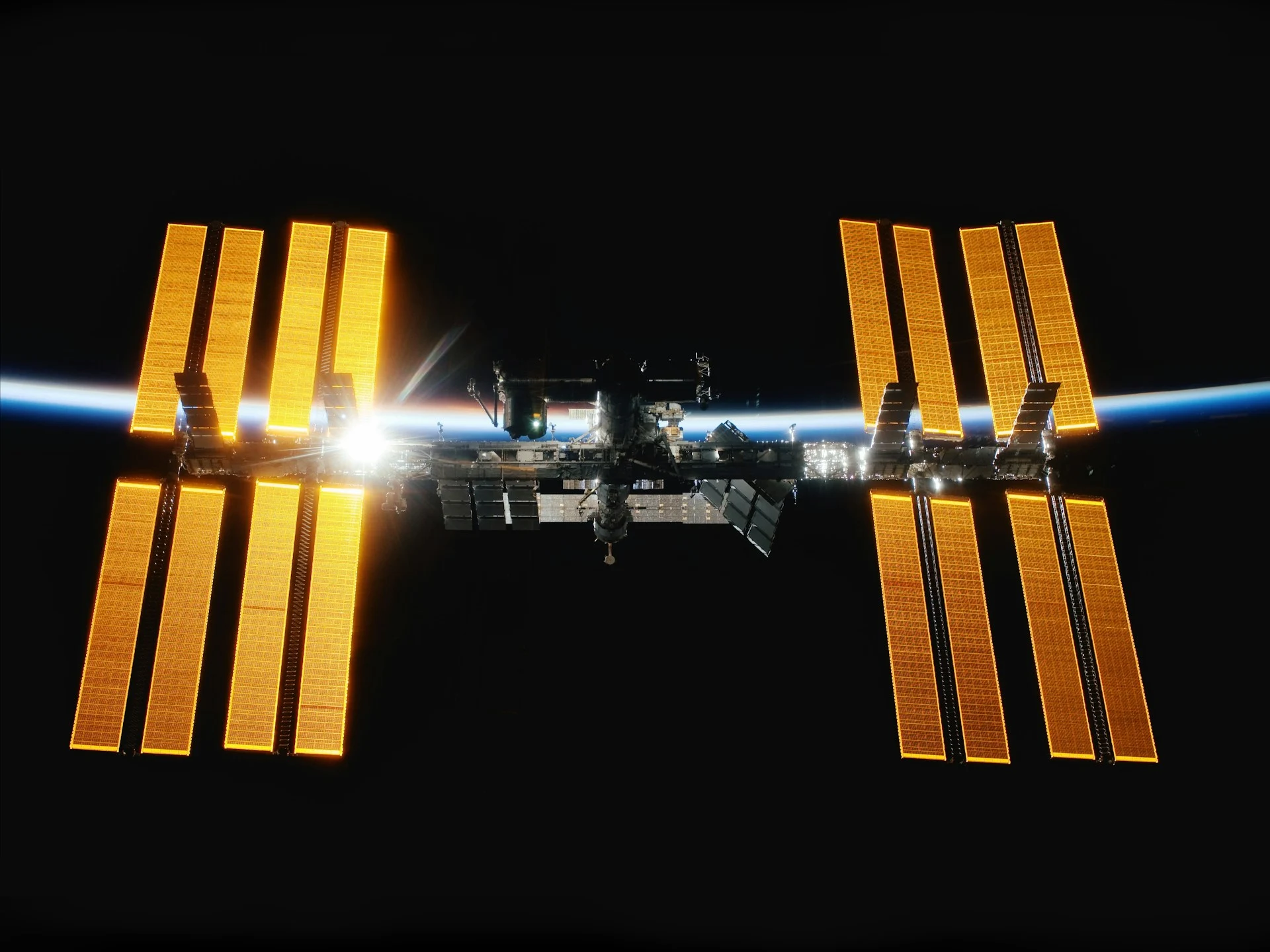
    Meanwhile, NASA is getting ready to deploy the seventh solar array to boost the ISS’s power output. This operation necessitates a spacewalk, which two astronauts are currently gearing up for. The logistics cycle of the ISS integrates the SpaceX Dragon and Cygnus XL, creating a never-ending chain of supplies. Additionally, research in the Russian segment is focused on observing Earth from space and testing artificial intelligence tools.

    NASA’s preparations are vital for maintaining the ISS’s operations and supporting ongoing scientific research in orbit.

    Source:
    Link



  • SpaceX Dragon Returns to Earth with Scientific Samples Successfully

    SpaceX Dragon Returns to Earth with Scientific Samples Successfully

    Key Takeaways

    1. SpaceX Dragon cargo successfully returned to Earth, bringing back frozen research samples and temperature-sensitive biological specimens.
    2. JAXA’s HTV-X1 spacecraft will launch in early March to test new technologies and deploy CubeSats before safely reentering the atmosphere.
    3. Northrop Grumman’s Cygnus XL launched to dispose of trash from the ISS, also planned to burn up over the South Pacific.
    4. Ongoing research on the ISS includes human physiology and materials science studies, with a focus on cardiac monitoring and microgravity experiments.
    5. Fitness assessments are conducted on the ISS to prevent muscle atrophy in astronauts due to microgravity conditions.


    The SpaceX Dragon cargo, which is part of NASA’s Commercial Resupply Services program, has made a successful landing back on Earth. It carried frozen research samples from the Destiny lab module that were kept in onboard science freezers. This spacecraft is unique as it is the only one capable of returning significant quantities of scientific materials and temperature-sensitive biological specimens.

    Upcoming Spacecraft Launches

    After the Dragon’s return, two additional spacecraft are set to launch. One of them is JAXA’s (Japan Aerospace Exploration Agency) HTV-X1. This spacecraft is scheduled to be detached from Harmony’s Earth-facing port using the Canadarm2 robotic arm in early March and will be released into Earth orbit the following day. It will stay in orbit for several weeks to test new antenna technologies, advanced solar cells, and to deploy CubeSats. Eventually, it will reenter the atmosphere over the South Pacific and safely burn up, effectively disposing of station waste.

    Northrop Grumman’s Cygnus XL

    The other spacecraft is Northrop Grumman’s Cygnus XL, which is filled with trash. It was launched on September 14, reached its destination on September 18, and was installed in the Unity module. Like the HTV-X1, it will also reenter the Earth’s atmosphere and burn up over the South Pacific, functioning as a managed orbital waste disposal system.

    Research on the ISS continues without interruption. A variety of human physiology and materials science studies, including cardiac monitoring and microgravity experiments, are ongoing. Fitness assessments on the station’s treadmill are conducted to prevent muscle atrophy caused by microgravity. All these efforts contribute to the ongoing progress in space research.

    Source:
    Link