Author: GizNews

  • SwitchBot Reveals First 3D Facial Recognition Smart Door Lock

    SwitchBot Reveals First 3D Facial Recognition Smart Door Lock

    Key Takeaway

    – World-first smart deadbolt with 3D structured-light facial recognition (over 20,000 infrared points) and unlocks in under 1 second.
    – Wide unlock options including palm vein (touchless), semiconductor fingerprint, cards, passwords, app, voice, smartwatch, geofencing, physical keys; Matter-over-Wi‑Fi support.
    – 10,000 mAh battery (~12 months runtime), IP65 rating, and six-tier security with tamper alerts, remote unlock confirmation, forced unlock protection, and auto lockout after failed attempts.
    – Pricing and availability: Lock Vision Pro at $229.99 / CA$299.99 and Lock Vision at $169.99 / CA$229.99; available on SwitchBot’s site and Amazon.

    SwitchBot is expanding its smart home locks portfolio by launching the new Lock Vision series smart door locks. SwitchBot has introduced two models under the Lock Vision series, the Lock Vision and the Lock Vision Pro. The latest offering from SwitchBot is advertised as the world’s first smart deadbolt lock equipped with 3D structured-light facial recognition technology. Industry observers note the marketing talk claims about being first, while some rivals hover on the edge of similar tech, but SwitchBot emphasizes its own sensors, processing power, and ease of installation, so the market will decide.

    Key tech and models

    SwitchBot is inspired by the same core technology used in flagship smartphones. According to the brand, the Lock Vision series projects over 20,000 infrared points to create highly accurate 3D facial maps capable of millimeter-level recognition. On top of this, SwitchBot claims that the system unlocks doors in under one second. Some analysts suggest the price points remain competitive in this segment.

    Unlocking methods and palm vein tech

    Besides, the Lock Vision series offers multiple unlock methods, including app control, NFC cards, passwords, voice assistant, smartwatch control, auto-unlock via geofencing, physical keys, palm vein recognition, and semiconductor fingerprint unlocking. The security gadget uses infrared sensing technology for palm vein recognition, which is the same technology found on the Anker Eufy FamiLock E34. That combo lets users unlock easily even when wearing gloves or in dim spaces.

    Power, battery and connectivity

    This enables users to unlock doors without touching the device, even when hands are wet, dirty, or difficult to scan with conventional fingerprint readers. A high-capacity 10,000 mAh rechargeable lithium battery powers the Lock Vision series, with a specified runtime life of around 12 months. Moreover, both gadgets support Matter-over-Wi-Fi, allowing users to connect directly with supported smart home ecosystems. Engineers note this setup keeps maintenance and replacements minimal.

    Security footprint

    SwitchBot has incorporated a six-tier security protection system covering locking security, unlocking security, communication security, alarm security, and power security. Other features include tamper alerts, IP65 water and dust resistance, remote unlock confirmation, forced unlock protection, emergency SOS fingerprint recognition, and automatic lockout after repeated failed verification attempts. The design intention is to deter tampering and make the system resilient to power cuts.

    Pricing and availability

    As for price, the SwitchBot Lock Vision Pro is priced at $229.99/CA$299.99 and the Lock Vision costs $169.99/CA$229.99. Both smart locks are now available for purchase via SwitchBot’s official website and Amazon. This pricing and availability may vary with region and retailer promotions.
    Sources

    • Nothing Phone (4a) Pro vs Galaxy A57 and Redmi Note 15 Pro+

      Nothing Phone (4a) Pro vs Galaxy A57 and Redmi Note 15 Pro+

      Key Takeaway

      – Distinctive, premium build (aluminum unibody and glyph lighting) that stands out in the mid-range.
      – Strong camera system for the class, especially 50 MP main plus periscope zoom, with 4K/30fps video.
      – Solid day-to-day performance with a bright 6.83″ OLED display and reliable battery life, plus 50W charging.
      – Trade-offs vs rivals: best design/camera emphasis, but Samsung leads in software updates; Redmi offers greater value and faster charging at a lower price.

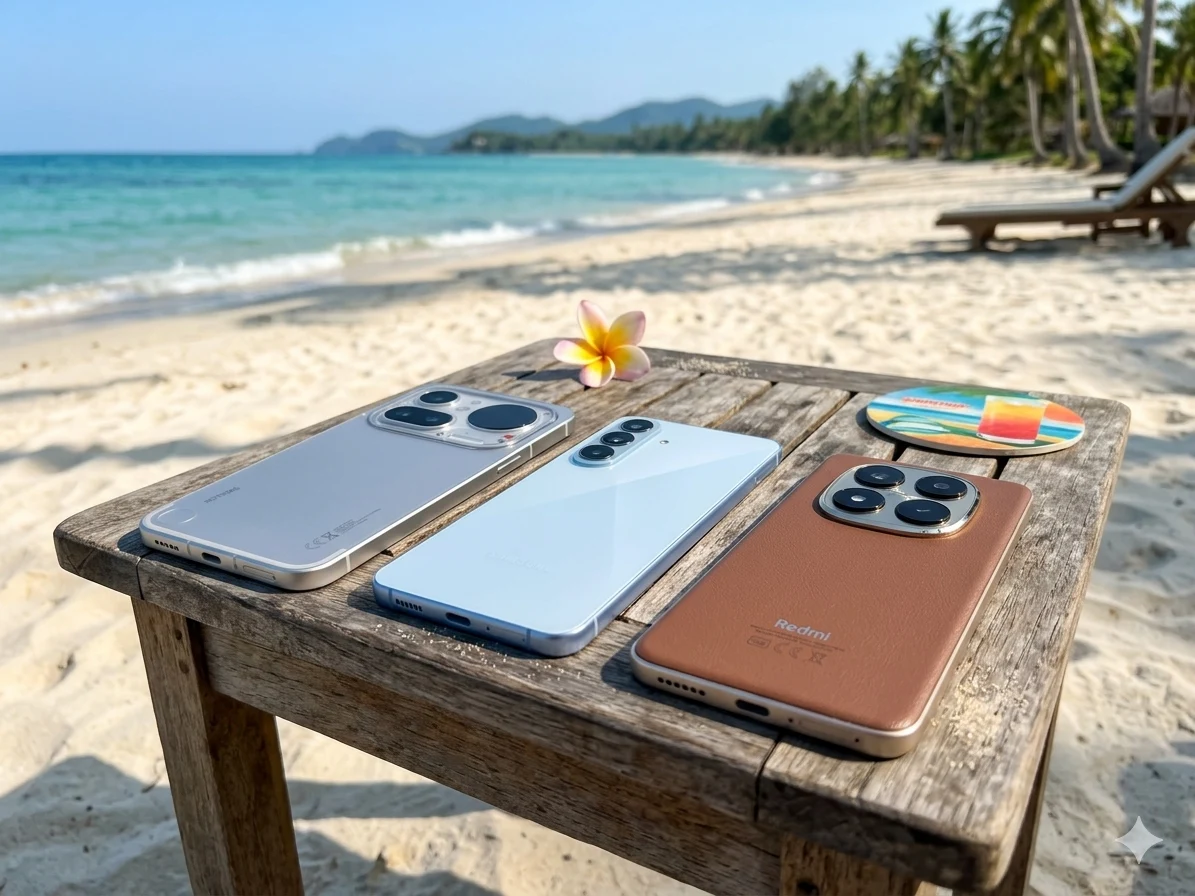
      The Nothing Phone (4a) Pro positions itself as a standout alternative in the mid-range segment, focusing primarily on an eye-catching design, high-quality materials, and innovative features. Compared to the more conservatively designed Samsung Galaxy A57 5G and the aggressively priced Xiaomi Redmi Note 15 Pro+ 5G, the Nothing smartphone feels significantly more distinctive and modern. The aluminum unibody, the glyph lighting on the back, and the overall high-quality build give it a premium feel rarely found in this price range. Its looks may turn heads on every hand, and despite the premium cues, it balances grip and comfort in day-to-day use, which matters more than raw numbers. This first impression carries through into how the device handles casual tasks, media consumption, and even extended sessions without feeling brittle or unpleasant to hold.

      Design, build and perceived value

      Technically, the Nothing Phone (4a) Pro also delivers a strong overall package. The bright 6.83-inch OLED display impresses with vibrant colors and high brightness, while the Snapdragon 7 Gen 4 ensures smooth everyday performance. Even under heavy load, performance remains stable. While the Galaxy A57 also offers a high-quality AMOLED display and very reliable performance, it places a stronger focus on everyday usability and software longevity. Samsung scores points above all with a significantly better update policy and long-term support. The Redmi Note 15 Pro+, on the other hand, focuses more on getting the most hardware for your money and also offers solid performance and fast charging at a lower price. Additionally, in practical use, the phone feels responsive in menus and apps, and the speaker setup delivers a surprisingly clear and immersive mid-range experience for its class.

      Camera prowess and limitations

      A particular highlight of the Nothing Phone (4a) Pro is its camera setup. The 50-MPix main camera and, above all, the periscope zoom deliver above-average results in the mid-range segment and clearly stand out from many competitors. Especially when it comes to zoom, the Nothing model offers more capabilities than the Galaxy A57 or the Redmi Note 15 Pro+, even if the ultra-wide-angle camera falls slightly short. Videos, however, are only marginally competitive, as a maximum of 4K at 30 FPS is possible. For stills, color renditions are pleasant under most lighting, and the overall processing keeps noise mostly in check while retaining detail; still, low-light performance isn’t class-leading and requires planning for best results.

      Battery life and charging

      The Nothing Phone also performs strongly in terms of battery life and easily lasts through a full day of use. Additionally, it supports fast charging at up to 50 watts. Samsung has a similarly sized battery, while Xiaomi, on the other hand, features a significantly larger 6,500 mAh battery that also supports faster charging. In real-world usage, you can expect reliable endurance with moderate screen-on time, extra optimization through software, and predictable charging cycles, though the larger competitors might edge out in videos or heavy gaming sessions.

      Verdict and market positioning

      Overall, the Nothing Phone (4a) Pro stands out as a stylish and technically robust mid-range smartphone with a unique character. If you’re tired of the typical cookie-cutter smartphone design and place special value on design, camera zoom, and individuality, this is a true hidden gem. It may not chase the greatest battery capcacity or the most aggressive feature set, but its personality, build quality, and distinctive lighting make it memorable in a crowded market. For buyers who value design-centric flair without breaking the bank, this device feels like a breathe of fresh air in a field of sameness, and that appeal carries real weight beyond mere specs.

      Sources
      • Xiaomi Budget Bluetooth Speaker EU with 10-Hour Battery Life

        Xiaomi Budget Bluetooth Speaker EU with 10-Hour Battery Life

        Key Takeaway

        – European rollout of the Bluetooth Speaker Essential: Spain €13.99 (green only); Belgium ~€14.99 MSRP (black/green); Germany €19.99 (black/green) — about a 42% price uplift across markets.
        – Specs: Bluetooth 6.0, 1,000 mAh battery, up to 10 hours at 40% volume, 1.5″ driver with passive radiator, up to 5 W; ~2.5 hours at full volume.
        – Color options by market: Spain green only; Belgium black/green; Germany black/green (UK previously £12.99).
        – Takeaway: very budget-friendly in Europe, but with notable cross-country price variations.

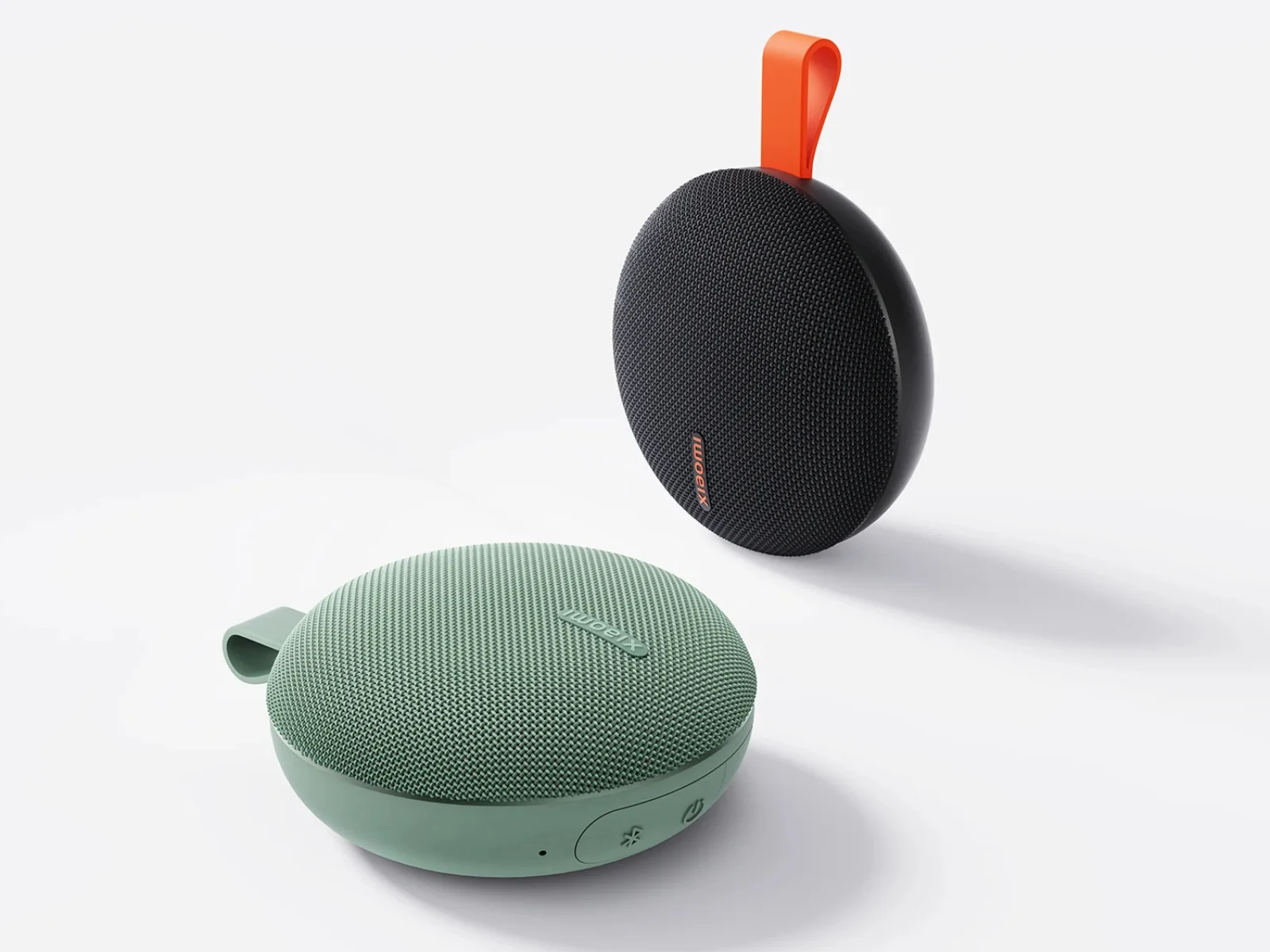
        Xiaomi has started rolling out its Bluetooth Speaker Essential to more markets. For context, the affordable speaker landed last month in the UK. Priced at £12.99, the Bluetooth Speaker Essential is much cheaper than Xiaomi’s existing options like the Sound Outdoor or the Sound Pocket (curr. $24.99). Its compact design and claimed endurance had people curious, even if it looks plain to some buyers.

        UK to Eurozone rollout

        Now, the Bluetooth Speaker Essential has reached the Eurozone, though it arrive at vastly different price points depending where you live. To recap, the speaker supports Bluetooth 6.0 connectivity and is rated to last up to 10 hours at 40% volume from its 1,000 mAh battery. Additionally, Xiaomi has included a 1.5-inch driver and a passive radiator, which combined to deliver up to 5 W. Please note that the Bluetooth Speaker Essential may only last 2.5 hours at full volume before recharge.

        Spain and Belgium pricing

        Currently, Xiaomi’s budget speaker costs €13.99 (~$16) in Spain, where it is available to purchase in only a green colour for now. The company has discounted the speaker from an alleged €14.99 (~$17) MSRP though, which is roughly how much it intends to charge in Belgium with a choice between black and green colours. Shoppers in Spain and Belgium are watching prices closely, while colours stay the same across some listings.

        Germany pricing and options

        Meanwhile, the Bluetooth Speaker Essential has arrived for €19.99 (~$23) in Germany. While only €6 more expensive than in Spain, this difference represents a 42% uplift between Eurozone member states. Xiaomi is selling the Bluetooth Speaker Essential in a choice of black and green colours in Germany too.

        Xiaomi Belgium, Xiaomi Germany & Xiaomi Spain

        Xiaomi Belgium, Xiaomi Germany & Xiaomi Spain appear to be part of the same rollout plan, yet pricing can sway between markets. The listing pages show the same device, same specs, and similar colour choices, but shoppers in each country see different price tags. The dynamics hint at a coordinated Europe wide strategy with slight local adjustments for Belgium, Germany and Spain.


      • NASA AI Processor Enables Autonomous Spacecraft in Deep Space

        NASA AI Processor Enables Autonomous Spacecraft in Deep Space

        Key Takeaway

        – HPSC is a fault-tolerant, high-performance chip designed to replace older space-grade semiconductors and enable onboard AI for autonomous deep-space missions.
        – It is engineered to withstand harsh radiation and extreme temperature changes, with tests showing substantial performance gains (NASA claims up to 100x; early results hint at over 500x vs current space chips).
        – The project is a collaboration with Microchip Technology Inc., with sample chips already produced and targeted for rovers, satellites, and deep-space probes.
        – Benefits include better handling of unexpected hazards and improved reliability during delayed Earth Communications, with a focus on challenging planetary landings.

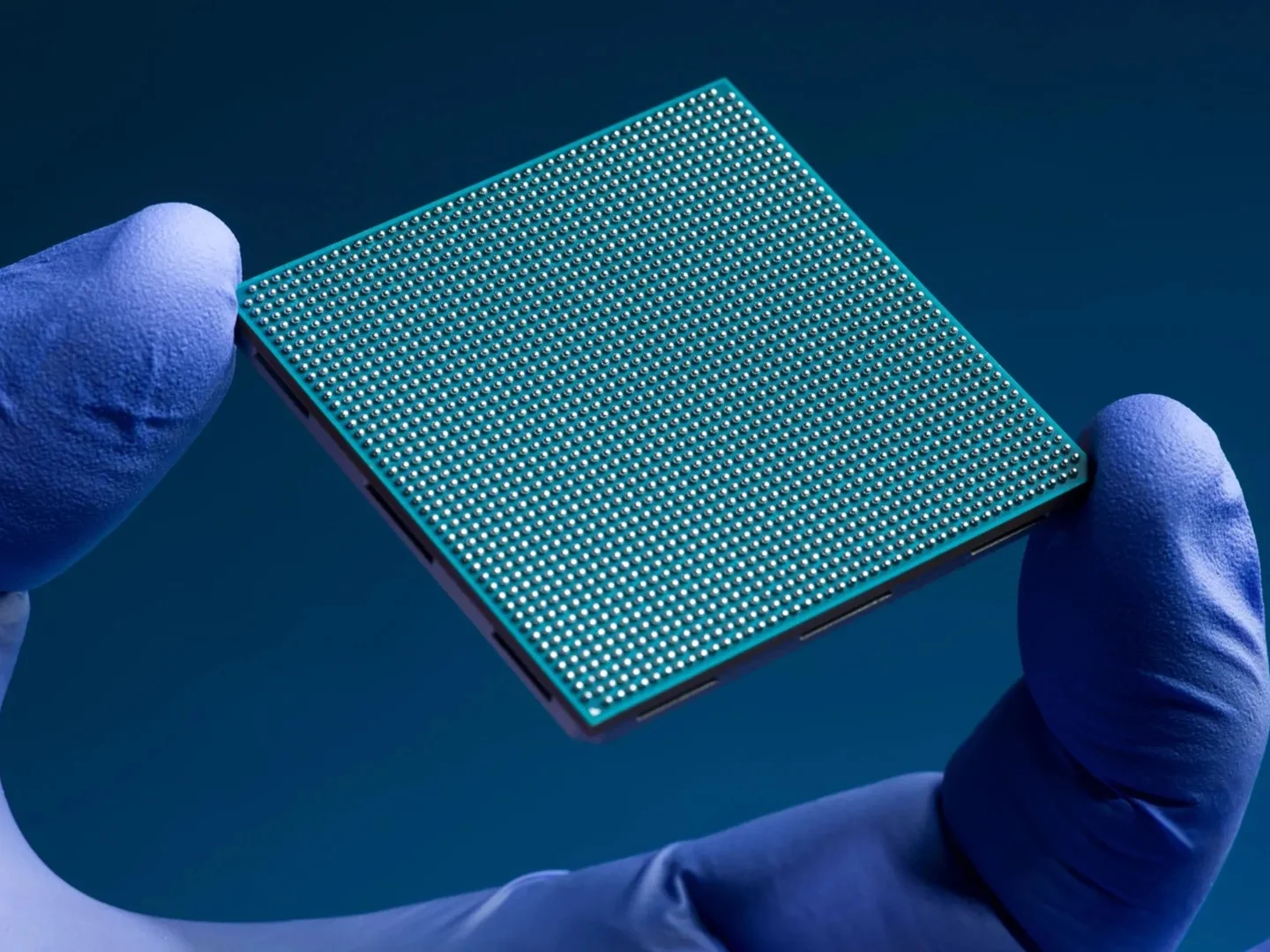
        The new chip is code-named the High Performance Spaceflight Computing (HPSC) project. It is intended to replace older semiconductors used by current space-grade electronics, and to power advanced missions. In plain terms, this is meant to upgrade spacecraft brains so that they can crunch more data with less cooling and fewer downtimes, allowing missions to push farther, faster, and with a bit more margin against the unpredictable conditions of deep space. The language around it reads like promise and practical risk, all in one.

        HPSC Project Overview

        The chip is designed to withstand the extreme conditions of deep space. It will boost spacecraft autonomy by enabling faster scientific analysis through onboard AI. It has been described as fault-tolerant, flexible, and extremely high-performing. NASA claims the chip can perform up to 100 times better than current hardware. The prototypes are passing through tests simulating the harsh radiation-intensive conditions in outer space. The chip must hold its own against intense electromagnetic radiation and extreme temperature changes. For instance, NASA is paying particular attention to how the HPSC chip will behave during challenging planetary landings.

        Tests and Capabilities

        The stress tests are being carried out at the NASA-funded JPL facility. The federal space agency states that early results have been positive, with the processor performance reportedly exceeding 500 times that of current space-focused chips. JPL is collaborating with Microchip Technology Inc., and sample chips have already been produced. The work here hints that this is not a purely experimental exercise but a bridge between government labs and private suppliers, aiming to speed up readiness for future missions.

        Collaborations and Potential Uses

        The finished product will also potentially be used in planet rovers, satellites, and deep-space probes. The benefits of the chip include future spacecraft being able to handle unexpected hazards. They will also function better when communication with Earth-based control stations is delayed. Pricing details are not provided in the source text. The project signals that industry and space agencies are thinking ahead about autonomy, resilience, and data processing when the sun isn’t shining on Earth.

        Sources
      • Lenovo ThinkPad 14-Inch North America LPCAMM2 RAM Panther Lake

        Lenovo ThinkPad 14-Inch North America LPCAMM2 RAM Panther Lake

        Key Takeaway

        – Lenovo launched ThinkPad T14 Gen 7 in North America with Intel variants; AMD Gorgon Point models are still unannounced.
        – It supports user-replaceable LPCAMM2 RAM (16/32/64 GB), with the 64 GB module costing about $920 more.
        – Battery and display options include 60 Wh or 75 Wh, with four displays including a single OLED 2.8K (1800p) panel at 30–120 Hz, 500 nits, 100% DCI-P3.
        – Pricing starts at $1,618 USD (CAD 2,331); top spec configurations can reach around $3.7k USD / CAD 5.3k.

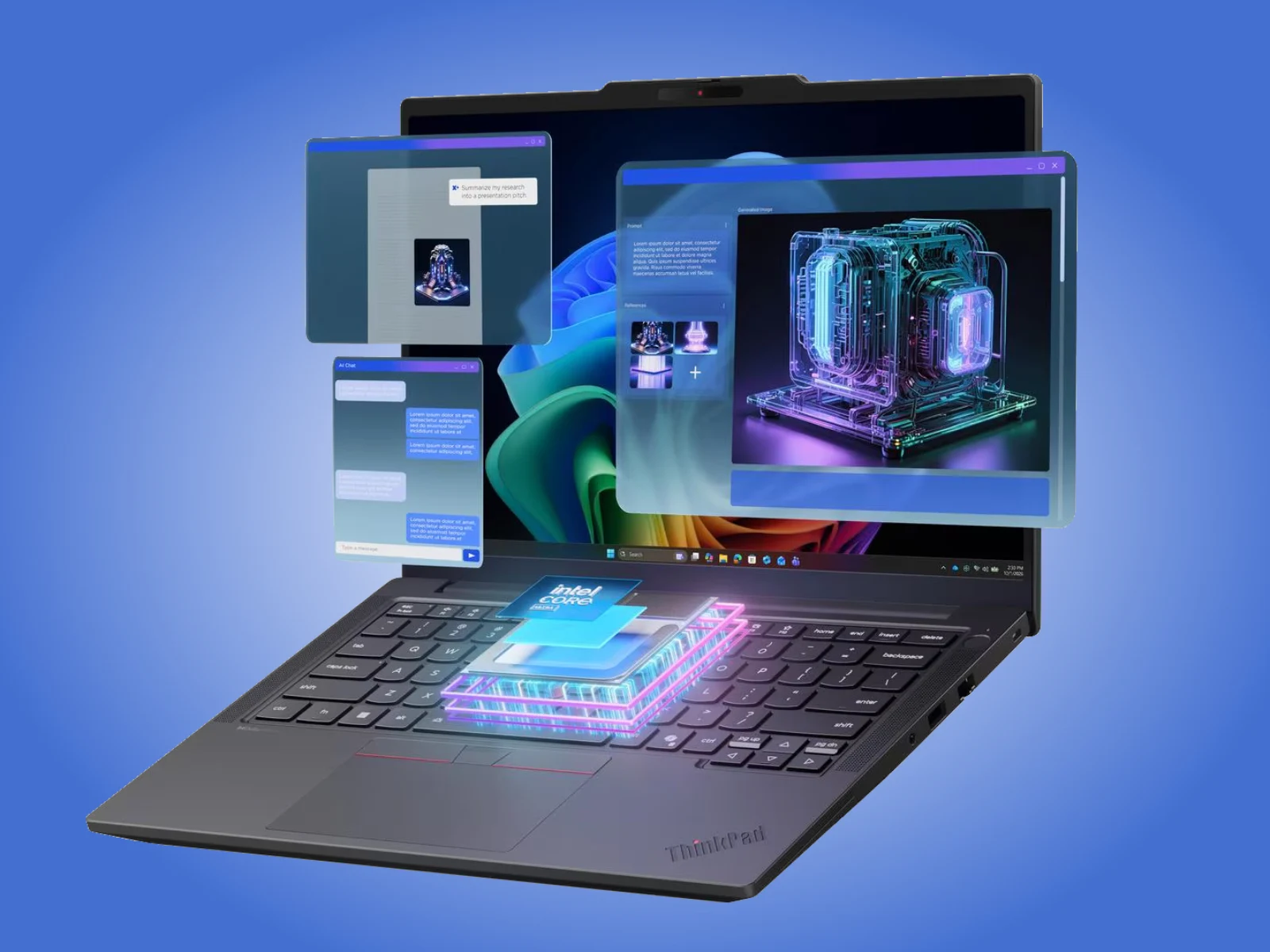
        Lenovo has had a busy few weeks with ThinkPad updates in North America. At the end of April, the company began selling the ThinkPad X1 2-in-1 Gen 11 across Canada and the US. Soon after, it introduced the ThinkPad T16 Gen 4 with Lunar Lake processors and then rolled out the ThinkPad T16 Gen 5 a few days later. Now it returns with the ThinkPad T14 Gen 7, initially in Intel variants. A successor to the AMD-based ThinkPad T14 Gen 6, currently priced at $1,349, is anticipated but not dated yet. Unfortunately, it remains unclear when AMD Gorgon Point-powered models will be available.

        North American rollout continues with Intel variants

        Across Europe Lenovo began with Intel variants for the same T14 lineup, and North America mirrors that strategy. A successor to the AMD-based ThinkPad T14 Gen 6, which was priced at $1,349, is anticipated but not dated. For now Lenovo is focusing on the T14 Gen 7 variants with Intel Core Ultra 5 325/335 vPro and Core Ultra 7 355/365 vPro, while AMD Gorgon Point models remain unconfirmed.

        RAM and display options detailed

        Meanwhile, the T14 Gen 7 supports user-replaceable LPCAMM2 RAM with 16 GB, 32 GB and 64 GB LPPDR5X-8533 modules; the 64 GB module costs $920 more than a 16 GB module. The laptop can be configured with 60 Wh or 75 Wh batteries and a choice of four display options, of which only one is OLED, delivering 1800p (2.8K) with a 30-120 Hz variable refresh rate, plus an anti-glare panel that claims 500 nits peak brightness and 100% DCI-P3.

        Battery choices and OLED option

        Lenovo lists a starting price of $1,618 and CAD 2,331 for the ThinkPad T14 Gen 7, configured with a Core Ultra 5 325, 16 GB of RAM, 256 GB of storage, a 60 Wh battery and a 1200p IPS panel with about 45% NTSC. In contrast, high-end builds soar to over $3.7k and CAD 5.3k for a Core Ultra 7 365 vPro, 64 GB RAM, 1 TB storage, a 75 Wh battery and an 1800p OLED display. We are currently in the process of reviewing the ThinkPad T14 Gen 7 ourselves.

        Pricing and regional availability

        As the rollout unfolds, Lenovo Canada and Lenovo United States are coordinating this release, aligning inventories, pricing, and regional promotions. The ThinkPad T14 Gen 7 sits beside its Intel-based peers in a bid to attract professional users who demand modular RAM, flexible power options, and OLED choices. The ongoing review will clarify performance benchmarks and long-term durability across the region. Lenovo Canada & Lenovo United States.


        Sources

      • Casio GA-2100 G-Shock x Coca-Cola Collab Sells Out in Minutes

        Casio GA-2100 G-Shock x Coca-Cola Collab Sells Out in Minutes

        Key Takeaway

        – Coca-Cola 140th anniversary GA-2100CC-3A (CasiOak) sells out quickly in the UK; price £160 (~$214).
        – UK debut; previous Coca-Cola G-Shock was US/Mexico-only; no US/EU release plans announced yet.
        – Distinctive design: translucent green case, Coke bottle-inspired strap, bubble-textured brown dial, rose-gold markers, red bottle at 9 o’clock day indicator, bottle-cap caseback engraving.
        – Standard G-Shock specs: 200m water resistance, Carbon Core Guard, shock resistance, 31 time zones, 3-year battery.
        – Japan release via online lottery at ¥27,500 (~$172) as Casio uses lotteries to manage demand.

        Casio had warned buyers it would be limited — one per customer, no exceptions. It turns out even that caveat was pretty generous. The GA-2100CC-3A, which is the newest special edition G-Shock collaboration with Coca-Cola in Casio’s lineup, celebrates the beverage giant’s 140th anniversary. Earlier today (May 15), the watch sold out almost immediately after going live on the UK Casio store at £160 (~$214).

        Specs

        The watch is built on the GA-2100 platform, but it’s better known as the CasiOak. That alone guarantees attention for any new collab drop on the platform, but the Coca-Cola partnership likely pushed demand well beyond the usual G-Shock buyers. The design is built around a translucent green resin case, and a strap inspired by Coca-Cola’s iconic glass bottle. There’s a textured brown dial with bubble-like patterns. Rose-gold hour markers and hands lend some contrast to the design as well. A neat little detail is the small red bottle at the 9 o’clock position, which doubles up as the day-of-week indicator. The caseback has an engraving of a bottle-cap. Lastly, the watch ships in exclusive themed packaging.

        Build & Design

        Under the hood it’s all standard G-Shock — 200-meter water resistance, Carbon Core Guard construction, shock resistance, world time across 31 time zones, and a three-year battery. In Japan, the watch launched via an online lottery on the Casio Japan site at ¥27,500 (roughly $172). Casio has adopted this precisely because of the demand these drops generate. The UK got a direct sale instead – and this was the result. The previous Coca-Cola G-Shock, the DW6900CC23-3, came out in 2023 and was limited to the US and Mexico with no UK release. Essentially, this is the UK debut of GA-2100CC-3A, and clearly a sought-after one for British collectors, many of whom had been locked out of the last collab entirely. No release plans for the US or European Union have been announced as of writing.

        UK Release Notes

        With no official plans for a broader roll out, buyers in the UK were given a rare chance to get a Coca-Cola themed GA-2100CC-3A straight from the official store, and that kind of direct sale sparkles with urgency. The late May debut aligns with Coca-Cola’s 140th anniversary and the growing fashionainment trend that G-Shock drops tend to spark when a big brand is involved. For now, the price remains £160 in the UK (about $214) and ¥27,500 in Japan (about $172), and there is no word yet on a US or EU release, unlike some past collaborations.


        Sources

      • Amazon Luna May 2026 Free Games Lineup: Three Titles

        Amazon Luna May 2026 Free Games Lineup: Three Titles

        Key Takeaway

        1) Amazon Luna added three more free games for Prime members in May 2026, bringing the total freebies for the month to 11.
        2) Survival: Fountain of Youth (2024) is a large open-world survival game with 11 islands, crafting, and stat management, but with mixed reviews and some performance issues; Prime members can redeem an Amazon Games code.
        3) 60 Minutes to Extinction: Escape Room (2025) offers real-time bunker puzzle gameplay with a Cold War setting; puzzles can feel repetitive and immersion is limited; a GOG redeem code is included for Prime members.
        4) Lethal Honor – Order of the Apocalypse (2025) is an action roguelike with fast-paced combat and hand-drawn visuals; criticized for repetitive combat and limited content; Prime members can obtain an Epic Games Store code.

        Expanded Free Games on Luna

        Fountain of Youth details

        Additional Free Titles Overview


        Sources

      • Vivo X300 Ultra Update Fixes Major Issues

        Vivo X300 Ultra Update Fixes Major Issues

        Key Takeaway

        – Stellar camera system with three large sensors, Zeiss optics, 200 MP zoom, and 25 MP native output for more detail; excellent in challenging lighting, though colors can be overly vivid at times.
        – Impressive 144 Hz LTPO OLED display, high brightness, strong color reproduction, paired with Snapdragon 8 Elite Gen 5, long battery life, and fast charging.
        – Early drawbacks included heat under heavy load causing throttling, higher idle power consumption, average speakers, and occasional oversaturated color in photos.
        – Post-update improvements (Build PD2547GF_EX_A_16.0.6.5.W30) reduced power consumption under load and improved color reproduction, leading to a revised, very positive overall verdict for photography/video enthusiasts.

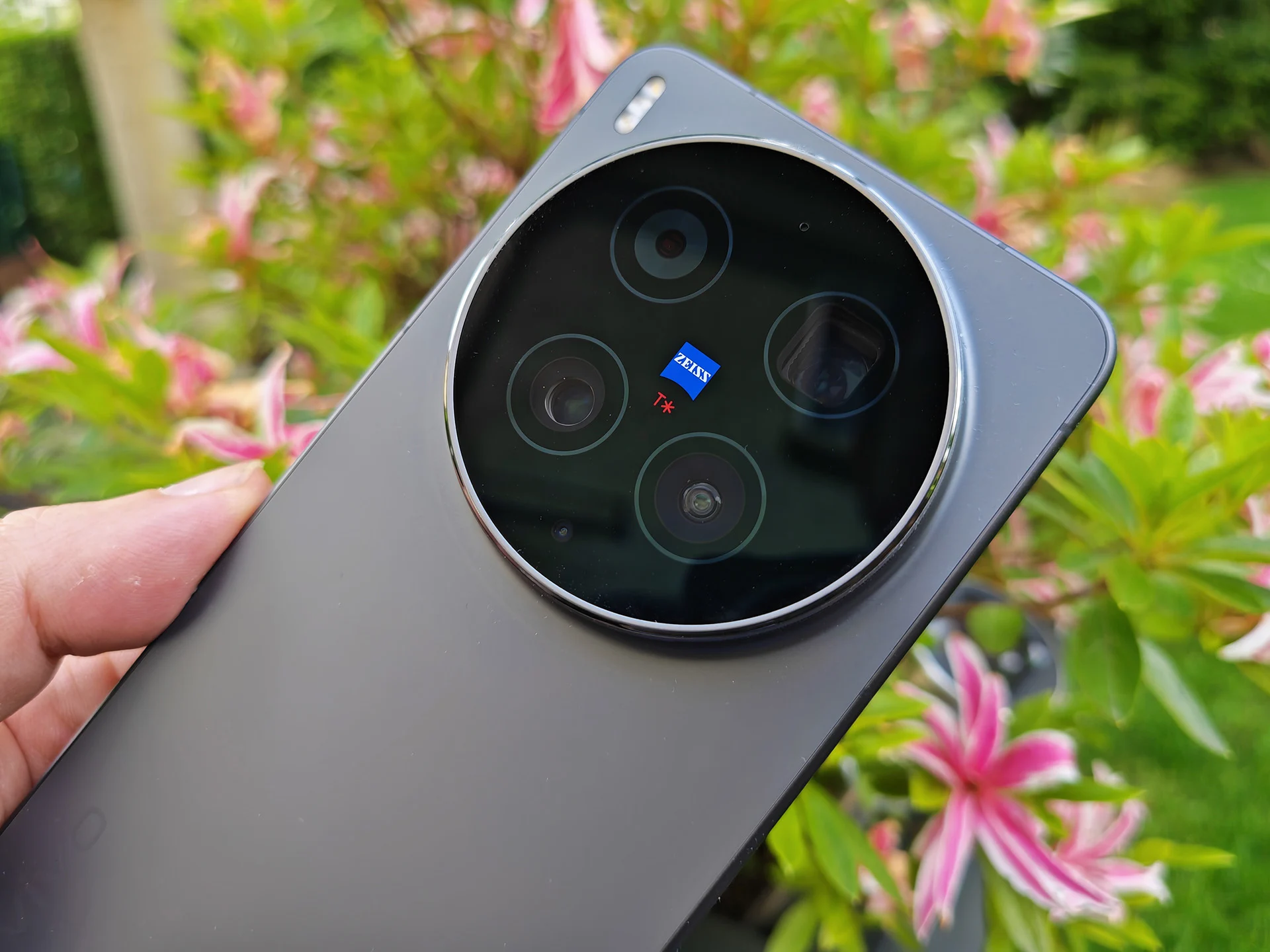
        The Vivo X300 Ultra bursts onto the market as one of the most impressive new smartphones of 2026 so far, aimed primarily at people who place a high value on photography. The focus of this review is on the sophisticated camera system, which features three large sensors and Zeiss optics and is designed to deliver outstanding performance, especially in challenging lighting conditions. We appreciate the high level of detail, the powerful 200-megapixel zoom camera, and the overall versatility of the shooting options. Vivo is setting a new standard in pixel binning: instead of outputting photos at 12 megapixels by default, as many competitors do, the device captures 25-megapixel images, which is intended to preserve more detail.

        Camera system and pixel binning

        Beyond the camera, the device makes a strong impression with its display and performance. The large 144 Hz LTPO OLED panel delivers high brightness and excellent color reproduction, which helps the camera work feel more capable in real life scenarios. Add to that a powerful Snapdragon 8 Elite Gen 5, long battery life, and fast charging that keeps you moving. Nevertheless, our review isn’t without criticism: under heavy load the smartphone generates a lot of heat and noticeably throttles its performance. We also note comparatively high power consumption in idle mode and only average speakers. In some cases, the colors in photos also appear a bit too vivid or artificial. Despite these weaknesses, the overall verdict remains very positive: especially for photo and video enthusiasts, the X300 Ultra sits among the top tier.

        Display and performance

        Vivo has now made significant improvements to two of our points of criticism via an update (Build PD2547GF_EX_A_16.0.6.5.W30): first, power consumption under load, and second, the camera’s color reproduction. The update is said to carry practical gains and a promise of more consistent performance under heavy workflows, which is exactly why we retest these aforementioned features and compare the before-and-after results with some patience and curiosity.

        In terms of power consumption at idle, the Vivo X300 Ultra now performs at a level befitting a top-tier smartphone. Vivo has done an excellent job of optimizing this aspect. The idle state now feels less wasteful and cooler, which translates into longer standby times and a more pleasant experience when the device sits on a desk or in a pocket for hours. While the changes are not earth-shattering, they are noticeably practical and reflect a thoughtful approach to energy efficiency across software and hardware integration.

        The smartphone’s camera also exhibited some serious shortcomings in color reproduction at launch, particularly with brown and green tones. Here, too, the X300 Ultra shows significant improvement. The firmware adjustments seem to have tightened the sensor pipeline and tuned the color science for more natural transitions, reducing the occasional over-saturation that previously crept into scenes with tricky lighting. While not perfect in every shot, the progress is plainly visible and helps the overall camera experience.

        We have incorporated these changes into our review and adjusted the rating for the Vivo X300 Ultra. The revised assessment factors in the more efficient power behavior under load and the more consistent color rendering across a range of scenes. It remains clear that the device excels in photography-oriented use cases, even as you still push it to the limits and test for long sessions and demanding video work. This combination of strengths and improvements keeps the X300 Ultra competitive in its class and makes the case for serious everyday reliance on its camera systems.


        Sources

        • Samsung Galaxy S26: Store-Only Colors Coming to Other Retailers

          Samsung Galaxy S26: Store-Only Colors Coming to Other Retailers

          Key Takeaway

          – Samsung reportedly plans to bring the exclusive colors Silver Shadow and Pink Gold for the Galaxy S26 into regular retail (beyond Samsung’s own stores), per the BlueSky post by Roland Quandt.
          – If true, these colors could be purchasable from non-Samsung retailers once the change is implemented.
          – No date is announced yet; major retailers currently list four other colors (Cobalt Violet, Sky Blue, White, Black) as available.
          – It’s not yet confirmed whether this will apply to the Galaxy S26 Plus and Galaxy S26 Ultra; the post mentions all three models but confirmation is pending.

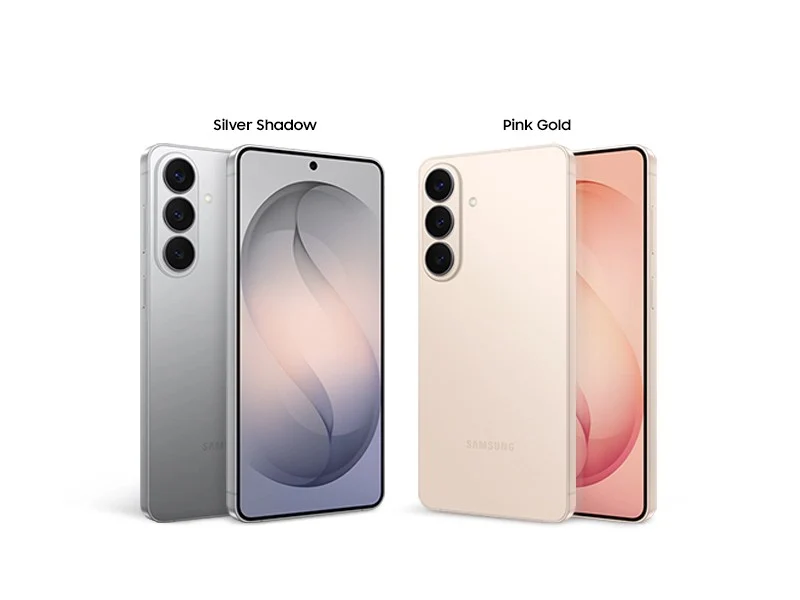
          When Samsung launches new flagship smartphones, color options are often reserved for the Samsung online store and Samsung Experience Stores, a pattern fans have come to expect. In the case of the Galaxy S26 series, the exclusive colors are Silver Shadow and Pink Gold, and these shades are touted as limited editions that entice collectors and enthusiasts alike. Now, a reliable leaker has revealed that the two colors will soon be available at other retailers.

          Retailer expansion hints

          Details of the scoop come from a post on BlueSky by Roland Quandt, whose track record on device leaks is well known among enthusiasts. According to a translation of the post, “Samsung is pushing the exclusive colors for the Galaxy S26 into regular retail”. The implication here is clear: these two colors will be available to buy from other stores other than Samsung’s.

          Details from BlueSky

          While the post specifically mentions the Galaxy S26, it is important to note that all three Galaxy S26 models are available in the aforementioned exclusive colors. However, given the phrasing, we cannot say with certainty whether this expansion to regular retail will include the Galaxy S26 Plus and Galaxy S26 Ultra, or if the approach will be limited to the base model only.

          In addition, there’s no date yet for when this will happen, and when we checked major retailer sites, only the four other colors — Cobalt Violet, Sky Blue, White, and Black — are available, with no current listing for Silver Shadow or Pink Gold at those locations.

          Sources
        • Sigma BF Teardown: Tiny Full-Frame Camera for Minimalists

          Sigma BF Teardown: Tiny Full-Frame Camera for Minimalists

          Key Takeaway

          – Sigma BF distinguishes itself with a minimalist aluminum unibody, a large touchscreen, touch-sensitive controls, and a small OLED settings display, setting it apart from rivals like the Panasonic S9.
          – The internals are densely packed and the rear display is glued (removable with heat), with a rubber-bottom cover hiding ten screws for access.
          – Servicing is time-consuming: disassembly involves removing multiple boards, ribbon cables, and screws before reaching the mainboard and the full-frame sensor.
          – Spare parts are not sold directly to end users, hindering DIY repairs and requiring Sigma-provided parts for any maintenance.

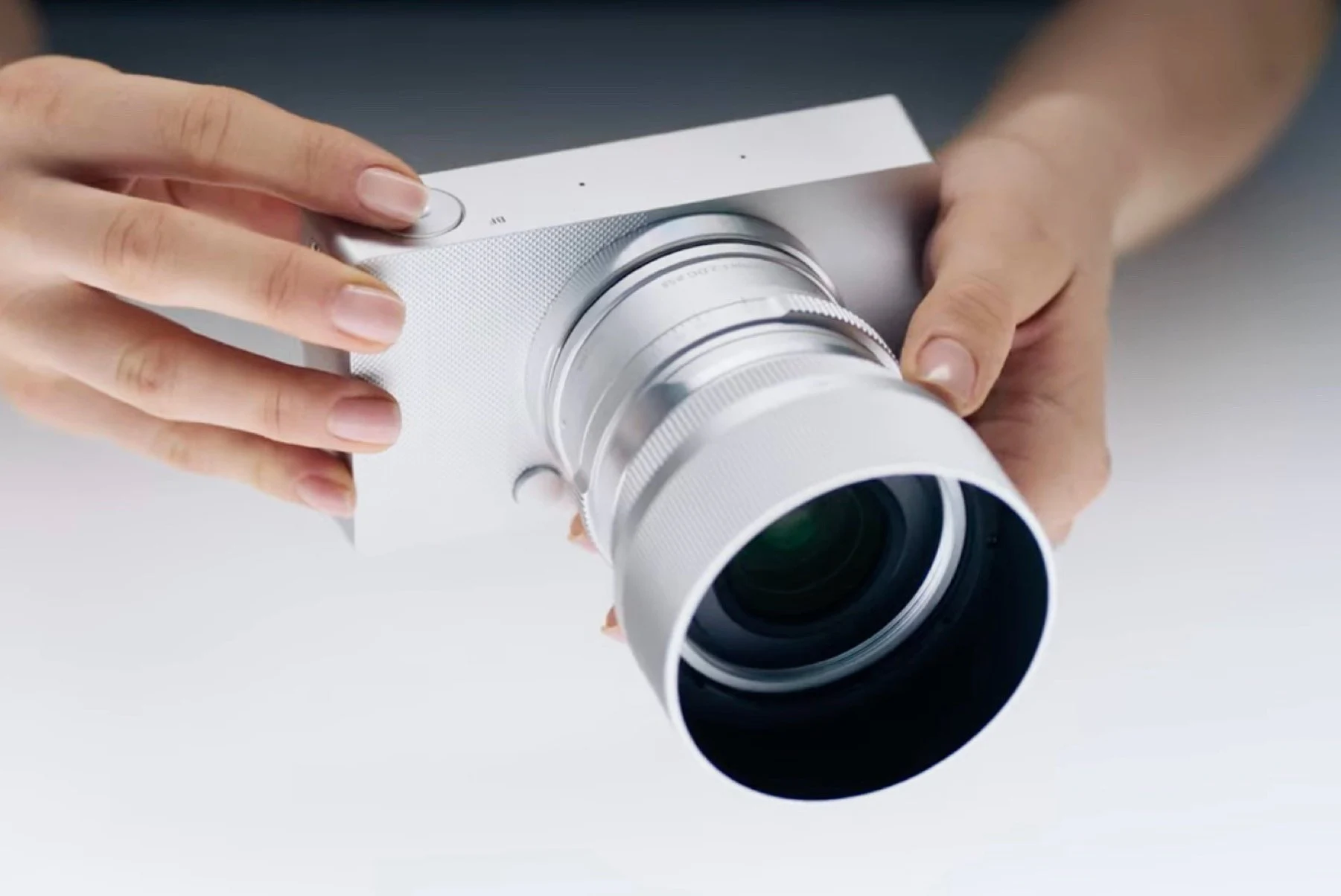
          The Sigma BF ($2,199) differs from competitors such as the Panasonic Lumix S9 primarily due to its minimalist aluminum unibody housing. With a large touchscreen, touch-sensitive buttons and a small OLED secondary display that shows settings, the Sigma BF’s operation and design are unlike any other camera on the market. The chassis feels cool to the touch, precise in its tolerances, and it communicates a sense of rugged simplicity that photographers either love or hate based on their preferences.

          Overview

          Kolari, which specializes in infrared conversions, reveals what the camera’s inner workings look like in a teardown. While the chassis is milled from a block of aluminum, there is a rubber cover on the bottom, under which a total of ten screws can be found. Once all these screws are loosened and a cable disconnected, the rear display can be removed.

          Disassembly Notes

          This is glued into the body in a similar way to a smartphone, but if the adhesive is heated with a hot air dryer, the screen can be removed without any major problems. To disassemble the camera further, numerous small boards, ribbon cables and screws have to be removed before the mainboard and ultimately the full-frame sensor can be taken out of the housing.

          This is not particularly complicated, but it is time-consuming. However, in order to repair the camera by yourself, Sigma would have to offer spare parts, which are not currently sold directly to end users. The multi-layered construction of the interior shows that Sigma has used every millimeter in the housing effectively.


          Sources