Author: GizNews

  • PS5 Now Shows Player Counts for Top PlayStation Games

    PS5 Now Shows Player Counts for Top PlayStation Games

    Key Takeaway

    – PS5 Welcome Hub beta now shows weekly top 10 and trending games with visible concurrent player counts, offering a rare CCU view for consoles.
    – Fortnite leads with 14.6 million players in the past 7 days; GTA V, Call of Duty, and Minecraft hover around 5 million each.
    – Not all PS5 store/retail titles are included; Roblox and NBA 2K appear missing, with unclear criteria (revenue or publisher opt-in may factor in).
    – The top-10 list can be repetitive week to week; trending may offer more variety, but new releases may struggle to break in.
    – Console CCU data comes from third-party sources with limited transparency, though some services offer projections to aid cross-platform engagement comparisons.

    Often, when an anticipated title launches on Steam, fans use player counts to judge its success. Similar concurrent user (CCU) data is much less accessible on consoles, making comparisons difficult for observers who rely on cross platform metrics. Yet a new beta PS5 feature reveals how many gamers are actively playing the top 10 and trending games.

    PS5 Beta Shows Top 10 and Trending Counts

    On a recent podcast, YouTuber Mystic discussed the Welcome Hub currently in testing. Gamers can choose to see a week’s 10 most popular PlayStation games or which additions are trending. What’s significant is that player counts, normally difficult to gauge, are also visible, providing a rare glimpse that fans and analysts alike have craved.

    Highlights from the Welcome Hub

    Maki on the ResetEra forums shared statistics showing Fortnite dominating with 14.6 million users in the past 7 days. GTA 5, Call of Duty, and Minecraft are all around the 5 million mark. The numbers illustrate a snapshot of the community’s engagement and where attention is currently concentrated, these days.

    Fortnite Leads and Other Big Titles

    Unfortunately, it doesn’t seem that all PS5 games sold on the PS Store or at retailers are considered. One poster noted that ultra-popular Roblox is missing, as are live-service sports titles like NBA 2K. It’s unclear how Sony makes the lists, but revenue or whether a publisher opts in may be factors.

    Missing Titles and List Criteria

    As Mystic explained, another issue is that the same top PlayStation games could appear every week. New releases would struggle to place unless they draw massive audiences, and that’s a risk with the top 10 option, though the trending category may offer more variety. For those watching across platforms, the approach hints where interest lies, yet it may overemphasize big franchises while underrepresenting smaller titles, Mystic YouTube, Maki@ResetEra forums.


    Sources
  • Insta360 Luna Ultra Price Revealed by CEO: US/EU Buyers

    Insta360 Luna Ultra Price Revealed by CEO: US/EU Buyers

    Key Takeaway

    – Price points confirmed: dual-camera body 5,299 RMB (~$780) and bundle 6,499 RMB (~$960).
    – Domestic MSRP will be lower; lower-cost routes include importing Luna Ultra from China or buying Luna Pro single-cam.
    – International pricing appears steep: US around $950-$1,000; EU rumors up to €1,050 (dual-cam) with single-cam around €850.
    – Indicates a two-tier strategy: competitive in China against DJI, but premium pricing abroad with no official justification given.

    Following the recent flurry of leaks surrounding the upcoming Insta360 Luna series, the company’s CEO, Liu Jingkang, has weighed in on the matter. In a statement that clarifies the eye-watering price tags circulating online, there is finally a mix of relief for domestic buyers and a reality check for the global market. CEO Liu Jingkang confirmed that while the leaked figures of 5,299 RMB (~$780) for the dual-camera body and 6,499 RMB (~$960) for the bundle are accurate, there is a major catch. For those worried that Insta360 was ready to abandon the “affordable” gimbal segment, Jingkang clarified that the 5,299 RMB starting price point represents the US retail price converted back into local currency. Still, to get the lower price, you’d likely have to import the Luna Ultra from China, or just get the single-cam Luna Pro.

    Domestic pricing and market positioning

    “Even if I had the guts, I wouldn’t dare sell it at this price domestically,” Jingkang noted, suggesting that the official Chinese MSRP will be significantly lower than the international conversion. This positioning suggests Insta360 is aiming to remain competitive against DJI in its home market, where the Osmo Pocket 4 (and the older Pocket 3) are the dominant force. That said, the domestic stance appears designed to placate local buyers while signaling that the Luna line is not simply a budget accessory, but a strategic move in a price-conscious landscape.

    International implications and EU pricing hints

    That said, for international buyers, the CEO’s statement effectively confirms previous fears that the Insta360 Luna Ultra is going to be a very expensive piece of kit. By confirming the ~$960 bundle price (likely to be rounded down/up to $950 or $1,000) for the US market, Insta360 is officially moving the Luna Ultra out of the “vlogging accessory” category and into the territory of entry-level mirrorless cameras like the Sony ZV-E10 II or even the Canon EOS R50. According to previous rumors about EU pricing, bundle prices (emulating the Osmo Pocket Creator Combo) for the single-cam Insta360 Luna Pro and dual-cam Luna Ultra could be as high as €850 and €1,050.

    Conclusion and what remains unclear

    Insta360’s CEO hasn’t provided further details or justification for this steep international pricing. Unlike the single-lens DJI Osmo Pocket 4, the Luna Ultra is expected to feature: Liu Jingkang

    Sources
  • 50 Billion Solar Mass Black Hole: One of the Largest Ever Found

    50 Billion Solar Mass Black Hole: One of the Largest Ever Found

    Key Takeaway

    – A402-BCG, a galaxy about 4.4 billion light-years away in the Abell 402 cluster, hosts an ultramassive black hole estimated at ~50 billion solar masses.
    – JWST and Hubble observations reveal a bright central source with a kiloparsec-wide dark region nearby, signaling the black hole’s presence.
    – At ~50 billion solar masses, it ranks among the most massive black holes known, about 25× the mass of all stars in the Large Magellanic Cloud; the Milky Way is 100–400 billion solar masses for scale.
    – A large cavity in the galaxy suggests the possible existence of a second supermassive black hole at its center.

    Black holes are among the most puzzling cosmic objects, known for extreme gravity and strange behaviors. A team led by Michael McDonald at the Massachusetts Institute of Technology has announced the discovery of a black hole tucked away in a galaxy, a finding that challenges ideas about how objects grow.

    Discovery in a distant galaxy

    Named A402-BCG, the galaxy sits 4.4 billion light-years from Earth and belongs to the Abell 402 cluster. In discussing the outcome, researchers point to two features: a bright, pointlike glow at the core and a wide, kiloparsec-scale dark region lying to its east, hinting at powerful processes within the cluster.

    Central features and interpretation

    Team used the James Webb Space Telescope and the Hubble Space Telescope to study the light from its center, concluding that the glow signals an ultramassive black hole. Its mass is estimated at about 50 billion solar masses, a value that places it among the most massive known black holes.

    Observational evidence

    This finding matters because it ranks among the largest black holes. It is about 25 times bigger than all the stars in the Large Magellanic Cloud, located 158,000 light-years away, while the Milky Way weighs in at about 100 to 400 billion solar masses, illustrating the power of such objects.

    Scale and significance

    Observers also note a large cavity in the host galaxy that hints at a second supermassive black hole at its center, a possibility that remains speculative until more data comes in. The discovery continues to spark discussion about how multiple gargantuan holes might shape their galaxies over cosmic time together.


    Sources

  • Asus 18-Inch Gaming Laptop: 320W Upgrade with 4K Mini LED

    Asus 18-Inch Gaming Laptop: 320W Upgrade with 4K Mini LED

    Key Takeaway

    – Total system power increases to up to 320W (145W CPU + 175W GPU) with the RTX 5090 still capped at 175W; Core Ultra 9 290HX Plus can deliver up to 200W sustained power in some scenarios.
    – A 450W power adapter provides significantly more headroom than the 380W used on 2025 models.
    – 4K Mini LED display with 1,600 nits peak brightness and Nebula ELMB motion clarity (40 zones) without compromising brightness or refresh rate.
    – Expect at least two SKUs (RTX 5080 and RTX 5090) with 64GB RAM and up to 8TB storage (dual SSDs on the 5090), plus a 90Wh battery.

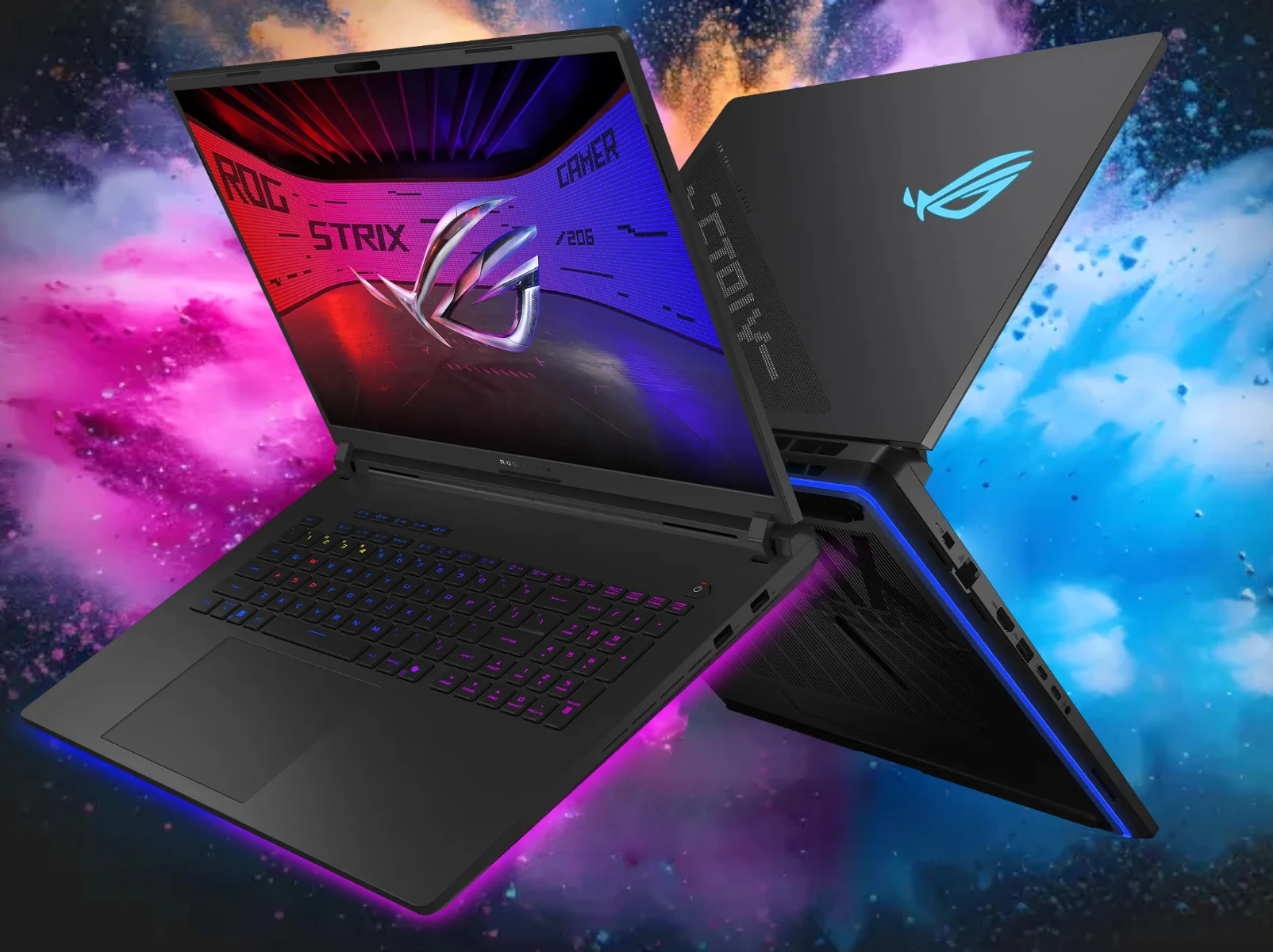
    Asus has finally revealed more details about its latest ROG Strix Scar 18, a machine that seems to be aimed at serious gamers and multitaskers alike. First teased in March, the ROG Strix Scar 18 (2026) G835 was said to deliver a ‘much higher total system TDP than the 2025 model’, with Asus adding that this change would allow the ROG Strix Scar 18 to ‘fully stretch its legs like never before’. The company now points to new power settings and a bigger focus on cooling to justify the leap.

    Performance and power claims

    Fast forward almost two months, and Asus has confirmed the various ways in which the ROG Strix Scar 18 (2026) G835 departs from its 2025 predecessor (curr. $2,699). Unfortunately, the company has been unable to extract any additional wattage from Nvidia’s GeForce RTX 5090 laptop GPU. While this remains locked at up to 175 W, Asus’ 2026 model can push 54% more wattage to its CPU in Turbo Mode and 81% in Manual Mode.

    Power distribution and CPU/GPU limits

    As a result, the ROG Strix Scar 18 (2026) can draw up to 320W, with 145 W assigned to its CPU and 175W to its GPU. Asus adds that the Core Ultra 9 290HX Plus can deliver up to 200W of sustained power too, albeit without clarifying under what circumstances. The new laptop will also ship with a 450 W power adapter for a 18% higher headroom than the 380W equivalent that came with 2025 models.

    Display technology leap

    This massive power increase is joined by a new Mini LED display. Previously, Asus has offered the ROG Strix Scar 18 with a 2.5K and 240 Hz Mini LED panel. Not only does the 2026 model jump to a 4K resolution, but it also gets 33% brighter at 1,600 nits peak brightness (3% APL). Asus claims that the Scar 18 is the first ROG laptop that supports ROG Nebula ELMB too, which is said to use 40 zones to improve motion clarity by up to 16x without affecting brightness or refresh rates.

    Availability and variants

    Currently, Asus has not clarified when it will begin selling the ROG Strix Scar 18 (2026) G835. At least two SKUs should be available, though, distinguished by GeForce RTX 5080 and GeForce RTX 5090 GPUs, as well as 64 GB of RAM and 8 TB of storage split across two SSDs in the latter’s case. Both variants will ship with the same 4K Mini LED display and 90 Wh battery. Please see the company’s website for more details.

    Looking ahead, Asus frames the Scar 18 (2026) as a premium platform with two SKUs powered by RTX 5080 or RTX 5090, 64 GB of RAM and 8 TB of storage spread across two solid-state drives, all in a chassis designed to handle a 90 Wh battery for longer gaming sessions. The 4K Mini LED panel remains as the bright centerpiece, Nebula ELMB is included, and overall the system is built to push heavy workloads while preserving image quality and stability across frames.


    Sources

  • Anker Solix Solarbank 4 Pro Doubles Power and Capacity

    Anker Solix Solarbank 4 Pro Doubles Power and Capacity

    Key Takeaway

    – 5 kWh base capacity, upgradeable to 30 kWh with BP5000 expansion modules (up to 12 solar modules).
    – Upgraded power: default 800 W to home; up to 2,500 W with professional Wieland install; off-grid 2,500 W; solar input up to 5,000 W via 4 MPPTs.
    – MSRP €1,999; release date TBD; early-bird May 12–June 11, 2026 with 25% discount and free three-phase Anker Solix Smart Meter Gen 2; orders June 12–21.
    – AI-powered controls and connectivity: AI optimization, Anka voice assistant, Home Assistant open APIs, built-in display.

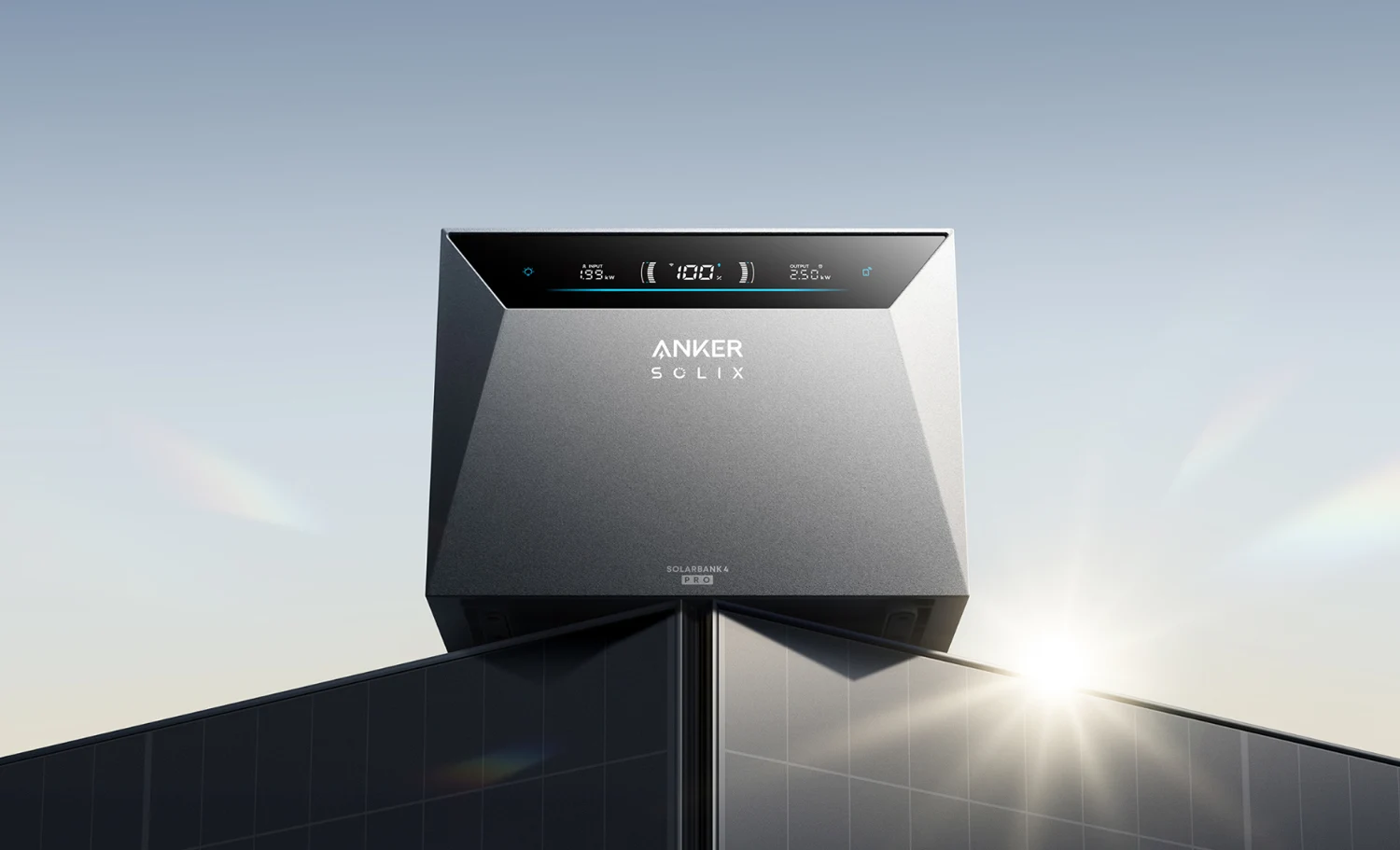
    Anker Solix’s fourth generation Solarbank was teased beforehand and appeared today, signaling a notable leap in personal energy storage. At a Berlin event, Anker’s solar brand unveiled the Anker Solix Solarbank 4 E5000 Pro. First things first: if you’re looking to grab the successor to the Anker Solix Solarbank 3 Pro, which started at approx. €1,000, you’ll need to be patient and prepared to invest more than last year. The company promises bigger capacity and clearer power figures to justify the jump, with an emphasis on reliability across both grid-tied and off-grid configurations.

    Overview

    Currently, you can only register your interest in a future pre-order, and the official release date has not yet been announced. However, the MSRP has already been confirmed at €1,999, which is significantly higher than its predecessor. In return, buyers get substantially more power, improved efficiency, and smarter integration options that hint at a broader ecosystem rather than a single device. This move signals a bold, if expensive, step for early adopters and planners who want better long-term energy management.

    Power and Specs

    As the ‘E5000’ in the name suggests, the Solarbank 4 Pro offers a capacity of 5 kWh—nearly double the 2,688 Wh found in the Solarbank 3 Pro. For those who need even more, the new BP5000 expansion battery (MSRP €1,399 each) allows for upgrades in 5 kWh increments up to a total of 30 kWh. The modular approach remains friendly to future-proofing, while the introduced expansion line signals a clear path from modest use to larger-scale installations.

    Capacity and Expansion

    There are also major upgrades in terms of input and output. By default, the Solarbank 4 Pro still feeds a maximum of 800 W into the home (the standard limit for balcony power plants). However, with professional installation via a Wieland plug, users can draw up to 2,500 W in grid-tied mode—more than double the third generation’s output. The off-grid connection also delivers up to 2,500 W. The device retains 4 MPPTs, but these now support a solar input of up to 5,000 W, an increase of 1,400 W over the Solarbank 3 Pro. According to the manufacturer, this allows for the connection of up to 12 solar modules. Additionally, Anker Solix has equipped the Solarbank 4 Pro with a proper display, similar to the one recently seen on the XXL home storage system, the Solarbank Max AC.

    AI, Tariffs, and Interfaces

    There are also major upgrades in terms of input and output. By default, the Solarbank 4 Pro still feeds a maximum of 800 W into the home (the standard limit for balcony power plants). However, with professional installation via a Wieland plug, users can draw up to 2,500 W in grid-tied mode—more than double the third generation’s output. The off-grid connection also delivers up to 2,500 W. The device retains 4 MPPTs, but these now support a solar input of up to 5,000 W, an increase of 1,400 W over the Solarbank 3 Pro. According to the manufacturer, this allows for the connection of up to 12 solar modules. Additionally, Anker Solix has equipped the Solarbank 4 Pro with a proper display, similar to the one recently seen on the XXL home storage system, the Solarbank Max AC.

    Familiar features such as AI-optimized control (in combination with the new Anker Solix Smart Meter Gen 2) and support for dynamic electricity tariffs are also on board. These are joined by Anka, Anker’s proprietary AI voice assistant, and open APIs for integration into Home Assistant and similar platforms.

    Promotions and Availability

    Anker Solix has now shared its early-bird deals. From May 12 to June 11, 2026, customers can register without obligation for the purchase to secure a 25% discount off the MSRP of the Solarbank 4 E5000 Pro and the BP5000 expansion battery. Additionally, the discount code includes a free three-phase Anker Solix Smart Meter Gen 2. These codes can be redeemed between June 12 and June 21, 2026, when placing an order at the Anker Solix online shop.

    Final Thoughts

    All told, the Solix 4 Pro line positions Anker Solix as a serious contender for home energy setups that want scalable storage, smarter control, and straightforward expansion. While numbers look imposing on paper, the real-world gains will depend on installation quality, solar conditions, tariffs, and user behavior, yet the direction seems to be toward deeper integration, more capacity, and easier operation for varied households. Anker Solix.


    Sources

  • Lenovo ThinkPad 16-Inch OLED 120Hz 96GB RAM

    Lenovo ThinkPad 16-Inch OLED 120Hz 96GB RAM

    Key Takeaway

    – Lenovo launches the Panther Lake-based ThinkPad P16s i Gen 5 with Core Ultra 7/9/X9 options and RTX Pro 500/1000 Blackwell GPUs, up to 96 GB RAM, 2 TB Gen 5 storage, and a 16-inch 1800p OLED display (500 nits, 30–120 Hz VRR).
    – Optional upgrades include Snapdragon X61 5G modem, Smart Card Reader, and a 90 Wh battery (vs 60 Wh default).
    – Pricing and regional availability: Europe €2,219–€2,730; UK £2,200; Australia AUD 4,249; North America pricing not yet announced; AMD Gorgon Point options due in June.
    – Announcement and timeline: Unveiled at Nvidia GTC 2026, expected May launch; AMD options to join in June.

    Almost two months have passed since Lenovo unveiled the ThinkPad P16s Gen 5 as a successor to its older Gen 4 model (curr. $1,849 on Amazon). Announced during Nvidia GTC 2026, the laptop was slated to arrive in May with Intel Panther Lake processors. Additionally, Lenovo claimed that AMD Gorgon Point options would be joining in June.

    Separator

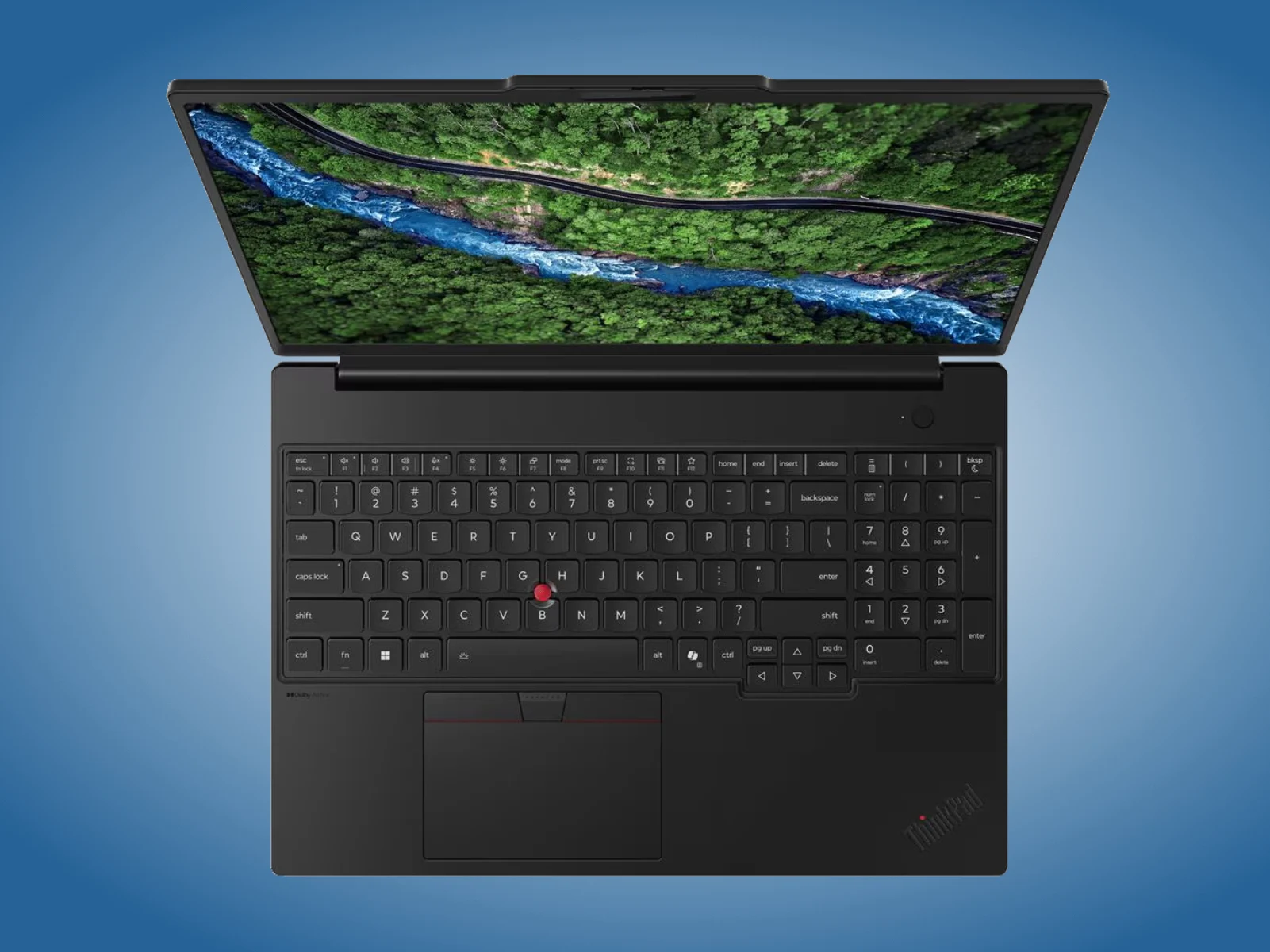
    While we await AMD models, Lenovo has now released the Panther Lake-based ThinkPad P16s i Gen 5 with a choice between Core Ultra 7 356H, Core Ultra 7 366H vPro, Core Ultra 9 386H vPro and Core Ultra X9 388H vPro processors. Also, the 16-inch laptop can be configured with Nvidia’s RTX Pro 500 Blackwell (6 GB) or RTX Pro 1000 Blackwell (8 GB) discrete GPUs. Those options represent a broad spectrum for light to heavy workloads, with the laptop aiming at business users who require mobile power while preserving portability.

    Separator

    On top of that, Lenovo complements these GPUs with up to 96 GB of LPCAMM2 RAM, 2 TB PCIe Gen 5 storage and an 1800p (2.8K) OLED display that combines 500 nits peak brightness with a 30-120 Hz variable refresh rate. Moreover, one can configure other features like a Snapdragon X61 5G modem, a Smart Card Reader and a 90 Wh battery instead of the 60 Wh equivalent that Lenovo includes by default. Such configurations could impact heat and weight, though Lenovo emphasizes a thin profile.

    Separator

    Currently, the ThinkPad P16s i Gen 5 starts at between €2,219 and €2,730 depending on the member state. Meanwhile, the new 16-inch laptop retails for £2,200 in the UK, featuring the same Core Ultra 7 356H processor, 16 GB of RAM and 512 GB of storage as its Eurozone counterparts. Pricing starts at AUD 4,249 in Australia. Lenovo has not confirmed how much the ThinkPad P16s i Gen 5 will cost in North America yet, though. For now, regional listings suggest pricing may vary with local taxes and import duties, but a precise NA figure remains unannounced. Lenovo Australia, France, Germany, Ireland & UK


  • AI Camera Blunder Turns Xperia 1 VIII Into a Meme, Sony Roasted

    AI Camera Blunder Turns Xperia 1 VIII Into a Meme, Sony Roasted

    Key Takeaway

    – Sony clarifies AI Camera Assistant is a four-option creative suggestion engine, not an automatic photo editor; users can choose an option or use their own settings.
    – The marketing post triggered strong backlash on X with drastic before/after edits, spawning memes and questions about authenticity.
    – Reactions from tech figures, including Nothing’s Carl Pei, amplified the controversy and fueled discussions on engagement farming vs. genuine feature demos.
    – The incident could impact Xperia 1 VIII’s public perception and Sony’s AI-marketing strategy, highlighting trust and clarity concerns.

    Following the post about AI Camera Assistant we’d like to explain the feature in more detail; it doesn’t edit photos after shooting, it suggests 4 settings in different creative directions based on the scene and subject. You can choose any option or use your own settings, which keeps the photographer in charge rather than handing over all control to an algorithm. The wording used in the release emphasizes guidance over automation and frames the feature as a creative assistant rather than a replacement for human decisions.

    Official clarification

    Sony has issued an official statement after the amusing backlash to its Xperia 1 VIII AI Camera Assistant marketing push, attempting to clarify how the feature actually functions. The company explains that the system does not edit photos after you shoot them; instead it suggests 4 settings in different creative directions based on the scene and subject. You can choose any option or use your own settings, which keeps the photographer in charge rather than handing over all control to an algorithm. The wording used in the release emphasizes guidance over automation and frames the feature as a creative assistant rather than a replacement for human decisions.

    Controversy and initial reactions

    Controversy started when Sony’s official X account posted a sequence of before and after shots intended to demonstrate Xperia 1 VIII’s AI capabilities. In a strange turn, the original images showed balanced exposure and natural shadows while the AI enhanced versions looked markedly overexposed, with blown highlights and faded colors. The visuals sparked instant reaction across the tech community on X, where skepticism and humor collided, and commentators questioned whether the results reflected a misstep in presentation or a larger issue with how the feature was marketed.

    Influence of Carl Pei

    Among the responses, Nothing founder Carl Pei stepped into the discussion by sharing the samples with a straightforward query about whether this was engagement farming or a genuine showcase. The post did not attack the devices themselves but raised doubts about how the project was framed and whether the timing of the release amplified attention without delivering a clear demonstrable benefit. His quick comment added another layer to the conversation, and some followers echoed the sentiment with mixed tones of irony and curiosity.

    Memes and public discourse

    Rather than simply criticizing, many X users converted the event into a meme machine, creating a trend where people upload their own before and after images and purposefully edit the after shots to resemble the aftermath of a nuclear flash or a cartoonish burst of light. The meme culture surrounding smartphones is nothing new, yet this particular thread amplified the discourse around the Xperia 1 VIII in ways Sony probably did not intend. The tonal shift toward humor and surreal exaggeration dominated many feeds for days.

    Clarification of AI role

    Separately from the memes, Sony followed up to clarify that the AI is not an auto editor but a suggestion engine meant to offer four distinct directions for creative looks. By pioneering multiple options rather than a single default, the company argues that users gain more control over the final image rather than being pushed toward one perceived correct outcome. The language used frames the tool as a creative partner that can spark experimentation, rather than a shortcut that fixes each shot to a fixed style or grade.

    Conclusion and takeaway

    Whether this is a technical glitch in the marketing department’s image selection process or a calculated strategy to drive engagement, the Xperia 1 VIII has become the week’s most talked about device, though perhaps not for the reasons Sony initially intended. The episode raises questions about how marketing teams present AI features, how audiences interpret those promises, and how a few visible missteps can overshadow a product’s intended strengths. In the end, Sony remains at the center of a noisy debate that shows no easy resolution.

    Sources
  • AWOL Vision 4K Laser UST Projectors Pre-Order Deals

    AWOL Vision 4K Laser UST Projectors Pre-Order Deals

    Key Takeaway

    – Aetherion Pro: release May 20; €2,799 MSRP standalone; bundles with a 100″ ALR screen €3,299 or 120″ €3,499, with savings up to €999 when bundled.
    – Aetherion Max: release June; 3,300 ISO lumens; pre-orders €3,699 (€300 off €3,999); bundles up to €1,398 off (examples: 100″ floor-rising €4,999; 120″ €5,499; Station package €5,999).
    – Kickstarter launch occurred in February; official retail launch approaching, with pre-order discounts still available.
    – Both models are ultra-short-throw, 4K laser projectors designed for large-screen home cinema with strong image quality.

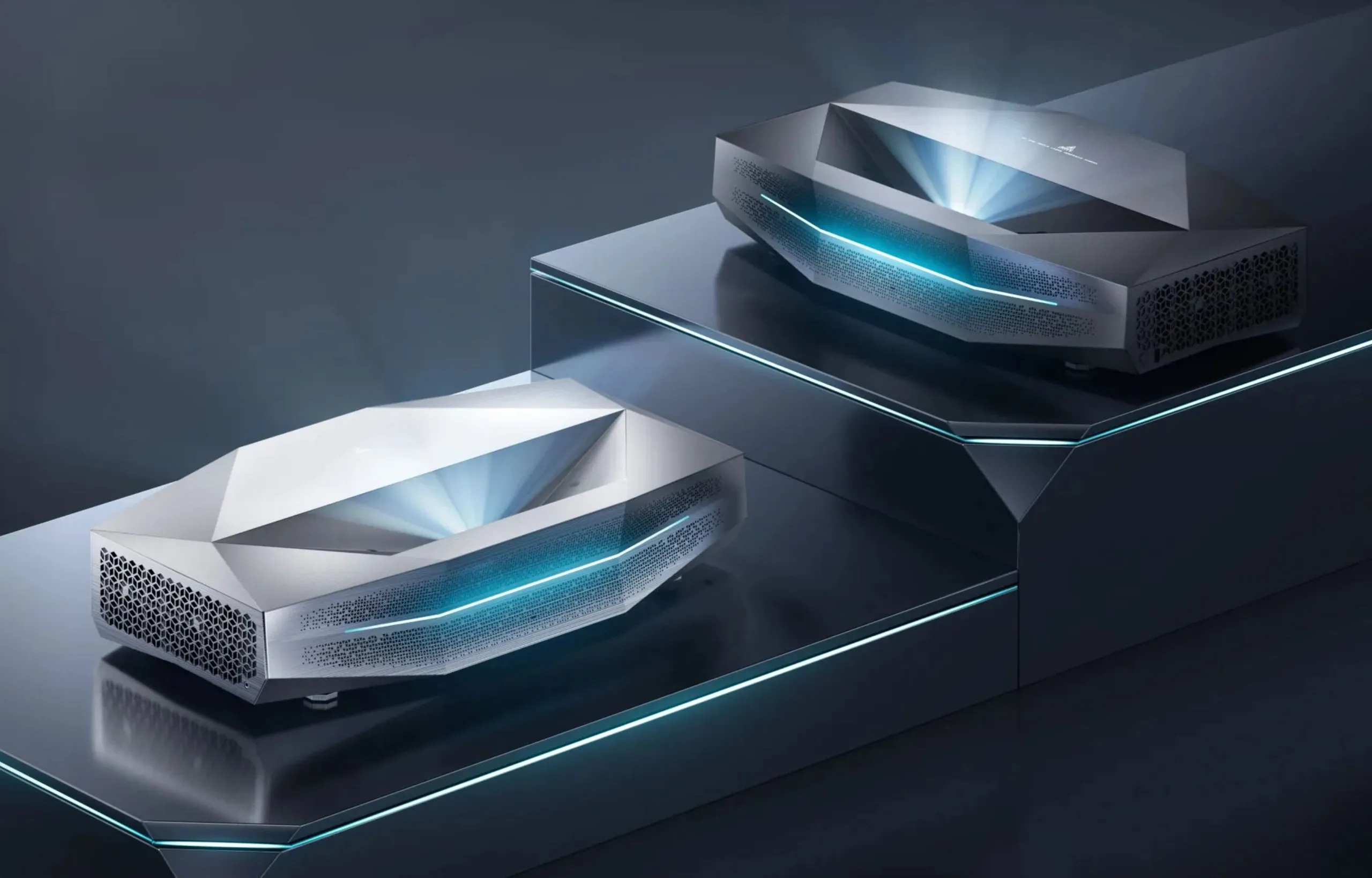
    At CES 2026 in early January, AWOL Vision introduced the Aetherion UST series, consisting of two ultra-short-throw laser projectors: the Aetherion Pro and the Aetherion Max. We have already conducted a hands on review of the flagship version, where the 4K UST projector and its accompanying screen impressed us primarily with their exceptional image quality. The debut created a buzz around compact home theater gear, promising impressive detail and color with bright whites and deep blacks, even in brighter room conditions that typical projectors sometimes struggles to handle.

    Retail momentum and market expectations

    In February the Aetherion series launched on Kickstarter, offering crowdfunding enthusiasts the chance to order either of the two models at a significant discount. Now, the official retail launch is approaching, and prospective buyers can still secure some savings—at least to a certain extent. Early backers bragged about benefits, while retailer channels begin to align pricing for later buyers. Shipping estimates have shifted slightly, but the core value propositions remains to be seen by those who wants a high end UST without breaking the bank.

    Aetherion Pro pricing and bundles

    The AWOL Vision Aetherion Pro is set for release on May 20. It is available for pre-order at the full MSRP of €2,799. However, those looking to purchase the UST projector in combination with a screen can save up to €999. The Aetherion Pro is available in a bundle with a 100-inch ALR screen for €3,299 (instead of the €3,798 MSRP). If you want to treat yourself to 120 inches, the price is €3,499 (instead of €4,498).

    Aetherion Max options and furniture friendly setups

    If you prefer the even brighter Aetherion Max with 3,300 ISO lumens, you will have to be patient until June. Currently, there is an opportunity to save €300 on pre-orders, allowing the Max version to be ordered for €3,699 instead of the €3,999 MSRP. Here, too, the manufacturer is offering various bundles with discounts of up to €1,398—for example, in combination with a 100-inch floor-rising screen for €4,999 or a 120-inch version for €5,499. For those who want to hide the projector and screen inside a piece of furniture, the Station package is available for €5,999.


    Sources

  • GTA 6 Leak: 6 Editions Confirmed, Trailer 3 Soon

    GTA 6 Leak: 6 Editions Confirmed, Trailer 3 Soon

    Key Takeaway

    – Six editions total: three digital/physical versions, one rarer edition with extras, and two console-specific versions (Pro and standard); bundles will not include a physical copy.
    – Price likely in the $60–$80 range, with some editions potentially reaching $100; exact pricing not disclosed due to market considerations.
    – Trailer 3 expected to drop before pre-orders, possibly May 16–17, ahead of Take-Two’s May 21 earnings call.
    – No official Rockstar update in the past two days amid ongoing leaks and May 18 pre-order rumors.

    The past two days had fans eagerly waiting for some kind of update from Rockstar, whether it be a new GTA 6 trailer or any kind of marketing material, but to everyone’s disappointment, there was nothing. That lull did not quiet the chatter, though, as leaks kept bubbling up and several reports still suggested a May 18 pre-order date. Now, another leaker has shared new information about the bundles, timeline for the new trailer, and also hinted at the pricing.

    Update Pulse

    Detective Seeds, who has been sharing leaks about GTA 6 for quite some time now, posted on X that there will be six ways of purchasing the game, or six editions, in total. The leaker cites the same source that informed them about the pre-order week. According to the post, there will be three digital/physical versions, one version that will be rarer and include additional items, and two more versions for consoles. This breakdown, as described, seems aimed at appeasing both hardcore collectors and casual buyers, while leaving room for multiple bundles in different regions.

    Edition Breakdown

    The leaker adds that these two console versions will be for the Pro and standard models. Furthermore, the bundles for GTA 6 will not come with a physical copy of the game, which its fans would expect for certain editions. The note suggests digital delivery only on those two console variants, possibly aiming to cut manufacturing costs and adapt to a streaming minded market, even if mixed reception looks likely.

    Physical Copies and Pricing

    Responding to the comments, Detective Seeds shared that the game will be priced in the $60 to $80 range but could not share the exact price due to market impacts. Previous leaks suggested an $80 price tag as well, but $60 for any version seems very unlikely. There could even be some editions of the game that are priced at $100. In another response, the leaker stated that the new trailer for GTA 6 will come out before pre-orders go live. That means, if the leaked date is accurate, we could see Trailer 3 either tomorrow May 16 or the day after May 17. Initially, the trailer was expected on May 6 as it marked one year since the second trailer came out, but the long-standing speculation has been that Rockstar will release the trailer before Take-Two’s earnings call on May 21. Detective Seeds on X

    Sources
  • Gimbal Camera-Phone 200MP Sensor AI Tracking vs iPhone 18 Pro

    Gimbal Camera-Phone 200MP Sensor AI Tracking vs iPhone 18 Pro

    Key Takeaway

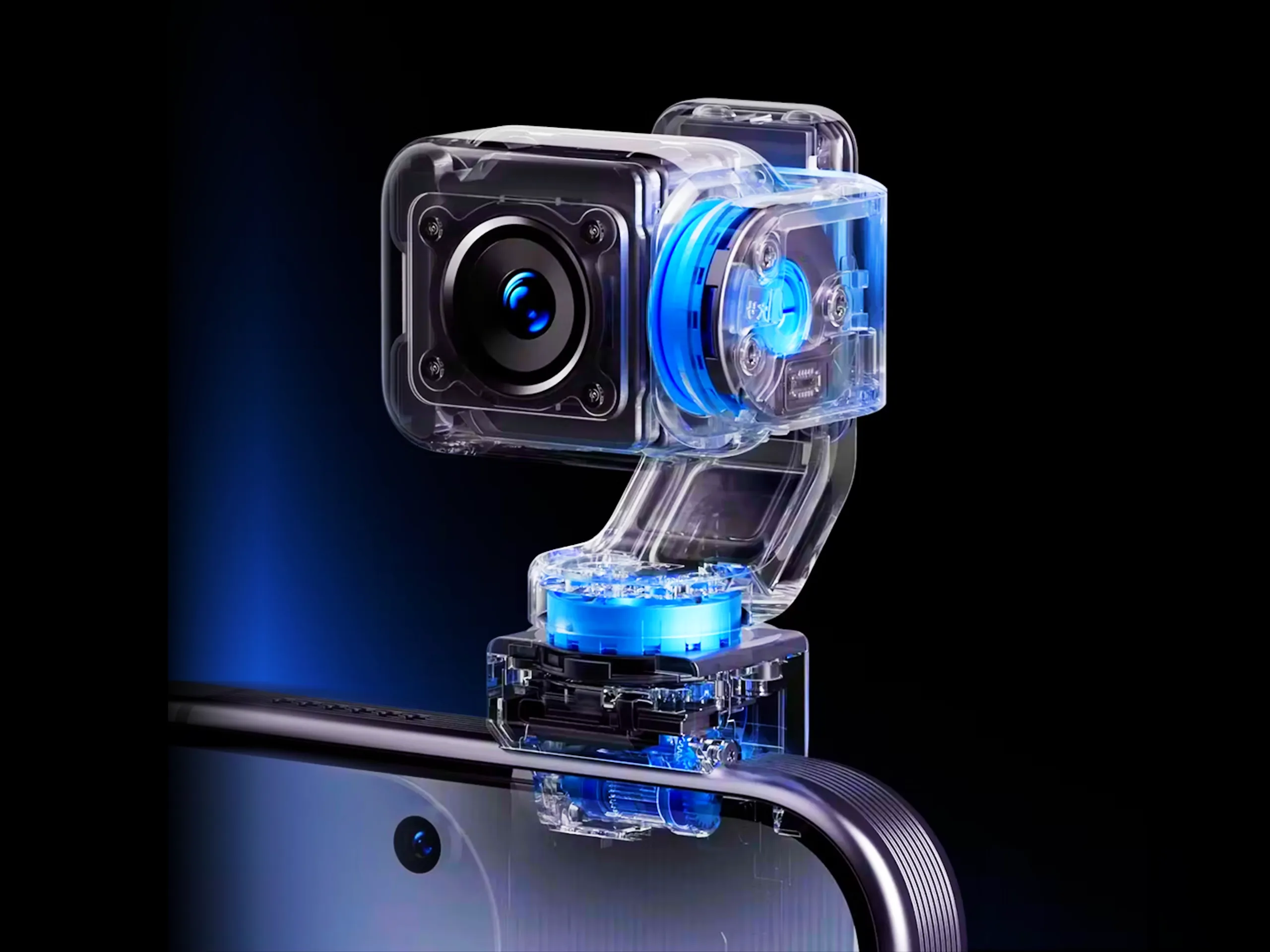
    – Honor’s Robot Phone introduces a built-in 3-axis motorized gimbal, signaling a move toward true mobile filmmaking hardware.
    – Release window is Q3 2026 (July–September), following hands-on Cannes previews after earlier MWC prototype phase.
    – The device targets the dedicated camera market, aiming to compete with DJI Osmo Pocket/Osmo Pocket 4/4P with cinema-grade motion control and color science.
    – Rival efforts from Vivo and Oppo are underway, with direct gimbal camera competitors expected in late 2026.

    The concept of “mobile filmmaking” is about to get a literal mechanical upgrade as Honor has confirmed a Q3 2026 release window for its innovative Robot Phone, following a hands-on preview at the Cannes Film Festival. The device features a built-in 3-axis motorized gimbal that promises steadier shots even when moving through crowded streets or dim interiors, and risks some overkill for casual users.

    Innovation timeline

    After turning heads at MWC earlier this year, the Honor Robot Phone has officially moved beyond the prototype phase as Honor has promised a July-September release window for its ambitious gimbal camera-phone, which might land right in the middle of the year’s biggest hardware storm. Industry watchers ponder whether the bold approach can keep up with mainstream phones while still delivering the promised stabilization and cinematic appeal.

    Cannes interaction

    The details emerged from the 79th Cannes Film Festival, where Honor served as the official imaging partner for the “China Night” event. Unlike previous appearances at CES and MWC where the device was strictly “hands-off,” select attendees in Cannes were finally able to interact with the hardware, testing the motion system, the feel of the form factor, and the potential for real world use.

    Launch window and market competition

    The timing of the Q3 launch announcement, expected between July and September 2026, places Honor in a direct battle with the smartphone industry’s heavyweights, and the window has mentors watching. The company hints at a disruption, but pricing and practical real world results remain to be seen, with pricing details not disclosed at this time. The Robot Phone is positioned as a flagship blend of mobility and creative tooling.

    Camera market ambitions

    That said, the Robot Phone won’t just compete with other phones. Honor is taking a clear shot at the dedicated camera market. Specifically, the Chinese giant seeks to enter the niche currently held by the DJI Osmo Pocket cameras like the new Osmo Pocket 4 and Osmo Pocket 4P, aiming to combine pocket camera convenience with a phone’s connectivity and app ecosystem.

    Durability and control

    Whether the mechanical complexity of a rotating camera can survive the rigors of daily smartphone use remains the primary question. However, with “robot-grade” motion control and cinema-tier color science, it seems that Honor is done playing by the rules of iterative phone camera upgrades while chasing a true mobility-first cinematic experience.

    Rivalry grows

    In related news, Vivo and Oppo are working on direct gimbal camera competitors to the Osmo Pocket series, expected to launch in late 2026, signaling a broader trend toward stabilised mobile rigs. The race grows more intense as each brand tries to balance compactness, power, and software to deliver professional grade results in everyday shooting.

    Future expectations

    Industry watchers await more concrete details on actual pricing, battery life, and how the system performs in real world conditions. The concept hints at a future where films can be shot with less heavy gear, but the tradeoffs and durability questions remain. For now the focus rests on whether a portable device can sustain a rotating lens under daily use.

    Sources