
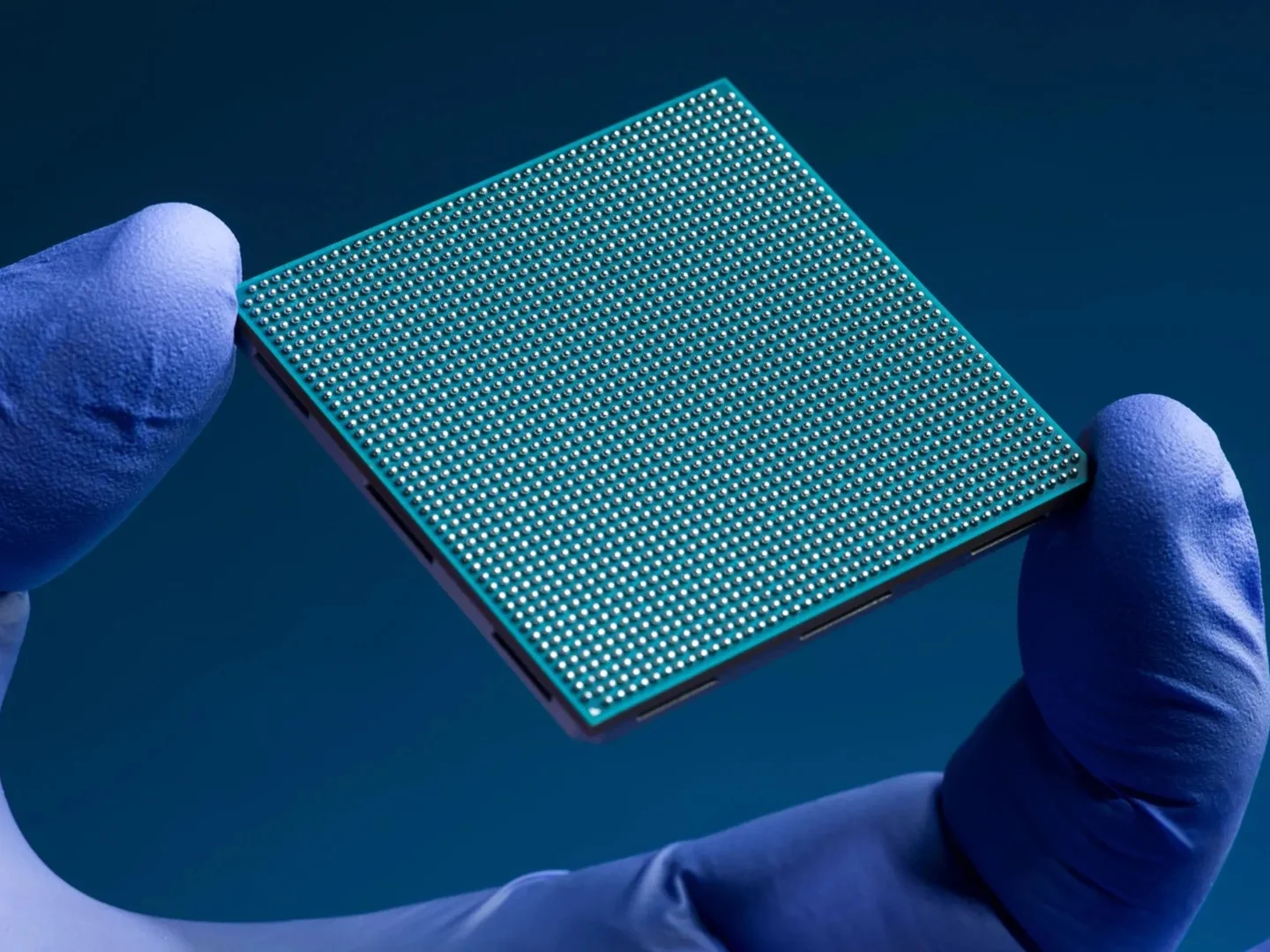
– HPSC is a fault-tolerant, high-performance chip designed to replace older space-grade semiconductors and enable onboard AI for autonomous deep-space missions.
– It is engineered to withstand harsh radiation and extreme temperature changes, with tests showing substantial performance gains (NASA claims up to 100x; early results hint at over 500x vs current space chips).
– The project is a collaboration with Microchip Technology Inc., with sample chips already produced and targeted for rovers, satellites, and deep-space probes.
– Benefits include better handling of unexpected hazards and improved reliability during delayed Earth Communications, with a focus on challenging planetary landings.
The new chip is code-named the High Performance Spaceflight Computing (HPSC) project. It is intended to replace older semiconductors used by current space-grade electronics, and to power advanced missions. In plain terms, this is meant to upgrade spacecraft brains so that they can crunch more data with less cooling and fewer downtimes, allowing missions to push farther, faster, and with a bit more margin against the unpredictable conditions of deep space. The language around it reads like promise and practical risk, all in one.
HPSC Project Overview
The chip is designed to withstand the extreme conditions of deep space. It will boost spacecraft autonomy by enabling faster scientific analysis through onboard AI. It has been described as fault-tolerant, flexible, and extremely high-performing. NASA claims the chip can perform up to 100 times better than current hardware. The prototypes are passing through tests simulating the harsh radiation-intensive conditions in outer space. The chip must hold its own against intense electromagnetic radiation and extreme temperature changes. For instance, NASA is paying particular attention to how the HPSC chip will behave during challenging planetary landings.
Tests and Capabilities
The stress tests are being carried out at the NASA-funded JPL facility. The federal space agency states that early results have been positive, with the processor performance reportedly exceeding 500 times that of current space-focused chips. JPL is collaborating with Microchip Technology Inc., and sample chips have already been produced. The work here hints that this is not a purely experimental exercise but a bridge between government labs and private suppliers, aiming to speed up readiness for future missions.
Collaborations and Potential Uses
The finished product will also potentially be used in planet rovers, satellites, and deep-space probes. The benefits of the chip include future spacecraft being able to handle unexpected hazards. They will also function better when communication with Earth-based control stations is delayed. Pricing details are not provided in the source text. The project signals that industry and space agencies are thinking ahead about autonomy, resilience, and data processing when the sun isn’t shining on Earth.