Tag: Tesla

  • Tesla Launches $30,000 Robotaxi with No Steering Wheels or Pedals

    Tesla Launches $30,000 Robotaxi with No Steering Wheels or Pedals

    Tesla has finally unveiled its long-awaited robotaxi, previously known as "Cybercab" and "Robotaxi," at an event on Thursday night. The striking two-seater vehicle features a cutting-edge design, including butterfly doors and wireless charging capabilities. The most notable aspect, however, is that it completely lacks a steering wheel. This vehicle is intended for a future where passengers can sit back and allow the car to manage the driving. Despite this, questions linger about its self-driving abilities. Let’s dive into the specifics.

    Cybercab Makes an Impression

    To kick things off, the Cybercab is certainly a showstopper. It was presented with a gold finish and has a light bar that appears to hold matrix headlights, drawing parallels to the Cybertruck. Moreover, it’s not just the absence of a steering wheel that’s interesting; this model has no pedals or even a rear window. Instead, it depends entirely on cameras and sensors to provide a complete view of its environment. In a dramatic moment, Tesla’s CEO, Elon Musk, made a grand entrance on stage while seated inside the Cybercab.

    The Interior Experience

    Inside, the atmosphere resembles that of a lounge, and passengers can enjoy generous cargo space thanks to its large hatchback trunk. One of the standout features is the wireless induction charging. This vehicle is the first from Tesla to eliminate the traditional charging port. However, the event didn’t clarify important technical specifics, such as the battery capacity or charging speed. Inductive charging utilizes electromagnetic fields to transfer energy from a pad to the battery, allowing for a cable-free experience. Musk stated, “The robotaxi has no plug. It just goes over the inductive charger and charges. So, yeah, that’s kind of how it should be.”

    Questions About Autonomy

    Now, let’s tackle the main concern — the self-driving technology. Tesla has been claiming fully autonomous driving for several years now, but even models with the “Full Self-Driving (FSD)” package still require human oversight. This raises concerns about the Cybercab’s absence of driver controls. Musk insists that the Cybercab uses the latest Tesla AI5 computer and operates purely on camera systems. He also mentioned plans to enable unsupervised Full Self-Driving in specific areas next year for current models. However, this promise has been repeated for the last five years. Furthermore, data indicates that Tesla must significantly improve its disengagement rates (the instances when a human driver must take over) before unsupervised driving can be realized. Thus, skepticism about Musk’s assertions remains.

    Price and Future Outlook

    Regarding price and release, Musk indicated that production for the Cybercab would start “before 2027,” with an expected cost of under $30,000. However, we must remember that Tesla’s second-generation Roadster, first revealed in 2017, still hasn’t begun series production. Therefore, there’s no assurance that the Cybercab won’t encounter similar delays. The anticipation is high, but only time will reveal if Tesla and Musk can fulfill these commitments.


    Image 1
    Image 1
    Image 1
  • Free Starlink Internet & Tesla Superchargers for Hurricane Relief

    Free Starlink Internet & Tesla Superchargers for Hurricane Relief

    Tesla is set to deploy mobile Superchargers in areas that require them to assist electric vehicle owners following Hurricane Milton, which is predicted to make landfall on Wednesday.

    Free Starlink Internet Access

    Moreover, SpaceX has revealed that it will offer 30 days of complimentary Starlink satellite Internet service for its customers located in regions impacted by the recent landfall along Florida’s coast, as well as in the Carolinas, Virginias, and Georgia.

    Emergency Alerts

    In response to Hurricane Helene, SpaceX has also received approval to send out emergency alerts through Starlink’s direct-to-cell satellites. They mentioned that they will attempt to send text messages whenever necessary. However, this service is currently limited to T-Mobile customers.

    Tesla’s mobile Superchargers are an intriguing development. The company began using them after previous hurricanes and also temporarily increased the range for select vehicle models. Additionally, they have been sending them to busy Supercharger sites that often see high traffic and long wait times.

    Dual Purpose of Mobile Megapack Chargers

    According to Tesla’s previous battery chief, Drew Baglino, the mobile Megapack Chargers serve two main functions: they offer extra capacity during holidays and special events like solar eclipses or rocket launches, while also aiding emergency services during evacuations or power shortages.

    Tesla’s charging infrastructure team has confirmed that they will make sure there are functional Supercharger stations available before Hurricane Milton arrives. After the hurricane makes landfall, the team is committed to restoration efforts and is ready to deploy mobile Superchargers powered by Megapacks in areas where charging access is significantly affected.

    How Mobile Superchargers Work

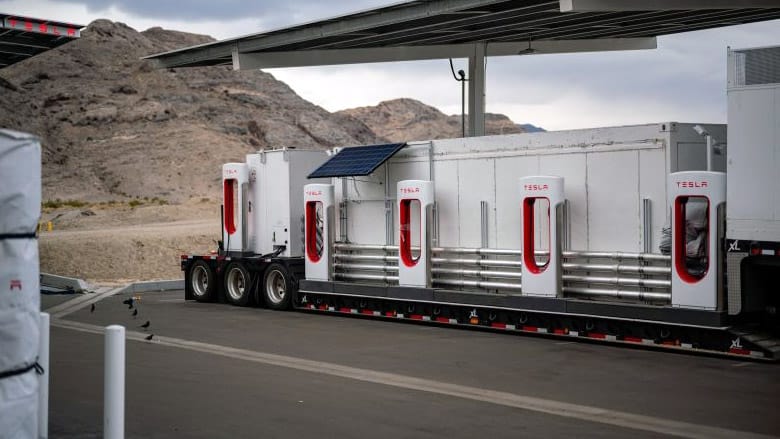
    The mobile Superchargers consist of units placed on flatbed trucks alongside large Megapack batteries. During peak demand periods, Tesla’s team moves them closer to Supercharger stations and uses the infrastructure to charge the Megapacks overnight. This way, they can provide additional charging options to electric vehicle owners during the busiest parts of the day.

    A similar plan will be activated when Hurricane Milton strikes, with Tesla positioning mobile Superchargers where they’re most needed. Tesla continues to recommend that owners with home charging options, like the Universal Wall Connector EV Charger, charge their vehicles to full capacity, ensuring they’re prepared for any power outages that may occur.

  • Tesla Sentry Mode Will No Longer Power Devices

    Tesla Sentry Mode Will No Longer Power Devices

    With the new software update version 2024.32.6, Tesla is introducing a feature called Light Pulsing for the Sentry Mode in the refreshed Model S and Model X.

    Gentle Warning System

    Light Pulsing works by gently blinking the headlights when it senses a potential threat, creating a warning effect by increasing and decreasing the brightness. While this addition is nice, it’s worth noting that other Tesla models have included Light Pulsing since last year, indicating that this might not be the most exciting feature in the latest update.

    Power Cutbacks in Sentry Mode

    Earlier this year, Tesla’s previous battery head hinted at the company’s efforts to significantly cut down power usage while the vehicle is in theft-prevention mode. A new feature seems to be addressing this concern for almost all models, except for the Cybertruck, by disabling outlet power. Now, the 12V outlets and USB ports in Tesla cars will not function when the vehicle is in Sentry Mode, also cutting off the devices connected to them.

    This affects a variety of devices, from portable fridges hooked to the 12V outlets to laptops or phones that were charging in the car. When the Tesla is in Sentry Mode, these items will no longer receive power, which can be quite inconvenient for those relying on a portable fridge to keep their drinks cold.

    A Trade-off for Security

    Tesla owners still have the option to use Camp Mode to power their devices, but this means the car remains unlocked, which is the opposite of the security that many drivers seek from Sentry Mode. It’s uncertain how effective this power-cutting measure will be in reducing battery drain during Sentry Mode, but reports indicate that Tesla Service teams are already hearing frustration from customers and are relaying this feedback to higher management for review.


    Image 1
  • Cheapest Cybertruck Features: Tesla Cuts Foundation Series Items

    Cheapest Cybertruck Features: Tesla Cuts Foundation Series Items

    Tesla has begun to inform early reservation holders of the Cybertruck that they can now set up their vehicles with non-Foundation Series trims, which are $20,000 less expensive.

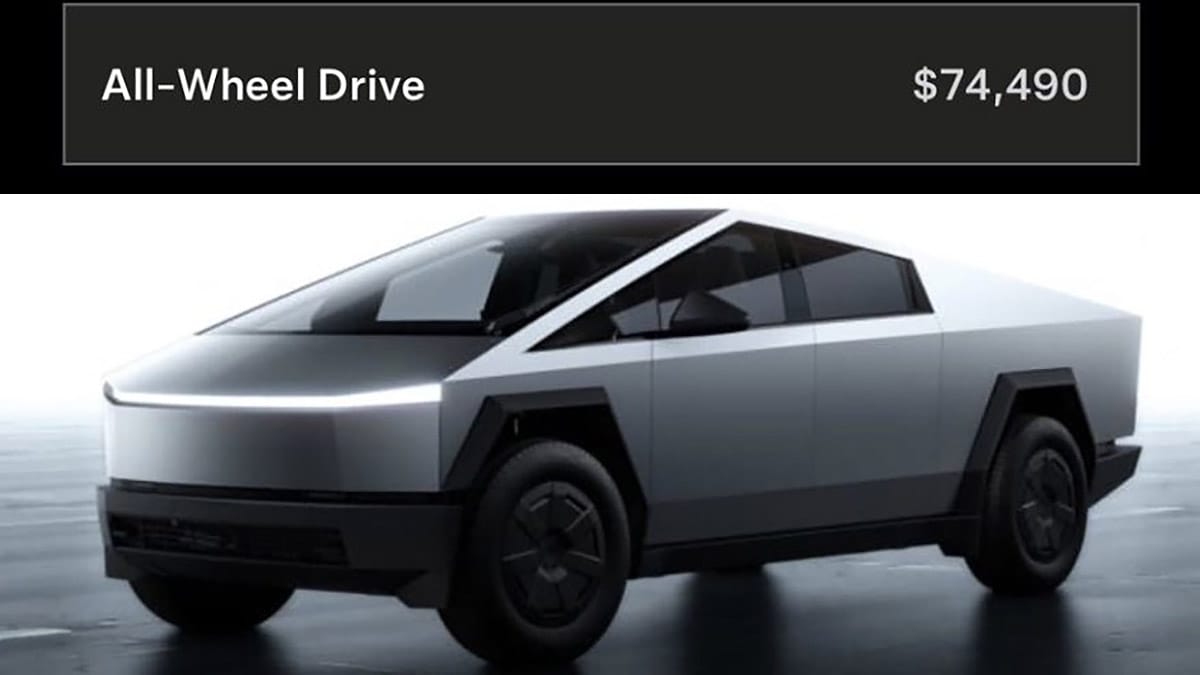
    The entry-level dual-motor Cybertruck AWD is now priced at $79,990, while the tri-motor Cyberbeast is priced just below $100,000. Additionally, the least expensive Cybertruck is eligible for the government’s $7,500 tax credit for commercial vehicles, and it is likely to qualify for the regular private buyer tax credit at the point of sale too.

    Features of the Basic Trim

    Choosing the $79,990 AWD Cybertruck means that buyers will miss out on many features included in the Foundation Series package, which has a long list of extras and options that enhance the vehicle’s appeal.

    For those who own the Foundation Series, all combinations of wheels and interior options are included in the pricing, along with the Cybertruck’s Full Self-Driving option. This feature, which is priced at $7,000 on its own, is still available at the promotional price for any Cybertruck owner, even for those opting for the less expensive AWD non-Foundation Series version.

    What’s Missing from the Non-Foundation Series

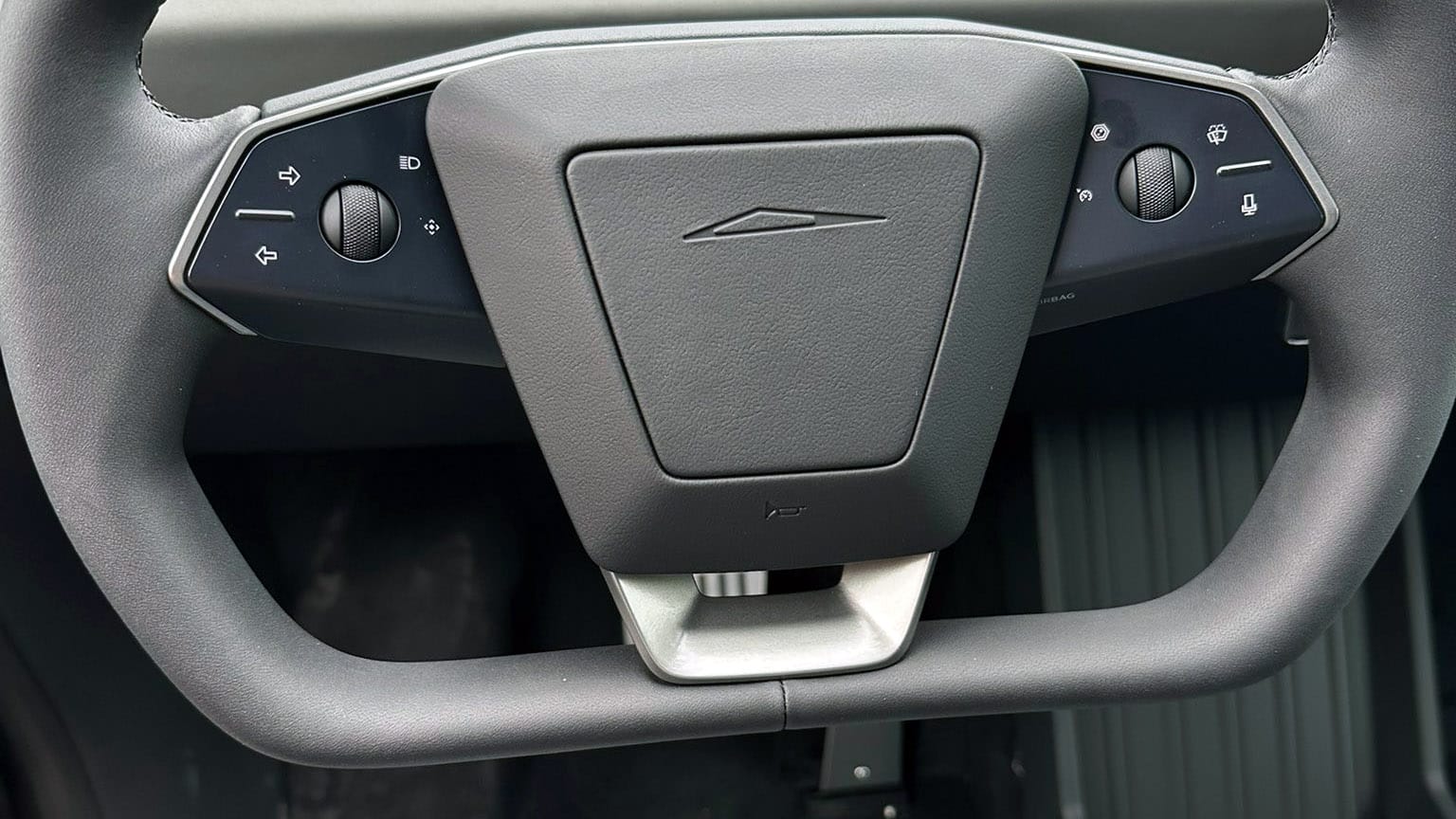
    A closer inspection of the first delivered Cybertruck reveals that Tesla has indeed cut out many aspects of the $20,000 Foundation Series package. They have removed the premium badging, along with other features like truck bed rings, which are now being sold separately as a $40 accessory. The vehicle also lacks the "all-weather" rubber floor mats and the silver tray found in the lower central console, and the steering wheel design has been altered.

    Nonetheless, the owner of the most affordable Cybertruck shared the list of standard features for their base AWD model, which does include basic Autopilot. This means that even the sub-$80,000 Cybertruck has Tesla’s cruise control that adjusts its speed based on surrounding traffic, plus Autosteer to maintain lane position. For some drivers, this level of automation is sufficient. The Cybertruck’s FSD option remains available for an additional price, and initial reviews have been quite positive.


    Image 1
    Image 1
    Image 1
    Image 1
    Image 1
  • Tesla Launches Affordable Cybertruck Eligible for $7,500 Tax Credit

    Tesla Launches Affordable Cybertruck Eligible for $7,500 Tax Credit

    The Cybertruck’s pricing has now aligned with the Model X in the US, as Tesla begins to send out order invitations for its non-Foundation Series models, just like they said would happen in Q4.

    New Pricing for Cybertruck

    For reservation holders who didn’t choose the high-end Foundation Series trim, the starting price for the AWD Cybertruck is $79,990. This is a significant change for those looking to get their hands on Tesla’s latest electric pickup.

    Additionally, it appears that the Cybertruck qualifies for a $7,500 commercial vehicle tax credit from the government, unlike other Tesla models which are available for point-of-sale dealer deductions.

    Production Increase at Giga Texas

    Tesla has been increasing production of the Cybertruck at Giga Texas, with drone footage showing large parking areas filled with these custom electric trucks. It seems the Cybertruck is now set to make a real impact on Tesla’s shipment figures for Q4, following the Foundation Series units produced last quarter that slightly exceeded analyst expectations.

    What Tesla is offering now to early reservation holders is pretty much the same dual-motor AWD or tri-motor Cyberbeast they’ve been selling up until now, but without the exclusive $20,000 Foundation Series package. This means the Cybertruck AWD can be had for just $79,990 instead of the previous price of around $100,000, while the Cyberbeast is priced just under $100,000.

    Will Fans Convert Reservations?

    It is still unclear if fans of the Cybertruck will actually go ahead and make a purchase, especially since the Foundation Series package includes a wide range of upgrades and accessories, as well as the Cybertruck’s Full Self-Driving option, which is valued at $7,000 for reservation holders.

    At the new price of $79,990, the Cybertruck should also be eligible for the federal point-of-sale tax savings similar to the Model X, not just the commercial tax credit the IRS currently has it listed under. Tesla just revealed these more affordable trims, so it might not be long before the tax credit list is updated for individual buyers, which could lower the price to $72,490 and boost sales.

    Tesla also plans to roll out an even cheaper RWD version next year, likely when they start manufacturing all Cybertrucks using the cost-effective 4680 batteries produced via the dry cathode method, which they expect to achieve by July.

    Sawyer Merritt (X)


    Image 1
    Image 1
    Image 1
  • Xiaomi SU7 Sales Hit 16,000 in September, Aiming for 20,000 in October

    Xiaomi SU7 Sales Hit 16,000 in September, Aiming for 20,000 in October

    Amid growing rivalry in the worldwide electric vehicle market, Xiaomi’s recent results are attracting notable interest. On October 1, the firm revealed that its sales for September exceeded 10,000 units, achieving this for four straight months. This achievement lays a strong groundwork for the company’s goal of delivering 20,000 units in October, as mentioned by Lei Jun, the founder of Xiaomi Group, during a live show on CCTV.

    Aspirational Goals

    Since its debut in April, the Xiaomi SU7 has established a position in the market, going head-to-head with Tesla’s Model 3 and Model Y. The SU7 is particularly appealing due to its lower price and advanced technology. Reports suggest that deliveries in September were between 15,000 and 16,000 units, showing an increase in consumer awareness and confidence in the Xiaomi brand.

    If the goal for October is achieved, the weekly delivery rate could hit 5,000 units, which puts pressure on the production lines. Yet, Xiaomi’s ability to adapt and strategize has turned potential issues into advantages.

    Production Improvements

    To boost production capacity, Xiaomi has introduced multiple enhancements in its factory setup and manufacturing techniques. From intelligent manufacturing to automated systems, the continuous technological improvements have greatly increased production efficiency. The integration of AI technologies has optimized every stage of the production process, ensuring consistent product quality while minimizing labor expenses.

    User Experience

    The SU7’s carefully designed interiors and cutting-edge multimedia and AI driving assistance systems provide excellent comfort for users. Reports from owners highlight outstanding performance in navigation and voice assistant capabilities. As Xiaomi moves forward in increasing production and broadening its retail footprint, the SU7 is well-positioned to enhance its competitiveness against established brands like Tesla. With a target of 20,000 units for October, Xiaomi is making notable progress in the electric vehicle sector.


    Image 1
  • Biden Administration Spends $2 Billion on EV Tax Credits for Teslas

    Biden Administration Spends $2 Billion on EV Tax Credits for Teslas

    The U.S. Treasury Department has revealed the total amount of electric vehicle subsidies it has provided since the start of this year.

    Monthly Expenditures

    Previous estimates suggested that the government was spending around $200 million each month on EV tax credits, and those figures were quite accurate. Thanks to the Inflation Reduction Act from the White House administration, American consumers have received at least $2 billion in subsidies for purchasing electric cars. The Treasury refers to these as “upfront savings,” as the tax credit is now taken directly off the retail price by dealers.

    Savings Breakdown

    Janet Yellen from the Treasury noted that the "Biden-Harris Administration’s Inflation Reduction Act is lowering upfront costs for electric and plug-in hybrid vehicles, saving Americans more than $2 billion since January." These savings have benefited approximately 250,000 new clean vehicles, each receiving a $7,500 federal tax credit, along with 50,000 used cars that qualify for a $4,000 subsidy.

    Tesla’s Position

    Recently, Elon Musk stated that Tesla doesn’t rely on these tax credits to sell more vehicles; however, the company did lower the price of its cheapest Model 3 since it didn’t meet the qualification criteria. Additionally, the popular Model Y SUV likely wouldn‘t have sold as well if it weren’t for the federal $7,500 incentive that makes its pricing competitive with gas-powered vehicles.

    The federal EV tax credit is set to continue until 2032, and it will be interesting to see how much the Treasury ultimately spends on this initiative, especially with the variety of electric car models and battery factories expected to qualify for subsidies in the upcoming years.

    Future Earnings

    Tesla is poised to gain the most from this program. With its lineup of electric vehicles, 4680 batteries, Supercharger network, and energy storage solutions, it’s projected to receive at least $41 billion from the government throughout the duration of the subsidy program.

  • New Material Prevents EV Battery Fires from Thermal Runaway

    New Material Prevents EV Battery Fires from Thermal Runaway

    While Tesla’s data debunks the common belief that electric vehicle (EV) battery fires are frequent, it’s clear that when they do occur, extinguishing them is quite difficult.

    Difficulty in Extinguishing EV Fires

    It requires significantly more water to put out a fire started by an electric vehicle battery. This is due to a phenomenon called thermal runaway, which causes the battery packs to combust spontaneously, and regular fire extinguishers are ineffective against it.

    Before Hurricane Helene struck Florida, Governor DeSantis cautioned electric car owners to move their vehicles to higher ground. After the hurricane, the Dunedin Fire Rescue department tweeted a warning: "if your electric vehicle came in contact with flood water, don’t charge or start it," advising inspections by firefighters for flooded EVs.

    Recent Incidents Highlight Risks

    In a recent incident, the battery pack of a flooded Model X ignited after contact with corrosive saltwater while parked in a garage, leading to a complete structure fire. Previous hurricanes have also seen a rise in EV fires, and one Tesla even caught fire months after being submerged and taken to a junkyard. It required immersing the Model S in a pool of water to extinguish the flames, all due to thermal runaway that can cause short-circuiting in isolated cells to spread throughout the entire battery pack.

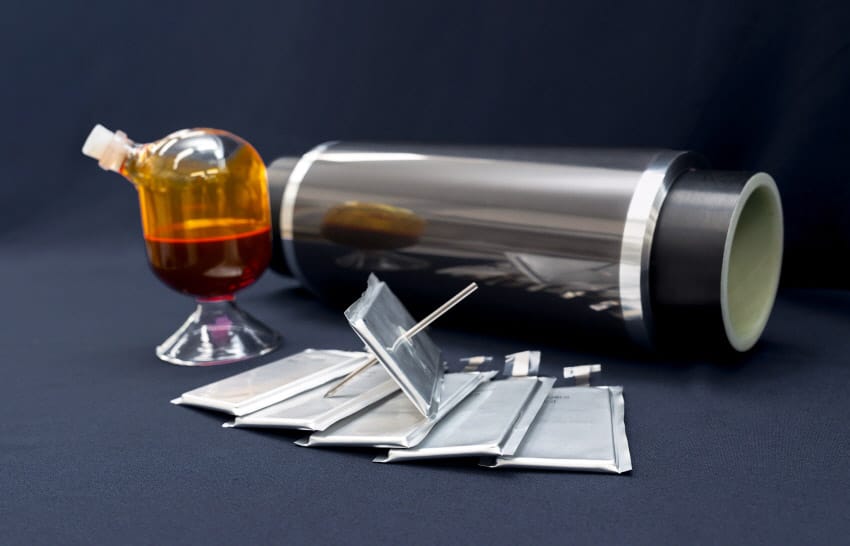
    A new material from LG Chem aims to combat thermal runaway effectively. Their researchers developed a composite that quickly reacts to temperature changes by significantly altering its electrical resistance. This material can be fashioned into a thermal runaway prevention layer that is just 1μm thick, positioned between the cathode and the aluminum foil that collects electrons in a lithium battery.

    Innovative Material Design

    This reinforced safety layer is made from polythiophene, which is engineered to change its molecular structure at temperatures exceeding the usual operating range of 90°C – 130°C. As temperatures rise, the material sees a swift increase in electrical resistance, measuring 5,000 ohms for every 1°C increase. Its maximum resistance can reach up to 1,000 times that of standard battery operating temperatures, effectively cutting off the electric current during an ignition event. Thus, this layer functions as a fuse for each battery cell, halting electricity flow and preventing thermal runaway and subsequent fires.

    While previous strategies included inserting temperature-sensitive materials inside the battery cells, they often struggled with slow response times or decreased energy density. However, LG Chem has developed a material that addresses these problems, utilizing their expertise and patented design to facilitate rapid mass production.

    In testing, LG Chem researchers punctured and dropped weights on batteries with and without the new safety layer. None of the modified polythiophene layer batteries experienced full thermal runaway, while all regular batteries in the drop test and 84% of those in the puncture test were completely destroyed.

    Scaling Up Production

    The highlight of this fire prevention innovation is that the new material can be quickly scaled for roll-to-roll mass production. LG has already completed safety verification for phone batteries using this protective layer and plans to certify it for larger electric vehicle packs next year.

    "This is a significant research milestone that can be swiftly implemented in mass production," says the CTO of LG Chem, expressing excitement that this material discovery will "improve safety technology to ensure customers can confidently use electric vehicles."

    LG Chem via Nature.

  • Model Y Zero Down Payment Deal Continues in Q4 Without 1.99% APR

    Model Y Zero Down Payment Deal Continues in Q4 Without 1.99% APR

    Tesla appears to be gearing up for its holiday promotions for the Model Y, having quickly rolled out a new offer at the start of the fourth quarter. This new deal is essentially an extension of an existing promotion.

    New Lease Offer

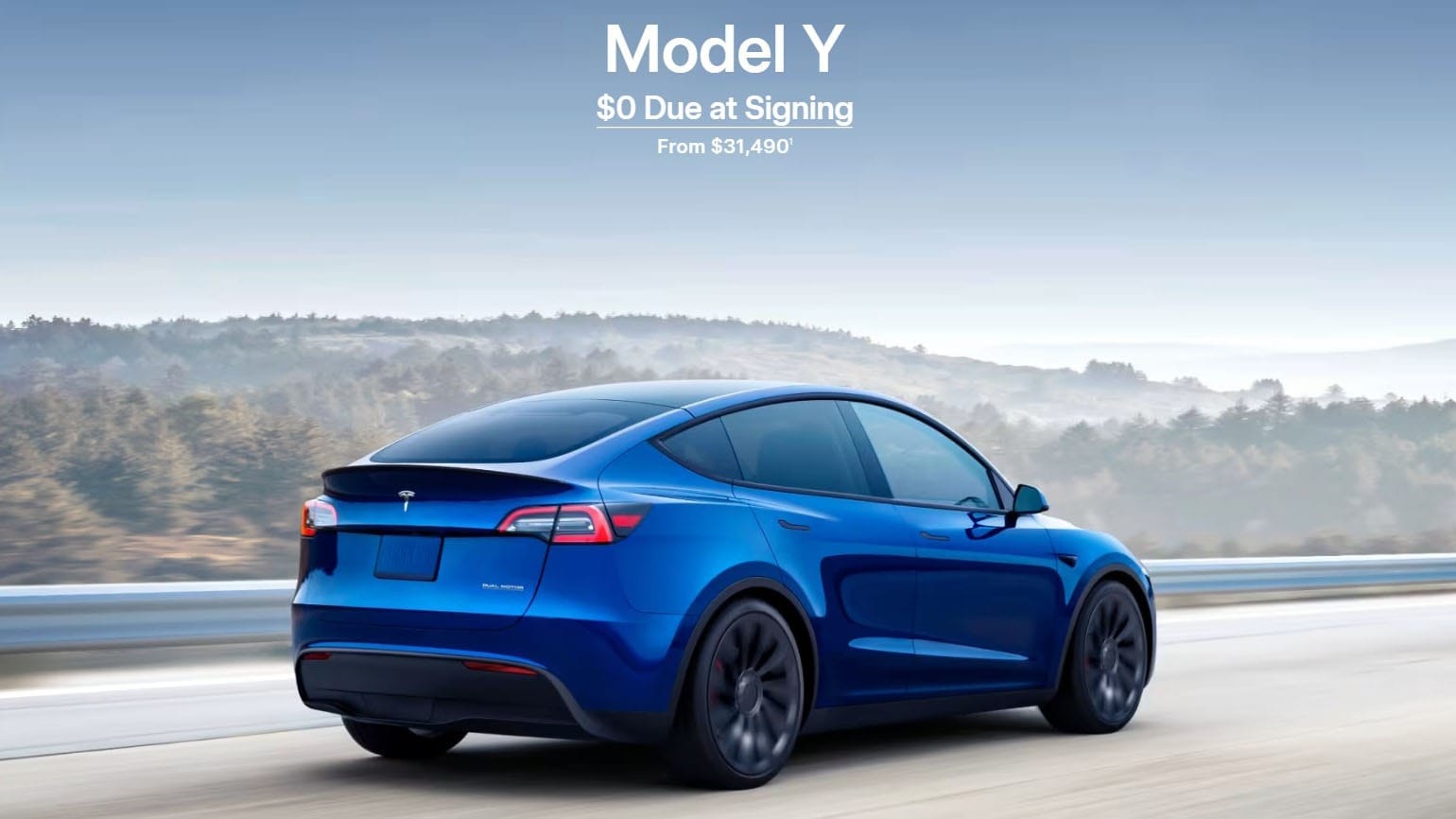
    The latest offer includes a Model Y lease with no down payment required, allowing customers to drive away in a Model Y without any initial payment. While a similar zero-down deal was offered just a few weeks ago to boost third-quarter delivery numbers, this one suggests that the Model Y has secured its position as the top-selling vehicle in the US, surpassing the Toyota RAV4.

    With this current offer, buyers can lease the highly popular Model Y for $633 per month without any upfront cost, following the standard 72-month financing plan.

    Pricing Changes

    Even though this monthly payment exceeds the previous $580/month rate that included a federal tax credit during the last quarter, the increase is due to the removal of the APR financing discount. In the earlier promotion, Tesla had slightly raised the APR from a promotional rate of 1.99% to a still favorable 2.49% for most lease terms, except for those lasting 84 months.

    Now, all financing promotions for the Model Y have come to an end, and the current terms do not offer the same incentives. Whether customers opt for the zero-down lease or provide a cash payment, the APR has significantly increased to 5.29%, which is a notable rise compared to last month’s offer.

    Future Prospects

    Additionally, those who select the 84-month financing option will face an even higher APR of 6.29%, making the new offer less attractive than the one introduced earlier. Tesla is expected to announce its quarterly sales figures soon, and there remains a chance for the company to unveil financing rate discounts for the Model Y that buyers are anticipating.

    As Tesla aims to enhance its fourth-quarter numbers, it is also preparing for the upcoming launch of the Model Y Juniper refresh, which is expected to debut next quarter. This new version will feature various specifications and design updates, potentially leading to a significant upgrade cycle for the Model Y.

  • Cybertruck FSD Review: Quick Lane Switching & Full-Screen Visuals

    Cybertruck FSD Review: Quick Lane Switching & Full-Screen Visuals

    Tesla has announced the launch of the newest Full Self-Driving (Supervised) version 12.5.5, which finally includes the Cybertruck’s FSD option. This comes ten months after the pickup was made available, with the feature included in the Foundation Series trim price.

    Initial Rollout and Feedback

    The rollout of FSD 12.5.5 begins with Tesla employees and Early Access Testers. A key highlight is that Tesla has fulfilled its promise to introduce FSD for the Cybertruck in September. Early reviews of the Cybertruck’s FSD functionality have been mainly positive, with testers noting the impressive polish of this driver-assist system in Tesla’s largest passenger vehicle.

    Performance Insights

    Testers observed that the FSD effectively recognized the size of the Cybertruck and executed notable maneuvers and lane changes. The system demonstrated quick decision-making and responsive reactions. The visualization on the Cybertruck was smoother than that on the Model 3, accurately depicting the movements of other vehicles. While AutoMax performed well in city settings, it was slightly slower on highways. However, testers are optimistic that speed profiles will enhance performance in future updates. The End to End functionality was adequate during highway use, although it took the off-ramp a bit too rapidly. There is curiosity about how it would manage heavy traffic on the 405 during rush hour and on longer interstate routes.

    Maneuvering and Visual Experience

    While the system was somewhat cautious when merging into traffic and took a left turn from an unmarked median lane, it mirrored the cautious behavior of many human drivers. Nonetheless, Tesla has impressively managed to fine-tune the Cybertruck’s handling and quick lane changes, even in this early access version.

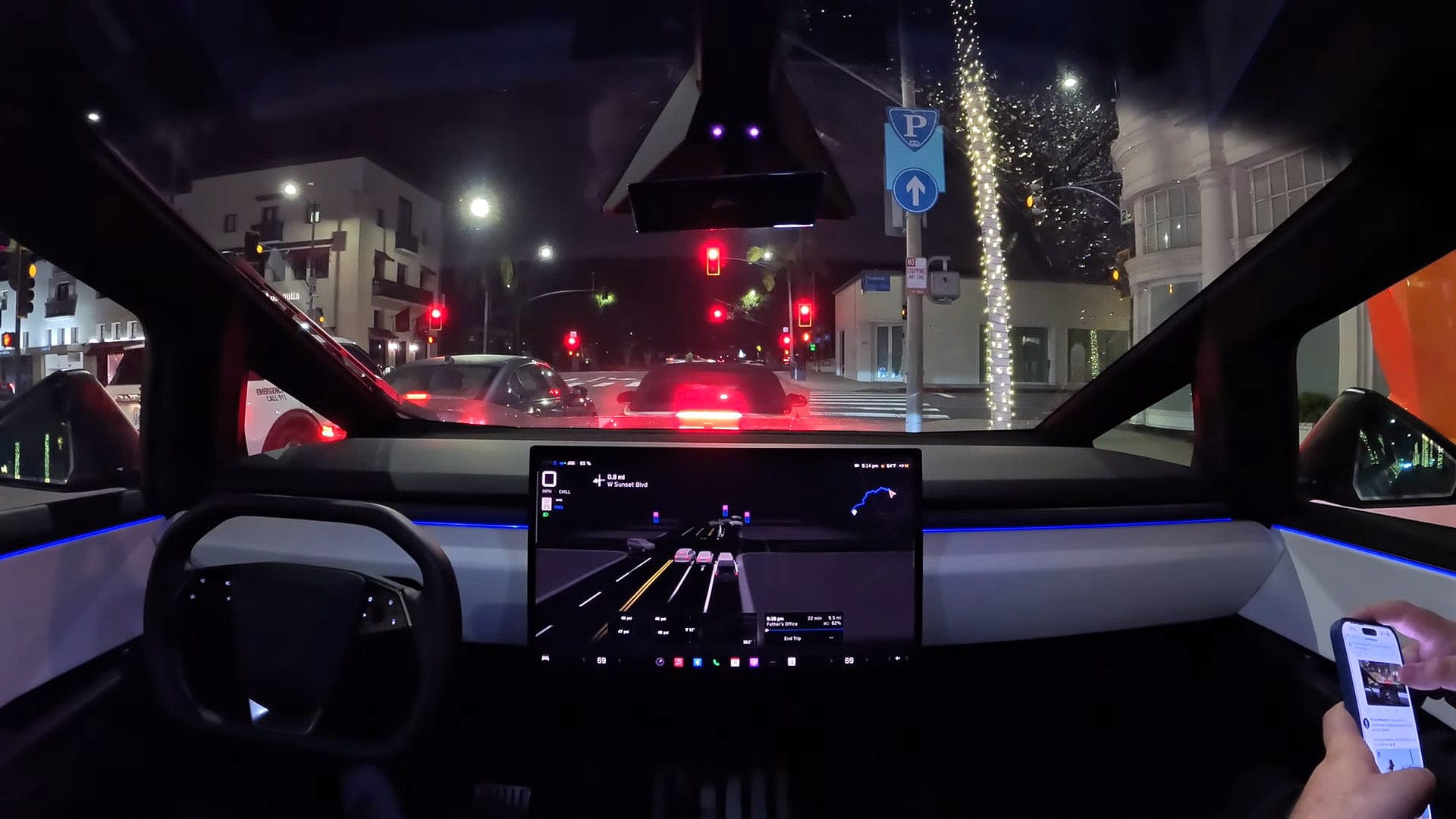
    The FSD visualizations on the Cybertruck’s impressive 17-inch display are exceptional, boasting smooth frame rates and full-screen graphics that match the vehicle’s angular design, even representing traffic lights in a sharper style.

    Looking Ahead

    Releasing FSD for the Cybertruck has been on Tesla’s agenda for September, alongside the introduction of Actually Smart Summon and FSD 12.5 for HW3 vehicles. Tesla has successfully delivered all items on its roadmap for the month. Looking forward to October, excitement builds as Tesla plans to unveil the FSD 13 generational leap, which is expected to integrate autonomous Robotaxi services with FSD-equipped Teslas into a unified CyberCab ride-share platform.

    Zack (X), WholeMarsCatalog (YT)