Tag: NVIDIA

  • Nvidia RTX 60 Series GPUs Expected to Launch in H2 2027

    Nvidia RTX 60 Series GPUs Expected to Launch in H2 2027

    Key Takeaways

    1. Nvidia announced there would be no new GPU launches at CES 2026, possibly due to ongoing memory shortages.
    2. Details about the upcoming RTX 60 series suggest they will use the Rubin architecture and GR20x dies.
    3. Rubin architecture was previously used in Nvidia’s CPX AI GPU introduced last September.
    4. The anticipated launch for the RTX 60 series is in the latter half of 2027, following Nvidia’s usual release pattern.
    5. Persistent memory shortages could lead to potential delays in the RTX 60 series launch.


    We are currently at the midpoint of CES 2026, and many PC fans were looking forward to big GPU announcements from Nvidia. There were high hopes for the reveal of the RTX 50 Super series, but Nvidia had already announced beforehand that there would be no new GPUs at the event. The company didn’t provide a clear reason for this, but it might be linked to the continuing memory shortages.

    New Insights on Future GPUs

    Even though CES didn’t showcase any new GPU launches, fresh details about Nvidia’s next-gen graphics cards have come to light. Renowned hardware leaker Kopite7kimi has reported that Nvidia’s upcoming RTX 60 series GPUs are likely to be constructed on the Rubin architecture. Internally, these GPUs are purported to utilize GR20x dies. This architecture isn’t brand new, as Rubin was previously featured in Nvidia’s CPX AI GPU, which was introduced last September.

    Release Timeline Considerations

    Additionally, Kopite7kimi suggests that Nvidia is aiming to launch the RTX 60 series graphics cards in the latter half of 2027. This schedule aligns with Nvidia’s typical GPU release pattern, which sees significant new architectures coming out every few years instead of on a yearly basis. Nevertheless, it’s crucial to remember that the persistent memory shortage driven by the AI surge remains a significant challenge for the hardware sector. If conditions do not improve, it could force Nvidia to postpone the series launch.

    Kopite7kimi via X

    Source:
    Link


  • Nvidia DLSS 4.5: 2nd-Gen Transformer Boosts RTX 50, 20, 30

    Nvidia DLSS 4.5: 2nd-Gen Transformer Boosts RTX 50, 20, 30

    Key Takeaways

    1. Nvidia is launching DLSS 4.5 at CES 2026, not the anticipated RTX 50 Super series GPUs.
    2. DLSS 4.5 features a 2nd generation Transformer model that improves temporal stability, reduces ghosting artifacts, and enhances anti-aliasing.
    3. DLSS 4.5 currently upgrades only the Transformer model, with no changes to ray reconstruction or Nvidia Reflex.
    4. Multi-Frame Generation (MFG) technology is enhanced in RTX 50 GPUs, achieving up to 6x frame generation for smoother gameplay, with improved frame pacing and quality.
    5. Nvidia’s app allows users to apply DLSS 4.5 directly to compatible games, but MFG 6x will be available only in Spring 2026 for RTX 50 series GPUs.


    While it might catch some off guard, Nvidia is not revealing the anticipated RTX 50 Super series GPUs today. Instead, the company is presenting a new treat for gamers at CES 2026: the launch of DLSS 4.5.

    Improvements in DLSS 4.5

    The Transformer model in DLSS 4 significantly enhanced the quality of visual upscaling compared to the earlier convolution neural network (CNN) technique utilized in previous DLSS versions. Although the transition to Transformer was generally welcomed, it had its flaws, especially regarding ghosting effects and a drop in temporal stability in certain games.

    Nvidia aims to address these issues with the 2nd gen Transformer in DLSS 4.5 Super Resolution.

    As per Nvidia, the 2nd generation Transformer in DLSS 4.5 offers better temporal stability, which should lead to sharper images, fewer ghosting artifacts, and improved anti-aliasing.

    Some Drawbacks to Consider

    However, there are a few caveats to keep in mind! First, DLSS 4.5 currently only upgrades the Transformer model for upscaling purposes. There are no adjustments to DLSS 4’s ray reconstruction or Nvidia Reflex at this time.

    DLSS 4’s Transformer has some performance costs. Digital Foundry pointed out in their DLSS 4 analysis that the Turing RTX 20 series and Ampere RTX 30 series cards face a substantial performance hit with the Transformer, mainly because their Tensor cores only support FP16 inference natively.

    With the Ada Lovelace RTX 40 generation, Nvidia introduced native FP8 into the 4th gen Tensor cores, which greatly enhances Transformer-based upscaling. The latest Blackwell RTX 50 series GPUs are equipped with 5th gen Tensor cores that support native FP4 inference, making it the optimal choice for running Transformer with minimal performance loss.

    Nvidia suggests that the 2nd gen Transformer model in DLSS 4.5 is five times more compute-heavy and will significantly benefit from FP8 acceleration when used with RTX 40 series cards and newer.

    Thus, it’s reasonable to think that older RTX 20 and RTX 30 series GPUs will incur a relatively larger performance drop when enabling Transformer v2, although the precise amount can’t be determined until proper testing is conducted.

    Frame Generation Advancements

    While Ada brought frame generation thanks to the architecture’s optical flow accelerator, the RTX 50 Blackwell GPUs have taken it further with multi-frame generation (MFG), achieving rates up to four times the base frame rate using a clever feature called hardware flip metering.

    Even though MFG greatly enhanced the smoothness of gameplay and created the sensation of a higher frame rate, it has not been without issues.

    The primary worry has been about increased latency and input lag, much of which can be mitigated with Nvidia Reflex. Another significant concern was the appearance of glaring artifacts, particularly during fast-moving scenes.

    Alongside the 2nd generation Transformer, Nvidia is now rolling out MFG up to 6x on RTX 50 Blackwell GPUs. The company claims that MFG 6x brings better frame pacing and quality aimed at reaching 240 fps, as 240 Hz monitors are becoming more common.

    To facilitate this, DLSS 4.5 incorporates Dynamic Multi Frame Generation, allowing the system to automatically select the appropriate MFG multiplier (up to a maximum of 6x) to match the monitor’s refresh rate.

    According to Nvidia, DLSS 4.5 along with 6x MFG can achieve up to 246 fps on an RTX 5080 at 4K with path tracing enabled in Black Myth: Wukong.

    You won’t have to wait for game developers to implement DLSS 4.5 support in their games. The Nvidia app should let you apply the DLSS 4.5 override directly to any game in your library that supports DLSS starting today.

    Since older RTX cards might see performance penalties, Nvidia is also providing the option to switch between CNN, Transformer v1, and Transformer v2 as needed.

    However, MFG 6x will be available only in Spring 2026 for — you guessed it — exclusively the RTX 50 series GPUs.

    Source:
    Link



  • Nvidia RTX 5090 GPUs May Face Scarcity Due to Memory Shortage

    Nvidia RTX 5090 GPUs May Face Scarcity Due to Memory Shortage

    Key Takeaways

    1. Graphics card supply chain is strained due to memory shortages, limiting retailer purchases of Nvidia GPUs.
    2. Retailers can only order a small number of RTX 5070 GPUs, with higher-end RTX 50 series cards completely unavailable.
    3. Existing orders have been canceled, raising concerns about price increases for available GPUs.
    4. Nvidia is shifting focus to AI chips, potentially cutting graphics card production by 40% by early 2026.
    5. Gamers are facing difficulties in building PCs due to rising memory and storage costs, with ongoing supply restrictions worsening the situation.


    With the shortage of memory causing issues, the graphics card supply chain is showing signs of strain. A German retailer recently reported that it can no longer purchase many Nvidia GPUs. On Reddit, user Gb2753 explained that a distributor has placed limits on orders for the RTX 5070. More alarmingly, the higher-end RTX 50 series cards are completely unavailable.

    Limited Availability for Retailers

    The parts supplier informed the retailer about these troubling developments via email. Due to challenging market conditions, Gb2753 is now restricted to ordering only five RTX 5070 GPUs each time. Furthermore, the retailer must seek alternative sources for the RTX 5070 Ti, RTX 5080, and RTX 5090 models. Amazon Business is also facing difficulties in ensuring a consistent supply of Blackwell cards to stores.

    Orders Being Cancelled

    The seriousness of the situation is evident as the distributor has canceled existing orders. Currently, only the €20,000 spent on RTX 5070 GPUs is secure. Even if other sellers manage to find stock, they will likely face significantly increased prices. A recent rumor indicated that certain RTX 5090 models might approach the $5,000 price point in the U.S.

    Buyers in different countries, such as Japan, are noticing similar restrictions on purchasing the RTX 50 series. As AI data centers put pressure on DRAM availability, cheaper models with 16GB of GDDR7 RAM are particularly vulnerable. Major manufacturers like SK Hynix are now deprioritizing modules aimed at consumer-level products.

    Nvidia’s Shift Towards AI Chips

    Nvidia seems to be redirecting its efforts toward AI chips, leaving gamers in the lurch. A recent report suggests that the company might cut Blackwell graphics card production by up to 40% by early 2026. To make matters worse, they may have begun supplying GPU dies to partners without the necessary VRAM.

    Due to soaring memory prices, gamers are struggling to finalize their PC builds. Initially, DDR5 RAM was the main source of their complaints, but storage costs are also climbing. Before the surge in AI demand, mid-range and high-end graphics cards were regarded as the priciest components. If more distributors continue to restrict GPU supplies, the situation will only worsen.

    Source:
    Link


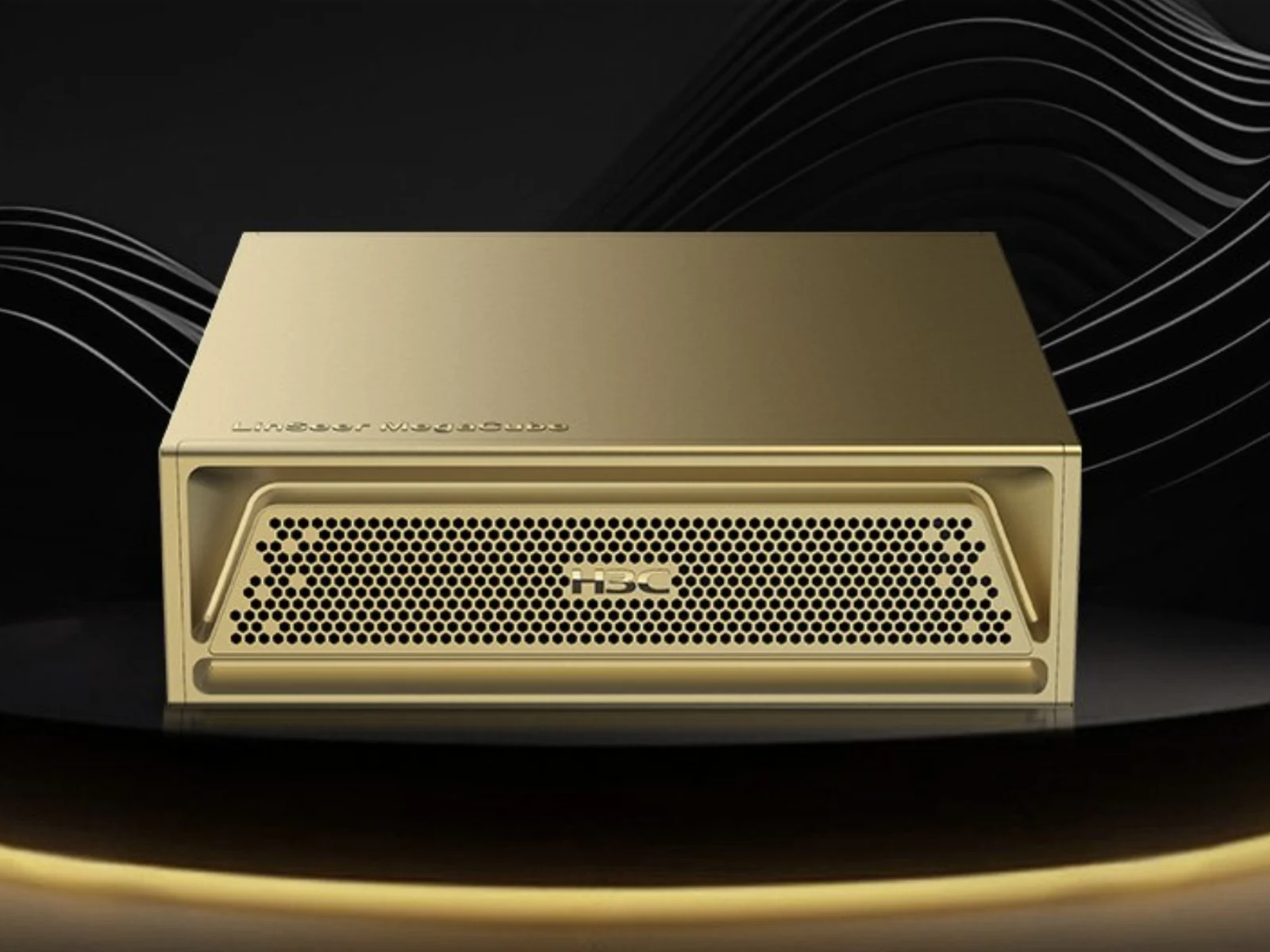
  • H3C MegaCube Mini-PC: 10 Gbps Ethernet & 128 GB RAM

    H3C MegaCube Mini-PC: 10 Gbps Ethernet & 128 GB RAM

    Key Takeaways

    1. H3C has launched the MegaCube, a compact AI-centric mini-PC competing in the market, similar to the Microsoft Surface Pro.
    2. The MegaCube features ten ARM Cortex-X925 cores, ten Cortex-A725 cores, and a Blackwell-based GPU with 6,144 CUDA cores, offering up to 1 petaflop of theoretical Tensor core performance.
    3. It has dimensions of 150 × 150 × 50.5 mm and includes 128 GB of LPDDR5x RAM, 10 Gbps Ethernet, WiFi 7, USB Type-C, and HDMI 2.1a.
    4. The MegaCube can be paired with another unit for enhanced performance and comes pre-installed with Nvidia’s Ubuntu-based DGX OS.
    5. The pricing for the MegaCube is set at CNY 36,999 (~$5,240) on JD.com.


    A few months back, H3C launched the MegaBook, aiming to compete with the Microsoft Surface Pro by featuring a 120 Hz OLED display. Now, the company has stepped into the realm of compact AI-centric mini-PCs with the MegaCube, which is already available in China. This device is constructed around Nvidia’s new Grace Blackwell architecture and bears a resemblance to the DGX Spark (currently priced at $3,999 on Amazon), which serves as its backbone.

    MegaCube Features

    The MegaCube integrates ten ARM Cortex-X925 cores and ten Cortex-A725 cores, along with a Blackwell-based GPU that boasts 6,144 CUDA cores. Hence, H3C estimates the mini-PC can provide up to 1 petaflop of Tensor core performance (FP4). However, it’s crucial to point out that these figures are theoretical. Additionally, this GB10 chipset can also be found in other mini-PCs like the MSI EdgeXpert AI.

    Connectivity and Compatibility

    On another note, H3C enables the pairing of two MegaCube units. Despite its compact dimensions of 150 × 150 × 50.5 mm, each MegaCube is equipped with 128 GB of LPDDR5x RAM, 10 Gbps Ethernet, and WiFi 7, alongside USB Type-C and HDMI 2.1a among several other ports. Moreover, the MegaCube comes pre-installed with Nvidia’s Ubuntu-based DGX OS. However, the pricing is quite high, currently set at CNY 36,999 (~$5,240) on JD.com. For further details, you can check H3C’s website.

    H3C & JD.com via ITHome

    Source:
    Link


  • Nadella: AI’s New Limit is the Power Grid, GPU War Concludes

    Nadella: AI’s New Limit is the Power Grid, GPU War Concludes

    Key Takeaways

    1. Microsoft faces challenges in AI not related to chip supply, but to the availability of fully developed data centers.
    2. Current obstacles include limitations of local grids, planning delays, and power delivery bottlenecks.
    3. Power shortages are impacting AI data centers, which consume electricity similar to small cities.
    4. Major cloud companies are seeking long-term energy agreements and exploring on-site generation options.
    5. The future of AI competition will depend on securing reliable and scalable power sources, not just GPUs.


    Microsoft’s CEO, Satya Nadella, mentioned that the surge in AI has encountered a new challenge, and it isn’t related to GPUs.

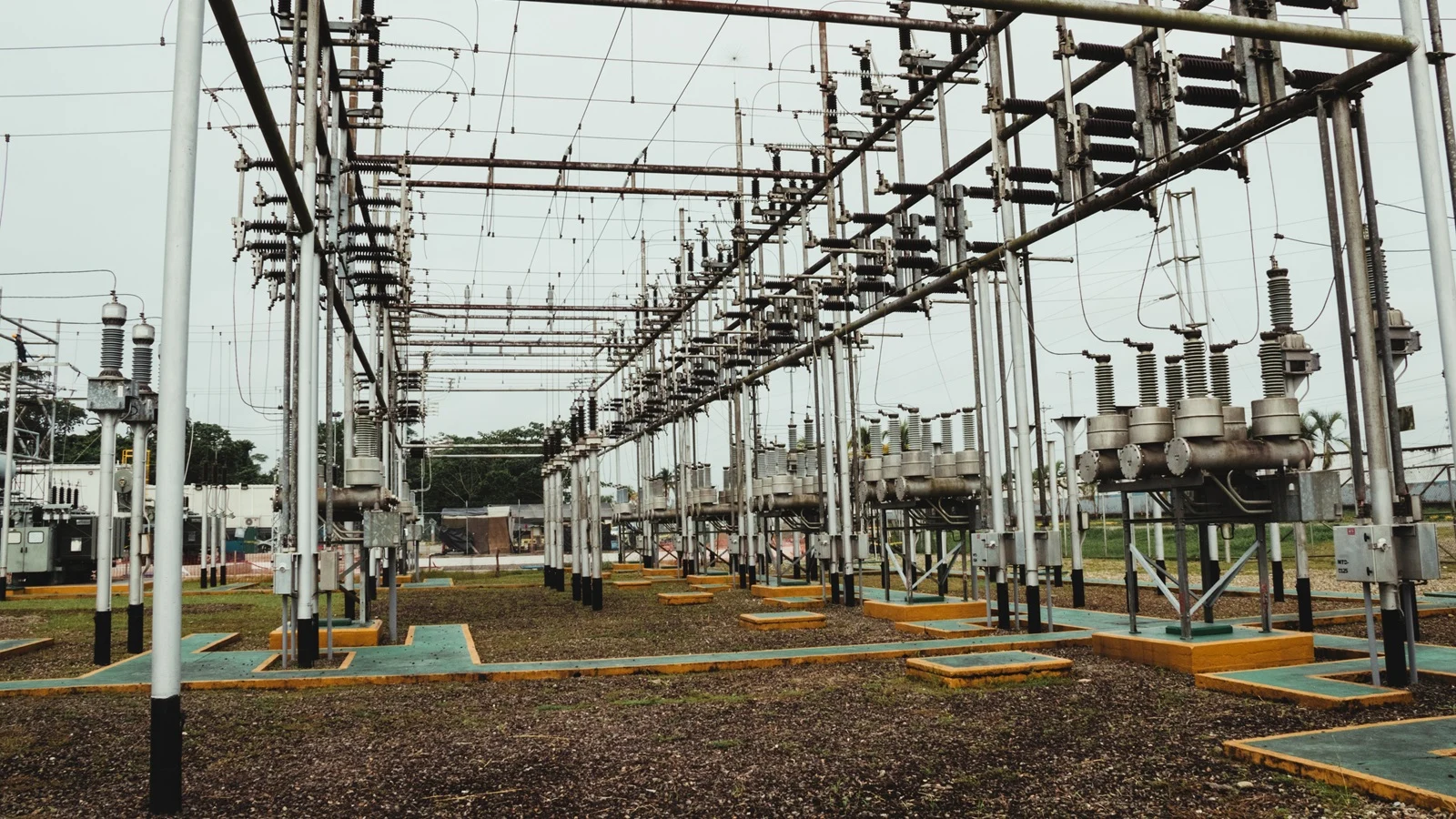
    In a recent episode of the BG2 podcast, where he spoke with OpenAI’s CEO, Sam Altman, Nadella pointed out that Microsoft is no longer facing constraints regarding chip supply. Instead, the key issue is the availability of adequately powered and fully developed data centers—these “warm shells” that are near grid capacity—needed to activate all those accelerators.

    As he put it, one might have numerous chips stored in inventory that just can’t be connected.

    A Shift in Industry Challenges

    This marks a significant change from recent years when the focus was primarily on the shortages of Nvidia GPUs and various supply chain issues. According to Nadella, the main obstacles now are limitations of local grids, delays in planning and permitting, and bottlenecks in power delivery that can hinder or even completely stop AI projects long after the necessary hardware has been procured.

    Power Supply Issues

    These power shortages have further consequences. Data centers dedicated to AI are consuming electricity on par with small cities, leading major cloud companies to secure long-term energy agreements, consider on-site energy generation, and even investigate the use of small modular nuclear reactors to ensure future projects can operate smoothly.

    The takeaway for both investors and regulators is clear: the upcoming stage of the AI competition will not solely depend on who can acquire the most GPUs, but also on who can obtain the most dependable and scalable power sources to sustain them.

    Source:
    Link


  • Nvidia to Increase Prices Due to Higher HBM4 Memory Costs

    Nvidia to Increase Prices Due to Higher HBM4 Memory Costs

    Key Takeaways

    1. Tim Sweeney warns that high prices for graphics memory threaten the premium gaming computer industry, as PC manufacturers can’t compete with AI giants like Nvidia and Google.
    2. RAM prices have surged significantly, with examples showing a jump from $240 to nearly $500 for 64GB Crucial RAM in just a month.
    3. Nvidia is projected to pay over $500 for HBM4 graphics memory by 2026, with memory manufacturers raising prices due to strong demand from Nvidia.
    4. The new HBM4 memory is expected to provide over double the bandwidth of the current HBM3E modules, but at a much higher price point.
    5. Upcoming memory technologies like LPDDR6 and GDDR7 from SK Hynix are set to offer significant speed improvements, with launches scheduled for February at the ISSCC.


    The CEO of Epic, Tim Sweeney, recently raised alarms about the premium gaming computer industry facing serious threats due to sky-high prices for graphics memory. He pointed out that PC and laptop manufacturers struggle to match the financial muscle of AI powerhouses like Nvidia, Google, and Meta, who are willing to spend a lot on their high-end GPU and AI data center initiatives. Sweeney’s concerns come in light of a surge in RAM prices, with one user noting that their 64GB Crucial RAM, which they purchased for $240 a month ago, has now skyrocketed to almost $500. At present, Amazon is offering two 32GB modules for sale, but the price is still significantly higher than what it was last October.

    Market Dynamics

    Interestingly, the $500 price tag is reportedly what Nvidia is getting ready to pay Samsung and SK Hynix for their upcoming HBM4 graphics memory in 2026. Insiders from the industry suggest that memory manufacturers are raising prices for Nvidia by as much as 100%, knowing they have the leverage. The production costs for SK Hynix’s HBM4 memory are expected to increase by 50% since it needs to have its base die produced at TSMC, and this increase will be fully transferred to Nvidia. Currently, SK Hynix provides Nvidia with its 12-layer HBM3E memory modules for around $350 each, while Samsung sells them for $100 less due to delays in certification.

    Future Pricing Trends

    By 2026, the high-end HBM4 memory for Nvidia’s AI chips is predicted to be priced in the mid-$500 range, which is more than double the cost of its HBM3E predecessor from Samsung. Insiders have indicated that Nvidia’s demand for HBM4 is so robust that Samsung Electronics has to ensure a supply, even at elevated prices. This could lead to increased costs for Nvidia’s products since the demand for its GPUs remains strong.

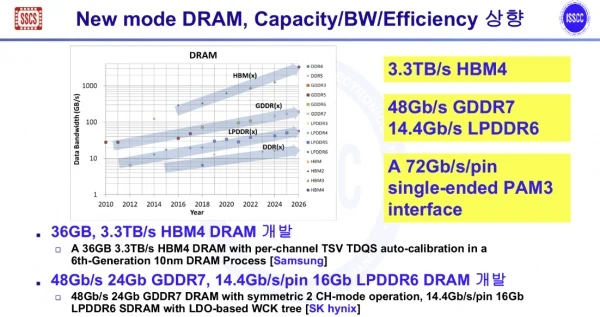
    In addition to the pricing of Samsung’s HBM4 memory, sources in the industry have provided updates on its specifications. Samsung has reportedly revamped the interface and stacking design, achieving a bandwidth of 3.3 TB/s for the 36GB module. The enhancements include “better signal accuracy in high-speed areas by using automatic compensation for the alignment signal (TDQS) of the channel-specific through-silicon via (TSV) path,” which is relevant for processing AI accelerator and LLM-specific data. For comparison, the existing HBM3E modules that Samsung supplies to Nvidia offer a bandwidth of 1.2 TB/s, meaning the HBM4 module will provide over double the bandwidth, albeit at a doubled price.

    Upcoming Innovations

    On top of the new HBM4 specifications, an SK Hynix spokesperson has also reiterated the specs for its LPDDR6 and GDDR7 memory. The LPDDR6 mobile DRAM modules deliver 14.4 Gb/s throughput per pin, featuring innovative low-voltage regulator technology that stabilizes the signal at these enhanced speeds. Conversely, the 24GB GDDR7 graphics memory modules are aimed at high-end gaming and AI inference, boasting speeds of 48 Gb/s per pin—three times the bandwidth of the current SK Hynix GDDR6 modules.

    The next-gen HBM4, LPDDR6, and GDDR7 memory technologies from Samsung and SK Hynix will be unveiled at the International Solid-State Circuits Conference (ISSCC) in San Francisco this February. Samsung is anticipated to start delivering HBM4 modules to Nvidia in the second quarter, on an expedited timeline at double the current price, likely leading to more expensive Nvidia GPUs by 2026.

    Source:
    Link


  • RTX 60 and RDNA 5 Release Date Delayed for Next-Gen GPUs

    RTX 60 and RDNA 5 Release Date Delayed for Next-Gen GPUs

    Key Takeaways

    1. Nvidia and AMD typically release new GPU generations every two years, with the next expected around late 2026 or early 2027.
    2. Reports indicate potential delays for the RTX 60 GPUs, possibly pushing their launch to late 2027 or even 2028.
    3. The RDNA 5 GPUs might be unveiled at Computex 2027, with an initial target of late 2026 or early 2027.
    4. Speculations suggest delays may be due to ongoing memory shortages affecting the supply of GDDR memory.
    5. Both companies need a reliable memory supply for upcoming GPUs, contributing to the rumors of release delays.


    We’ve observed that Nvidia and AMD typically release new generations of GPUs approximately every two years. For example, the RTX 30 “Ampere” and AMD RDNA 2 RX 6000 series debuted in 2020, with the follow-up RTX 40 “Lovelace” and RDNA 3 RX 7000 models arriving in 2022. Based on this trend, one might anticipate the upcoming RTX 60 and RDNA 5 graphics cards to debut sometime in late 2026 or early 2027. Nevertheless, RedGamingTech has reported that the release dates for the RTX 60 and RDNA 5 might be delayed.

    Possible Delays in Launch

    According to RGT, early reports indicated that the RTX 60 GPUs were set to launch in the first or early second quarter of 2027. However, sources suggest that AIBs are doubtful about the RTX 60 cards launching in 2027 at all, expecting instead a release in late 2027 or even 2028. Another informant mentioned to the leaker that the next generation GeForce GPUs might actually arrive during the latter half of 2027, specifically in Q3 or Q4.

    Details about RDNA 5 Launch

    In addition to the RTX 60 timeline, RGT has also noted that the RDNA 5 GPUs could potentially be unveiled at Computex 2027, which typically happens in the latter part of May. Originally, AMD seemed to aim for a launch in late 2026 or early 2027.

    This proposed schedule for the RDNA 5 is intriguing, as it would create about a 6-month gap between the introduction of the first RDNA 5 GPUs and the anticipated launch of the Sony PS6.

    Speculations on Delays

    The reason behind Nvidia potentially shifting the RTX 60 GPU release to late 2027 or early 2028 remains unclear. If we were to speculate, it could be linked to ongoing memory shortages. Reports suggest that the current memory supply issues have already impacted the RTX 50 Super and RX 9070 GRE. Sadly, improvements to the memory supply are not expected until late 2026, according to various sources.

    With both AMD and Nvidia needing to secure a reliable and cost-efficient supply of GDDR memory for the RTX 60 and RDNA 5 graphics boards, it is logical that rumors of a delay are surfacing.

    Source:
    Link


  • Intern Wins RTX 5060, Employer Demands Return, Sparks Backlash

    Intern Wins RTX 5060, Employer Demands Return, Sparks Backlash

    Key Takeaways

    1. An intern won a GeForce RTX 5060 at an Nvidia event during breaks, but his employer wanted it back, claiming it was company property.
    2. The intern participated in a stamp-collecting game without guidance from his employer and won the GPU valued at around 3,000 yuan ($320).
    3. The company viewed the prize as “income from work performance” and threatened the intern about his future if he did not return the graphics card.
    4. The intern ultimately chose to resign and kept the GPU, sparking discussions on Reddit where users criticized the company’s actions.
    5. A proposal to sell the GPU and share profits was made by a coworker, but the intern declined, highlighting workplace tensions over the situation.


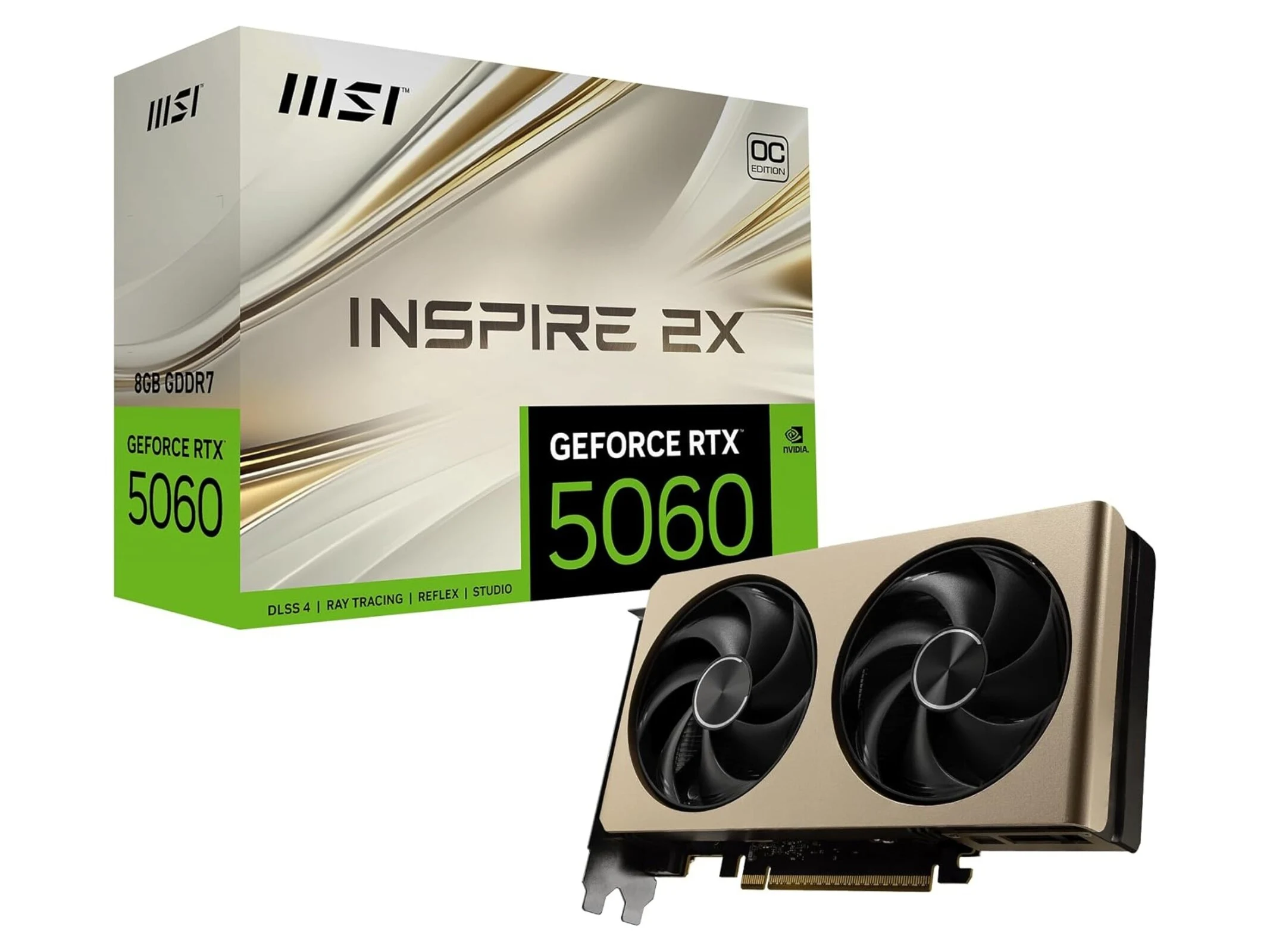
    An unusual argument is stirring up attention in China: an intern snagged a GeForce RTX 5060 at an Nvidia event in Suzhou, but his boss wanted him to give it back. Chinese news outlets reported that this event took place on November 14, where the intern was there representing his employer. The name of the company is not disclosed.

    Prize Won During Breaks

    The intern reportedly won the GPU in a stamp-collecting game set up for attendees. He participated during his breaks and did so without any guidance from his employer. In the end, he emerged victorious, claiming the GeForce RTX 5060, which is valued at 3,000 yuan – a mid-range graphics card currently listed for about $320 on Amazon.

    Company’s Claim and Resignation

    Yet, the thrill of winning was short-lived. The intern’s employer asserted that the graphics card was company property, arguing that attending the event and the travel costs were related to work. They viewed the prize as “income from work performance” instead of a personal bonus. Reports indicate that the intern faced indirect threats about his future at the company if he refused to return the GPU. Eventually, he chose to resign and kept the graphics card.

    Online Reactions

    The situation has now reached Reddit, where it is being talked about in the r/pcmasterrace subreddit. The community clearly supports the intern, criticizing the company for their unprofessional conduct, especially given the relatively low financial value involved: 3,000 yuan, or approximately $415. A notable comment brought up another angle.

    Reddit user u/MagicZhang mentioned that a coworker first proposed selling the GPU and sharing the profits. After the intern said no, the issue was reportedly taken to the finance department of the company. Although the precise details are still unclear, the whole situation leaves a sour taste: it seems a graphics card held more importance to the company than to one of its own workers – even if he was merely an intern.


    Source:
    Link


  • Whistleblower Lawsuit: Figure AI Robots Can Fracture Skulls

    Whistleblower Lawsuit: Figure AI Robots Can Fracture Skulls

    Key Takeaways

    1. Robert Gruendel, former product safety chief at Figure AI, claims wrongful termination after raising safety concerns about the company’s robots.
    2. Gruendel alleges that his safety warnings were dismissed by leadership, and he was let go shortly after filing formal complaints.
    3. He accuses Figure AI of fraudulent misrepresentation concerning a safety roadmap for investors, which was altered after funding was secured.
    4. Figure AI is valued at $39 billion, with major investors including Jeff Bezos, Nvidia, and Microsoft, while Gruendel seeks damages and a jury trial.
    5. The lawsuit occurs as Figure AI plans to deploy 200,000 robots by 2029, aiming for over $9 billion in revenue amid a rapidly growing robotics market.


    Figure AI, a robotics company that has backing from Nvidia, is facing a lawsuit from its former product safety chief, Robert Gruendel. Gruendel is claiming wrongful termination after he voiced concerns regarding the safety of the company’s robots, stating these machines are powerful enough to break human skulls.

    Safety Warnings Ignored

    Gruendel is said to have alerted CEO Brett Adcock and Chief Engineer Kyle Edelberg about the deadly nature of the robots, mentioning an incident where a robot made a ¼-inch cut in a steel refrigerator door. His worries were reportedly brushed off as mere “obstacles” rather than legitimate safety concerns. He was let go in September, just days after he filed formal safety complaints. His legal representatives refer to him as a whistleblower.

    Allegations of Fraud

    Gruendel asserts that he was requested to create a safety roadmap for potential investors, but he claims that this safety plan was “gutted” during the same month that funding was secured. He suggests this could be seen as fraudulent misrepresentation. Recently, the company has been valued at $39 billion, which is an astonishing 15-fold increase from early 2024. Significant investors in Figure AI include Jeff Bezos, Nvidia, and Microsoft.

    Gruendel is pursuing economic, compensatory, and punitive damages and is asking for a jury trial. A spokesperson for Figure AI, however, claims that Gruendel was terminated due to “poor performance” and asserts that the company will “thoroughly discredit” the allegations in a court of law. The attorney indicated that this case might be one of the first whistleblower cases concerning the safety of humanoid robots.

    Ambitious Future Plans

    This lawsuit emerges as the company aims to deploy 200,000 robots by 2029, with expectations to generate over $9 billion in revenue. Morgan Stanley forecasts significant market growth extending into the 2030s, with the market potentially hitting $5 trillion by 2050.

    Source:
    Link


  • AMD and Nvidia May Cut Budget GPUs Due to Rising Memory Costs

    Key Takeaways

    1. Rising Memory Prices: Demand from AI companies is driving up the prices of DDR4 and DDR5 memory, affecting the cost of gaming GPUs.

    2. Potential GPU Production Cuts: AMD and Nvidia may halt production of budget-friendly GPUs if GDDR VRAM costs remain high, impacting models like RX 9060 XT and RTX 5060.

    3. Price Increases Expected: AMD plans to raise prices on RX 9000 GPUs, with Nvidia likely to follow for the RTX 50 series, making entry-level GPUs less affordable.

    4. OEMs Reducing Offerings: Manufacturers may limit memory configurations and product lines to manage increased costs, leading to fewer affordable gaming GPU options.

    5. Market Timing: Current GPU prices may present a good buying opportunity as significant value loss is anticipated in the gaming GPU market.


    Rather than providing, the “gift” of AI continues to take from gamers. A recent example of this is the relentless rise in memory prices. As we have reported before, strong demand from AI companies and datacenters has caused consumer DDR4 and DDR5 memory prices to double or even more from their lowest points. This inflation was also anticipated to affect gaming GPUs, such as the new RX 9000 and the RTX 50 series. However, the situation seems to be worse than we thought.

    Potential GPU Production Cuts

    According to The Korea Economic Daily (via Jukan on X), both AMD and Nvidia might stop making mid-to-low-end gaming GPUs if the cost of GDDR VRAM accounts for a significant part of the Bill of Materials (BOM). In simpler terms, budget-friendly GPUs like the RX 9060 XT, the RTX 5060, and the RTX 5060 Ti could be cut from production if AMD and Nvidia can’t get VRAM for these models at acceptable prices.

    Rising Costs and Market Impact

    This situation makes sense when we look at today’s memory market. Just yesterday, a report surfaced on the Chinese Board Channels stating that AMD may raise the prices of all RX 9000 GPUs due to escalating memory costs. Naturally, Nvidia is likely to follow suit soon and raise the prices for the RTX 50 series as well.

    One could argue that a consumer looking for a mid-range or high-end gaming GPU, which costs more than $500 or $600, can handle the extra VRAM price. However, for entry-level gaming GPUs, even small price changes can be a big deal for consumers. Thus, a 10 or 20% increase in the price of a $300 GPU like the RX 9060 XT would hit harder for budget-conscious gamers than it would for someone looking for $700+ GPUs like the RTX 5070 Ti (Available on Amazon).

    OEMs Facing Challenges

    The Korea Economic Daily also mentions that OEMs, such as Asus, are thinking about “reducing memory configurations.” This suggests that AIBs might narrow their offerings to include only those gaming GPUs where the increased VRAM pricing is more manageable. Moving forward, it could be quite challenging to find affordable gaming GPUs at reasonable prices, a situation reminiscent of what we experienced during the COVID era.

    In conclusion, it looks like gaming GPUs are going to lose value significantly. So, if you’re in the market for one, now might be the right time to buy. Fortunately, you can still find some good deals on gaming GPUs. For example, as of now, the ASRock Challenger Radeon RX 9070 is listed at $540 on Newegg, while a PNY NVIDIA GeForce RTX 5070 OC is priced at just $489 at Walmart.


    Source:
    Link