Tag: NVIDIA

  • Nvidia Explains DLSS 5: 2D Screencaps and Motion Vectors Only

    Nvidia Explains DLSS 5: 2D Screencaps and Motion Vectors Only

    Key Takeaways

    1. Nvidia announced DLSS 5, prompting a strong public reaction and demand for more details.
    2. Youtuber Daniel Owen reached out to Nvidia’s Jacob Freeman for clarification on DLSS 5.
    3. Nvidia responded via email, which some fans felt was less effective than a live discussion.
    4. The exchange emphasizes the need for clear communication from tech companies about new technologies.
    5. Transparency is crucial in the tech community to avoid confusion among enthusiasts.


    Right after the public’s strong reaction to the announcement of DLSS 5, Nvidia shared more details about the technology behind it. However, many of the comments were still vague and open for different interpretations. Youtuber Daniel Owen reached out to Nvidia’s Jacob Freeman to get a clearer understanding of the carefully worded statements in the official announcement and to explain what DLSS 5 truly does. Instead of having a live discussion, Nvidia opted to respond through email.

    Nvidia’s Response

    Daniel Owen, who is known for his tech reviews and insights, took the initiative to seek clarification directly from Nvidia. His goal was to break down the complex language used in their announcements. The response from Nvidia came by email, which left some fans feeling that a more direct conversation would have been better.

    Clarification Needed

    The exchange highlights a growing need for clear communication from tech companies. Many enthusiasts are eager to understand new technologies like DLSS 5, but vague language can lead to confusion. Owen’s effort to get a better understanding serves as a reminder that transparency is key in the tech community.

    Source:
    Link


  • Alex Battaglia Critiques DLSS 5 for Distorting Art and Ethics

    Alex Battaglia Critiques DLSS 5 for Distorting Art and Ethics

    Key Takeaways

    1. Digital Foundry faced backlash after their positive review of DLSS 5, leading them to acknowledge flaws in their initial impressions.
    2. Alex Battaglia criticized DLSS 5 for compromising artistic vision, particularly in character portrayals like Grace from Resident Evil Requiem.
    3. DLSS 5 is limited by its reliance on 2D data, resulting in an “AI slop” appearance instead of utilizing 3D face scans for better accuracy.
    4. The significant visual changes introduced by DLSS 5 raise ethical concerns, with some developers reportedly unaware of the visual effects being used.
    5. Nvidia has largely dismissed the criticisms surrounding DLSS 5, with Jensen Huang stating that gamers are mistaken in their concerns.


    The strong reaction after the announcement of DLSS 5 was directed not only at Nvidia but also at Digital Foundry. This was because Digital Foundry had given a very favorable review of DLSS 5. To help ease the tension and reassure their audience, DF admitted that their first impressions of DLSS 5 had flaws while addressing users’ inquiries about it. Although the whole video is worth viewing (linked below), a part where Alex Battaglia shares his thoughts on DLSS 5 is particularly compelling.

    Alex Battaglia’s Insights

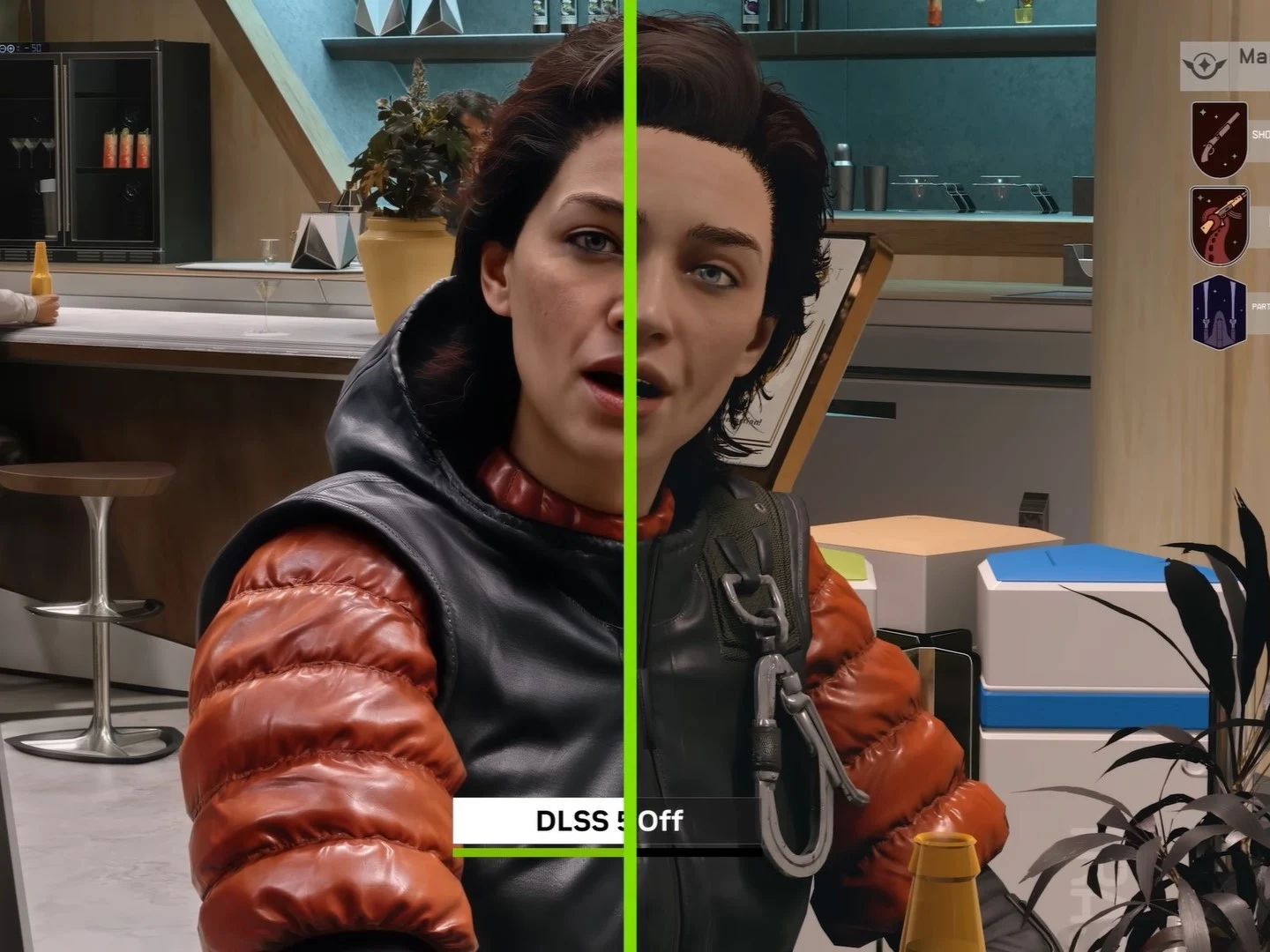
    Alex Battaglia, who is recognized for his thorough analysis of PC game graphics, believes that DLSS 5 tends to “trample on artistic vision in a very hardcore way.” He points out that the portrayal of Grace from Resident Evil Requiem looks like a completely different character due to the altered facial features.

    Technical Limitations

    On the topic of DLSS 5’s technical issues, Alex mentions that it seems to rely solely on 2D data, such as motion vectors, rather than any specialized information like 3D face scans of the game characters. As a result, DLSS 5 is seemingly averaging the outcomes based on its training data, leading to what many have termed the “AI slop” appearance that we’ve all become frustrated with over the last year.

    Ethical Concerns

    Beyond the technical problems, the drastic changes in characters and settings brought by DLSS 5 raises ethical questions, according to Alex. Nvidia asserts that they have received approval from studios for their DLSS 5 demonstrations. However, reports from Insider Gaming indicate that developers at Ubisoft and Capcom were unaware of the actual visual effects, which only heightens Alex’s concerns regarding ethics.

    Sadly, Nvidia has mostly dismissed these worries. Jensen Huang has already stated that gamers are incorrect about their legitimate criticisms of DLSS 5. So while we wish that Nvidia would consider the points raised by Alex Battaglia, only time will show if Team Green is genuinely addressing the issues enough to make necessary changes to DLSS 5.

    Source:
    Link


  • Nvidia CEO Jensen Huang Challenges Gamers on DLSS 5 Misconceptions

    Nvidia CEO Jensen Huang Challenges Gamers on DLSS 5 Misconceptions

    Key Takeaways

    1. Gamers criticized Nvidia’s DLSS 5 for altering artistic styles, leading to a “yassified” and generic look in games.
    2. Jensen Huang, Nvidia’s CEO, stated that gamers’ concerns about DLSS 5 are “completely wrong” and emphasized the technology’s capabilities.
    3. DLSS 5 combines traditional rendering with generative AI, allowing developers to retain artistic control over their games.
    4. Huang clarified that DLSS 5 operates at the geometry level, not just applying a filter, making it different from traditional generative AI.
    5. The impact of DLSS 5 on game performance and visuals is still uncertain, with its introduction expected in fall 2026.


    Nvidia’s CEO, Jensen Huang, has responded to criticism from gamers regarding the company’s new DLSS 5 technology. Many players have expressed concerns that it changes artistic styles into a generic “yassified” appearance, causing characters in games like Resident Evil Requiem, Starfield, and Hogwarts Legacy to have “uncanny valley” faces. Huang firmly stated that gamers are “completely wrong” about DLSS 5.

    Gamers’ Concerns

    Just after Nvidia revealed DLSS 5 during its GTC 2026 event, players voiced their dissatisfaction. They argued that instead of enhancing visuals and eliminating artifacts, the technology alters the original artistic vision of games, giving them a shiny, photorealistic look. Many users felt that DLSS 5 made everything appear too similar.

    The reaction was particularly strong when players noticed changes in characters like Leon Kennedy and Grace Ashcroft from Resident Evil Requiem. These characters looked notably different and more idealized compared to their original designs, with some likening the changes to trendy Instagram beauty filters or “AI slop.”

    Addressing the Backlash

    During a press Q&A session with Tom’s Hardware at GTC 2026, Huang addressed the negative feedback directly when asked about it by the publication’s editor-in-chief. He expressed that gamers’ concerns were misplaced, stating, “Well, first of all, they’re completely wrong.”

    Huang elaborated on the philosophy behind DLSS 5, explaining that the technology merges control over geometry and textures with generative AI. He emphasized that DLSS 5 doesn’t just apply a filter to the frames. Instead, it works at a detailed geometry level, integrating traditional rendering with AI to enhance lighting, textures, and details while allowing developers to maintain artistic control.

    A New Approach

    Huang clarified, “It’s not post-processing; it’s not post-processing at the frame level. It’s generative control at the geometry level. All of that is directly under the game developer’s control. This is very different from traditional generative AI; it’s content-controlled generative AI. That’s why we call it neural rendering.”

    Gamers are concerned that Nvidia’s DLSS 5 may negatively impact titles like Hogwarts Legacy and Resident Evil Requiem, as all these games are expected to receive updates for DLSS 5.

    Nvidia claims that DLSS 5 is its most significant milestone since ray tracing, with promises of hyper-realistic graphics without sacrificing performance. However, the actual effects on performance and visuals are yet to be determined. DLSS 5 is expected to be gradually introduced in fall 2026.

    In the end, the reaction to DLSS 5 may either fade away or intensify, depending on how developers adapt and incorporate it into their games. Gamers continue to express their concerns about what they see as a growing trend of “AI slop,” even as Nvidia’s GPUs remain scarce, driving up prices for high-end options.

    Source:
    Link


  • Nvidia DLSS 5 Launching This Year with Neural Rendering Features

    Nvidia DLSS 5 Launching This Year with Neural Rendering Features

    Key Takeaways

    1. Nvidia has introduced DLSS 5.0 during GTC 2026, breaking the trend of launching upgrades with new graphics cards.
    2. DLSS 5.0 uses a real-time neural rendering model powered by AI to improve game visuals, focusing on color and motion vectors.
    3. The visual results of DLSS 5.0 vary across different games, with some experiencing significant enhancements while others, like Unreal Engine 5 titles, are completely overhauled.
    4. The technology showcased at GTC 2026 was demonstrated using a pair of RTX 5090 GPUs to avoid VRAM limitations during high-performance gaming.
    5. DLSS 5 is expected to launch for RTX 50 series devices in the fall, but there is no confirmation about support for older graphic cards.


    Historically, significant upgrades to DLSS versions have lined up with the launch of new graphics cards. However, with the future of the RTX 60 series uncertain due to current market conditions, Nvidia has chosen to change this trend. During GTC 2026, the company unveiled DLSS 5.0, showcasing it alongside popular games like Resident Evil Requiem, Hogwarts Legacy, Starfield, and Assassin’s Creed Shadows.

    New Tech in DLSS 5

    Unlike earlier versions of DLSS that utilized transformer/CNN models, DLSS 5 employs what Nvidia refers to as a real-time neural rendering model. This innovative approach leverages AI to enhance the game’s color and motion vectors, making them appear more lifelike.

    Mixed Results and Future Prospects

    As shown in the images above, the outcomes vary greatly. Some games become visually stunning, while titles built on Unreal Engine 5, like The Elder Scrolls 4 Oblivion: Remastered, experience a complete overhaul. Nonetheless, it’s premature to reach any firm conclusions since DLSS 5 is probably still in development, and Nvidia could be fine-tuning it ahead of a broader release.

    According to Digital Foundry, Nvidia utilized a pair of RTX 5090 GPUs working together for the DLSS 5 demonstration. This setup was likely essential to ensure the games ran at their highest potential without running into VRAM limitations. DLSS 5 is set to launch for RTX 50 series devices this fall, but there has been no announcement regarding its support for older graphics cards.

    Source:
    Link


  • Meta Unveils Four New AI Chips by 2027 to Disrupt Silicon Cycle

    Meta Unveils Four New AI Chips by 2027 to Disrupt Silicon Cycle

    Key Takeaways

    1. Meta is launching four new generations of its MTIA hardware in the next two years, with the MTIA 300 already in production for ranking and recommendations tasks.
    2. Future models (MTIA 400, 450, and 500) will primarily focus on generative AI inference while managing all workloads.
    3. Meta aims to reduce reliance on external suppliers by developing its own AI chips, transitioning from being a buyer to an architect of its technology stack.
    4. The company plans to implement shorter release cycles, unveiling new MTIA generations every six months or less to adapt quickly to evolving AI techniques.
    5. The modular design of the MTIA chips allows for easy integration with existing systems, facilitating faster deployment and cost management for AI infrastructure.


    Meta has laid out a bold new plan for its own AI chips, announcing that it will create and launch four new generations of Meta Training and Inference Accelerator (MTIA) hardware over the next two years.

    New MTIA Lineup

    The company explained in a post that the upcoming MTIA series will be used for ranking, recommendations, and generative AI tasks, with custom silicon becoming a key part of its overall AI infrastructure approach.

    The most immediate news is that the MTIA 300 is already being produced. Meta mentioned that this chip will support training for ranking and recommendations, which expands the role of MTIA beyond just inference acceleration.

    Future Generations

    Meta also indicated that the MTIA 400, 450, and 500 will manage all workloads, although the company plans to mainly use these later models for generative AI inference in the near future and through to 2027.

    This gives Meta a much quicker chip release schedule compared to what’s common in the AI industry. The company noted that the four-chip strategy will be implemented over two years, which it considers a faster pace than traditional chip development cycles.

    Shift in Strategy

    Originally introduced in 2023, MTIA was a series of custom-built chips aimed at AI tasks, but Meta’s latest announcement shows that this initiative is now a central focus. The company stated it is currently using hundreds of thousands of MTIA chips for inference tasks across organic content and advertisements in its apps, claiming these chips are more efficient and cost-effective than generic silicon for its purposes.

    The key takeaway is clear: Meta is aiming for increased control over the hardware that powers its AI systems. Rather than depending solely on external suppliers, the company is working to create more of its own technology stack for the workloads that are vital to its platforms.

    Response to External Suppliers

    Even though Meta recently entered into a multi-billion-dollar agreement for Nvidia’s latest GPUs, this new roadmap signals that the company is fed up with waiting on outside supply chains. By shifting its substantial inference workloads—which make up a large chunk of its AI expenses—onto custom MTIA hardware, Meta is directly contesting the dominance of third-party suppliers. This marks a transition from being merely a “buyer” to becoming an “architect,” enabling the company to control its own infrastructure margins for the first time.

    Meta highlighted that its chip strategy emphasizes quick iterations, an inference-first design, and easier integration with standard software and hardware systems. This means that MTIA 450 and 500 are being primarily optimized for generative AI inference while still being able to support other tasks as needed, including training and inference for ranking and recommendations, as well as generative AI training.

    Importance of Inference

    This focus is logical for a company that runs services at the scale of Meta. Inference can become particularly costly for large AI products, and Meta is obviously developing these later generations to better cater to that demand.

    Meta also pointed out that its MTIA roadmap is built around shorter release cycles. While the industry typically launches a new AI chip every one to two years, Meta claims it can now unveil new MTIA generations every six months or less by utilizing modular designs. The company believes this will allow it to adapt swiftly to evolving AI techniques and decrease the costs associated with creating and deploying new hardware.

    Practical Advantages

    Another benefit is the compatibility with existing systems. Meta said that the modularity of its silicon allows the new chips to easily integrate into current rack system infrastructure, which should facilitate quicker deployment.

    AI infrastructure is rapidly becoming a crucial battlefield in the tech world, and Meta’s announcement underscores its serious commitment to chip design in this competitive landscape. The goal of releasing four new MTIA generations in two years is an ambitious plan, but the more significant message is that Meta no longer regards custom silicon as an experimental project. Now, MTIA is being framed as a fundamental component of how Facebook, Instagram, and its other platforms will handle ranking, recommendations, and generative AI workloads in the future.

    Source:
    Link



  • Affordable Nvidia Gaming GPU Launch: Great Performance Ahead

    Affordable Nvidia Gaming GPU Launch: Great Performance Ahead

    Key Takeaways

    1. Nvidia is updating the RTX 5050 to include 9 GB of VRAM using 3 GB GDDR7 modules.
    2. The new RTX 5050 is expected to utilize the GB206 Blackwell GPU with 2,560 CUDA cores and a 130 W TDP.
    3. The memory bus for the RTX 5050 will likely be 96 bits wide, potentially offering improved memory bandwidth over the existing model.
    4. The increase to 9 GB of VRAM is significant for modern AAA games, improving performance and texture quality at 1080p.
    5. The pricing strategy for the RTX 5050 9 GB will be crucial, ideally positioned between the current RTX 5050 and the RTX 5060.


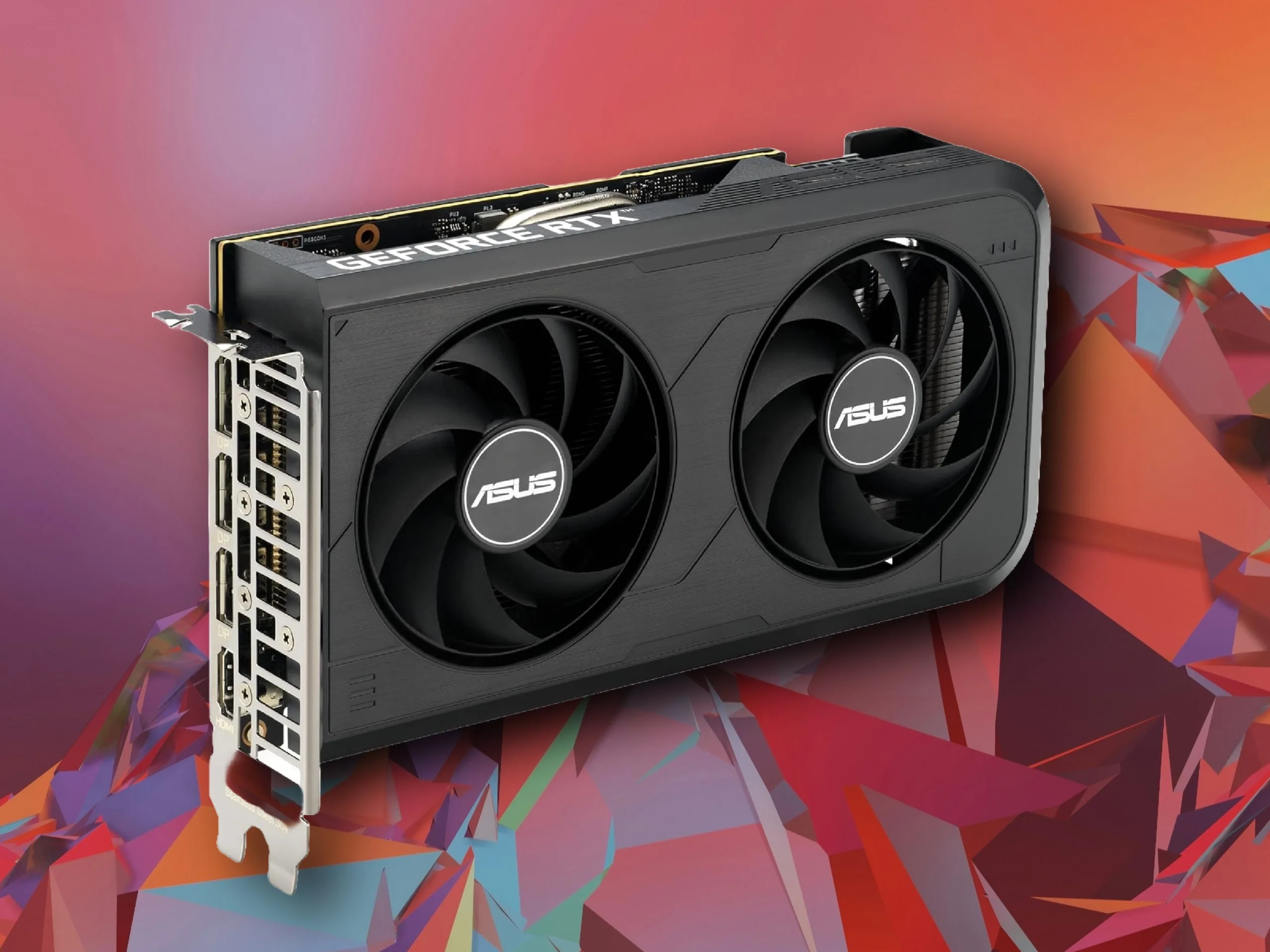
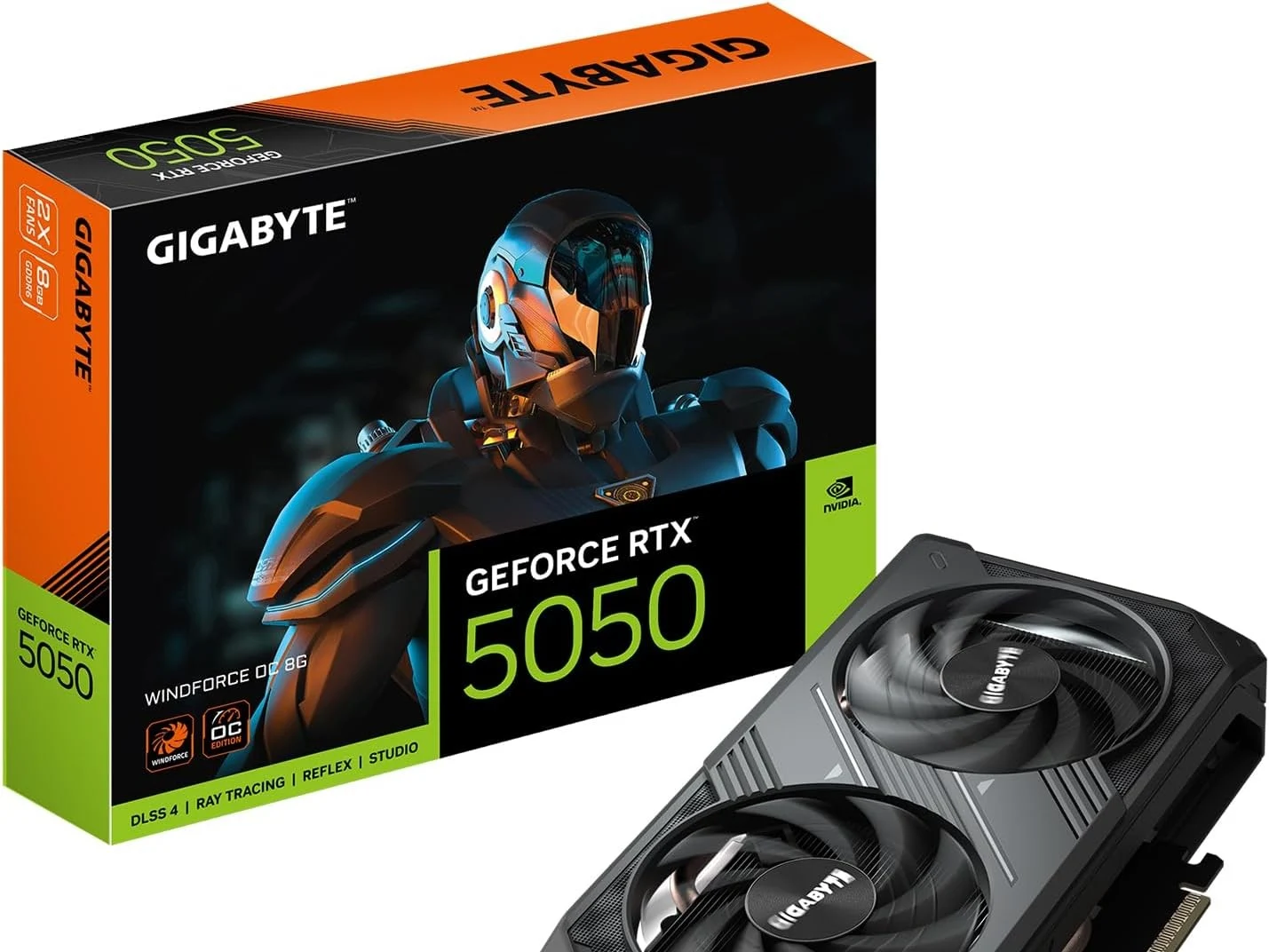
    It has recently emerged that Nvidia is planning to update the RTX 5050 with a new version that includes increased VRAM. The updated RTX 5050 desktop GPU is said to have 9 GB of VRAM, made possible by 3 GB GDDR7 modules. Full specifications of this card have been shared by Kopite7kimi on X, indicating that it could be a solid choice for certain gamers.

    Specifications Overview

    The RTX 5050 9 GB is expected to utilize the GB206 Blackwell GPU, which will have 2,560 CUDA cores and a 130 W TDP. The new desktop card is also likely to feature a memory bus that is 96 bits wide. We are unable to determine the final speed of the GDDR7 modules for this new RTX 5050 at this time, so we can’t figure out the total memory bandwidth. However, due to the high-speed GDDR7, it’s probable that the memory bandwidth for the RTX 5050 will exceed the 320 GB/s offered by the current RTX 5050 with 8 GB of GDDR6 VRAM.

    Expected Gaming Performance

    Given that the RTX 5050 9 GB maintains the same number of CUDA cores and 130 W TDP as the RTX 5050 8 GB, with a potential slight improvement in bus width, we anticipate that the gaming performance of the card will remain consistent. Still, we expect to observe a notable enhancement in gaming smoothness and texture quality, especially in VRAM-intensive games.

    It’s become increasingly evident that today’s AAA titles often require more than 8 GB of VRAM to function smoothly at 1080p with higher graphics settings. While the increase of just 1 GB in VRAM might not seem significant, it can be the key factor that differentiates between a game experiencing lag and one that runs fluidly.

    Real-World Gaming Examples

    Hardware Unboxed has shown through extensive testing that 8 GB of VRAM isn’t sufficient for modern AAA gaming. For example, Ratchet and Clank: Rift Apart needs at least 9 GB of VRAM for a smooth experience at 1080p/high settings. The same applies for Avatar Frontiers of Pandora, which also requires more than 8 GB at 1080p/high settings.

    With 9 GB of VRAM, the RTX 5050 will be able to handle these games without compromising on texture quality and will avoid performance hitches. In contrast, the RTX 5050 8 GB is more likely to face such performance issues.

    Therefore, the RTX 5050 9 GB could turn out to be a decent option, depending on its final price. If Nvidia sets the price reasonably above that of the RTX 5050 but below the RTX 5060, it could be a smart move.

    Source:
    Link


  • Nvidia Launches 15 New Games for GeForce NOW This Month

    Nvidia Launches 15 New Games for GeForce NOW This Month

    Key Takeaways

    1. Nvidia is expanding the GeForce NOW library each month for gamers.
    2. March 2026 will see the addition of 15 new games to the service.
    3. The standout title for March is Crimson Desert, an anticipated open-world action-adventure game.
    4. Crimson Desert features exploration, quests, and interactions with characters in a vast environment.
    5. New titles will be introduced gradually throughout March, keeping content fresh for players.


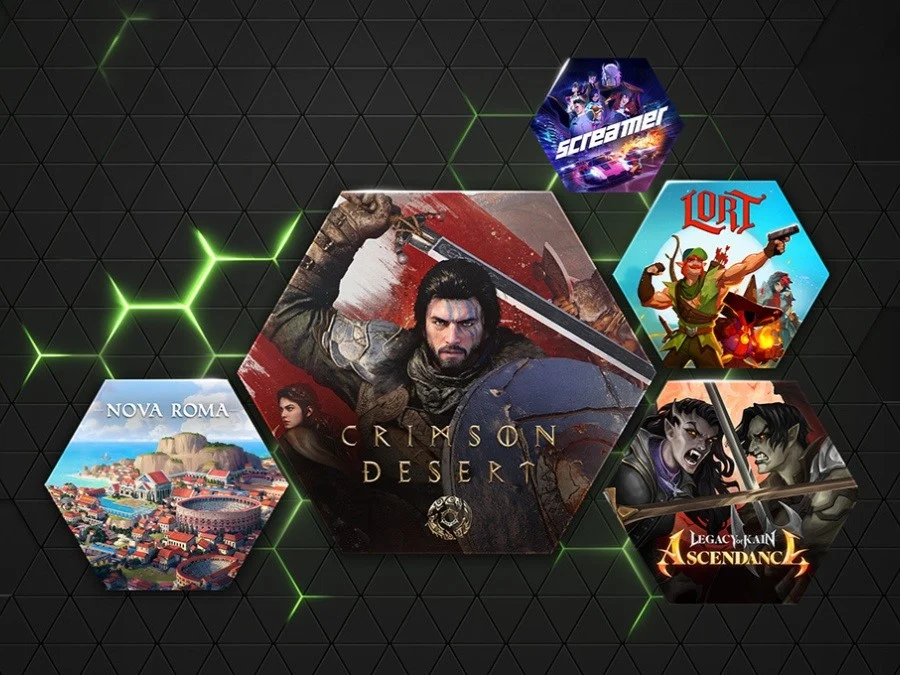
    Nvidia is continuously growing the GeForce NOW library each month, giving gamers the opportunity to stream a broader selection of titles from their current collections without the need for top-tier equipment. For March 2026, the company has declared that 15 new games will be incorporated into the service. This selection features a combination of popular games and a few anticipated arrivals.

    Major Highlight: Crimson Desert

    The standout title in this month’s offering is Crimson Desert, which is among the most awaited games of the year. This game presents an open-world action-adventure experience set in the continent of Pywel. It allows players to traverse a vast environment brimming with deserts, mountains, and more. The focus of the game is on exploration, enabling players to embark on quests, engage with various characters, and participate in numerous activities across the area.

    Complete Game List for March

    With that in mind, here’s the full roster of GeForce NOW games set to debut in March 2026. A few of these titles are already accessible on the platform, while others will be introduced gradually during the month.

    Nvidia has consistently expanded its offerings, ensuring that players always have fresh content to enjoy.

    Source:
    Link


  • GeForce RTX 5050 Expected to Receive Minor VRAM Upgrade

    GeForce RTX 5050 Expected to Receive Minor VRAM Upgrade

    Key Takeaways

    1. The RTX 50 Super series is delayed until 2026, prompting Nvidia to innovate with the Blackwell series.
    2. The laptop version of the RTX 5070 may get a VRAM boost, and the desktop RTX 5050 might also be upgraded.
    3. The RTX 5050 will feature 9 GB of VRAM on a 96-bit bus, an increase from the previous 8 GB GDDR6.
    4. Potential performance improvements could arise from faster GDDR7 modules, increasing bandwidth from 320 GB/s to 388 GB/s.
    5. Other specifications for the RTX 5050, such as GPU and clock speeds, remain unclear and may be similar to the RTX 5050 8 GB.


    With the RTX 50 Super series now delayed until 2026, Nvidia needs to get inventive to keep the Blackwell series relevant in gaming. The laptop version of the RTX 5070 may receive a VRAM boost, and according to a recent leak from the reliable source @Zed__Wang, the RTX 5050 desktop might also see a similar upgrade. Supposedly, the entry-level GPU will be redesigned to include 3 GB GDDR7 modules.

    RTX 5050 9 GB Features

    Thus, the RTX 5050 9 GB will feature 9 GB of VRAM on a 96-bit bus. While this is technically an improvement from the previous 8 GB of GDDR6, which runs on a 128-bit bus, the overall memory bandwidth should remain similar. Depending on the GDDR7 modules utilized (either 28 Gbps or 32 Gbps), we could witness a slight enhancement in performance, bumping from 320 GB/s with GDDR6 to 388 GB/s with the faster GDDR7 modules.

    Specs Still Unclear

    At this moment, other specifications for the RTX 5050 9 GB, including its GPU, TGP, and base/boost clocks, are still unknown. It’s likely that these will be nearly the same or identical to those of the RTX 5050 8 GB. In the grand scheme, it appears Nvidia is eager to utilize its 3 GB GDDR7 modules, although it’s hard to understand why they would allocate them to an RTX 5050 when a VRAM boost would have been much more useful for the RTX 5060 lineup.

    @Zed__Wang on X

    Source:
    Link


  • Nvidia CEO Jensen Huang: No Further Investment in OpenAI, Anthropic

    Nvidia CEO Jensen Huang: No Further Investment in OpenAI, Anthropic

    Key Takeaways

    1. Nvidia CEO Jensen Huang indicates a potential slowdown in aggressive investment strategies, particularly with upcoming IPOs for OpenAI and Anthropic.
    2. Nvidia has hesitated to invest large amounts into single partners, focusing instead on a more cautious approach, exemplified by its commitment of $30 billion to OpenAI.
    3. Anthropic faces controversy and scrutiny related to its AI products and their implications for government use, affecting its market position.
    4. Nvidia reported a 73% revenue increase and significant earnings growth, contributing to a large cash reserve amid a cautious investment environment.
    5. Nvidia’s actions impact the valuations of its partner companies, reinforcing its status as a key player in the AI market and influencing investor confidence.


    NVIDIA Corp (NASDAQ: NVDA) could be slowing down its investment efforts, which have caught the attention of many who view it as the ‘Central Bank of AI.’ This role involves providing funds, investing in, and selling to its customers.

    CEO’s Comments at Conference

    During a recent Technology, Media, and Telecom conference hosted by Morgan Stanley, Jensen Huang, the CEO of Nvidia, hinted that the company might not continue its aggressive investment strategy. This is notable as both OpenAI and Anthropic are preparing to go public this year, with OpenAI reportedly aiming for a staggering $1 Trillion IPO.

    Investment Strategy Changes

    It’s worth noting that Nvidia has made investments in several AI partners and industries, including CoreWeave Inc, which is now public and trades under NASDAQ: CRWV, as well as Lumentum Holdings Inc (NASDAQ: LITE) and Coherent Corp. (NYSE: COHR). However, Nvidia has recently shown hesitance to pour large sums into a single partner.

    This is especially true regarding OpenAI, where Nvidia’s CEO seemed to retract what many believed was a $100 billion investment before finally committing $30 billion to what he calls a “consequential company.”

    Anthropic’s Controversial Position

    Anthropic, which has faced both criticism and acclaim, recently topped Apple’s storefront after a high-profile clash with the U.S. Department of Defense over issues related to fully automated weapons and mass surveillance.

    Though both OpenAI and Anthropic have eased restrictions on their products, with OpenAI even taking ‘safely’ out of its mission statement, Anthropic appears more cautious about certain boundaries, even when facing potential sanctions on the future use of its Claude AI in government settings.

    This situation has made Anthropic a popular topic to support, even as the Pentagon’s request for Claude to be accessible for “all lawful purposes” remains unfulfilled.

    Nvidia’s Financial Performance

    Nvidia reported impressive earnings, boasting a remarkable 73% revenue increase and nearly doubling its earnings per share compared to the previous year. This has led to a significant cash reserve, even as the company approaches investments more carefully in what many believe is an overvalued AI market right now.

    Still, as retail and institutional investors closely monitor Nvidia’s actions—which often lead to major changes in the valuations of the companies it backs—it plays a crucial role in instilling confidence in other operations. This often encourages these companies to cater to Nvidia, recognized as the world’s largest company by market cap.

    Reuters’

    Source:
    Link


  • Fedora-Based Origami Linux 2026.03 Released with Kernel 6.19.3

    Fedora-Based Origami Linux 2026.03 Released with Kernel 6.19.3

    Key Takeaways

    1. Origami Linux 2026.03 has two versions: standard and Nvidia-specific, featuring CachyOS kernel (6.19.3) and COSMIC desktop (1.0.8).
    2. Distrobox integration allows for isolated development environments, keeping the host system clean.
    3. Rust-based tools replace traditional commands: eza (ls), bat (cat), and ripgrep (grep).
    4. Comes with various development tools pre-installed, including Helix, LazyGit, and Micro.
    5. Only supports 64-bit processors, aiming to provide a user-friendly and optimized Linux desktop experience.


    After a period of beta testing, Origami Linux is now officially released. The new version, called 2026.03, comes in two varieties: a standard version and one specifically designed for Nvidia hardware. Both versions feature the CachyOS kernel by default (6.19.3), along with the COSMIC desktop (1.0.8) and a Fedora Atomic foundation.

    Key Features

    Besides the components mentioned earlier, it’s also worth noting that Origami Linux has Distrobox integration. This feature allows for isolated development environments, which helps keep the host system clean while managing multiple project containers. Moreover, this distribution substitutes old tools with Rust-based alternatives: eza replaces ls, bat is used instead of cat, and ripgrep takes the place of grep. Origami Linux also ships with a variety of new development tools right out of the box: Helix, LazyGit, Micro, Yazi, Hyperline, Procs, Zellij, and du-dust.

    Additional Offerings

    The feature set further includes Fastfetch for system information, Starship prompt, customizable color themes, and terminal art tools. It also integrates the Zen Browser and Cloudflare Warp, includes the Surge downloader, offers cava for audio visualization, and utilizes Rust-based replacements for sudo, as well as system monitoring tools and coreutils.

    As is common with many Linux distributions currently available, Origami only supports 64-bit processors. This new phase in the project’s development aims to provide “a consistently updated, unbreakable, and hyper-optimized Linux desktop” for all users, including those who are new to Linux.

    Source:
    Link