
Key Takeaways
1. Gamers criticized Nvidia’s DLSS 5 for altering artistic styles, leading to a “yassified” and generic look in games.
2. Jensen Huang, Nvidia’s CEO, stated that gamers’ concerns about DLSS 5 are “completely wrong” and emphasized the technology’s capabilities.
3. DLSS 5 combines traditional rendering with generative AI, allowing developers to retain artistic control over their games.
4. Huang clarified that DLSS 5 operates at the geometry level, not just applying a filter, making it different from traditional generative AI.
5. The impact of DLSS 5 on game performance and visuals is still uncertain, with its introduction expected in fall 2026.
Nvidia’s CEO, Jensen Huang, has responded to criticism from gamers regarding the company’s new DLSS 5 technology. Many players have expressed concerns that it changes artistic styles into a generic “yassified” appearance, causing characters in games like Resident Evil Requiem, Starfield, and Hogwarts Legacy to have “uncanny valley” faces. Huang firmly stated that gamers are “completely wrong” about DLSS 5.
Gamers’ Concerns
Just after Nvidia revealed DLSS 5 during its GTC 2026 event, players voiced their dissatisfaction. They argued that instead of enhancing visuals and eliminating artifacts, the technology alters the original artistic vision of games, giving them a shiny, photorealistic look. Many users felt that DLSS 5 made everything appear too similar.
The reaction was particularly strong when players noticed changes in characters like Leon Kennedy and Grace Ashcroft from Resident Evil Requiem. These characters looked notably different and more idealized compared to their original designs, with some likening the changes to trendy Instagram beauty filters or “AI slop.”
Addressing the Backlash
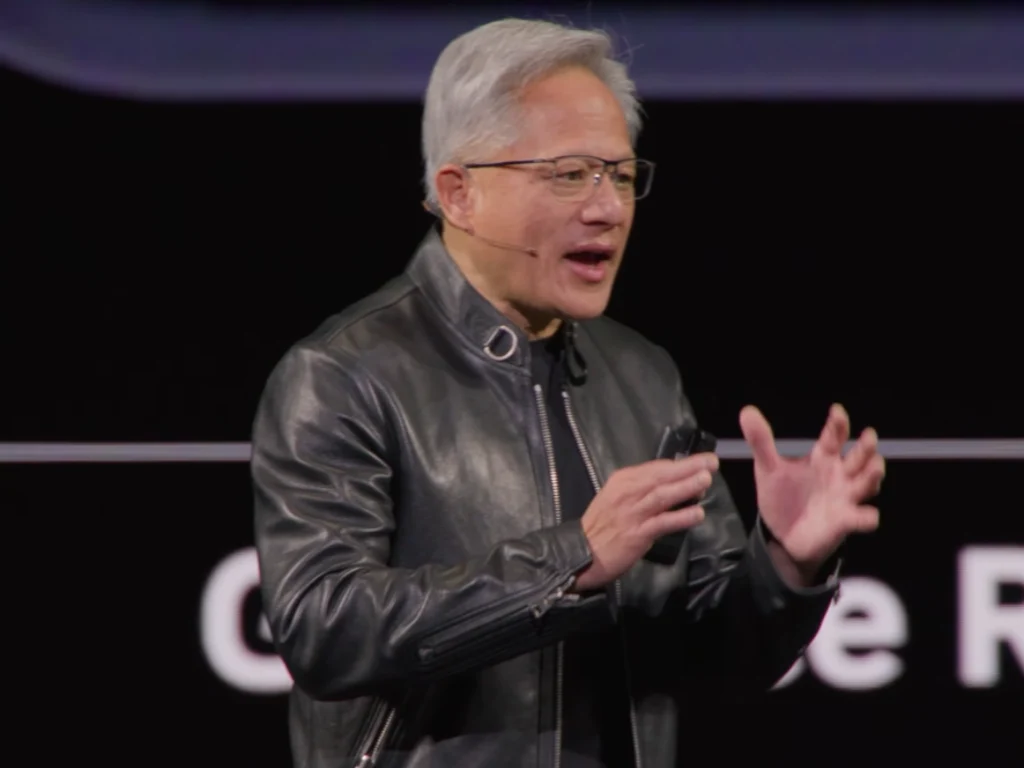
During a press Q&A session with Tom’s Hardware at GTC 2026, Huang addressed the negative feedback directly when asked about it by the publication’s editor-in-chief. He expressed that gamers’ concerns were misplaced, stating, “Well, first of all, they’re completely wrong.”
Huang elaborated on the philosophy behind DLSS 5, explaining that the technology merges control over geometry and textures with generative AI. He emphasized that DLSS 5 doesn’t just apply a filter to the frames. Instead, it works at a detailed geometry level, integrating traditional rendering with AI to enhance lighting, textures, and details while allowing developers to maintain artistic control.
A New Approach
Huang clarified, “It’s not post-processing; it’s not post-processing at the frame level. It’s generative control at the geometry level. All of that is directly under the game developer’s control. This is very different from traditional generative AI; it’s content-controlled generative AI. That’s why we call it neural rendering.”
Gamers are concerned that Nvidia’s DLSS 5 may negatively impact titles like Hogwarts Legacy and Resident Evil Requiem, as all these games are expected to receive updates for DLSS 5.
Nvidia claims that DLSS 5 is its most significant milestone since ray tracing, with promises of hyper-realistic graphics without sacrificing performance. However, the actual effects on performance and visuals are yet to be determined. DLSS 5 is expected to be gradually introduced in fall 2026.
In the end, the reaction to DLSS 5 may either fade away or intensify, depending on how developers adapt and incorporate it into their games. Gamers continue to express their concerns about what they see as a growing trend of “AI slop,” even as Nvidia’s GPUs remain scarce, driving up prices for high-end options.
Source:
Link
Leave a Reply