Tag: Jensen Huang

  • Corporations Curb AI Use Over High Token Costs

    Key Takeaway

    – Encouraging unlimited AI usage (“tokenmaxxing”) is proving to be an expensive failure, with companies like Microsoft and Uber now actively limiting it.
    – Major tech firms like Meta and Amazon have removed internal AI usage leaderboards, signalling a shift away from incentivizing maximum AI consumption.
    – Unchecked AI spending can lead to catastrophic costs, such as a single client accidentally spending $500 million in one month.
    – Corporate AI adoption often fails to turn a profit or improve productivity, with 95% of public deployments failing to meet performance or financial goals.


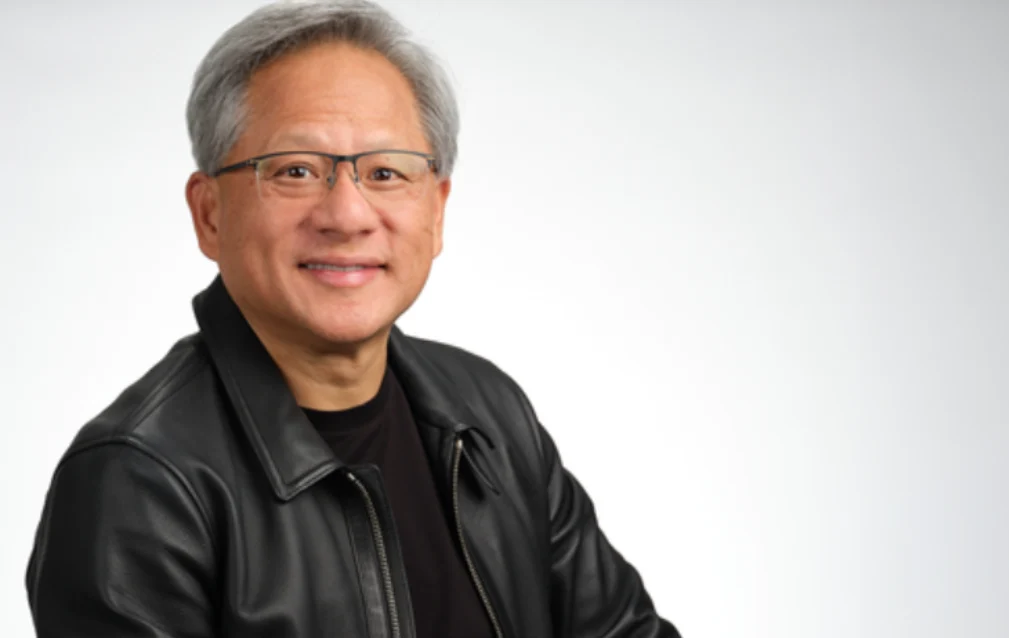
    Not long ago, headlines were abound concerning a move from executives to encourage that AI used as much as possible to improve productivity, often while also cutting employees. The most infamous example of that mentality at work was from Nvidia CEO Jensen Huang, who stated that he’d be deeply alarmed if Nvidia engineers were not burning half their $500K salary in AI tokens to get the job done. He even went so far as to compare it to a chip designer using paper and pencil instead of CAD.

    The Costly Reality of Tokenmaxxing

    Here in reality, it turns out that’s an egregiously expensive way to run a business even when you fire employees to pay for it, and megacorporations like Microsoft, Uber, Meta, and Amazon are reining in the excess of “tokenmaxxing.” While the first two are more directly limiting AI usage (with Microsoft canceling most of its Claude Code licenses and Uber operations chief Andrew Macdonald stating it’s “getting harder to justify” AI spending,) the latter two haven’t outright stated AI is too expensive or that they’re reining it in. What we have seen in response to leaks of internal AI token usage leaderboard leaks is that those leaderboards have been taken down, meaning tokenmaxxing is no longer being encouraged at those companies.

    Accidental Spending and Mixed Results

    It’s more than just Big Tech, as well. Per Gizmodo, an anonymous AI consultant informed Axios that one of its clients had accidentally spent half a billion USD in a single month by failing to limit Claude usage for its employees. We’ve also seen at best mixed reports of AI usage actually improving productivity: a report from OpenAI only indicates productivity improvements by “an hour a day” and an MIT study of 350 public deployments indicates that 95% of them fail to turn a profit or achieve performance goals.

    A Turn in the Corporate Conversation

    It’s an interesting turn for the conversation regarding AI in the enterprise, and indeed one that heavily contradicts the words of zealots who profit from its adoption at the expense of existing workers. Especially at the corporate level, AI is not free.
    Sources
  • Nvidia CEO Jensen Huang Reverses DLSS 5 Criticism After Backlash

    Nvidia CEO Jensen Huang Reverses DLSS 5 Criticism After Backlash

    Key Takeaways

    1. Jensen Huang initially dismissed concerns about DLSS 5 but later acknowledged the frustrations of gamers and developers regarding the technology.
    2. Huang emphasized that DLSS 5 is not just a post-processing filter, but a tool for artists and developers to enhance their work without losing their artistic vision.
    3. The gaming community reacted negatively to the initial showcase of DLSS 5, particularly criticizing the AI-generated changes to characters like Grace Ashcroft from Resident Evil Requiem.
    4. Capcom, surprised by the use of DLSS 5, announced it will not use generative AI for its final in-game assets, indicating concerns from developers.
    5. Nvidia plans to release DLSS 5 on RTX 50-series graphics cards later this year, leaving questions about its impact on video game creativity and quality.


    After Nvidia’s presentation of DLSS 5 at GTC 2026, the CEO, Jensen Huang, dismissed concerns from gamers and critics, labeling their views as “completely wrong.” Recently, Huang chose to revisit the topic, softening his stance following significant backlash from the gaming community.

    Huang’s Change of Heart

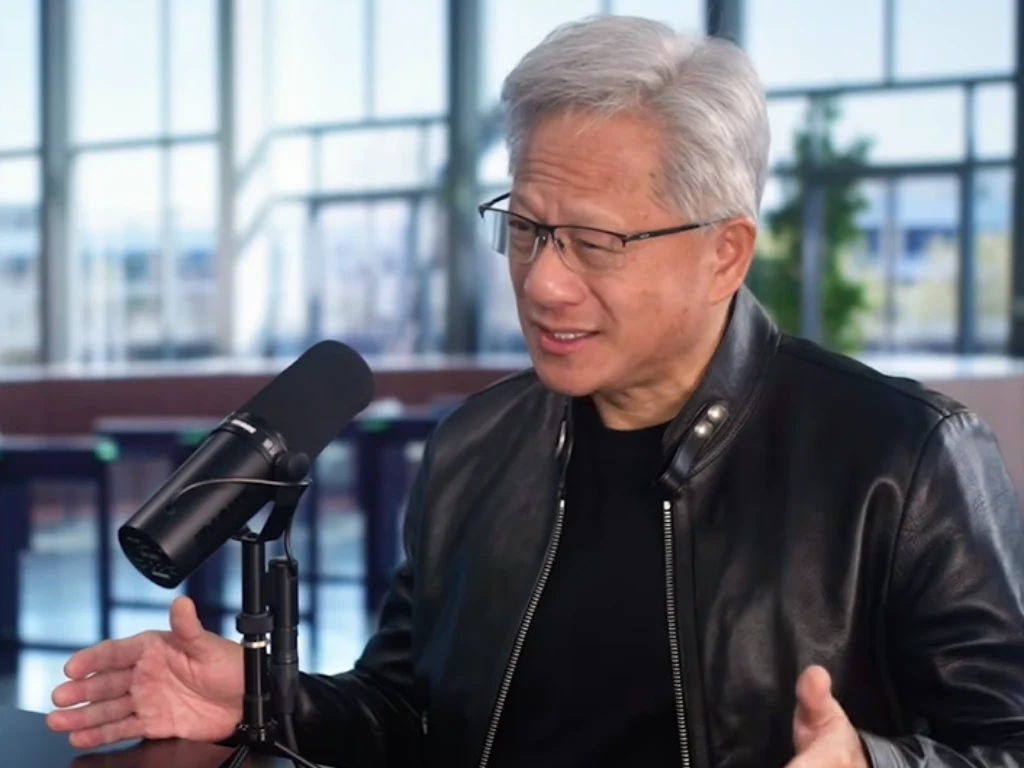
    Shortly after the unveiling of DLSS 5, Jensen Huang participated in a discussion with Lex Fridman and began to reconsider his previous comments. During the Lex Fridman podcast, Huang expressed that he comprehends the frustration felt by many gamers and developers regarding DLSS 5.

    He remarked, “I think their perspective makes sense, and I can see where they’re coming from because I don’t love AI slop myself.” Huang further clarified, “You know, all of the AI-generated content increasingly looks similar, and it’s all beautiful, so I’m empathetic toward what they’re thinking.”

    Defending DLSS 5

    Huang continued to support DLSS 5, clarifying that the technology is not just a post-processing filter that Nvidia will apply to games after their release. He noted that it will instead be integrated into the development of the games, and the decision to use the technology rests entirely with the artists and developers involved.

    He stated, “It’s about giving the artist the tool of AI, the tool of generative AI. They could decide not to use it.” Nvidia aims for developers to enhance lighting and details without sacrificing their artistic vision. However, the initial showcase of DLSS 5 raised questions about the opposite effect.

    Community Reactions

    For context, many gamers were taken aback when they saw Grace Ashcroft from Resident Evil Requiem drastically changed, featuring smoother skin, sharper facial features, and a strange appearance reminiscent of “AI slop,” a term trending online.

    Even the artists at Capcom were surprised to witness Resident Evil Requiem with DLSS 5, as they had not been informed or consulted beforehand. Since then, Capcom has declared that it will not employ generative AI for its final in-game asset models, artwork, or textures.

    It seems like Nvidia’s CEO is at least somewhat heeding the concerns of gamers and developers who are critical of the technology. Nevertheless, the fifth version of Nvidia’s tech is expected to be released later this year on RTX 50-series graphics cards. Only time will tell if DLSS 5 will act as a creative tool or an unwanted addition to video games.

    Source:
    Link


  • Nvidia CEO Jensen Huang Challenges Gamers on DLSS 5 Misconceptions

    Nvidia CEO Jensen Huang Challenges Gamers on DLSS 5 Misconceptions

    Key Takeaways

    1. Gamers criticized Nvidia’s DLSS 5 for altering artistic styles, leading to a “yassified” and generic look in games.
    2. Jensen Huang, Nvidia’s CEO, stated that gamers’ concerns about DLSS 5 are “completely wrong” and emphasized the technology’s capabilities.
    3. DLSS 5 combines traditional rendering with generative AI, allowing developers to retain artistic control over their games.
    4. Huang clarified that DLSS 5 operates at the geometry level, not just applying a filter, making it different from traditional generative AI.
    5. The impact of DLSS 5 on game performance and visuals is still uncertain, with its introduction expected in fall 2026.


    Nvidia’s CEO, Jensen Huang, has responded to criticism from gamers regarding the company’s new DLSS 5 technology. Many players have expressed concerns that it changes artistic styles into a generic “yassified” appearance, causing characters in games like Resident Evil Requiem, Starfield, and Hogwarts Legacy to have “uncanny valley” faces. Huang firmly stated that gamers are “completely wrong” about DLSS 5.

    Gamers’ Concerns

    Just after Nvidia revealed DLSS 5 during its GTC 2026 event, players voiced their dissatisfaction. They argued that instead of enhancing visuals and eliminating artifacts, the technology alters the original artistic vision of games, giving them a shiny, photorealistic look. Many users felt that DLSS 5 made everything appear too similar.

    The reaction was particularly strong when players noticed changes in characters like Leon Kennedy and Grace Ashcroft from Resident Evil Requiem. These characters looked notably different and more idealized compared to their original designs, with some likening the changes to trendy Instagram beauty filters or “AI slop.”

    Addressing the Backlash

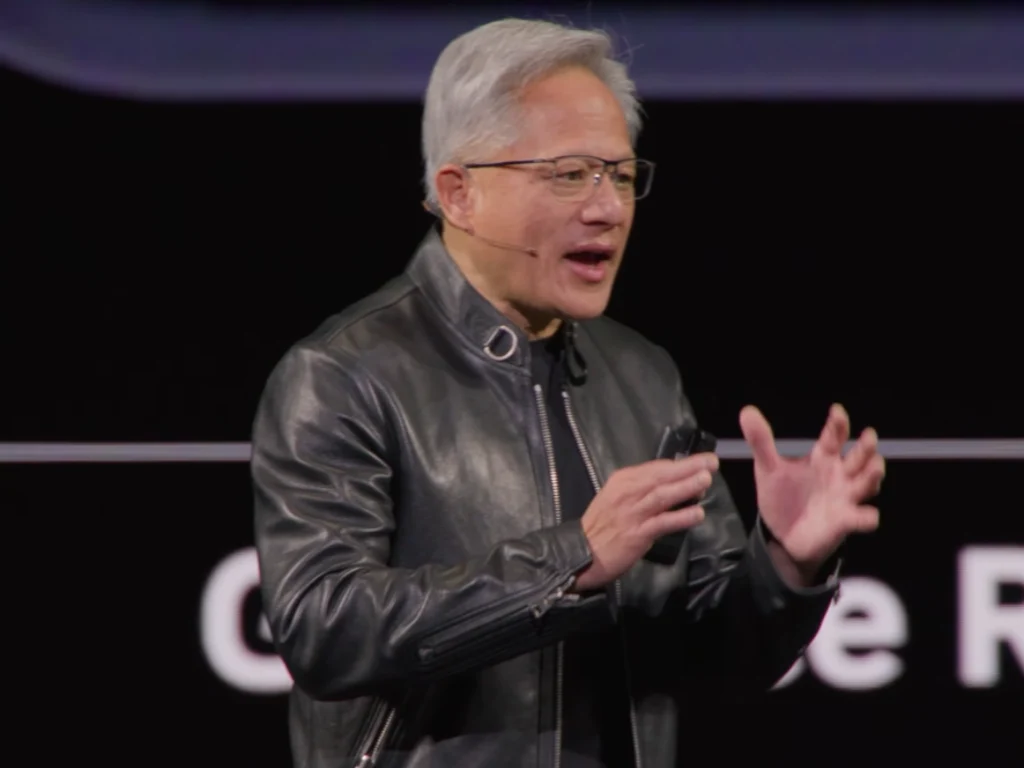
    During a press Q&A session with Tom’s Hardware at GTC 2026, Huang addressed the negative feedback directly when asked about it by the publication’s editor-in-chief. He expressed that gamers’ concerns were misplaced, stating, “Well, first of all, they’re completely wrong.”

    Huang elaborated on the philosophy behind DLSS 5, explaining that the technology merges control over geometry and textures with generative AI. He emphasized that DLSS 5 doesn’t just apply a filter to the frames. Instead, it works at a detailed geometry level, integrating traditional rendering with AI to enhance lighting, textures, and details while allowing developers to maintain artistic control.

    A New Approach

    Huang clarified, “It’s not post-processing; it’s not post-processing at the frame level. It’s generative control at the geometry level. All of that is directly under the game developer’s control. This is very different from traditional generative AI; it’s content-controlled generative AI. That’s why we call it neural rendering.”

    Gamers are concerned that Nvidia’s DLSS 5 may negatively impact titles like Hogwarts Legacy and Resident Evil Requiem, as all these games are expected to receive updates for DLSS 5.

    Nvidia claims that DLSS 5 is its most significant milestone since ray tracing, with promises of hyper-realistic graphics without sacrificing performance. However, the actual effects on performance and visuals are yet to be determined. DLSS 5 is expected to be gradually introduced in fall 2026.

    In the end, the reaction to DLSS 5 may either fade away or intensify, depending on how developers adapt and incorporate it into their games. Gamers continue to express their concerns about what they see as a growing trend of “AI slop,” even as Nvidia’s GPUs remain scarce, driving up prices for high-end options.

    Source:
    Link


  • Nvidia CEO Visits Beijing Employees Instead of Trump’s Inauguration

    Nvidia CEO Visits Beijing Employees Instead of Trump’s Inauguration

    Nvidia’s CEO, Jensen Huang, recently made a trip to China to celebrate the Chinese New Year with his employees and to restate the firm’s dedication to its team and tech partnerships. This visit takes place against the backdrop of ongoing geopolitical tensions between the US and China, as well as export limits on advanced AI chips. Huang’s goal was to boost the spirits of the staff and underscore Nvidia’s commitment to the tech landscape in China. This visit underscores how crucial it is to uphold global teamwork to promote technological advancements, even when geopolitical issues are on the rise.

    Celebrating Employee Loyalty

    During his stay, Huang engaged in several events at Nvidia’s offices in Shenzhen and Beijing, including a Spring Festival party in the capital. He praised the team and highlighted Nvidia China’s impressively low turnover rate of 0.9%, which is significantly lower than the global average of 2%. Over the years, Nvidia’s workforce in China has expanded more than 50%, now numbering nearly 4,000 employees. Huang appreciated the dedication of the employees and their substantial role in Nvidia’s global achievements.

    China’s Contribution to Nvidia

    China plays an essential role for Nvidia, bringing in $5.4 billion in revenue for Q3 FY2024, marking a 34% increase from the previous year. The region represents 17% of Nvidia’s total income, making it one of the company’s major markets after the US and Singapore. Nvidia has partnered with over 3,000 Chinese startups and supports 1.5 million local developers utilizing CUDA, its unique AI programming platform.

    Navigating Geopolitical Tensions

    Huang’s trip coincided with stricter US export controls on AI chips directed at China. Nvidia has opposed these limitations, cautioning that they could damage innovation and the technological leadership of the US. In retaliation, China initiated an antitrust probe into Nvidia. Despite these obstacles, Huang reaffirmed Nvidia’s commitment to the Chinese market, calling the company’s 25-year journey in China a privilege.

    Huang’s visit also sparked rumors regarding the possible establishment of Nvidia’s Asia-Pacific headquarters, with Taiwan being a potential site. As China continues to aim for technological independence, Huang stressed Nvidia’s role in modernizing the industry and confirmed the company’s commitment to fostering innovation and collaboration.

  • Nvidia CEO Jensen Huang’s Timely Visit to China Amid Tech Turmoil

    Nvidia CEO Jensen Huang’s Timely Visit to China Amid Tech Turmoil

    Jensen Huang’s Return to China Signifies a Crucial Phase for Nvidia

    The recent visit of Nvidia’s CEO, Jensen Huang, to China marks a pivotal juncture for the giant U.S. chip company. After a four-year absence, Huang’s return highlights the significance of this moment as Nvidia grapples with the intricate dynamics of the Chinese market and the escalating tech tensions between the United States and China.

    Maneuvering Through the US-China Technology Standoff

    The tour undertaken by Huang, spanning key cities like Beijing, Shanghai, and Shenzhen, was not merely a routine excursion. It was a carefully calculated strategic move in response to the challenging environment shaped by stringent U.S. export policies. Embracing the local culture during his visit, Huang engaged in a vibrant Yangge folk dance, symbolizing unity and fortitude in the face of adversities.

    Declining Revenues in the Chinese Market

    Nvidia, a leading figure in the global tech realm, is currently witnessing a significant dip in revenues in China owing to fresh U.S. regulations restricting the export of specific graphics processing units (GPUs) intended for Chinese clientele. These GPUs play a critical role in sectors such as AI, automotive, gaming, and healthcare, where Nvidia has established deep-seated connections.

    Juggling Business Collaborations and US Restrictions

    Huang’s trip to China holds immense significance by exemplifying a delicate balance between nurturing business relationships in China and maneuvering through the complex web of U.S. regulations. Nvidia had already foreseen a substantial decrease in sales to China last November, which had hitherto been a major contributor to its data-center earnings.

    Crafting Products in Adherence to Regulations

    Nevertheless, Nvidia is far from passive in the face of these challenges. The company is actively engaged in the development of new products that align with Chinese market regulations. Huang recognizes the intricacy and time-consuming nature of this process but deems it vital for ensuring Nvidia’s enduring presence in China. Speaking at The New York Times’ DealBook conference, Huang emphasized Nvidia’s dedication to upholding both national security and global competitiveness.

    Nvidia’s Versatility and Forward-Thinking Strategy

    Huang’s collaboration with the U.S. government to fabricate regulation-compliant products underscores Nvidia’s adaptability and forward-thinking approach. Recent comments by U.S. Commerce Secretary Gina Raimondo shed light on a nuanced strategy, indicating that while Nvidia can still vend AI chips in China, they must withhold their most advanced semiconductors.

    Jensen Huang’s visit to China signifies a critical juncture for Nvidia, given the challenges in the Chinese market and the mounting tech tensions between the United States and China. The company’s proactive stance in developing regulation-compliant products underscores its commitment to maintaining a robust foothold in China.