Key Takeaways
1. Daniel Vávra, creator of Kingdom Come: Deliverance 2, is defending Nvidia’s DLSS 5 technology amidst backlash from gamers.
2. DLSS 5 was introduced at Nvidia’s GTC 2026, promising improved lighting and detail but faced criticism for its “uncanny valley” appearance in initial game demos.
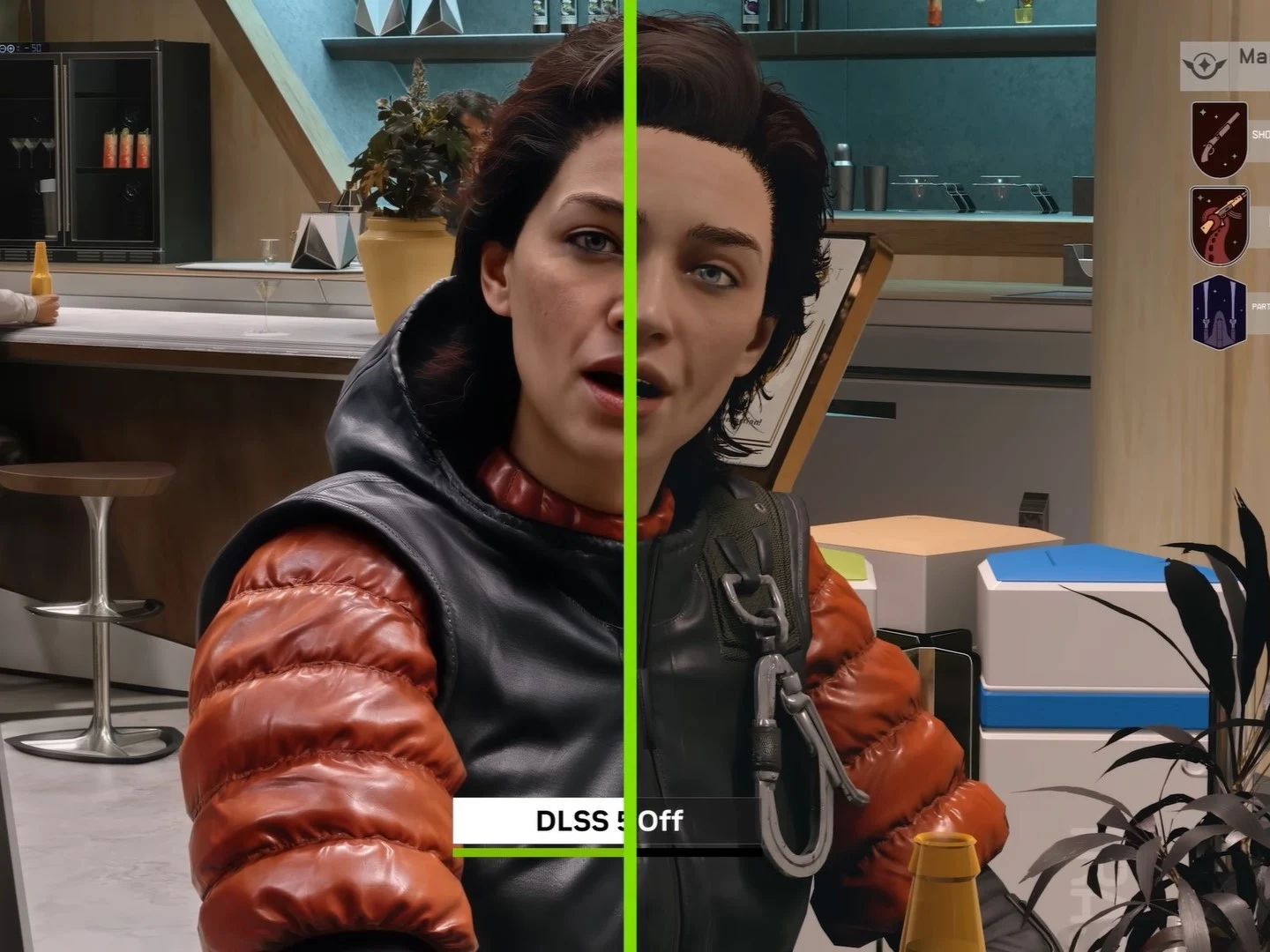
3. Vávra shared a video showcasing DLSS 5 in Starfield and expressed confidence that criticism won’t hinder its development.
4. He believes that DLSS 5 can be tailored for unique art styles and might replace expensive ray tracing in the future.
5. Vávra considers the initial DLSS 5 demo a rough version and anticipates significant improvements as studios learn to optimize the technology.
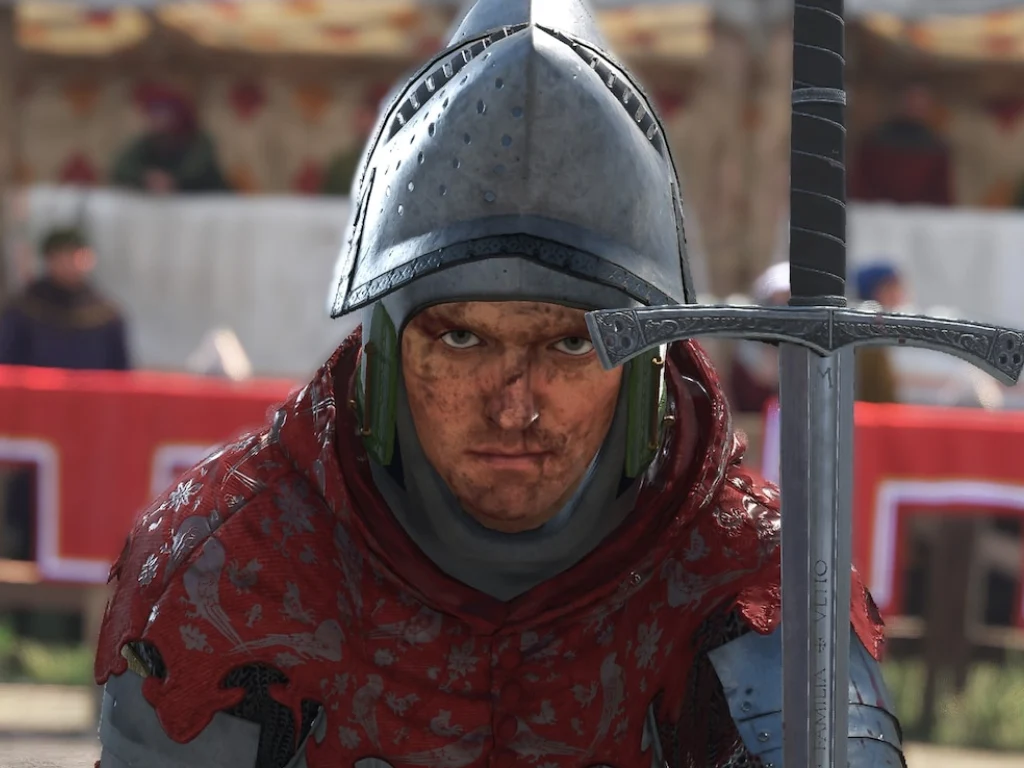
Daniel Vávra, who is the creative mind behind the hit medieval simulation game Kingdom Come: Deliverance 2, is standing up for DLSS 5 and responding to a wave of backlash against Nvidia’s latest technology.
Focus on Film Adaptation
At present, Vávra has taken a step back from his regular development duties at Warhorse Studios to concentrate on making a film adaptation of Kingdom Come: Deliverance. Nonetheless, he found time to defend DLSS 5, which has faced scorn from many gamers, being labeled as “AI slop.”
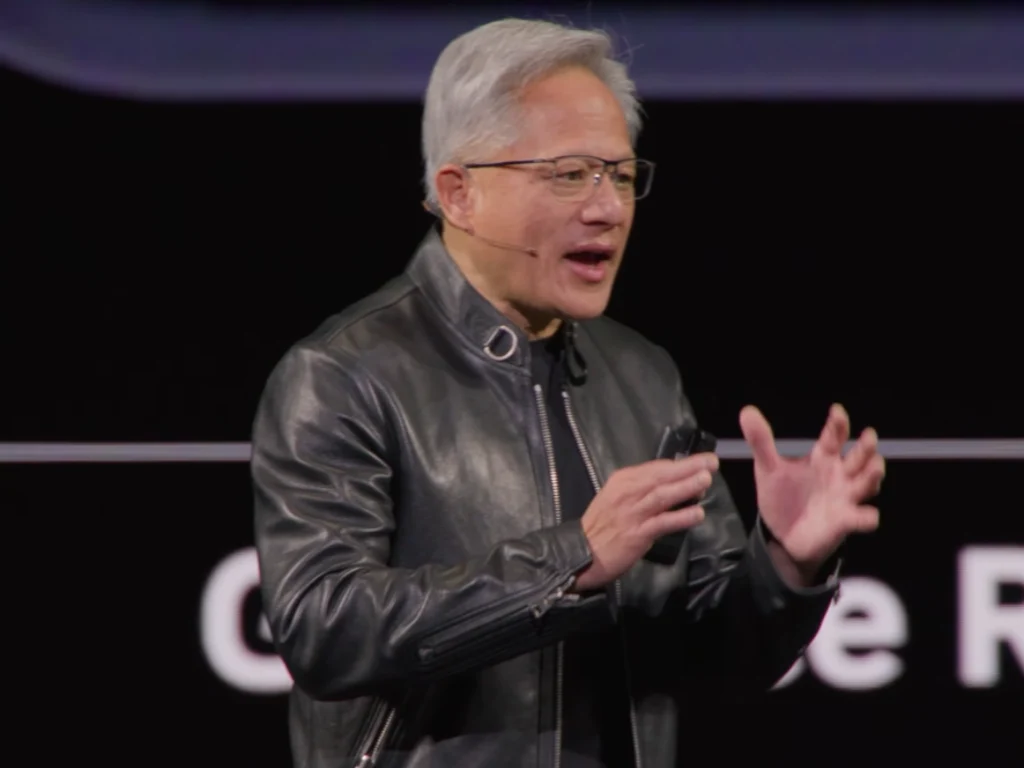
DLSS 5 Unveiling
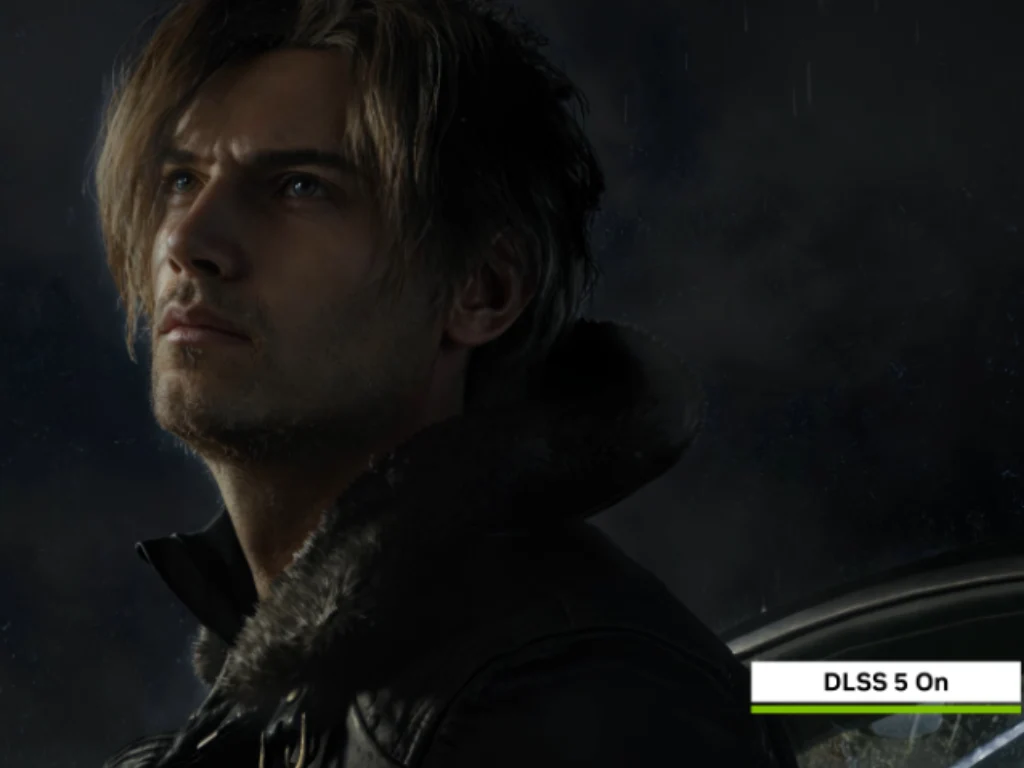
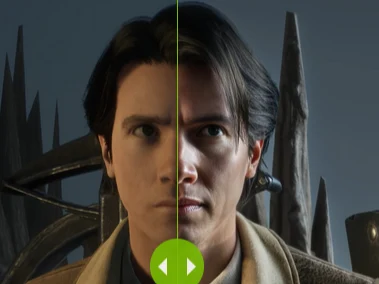
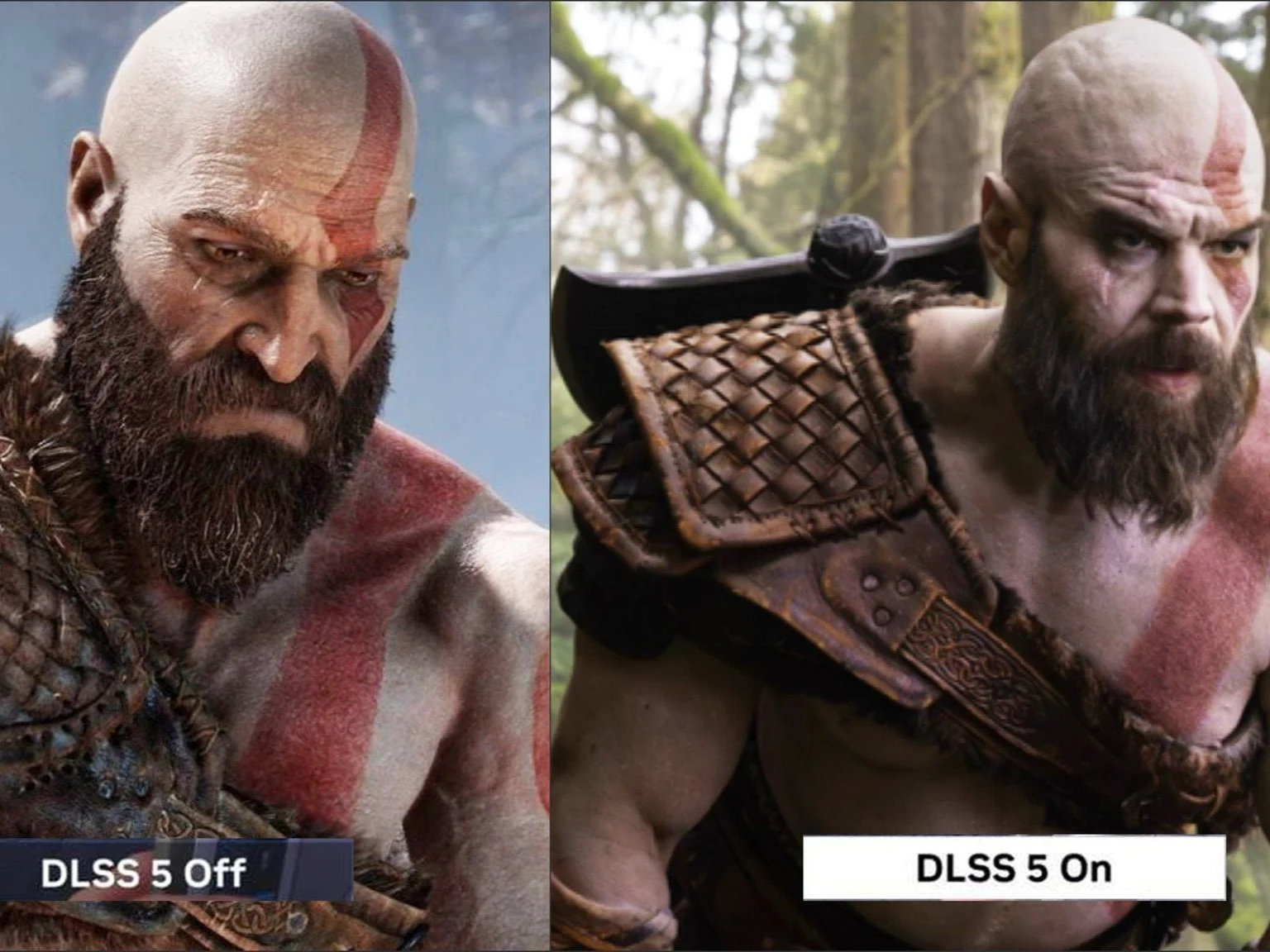
DLSS 5 was introduced during Nvidia’s GTC 2026 conference, where RTX 50-series users were promised that the new technology would enhance lighting and detail through advanced neural rendering without sacrificing performance. The initial demonstration of DLSS 5 showcased an overly processed, “uncanny valley” appearance in games like Starfield, Resident Evil: Requiem, The Elder Scrolls: Oblivion Remastered, and Assassin’s Creed: Shadows.
From the start, gamers and developers dismissed the technology as a failure, with memes saturating social media that depicted DLSS 5 as an unnecessary, overly enhanced beauty filter.
Vávra’s Support for DLSS 5
However, Daniel Vávra is undeterred by the recent showcase of DLSS 5 by Nvidia. He recently shared a video of Starfield utilizing DLSS 5 on X, where he defended the tech and stated that no level of criticism would halt its advancement.
In Vávra’s own words on X: “I can picture that in the not too distant future, developers will be able to tailor this tech for unique art styles or specific people’s faces, and it might replace costly ray tracing, and so on. This is merely an odd beginning. There’s no way the critics will derail this. It’s much more than the soap opera effect that every TV exhibits when you activate motion smoothing.”
Future of DLSS 5
Vávra believes that the initial demonstration of DLSS 5 was just a rough early version and doesn’t represent the final product that will be available later this year for RTX 50-series GPUs. He is confident that once studios learn how to optimize DLSS 5 and align it with their artistic vision, it could revolutionize gaming.
This isn’t the first occasion that the director of Kingdom Come: Deliverance 2 has shared his thoughts on AI. Previously, he admitted to being “no fan of AI-generated art.” However, he has since reconsidered his position, asserting that the technology is here to stay and that developers must adapt to it.
Source:
Link