Tag: Capcom

  • Resident Evil Veronica Remake Revealed on Xbox Store

    Resident Evil Veronica Remake Revealed on Xbox Store

    Key Takeaway

    – Restructured script to align with modern Resident Evil lore
    – Third-person, over-the-shoulder camera perspective (RE Engine)
    – Preserves gothic atmosphere, tightens plot based on fan feedback
    – Available on PS5, PC, Xbox Series X|S, and next-gen Nintendo hardware
    – Wishlists live now; planned flagship release for 2027


    Right after its big summer showcase reveal, Capcom’s next survival horror remake has made its next major move online. Reimagined under the streamlined title Resident Evil Veronica, the upcoming take on the classic 2000 release has officially landed on digital storefronts for console players.

    The live page on the Xbox Store allows fans to track the project and add it to their wishlists alongside PC and PlayStation users ahead of the planned launch window.

    Narrative Overhauls and Script Changes

    While the sudden storefront presence is giving fans plenty to talk about, new insights from the production team offer a clearer look at where the narrative is actually heading. Producer Yoshiaki Hirabayashi confirmed that the studio is restructuring chunks of the original script. The main goal here is to smooth out franchise history, ensuring that the nightmare on Rockfort Island connects directly with the modern lore built into recent mainline games.

    Modernizing The Continuity

    Hirabayashi noted that these plot shifts are about modernizing the continuity, not throwing out what made the original game special. The development team is leaning heavily on long-term community feedback to preserve the gothic atmosphere of the classic version. Players will still step into the shoes of Claire Redfield during her search for her missing brother, but the overall plot sequence will feel tighter and better integrated into the broader series ecosystem.

    On the design front, Capcom put an end to any lingering speculation about how the game will play. The studio confirmed that Resident Evil Veronica relies on a third-person, over-the-shoulder perspective, aligning it with the recent overhauls of the second and fourth numbered entries. This direction makes perfect sense since the same veteran development team is running point on this project.

    Technical Specifications and Platforms

    Powered by the latest version of the RE Engine, the game focuses heavily on tense environment navigation and strict resource management. Target platforms are locked in for the PlayStation 5, Windows PC, Xbox Series X and S, and next-generation Nintendo hardware. With wishlists now active across all major networks, Capcom is positioning this reimagined nightmare as a flagship release for the 2027 calendar year.
     

  • Dragon’s Dogma 2 DLC Ended, Price Dropped

    Dragon’s Dogma 2 DLC Ended, Price Dropped

    Key Takeaway

    – Dragon’s Dogma 2: Dark Arisen expansion launches October 9, 2026, for $29.99.
    – Base game price will be permanently reduced starting June 25, 2026.
    – Sales of most DLC end on June 25, 2026.
    – A free Destination Crystal for fast travel will replace paid Warp Location Markers.
    – A late August update will improve performance and add more save slots.


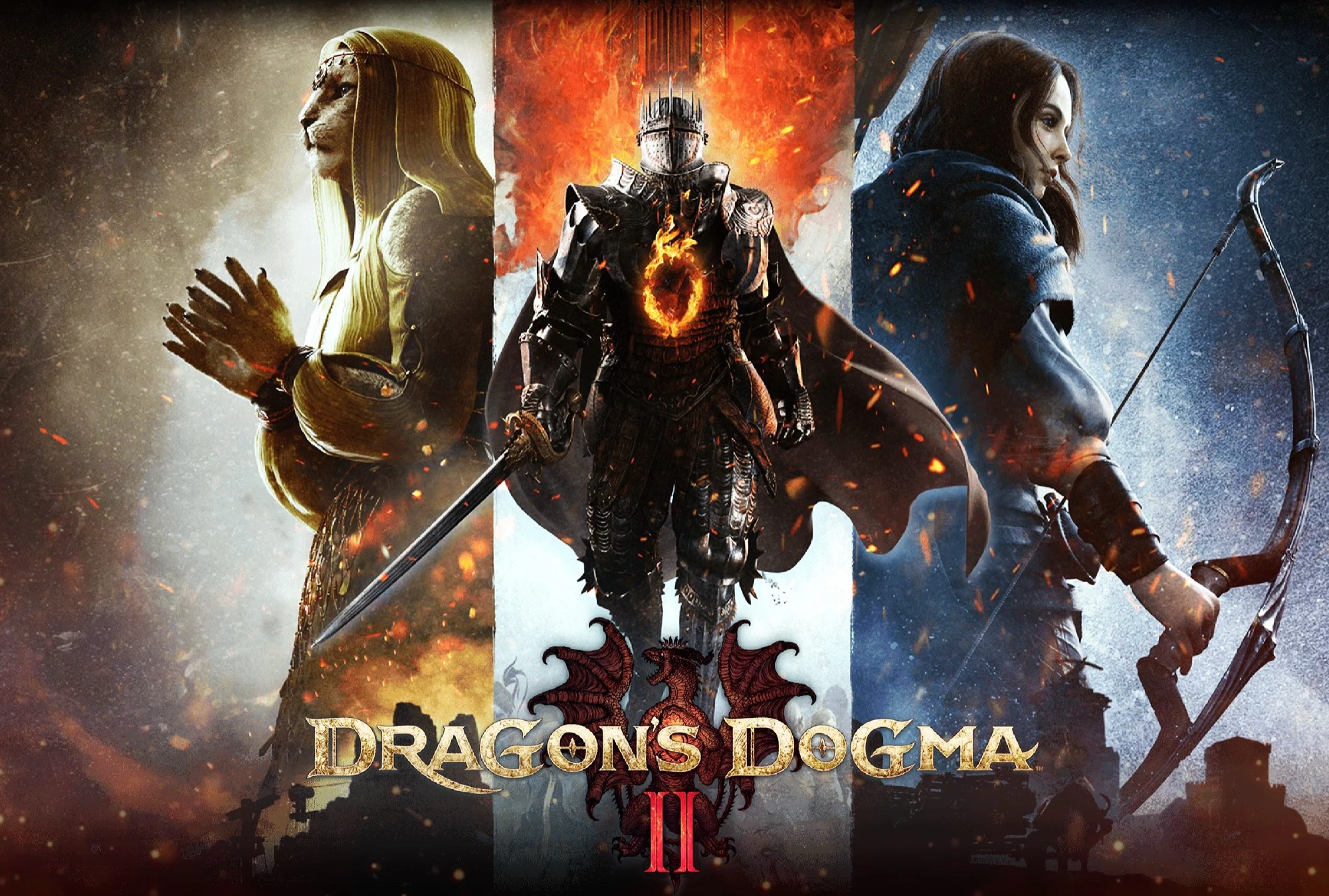
    Capcom has announced a series of changes on the official Dragon’s Dogma 2 website that players can expect in the coming weeks and months. With this, the publisher is evidently preparing the open-world adventure for the launch of its first major expansion – Dragon’s Dogma 2: Dark Arisen is set to release on October 9, 2026, for $29.99.

    Pricing Adjustments and DLC Sales

    On June 25, 2026, the game’s price is set to be permanently reduced, though Capcom has not yet confirmed the list price at which Dragon’s Dogma 2 will be offered in the future. Currently, the game costs $69.99 on Steam, but starts at $26 on Amazon depending on the platform.

    DLC Sales Ending and Community Feedback

    In addition, sales of numerous DLCs are scheduled to end on June 25, including the following content:

    • Most of this DLC content has “mostly negative” reviews on Steam. Instead of charging real money for a Warp Location Marker, for example, Capcom is introducing a permanent Destination Crystal via an update, which is intended to make fast travel significantly more convenient.

    A second update, set to be released toward the end of August, is intended to improve performance and add additional save slots, among other improvements.


    Sources

  • Onimusha: Way of the Sword Fall Release, Demo Out Now

    Key Takeaway

    – Onimusha: Way of the Sword releases September 25, 2026, for PS5, Xbox Series X, and PC. A 30-minute PS5 demo is available now.
    – The game is a fresh start for the series, set in Edo-era Kyoto with legendary swordsman Miyamoto Musashi as the protagonist.
    – Core gameplay features sword combat and newly acquired Oni powers to fight returning demon enemies called Genma.
    – The story introduces a new antagonist, Dokyo, a “mad scientist” who creates Genma in a laboratory.
    – This is Capcom’s fourth major AAA title of 2026, following other successful releases.


    Capcom Finally Announces Release Date for Onimusha: Way of the Sword

    There is finally a release date for Capcoms eagerly awaited samurai-action franchise. Onimusha: Way of the Sword, which was unveiled during Sonys June 2026 PlayStation State of Play event, is scheduled to release for the PlayStation 5, Windows PC, and Xbox Series X on September 25, 2026. Capcom also suprised fans by releasing a 30-minute playable demo on the PlayStation 5.

    A Fresh Start with Miyamoto Musashi

    Rather then being a direct follow-up to the beloved PlayStation 2 games, Way of the Sword is a new begining. The Oda Nobunaga plot has been fully closed, as previously reveiled by series producer Keiji Inafune. Instead, this new entry shifts the setting to Edo-era Kyoto and puts players in the shoes of legendary swordsman Miyamoto Musashi.

    Genma Spirits and New Powers

    The otherworldly dangers still exist even though the historical timeline has changed. Malvolent spirits from Japanese legend, known as the Genma, are makeing a comeback. To live, Musashi will need to use both his extraordinary sword abilities and his recently developed Oni powers, which are powered by gathered souls.

    In addition to previewing how Musashi aquired his magical skills and hinting at the dark forces behind the demon menace, the most recent teaser features a dramatic boss fight atop Mount Oe. This include enemies like the “mad scientist” antagonist Dokyo, who uses a lab to produce more Genma.

    Playable Demo and Release Details

    The suprise PS5 demo offers a meaty 30-minute slice of the game. Players will get to test out Musashis combat abilities against waves of Genma while also facing off against his iconic rival swordsman, Ganryu.

    Onimusha: Way of the Sword is Capcoms fourth major AAA release of 2026, trailing behind the massive successes of Resident Evil: Requiem, Pragmata, and Monster Hunter Stories 3. If the upcoming samurai title delievers on the promise of its latest trailer, Capcoms incredible winning streak is poised to continue well into the holiday season.

    Sources
  • Capcom’s Onimusha: Way of the Sword release date leaks ahead of State of Play

    Capcom’s Onimusha: Way of the Sword release date leaks ahead of State of Play

    Key Takeaway

    – Onimusha: Way of the Sword is reportedly targeting a September 25, 2026 release date.
    – The September launch faces heavy competition from titles like Marvel’s Wolverine and Phantom Blade Zero.
    – GTA 6’s November release window creates pressure to avoid delays.
    – The game will be available on PS5, Xbox consoles, and Steam, with no Switch 2 date confirmed yet.
    – More gameplay reveals are expected at upcoming events like Summer Game Fest or the Xbox Games Showcase.


    Capcom’s 2026 Revival Plans

    Capcom is having a successful year, but it still intends to revive another dormant franchise in 2026. Announced in December 2024, gamers may finally know a precise Onimusha: Way of the Sword release date. An insider who recently revealed several projects expects the supernatural swordfighter to return on September 25th (corrected from September 26th).

    Leaker Provides New Timing Details

    Asdf/intercelluar is also on a roll, after exposing multiple Rayman titles, and sharing Assassin’s Creed Black Flag Resynced screenshots. On social media, the source divulged when the long-awaited Capcom game will arrive. However, one caveat is that the information about that timing “might be outdated.”

    Official Announcement and Fan Reactions

    The publisher announced 2026 as the Onimusha: Way of the Sword release date at The Game Awards 2024. Nervous fans celebrated when the company confirmed in April that those plans hadn’t changed. Still, with September a congested month for new arrivals, some followers wonder if that strategy is wise.

    Heavy Competition Ahead

    Marvel’s Wolverine, Phantom Blade Zero, and Trails in the Sky 2nd Chapter would be among the competition. The dilemma is that any slight delay could be costly, as GTA 6 threatens to monopolize November sales. Recently, Microsoft opted to push the Fable reboot to February 2027, in part to avoid the Rockstar Games phenomenon.

    Platform Availability and Specs

    Onimusha: Way of the Sword will launch on the PS5 and Xbox consoles, as well as Steam. Unfortunately, a Switch 2 release date is not yet clear, despite Resident Evil: Requiem and Pragmata thriving on the handheld. Given the RE Engine’s strong performance on the Nintendo hardware, a port may be inevitable.

    Upcoming Showcase Events

    If protagonist Musashi Miyamoto does reappear in September, Capcom will likely show off more gameplay soon. It’s a packed period with Sony’s State of Play 2026 first up on June 2nd. During a prior PlayStation event in February 2025, a trailer for the third-person experience premiered. Otherwise, the June 5th Summer Game Fest or June 8th Xbox Games Showcase are possibilities.

    intercellular X account, Onimusha X account

    Sources
  • Capcom’s First Game Localization by Tom Shiraiwa as a One-Man Show

    Capcom’s First Game Localization by Tom Shiraiwa as a One-Man Show

    Key Takeaway

    1. Takuya “Tom” Shiraiwa was a pioneering figure in Capcom’s early localization efforts, handling English adaptations and translation single-handedly during the company’s initial growth.
    2. His role evolved from simply translating to acting as the key mediator between Capcom’s Japanese and overseas offices, influencing game success in Western markets.
    3. Modern localization practices at Capcom are collaborative and integrated early into game development, a significant shift from Shiraiwa’s DIY approach.

    Early Days of Localization

    Most folks might not think about Takuya “Tom” Shiraiwa when they think about Capcom’s roots, but he was a crucial part of their early days. He single-handedly became their go-to guy for localizing games into English, making sure that players around the world got a chance to enjoy their titles. Back then, he had the tough task of translating Japanese kanji into English, all by himself, especially in 1990 when no dedicated localization departments existed.

    His Role in Capcom

    Sitting down with Time Extension, Shiraiwa recalled how he started right after graduation, initially in sales and then quickly stepping into the role of English communicator at Capcom because no one else was suited for the job. Soon after, he full-heartedly dedicated himself to exporting arcade hardware and liaising with US subsidiaries. He said, “There was no such thing as ‘localization’ back then, just ‘text translation’”. It was just me, one guy handling all the work.”

    The Bridging Gap

    As time passed, Shiraiwa’s influence grow, making him a vital link between Japan and America. He was deeply involved in ensuring the success of Capcom’s games outside Japan. He was concerned whether the game’s appeal in the west was there or not. One story from a former Capcom employee recalls him showing a test video of Street Fighter III right before its US release, looking worried and pondering whether it will fly in the States.

    Transformation of Localization

    Nowadays, Capcom’s localization process looks totally different from those DIY days of Shiraiwa. When speaking with the company’s localization team in 2022, Andrew, who’s been involved in titles like Monster Hunter World, explained how efforts now are more organized. He shared, “Localization directors such as me are involved from early beginning. We basically move our desks to where the team is working and stay until the project complete.”

    Resignation and Next Chapter

    Sooner or later, Shiraiwa left Capcom in 2004 because he was feeling overworked and not receiving proper pay. Afterward, he moved to Square Enix, continuing his impactful career in the gaming industry. His work paved the way for the smoother, more collaborative localization processes we see today.

    Sources
  • Capcom Stock Drops Despite Positive Pragmata Reviews and 1 Million Sales

    Capcom Stock Drops Despite Positive Pragmata Reviews and 1 Million Sales

    Key Takeaway

    1. Capcom’s Pragmata sold 1 million units, exceeding expectations for a new IP, but the company’s stock still declined.
    2. Investor skepticism or lack of motivation to buy more shares contributed to the stock’s drop, despite positive sales figures.
    3. Strong initial sales and hype do not necessarily translate into immediate stock gains, as seen with previous titles like Resident Evil Requiem.

    Market Reaction to Pragmata’s Sales Announcement

    Since Capcom announced that Pragmata had sold 1 million copies, fans or investors expected something big. But surprisingly, instead of a celebration, the company’s stock price started falling down. It was confusing for many, especially since the game had good reviews and more titles were teased. A comment from a TweakTown editor highlighted the puzzled mood among the gaming community.

    Stock Price Movements and Investor Sentiments

    Derek Strickland pointed out that Capcom’s stocks went down more than 5% after the April 20th news and then lost almost 2% more, though it slightly recovered later. His questions focused on whether investors had hoped for even higher sales or if other reasons caused the dip. The change in stock value made many wonder what players and investors really expected from the new IP.

    Industry Expert Analysis and Company Response

    Expert Dr. Serkan Toto shared his insights, saying that for such a new title, 1 million copies in sales was quite good. Capcom confirmed this, mentioning that Pragmata managed to do well despite lacking a built-in fan base or recognized brand power. This shows the game performed better than some might think for a fresh franchise.

    Investor Motivation and Future Projects

    Toto explained that investors might not be rushing to buy more shares because of the current results. However, Capcom is optimistic about the future, with plans for more titles like Onimusha: Way of the Sword, which is still without a release date but seen as a promising potential success story. Despite the promising start, expectations for Pragmata might be more restrained compared to other blockbuster launches.

    Comparison with Resident Evil Requiem Sales

    While Pragmata’s 1 million copies in just two days is impressive, it probably cannot match the sales record of Resident Evil Requiem. The horror game sold 5 million units within a week, with many reviews praising it right after launch. Interestingly, even with such rapid sales, Capcom’s stock didn’t rise much after the game’s release, indicating that most investors had already sold shares in anticipation of strong pre-orders. In essence, pre-launch hype seemed to play a bigger role in stock movement than the later sales figures.

    Post-Launch Trends and Investor Expectations

    In conclusion, the stock behavior might be linked to the hype surrounding Pragmata and initial excitement in the marketplace. Nonetheless, experienced investors tend to keep their eyes on long-term potential rather than quick post-launch success. The overall trend shows that while a new game can generate quick excitement, stock valuations are impacted more by expectations and broader market sentiment than immediate sales numbers alone.

  • Legendary ARPG Loved by 91% of Players on Sale at Lowest Price Ever

    Legendary ARPG Loved by 91% of Players on Sale at Lowest Price Ever

    Key Takeaway

    1. Monster Hunter: World is a highly successful action RPG with over 30 million units sold and maintained a strong player base years after release.
    2. The game features dynamic ecosystems, various weapon types, and extensive customization, supporting solo or cooperative play.
    3. Its expansion, Iceborne, added significant new content and continues to be available separately or bundled with the base game.
    4. Currently, the game is available at its lowest price on Steam, with ongoing discounts until April 15, 2026.

    Introduction to Monster Hunter: World

    Monster Hunter: World is an action role-playing game made by Capcom, which you can explore on your PC. It was first launched on August 8, 2018. Later, a big expansion called Monster Hunter World: Iceborne came out on January 9, 2020, bringing lots of new stuff like Master Rank content, fresh locations such as the Hoarfrost Reach, new monsters, better weapons, and more story to uncover.

    Gameplay and Features

    This game makes you play as a hunter working with the Research Commission on the fifth fleet. Your main goal is to explore the mysterious New World, a massive lost land where elder dragons travel during their Elder Crossing. The game’s fun is in finding and fighting huge monsters in lively worlds packed with changing weather, day and night cycles, and creature fights like turf wars. There are fourteen different weapon types you can choose from, each with its own style and skills. As you hunt monsters, you gather materials from their bodies and the environment to craft new gear, which you can customize extensively. You are free to hunt alone or team up with up to four friends in multiplayer mode.

    Reception and Player Engagement

    Monster Hunter: World has been very popular among players, earning over 309,000 reviews on Steam, with about 91% positive feedback. It is Capcom’s top-selling game, with nearly 30 million copies sold globally. Even after about eight years since its launch, many players are still active, with Steam counts often between 16,000 to 28,000 players. No major new expansions have been released since Iceborne, but the game’s servers are still fully maintained.

    Current Pricing and Offers

    Right now, Monster Hunter: World is at its lowest price ever on Steam. The standard game, normally costing $29.99, is discounted by 74% down to $7.79 during this sale, which lasts until April 15, 2026. This sale applies only to the base game. Iceborne, the expansion, is available separately or as part of the Master Edition bundle, currently priced at just $9.98. It’s a great deal for new and returning players alike.

    Sources
  • Resident Evil Classic Games Launch on Steam for $4.99 Amid DRM and Compatibility Concerns

    Resident Evil Classic Games Launch on Steam for $4.99 Amid DRM and Compatibility Concerns

    Key Takeaway

    1. Capcom has released the classic Resident Evil titles on Steam, but they are essentially ports of previous GOG releases with added Enigma DRM.
    2. The inclusion of Enigma DRM has caused significant performance issues, crashes, and compatibility problems, especially for Steam Deck users.
    3. Many gamers prefer the DRM-free versions available on GOG, leading to criticism of Capcom’s decision to add DRM to beloved classics.
    4. Capcom has temporarily removed DRM from Resident Evil 4 Remake after community backlash, highlighting ongoing concerns about DRM implementation.

    Introduction to Resident Evil on Steam

    Capcom has recently launched the beloved Resident Evil series on Steam, offering players the chance to revisit or collect the iconic original trilogy that kick-started the franchise. The release features the original titles, including Resident Evil from 1996, Resident Evil 2 from 1998, and Resident Evil 3: Nemesis from 1999. Additionally, they also released Breath of Fire IV for $4.99, which is 50% off until April 15, giving more options for nostalgic gamers. But, there are some controversy around this release that some gamers are not very happy about.

    Details of the Re-releases

    The main point to note is, all these classic Resident Evil titles on Steam are basically the same enhanced versions that were previously available on GOG. The improvements include smoother animations, better support for keyboard and mouse, upgraded audio, and more display options. These versions are just ported from the GOG releases, so they are not entirely new but enhanced ports. They provide a slightly better experience but come with certain drawbacks, especially concerning digital rights management (DRM).

    The DRM Controversy

    One of the biggest issues that gamers are upset about is that Capcom has added its Enigma DRM to the Steam versions of Resident Evil. Unlike GOG, where you can buy the games DRM-free and play offline anytime, the Steam versions require the Enigma protection software to run. This has caused frustration amongst fans, as they prefer DRM-free games that are easier to own and play without internet restrictions. The introduction of Enigma DRM has not gone over well, and many reports of performance problems have followed this decision.

    Performance and Compatibility Issues

    Capcom’s use of the Enigma Protector has led to various technical problems. The software was first seen in Resident Evil Revelations, and back then, users experienced crashes and slowdowns. When Capcom implemented Enigma in Resident Evil 4 Remake in early 2023, similar issues appeared, including frame stuttering and conflicts with mods. After some backlash, Capcom removed DRM from Resident Evil 4 Remake within about four weeks, acknowledging the problems. Still, players remain hesitant about these DRM software, especially for classic titles.

    Community Feedback and User Experience

    Since the original Resident Evil collection is quite old, many fans are confused about Capcom’s motives here. Despite the ports receiving a “Very Positive” rating on Steam, there’s widespread criticism online over the DRM addition. Many Steam Deck users say the ports are not well-optimized out of the box for their handheld devices. They report needing to manually tweak settings and fix issues to get games running smoothly. Some also face input problems, video playback glitches, lack of cloud saves, and general compatibility conflicts caused by Enigma DRM, making the experience less enjoyable for console and PC players alike.

    Gaming on Steam Deck

    For Steam Deck owners, these remastered titles come with additional hurdles. Many mention that the games don’t run perfectly on SteamOS without tweaks, and that DRM further complicates gameplay. The input lag and video playback inconsistency are common complaints, which diminish the portability advantage of the handheld gaming device. This situation has led to mixed feelings, with many players questioning whether these ports are worth buying given the array of issues caused by the DRM software and technical limitations.

    Sources
  • Capcom Won’t Use AI Materials in Games, Focuses on Gen AI for Productivity

    Capcom Won’t Use AI Materials in Games, Focuses on Gen AI for Productivity

    Key Takeaways

    1. Capcom will not use AI-generated materials or assets in its market games to maintain quality and integrity.
    2. The company plans to leverage generative AI to improve efficiency and productivity in the game development process.
    3. Popular franchises like Devil May Cry, Monster Hunter, and Resident Evil will not include AI-generated content.
    4. Capcom has been exploring generative AI since January 2025 to inspire new ideas for environments, items, and props.
    5. The company remains focused on developing console and PC games, along with mobile projects like Monster Hunter Now and mobile versions of Resident Evil.


    Capcom has made it clear that it won’t be using any AI-created materials or assets in games that make it to market. However, the company is looking to use generative AI to speed up its development processes and enhance efficiency.

    Announcement Details

    This information was shared in a Q&A summary released by Capcom on March 23, following an online meeting with investors. The timing is critical, especially with the backlash the company is getting due to Nvidia’s DLSS 5 showcase, which highlighted its latest game, Resident Evil Requiem. When investors inquired about the role of generative AI in gaming, Capcom responded:

    “Our company will not implement materials generated by our AI into game content. However, we plan to actively use this technology to improve efficiency and productivity in the game development process. Therefore, we are currently exploring ways to use it in various areas such as graphics, sound, and programming.”

    No AI in Core Games

    This statement reassures fans that AI-generated textures, artwork, or other in-game assets won’t appear in popular Capcom franchises like Devil May Cry, Monster Hunter, or Resident Evil.

    Capcom’s firm stance against AI-generated assets also helps the company avoid issues similar to those faced by Pearl Abyss with Crimson Desert. Gamers discovered AI-generated content in the game’s release, leading the studio to explain the mistake.

    Exploring AI Ideas

    Nonetheless, Capcom isn’t turning its back on AI, as it has been testing the technology to inspire new ideas since January 2025, according to a post from Google Cloud Japan. At that time, technical director Kazuki Abe talked about how generative AI could produce thousands of ideas for environments, items, and props.

    The company’s ultimate aim in looking into generative AI is to speed up development and create higher-quality games. During the same discussion, Capcom mentioned it will keep focusing on console and PC games, in addition to mobile projects like Monster Hunter Now and mobile versions of Resident Evil.

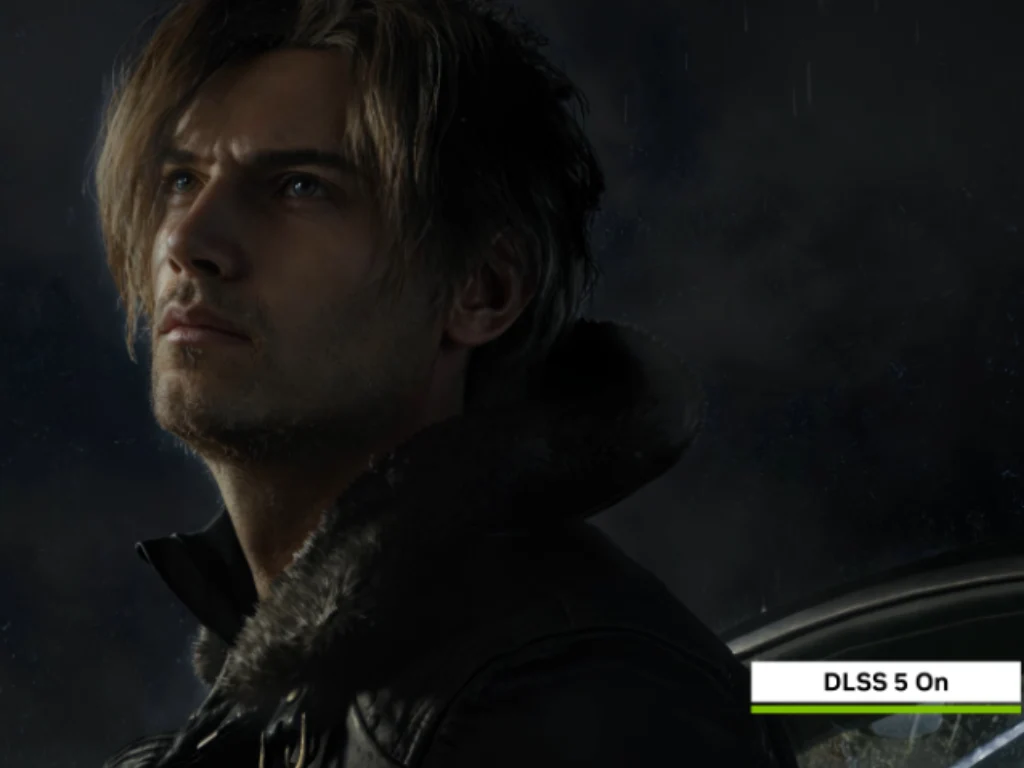
    This investor Q&A happened just days after NVIDIA highlighted DLSS 5, showcasing characters Grace Ashcroft and Leon Kennedy from Resident Evil Requiem being re-rendered through generative AI. This took Capcom’s art team by surprise, as they were not made aware of the character changes before the showcase went live.

    Source:
    Link


  • Capcom’s New RPG Launches on Steam with 74% Rating and More Monsters

    Capcom’s New RPG Launches on Steam with 74% Rating and More Monsters

    Key Takeaways

    1. Release Date and Platforms: Monster Hunter Stories 3: Twisted Reflection was released on March 13, 2026, for PC, PS5, Xbox Series X|S, and Nintendo Switch 2.

    2. Visuals and Engine: The game utilizes Capcom’s RE Engine, resulting in the most visually impressive entry in the Stories series.

    3. New Companion Character: The game introduces Rudy, a customizable companion who replaces the traditional chatty Felyne, marking a shift in narrative style.

    4. Ecosystem Management Feature: The ‘Habitat Restoration’ mechanic allows players to enhance ecosystem rankings and unlock special features by interacting with the environment.

    5. Shift to Single-Player Focus: The game has removed traditional multiplayer options, focusing on a single-player experience, which has received mixed reactions from the community.


    The latest release from Capcom, Monster Hunter Stories 3: Twisted Reflection, hit the shelves on March 13, 2026, for PC, PS5, Xbox Series X|S, and the Nintendo Switch 2 (currently priced at $449 on Amazon). The game features a “Ranger” protagonist who delves into a world teetering on the edge of disaster due to the emergence of twin Rathalos, creatures once believed to be extinct. Critics have praised it for making significant strides in gameplay mechanics, but the initial reviews on Steam have been mixed, with a 74% positive rating, reflecting a divided community reaction, particularly concerning the exclusion of traditional multiplayer options.

    Stunning Visuals

    Capcom employed the RE Engine for this title, which is their in-house game engine first developed for Resident Evil 7 back in 2014. This choice has resulted in the most visually impressive entry in the Stories series thus far.

    A New Companion

    Set two centuries after a devastating civil war, the narrative unfolds in the regions of Azuria and Vermeil. Unlike the previous games that featured a chatty Felyne companion named Navirou, Twisted Reflection presents Rudy, a companion that is more reserved and can be customized using various “layered armor” sets.

    Ecosystem Management

    A standout addition to the gameplay is the ‘Habitat Restoration’ feature. By defeating “Feral Monsters” and setting up campsites, players can release newly hatched monsters back into their natural habitats. This act enhances the ecosystem ranking of an area, and achieving an “S” rank can provide significant boosts to all monsters of that species in the player’s team. It may even unlock dual-element mutations, like a water-aligned Rathian.

    Capcom’s shift towards a single-player experience in Stories 3 has stirred some controversy. By eliminating player-versus-player (PvP) elements entirely, developers have aimed to enhance the power of player skills and “Monsties.” This change has understandably upset some long-time fans who enjoyed the competitive aspects of the series.

    Pricing and Investment

    At a price point of $69.99, Twisted Reflection represents a considerable investment for players, essentially asking them to choose a solitary, more mature narrative over an online community. Gamers who appreciate intricate storytelling and deep ecosystem management will find plenty to enjoy in this installment. However, the lack of competitive gameplay means players may not feel an urgent need to purchase it right away, leading to a potential dip in initial sales momentum.

    Source:
    Link