Tag: Video Game Industry

  • Fallout Creator Tim Cain Criticizes Influencer Culture and Gamer Judgment

    Fallout Creator Tim Cain Criticizes Influencer Culture and Gamer Judgment

    Key Takeaway

    1. Gamers are increasingly relying on YouTube and Twitch influencers for opinions and recommendations, often abdicating their own judgment.
    2. Influencers create deeper parasocial bonds with viewers, shifting the industry focus from balanced reviews to personalized endorsements.
    3. The rise of influencer-driven content has influenced game design, with developers tailoring games to generate popular clips, potentially impacting creative integrity.
    4. There is concern that this trend leads to less exploration and personal discovery among gamers, reducing diversity in their game preferences.

    Old School Gaming Perspectives

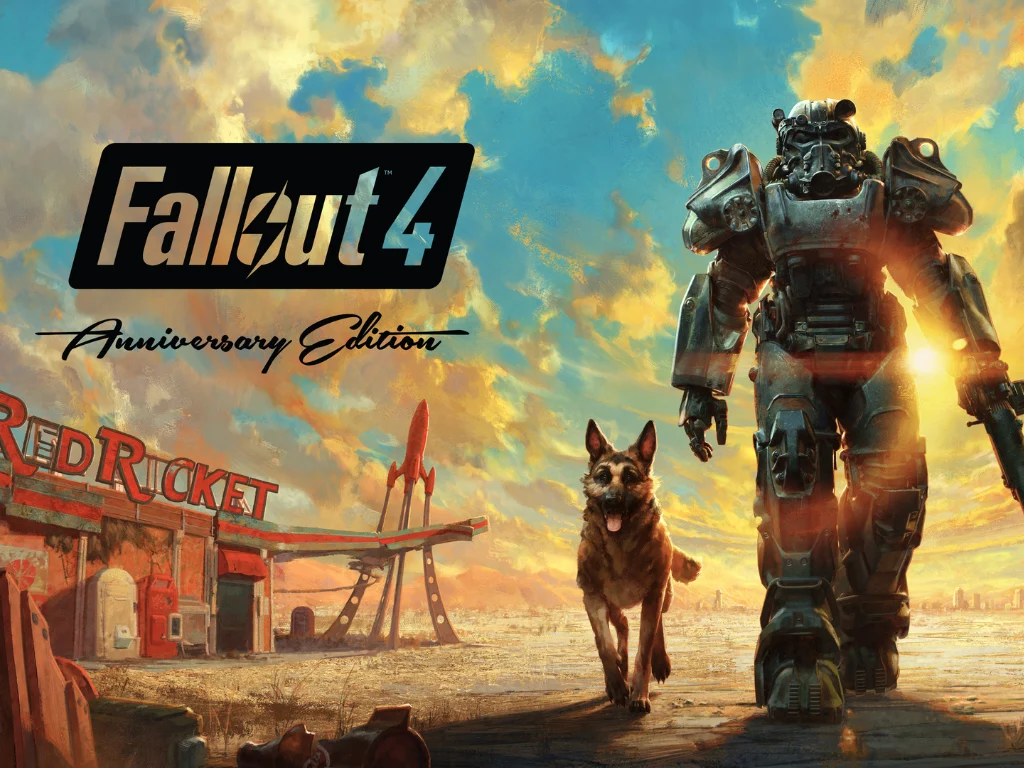
    Tim Cain, who created the infamous Fallout back in 1997, has been in the game industry for ages, and he’s got some strong opinions about how things have been changing lately. He recently talk about how many players just follow trends set by YouTubers and Twitch streamers instead of discovering their own favorites. Basically, he think that game fans are less explorative and more easily influenced now days. For someone who’s seen it all, that’s kind of worrying.

    Evolution of Game Discovery

    Back in the day, gamers used to pick games by reading the back covers or flipping through magazines, relying heavily on word of mouth. Cain reminisces about this simpler time, where players weren’t bombarded with guides and reviews beforehand. Now, the scene is vastly different with influencers leading the way, which Cain believes can be both good and bad. He sees the early days of indie experimentation but feels that the influence from online personalities has shifted the entire landscape.

    The Rise of Influencers & Their Impact

    His take about YouTubers and streamers is that they don’t just show gameplay but also recommend whether or not you should buy a game. These personalities have created bonds with viewers that are often more personal and intense than traditional magazines or reviews ever could be. That influences players’ opinions a lot, sometimes more than objective reviews, which Cain finds unhealthy for the industry.

    Industry Changes and Developer Strategies

    Developers are now focusing on making their games more ‘clip-friendly,’ trying to create moments that influencers will want to share online. Cain mentions that this new era pushes developers to think about what scenes will go viral instead of focusing solely on the game’s quality or innovation. This shift leads to a concern that many games might become more about spectacle than substance, which Cain calls “probably not a healthy way of designing a game.”

    Conclusion: The Future of Gaming Opinions

    At the end of the day, Cain fears that many gamers are just blindly following online voices, losing their ability to form honest and independent opinions about games. Instead of analyzing what they like or dislike, they are told what to think by influencers, which could hurt the industry in the long run. It’s clear that Cain feels the trend might be pushing gaming in less authentic directions, making it harder for new ideas to grow.

    Sources
  • Spiders Shuts Down After Greedfall II Prequel Release Amid Nacon Insolvency

    Spiders Shuts Down After Greedfall II Prequel Release Amid Nacon Insolvency

    Key Takeaway

    1. Spiders, known for ARPGs like Greedfall, has closed after 18 years, becoming the first major casualty of Nacon’s financial turmoil.
    2. The closure is blamed on financial failures and is seen by the union as a deliberate act by Nacon’s management.
    3. Nacon faced insolvency due to failed repayments, leading to the sale of subsidiaries, but no buyers emerged for Spiders.

    Spiders Game Studio Shuts Down After 18 Years

    Spiders, a well-known French developer mainly famous for their Action Role-Playing Games (ARPGs) such as Greedfall and Steelrising, has now closed permanently. This has been confirmed as the first big studio to drop under the weight of Nacon’s ongoing money problems. Just a few weeks after releasing Greedfall: The Dying World, which is kinda a prequel to their most popular game ever, they announced they are shutting their doors. The studio’s been around for 18 years, and they’ve been known for creating unique but sometimes quirky eurojank RPGs.

    Official Announcement & What It Means

    On April 29, 2026, Spiders made a post on Facebook explaining what has happened. They said, “Hello, everyone. First off, we’re going to cut straight to the chase so you’re not left wondering. After a long period without clear answers, we have received confirmation that Spiders is being liquidated. What does it mean? It means the parent company as a whole no longer exists. We’ll cease our functions immediately. The planned DLC will release via Nacon, and then… well, that’s it. We’re sorry that it’s come to this and would like to thank each and every one of you for your support over the years.”

    They also told fans to contact Nacon directly if they have any questions or issues with their games, because Spiders itself will no longer be able to respond. This marked the end for one of the notable indie studios known for its RPGs with a distinctive style, as it was a huge blow to fans and followers of their projects.

    Reaction From the Industry & Employees

    The French video game union STJV stepped into the conversation to share their frustration. They said Nacon’s decision to shut down Spiders was “a premeditated and deliberate choice by Nacon’s management” and suggested players and supporters should boycott Nacon altogether. The union pointed out that about 71 workers lost their jobs, which is really bad news for all involved. They blame the company’s failure on supposed lack of profits, but the union believes it’s more about Nacon purposely ending things.

    The troubles started earlier this year, in February 2026, when Nacon’s major shareholder, Bigben Interactive, couldn’t pay back a €43 million loan, which forced Nacon into insolvency. With financial worries mounting, the company had to attempt selling multiple shelters, including Spiders, but nobody wanted to buy them. The hopes for Nacon’s upcoming titles got shaky, and now, with Spiders gone, many fear other studios like Kylotonn and Cyanide might also be in danger of closing down soon.

    Sources
  • Capcom Stock Drops Despite Positive Pragmata Reviews and 1 Million Sales

    Capcom Stock Drops Despite Positive Pragmata Reviews and 1 Million Sales

    Key Takeaway

    1. Capcom’s Pragmata sold 1 million units, exceeding expectations for a new IP, but the company’s stock still declined.
    2. Investor skepticism or lack of motivation to buy more shares contributed to the stock’s drop, despite positive sales figures.
    3. Strong initial sales and hype do not necessarily translate into immediate stock gains, as seen with previous titles like Resident Evil Requiem.

    Market Reaction to Pragmata’s Sales Announcement

    Since Capcom announced that Pragmata had sold 1 million copies, fans or investors expected something big. But surprisingly, instead of a celebration, the company’s stock price started falling down. It was confusing for many, especially since the game had good reviews and more titles were teased. A comment from a TweakTown editor highlighted the puzzled mood among the gaming community.

    Stock Price Movements and Investor Sentiments

    Derek Strickland pointed out that Capcom’s stocks went down more than 5% after the April 20th news and then lost almost 2% more, though it slightly recovered later. His questions focused on whether investors had hoped for even higher sales or if other reasons caused the dip. The change in stock value made many wonder what players and investors really expected from the new IP.

    Industry Expert Analysis and Company Response

    Expert Dr. Serkan Toto shared his insights, saying that for such a new title, 1 million copies in sales was quite good. Capcom confirmed this, mentioning that Pragmata managed to do well despite lacking a built-in fan base or recognized brand power. This shows the game performed better than some might think for a fresh franchise.

    Investor Motivation and Future Projects

    Toto explained that investors might not be rushing to buy more shares because of the current results. However, Capcom is optimistic about the future, with plans for more titles like Onimusha: Way of the Sword, which is still without a release date but seen as a promising potential success story. Despite the promising start, expectations for Pragmata might be more restrained compared to other blockbuster launches.

    Comparison with Resident Evil Requiem Sales

    While Pragmata’s 1 million copies in just two days is impressive, it probably cannot match the sales record of Resident Evil Requiem. The horror game sold 5 million units within a week, with many reviews praising it right after launch. Interestingly, even with such rapid sales, Capcom’s stock didn’t rise much after the game’s release, indicating that most investors had already sold shares in anticipation of strong pre-orders. In essence, pre-launch hype seemed to play a bigger role in stock movement than the later sales figures.

    Post-Launch Trends and Investor Expectations

    In conclusion, the stock behavior might be linked to the hype surrounding Pragmata and initial excitement in the marketplace. Nonetheless, experienced investors tend to keep their eyes on long-term potential rather than quick post-launch success. The overall trend shows that while a new game can generate quick excitement, stock valuations are impacted more by expectations and broader market sentiment than immediate sales numbers alone.

  • Shuhei Yoshida, Ex-PlayStation Studios Head, Reveals He Was Fired by Former CEO

    Shuhei Yoshida, Ex-PlayStation Studios Head, Reveals He Was Fired by Former CEO

    Key Takeaway

    1. Shuhei Yoshida was dismissed from his role as President of SIE Worldwide Studios in 2019 for refusing to follow Jim Ryan’s directives, particularly regarding Sony’s direction toward live-service games.
    2. Yoshida played a key role in developing major PlayStation franchises over his 11-year tenure, including The Last of Us, God of War, Uncharted, and Ghost of Tsushima.
    3. Despite the “fired” label, Yoshida maintained a friendly relationship with Jim Ryan, citing their long history since the PS1 era and noting professional boundaries and conflicts.
    4. His departure was framed as a choice between a smaller role in indie projects or leaving Sony—he opted to remain for five more years before departing in early 2025.

    Yoshida’s Departure and Its Implication

    Shuhei Yoshida, a long-standing figure in PlayStation’s development scene, shared that his exit from leading Sony’s worldwide studios in 2019 wasn’t just a voluntary move but rather a consequence of being dismissed by Jim Ryan, the ex-CEO of Sony.

    Inside the Sony Politics

    At the recent Alt:Games festival in Australia, Yoshida told the crowd that he was “fired” because he refused to follow some of Ryan’s peculiar directives. His departure was portrayed as a necessity, not a choice, pointing to tensions within Sony’s leadership structure.

    Reflecting on His Career and Franchises

    • Yoshida’s leadership spanned over a decade
    • He was at the helm when iconic games like The Last of Us, God of War, Uncharted, and Ghost of Tsushima were created and refined

    Resistance to Certain Strategies

    Though Yoshida did not specify exactly what requests he rejected, he’s hinted before that he was uncomfortable with Sony’s push into live-service games—an approach that came to define Jim Ryan’s era. Still, he remains amicable with Ryan, emphasizing their long history.

    Personal Relationship with Jim Ryan

    Having known Jim from the early days of PlayStation in the 1990s, Yoshida mentioned that, despite professional differences, their friendship endured. He humorously noted that working under a friend can be complicated, especially when one prefers working as equals.

    Bright Future or End of an Era?

    When Yoshida first stepped back in 2019, fans wondered whether a veteran like him would continue in an influential role. He stated that the choice was straightforward—either focus on indie projects or depart Sony. After five more years of service, he finally left early 2025, marking the end of a significant chapter in PlayStation history.

    Sources
  • Netflix Seeks Generative AI Talent for Games with $840K Job Offer

    Netflix Seeks Generative AI Talent for Games with $840K Job Offer

    Key Takeaways

    1. Netflix is hiring a Director of Generative AI for Games, with a salary range of $430,000 to $840,000 per year.
    2. The role requires at least 10 years of experience and knowledge of the entire game development process.
    3. The Director will lead the generative AI strategy, collaborating with game studios and tech teams to create new gaming titles.
    4. The job listing has received backlash, as critics highlight the disparity between high salaries for AI roles and low pay for entry-level positions in the industry.
    5. Netflix is actively pursuing AI initiatives, including plans for AI-generated interactive advertising in 2026.


    As the gaming industry faces a wave of layoffs, Netflix has recently listed a peculiar job opening for a Director of Generative AI for Games, offering a salary range of $430,000 to $840,000 per year, along with a generous benefits package.

    Job Details and Requirements

    This role, based in Los Angeles and requiring in-person attendance, is looking for someone with at least 10 years of experience in the sector, and a comprehensive knowledge of the entire game development process from initial concept to live operations.

    The job description mentions that the candidate will be responsible for defining and leading the generative AI strategy within Netflix Games. This includes shaping the base structure and working alongside game studios, tech teams, and leadership to develop fresh titles.

    Background Context

    This announcement follows a series of layoffs at Netflix, where an unspecified number of employees from Night School Studio, the developer of Oxenfree, were let go in February 2025. Night School Studio was acquired by Netflix in 2021.

    The job listing reveals:

    We’re searching for a innovative and practical Head of Gen AI to oversee the strategy and application of Gen AI throughout our gaming organization. This position is at the crossroads of technology, product, and creativity, influencing how we utilize advanced AI to craft meaningful, original, and scalable experiences for gamers.

    You will act as a crucial partner to our game studios, technology and platform teams, as well as leadership. Your role is to integrate in-game features into brand new modes of play, based on what’s technically possible and what’s captivating for players.

    Industry Reaction

    This job listing has sparked significant backlash from industry insiders, with some arguing that the position offers “nearly half a million dollars to click generate on the plagiarism machine, while entry-level jobs have vanished, and they want to hire art directors on contract for $30 an hour.”

    Others have mocked the job posting, saying, “Netflix wants to pay someone half a million dollars a year to be ‘director of genAI for games’. Your first Unity tutorial project makes you overqualified.”

    Netflix is clearly making strong moves in the AI space, as the company has revealed plans to roll out AI-generated interactive advertising in 2026. In July, co-CEO Ted Sarandos spoke highly of generative AI’s role in the show The Eternaut, declaring, “We still believe that AI offers a tremendous chance to assist creators in making films and series better, not just cheaper.”

    Source:
    Link


  • China’s Video Game Industry Shows Signs of Recovery with 87 New Titles Pointing to a Promising 2024

    China’s Video Game Industry Shows Signs of Recovery with 87 New Titles Pointing to a Promising 2024

    China’s Video Game Industry Sees Remarkable Resurgence with Approval of 87 New Titles

    China’s video game industry is experiencing a remarkable resurgence, with the approval of 87 new titles, including high-profile releases like Ubisoft’s “The Division Resurgence.” This surge in gaming approvals marks a significant recovery from previous regulatory challenges, signaling a brighter future for both players and developers.

    A Strong Year for the Chinese Gaming Industry

    2023 has been a notable year for the Chinese gaming industry, with a total of 873 titles approved so far. This number comfortably surpasses the 512 titles approved in 2022 and the 755 titles in 2021. Among these approved titles are offerings from major Chinese developers like NetEase, Perfect World, Lilith Games, and HyperGryph, illustrating a diverse and robust gaming ecosystem.

    Simplifying the Approval Process

    The approval process in China adds a layer of complexity for game publishers, as every title must undergo licensing before public release. However, the recent approvals indicate a more stable and predictable environment, which is vital for the industry’s health and growth. This positive trend allows developers to have a clearer path towards releasing their games to the market.

    The Division Resurgence: A Game to Watch

    One of the highly anticipated games is “The Division Resurgence,” which is set for a global launch in 2024. This multiplayer shooter game is expected to be a significant draw for players worldwide. Ubisoft’s partnership with Tencent’s Level Infinite aims to extend its reach across Asia, including countries like the Philippines, Thailand, Singapore, and Malaysia. This collaboration highlights the importance of the Chinese market and its pivotal role in the global gaming landscape.

    Projected Growth and Rising Gamers

    China’s overall gaming revenue is projected to reach $47.76 billion in 2023, reflecting a 5.2% increase from the previous year. This growth is driven by a regular cadence of game approvals, successful new launches, and sustained spending on legacy titles. Additionally, the number of gamers in China is on the rise, expected to reach 710.3 million this year. These figures demonstrate the immense potential of the Chinese gaming market.

    In conclusion, China’s video game industry is experiencing a resurgence with the approval of 87 new titles, showcasing a brighter future for players and developers alike. With a robust gaming ecosystem, simplified approval processes, and anticipated releases like “The Division Resurgence,” the Chinese market is poised for continued growth. As gaming revenue and the number of gamers continue to rise, China solidifies its position as a key player in the global gaming landscape.