Tag: Netflix

  • Netflix’s Price Hike Makes 4K and Privacy a Luxury Tax

    Netflix’s Price Hike Makes 4K and Privacy a Luxury Tax

    Key Takeaways

    1. Netflix has raised subscription prices again, with the Premium 4K option now at $26.99/month and the ad-supported plan at $8.99/month, creating a stark choice between quality and privacy.

    2. The price increase reflects a strategy to widen the gap between paying tiers, where avoiding ads and gaining higher quality can lead to significant annual costs, with Premium 4K reaching $323.88/year.

    3. Consumers now face a dilemma as privacy has shifted from being a standard feature to a premium one, with lower-tier users subjected to ad tracking and segmentation.

    4. Industry trends show other streaming services like Amazon and Disney+ adopting similar pricing strategies, indicating a move towards charging extra for high-quality content and data privacy.

    5. As streaming costs rise, the value of 4K streaming is diminishing compared to physical media, prompting consumers to consider “subscription hopping” for cost-effective access and quality.


    Netflix has just increased its U.S. subscription prices for the second time this year. The new pricing is starting to feel like a tax on your devices. As of March 26, 2026, the Premium 4K option is now $26.99 per month, while the entry-level ad-supported plan is priced at $8.99. This creates a significant price difference that compels viewers to choose between two things that were once seen as standard: the quality of their display and the privacy of their viewing habits. If you invested in a high-end laptop like a MacBook Pro M5 for its impressive 1,600-nit brightness and Mini LED display, Netflix is now charging you a hefty yearly fee just to make the most of that screen.

    Price Gap Analysis

    The details behind this price increase reveal a deliberate strategy to widen the gap between different paying customers. The ad-supported plan now runs about $108 a year, while moving up to a basic ad-free experience costs $19.99 per month, equating to a shocking $132 annual hike just to avoid tracking. For those wanting the Premium 4K experience, the yearly cost climbs to $323.88. That’s a significant investment for a service that still restricts high-bitrate content behind its priciest tier, despite the fact that 4K resolution has become the standard for most high-end monitors and TVs sold recently.

    Changing Consumer Dynamics

    This shift in pricing alters how consumers relate to their devices more than you might realize. When streaming services were still emerging, they felt like utilities that enhanced your hardware. However, in 2026, it seems more like a hurdle. By setting the ad-free Standard tier at $20, Netflix has essentially assigned an $11 monthly value to your personal information. Users on the lower tier aren’t just watching ads; they are being segmented and monitored by a more aggressive ad-technology system that targets them based on their real-time watching habits. It’s unfortunate, but privacy has shifted from a basic right to a premium feature that demands a higher-tier commitment. This sounds ridiculous, but many platforms are embracing this approach these days.

    Wider Industry Trends

    Analysts are dubbing this trend “resolution gating.” Beginning April 10, 2026, Amazon will also be renaming its ad-free tier to “Prime Video Ultra” and increasing the surcharge from $2.99 to $4.99 per month. More crucially, Amazon is mimicking Netflix’s strategy by removing 4K/UHD access from its standard plan entirely, meaning high-resolution streaming will become a paid privilege instead of a standard feature for Prime members. Likewise, Disney+ has been steadily raising its prices over the last year, with CEO Bob Iger openly mentioning that these hikes aim to “steer” subscribers toward the more lucrative ad-supported tiers. The message from streaming giants in 2026 is crystal clear: if you want to keep your data private and enjoy high-quality visuals, expect to pay more – and it’s likely to get worse over time.

    Rethinking Streaming Value

    For the average tech-savvy user, the justification for 4K streaming is starting to weaken under the pressure of these price hikes. At over $320 a year, a single Netflix Premium subscription now exceeds the cost of a high-end standalone 4K Blu-ray player (this Panasonic model is currently $90 on Amazon) and a small collection of physical discs. Unlike streaming, a physical disc offers a fixed bitrate that doesn’t change with your internet speed and incurs no monthly fee. If Netflix continues to test how much consumers are willing to pay, the “all-you-can-eat” appeal of streaming may eventually lose its competitive advantage against the superior quality and ownership that physical media provides. We’re already witnessing this shift in the music realm, where more audiophiles are moving away from services like Spotify and Apple Music, opting for dedicated music players that can play offline tracks from their digital libraries.

    The Future of Streaming Subscriptions

    We should begin to view streaming subscriptions as a rotating door; permanence appears to be the enemy of today’s tech budgets. If the goal is to maximize your hardware without overspending for basic privacy, “subscription hopping” is the only viable option. Subscribing for one month to binge-watch a series in 4K and then promptly canceling can prevent the service from becoming a stagnant, overpriced burden on your OLED display. We as consumers need to be more intentional about which months we choose to pay for these services, and if we truly want to pay for them at all.

    Source:
    Link



  • Assassin’s Creed Netflix Series: Setting Details and Fan Reactions

    Assassin’s Creed Netflix Series: Setting Details and Fan Reactions

    Key Takeaways

    1. Ubisoft is developing a live-action Assassin’s Creed series with Netflix, officially announced in summer 2025.
    2. The series will be set in ancient Rome during 64 AD, a unique setting not previously explored in the franchise.
    3. It will feature a standalone story, independent from the games, but may include familiar characters from the Assassin’s Creed universe.
    4. Early fan reactions are mixed, with some recalling the disappointing 2016 film adaptation, although the ancient Roman backdrop has received positive feedback.
    5. Filming is underway at Cinecittà Studios in Rome, with the series expected to debut in 2027, though this date is unconfirmed.


    Franchises like The Witcher and Fallout have demonstrated that transforming video games into TV shows can indeed be successful. Ubisoft is looking to replicate this success with its live-action Assassin’s Creed series, which is being developed alongside Netflix and Ubisoft Film & Television. Although there was much speculation surrounding the project, it was only officially announced in the summer of 2025. Up until now, specific details about the setting and overall narrative had been scarce. Finally, Netflix has shared some crucial information: the series will unfold in ancient Rome during the year 64 AD.

    Action and Intrigue in Ancient Rome

    Netflix characterizes the series as a thrilling action adventure that showcases a covert conflict between two factions: one aims to control humanity’s destiny through manipulation, while the other fights for the right to choose freely. This aligns well with the fundamental conflict of the Assassin’s Creed franchise. However, the setting is entirely unique; there has never been an Assassin’s Creed game that takes place in ancient Rome before. While Assassin’s Creed Brotherhood, which is available for approximately $15 on Humble Bundle, is also set in Rome, it occurs during the Renaissance, nearly 1,440 years later.

    A Standalone Story

    It appears that the series will not be directly connected to any of the games, as it will tell its own independent storyline. Nonetheless, this doesn’t rule out the possibility of seeing familiar characters. The Assassin’s Creed universe revolves around memories accessed through the Animus, which means the show could potentially link to known characters or previous events within the franchise, even with its distinct plot. The return of characters like Ezio is a possibility, but for now, that remains purely speculative.

    Mixed Reactions and Production Updates

    So far, reactions on Reddit have been somewhat subdued. Many fans still recall the 2016 film adaptation, which received a lukewarm response due to its convoluted storyline and unremarkable characters, and currently holds a rating of 5.1 on Moviepilot. If Netflix has taken notes from these shortcomings, the modern-day storyline along with the Animus memories should be woven into the narrative more successfully. On the other hand, the ancient Roman backdrop has been met with mostly positive feedback from fans, as the era of Nero and the Great Fire of Rome feels almost custom-made for the political intrigue and tone typical of the franchise.

    Filming for the series has commenced in Rome. According to Netflix, the majority of production is happening at the renowned Cinecittà Studios. The series is spearheaded by Roberto Patino (Westworld, Sons of Anarchy) and David Wiener (Halo, Homecoming), who are serving as creators, showrunners, and executive producers. An overview of the cast has been included in Netflix’s official announcement. The series is projected to debut in 2027, although this has yet to be officially confirmed by the platform.

    Source:
    Link


  • Paramount to Acquire Warner Brothers After Winning Netflix Bid

    Paramount to Acquire Warner Brothers After Winning Netflix Bid

    Key Takeaways

    1. Netflix announced a deal to acquire Warner Bros. for $82.7 billion, but the bidding process was still open, with Paramount Skydance making competing offers.
    2. Paramount’s revised offer of around $111 billion was deemed “superior” by Warner Bros. Discovery’s board, leading to Netflix not increasing their bid.
    3. Paramount’s proposal includes a $7 billion fee for regulatory termination and a $2.8 billion fee to Netflix to cancel their merger agreement.
    4. The decision on Paramount’s offer will depend on approval from U.S. and European regulators, along with the board’s assessment of it as a “Company Superior Proposal.”
    5. To finance the $111 billion deal, Paramount plans to secure funds from Middle Eastern sovereign wealth funds, RedBird Capital, and banks like Citi and Apollo.


    On December 5, 2025, Netflix put out a statement saying that they had successfully negotiated and secured a deal to buy Warner Bros., which includes its film and TV studios, as well as HBO Max and HBO. The total value of this cash and stock deal was $82.7 billion, with the equity valued at about $72 billion. However, this was not the final agreement, as the bidding for Warner Bros. Discovery (WBD) was still open, with Paramount Skydance continuing to make their offers during this time. On February 26, the board at Warner Bros. Discovery decided that Paramount’s latest offer was “superior” compared to the initial Netflix deal. This new, higher offer would allow Paramount Skydance to take full control of WBD for around $111 billion. Netflix chose not to up their offer, leaving Paramount in a strong position to gain complete ownership of WBD.

    Paramount’s Terms

    Paramount’s recent proposal also includes a stipulation that the fee for regulatory termination would increase to $7 billion if the deal doesn’t go through due to long regulatory reviews. More importantly, Paramount is willing to pay Netflix a $2.8 billion fee to end the merger agreement with Warner Bros. Furthermore, as a gesture of goodwill, Paramount plans to waive WBD’s possible $1.5 billion financing cost that would arise from the debt exchange offer.

    Likelihood of Success

    The latest offer from Paramount stands a good chance of being accepted, as the WBD board needs to decide if Paramount’s updated proposal qualifies as a “Company Superior Proposal” under their agreement with Netflix. However, the final decision will rest with U.S. and European antitrust regulators, along with the U.S. Department of Justice.

    While the Netflix deal raised questions about the future of WB’s theatrical movie releases, the Paramount merger brings up worries about political bias since Paramount Skydance is owned by Larry Ellison and his son David, who are known Republican supporters and have connections to former President Donald Trump. Unlike Netflix, Paramount has shown interest in acquiring CNN and all of the Discovery TV networks.

    Financing the Deal

    To complete the $111 billion transaction, Paramount will need to secure funding from three Middle Eastern sovereign wealth funds, along with RedBird Capital and banks such as Citi and Apollo, which have already lent them $57.5 billion.

    Source:
    Link


  • Gore Verbinski: No Studio Will Match His Dark BioShock Movie Vision

    Gore Verbinski: No Studio Will Match His Dark BioShock Movie Vision

    Key Takeaways

    1. Netflix partnered with Take-Two Interactive and 2K Games to adapt the BioShock universe into a live-action film, reflecting a trend of video game adaptations in cinema.
    2. Previous attempts to create a BioShock movie, notably in 2008 with director Gore Verbinski, faced challenges and ultimately were abandoned.
    3. Verbinski aimed for a dark, mature tone with the film, but studio concerns over R ratings and box-office risks hindered the project.
    4. The director had creative ideas, including presenting both possible endings of the game, which excited fans despite the project’s cancellation.
    5. A new BioShock movie is reportedly in development at Netflix, although no recent updates have been provided on its progress.


    In 2022, Netflix formed a collaboration with Take-Two Interactive and 2K Games to bring the Rapture universe to life on the big screen. This marks the latest in a growing trend of adapting video games into live-action films, especially notable this year, with Markiplier’s inexpensive adaptation achieving great success at the box office and a new Silent Hill movie recently released in theaters.

    Previous Attempts

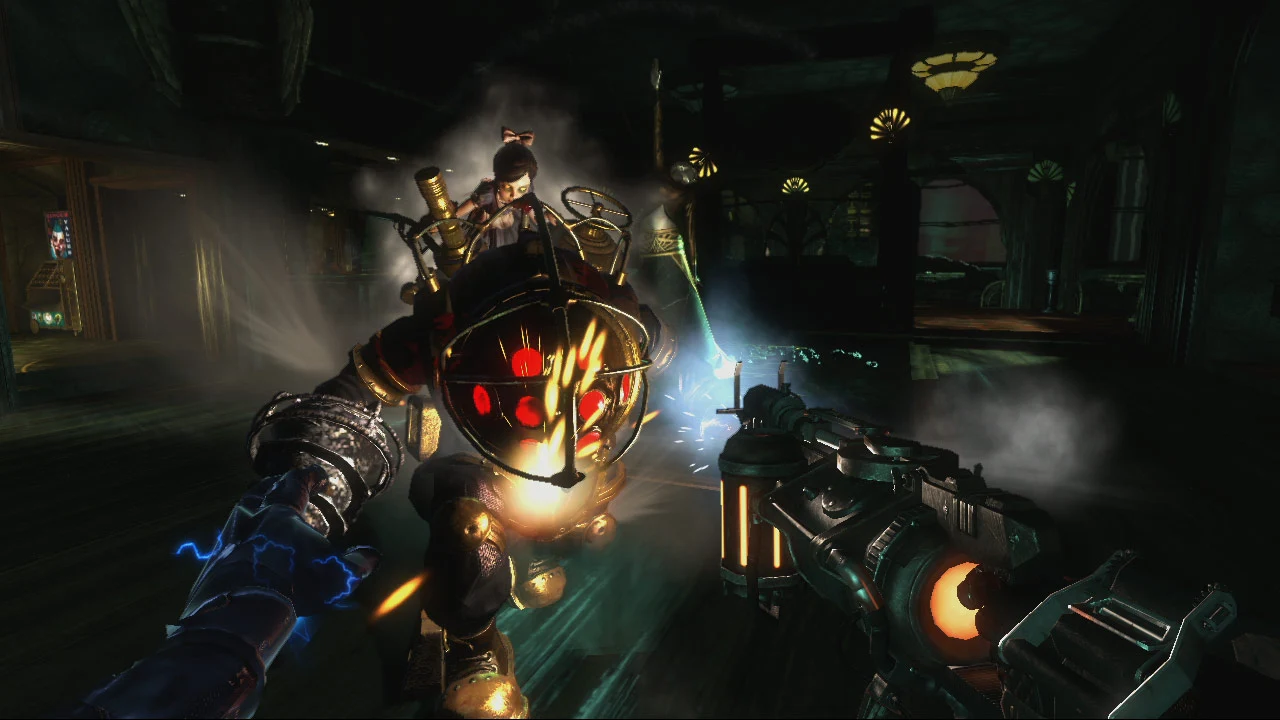
    This wasn’t the first attempt to create a live-action BioShock film. Back in 2008, a BioShock movie was announced but fell into what is known as production hell before it was ultimately scrapped. The director linked to the project, Gore Verbinski, recently talked about his experiences with it during an AMA for his current film, Good Luck, Have Fun, Don’t Die. He expressed his passion for the project, stating, “I was going to dive deeply into the Oedipal aspect and definitely keep it hard R with the Little Sisters, and the ‘choices’ the protagonist makes… and the consequences.” Verbinski elaborated on the “Oedipal aspect,” explaining that Jack, the game’s main character, is deceived into thinking he has free will and control over his own fate.

    Director’s Vision

    The director envisioned a film with a dark, mature tone, but the studio appeared hesitant about the R rating. “We were now about to start shooting a $200 million R-rated movie and they chickened out,” he mentioned in an interview with Collider. Verbinski noted that the box-office results of Watchmen served as a warning to Universal against investing in a high-budget, R-rated film. He described their mindset as “If they cost that much, they need to be PG-13.”

    Despite the studio’s concerns, Verbinski’s concept excited fans. “I had worked out a way with writer John Logan to have both endings, and I was looking forward to bringing that to the big screen and really messing with people’s heads. Had some great designs for the Big Daddies and the entire underwater demented art-deco aesthetic.” The idea of presenting both endings in a coherent manner would have made for a fascinating cinematic experience.

    Current Developments

    Currently, there is a BioShock movie reportedly in the works at Netflix, although no official updates have been released yet. “Every year I hear something about the project, but I’m not sure any studio is quite willing to go where I was headed,” Verbinski commented.

    Source:
    Link


  • Netflix to Reduce Theatrical Exclusivity After Warner Acquisition

    Netflix to Reduce Theatrical Exclusivity After Warner Acquisition

    Key Takeaways

    1. Warner Bros. Discovery (WBD) faces potential ownership changes, with Netflix proposing an $82.7 billion deal that is still pending antitrust approval.
    2. Paramount Skydance has made a better offer for WBD, leaving the final decision uncertain.
    3. If Netflix’s deal is finalized, it may reduce the traditional theatrical window to just 17 days, impacting theater revenue.
    4. The 17-day window has not been officially confirmed, and Netflix’s plans for theatrical releases remain unclear.
    5. Netflix is exploring new revenue models for theaters, including using concession vouchers instead of traditional ticket sales.


    Fans of significant franchises like Harry Potter, The Lord of the Rings, and the DC Universe are feeling a bit anxious as Warner Bros. Discovery (WBD) faces a potential ownership shift. For a short while, it seemed that Netflix had clinched the deal. On December 5, 2025, Netflix and WBD made an arrangement for a takeover valued at approximately $82.7 billion, which includes Warner’s film and TV studios, like HBO and HBO Max. Nevertheless, this agreement still needs antitrust clearance and is not yet finalized. Meanwhile, Paramount Skydance has put forward a better offer, which Warner is currently assessing, leaving the final decision still up in the air.

    Theater Industry Impact

    If Netflix manages to finalize the deal, it could greatly affect the future of movie theaters. Sources within the industry suggest that the company is contemplating a drastic reduction in the traditional theatrical window. New films might only be shown in theaters for 17 days before being available on Netflix’s streaming service – a significant decrease from the typical 45 days. Theater operators have expressed concerns that this change could harm their business by limiting crucial revenue beyond the opening weekend. Simultaneously, many fans worry that beloved Warner franchises could primarily be used to boost streaming subscriptions, with cinemas taking a backseat.

    Uncertain Theatrical Window

    It should be highlighted that the 17-day theatrical window has yet to be officially confirmed. Up to now, Netflix has only publicly referenced “industry-standard windows.” How the streaming giant would manage theatrical releases if it takes over Warner is still unclear. Recently, though, Netflix has demonstrated an increasing interest in theatrical releases – but on its own terms. For example, at the end of the year, the finale of Stranger Things was shown in U.S. cinemas in collaboration with AMC, implying that the big screen can remain a lucrative option under the right conditions.

    Instead of relying on traditional ticket sales, Netflix implemented a different approach: entry was granted through required concession vouchers, with all profits going directly to the theaters. This strategy aimed to establish a foundation for so-called actor residuals – payments that are contractually agreed upon for actors, writers, or directors when a film or series is redistributed or monetized across various platforms, such as theaters, television, or streaming.

    Source:
    Link


  • FIFA Ends EA Partnership for Exclusive Netflix Gaming Deal

    FIFA Ends EA Partnership for Exclusive Netflix Gaming Deal

    Key Takeaways

    1. Netflix will launch an officially licensed FIFA football game in summer 2026, coinciding with the World Cup.
    2. The game will be available at no extra cost to Netflix subscribers and playable on smart TVs, streaming devices, and mobile phones.
    3. FIFA’s partnership with Netflix marks a shift after ending its long-term collaboration with EA Sports in 2022.
    4. The game aims to attract a broad audience with easy-to-use gameplay, focusing on quick matches for casual gamers.
    5. This partnership is a strategic move for both FIFA and Netflix to test the FIFA brand’s value in gaming and expand Netflix’s gaming offerings.


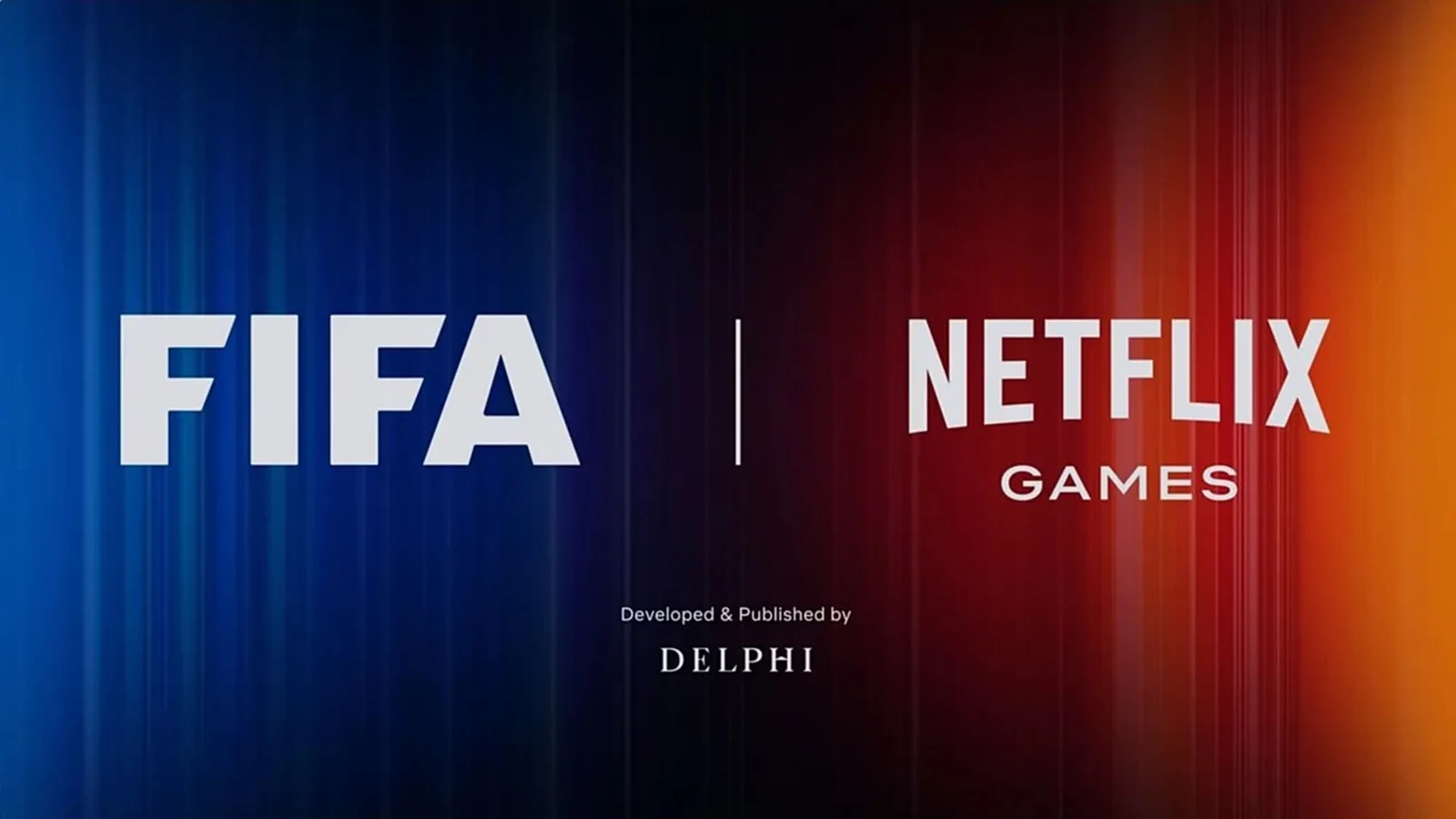
    Netflix is set to transform the FIFA World Cup 2026 into a gaming experience. The streaming service has revealed an officially licensed FIFA football game that will be available on its Netflix Games platform. This game, created by Delphi Interactive, is scheduled to launch in the summer of 2026, coinciding with the tournament taking place in the US, Canada, and Mexico. Instead of being a separate purchase, this title will be included in the existing Netflix Games library.

    Accessible Gameplay

    The upcoming game will be offered at no additional charge for Netflix subscribers and is built to function on smart TVs, streaming devices, and mobile phones. On televisions, players will utilize their smartphones as controllers, similar to other Netflix party games. There will also be a native version available for both iOS and Android platforms. Netflix and FIFA are promoting this project as an easy-to-use football simulation featuring quick matches that allow for both solo and online gaming, rather than a complex simulation specifically for hardcore console gamers.

    A New Era for FIFA

    For nearly 30 years, FIFA depended on EA Sports to produce its yearly football games, but that collaboration concluded in 2022 due to disputes over licensing fees and the future use of the FIFA name. EA retained the rights to its leagues, teams, and players, rebranding the series as EA Sports FC. Meanwhile, FIFA found the freedom to license its brand to others, and an exclusive agreement with Netflix allows FIFA to showcase its name to hundreds of millions of subscribers all at once, offering a simpler, TV-oriented game that aligns with the World Cup and FIFA’s goal to “reach billions” of fans.

    A Strategic Move

    This partnership represents FIFA’s first significant football simulation game since the end of its long-term connection with EA’s FIFA series, and it serves as a crucial test of how much value the standalone FIFA name still has in the gaming world. For Netflix, this marks another advancement in expanding its gaming offerings beyond just mobile tie-ins. This follows other projects like 007: First Light and its increasing collection of TV-playable games that leverage smartphones as controllers. The company aims to position the FIFA title as one of its flagship games in its endeavor to make gaming on Netflix as commonplace as watching a series.

    Source:
    Link


  • Netflix Considered EA Purchase Before Warner Bros. Deal

    Netflix Considered EA Purchase Before Warner Bros. Deal

    Key Takeaways

    1. Netflix’s potential $82 billion acquisition of Warner Bros. could significantly enhance its gaming offerings, leveraging popular franchises like Harry Potter and Batman.

    2. Netflix has shown interest in acquiring major assets, including Electronic Arts and Fox, but executives are hesitant about high stock prices, even considering Disney.

    3. Concerns about EA’s future arise from investor interest, with fears of job cuts and increased use of generative AI, leading to debates over whether Netflix would have been a better choice for the company.

    4. Critics view Netflix’s current gaming selection as lackluster, primarily appealing to casual gamers, despite some attention garnered by recent additions like Red Dead Redemption.

    5. Netflix’s ability to manage AAA games remains uncertain, especially after closing Team Blue, which had talent from major titles, indicating a shift towards smaller budget projects.


    The possible $82 billion deal for Netflix to buy Warner Bros. could really enhance the streaming service’s gaming offerings. WB Games has made games for popular franchises like Harry Potter and Batman, which could add significant value. Yet, a report from Bloomberg behind a paywall mentioned that Netflix had shown interest in Electronic Arts (EA) before.

    Interest in Major Acquisitions

    Lucas Shaw’s article on Bloomberg indicates that Netflix looked into buying “every major asset available for sale, including Electronic Arts Inc. and Fox.” There was even a thought about acquiring Disney, although the executives were hesitant to pay high prices for stocks that had once been cheaper. The report does not clarify when EA first came to Netflix’s attention.

    Concerns Over EA’s Future

    In September, a group involving Saudi Arabian investors suggested buying Electronic Arts, raising worries about what that might mean for the publisher. Analysts have suggested that such a buyout could lead to job cuts and increased use of generative AI. Now, gamers are discussing whether Netflix would have been a better choice for the deal.

    Netflix’s Gaming Offerings

    Critics have generally seen Netflix’s gaming selection as underwhelming. Many of the games seem like basic mobile experiences and don’t really appeal to serious gamers. The recent addition of Red Dead Redemption did grab some attention, but it likely won’t pull players away from consoles like the PS5, Xbox, or Switch 2.

    The potential Warner Bros. Games collection would fit well with Netflix’s strengths in TV and film. It’s easy to imagine connecting future projects like the Hogwarts Legacy sequel with existing material. However, with EA, partnerships for making Lord of the Rings or Star Wars games have frequently come and gone. EA’s most successful franchises are its sports games, particularly EA Sports FC and Madden NFL.

    Uncertain Future for AAA Games

    Despite how the subscription service may grow, not everyone is convinced that it can handle AAA games well. In 2024, Netflix decided to close down Team Blue, which had talent from major titles like Halo and God of War. This decision hinted at a shift towards smaller budget mobile projects. The possible Warner Bros. deal and interest in EA show that Netflix still seems to lack a solid game plan.

    Bloomberg, Netflix X account

    Source:
    Link


  • Netflix Update Disables Casting to TV: What You Need to Know

    Netflix Update Disables Casting to TV: What You Need to Know

    Key Takeaways

    1. The “cast” feature has been removed for some Netflix users on specific smart TVs and streaming devices, as well as for accounts on the ad-supported plan.
    2. Users affected by this change must now use their TV or streaming device remote to browse Netflix, as casting from mobile devices is no longer supported.
    3. The casting feature remains available for users with older Chromecast devices or TVs that support Google Cast.
    4. Users without these options need to install the native Netflix app on their smart TVs or streaming boxes to continue accessing content.
    5. This removal of features reflects a trend of increasing restrictions on how consumers engage with streaming content, raising concerns about consumer rights in the industry.


    A recent update has led to the quiet removal of a feature from some Netflix users’ accounts.

    Removal of the “Cast” Feature

    The “cast” feature, which enables subscribers to stream media from their mobile devices to a TV or streaming box connected to the same network, has been taken away from users who own certain smart TVs and streaming devices. Moreover, this feature is no longer available for accounts on the ad-supported plan.

    In a post on its Help Center website named “Can’t find ‘Cast’ button in Netflix app,” Netflix explains that the service “no longer supports casting shows from a mobile device to most TVs and TV-streaming devices.” Users who are impacted will now have to rely on the remote that came with their smart TV or streaming device to browse Netflix.

    Availability on Older Devices

    However, the casting feature is still accessible to subscribers using “an older Chromecast device” (though it isn’t specified what qualifies as “older”) or “a TV that works with Google Cast.” If neither option applies, users will need to install the native Netflix app on their smart TVs or streaming boxes.

    This change occurs at a time when streaming platforms seem to be becoming more restrictive about how users can engage with the content they pay for. With Sony removing purchased items due to contractual issues and costs of streaming services continually increasing, consumer rights in the streaming media sector seem to be eroding rapidly.

    Source:
    Link


  • Netflix Negotiates Acquisition of Warner Brothers IP Library

    Netflix Negotiates Acquisition of Warner Brothers IP Library

    Key Takeaways

    1. Warner Brothers is exploring strategic alternatives due to financial challenges and interest from major streaming services.
    2. Netflix is interested in acquiring specific intellectual properties (IPs) and production assets from Warner Brothers, rather than the entire company.
    3. The focus of Netflix’s potential acquisition includes WB’s film studios and HBO Max, but excludes legacy media networks like CNN and TNT.
    4. Acquiring Warner Brothers’ IP library would allow Netflix to access popular franchises and create new content, including spin-offs and movies.
    5. There are industry speculations about potential creative collaborations, such as reviving characters like Superman and allowing directors like Zack Snyder to continue their work.


    For several years, there has been talk about Warner Brothers facing financial difficulties and the potential for licensing some of its key intellectual properties, such as the DC universe. In late October this year, Warner Brothers. Discovery revealed that they are undergoing a “review of strategic alternatives” due to unexpected interest from various parties, including two big streaming services – Paramount Skydance and Netflix – along with Comcast, and to a smaller extent, Apple and Sony.

    Netflix’s Strategic Approach

    While numerous offers from Paramount Skydance have been declined, it seems that Netflix’s proposal, which doesn’t aim to buy the entire company, is gaining more favor. CNBC has reported that Netflix is working with Moelis & Co., the investment bank that advised Skydance Media before its acquisition of Paramount Global, to develop a strong bidding and acquisition plan. Netflix is reportedly interested in acquiring just the IPs and production assets, rather than merging entirely with Warner Brothers. Discovery.

    Focus on Key Assets

    This targeted approach would mean acquiring WB’s film studios along with the HBO Max streaming service. However, Netflix has shown no intention of taking over existing legacy media networks like CNN, TNT, Food Network, and Animal Planet. Some industry analysts worry that if Netflix were to acquire WB, it might not support future theatrical releases for WB franchises, limiting them strictly to streaming.

    Acquiring WB’s entire IP library would enable Netflix to provide exclusive access to popular franchises such as Harry Potter, Lord of the Rings, and DC Comics films. Furthermore, Netflix would gain the rights to expand these universes, potentially allowing the streaming giant to create spin-off TV series and even full-length movies based on these franchises. This possibility has led to fresh rumors, such as the potential return of Henry Cavill as Superman, with Netflix possibly letting Zack Snyder finish his DCEU Justice League trilogy. While this may seem unlikely, especially with James Gunn overseeing the new DC Universe, Netflix could advocate for new TV shows since Gunn’s contracts would fall under Netflix’s ownership.

    Source:
    Link


  • Showrunner Defends Netflix’s Witcher Series Amid Ratings Drop

    Showrunner Defends Netflix’s Witcher Series Amid Ratings Drop

    Key Takeaways

    1. Lauren Schmidt-Hissrich feels relieved to adapt an ending based on existing source material, allowing for a celebration of the series’ longevity.
    2. The showrunner acknowledges the diverse fan base, including book fans, video game fans, and new viewers, but emphasizes the challenge of satisfying all groups.
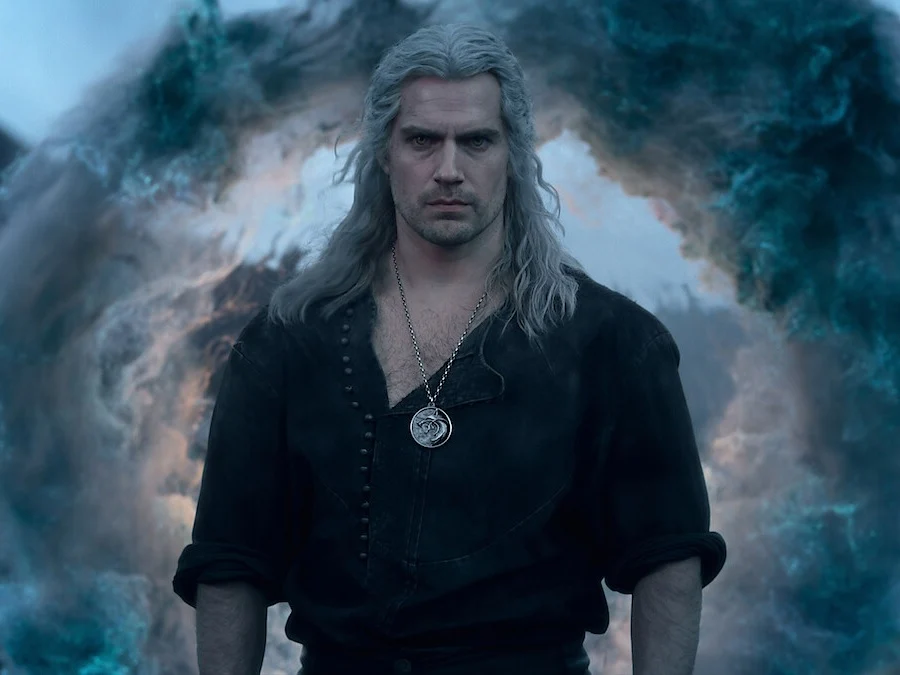
    3. The fourth season premiered on October 30, featuring Liam Hemsworth as the new Geralt, with both the fourth and fifth seasons filmed consecutively.
    4. Season 4 has received a low Metacritic score of 59 from critics and an even lower user score of 1.8, indicating viewer dissatisfaction with casting changes and deviations from the original books.
    5. There is currently no set release date for the fifth and final season of The Witcher.


    Recently, Dexerto had a conversation with Lauren Schmidt-Hissrich, the showrunner for the once-famous Netflix series, The Witcher. She expressed her thoughts on the newly released fourth season, as well as the upcoming fifth and final season.

    Pressure of Conclusion

    Schmidt-Hissrich mentioned feeling relieved about not having to create an ending from scratch, since the original material is already available. “I think we really lucked out because I said very early on, ‘We’re not going to go past the books,” she remarked. “There’s always that stress of concluding something, but for us, it felt like a huge celebration, like we actually made it this far,” she added. The showrunner emphasized her privilege in being part of the series for five seasons, noting how few shows have the opportunity to last that long.

    Fan Reactions

    She also expressed her thoughts on how fans perceive the show and its differences from the source material. Discussing current fan perspectives, she said, “There are book fans, video game fans, and those who didn’t know anything about this universe until the show came out.”

    In her comments, she pointed out, “And the reality is we can’t cater to just one group. We must stay true to what we are creating, which is a television show.” This statement might come off as a bit inconsistent, considering that two out of the three fan groups she refers to, which represent a significant part of the audience, are not satisfied with the show’s direction. Additionally, the departure of Henry Cavill, who played the lead role of Geralt, has added to the challenges the show faces.

    Season Release Details

    The fourth season of The Witcher premiered on Netflix on October 30 and features Liam Hemsworth as the new Geralt of Rivia, loosely adapting the narratives from the last three books written by the original author. Both the fourth and fifth seasons were filmed consecutively, but currently, there’s no set release date for the final season.

    While season 4 has received a rather low Metacritic score of 59 from 15 critics, the user score is even lower at just 1.8 based on 174 user reviews at the time of this writing. This suggests that many viewers are quite vocal about their dissatisfaction with the casting changes and deviations from the original books.

    Source:
    Link