1. EA’s removal of the activation reset tool for Dead Space 2 has left players permanently locked out after five machine activations, despite the game still being sold and marketed with a deauthorization link.
2. The game’s DRM system (TAGES SolidShield) and the outdated online support create frustration and unfair limitations for consumers, with no clear indication that support has been discontinued.
3. Louis Rossmann argues that EA’s corporate hypocrisy and restrictive DRM policies contribute to the rise of piracy, as players resort to unauthorized methods to access their purchased content.
Criticism Against EA’s Legacy DRM System
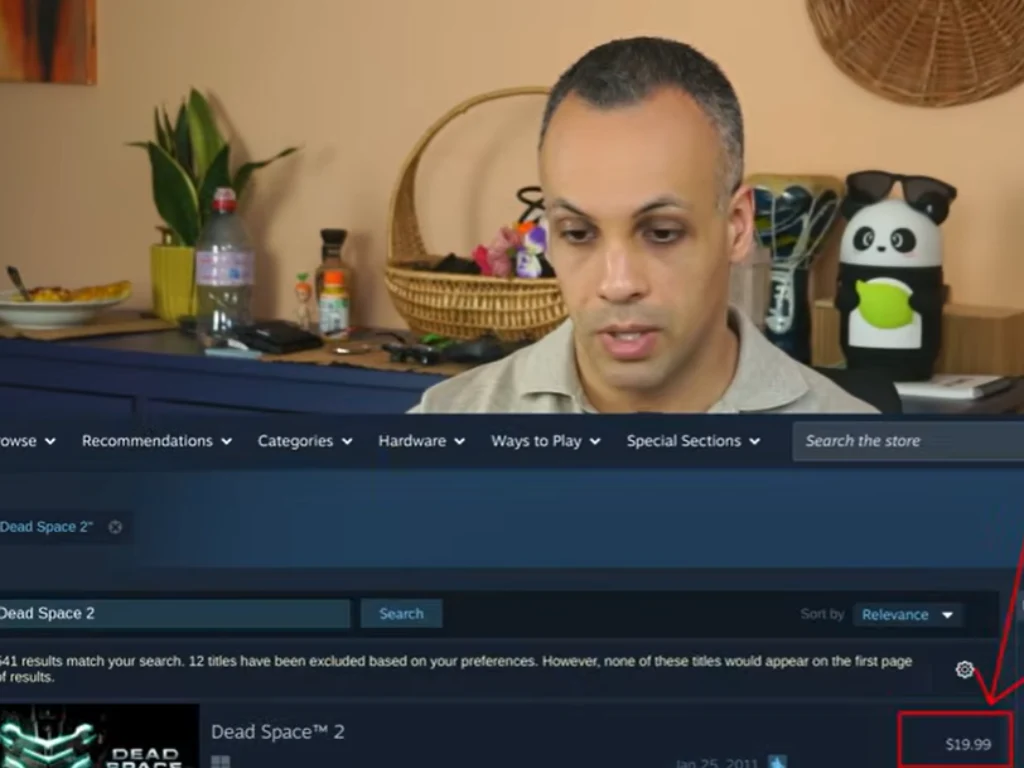
Louis Rossmann, a advocate for consumer rights based in New York, has publicly criticize EA for their outdated and strict DRM policies, specially regarding Dead Space 2. The game, which can be purchased for $19.99 on Steam, still operates under a five-activation limit that many gamers find unfair. Previously, users could easily deauthorize their game keys via a support tool provided by EA, but that option was removed years ago. The lack of current support for resetting activations frustrates many users especially after hardware changes or reinstallation.
Problems Caused by Limited Activations
Dead Space 2 utilizes the TAGES SolidShield DRM, which enforces a cap of five machine activations. Once those limits are reached, players who change their hardware, reinstall Windows, or encounter hard drive issues are locked out. According to information from the Consumer Rights Wiki, EA support confirmed that the activation reset tool was discontinued long ago. Despite this, the game continues to be listed on Steam with no updates or warnings about the removal of the reset option, leading to many angry customers.
Gamers Speak Out Against Corporate Policies
One gamer from Germany shared his experience with Rossmann, revealing he couldn’t reactivate his copy after reinstalling his OS and upgrading components. Rossmann expressed his discontent plainly, criticizing EA’s misleading practices. On his video, he pointed out the discrepancy between EA’s online instructions and the reality where support no longer exists for activation resets.
The Issue With Outdated Support and Promises
Despite the lack of an active support process, EA’s Steam page still prominently displays the original disclaimer that players can deauthorize their machines at a specific link. However, clicking on the link only redirects users to EA’s homepage, not the deauthorization tool. Rossmann called out this dishonesty, emphasizing that the game’s description still suggests support that no longer exists, which he finds entirely unacceptable.
What Could Have Been a Fair Solution
Rossmann suggested that EA could provide a patch to remove DRM entirely, especially since the game is no longer financially beneficial for the company. His stance is that if EA isn’t making money off Dead Space 2 anymore, there is no reason for them to keep such restrictive DRM. Instead, EA seems to prefer maintaining control over the game’s activation limits, which many argue is unfair to consumers.
Industry-Wide Hypocrisy and Growing Piracy
Rossmann argued that this hypocrisy isn’t limited to EA but reflects a wider problem within the gaming industry. This situation fuels piracy, as gamers are pushed to seek alternative ways to access their purchased content. Rossmann also noted that many players see piracy as a moral response to companies that restrict usability and transparency.
The Future for Disappointed Gamers
Currently, Dead Space 2 remains available for purchase with no warning about the DRM lockout, despite Steam’s two-week refund policy. Many gamers may never discover the activation issue until it’s too late. Regulatory bodies have yet to intervene, but new EU consumer protection rules may bolster player rights, allowing them to demand fixes or refunds. Until then, many feel forced to explore unofficial routes to access their games without restrictions.