
Key Takeaways
1. Nvidia’s DLSS 5 enhances in-game lighting using machine learning, significantly improving photorealism but altering game aesthetics.
2. Character rendering in games like Resident Evil Requiem and Starfield is noticeably affected, leading to concerns about characters appearing unrecognizable.
3. Community reactions to DLSS 5 have been largely negative, with criticisms focusing on the loss of artistic integrity and character depth.
4. DLSS 5 processes lighting without changing character models, but the lighting effects can drastically shift the game’s visual style.
5. Developers may gain more control over output with DLSS 5, but there are concerns it could lead to lower-quality games if misused.
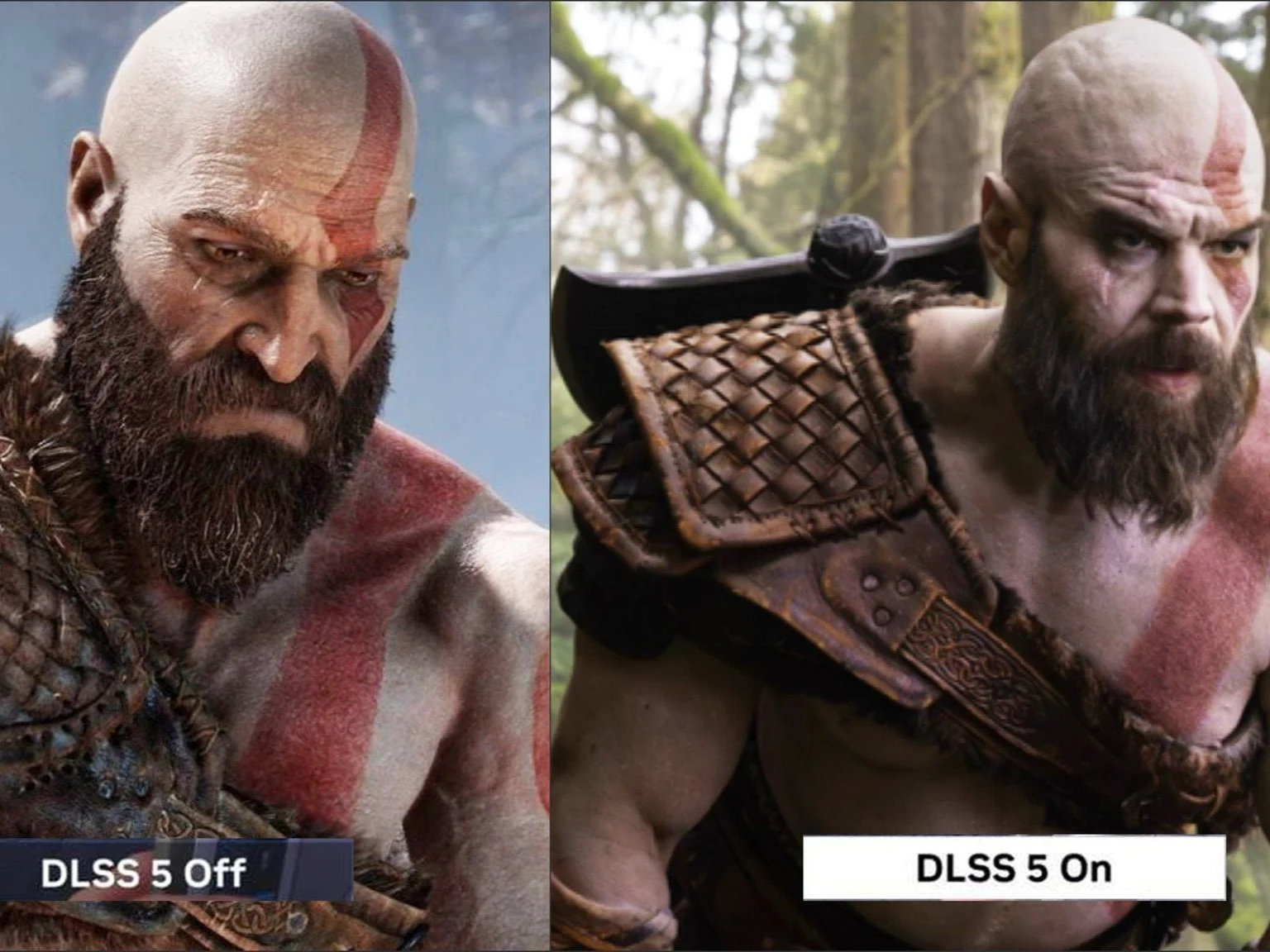
At GTC 2026, Nvidia unveiled DLSS 5, the latest version of Deep Learning Super Sampling (DLSS). This new technology is designed to enhance in-game lighting using machine learning, aiming to elevate photorealism significantly. The demonstrations reveal a noticeable improvement in lighting when DLSS 5 is activated. These adjustments appear to enhance photorealism by accentuating specular highlights, showcasing the true quality of game assets, but also, to many players’ frustration, drastically altering the game’s overall aesthetic.
Impact on Character Rendering
In Resident Evil Requiem, Digital Foundry illustrates how DLSS 5 takes Capcom’s already impressive character rendering to the next level. However, the differences are so pronounced that Grace, the main character of RE Requiem, seems almost unrecognizable. Similar ground-breaking improvements are evident in Starfield, where character designs verge on photorealism. Yet, this shift in character appearance introduces the same unsettling feeling as AI-generated images often do.
Community Reactions
Much of the online discussion about DLSS 5 has been overwhelmingly negative, with initial responses being quite intense. Some critics refer to it as “AI slop,” while others mourn the chaos it brings to artistic integrity. Gamers Nexus described the transformation of Grace as “an AI-generated dating profile picture used to scam an old person in another country,” expressing disappointment that the character lacks “any character or soul.”
Confusion Over Changes
This is where things become a bit perplexing. Digital Foundry mentions that DLSS 5 solely processes lighting information and does not alter assets, including character models. Thus, any changes in character designs or artwork stem entirely from the “enhanced” lighting effects. Nevertheless, it is clear that the lighting adjustments in DLSS 5 do more than merely apply a photorealism filter.
For example, The Elder Scrolls IV: Oblivion Remastered appears almost like an entirely different game when DLSS 5 is used. The update transforms the game’s formerly warm aesthetic into a colder, more high-contrast visual style.
Developer Control and Concerns
It is worth noting that some people may be overreacting, as the final version of DLSS 5 is expected to provide developers with greater control over the final image output. However, this reaction is understandable, considering how often modern game developers have disappointed gamers. For instance, DLSS was meant to resolve performance issues, yet many games still launch in incomplete and subpar conditions. There’s a fear that DLSS 5 might become just another tool for studios to reduce genuine effort, potentially leading to lower quality games.
On a positive note, there is hope that Nvidia is listening to this critical feedback, which could mean a more polished version of DLSS 5 will be available by Fall 2026.
Source:
Link
Leave a Reply