Tag: google

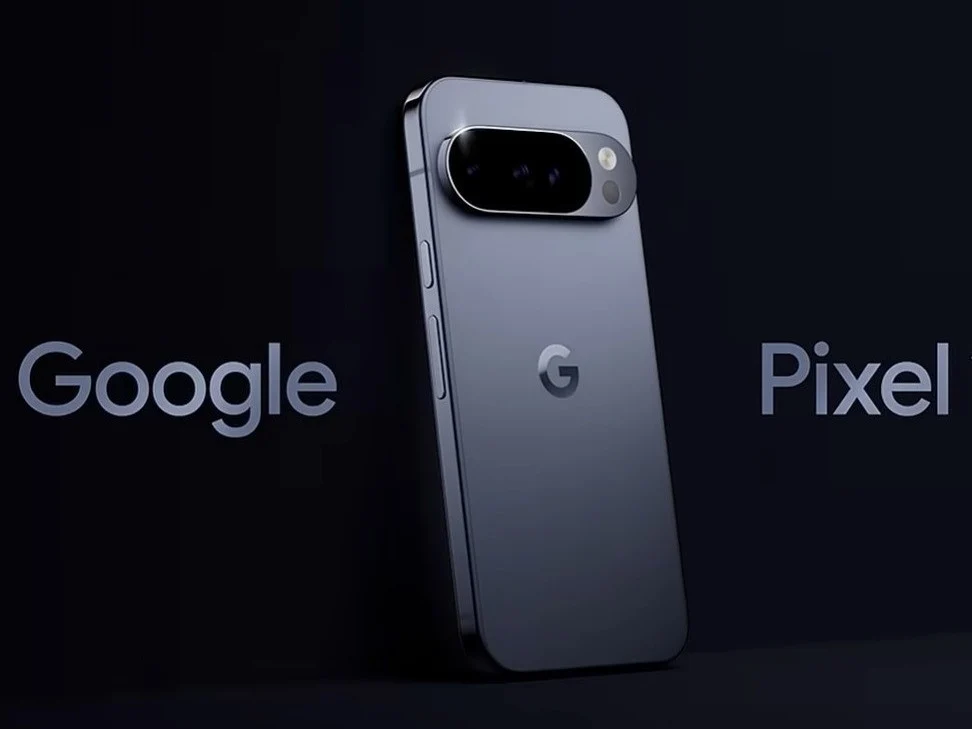
  • Google Pixel 11 Might Replace Samsung Modem with MediaTek Chip

    Google Pixel 11 Might Replace Samsung Modem with MediaTek Chip

    Key Takeaways

    1. Google plans to sever ties with Samsung for the upcoming Tensor chipset, aiming for improved performance and battery life in the Pixel 11 series.
    2. The production of the Tensor G5 chip has already moved from Samsung to TSMC, but the modem still relied on Samsung’s Exynos technology.
    3. Leaks suggest the next-gen processor, Tensor G6 (codenamed “Malibu”), will completely switch from Samsung’s modem to MediaTek’s M90 modem.
    4. The MediaTek M90 modem offers significant upgrades in network efficiency and performance compared to the existing Exynos modem.
    5. Google aims to enhance battery life in the Pixel 11 series by utilizing the more energy-efficient M90 modem, following mixed results with the Tensor G5.


    Google is said to be planning to sever its last hardware connections with Samsung for the upcoming Tensor chipset. This could greatly improve both the performance and battery life of the new Pixel 11 series, as the Google Tensor G6 chip might finally feature a fresh modem from another well-known company: MediaTek.

    Transition from Samsung

    Although Google has already shifted the production of its Tensor G5 chip (which is used in the Pixel 10) from Samsung Foundry to TSMC, a vital piece—the modem that manages cellular connections—still depended on Samsung’s Exynos technology. Now, a recent leak hints that Google is ready to take the entire design process even further away from its partner in South Korea.

    New Developments

    A recent report from tech insider Mystic Leaks on Telegram indicates that Google has kicked off early internal work on the next-gen processor, which is likely named the Tensor G6 (codenamed “Malibu”). The most significant detail from this leak is the supposed choice to completely abandon the Samsung modem in favor of the MediaTek M90.

    The MediaTek M90 modem, which was introduced this year, claims to offer various important upgrades compared to the current Exynos modem used in existing Pixels:

    Improved Performance

    The shift to the M90 modem is motivated by the quest for enhanced network efficiency and performance. Since the modem is one of the biggest energy-consuming parts of a smartphone, Google aims to achieve noticeable gains in battery life for the Pixel 11 series by opting for a more efficient solution like the M90.

    This year, the Tensor G5 didn’t meet the high hopes that followed the transition to TSMC’s production facilities. Let’s keep our fingers crossed that Google makes a comeback with the next version of the chip, and that Pixel enthusiasts finally get the chipset they’ve been waiting for.

    Source:
    Link


  • Google Confirms Android Sideloading Remains, But With Limitations

    Google Confirms Android Sideloading Remains, But With Limitations

    Key Takeaways

    1. Google is enhancing security for sideloaded apps on Android by introducing a developer verification system.
    2. The new requirement mandates a valid digital signature for all sideloaded apps to increase protection against harmful software.
    3. Concerns have been raised within the community, particularly from the F-Droid team, regarding the impact on open-source app distribution.
    4. If a developer distributes malicious software, Google can revoke their certificate, disabling their apps on users’ devices.
    5. While sideloading will not disappear, the process will evolve, requiring verification requests for app distribution or using ADB as a workaround.


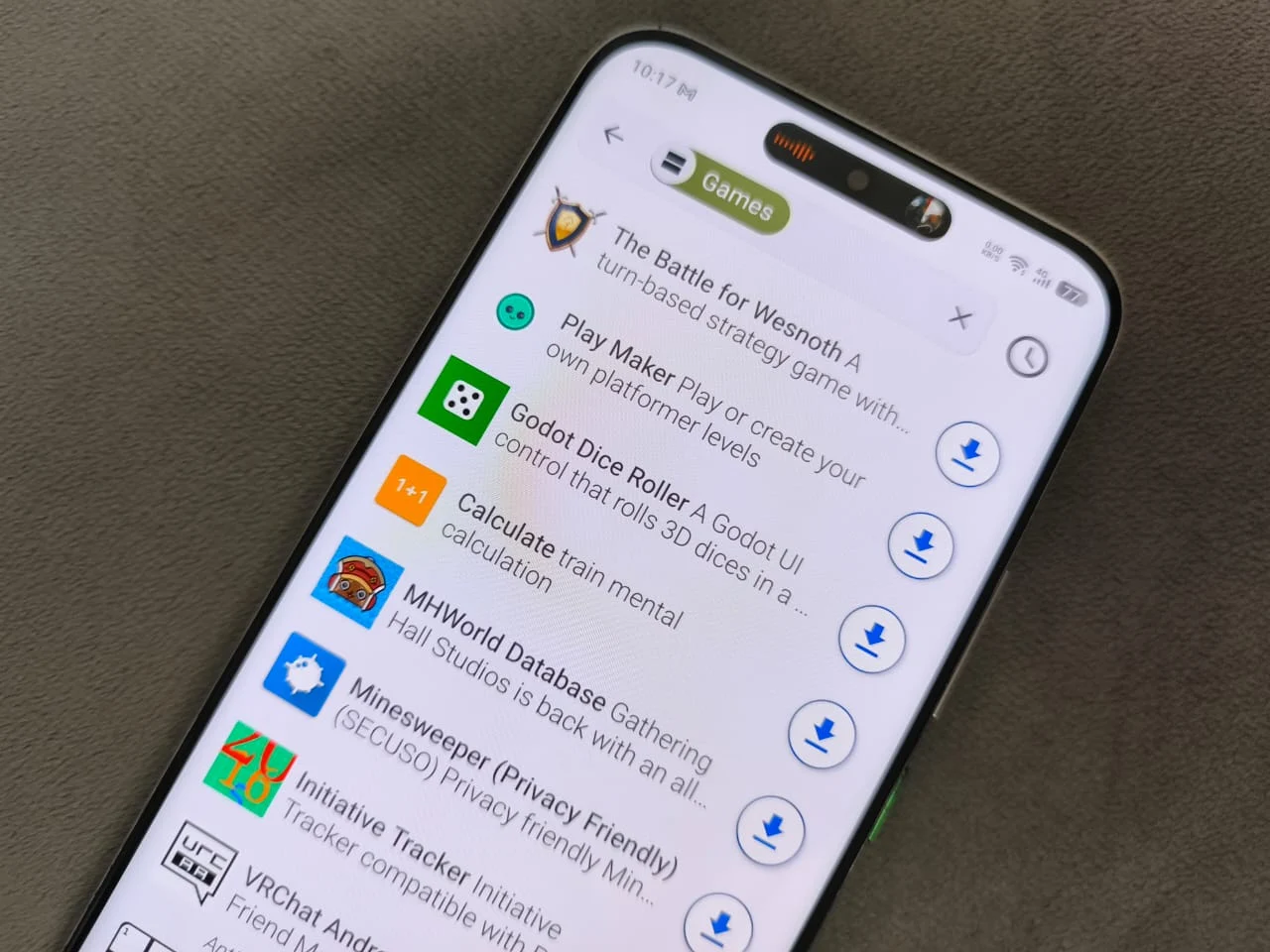
    Google is working on enhancing the security of a key feature in Android: the option to install apps from sources outside the official Play Store. Although sideloading is still an essential part of the Android experience—and Google reassures everyone that it is “absolutely not going away”—the unregulated era of installing unverified apps on Android is coming to an end. The company has recently shared more information about the new developer verification system for Android.

    Addressing Community Concerns

    Google has taken steps to tackle worries about this upcoming change. Recently, the team behind F-Droid, a well-known alternative app store that focuses on open-source applications, expressed that the new regulations “will end the F-Droid project and other free/open-source app distribution sources as we know them today.” Statements like these from respected voices have raised alarms within the community.

    New Mandate for Sideloaded Apps

    In a blog post, Google revealed that the shift revolves around a new requirement: developer verification for all apps that are sideloaded. This adjustment adds an important security layer intended to shield regular users from harmful software. On the flip side, it could make it more complicated for users who enjoy installing APKs that are not usually found on the Play Store.

    For many years, users who explored beyond the Play Store faced significant risks. Google points out that apps from outside the store carry malware at a rate 50 times higher than those found in its official marketplace. To bridge this gap, Google is instituting a requirement for a valid digital signature on each sideloaded app. Think of this signature as a digital ID card linked to the software. If a certified Android device tries to install an app that doesn’t have this verified signature, the installation fails automatically.

    Accountability Measures

    This digital ID ensures accountability. If a developer is found distributing harmful software, Google can quickly revoke their certificate. Such action immediately disables all related apps on users’ devices, making it much more difficult for “bad actors” to operate unchecked.

    The blog post also notes that developers can still use Android Studio to create, debug, and test apps locally without needing to go through the verification process. Tools like ADB will provide a “workaround” to evade the verification.

    In conclusion, while it’s accurate to say that app sideloading isn’t disappearing entirely, it is certainly going to evolve. Once these new measures are in place, anyone wishing to provide an Android app will need to either file a verification request or guide their community on using ADB for installation.

    Source:
    Link


  • Google’s New Rules May End Sideloading and Alternative App Stores

    Google’s New Rules May End Sideloading and Alternative App Stores

    Key Takeaways

    1. Android’s sideloading feature, allowing app installation from various sources, is at risk due to new developer registration requirements from Google.
    2. F-Droid warns that these regulations could threaten its operation as an open-source app store, placing Google in control of app distribution.
    3. Google’s proposed measures aim to enhance security but may lead to a decline in app availability and limit options for users, particularly impacting small developers.
    4. Centralizing app identity verification under Google could create barriers for independent and privacy-focused developers, risking the loss of diverse app offerings.
    5. Regulatory bodies, especially in Europe, are monitoring these changes, as they may conflict with laws allowing users to install apps from alternative sources.


    For many years, one of the biggest attractions of Android was the ability to sideload apps from various sources, setting it apart from iOS, which confines users to the App Store. This capability allowed Android users to install applications directly from websites or through alternative stores like F-Droid, granting them more flexibility and a feeling of autonomy over their devices. However, this freedom is now facing challenges. Google has plans to implement new developer registration requirements that could complicate the sideloading process significantly and might even eliminate independent app stores entirely.

    Concerns About Developer Registration

    F-Droid, which has been an open-source alternative to the Play Store for 15 years, has issued a warning that these new regulations could jeopardize its entire operation. According to Google’s proposed guidelines, every app would need to be associated with a registered developer identity. Developers would also have to submit government-issued ID along with their app identifiers and signing keys directly to Google. This could effectively place Google at the helm of app distribution on Android, granting it control not only over the Play Store but also over any app installed on Android devices.

    The Implications of Google’s Control

    In a blog post, F-Droid asserted that the “developer registration decree will end the F-Droid project and other free/open-source app distribution sources as we know them today.” While Google asserts that these measures will enhance security and curb the spread of malware, this claim is questionable given that the Play Store has previously hosted harmful apps despite its current verification processes. Android already includes Play Protect, a built-in feature that scans and removes dangerous apps, and F-Droid contends that an open-source model is more transparent, as the community can review the code and pinpoint problems.

    The Broader Impact on Developers and Users

    On the other hand, putting Google in charge of app identities creates a centralized authority that decides which apps can be installed and who can install them. The ramifications of this change could go beyond just security issues. Developers, especially hobbyists or small contributors, may be reluctant to provide personal identification or follow corporate-style verification processes, which could lead to a decrease in the availability of apps outside the Play Store. Privacy-oriented tools and community-driven projects may vanish entirely, resulting in a significant reduction in options for users. Even established developers could face risks, as losing a registration could mean an app would be cut off from distribution, irrespective of its popularity or usefulness.

    Regulatory Attention and Legal Challenges

    These concerns have already caught the eye of regulators, particularly in Europe, where the Digital Markets Act mandates that users should be able to install apps from alternative sources without unnecessary obstacles. If Google’s new system is perceived as making sideloading nearly impossible, it could face scrutiny and potential legal challenges within the region. In the U.S., Google is already contending with ongoing antitrust lawsuits related to app distribution, and the introduction of stricter developer identity verification is likely to be interpreted as a means of tightening its grip on the Android ecosystem.

    Source:
    Link


  • Gemini 2.5 Deep Think Wins Gold at ICPC 2025

    Gemini 2.5 Deep Think Wins Gold at ICPC 2025

    Key Takeaways

    1. The ICPC is a prestigious competition for university-level algorithmic programming, with the 2025 World Championship held in Baku featuring top teams from over 100 nations.
    2. Gemini 2.5 Deep Think, an AI developed by Google, performed exceptionally well by solving ten out of twelve problems in the competition, ranking second among human teams.
    3. Problem C, which no human team solved, was tackled successfully by Gemini using advanced techniques like dynamic programming and nested ternary searches.
    4. The performance of Gemini reflects advancements in AI, including pretraining, innovative reinforcement learning, and multi-step reasoning capabilities.
    5. The collaboration between AI and human teams can enhance problem-solving in various fields, offering new opportunities in software development and complex engineering tasks.


    The International Collegiate Programming Contest (ICPC) is widely recognized as the earliest and most esteemed competition for university-level algorithmic programming. Google states that the top teams from more than 100 nations took part in the 2025 World Championship held in Baku, Azerbaijan. Participants were required to tackle intricate algorithmic challenges within a five-hour timeframe. Only those solutions that were error-free were awarded points. Among 139 competing teams, merely four achieved gold medals.

    Gemini’s Impressive Performance

    As per Google’s information, Gemini 2.5 Deep Think was activated just ten minutes after the human teams and managed to solve eight problems in 45 minutes, with two additional problems resolved within three hours. In total, it correctly answered ten out of twelve problems, all completed in 677 minutes, which would have ranked Gemini second among the university teams. Dr. Bill Poucher, the ICPC Global Executive Director, remarked:

    “The successful entry of Gemini into this field, achieving gold-level results, signifies an important moment in delineating the AI tools and academic standards essential for the upcoming generation. Kudos to Google DeepMind; this effort will assist us in igniting a digital renaissance for everyone’s benefit.”

    Unique Challenges Faced

    Particularly significant was Problem C, which remained unsolved by any human team. The challenge involved setting up a network of pipes to fill several reservoirs as swiftly as possible. To tackle this, Gemini utilized dynamic programming, the minimax strategy, and nested ternary searches to determine priority values for optimal flow, successfully resolving the issue.

    According to Google, the performance of Gemini hinges on breakthroughs in pretraining, post-training, innovative reinforcement learning methods, multi-step reasoning, and parallel thought processes. Various AI agents generate their own solutions, test them, run code, and refine their approach until the best answer is found. Google’s internal reviews suggest that Gemini would have also reached gold level in the 2023 and 2024 ICPC World Finals.

    Collaboration Between AI and Humans

    These outcomes highlight that AI can serve as a collaborative problem-solving partner for developers. Merging AI with human teams could facilitate the tackling of extensive and intricate tasks. This presents substantial opportunities in software development, scientific inquiry, and complex engineering projects. Google AI Ultra subscribers can already access a simplified version of Gemini 2.5 Deep Think through the Gemini app.

    Source:
    Link


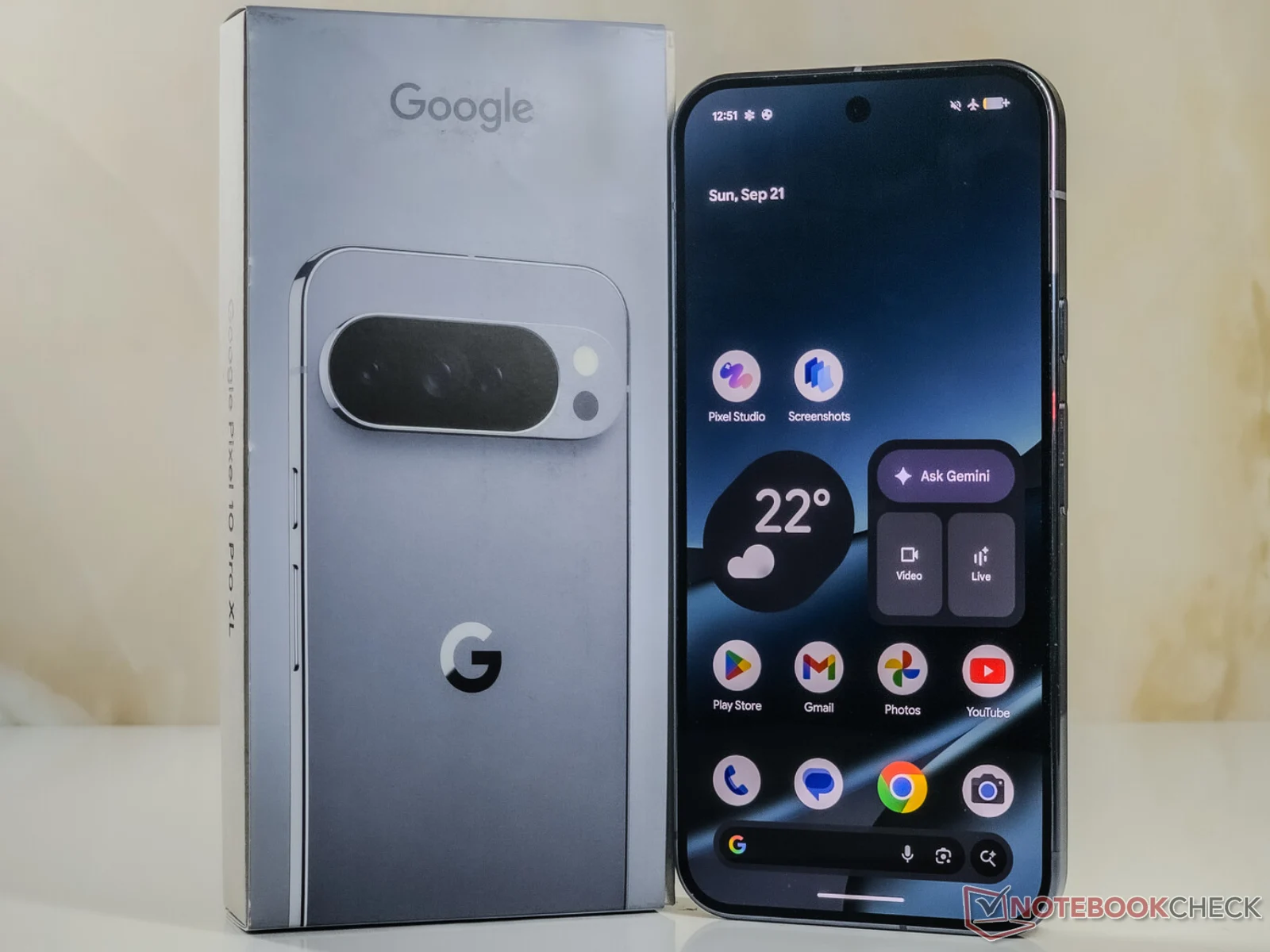
  • Pixel 10 Pro XL: Best Smartphone Display Ever, Says DxOMark

    Pixel 10 Pro XL: Best Smartphone Display Ever, Says DxOMark

    Key Takeaways

    1. The Pixel 10 Pro XL includes an optional 480 Hz PWM setting to reduce eyestrain.
    2. It can dim to 4 nits in darkness and reach 2,200 nits for HDR peak brightness.
    3. The Pixel 10 Pro XL scores slightly higher than the Pixel 10 on DxOMark, both praised for color accuracy and HDR performance.
    4. Touchscreen performance is precise and responsive, but the Pixel 10 Pro XL has color distortion at certain angles, while the Pixel 10 struggles with palm rejection.
    5. The Pixel 10 series leads on DxOMark’s leaderboard, setting a high standard for future smartphone competitors.


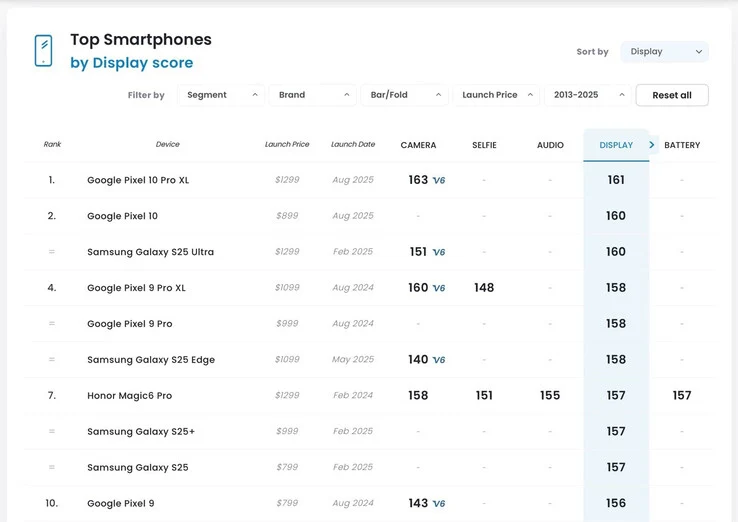
    However, the Pixel 10 Pro XL comes with a unique optional 480 Hz PWM setting that helps to lessen eyestrain. Additionally, Google’s newest flagship can dim down to just 4 nits in complete darkness, while reaching an impressive 2,200 nits for full-panel HDR peak brightness. As reported by DxOMark, the Pixel 10 Pro XL has a slight edge over the more affordable Pixel 10, scoring just one point higher. Both phones are praised for their ability to display colors accurately, adapt well to varying brightness, and handle HDR10 videos smoothly, regardless of the lighting situation.

    Touchscreen Performance

    Furthermore, both models feature touchscreens that are both precise and quick to respond. However, they do have their drawbacks. For example, the Pixel 10 Pro XL experiences some color distortion when viewed from certain angles. On the other hand, the Pixel 10 occasionally struggles with palm rejection. Despite these minor issues, the Pixel 10 series currently holds the top position on DxOMark’s leaderboard, likely until the results for the iPhone 17 series are released.

    Future Competitors

    In summary, both devices showcase impressive technology and performance, making them standout choices in the smartphone market. As consumers await the next round of testing from DxOMark, the Pixel 10 line continues to impress with its capabilities, setting a high standard for future devices in the competitive smartphone arena.

    Source:
    Link


  • Pixel 10 Pro XL Audio Recording Issues: Causes and Solutions

    Pixel 10 Pro XL Audio Recording Issues: Causes and Solutions

    Key Takeaways

    1. The Pixel 10 series was revealed on August 20, with minimal design changes from the Pixel 9 series, except for an extra camera on the standard model.
    2. Users of the Pixel 10 Pro XL are experiencing audio recording issues during video capture due to a design change where the speaker and microphone were switched.
    3. The new placement of the microphone can become obstructed when filming videos in landscape mode, affecting audio quality.
    4. Suggested solutions for users include adjusting hand placement or turning the phone 180 degrees, though this may be uncomfortable for right-handed users.
    5. The Tensor G5 chip has shown disappointing GPU performance, but a driver update may improve it; the new phones are also easier to repair.


    The Pixel 10 series was revealed on August 20, and when looking at the design, it appears not a lot has changed from the Pixel 9 series. The standard Pixel 10 does include an extra camera on the back, but that’s pretty much it. However, some users of the Pixel 10 Pro XL (available on Amazon) have been experiencing problems with audio recording while shooting videos. It turns out that Google made a slight design adjustment with the Pixel 10 Pro XL, which ended up causing this issue.

    Audio Problems Noted

    According to Artem Russakovskii from Android Police, their Pixel 10 Pro XL exhibited some strange audio behavior when capturing videos. After talking to a few Google employees, they discovered that the speaker and microphone at the bottom of the Pixel 10 Pro XL were switched compared to the Pixel 9 Pro XL. Google made this change to prevent sound from being obstructed or muted while gaming in landscape mode. Unfortunately, this resulted in the microphone being obstructed or partially covered when filming videos in landscape, which is the cause of the audio problems.

    Suggested Solutions

    A straightforward solution could be to pay closer attention to hand placement while recording videos in landscape. Another option would be to turn the phone 180 degrees to keep the microphone free from the palm. However, as Artem pointed out, this might feel quite uncomfortable for right-handed users.

    Overall Impact

    The swap of the speaker and microphone isn’t a major issue and is not significant enough to deter customers from choosing the Pixel 10 Pro XL. Yet, it isn’t the only problem with the device. The Tensor G5 chip that powers the entire lineup has displayed disappointing performance, particularly in terms of GPU capabilities. On a brighter note, it has been reported that a simple driver update could potentially unlock greater performance from the chip. Also, this year’s phones are considerably easier to take apart and repair, which is definitely a benefit.

    Source:
    Link


  • Google Delays 2030 Net-Zero Goal Due to Rising AI Data Center Energy Use

    Google Delays 2030 Net-Zero Goal Due to Rising AI Data Center Energy Use

    Key Takeaways

    1. Google has removed its “pursue net-zero by 2030” ambition from its main website, marking a shift from previous commitments.
    2. The company’s current emissions goals include achieving net-zero emissions by 2030, but the target is now presented as more of a “moonshot” than a firm promise.
    3. Google’s electricity consumption increased by 26% in 2024, raising overall greenhouse gas emissions by 48% due to the expansion of data centers.
    4. McKinsey forecasts a need for $6.7 trillion in global investments by 2030 to meet computing requirements, driven largely by AI data centers.
    5. Analysts highlight a “climate strategy crisis” in the tech industry as rising energy demands challenge the viability of emissions reduction targets.


    Google has recently removed its “pursue net-zero by 2030” ambition from its website in late June, and has changed “Operating sustainably” to “Our operations”. This net-zero commitment is now only found in the appendix of Google’s latest environmental report, instead of being highlighted on their main site. Canada’s National Observer was the first to spot this change and looked into the site’s history to trace the edits. This marks a significant shift from Google CEO Sundar Pichai’s assurance in 2020 to operate on carbon-free energy all day, every day by 2030.

    Current Emissions Goals

    The tech giant asserts that it still seeks to achieve net-zero emissions throughout its operations and value chain by 2030, boasting a 12 percent decline in data-center emissions for 2024. Although the Data Centers Sustainability page still mentions the 2030 net-zero target, the wording has been altered to present it more like a “moonshot” rather than a firm promise.

    Rising Electricity Consumption

    In 2024, Google’s electricity usage surged by 26 percent, reaching an impressive 32.2 terawatt-hours (more than Ireland’s yearly consumption), largely due to new data centers coming online. The company’s overall greenhouse gas emissions increased 48 percent year on year amid the AI boom. A single Gemini chat message utilizes about 0.24 watt-hours, indicating how electricity usage grows with increased adoption.

    Future Investment Projections

    McKinsey predicts a staggering $6.7 trillion in global investments by 2030 to satisfy computing requirements, with AI data centers alone needing a substantial $5.2 trillion, potentially increasing new electricity demand by up to 70 percent. U.S. data centers are anticipated to account for 12 percent of the national load by 2030.

    Analysts are pointing out a widespread “climate strategy crisis” in the industry as energy demand skyrockets, making some reduction targets appear meaningless without reliable paths to achieve them. There are also political hurdles regarding clean energy; the Trump administration’s position on climate initiatives and discussions about “incredibly clean” coal add complexity to corporate messaging. It’s unclear whether Google’s shift will be mirrored by other major tech firms, as Microsoft and Amazon continue to emphasize net-zero as a key focus in their recent reports.

    Source:
    Link


  • Workaround for Android App Sideloading Block Explained

    Workaround for Android App Sideloading Block Explained

    Key Takeaways

    1. Google is tightening control over Android by limiting unverified app sideloading starting in late 2026.
    2. A possible workaround for sideloading apps involves using the Android Debug Bridge (ADB), a command-line tool for developers.
    3. ADB allows experienced users to install unverified apps, but requires technical knowledge and is less user-friendly than previous methods.
    4. The new policy aims to protect less tech-savvy users from downloading harmful apps and malware.
    5. Developers must authenticate their identity with Google to distribute apps, replacing the traditional Play Protect system with a new app called Android Developer Verifier.


    If you enjoy the freedom of installing apps from various sources on Android, you might have felt uneasy following Google’s latest news. The tech giant is tightening its control over its mobile operating system, introducing a policy that will limit unverified app sideloading starting in late 2026. This means, in theory, you won’t be able to install external APKs from unverified developers anymore. However, recent discoveries indicate that there may be a workaround to keep sideloading apps on your Android device.

    Key Findings on Sideloading Workaround

    Android specialist Mishaal Rahman has shared both positive and negative updates regarding the restrictions on app sideloading. I stumbled across a small yet significant detail in Google’s FAQ that hints at a possible workaround: the Android Debug Bridge (ADB). This command-line tool, essential for developers, might be the solution for those looking to install unverified apps. According to the FAQ, developers can “install apps without verification using ADB.”

    Understanding ADB and Its Use

    For those who might not know, ADB is a technique for installing software (like apps, mods, and more) on Android devices and is favored by experienced users. Although it’s not overly complicated, it does require at least one line of code to kick off the process. This makes sideloading apps less straightforward than just a few taps on your device, which is a bit of a drawback.

    On the flip side, this development means that the option to sideload apps won’t completely vanish.

    Impact on Developers and Users

    Google’s new policy aims to minimize the risks for individuals who aren’t tech-savvy and may accidentally download malware by installing harmful apps. Meanwhile, experienced users can still sideload apps on Android by utilizing ADB as a workaround.

    According to the new guidelines, every developer who wants to distribute an Android app—whether on the Play Store or not—must first authenticate their identity with Google. Failing that, their applications won’t be installable on certified devices. Instead of relying on Play Protect, Google will launch a new system app called Android Developer Verifier. It’s intriguing that Google is opting for this new approach instead of the traditional Play Protect, and the reasons for this change are not yet clear. We can only hope for more information in the near future.

    Source:
    Link


  • Google Hit with $3.5 Billion EU Fine for Ad Practices

    Google Hit with $3.5 Billion EU Fine for Ad Practices

    Key Takeaways

    1. The European Commission fined Google €2.95 billion ($3.5 billion) for anti-competitive advertising practices in the Adtech sector.
    2. Google was accused of misusing its dominant position by favoring its own services over competitors, impacting advertisers and publishers negatively.
    3. The EU stated that Google’s actions could lead to poorer service quality and increased subscription prices for consumers.
    4. This fine is part of a history of penalties against Google, following previous fines in 2017, 2018, and 2019 for various competition law violations.
    5. Google has 60 days to address the issues outlined by the EU or face further action, and the company plans to appeal the ruling, claiming it could harm European businesses.


    The European Commission, which is the main executive part of the European Union (EU), has slapped Google with a hefty fine of €2.95 billion ($3.5 billion) due to anti-competitive advertising practices.

    Accusations Against Google

    In an announcement, the EU claimed that Google had violated competition laws and was “misusing its dominant status in the display advertising technology sector (Adtech).” They stated that Google misused its position “on both ends of the Adtech supply chain.”

    The EU accused the tech giant of giving preference to its own services, “to the disadvantage” of other competitors, publishers, and advertisers. They argued that because of Google’s actions, advertisers faced increased marketing expenses, while publishers saw a drop in their earnings.

    Impact on Consumers

    The EU explained that these actions might have led to “poorer service quality and increased subscription prices for consumers.” The hefty fine comes after two earlier violations in the digital and advertising marketplaces.

    Back in 2017, Google faced a fine of €2.42 billion for misusing its market dominance in the Search engine field. In 2018, a record fine of €4.34 billion was imposed for putting illegal restrictions on Android device makers, which helped solidify its leading position in Search.

    Ongoing Legal Challenges

    In 2019, Google was penalized with €1.49 billion for compelling third-party websites to enter contracts that blocked competitors from displaying ads on their sites.

    In 2023, Google received a Statement of Objections, alerting the company about its favoritism towards its own ad-tech services over those of its rivals.

    Google now has a period of 60 days “to cease its illegal practices and to eliminate its inherent conflict of interests in the Adtech sector.” They are required to present a plan to the Commission, or else “the Commission will not hesitate to enforce an appropriate remedy.”

    In a statement relayed to Bleeping Computer, Google’s Global Head of Regulatory Affairs, Lee-Anne Mulholland, argued that the EU’s ruling was “incorrect” and mentioned that the company intends to appeal.

    Mulholland stated that the ruling “imposes an unjustified fine and demands changes that could harm thousands of European businesses by making it more difficult for them to earn revenue.”

    Source:
    Link


  • Google Faces $425 Million Verdict in App Data Collection Case

    Google Faces $425 Million Verdict in App Data Collection Case

    Key Takeaways

    1. A federal jury found Google responsible for two out of three claims regarding user privacy in a lawsuit that started in 2020.
    2. The lawsuit accused Google of unlawfully collecting data from mobile devices over eight years, contradicting their privacy assurances.
    3. Plaintiffs claimed Google continued to gather information even when users opted out of data collection through privacy settings.
    4. The jury ordered Google to pay $425 million in damages, significantly less than the $31 billion initially sought by the plaintiffs.
    5. Google plans to appeal the ruling, arguing that their privacy tools give users control over their data and that the verdict misinterprets their practices.


    A federal jury has determined that Google is responsible for two out of three claims regarding user privacy in a lawsuit that has been ongoing since 2020. This trial occurred in a federal courtroom located in San Francisco, USA, and it accused Google of unlawfully accessing mobile devices to gather data over a span of eight years.

    Privacy Assurances in Question

    The allegations directly contradicted the privacy guarantees that Google provided through their web and activity settings. The plaintiffs claimed that Google kept collecting their information even when users opted out of data collection.

    As reported by Reuters, Google defended itself by stating that the data was “nonpersonal, pseudonymous, and stored in segregated, secured, and encrypted locations.” The company emphasized that the information gathered was not tied to any specific user accounts.

    Case Background

    The lawsuit was originally filed by Anibal Rodriguez, who expressed that Google continued to gather data despite the assurance that users could opt out via the privacy settings in the “Web and App Activity” area.

    According to Courthouse News Service, the plaintiffs’ legal team contended that Google never obtained consent to collect and retain data even when users turned off the web activity settings. They accused the tech giant of misleading users by claiming they had the ability to manage, view, and erase the data collected from their activities.

    Damages and Appeal

    The jury has mandated that Google pay $425 million in damages to resolve the lawsuit, while the plaintiffs had initially aimed for $31 billion.

    A spokesperson for Google, Jose Castaneda, informed Reuters that the company plans to appeal the ruling, asserting that the verdict “misunderstands” how their products “work.”

    “Our privacy tools allow people to have control over their data, and when they choose to turn off personalization, we respect that decision,” Castaneda remarked.

    Source:
    Link