
Key Takeaways
1. Android’s sideloading feature, allowing app installation from various sources, is at risk due to new developer registration requirements from Google.
2. F-Droid warns that these regulations could threaten its operation as an open-source app store, placing Google in control of app distribution.
3. Google’s proposed measures aim to enhance security but may lead to a decline in app availability and limit options for users, particularly impacting small developers.
4. Centralizing app identity verification under Google could create barriers for independent and privacy-focused developers, risking the loss of diverse app offerings.
5. Regulatory bodies, especially in Europe, are monitoring these changes, as they may conflict with laws allowing users to install apps from alternative sources.
For many years, one of the biggest attractions of Android was the ability to sideload apps from various sources, setting it apart from iOS, which confines users to the App Store. This capability allowed Android users to install applications directly from websites or through alternative stores like F-Droid, granting them more flexibility and a feeling of autonomy over their devices. However, this freedom is now facing challenges. Google has plans to implement new developer registration requirements that could complicate the sideloading process significantly and might even eliminate independent app stores entirely.
Concerns About Developer Registration
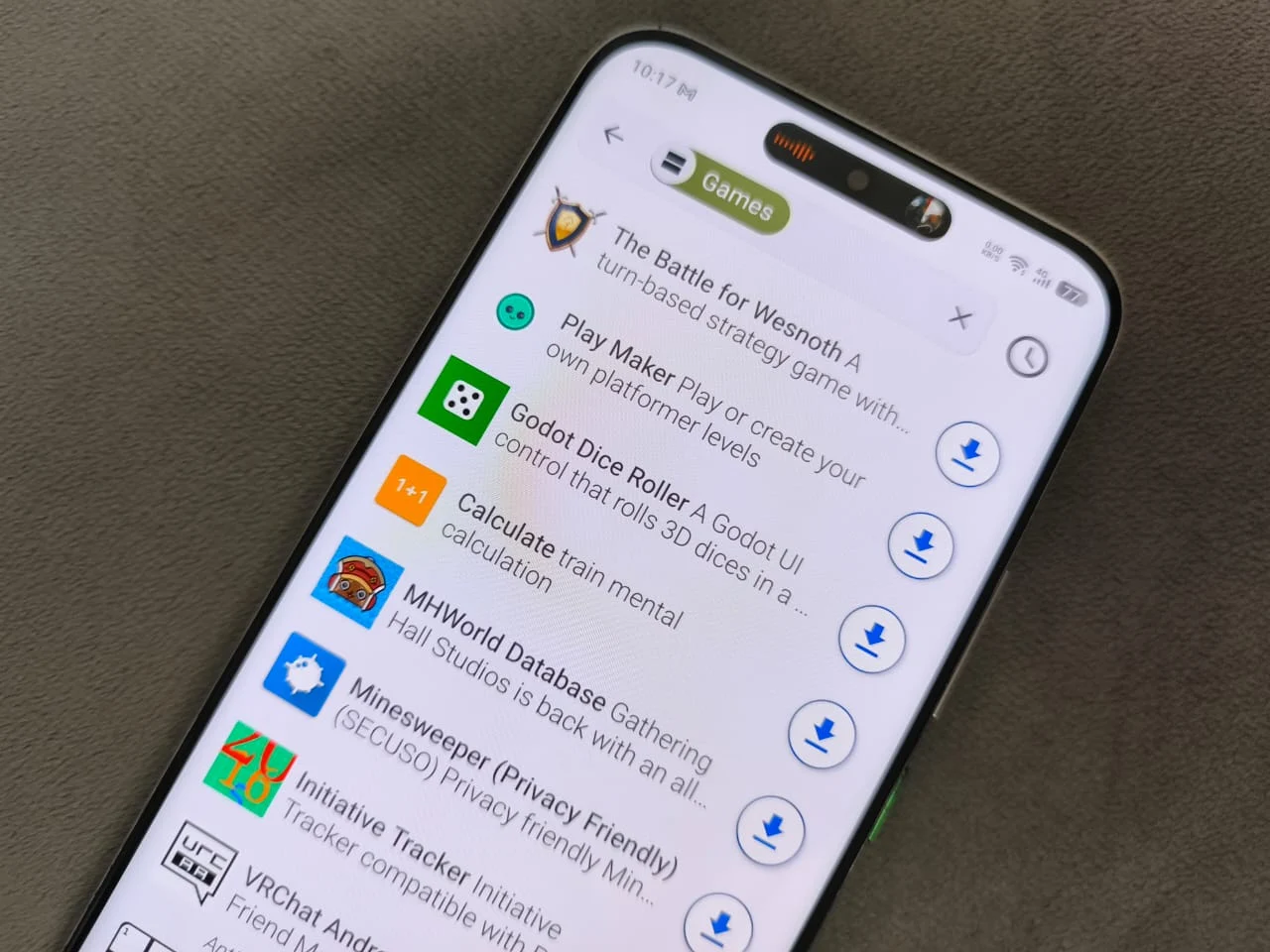
F-Droid, which has been an open-source alternative to the Play Store for 15 years, has issued a warning that these new regulations could jeopardize its entire operation. According to Google’s proposed guidelines, every app would need to be associated with a registered developer identity. Developers would also have to submit government-issued ID along with their app identifiers and signing keys directly to Google. This could effectively place Google at the helm of app distribution on Android, granting it control not only over the Play Store but also over any app installed on Android devices.
The Implications of Google’s Control
In a blog post, F-Droid asserted that the “developer registration decree will end the F-Droid project and other free/open-source app distribution sources as we know them today.” While Google asserts that these measures will enhance security and curb the spread of malware, this claim is questionable given that the Play Store has previously hosted harmful apps despite its current verification processes. Android already includes Play Protect, a built-in feature that scans and removes dangerous apps, and F-Droid contends that an open-source model is more transparent, as the community can review the code and pinpoint problems.
The Broader Impact on Developers and Users
On the other hand, putting Google in charge of app identities creates a centralized authority that decides which apps can be installed and who can install them. The ramifications of this change could go beyond just security issues. Developers, especially hobbyists or small contributors, may be reluctant to provide personal identification or follow corporate-style verification processes, which could lead to a decrease in the availability of apps outside the Play Store. Privacy-oriented tools and community-driven projects may vanish entirely, resulting in a significant reduction in options for users. Even established developers could face risks, as losing a registration could mean an app would be cut off from distribution, irrespective of its popularity or usefulness.
Regulatory Attention and Legal Challenges
These concerns have already caught the eye of regulators, particularly in Europe, where the Digital Markets Act mandates that users should be able to install apps from alternative sources without unnecessary obstacles. If Google’s new system is perceived as making sideloading nearly impossible, it could face scrutiny and potential legal challenges within the region. In the U.S., Google is already contending with ongoing antitrust lawsuits related to app distribution, and the introduction of stricter developer identity verification is likely to be interpreted as a means of tightening its grip on the Android ecosystem.
Source:
Link
Leave a Reply