Tag: google

  • New Google Pixel 10a Leak Reveals Underwhelming Specs

    New Google Pixel 10a Leak Reveals Underwhelming Specs

    Key Takeaways

    1. The Google Pixel 10a is expected to launch in the first half of 2026, although no official announcement has been made yet.
    2. Recent leaks suggest that the Pixel 10a may not include the Tensor G5 chip, commonly found in higher-end models.
    3. The anticipated specifications include a 6.3-inch AMOLED screen with FHD+ resolution and a 120 Hz refresh rate.
    4. Camera features may consist of a 48 MP main sensor, a 13 MP ultrawide lens, and a 13 MP selfie camera, similar to the previous Pixel 9a.
    5. The Pixel 10a is expected to have a 5,100 mAh battery, which is the same as its predecessor, raising questions about whether it will be a rebranded version of the Pixel 9a.


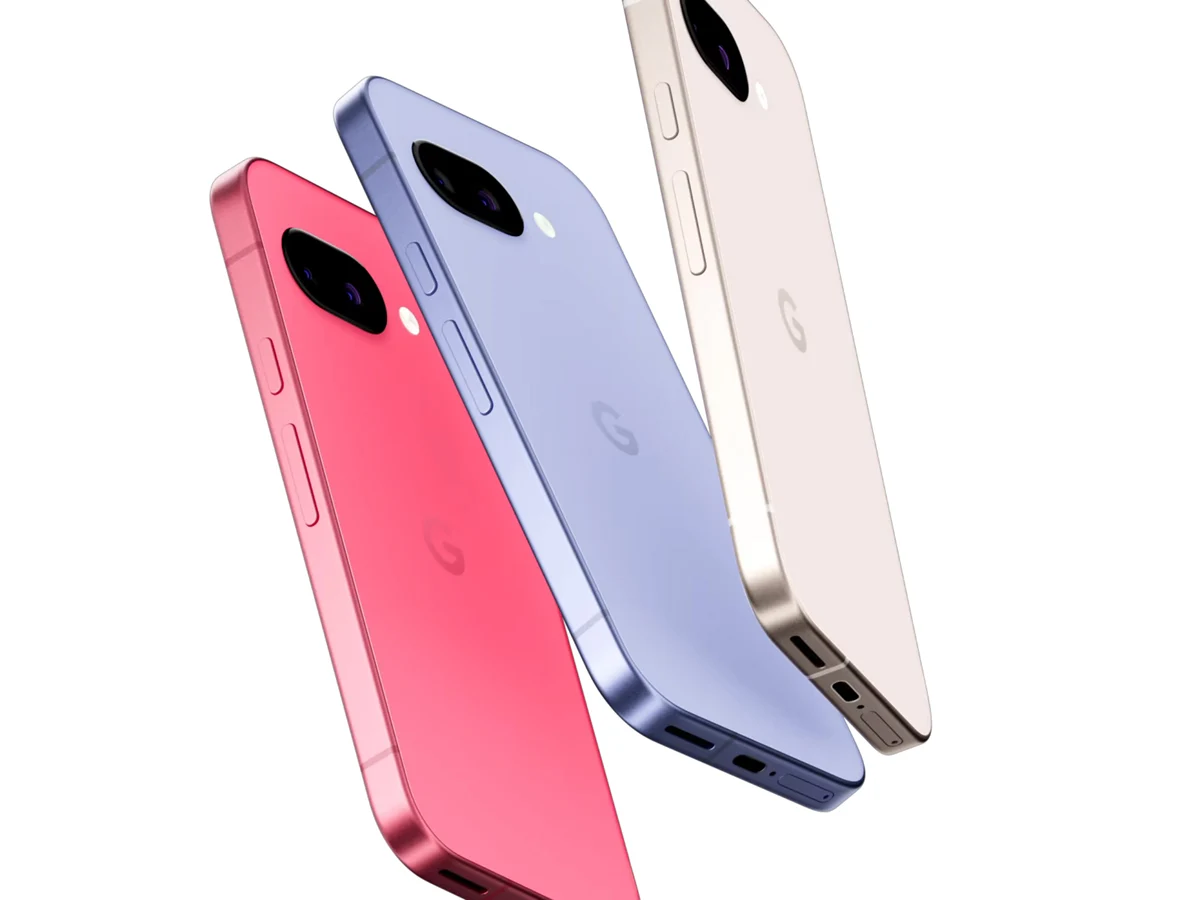
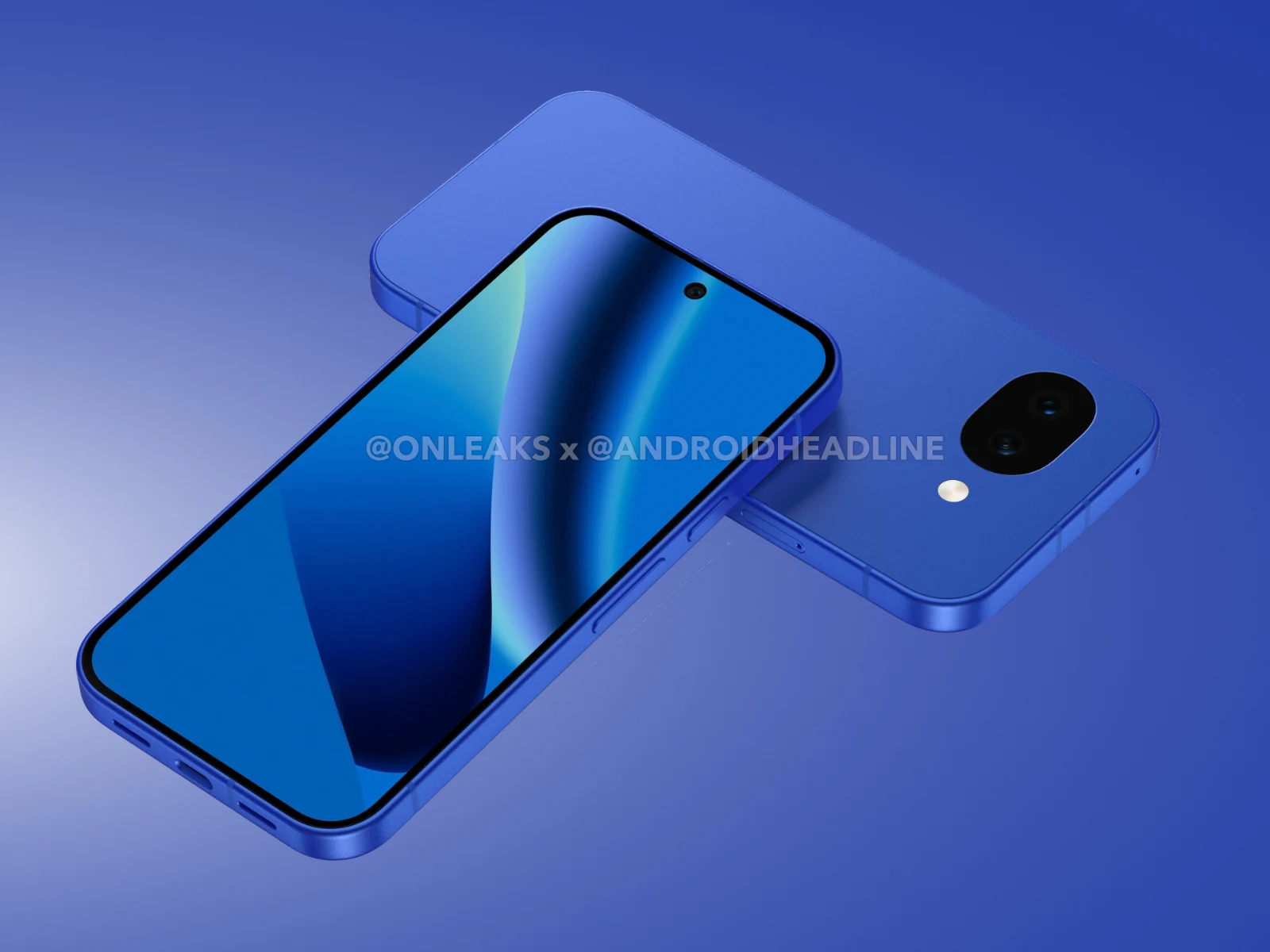
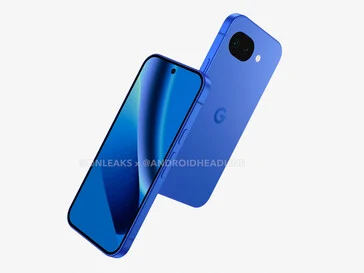
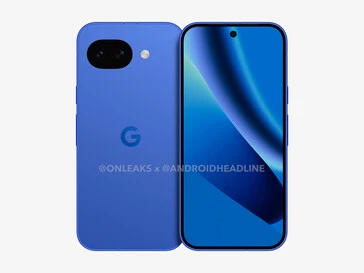
    The Google Pixel 10a is anticipated to debut in the initial half of 2026. While the tech giant has yet to make any official announcements, recent leaks have already offered some insights into what we can expect from this upcoming budget-friendly flagship smartphone. For instance, a leak from October 2025 gave us an early look at the device, and the provided renders indicate that its design may not differ significantly from the previous model.

    Possible Specs and Features

    Another leak from September 2025 hinted that the Pixel 10a might not include the Tensor G5 chip, which powers the high-end models in the lineup. Now, this budget flagship has seemingly received certification from Verizon, revealing some key specs of the device.

    This information, shared by reliable leaker Evan Blass, suggests that the Pixel 10a could sport a 6.3-inch AMOLED screen with FHD+ resolution and a 120 Hz refresh rate. Its camera configuration is said to include a 48 MP f/1.7 main sensor, accompanied by a 13 MP f/2.2 ultrawide lens. On the front, the leaked certification indicates that this affordable smartphone will feature a 13 MP f/2.2 selfie camera.

    Similarities with Previous Model

    These specifications align with those of the Pixel 9a, and the listing also suggests that the 10a will come equipped with a 5,100 mAh battery, which again mirrors that of its predecessor. Given the similarities in the certification details, it’s uncertain whether this is just placeholder information borrowed from the earlier model (128 GB curr. $399 on Amazon).

    The certification does mention “STA5,” which likely refers to the codename for the Pixel 10a, “stallion.” Additionally, considering Google’s history of maintaining a consistent hardware lineup across generations, it wouldn’t be surprising if the 10a launches as merely a rebranded version of the 9a. Future leaks from trustworthy sources might provide more clarity on this matter.

    Source:
    Link


  • Google to Pay German Price Comparison Site $538 Million in Damages

    Google to Pay German Price Comparison Site $538 Million in Damages

    Key Takeaways

    1. The Berlin II Regional Court ruled that Google must pay €465 million to Idealo for misusing its dominant market position.
    2. The court also ordered Google to pay an additional €107 million to Producto GmbH for similar market abuse.
    3. These rulings follow the EU Commission’s 2017 decision that fined Google €2.42 billion for antitrust violations.
    4. The cases demonstrate that private companies can now seek damages in court, although awarded amounts may not meet their initial demands.
    5. Both Idealo and Google plan to appeal the court’s decisions, indicating a prolonged legal battle ahead.


    The Berlin II Regional Court has ruled that Google must pay around 465€ million (approximately $538 million) in damages to Idealo, a price comparison website. Idealo, which is owned by Axel Springer (case no. 16 O 195/19 Kart (2)), accused Google of misusing its dominant position in the market as a search engine. The judges concluded that Google had consistently favored its own price comparison service, Google Shopping, which negatively impacted Idealo’s business. In a separate case (case no. 16 O 275/24), the court also ordered Google to pay an extra 107€ million (about $124 million) to Producto GmbH (Testberichte.de). However, Idealo’s request to gain access to Google’s business records was denied by the court.

    Financial Repercussions

    These rulings are significant consequences of the EU Commission’s decision from 2017, when Google was fined 2.42€ billion ($2.82 billion) for the same type of market abuse. The judges in Berlin emphasized that they had to follow the precedent established by the 2017 ruling. What’s remarkable is that for the first time, a major tech firm is being held accountable in a German civil court for the effects of such an antitrust violation.

    Legal Landscape Changes

    These incidents show that, alongside EU authorities, private companies are now able to successfully seek damages in court. However, the awarded amounts fall short of Idealo’s demands, which were at €3.3 billion. As a result, both parties have expressed their plans to appeal the decisions. A representative from Google remarked that the company intends to contest the ruling because they believe the claims are “not valid.” Therefore, it looks like this legal battle will continue for several more years.


    Source:
    Link


  • AI Lane Guidance Launches on Google Maps in Key Markets

    AI Lane Guidance Launches on Google Maps in Key Markets

    Key Takeaways

    1. Google introduced Live Lane Guidance, a new navigation tool for cars with Google built-in, designed to enhance driving by providing real-time lane tracking and cues.
    2. The feature uses the vehicle’s front-facing camera and Google’s Gemini AI to identify road markings and signs, offering lane directions through displays and voice prompts.
    3. Live Lane Guidance is especially useful in complex driving scenarios, such as highway merges, helping drivers change lanes safely and avoid missed exits.
    4. Initially available in the Polestar 4, the feature will roll out in the U.S. and Sweden, with plans to expand to more markets and car models in the future.
    5. Community feedback on the feature has been mixed, with some users expressing optimism while others are concerned about its reliability based on past experiences with Google Maps in Polestar vehicles.


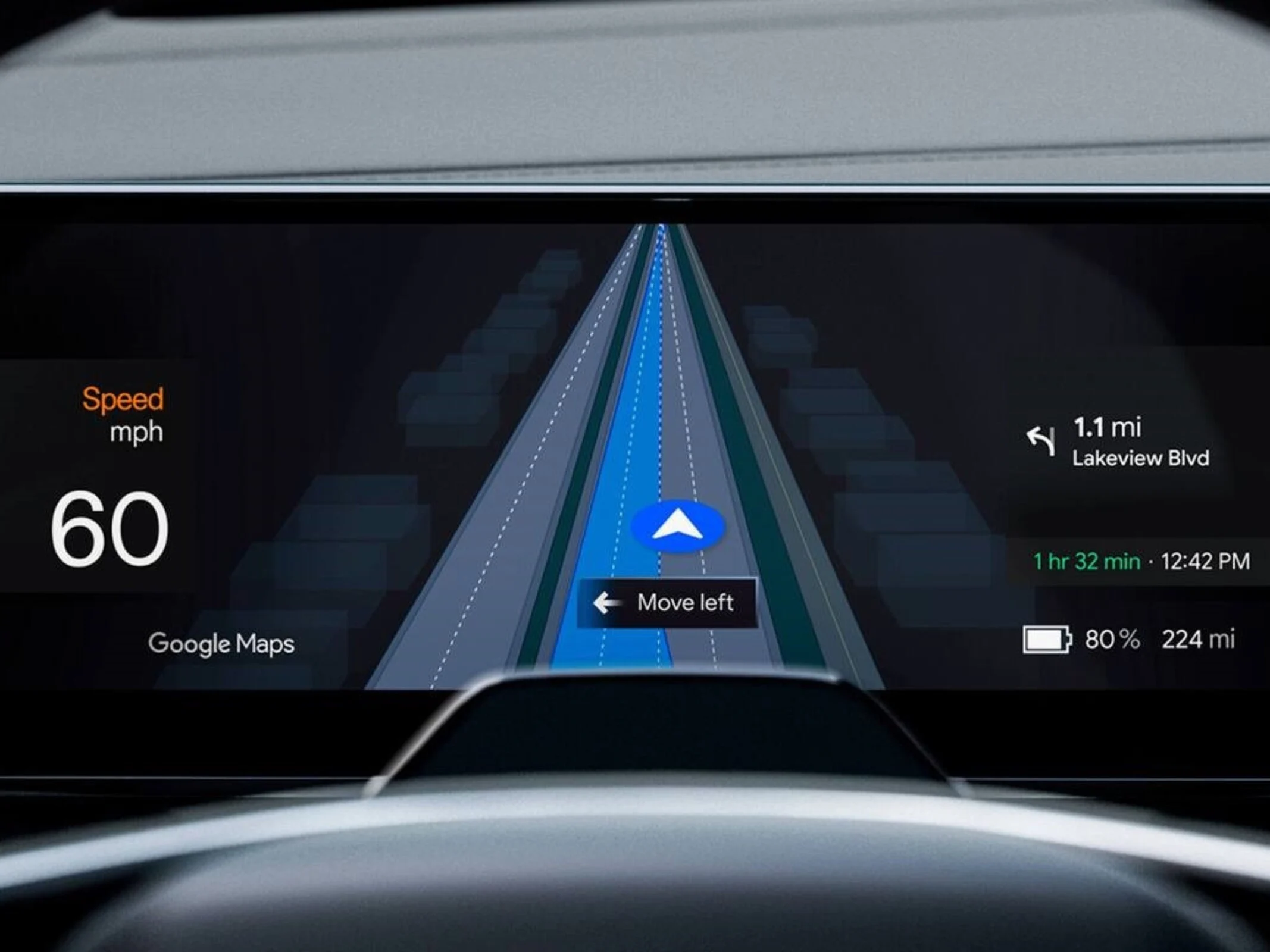
    Google is introducing a fresh navigation tool for cars equipped with Google built-in: Live Lane Guidance. According to a blog post from the company, their aim is to assist drivers in “navigating as if Google Maps could see the road through their own eyes.” This innovative system tracks the current lane in real-time and offers visual and audio cues at the right moments when a lane change is necessary, helping drivers avoid missing turns or exits.

    How It Works

    This new feature integrates the vehicle’s camera information with Google’s Gemini AI. By utilizing the front-facing camera, the system identifies road markings and traffic signs, aligning this data with navigation information from Google Maps. Consequently, Live Lane Guidance provides lane directions via the driver display and voice prompts.

    Real-World Application

    Tailored for everyday driving, the system is particularly advantageous in complicated traffic situations, like multi-lane highway merges. For example, if a driver is positioned in the left lane and an exit approaches on the right, the AI recognizes the vehicle’s location and gives an early warning to change lanes. Ideally, this feature helps to avert hurried lane shifts and missed exits.

    The Live Lane Guidance feature will first be available only in the Polestar 4. This all-electric vehicle from the Swedish-Chinese automaker operates on Android Automotive, which serves as the backbone for integrating Google built-in functionalities. As per Polestar, the Lane Guidance details will show up directly on the 10.2-inch driver display. The feature rollout will begin in the United States and Sweden before it extends to more markets and car models in the future.

    User Experience Focus

    Sid Odedra, who is the Head of UI/UX at Polestar, highlights the importance of this feature for users in the official press release:

    “Live Lane Guidance continues the path of Polestar’s driver centric UX strategy, reducing driver stress and improving safety by making missed exits and last-minute lane changes much less of a worry.”

    Google has plans to extend its AI-driven lane guidance to a wider range of car manufacturers eventually. Over time, the feature is anticipated to cover more than just highways and be applicable on different road types—as long as the vehicle is compatible with Google built-in.

    Community Feedback

    Reactions from the Polestar community on Reddit have been a mixed bag. Some users find the feature to be “promising” and “practical,” while others are skeptical about its dependability. Given the inconsistent performance of the software and Google Maps in Polestar vehicles thus far, some fear that the new feature might lead to more frustration than it alleviates.

    Google, Polestar’s

    Source:
    Link


  • Google Pixel Watch 4 with Replaceable Battery Launches in India

    Google Pixel Watch 4 with Replaceable Battery Launches in India

    Key Takeaways

    1. The Pixel Watch 4 was launched in August and is now available in India, with prices starting at INR 39,900 for the 41 mm version and INR 43,900 for the 45 mm version.

    2. The smartwatch offers a variety of color combinations for both models, including options like polished silver, champagne gold, and matte black aluminum cases.

    3. It features a 3D curved always-on AMOLED display with a peak brightness of up to 3,000 nits and a customizable refresh rate from 1 Hz to 60 Hz, protected by Gorilla Glass 5.

    4. The Pixel Watch 4 is powered by a Snapdragon W5 Gen 2 chipset and a new Cortex M55 co-processor, improving battery life by 25%.

    5. Battery specifications include 325 mAh for the 41 mm model and 455 mAh for the 45 mm model, with claimed battery lives of 30 and 40 hours, along with numerous health and fitness features.


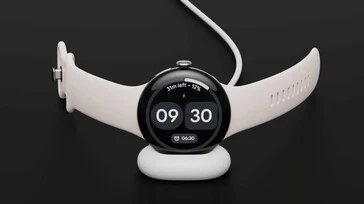
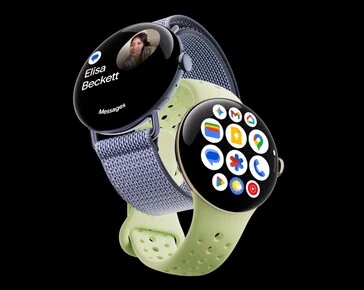
    Google has introduced the Pixel Watch 4 in August, and it became available in several countries in October. Now, the timepiece has finally made its debut in India. More specifically, Pixel lovers and smartwatch fans can purchase the Pixel Watch 4 through Google India’s online shop and from various authorized sellers. In terms of pricing, the 41 mm Wi-Fi version is set at INR 39,900 (approximately $450), while the 45 mm version is priced at INR 43,900 (around $495).

    Color Options Galore

    There are numerous color combinations available for both models. The 41 mm version features a polished silver aluminum case with an iris active band, a champagne gold aluminum case with a lemongrass active band, a matte black aluminum case with an obsidian active band, and a polished silver aluminum case with a porcelain active band. Meanwhile, the 45 mm version (currently available for $399 on Amazon) offers three distinct color choices, which include a satin moonstone aluminum case with a moonstone active band, a polished silver aluminum case with a porcelain active band, and a matte black aluminum case with an obsidian active band.

    Impressive Display and Performance

    The Pixel Watch 4, which follows the Pixel Watch 3, boasts a 3D curved always-on AMOLED screen that achieves a peak brightness of up to 3,000 nits. Furthermore, users can modify the refresh rate from 1 Hz to 60 Hz. It features Gorilla Glass 5 on top, providing protection against accidental drops and scratches. This IP68-rated smartwatch is driven by a Snapdragon W5 Gen 2 chipset combined with a new Cortex M55 co-processor, which is claimed to boost battery life by 25%.

    Battery Life and Features

    Both the 41 mm and 45 mm models come with 325 mAh and 455 mAh batteries, respectively, with Google asserting that they offer 30 and 40 hours of battery life. Additional features include a built-in microphone, a speaker, over 40 workout modes, body response tracking, pulse loss detection, and much more. We’ve already discussed the Google Pixel Watch 4 and you can find more details about it here.

    Source:
    Link


  • Magic Leap Unveils Google AR Glasses with Raxium MicroLED Support

    Magic Leap Unveils Google AR Glasses with Raxium MicroLED Support

    Key Takeaways

    1. Magic Leap focuses on augmented reality (AR) glasses that overlay digital content onto the real world.
    2. The partnership with Google aims to enhance software development for AR, introducing a prototype for Android XR.
    3. Reference designs allow other manufacturers to create unique products without starting from scratch.
    4. The device uses Google’s Raxium microLED technology alongside Magic Leap’s optical components.
    5. The system features Gemini, which enables context-aware queries and can analyze visual content, like suggesting golf clubs on a course.


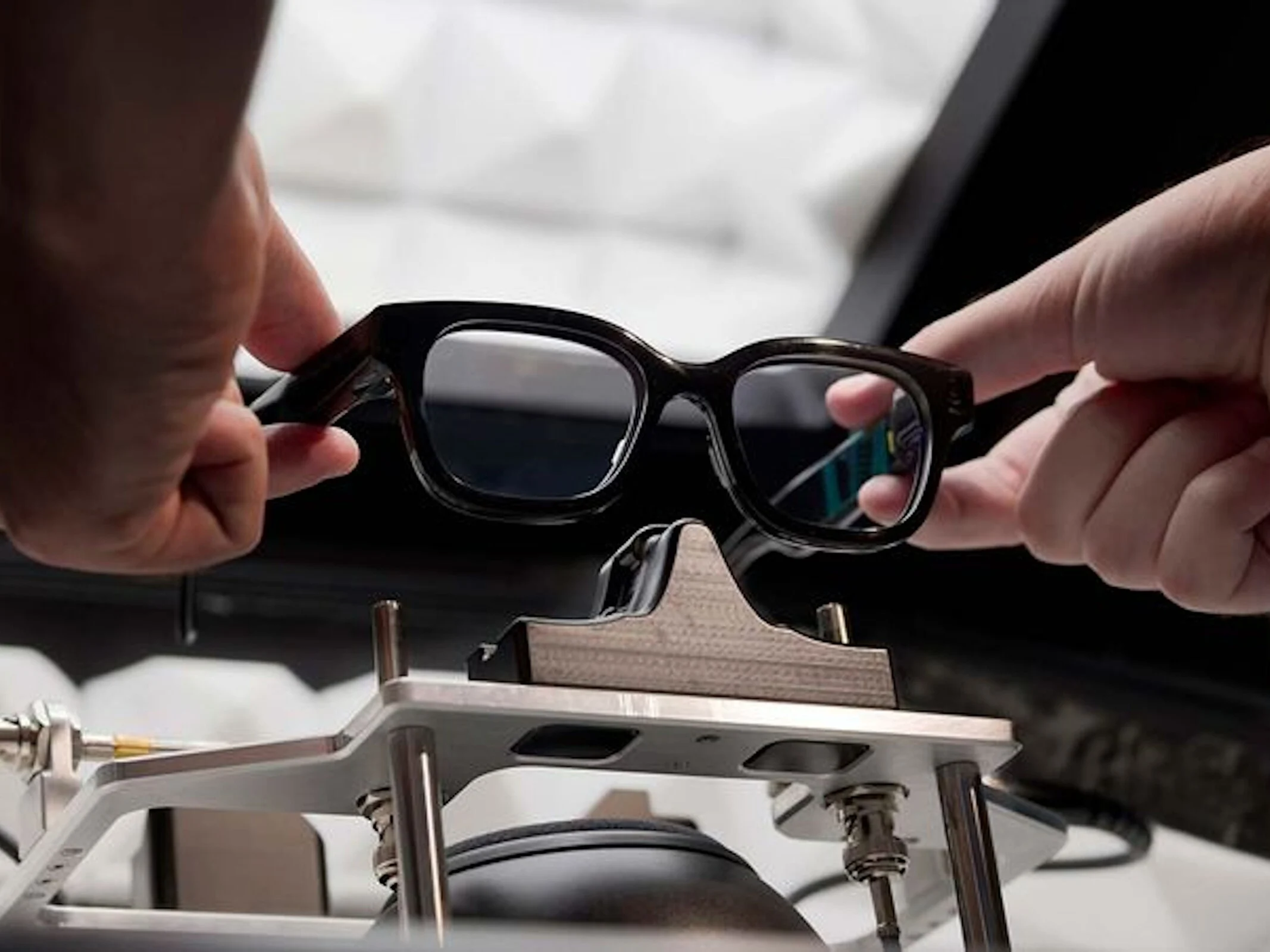
    Magic Leap is a company that focuses on augmented reality (AR) and has previously showcased AR glasses. These glasses are meant to overlay digital content onto the real world, allowing users to see information in their line of sight. There are many possible uses for these glasses, such as helping with daily tasks, enhancing travel experiences, or even supporting professionals in various fields.

    Collaboration with Google

    Google is also involved in the AR market and, due to its new partnership with Magic Leap, it seems poised to increase its software development efforts. Together, the two companies have unveiled a prototype that is meant to act as a reference design for Android XR. While these reference designs may not be sold as they are, they serve as a foundation for other companies to create their own unique products. In simpler terms, other manufacturers can add features and tweak the design without needing to build the core framework from scratch, similar to how the Android operating system functions.

    Technical Insights

    Magic Leap has shared some technical specifications about their device. It employs Google’s Raxium microLED technology, while the optical components and waveguide technology are from Magic Leap itself. A video showcases how the system works with Gemini, which allows for context-aware queries. Additionally, Gemini can dissect visual content, such as identifying the design of a building. When on a golf course, this model is even reported to suggest the appropriate golf club to use.

    Source:
    Link


  • Widgets Arrive on Android Auto for a Personalized Driving Experience

    Widgets Arrive on Android Auto for a Personalized Driving Experience

    Key Takeaways

    1. Google is developing a feature for Android Auto that allows users to place home screen widgets on their car’s display, enhancing personalization.
    2. Users will be able to select and resize widgets via the Android Auto app, occupying about 35-40% of the screen on the left side, while navigation controls remain on the right.
    3. The feature is in early development, allowing only one widget at a time and currently facing limitations with app compatibility.
    4. Some widgets, like Clock and Pixel Weather, work well, but interactive features are minimal and may cause errors.
    5. The timing of these updates coincides with Apple’s recent CarPlay widget functionality, with Google focusing on flexibility and compatibility for drivers.


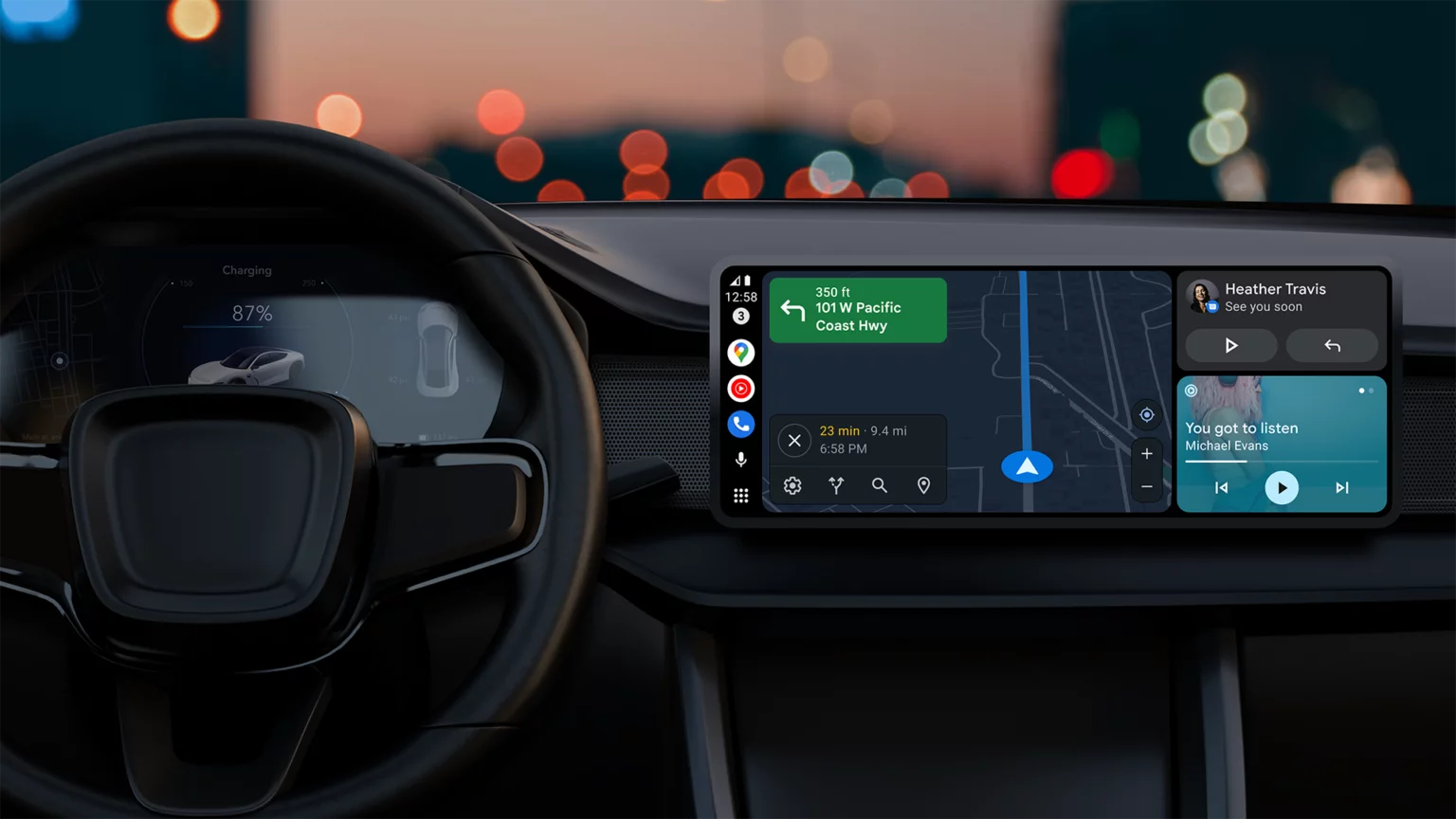
    Google is developing a new feature that will enable users of Android Auto to place home screen widgets directly on their car’s display. This feature, currently known as “Earth” in the latest beta versions, brings a level of personalization to Android Auto that has been missing for a long time. It enhances the evolving design of the dashboard, which has seen gradual improvements over recent years, but has still kept a fairly static layout and interaction style.

    Widget Selection and Resizing

    Recent findings from the Android Auto 15.6 beta update by Android Authority reveal that users will soon have the ability to choose and resize widgets via the Android Auto app on their smartphones. These widgets will take up about 35 to 40 percent of the screen, located on the left side of the dashboard, while navigation or media controls remain on the right side. This design aims to provide quick access while keeping distractions to a minimum.

    Early Development Stage

    This feature is still in its early stages, which is evident since only one widget can be active at a time, replacing the existing one when a new selection is made. Users cannot mix widgets from different apps or add duplicates either. Additionally, some applications show an error message indicating that the widget is not accessible on Android Auto, suggesting that many developers are still updating their apps to work with the system.

    Some Widgets Function Well

    Nonetheless, several widgets are already functioning smoothly. The Clock and Pixel Weather widgets operate reliably, with the latter updating automatically to reflect live weather data when location permissions are granted. Other widgets, like Gemini and Google Keep, have limited functionality but currently open on the connected mobile device instead of within Android Auto. Interactive features are minimal for now. While basic playback controls in media widgets like Spotify work as intended, tapping on different parts of the interface can cause errors, highlighting the early stage of this feature.

    Expanding Toolset

    The addition of widget support enhances Android Auto’s existing features, such as taskbar shortcuts and media controls. This is one of the several upcoming enhancements identified in recent builds, which also suggest that Google is planning updates for Assistant shortcuts to better integrate with Gemini and a redesigned media widget that can handle multiple music apps simultaneously. This would enable drivers to swipe between active applications rather than having to switch them manually each time.

    Competitive Timing

    The timing of these updates is also noteworthy, as Apple has just rolled out widget functionality for CarPlay. Both companies are clearly aiming to give drivers more options for customizing their dashboards, though Google’s method seems to emphasize flexibility and compatibility with current Android applications. None of these features have been made available to the public yet, and it may take a while before they are included in stable releases.

    Source:
    Link


  • Google Pixel 10a: Key Features and Major Changes Before Release

    Google Pixel 10a: Key Features and Major Changes Before Release

    Key Takeaways

    1. Google has released the Pixel 10, Pixel 10 Pro, and Pixel 10 Pro XL, alongside the Pixel 10 Pro Fold.
    2. Anticipation builds for the mid-range Pixel 10a, with rumors dating back to January 2025.
    3. The Pixel 10a will feature the Tensor G4 chipset, similar to the Pixel 9a.
    4. The new model is expected to be slightly shorter and narrower while keeping the same 6.3-inch display size.
    5. The design of the Pixel 10a will resemble the Pixel 9a, with a flat camera housing and gently curved body.


    Google seems to have wrapped up its main Pixel 10 smartphone lineup after the simultaneous release of the Pixel 10, Pixel 10 Pro, and Pixel 10 Pro XL on August 28. While these three models were accompanied by the Pixel 10 Pro Fold, which was introduced during an event on August 20, it took Google around six weeks to start sending out pre-orders for this latest foldable device (currently priced at $1,799 on Amazon).

    Anticipation for the Next Model

    Now, all eyes are on what Google will do next in its smartphone lineup. It’s not surprising that the tech giant is likely to return to the mid-range segment with the Pixel 10a. Android Headlines has recently shared multiple CAD renderings of this new model. To provide some background, rumors about the Pixel 10a first came to light as early as January 2025.

    Specs and Features Leaked

    In more recent leaks, it has been confirmed that the Pixel 10a will feature the same Tensor G4 chipset as the existing Pixel 9a. It seems that next year’s mid-range Pixel will be slightly shorter and narrower than its predecessor, all while maintaining the same 6.3-inch display size. If the dimensions reported by Android Headlines of 153.9 x 72.9 x 9 mm are correct, the Pixel 10a might offer a better screen-to-body ratio than the Pixel 9a.

    Similar Design Elements

    Aside from these changes, the Pixel 10a looks very much like its predecessor, with a nearly flat camera housing, a gently curved body, and a flat display. Google is expected to replace the Pixel 9a in the spring of 2026. However, specific launch dates and complete specifications are still a mystery at this point.

    Source:
    Link


  • Google’s Willow Chip: 13,000x Faster Quantum Computing Explained

    Google’s Willow Chip: 13,000x Faster Quantum Computing Explained

    Key Takeaways

    1. Google’s Willow processor executes the Quantum Echoes algorithm 13,000 times faster than the fastest classical supercomputers.
    2. The Willow chip utilizes 105 superconducting qubits, allowing for complex computations through superposition and entanglement.
    3. Designed to operate at nearly absolute zero, Willow minimizes heat and vibrational interference to maintain stability in quantum states.
    4. The reproducibility of results from the Quantum Echoes algorithm confirms quantum superiority and enhances the modeling of molecular behavior.
    5. Willow has potential applications in AI development, chemical modeling, and the design of new materials, pushing quantum computing toward practical solutions.


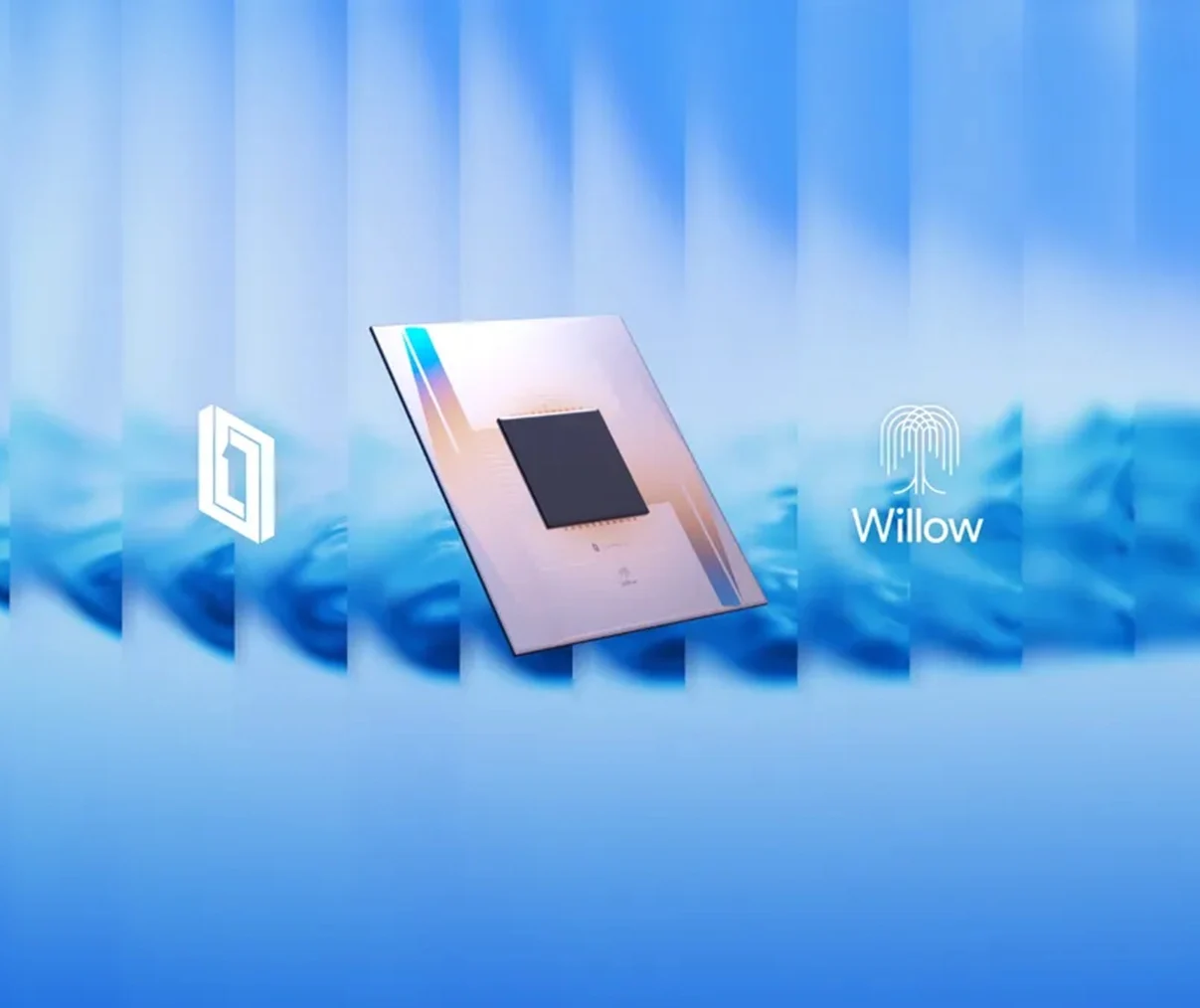
    Google has made a significant announcement regarding its advancements in quantum computing. The company’s Willow processor has successfully executed a complex Quantum Echoes algorithm approximately 13,000 times quicker than the fastest classical supercomputers available today.

    A New Era of Quantum Computing

    Willow marks a distinct progress from Google’s earlier success with the Sycamore chip back in 2019. In contrast to the latter, this new superconducting chip has tangible benefits in real-world applications. It has shown promise in areas such as AI development, chemical modeling, and research into advanced materials, as noted in findings published in Nature.

    Understanding the Technology

    The Willow chip utilizes 105 superconducting qubits (a qubit is the quantum equivalent of a classical bit, serving as the fundamental unit of information in quantum computing). Each qubit acts like a simulated atom, capable of storing information in superposition or in various states at the same time.

    When these qubits become entangled (which is a condition where two or more qubits influence each other regardless of the distance), they can transmit quantum information instantly. This allows the processor to assess numerous solutions at once.

    Stability is Key

    For quantum systems to function predictably over time, they must maintain stability in their quantum states. Therefore, Google has engineered Willow to work at nearly absolute zero, effectively minimizing heat and vibrational interference.

    The design of the chip prioritizes speed and accuracy, with reported single-qubit gate fidelities of 99.97 percent and entangling gates achieving 99.88 percent. Such specifications make Willow exceptionally well-suited for executing large-scale quantum algorithms.

    (Gate fidelity refers to how well a quantum gate operates in comparison to its perfect, error-free counterpart. The closer the fidelity is to 100 percent, the more accurately it functions as intended.)

    Verifiability and Practical Application

    The Willow project stands out primarily due to its verifiability. By validating the results of the Quantum Echoes algorithm across various machines or lab conditions, Google has fulfilled crucial criteria for asserting quantum superiority.

    The Quantum Echoes algorithm allows scientists to model molecular behavior, chemical bonds, and electronic structures with greater precision than classical simulations. The chip drove a supercomputer that completed the algorithm, yielding results in one-thirteenth-thousandth of the time required by a classical supercomputer.

    As Google researcher Tom O’Brien pointed out, the reproducibility of Willow distinguishes true breakthroughs from theoretical ones. He remarked, “If we can’t prove the data is correct, we can’t do anything with it.”

    Insights from the Experts

    Another key figure in the project, Nobel laureate Michel H. Devoret, who served as the lead physicist, stated, “We demonstrated that electrical circuits can mimic atoms. Now we are revealing what these artificial atoms are capable of.”

    The Willow superconductor chip has the potential to significantly decrease the time needed for scientists to simulate biological systems. Additionally, it could tackle scenarios where classical computing struggles to produce accurate data.

    Google’s processor is also applicable in the design of new materials and in training data-efficient AI systems. If further confirmed, the Willow breakthrough might bring quantum computation closer to practical and scalable solutions for industrial challenges.


  • AI Crawlers Often Outperform Google Search in Coverage

    AI Crawlers Often Outperform Google Search in Coverage

    Key Takeaways

    1. Google has long been the leading web crawler, but now faces competition from AI firms like OpenAI, which have developed their own bots to gather internet data.

    2. A study by Hostinger found that OpenAI’s GPT bot accessed 4.4 million websites, surpassing Google’s bot, which accessed 3.9 million.

    3. Other bots, including those from Ahrefs, Anthropic, Meta, TikTok, Bing, and Apple, collectively make about 1.4 billion daily requests for information across the 5 million sites studied.

    4. Different bots target various sections of the web, allowing them to create a comprehensive map of the internet over time.

    5. About 80% of web queries originate from U.S. tech firms, indicating that a few major companies control the indexing process and influence the content and answers provided by AI systems.


    For many years, Google has been the go-to source for gathering information online and is often seen as the best example of a web crawler. These automated tools explore the web and record what they find, helping search engines make sites easy to find. However, Google Search is now up against rivals, as AI technologies also need internet data. This has led AI firms like OpenAI to create their own bots to scour the web for information.

    Study on Website Crawlers

    In late August 2025, Hostinger, a web hosting company, carried out research on how accessible 5 million websites are to crawlers. Notably, OpenAI’s GPT bot managed to reach 4.4 million of these websites, surpassing Google’s bot, which only accessed 3.9 million. Other lesser-known bots, including Ahrefs’ SEO crawler and Anthropic’s Claude bot, along with crawlers from Meta, TikTok, Bing, and Apple, were also quite active, collectively making roughly 1.4 billion daily requests for the 5 million sites.

    Coverage of Internet by Bots

    The fact that some bots cover fewer websites than others doesn’t mean they overlook certain areas of the web. Instead, these programs alternate their targets, which allows them to build a nearly complete map of the internet over time, usually in just a few weeks.

    The research also found that about 80% of queries come from tech firms in the United States, while around 10% come from China, with other countries contributing only a tiny fraction. This indicates that the process of indexing the internet is largely controlled by U.S. providers, particularly a few major tech companies. Consequently, a small group of platforms significantly shapes what content is accessible and what answers AI systems provide.

    Hostinger via Presseportal

    Source:
    Link


  • Gboard Dial: Revolutionary Keyboard with 10 Dials for Typing

    Gboard Dial: Revolutionary Keyboard with 10 Dials for Typing

    Key Takeaways

    1. Gboard Dial features ten dials for letter selection, inspired by rotary-dial phones.
    2. Three main dials allow users to quickly select letters and essential punctuation.
    3. Additional dials provide access to modifier keys like Alt, Ctrl, and Shift.
    4. While not the most efficient typing method, it offers a fun experience for some users.
    5. Google has shared Gboard Dial design information on GitHub for DIY enthusiasts.


    Google’s Gboard team is known for creating keyboards that, while not always practical, have a unique charm. In 2022, they launched Gboard Stick, featuring all the keys arranged in a line, and back in 2019, they even showed off a spoon that could bend to type.

    Gboard Dial Features

    The newest innovation from the Gboard team is the Gboard Dial. This keyboard is equipped with ten dials in total, with three of them working together to make letter selection quicker. The design draws inspiration from classic rotary-dial telephones—users simply need to place their finger in the slot above the letter they want and turn the dial until it stops.

    Once the letter is selected, the dial goes back to its original position automatically. The large triple dial includes all the letters, essential punctuation marks, and the spacebar. Additionally, there’s a smaller dial on the bottom left for quick access to the Alt, Ctrl, Fn, and Shift keys. The top left features the Escape and Tab keys, while the right side is reserved for dials that control arrow keys, numbers, mathematical symbols, and shortcuts.

    A Unique Typing Experience

    Typing on the Gboard Dial isn’t the most efficient method, but for people who are paid by the hour, it can provide a fun distraction. Though Google has not made the Gboard Dial available for purchase, they have shared the necessary information on GitHub, allowing enthusiasts to create their own version of the keyboard using a 3D printer.

    Google Japan | GitHub

    Source:
    Link