Tag: google

  • Google Fined €325 Million by France for GDPR Cookie Violations

    Google Fined €325 Million by France for GDPR Cookie Violations

    Key Takeaways

    1. CNIL fined Google €325 million ($381 million) for breaching GDPR and cookie laws.
    2. Google displayed ads in Gmail without user consent and improperly used tracking cookies during sign-up.
    3. Investigations were prompted by a complaint from privacy group None of Your Business (NOYB) in August 2022.
    4. Google must cease showing ads in user inboxes without approval and comply with future regulations to avoid daily fines.
    5. This is not Google’s first penalty from CNIL; it faced a €50 million fine in 2019 and additional fines in 2020 and 2021 for similar violations.


    France’s data protection agency, known as the Commission Nationale de l’Informatique et des Libertés (CNIL), has imposed a hefty penalty of €325 million ($381 million) on Google for breaching GDPR and cookie laws.

    Consent Issues

    In a recent press release, CNIL pointed out that Google was showing ads within user emails on Gmail without obtaining their permission first and placed tracking cookies for new accounts during the sign-up phase.

    This fine comes after multiple investigations carried out between 2022 and 2023 regarding Gmail, which were initiated due to a complaint from the privacy group None of Your Business (NOYB) in August 2022.

    Advertisements in Gmail

    These investigations uncovered that Google had been displaying ads that were camouflaged as emails in the “Promotions” and “Social” sections of Gmail. CNIL emphasized that user consent was necessary for such advertisements.

    Additionally, another issue raised was how Google prompted users to agree to cookies for Gmail, but it failed to adequately inform them that these cookies would be utilized for displaying personalized ads.

    Future Compliance

    In addition to the substantial fine, Google is now required to take appropriate actions to ensure this does not occur again and must cease showing ads in users’ inboxes without their approval. If Google fails to comply, it could face daily fines of up to €100,000.

    This isn’t the first instance of Google facing scrutiny from CNIL. Back in 2019, the company was fined €50 million for similar GDPR violations related to advertising. Moreover, in 2020 and 2021, Google faced further fines for cookie-related breaches.

    Previous Penalties

    In 2021, the French competition body, Autorité de la Concurrence, also fined Google $590 million in a dispute regarding compensation for news media.

    A spokesperson for Google commented to Reuters that the company is currently reviewing the ruling, claiming that Google has always given users the option to control the advertisements they wish to see.

    Source:
    Link


  • US Customers Receive Pixel 10 Phones with SIM Slots After RMA

    US Customers Receive Pixel 10 Phones with SIM Slots After RMA

    Key Takeaways

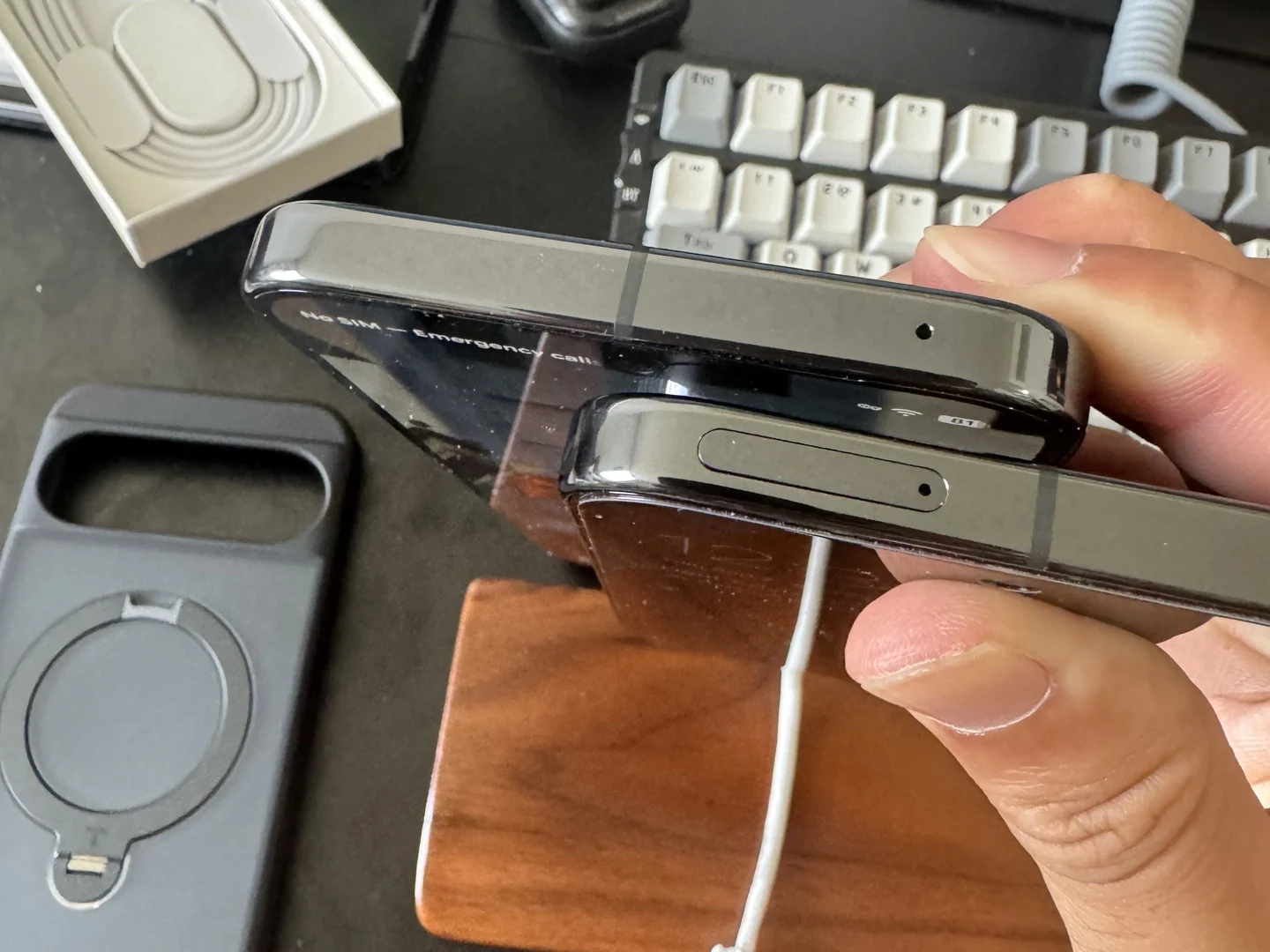
    1. Google removed the SIM card slot from the US version of the Pixel 10 series, while international versions still include it.
    2. US customers returning Pixel 10 devices for RMA are often receiving global versions instead of US-specific models.
    3. The global variants have a SIM slot but may not support all 5G frequencies available in the US.
    4. Some users reported positive experiences with RMA, receiving replacements that addressed their issues, but these replacements were global variants.
    5. Users should be cautious about potential 5G compatibility limitations with the global variants, especially concerning mmWave bands.


    One notable alteration that Google introduced with the Pixel 10 series in the United States was the removal of the SIM card slot. However, the international versions still include a physical SIM slot. It seems that US customers who returned their Pixel 10 devices to Google for RMA are receiving the global versions instead of the US-specific ones. It’s important to note that these models might not support every 5G frequency available in the US.

    User Experiences with RMA

    A Reddit thread reveals that some users of the Pixel 10 series, who sent in their devices for return merchandise authorization (RMA) in the US, received replacements that addressed their problems. A Reddit user known as ‘crocsnosockz’ was the first to share their experience on the r/GooglePixel subreddit, explaining that they had to RMA their Pixel 10 Pro XL due to a screen defect. Although the support team at the Google Store was very responsive and provided a replacement, it turned out to be the global variant which does have a SIM slot on top, unlike the US model.

    Implications of Receiving Global Variants

    Another individual added their own experience, noting that they too received a global variant after returning their original US device, which had a minor scratch on the screen. While this offers the advantage of being able to insert a physical SIM into the phone, it could lead to a loss of compatibility with certain 5G bands. One commenter highlighted that the international versions of the Pixel 10 phones do not support 5G mmWave, as well as bands n29, n48, and n70.

    For the majority of users, the global variant is expected to function adequately in the US since these phones are compatible with most networks. Nevertheless, the original poster mentioned that having access to 5G mmWave is crucial for them and they plan to contact customer support for further assistance.

    Conclusion

    In conclusion, while the global variant may provide some benefits, users should be aware of the potential limitations regarding 5G support. As the situation unfolds, it’s likely that more users will share their experiences with receiving global models when returning their Pixel 10 devices.

    Source:
    Link


  • Google Pixel 10 Users Report Major Display Issues

    Google Pixel 10 Users Report Major Display Issues

    Key Takeaways

    1. Users are reporting display issues with the Google Pixel 10, including colored stripes in red, green, or blue.
    2. The display problem makes affected phones nearly unusable but may temporarily resolve after locking and unlocking the device.
    3. The cause of the issue is still unknown, potentially relating to hardware faults or a software glitch.
    4. Affected users are advised to exchange their Pixel 10 or contact Google for repair or replacement.
    5. It is unclear if Google will release a software patch or start a repair program for the Pixel 10.


    The Google Pixel 10 just started shipping on August 28, but soon after, lots of users began to report issues with the display. Many of these complaints were shared on platforms like Reddit and Android Authority. As shown in the images posted on Reddit, the affected Pixel 10 phones are only showing colored stripes. These stripes can appear in red, green, or blue, depending on the specific device.

    Temporary Usability Issues

    This issue makes the affected smartphones nearly unusable, at least for a time. In certain instances, the problem seems to vanish after a few minutes when the phone is locked and then unlocked. The exact reason for this problem is still unknown. It’s possible that there are hardware faults in the display, motherboard, or graphics chip of the phones. However, a software glitch, such as a bad graphics driver, could also be the culprit. Google has not yet provided a statement regarding the situation.

    Recommendations for Affected Users

    Users experiencing this issue should consider exchanging their Pixel 10 as a precautionary measure. If they can’t do this at their retailer, it’s suggested that they reach out to Google to set up a repair or replacement right away. This is important to prevent the problem from getting worse or to avoid longer wait times for a new phone if more users start encountering the defect. It remains uncertain if Google will address the issue with a software patch or if they will initiate a repair program specifically for the Pixel 10.

    Source:
    Link


  • New Health Connect Data Tracking Features Discovered

    New Health Connect Data Tracking Features Discovered

    Key Takeaways

    1. Google Health Connect may soon allow users to track nicotine and alcohol consumption.
    2. Current features include tracking activities, nutrition, sleep quality, and health metrics like heart rate.
    3. Users can log nicotine intake based on specific types of cigarettes or vapes.
    4. A developing feature for tracking alcohol consumption has also been found in the app’s code.
    5. Data on nicotine and alcohol will likely come from third-party apps integrated with Health Connect.


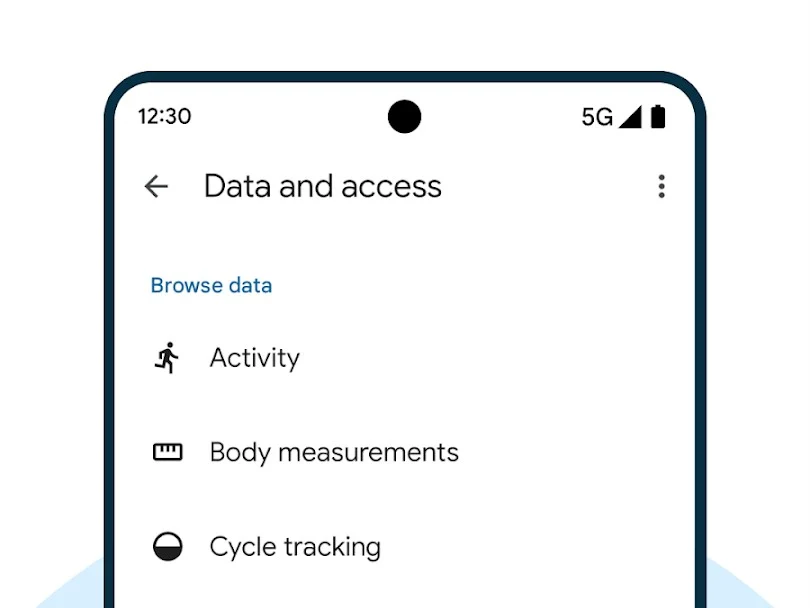
    Google Health Connect users may soon have the ability to monitor their consumption of nicotine and alcohol. The Health Connect application allows Android users to access information gathered from various sources, such as connected smartwatches or smart scales, alongside integrated apps. Currently, users can track their activities, nutrition, sleep quality, and health metrics like heart rate through the app.

    New Tracking Features Identified

    A recent report by Android Authority has highlighted that tracking for nicotine and alcohol has been discovered within a Health Connect APK. The code suggests that users will have the capability to log their nicotine intake based on specific types of cigarettes or vapes. Additionally, a less developed feature for tracking alcohol consumption has also been detected in the app’s code. These features could be beneficial for individuals looking to keep tabs on their progress while trying to quit smoking or cut back on these substances.

    Integration with Third-Party Apps

    According to Android Authority, this data regarding nicotine and alcohol consumption will likely be gathered through third-party applications that will work in conjunction with Health Connect. It is still unclear when Google will unveil these new tracking capabilities to users of the Health Connect app.

    Source:
    Link


  • Legal Win Against YouTube After 5.5 Years of Battle

    Legal Win Against YouTube After 5.5 Years of Battle

    Key Takeaways

    1. Noyb filed an access request under GDPR for personal data from major streaming services, but companies like Apple, Amazon, and Google did not comply.
    2. After five years of legal action, the Austrian Data Protection Authority ruled in favor of noyb, supporting users’ rights to personal data.
    3. Google attempted to delay the process through legal maneuvers, including trying to move the case to Ireland.
    4. Prolonged legal battles drain resources from NGOs and hinder individuals’ rights, making it difficult for them to advocate for themselves against large corporations.
    5. If Google does not appeal, it must comply with the information request, but the potential for fines and legal costs remains uncertain.


    What has been a completely normal process has extended over several years. A while back, the data protection group noyb made an “access request” for personal data to major streaming services like Amazon, Apple Music, Spotify, Netflix, and YouTube. As per GDPR (Article 15), these companies are “required to provide users with a copy of their personal data, along with extra information about how it is processed, including the sources and recipients of the data, the reasons for processing, and how long the data will be kept.”

    Companies’ Non-compliance

    Despite the requests, all contacted companies either couldn’t or didn’t want to meet these demands. In January 2019, noyb took action by filing a complaint against eight firms, including Apple, Amazon, and Google, with the Austrian Data Protection Authority (DSB). Now, after more than five years, a ruling has finally been made: the DSB has sided with noyb.

    Delays and Legal Maneuvers

    During these five years, Google has found numerous ways to stall what should be a straightforward process. For instance, they tried to move the case to Ireland, where, according to noyb, the enforcement of data protection has notable flaws. Noyb has expressed confusion over why a multi-billion dollar corporation would prefer a prolonged legal battle rather than simply honoring users’ rights to information.

    Impact on Individuals and NGOs

    These drawn-out legal proceedings not only drain resources from NGOs like noyb but also strip individuals of their basic rights. Ordinary people find it challenging to stand up against such practices. Often, they feel compelled to give up their rights or endure years of waiting for them to be enforced, especially if they consider entering a lengthy and expensive legal fight against a massive corporation.

    If Google decides not to appeal, it will have to fully comply with the information request. The noyb report does not mention if the proceedings may also lead to a fine, leaving that uncertain. However, Google will probably need to cover the legal expenses stemming from this loss.

    Source:
    Link


  • Google Uses AI to Identify Content That Causes Stress

    Google Uses AI to Identify Content That Causes Stress

    Key Takeaways

    1. Google is developing an AI system to identify stress-inducing content using health data from devices like smartwatches.
    2. The AI analyzes content by categorizing words and videos as positive, negative, or aggressive, and organizes them into topics.
    3. It personalizes stress detection by adapting to individual triggers and forecasting stress levels based on user data.
    4. Users can choose which apps to monitor and receive notifications about identified stressful content, allowing them to block similar content in the future.
    5. The development status of this Google patent system is currently unclear, as the patent link has expired.


    It’s well-known that the stress we experience can be linked to the kind of content we engage with every day, whether it’s on social media, through YouTube, or from news sources. While devices like smartphones, smartwatches, and various health trackers can monitor things like screen time and sleep quality, they fall short of identifying specific stressors. Google is making efforts to tackle this issue by utilizing AI alongside health data collected from different gadgets.

    Understanding the AI Patent

    According to a report by Neume, in partnership with David from @xleaks7, Google has a patent designed to identify stressful content using AI and health indicators. The system works by analyzing data tracked by smartwatches, such as heart rates and skin responses, and connecting it to the content the user is currently viewing. The patent indicates that AI examines on-screen words and categorizes them as positive, negative, or aggressive. It also evaluates videos and assigns labels accordingly. Content is then organized into categories like politics, entertainment, and sports, which helps the AI pinpoint common stress-inducing topics.

    AI Learning and User Involvement

    The AI also transforms health metrics into numerical values and measures them against the content being consumed. It evolves over time, adapting to the unique stress triggers of each individual. This capability allows the system to forecast stress levels and empowers users to take action if necessary. Importantly, all collected data is stored locally on the device, ensuring privacy.

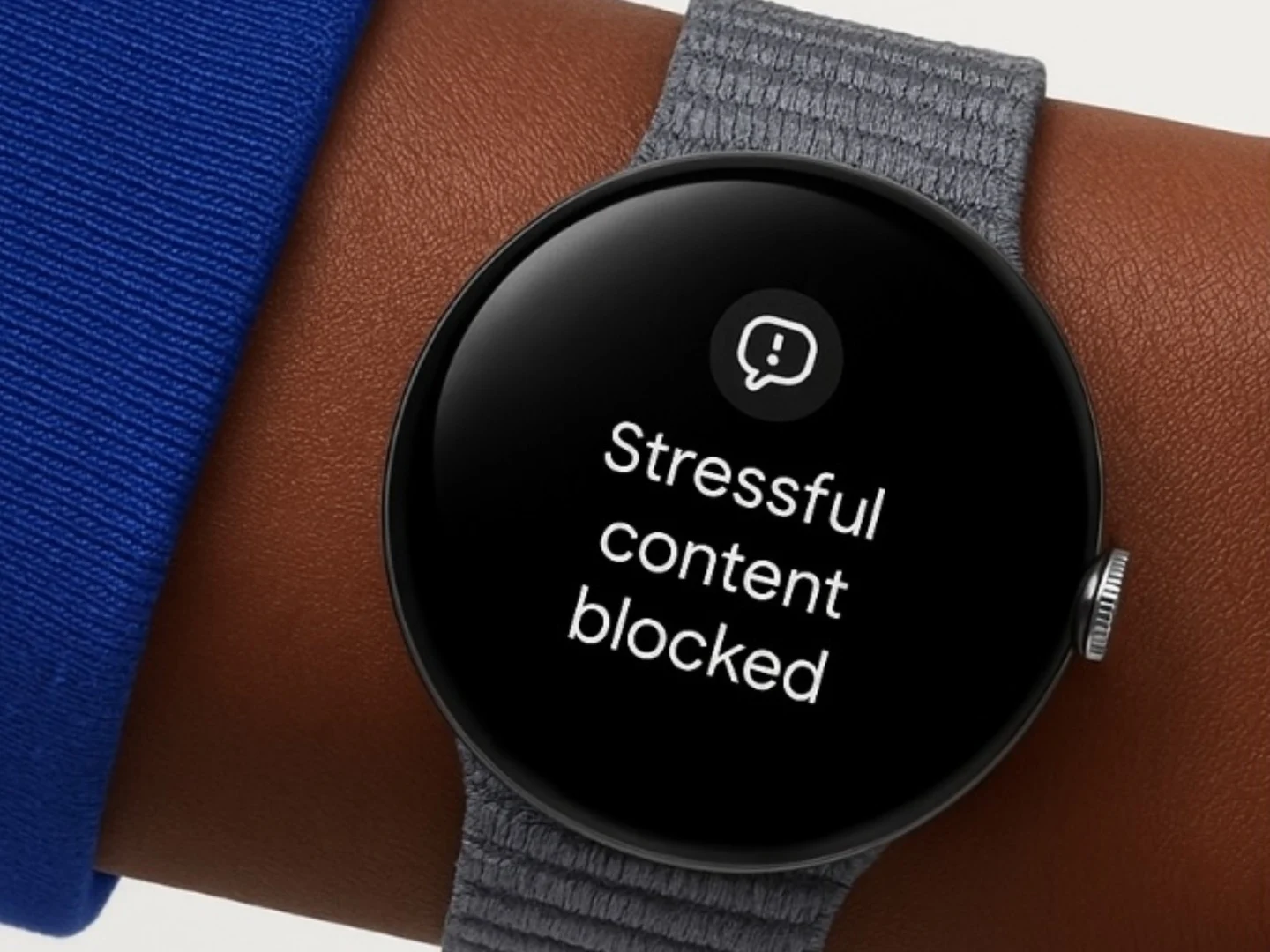
    The patent mentions that users have the ability to select which applications are monitored. The AI gathers information from wearables, earbuds, or smartphones to detect stress patterns. Additionally, it seeks user confirmation to validate feelings of stress. Once stressful content is identified, the user is notified, allowing them to block similar content in the future.

    Current Development Status

    At this moment, it’s uncertain how far along this system is in its development. The link to the patent provided by Neume has since expired, but it appears that this Google patent is what the report references.

    Source:
    Link


  • Google Pixel Watch 4 Teardown: Easy Battery and Display Replacement

    Google Pixel Watch 4 Teardown: Easy Battery and Display Replacement

    Key Takeaways

    1. The Google Pixel Watch 4 has a revamped design with a curved OLED screen and simpler casing.
    2. Accessing internal components requires unscrewing just two T2 screws located under the band pocket.
    3. The display can be removed in about 13 minutes, making it user-friendly for repairs.
    4. The smartwatch features a waterproof design but only meets the IP68 standard, limiting swimming use.
    5. The Pixel Watch 4 is easier to repair compared to both the Apple Watch and the Galaxy Watch Ultra.


    The Google Pixel Watch 4 may seem very much like the Pixel Watch 3 at first sight, but Google has totally revamped its design. They’ve changed the casing, including a curved OLED screen and a metal frame that’s simpler to open. Although the smartwatch won’t be available until October 9, Wired has already dissected it.

    Easy Access to Components

    To get inside, you just need to unscrew two T2 screws that are tucked away under the band pocket. After that, the back can be taken off, allowing access to various parts, including sensors, the vibration motor, and the battery. If you want to swap out the battery, you only need to take out the vibration motor and then unscrew two more T2 screws that hold the battery securely.

    Quick Display Removal

    After the battery is out, you can take off the display by unplugging the appropriate cable from the motherboard and taking out four screws. Wired reported that removing the screen took only 13 minutes during their teardown, making it fairly straightforward for users with limited repair skills to change the Pixel Watch 4’s display without too much trouble.

    Waterproof Design

    A silicone ring surrounds the display to help keep the smartwatch watertight even after you change the screen. However, it only meets the IP68 standard, which means you can’t wear the watch while swimming. The teardown results indicate that the Pixel Watch 4 is significantly easier to fix compared to the Apple Watch, and it’s even a bit simpler than the “repairable” Galaxy Watch Ultra.

    Source:
    Link


  • Google Pixel 10 Pro Camera Reviews: Critiques and Key Improvements

    Google Pixel 10 Pro Camera Reviews: Critiques and Key Improvements

    Key Takeaways

    1. The Pixel 10 Pro and Pixel 10 Pro Fold are receiving positive attention for their hardware and software features.
    2. The new Pro Res zoom can reach up to 100x, but performance is criticized for producing poor image quality, especially at higher zoom levels.
    3. Google’s AI struggles with certain subjects, such as airplanes, though it performs better with cityscapes and buildings.
    4. Despite some zoom issues, the Pixel 10 Pro’s camera offers good image quality with praised HDR optimization and consistent performance across its three cameras.
    5. Early hands-on videos highlight both new features and criticisms, particularly regarding the 100x zoom capability.


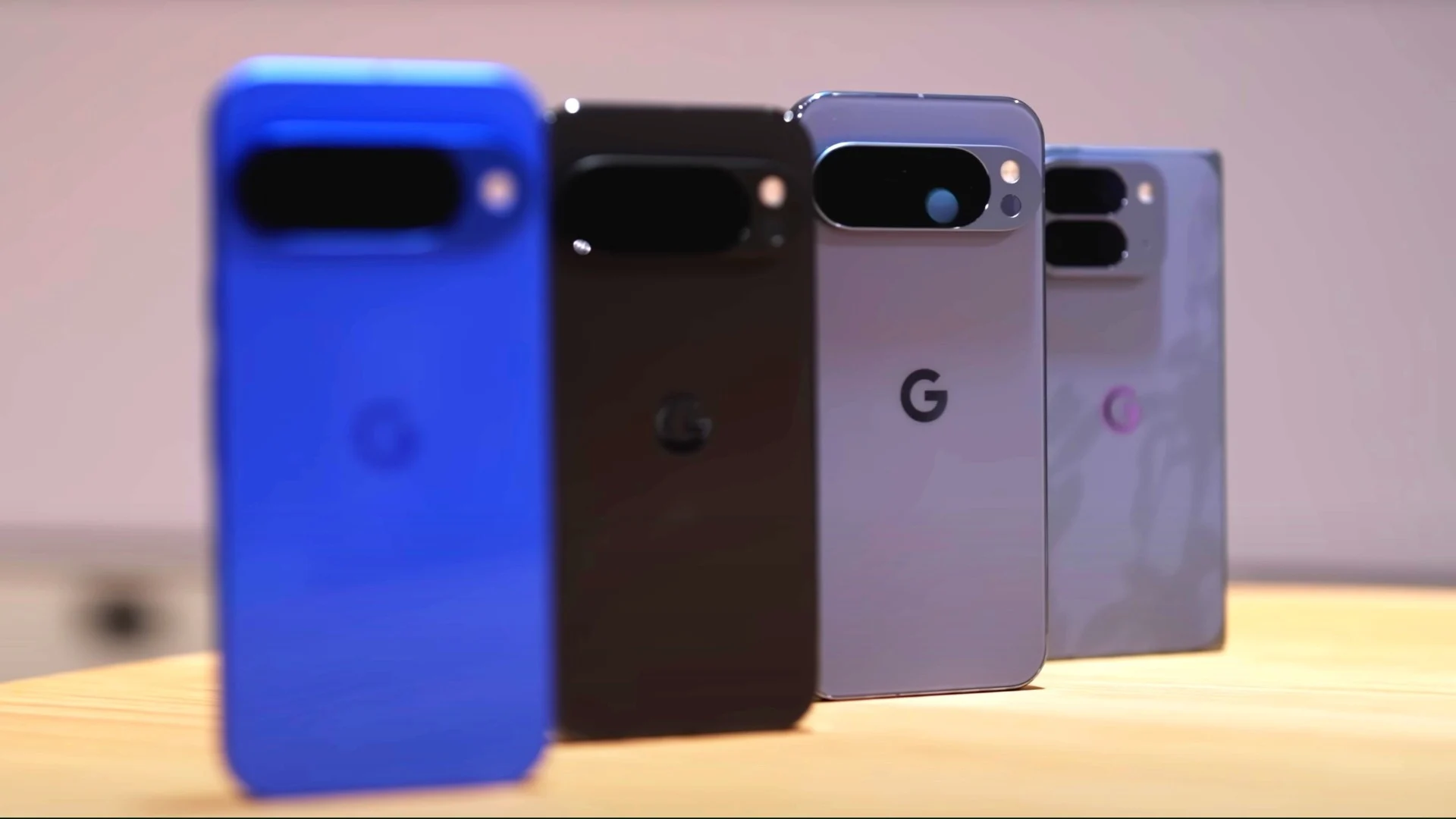
    It has only been a couple of days since Google launched the Pixel 10 series. Along with the Pixel 10 and the Pixel 10 Pro Fold, the Pixel 10 Pro, which features a 6.3-inch and a 6.8-inch XL model, is likely on the top of many fans’ lists. Early impressions mainly highlight these two Pro versions, which have an edge in both hardware and some software features.

    New Zoom Features

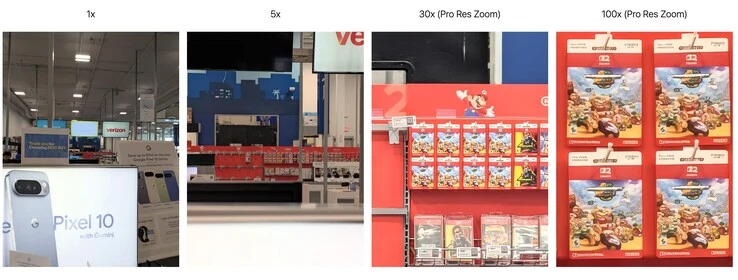
    The latest Pro Res zoom feature surpasses the previous Super Res zoom functionality. This new zoom capability reaches up to 100x, but without some help from AI, it would not perform well. However, even with AI assistance, the new zoom feature from Google has reportedly shown some quite poor outcomes, as shared by u/Dry_Astronomer3210 on Reddit using a demo phone from a popular American store.

    In the shared example, the user zooms in from 1x to 5x, then proceeds to 30x and finally to 100x. At 30x, it’s difficult to distinguish anything, and at 100x, the text becomes what could be described as AI mush. Other phones have managed better results in similar situations. For instance, the 100x zoom feature on the Samsung Galaxy S21 Ultra and its later models may not have produced high-quality images, but at least they kept text legible from afar. The image shared also shows 100x zoom without AI improvements and from a shorter distance.

    Issues with AI Performance

    Google’s AI appears to also struggle with capturing airplanes, as shown by a photo from a reviewer at CNET. The original image is displayed on the left, while the “AI-enhanced” version is on the right side of the comparison.

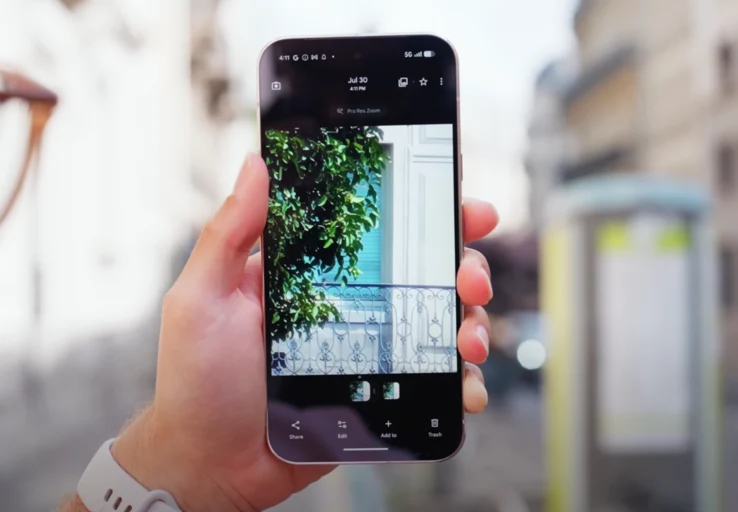
    When it comes to photographing cities or buildings with 100x zoom, the results are more favorable. In these cases, Google’s AI manages to produce a decent picture.

    According to a review from CNET, the Pixel 10 Pro’s camera offers good to very good quality images, despite the Pro Res artifacts at increased zoom levels. The photos often exhibit excellent HDR optimization, a feature typical of Pixel devices. The consistent performance across all three cameras received notable praise, with no significant discrepancies in color accuracy and exposure. The previously mentioned Reddit user also shared positive comments about the Pixel 10 Pro cameras. For example, 4K60 video now works without Video Boost, and 4K60 HDR Video Boost is finally compatible with the ultrawide camera. Additionally, the newly added 10x zoom button in the app is viewed as a beneficial feature.

    Early Videos and Criticism

    There are early hands-on videos available on YouTube, even though formal reviews aren’t released yet. We have chosen a representative video from the British YouTuber Arun Maini, known as Mrwhosetheboss. He tests some new AI features on the Pixel 10 Pro, including Camera Coach and Magic Cue. One of the 100x zoom images also comes from this video. However, Google faces considerable criticism in this particular video, addressing several specific points.

    Source:
    Link


  • Google Launches New Pixelsnap Line Featuring Qi2 Wireless Charging

    Google Launches New Pixelsnap Line Featuring Qi2 Wireless Charging

    Key Takeaways

    1. Google officially announced the Pixelsnap series on August 20, 2025, featuring a new wireless charging ecosystem.
    2. The Pixelsnap Ring Stand is priced at $29.99 and offers a stylish magnetic phone holder design.
    3. The Pixelsnap Charger, available for $39.99, supports the new Qi2 25W specification but is only compatible with the Pixel 10 Pro XL for full charging speed.
    4. Official Pixelsnap Cases for the 10 series start at $49.99, with additional third-party options available.
    5. All new accessories are available for pre-order ahead of the launch on August 28, 2025.


    The Pixel 10 series was officially announced today, August 20, 2025, along with a fresh wireless charging ecosystem.

    Pixelsnap: A Stylish New Series

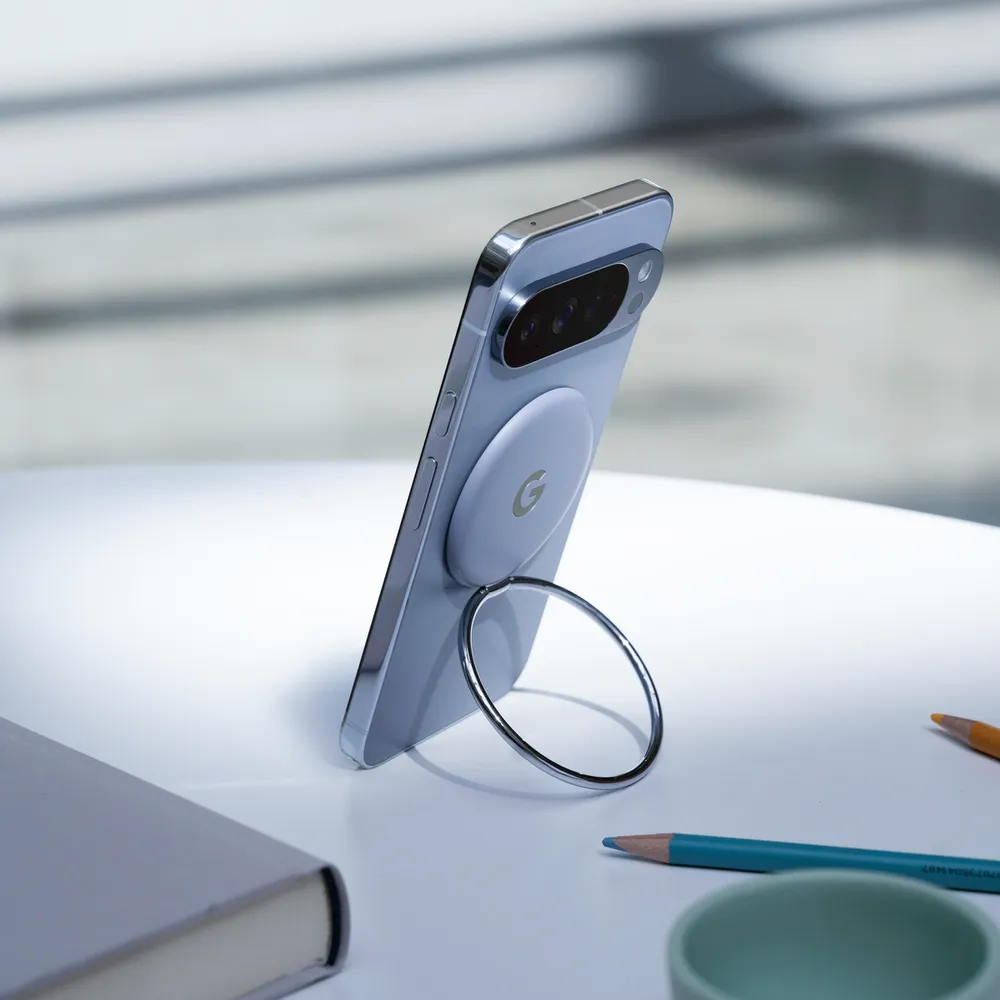
    Named Pixelsnap by Google, this new lineup certainly impresses with a design that aligns well with the latest Pixel Watch, Buds, and smartphones. The Pixelsnap Ring Stand, priced at $29.99, is a chic version of a typical magnetic phone holder that comes in a single Sterling color. Interestingly, this item features Google branding, whereas the sleek $39.99 Pixelsnap Charger does not.

    Pricing and Features

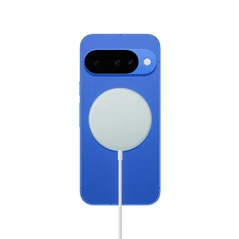
    The Rock Candy-colored Charger is also available with an optional Stand, which bumps the total cost to $69.99. This Charger marks Google’s first accessory that supports the new Qi2 25W specification, but it is only compatible with the Pixel 10 Pro XL. For users of the Pixel 10, 10 Pro, or 10 Pro Fold, the charging speed will drop to 15W.

    Additional Accessories and Pre-orders

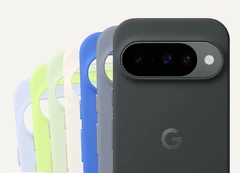
    The collection also introduces official Pixelsnap Cases for the 10 series, starting at a price of $49.99. Complementing these, there are various third-party cases from brands like Otterbox and Mous that also support the same charging capabilities. All new accessories are available for pre-order directly from Google, with some select options offered on Amazon, ahead of their launch on August 28, 2025. It’ll be fascinating to see if Pixelsnap can eliminate the wireless charging issues Google has experienced in the past.

    Source:
    Link


  • Google Pixel Watch 4: Satellite Connectivity & Replaceable Battery

    Google Pixel Watch 4: Satellite Connectivity & Replaceable Battery

    Key Takeaways

    1. Larger, Enhanced Display: The Pixel Watch 4 features a 10% larger display with 16% smaller bezels, improved brightness of 3,000 nits, and adjustable refresh rates from 1 Hz to 60 Hz.

    2. Improved Durability: The watch is protected by Gorilla Glass 5, has a repairable housing, and maintains water resistance up to 5 ATM.

    3. Better Performance and Battery Life: Powered by the Snapdragon W5 Gen 2 chipset, it offers a 25% battery life increase, reaching 30 hours for the 41mm and 40 hours for the 45mm version.

    4. Fast Charging and Enhanced Features: The upgraded fast charging can reach 50% in 15 minutes, with improved vibration and speaker features, plus compatibility with Wi-Fi 6, Bluetooth 6.0, and UWB.

    5. Pricing and Availability: The Pixel Watch 4 is available for pre-order at $349 for the 41mm model and $399 for the 45mm model, with LTE options for an additional $100, and deliveries starting on October 9.


    Google has recently introduced the next version of the Pixel Watch 3. Although it might seem like the design hasn’t changed much at first look, the housing of the watch has been completely reworked, which should bring several notable benefits. To start, the glass is now curved and the OLED panel itself has also been curved. This has allowed Google to make a display that is 10% larger with bezels that are 16% smaller.

    Enhanced Display Features

    The new brightness level has been boosted by 50%, reaching 3,000 nits, and the refresh rate can be adjusted from 1 Hz up to 60 Hz. The screen is shielded by Gorilla Glass 5, making it resistant to scratches. Additionally, on the side opposite the digital crown, there are now two new pins that facilitate charging the Pixel Watch 4. This allows the watch to be charged while standing upright, keeping the display visible. Another important update is that the new housing is officially repairable, meaning that at least the display and battery can be replaced if needed, and it maintains its water resistance up to 5 ATM.

    Performance and Battery Life

    The Pixel Watch 4 is powered by the new Qualcomm Snapdragon W5 Gen 2 chipset, which matches the performance of the previous W5 Gen 1 but introduces the ability for satellite emergency calls; however, this feature is only available on the pricier LTE model of the Pixel Watch 4. Google has paired this chip with a new co-processor that is claimed to be 25% stronger while using only half the energy. This contributes, among other things, to a battery life increase of 25%, reaching 30 hours for the 41mm version and 40 hours for the 45mm version.

    The upgraded fast charging feature can take the Pixel Watch 4 from 0 to 50% in just 15 minutes. The vibration motor is now 15% stronger, and the speaker has also seen improvements to enhance interactions with Google Gemini. Google promotes a more precise GPS module, and the smartwatch is compatible with Wi-Fi 6, Bluetooth 6.0, NFC, and ultrawideband (UWB). Beyond the ECG feature, the Pixel Watch 4 also includes a cEDA sensor for tracking stress levels and a sensor for measuring skin temperature.

    Availability and Pricing

    The Google Pixel Watch 4 is currently available for pre-order through the Google Store, but deliveries won’t start until October 9. The 41-mm model is priced at $349, while the 45-mm version costs $399. An integrated LTE modem can be added for an additional $100. Both models come in silver and black, with the smaller model offering gold and the larger model available in blue.

    Source:
    Link