Tag: google

  • New Android 17 Design Revealed in Leaked Screenshots

    New Android 17 Design Revealed in Leaked Screenshots

    Key Takeaways

    1. Android 17 features a new transparent design aesthetic, similar to Apple’s iOS 26 “Liquid Glass” style.
    2. The volume control panel and shutdown menu will adopt a see-through backdrop for better readability.
    3. Users can customize transparent sections with their chosen accent color.
    4. Screen recording will include a floating window for settings and a recording timer in the status bar.
    5. Users can lock app icons by pressing and holding them, with some icons receiving a new design.


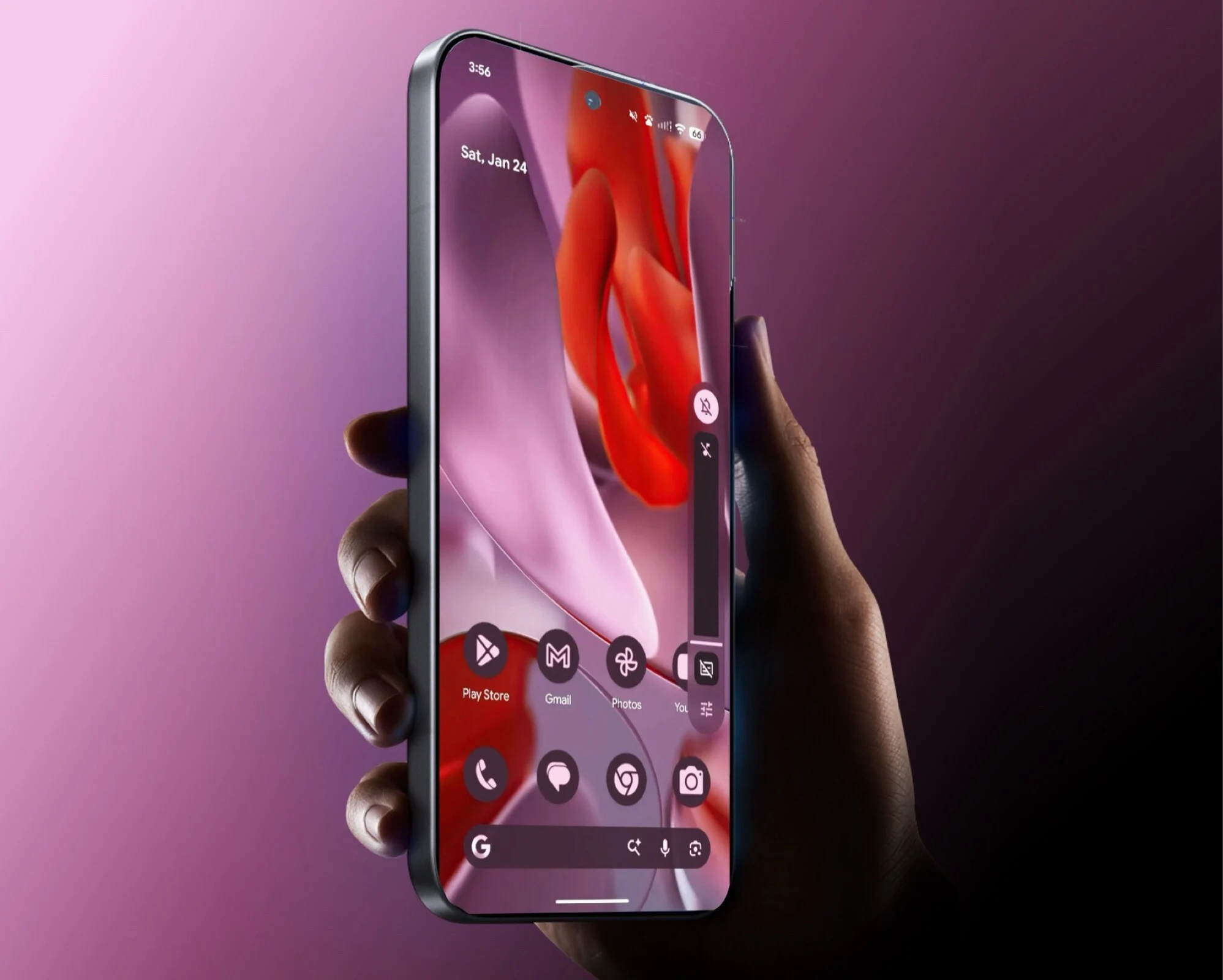
    After the recent leaks about Android 17’s new design, Android Authority and 9to5Google have managed to get a hold of several screenshots from the leaker @romashka, which are said to display an early beta version of Android 17. Much like Apple’s iOS 26 with its “Liquid Glass” style, Google appears to be shifting towards a more transparent aesthetic in its upcoming software.

    Notable Design Changes

    This fresh design method is quite evident in the volume control panel. Unlike the previous solid background, the new interface features a slightly see-through backdrop, with elements behind it being more blurred than seen on Apple devices. This change aims to enhance the readability of the information. Users can personalize these transparent sections with the accent color they choose.

    The volume slider and the shutdown menu for the phone will also adopt this transparent design. Following Android 16’s introduction of transparency in areas like Quick Settings, it seems Google is planning to extend this visual style to additional segments of the Android 17 operating system.

    Updates to Screen Recording

    In addition, Google is making changes to the screen recording feature. With Android 17, users will be able to modify settings through a floating window, while a recording timer will be visible in the status bar. By pressing and holding an app icon, users can also lock that particular app in Android 17. Some app icons are set to receive a new look as well. Although not much information is available about the new features of Android 17, mobile gamers can likely anticipate various enhancements.

    Source:
    Link


  • Android 17 Features Transparent Design with Apple Liquid Glass

    Android 17 Features Transparent Design with Apple Liquid Glass

    Key Takeaways

    1. Android 17 will feature a “blur” appearance with transparent overlays, replacing solid-color backgrounds.
    2. The design aims to enhance readability by softening visuals and allowing better visibility of background apps.
    3. The focus of Android 17 is more on aesthetics rather than significant changes to core functionalities.
    4. The OS will include design elements influenced by the Apple iPhone, such as differentiated notifications based on swipe direction.
    5. Major updates for gaming experiences are expected, with the rollout anticipated to start in June.


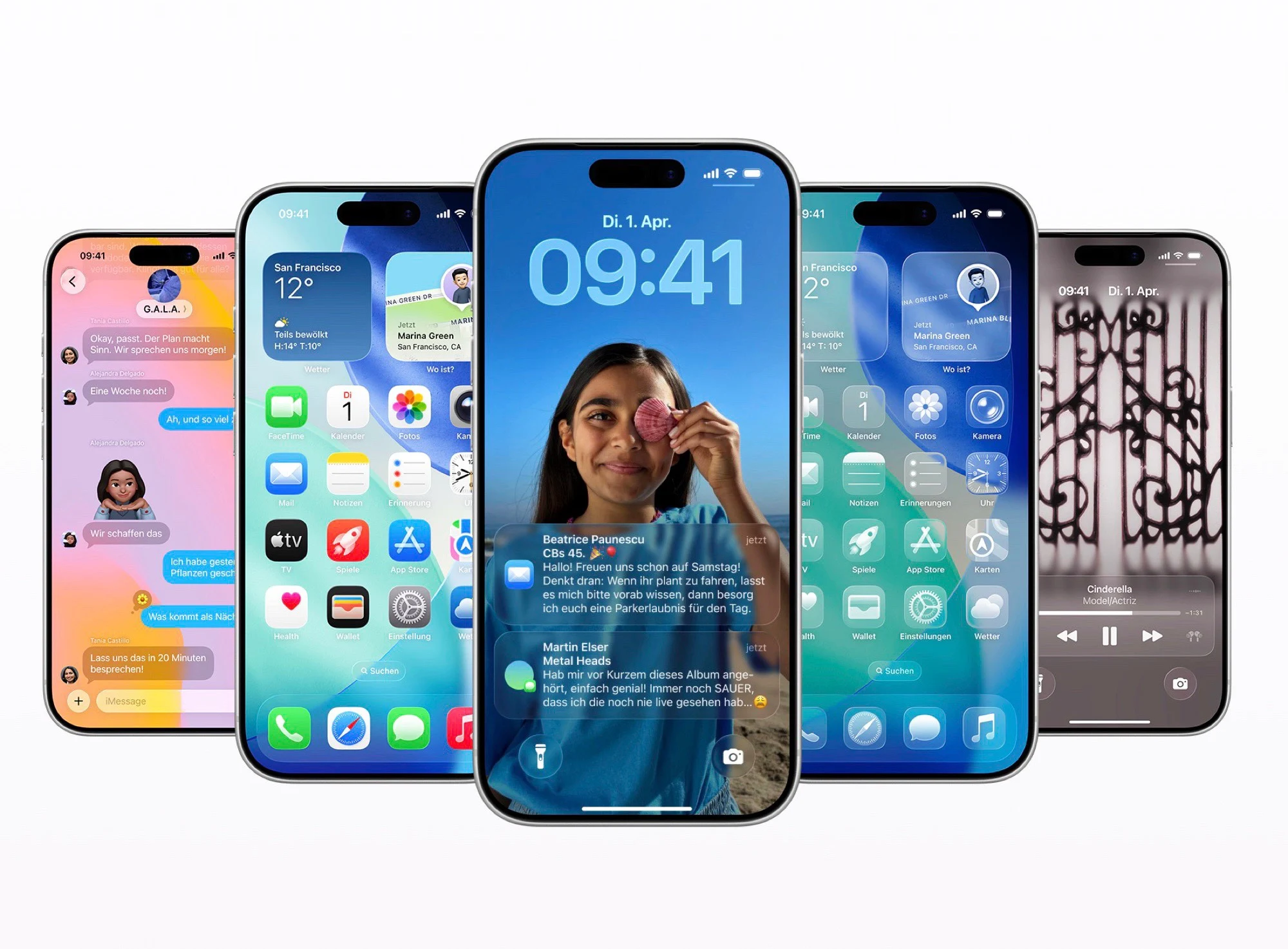
    According to the most recent details from 9to5Google, which seem to come from an internal beta of Android 17, the new operating system will have a “blur” appearance. Google is reportedly planning to swap out solid-color backgrounds across the system for transparent overlays that will soften the visuals behind them. This design choice closely resembles the “Liquid Glass” look of the Apple iPhone 17, though it appears that Google might not adopt the same level of style as Apple.

    Enhancements for Readability

    Google might enhance clarity by blurring objects a bit more or darkening them slightly. The idea behind the transparency is to make navigating the OS simpler, allowing users to view which app is running in the background even when the quick settings menu is visible. This design approach is expected to be applied to various components of the operating system, including the volume controls and battery indicators. These components will continue to be influenced by the user’s selected accent color.

    Focus on Aesthetics

    As per 9to5Google, the emphasis of the new OS appears to be on looks rather than making substantial changes to the basic functionalities. Earlier reports have hinted that Google is also taking cues from the Apple iPhone in other aspects, like differentiating notifications and quick settings based on whether the user swipes down from the left or right side of the screen. Additionally, Android 17 is likely to see major updates aimed at improving gaming experiences. The update is expected to roll out sometime starting in June.

    Source:
    Link


  • Cloud Risk and BitLocker: Microsoft Shares Keys with FBI

    Cloud Risk and BitLocker: Microsoft Shares Keys with FBI

    Key Takeaways

    1. Apple and Google cannot unlock encrypted devices for law enforcement requests, while Microsoft can provide BitLocker recovery keys if stored in the cloud.
    2. BitLocker is a Windows encryption tool that protects data on hard drives and generates a recovery key for emergencies.
    3. Users can back up the BitLocker recovery key by printing it, saving it on a USB drive, or storing it in the cloud via a Microsoft account.
    4. Microsoft will release BitLocker keys to authorities with a legitimate court order, highlighting their access to this data.
    5. Storing recovery keys in the cloud offers convenience but raises security concerns about unauthorized access and the potential for key exposure.


    Apple and Google often emphasize that they cannot unlock their customers’ encrypted devices, like smartphones or tablets, even if law enforcement requests them to. The case with Microsoft and its Windows encryption tool, BitLocker, is a bit more complicated. If a user saves the recovery key in the cloud, Microsoft can provide that key to the authorities.

    What is BitLocker?

    BitLocker is a drive encryption tool built into Windows that safeguards data on hard drives from unauthorized access, especially in cases of device theft. During the setup process, a recovery key is created to help regain access to the system in emergencies. Windows offers several methods for backing up this key: it can be printed, saved on a USB drive, or directly stored in the cloud via a Microsoft account.

    Storing Keys in the Cloud

    If you opt to keep your data in your Microsoft account, it will be stored on the company’s servers located in Redmond. Microsoft has confirmed to Forbes that they release these BitLocker keys when a legitimate court order is presented. The FBI makes about 20 such requests each year. This indicates that Microsoft does have access to the key data, though it’s not clear if this information is stored on their servers in plain text or if it is encrypted.

    Concerns About Security

    Nonetheless, just because data is stored in the cloud doesn’t mean the provider can read it. The recovery keys might be kept in a way that encrypts them, possibly with a separate password or hash that belongs to the user. In this case, Microsoft could store the data but would be unable to see it in plaintext or share it with law enforcement. Since the company can release the keys when a court order is presented, this type of protection clearly does not apply here. This situation raises concerns about the security of recovery keys that are saved in the cloud.

    Microsoft spokesman Charles Chamberlayne pointed out that while using cloud recovery is convenient, it also presents the risk of unauthorized access. Therefore, users need to consider if the convenience outweighs the risks, or if they should keep the key stored locally.

    Source:
    Link


  • Google Pixel Rumors: No Cheaper Price or February Release

    Google Pixel Rumors: No Cheaper Price or February Release

    Key Takeaways

    1. The Pixel 10a will closely resemble the Pixel 9a, featuring a 5,100 mAh battery and a Tensor G4 chipset.
    2. It will include a 6.3-inch AMOLED screen and a camera setup with a 48 MP main camera, a 13 MP ultra-wide camera, and a 13 MP front camera.
    3. Pricing for the Pixel 10a is expected to be €549, with a 256 GB option costing €649, remaining consistent with the previous generation.
    4. The official launch date for the Pixel 10a is set for March 5, with pre-orders starting on February 18.
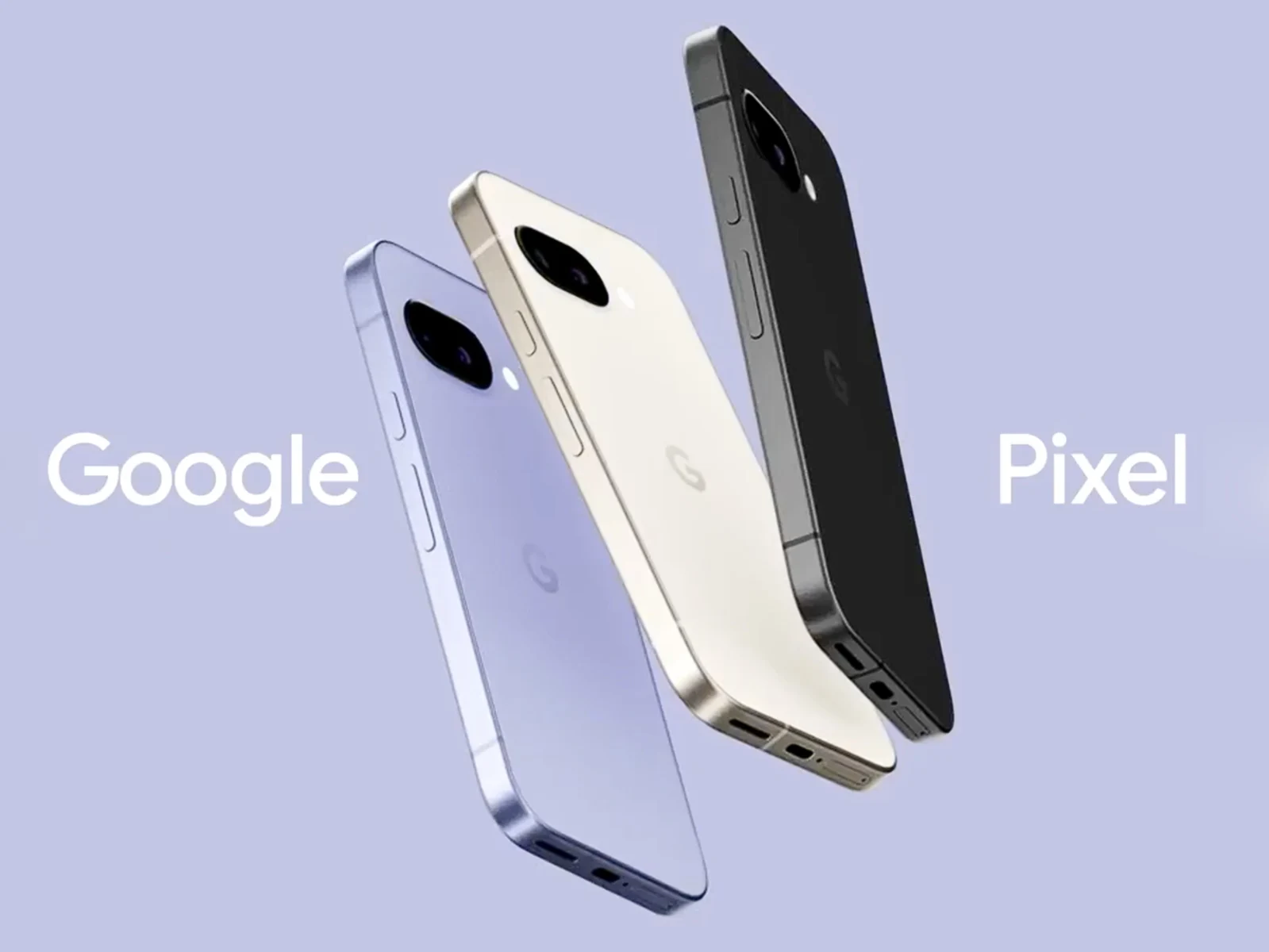
    5. Available color options will include Berry, Fog, Lavender, and Obsidian.


    The Pixel 10a has been talked about and its features debated since early last year. Now, as we approach the first anniversary of the Pixel 9a, which currently costs $439.95 on Amazon, it’s not surprising that more information about the upcoming model is surfacing through various leaks.

    First Look at the Pixel 10a

    Just a few days ago, Android Headlines provided a genuine glimpse of the Pixel 10a. The image shows that Google’s next mid-range device might look very similar to the current model. It seems that the 5,100 mAh battery and the Tensor G4 chipset will be making a return. Additionally, there will be a 6.3-inch AMOLED screen along with a camera setup that includes a 48 MP main camera (f/1.7), a 13 MP ultra-wide camera (f/2.2), and a 13 MP front camera (f/2.2).

    Pricing Details

    According to insights from billbil-kun, the prices in the Eurozone might be a bit higher than what recent leak from Arsène Lupin suggested. Specifically, it looks like the Pixel 10a will retail for €549, or €649 for the option with 256 GB of storage. Although this is €50 more than the earlier claims, the pricing remains unchanged from the previous generation.

    Release Timeline

    Simultaneously, billbil-kun has mentioned that Google is expected to start shipping the Pixel 10a in early March, with March 5 marked as the official launch date. However, both billbil-kun and Evan Blass predict that pre-orders for the Pixel 10a will begin on February 18, offering color choices such as Berry, Fog, Lavender, and Obsidian.

    Source:
    Link


  • Android 17 Leak: Enhanced Notifications and Quick Settings Updates

    Android 17 Leak: Enhanced Notifications and Quick Settings Updates

    Key Takeaways

    1. Android 17 will feature a new user interface where quick settings appear by default when swiping down from the top right, while notifications are accessed from the top left.
    2. Users can revert to the traditional Android layout through system settings, which combines quick settings and notifications on one screen.
    3. The split layout reduces scrolling by providing more space for notifications and quick settings, including an extra volume slider under the brightness control.
    4. Google’s design changes in Android 17 show a closer alignment with Apple’s iPhone interface, particularly in how quick settings are presented.
    5. The current design is likely an early beta version, with potential updates expected before the official launch in June 2026.


    Details about Google’s gaming strategies for Android 17 first came out last November. Recently, leaker Mystic Leaks has shared the initial screenshots that reveal the fresh user interface for notifications and quick settings.

    New User Interface Design

    From these images, it seems that Android 17 will show quick settings by default when users swipe down from the top right corner of the screen. However, swiping down from the top left corner will bring up notifications. This setup will feel familiar to those who have used the Apple iPhone 17. For users who preferred the old layout, they can easily revert back to the traditional Android interface via the system settings, which merges quick settings and notifications into one screen.

    Benefits of the Split Layout

    The new split design offers the benefit of creating more room for showing either notifications or quick settings, which in turn lessens the amount of scrolling needed to find what users are looking for. Google has cleverly utilized this space to add an extra volume slider right under the display brightness control. Other quick settings appear to remain mostly the same. Nevertheless, since this is likely just an early beta version, it’s fair to expect more design tweaks before Android 17’s expected launch around June 2026.

    Moving Closer to Apple

    With this updated layout, Google is aligning its design more with that of the iPhone, though it’s worth noting that quick settings in iOS 26 can be organized across multiple pages. This feature allows users to customize their quick settings for managing smart home devices, for example, providing greater flexibility.

    Source:
    Link


  • Google Pixel Leak: New Smartphone May Be Cheaper Than Before

    Google Pixel Leak: New Smartphone May Be Cheaper Than Before

    Key Takeaways

    1. The Pixel 10a is expected to launch on February 17 in Europe, ahead of the Pixel 9a’s anniversary.
    2. The starting price for the Pixel 10a will be around €500 (~$580) for the 128 GB model, with the 256 GB version costing about €600 (~$699).
    3. New color options for the Pixel 10a include Obsidian, Berry, Lavender, and Fog, while some colors from the Pixel 10 will not be carried over.
    4. The 256 GB version of the Pixel 10a will only be available in Obsidian color, unlike the previous Pixel 9a which had more options.
    5. Matching cases for the Pixel 10a colors will be available for €20 (~$23).


    Earlier today, Android Headlines gave us a sneak peek at the Pixel 10a. As previous rumors suggested, Google’s upcoming mid-range phone appears quite similar to the Pixel 9a, which was released in March 2025 (currently priced at $399 on Amazon). However, a later leak from Arsène Lupin has pointed out some differences the Pixel 10a will have compared to its predecessor.

    Launch Details

    For example, it looks like the Pixel 10a might be released on February 17 in Europe, which is more than a month ahead of when the Pixel 9a celebrated its first birthday. Additionally, Lupin mentions that the starting price for the Pixel 10a will be about €500 (~$580) for the 128 GB model, while the 256 GB version could cost around €600 (~$699). It’s still unclear if this €50 (~$59) price drop will happen in other regions.

    Color Options

    Furthermore, the Pixel 10a is rumored to come with new color choices, except for the Obsidian shade that Android Headlines has already shown off. However, Google won’t be keeping the Indigo, Frost, or Lemongrass colors from the Pixel 10. Instead, according to Lupin, the Obsidian color will be joined by Berry, Lavender, and Fog, at least for the 128 GB model.

    Storage Variants

    For some odd reason, Google is reportedly limiting the 256 GB version of the device to just the Obsidian color, even though the previous Pixel 9a had an Iris option. In a post on X, Lupin also mentioned that these colors will be accompanied by matching cases, which will be priced at €20 (~$23).

    Source:
    Link


  • Latest Google Pixel 10a Render Leak Reveals Familiar Design

    Latest Google Pixel 10a Render Leak Reveals Familiar Design

    Key Takeaways

    1. The Pixel 10a design closely resembles the Pixel 9a, with little change expected.
    2. The phone may have thick bezels, which could be disappointing for its price point around $500.
    3. The back of the Pixel 10a is expected to retain a nearly flat camera bump to avoid wobbling.
    4. Most specifications, including a 6.3-inch display and a 5,100 mAh battery, are likely to remain the same as the 9a.
    5. The Pixel 10a may use the same Tensor G4 chip and have a similar camera configuration as its predecessor.


    The Pixel 10a has been revealed yet again, this time through an “official” render, but it doesn’t show anything new. Specifically, similar to the earlier CAD leak, the most recent image from Android Headlines indicates that the new phone will closely resemble last year’s budget model.

    Design Similarities

    Once again, it’s no secret that Google typically doesn’t refresh its phone designs annually, so it wouldn’t come as a shock if the Pixel 10a looks just like the 9a. However, the leaked renders do indicate that the display will feature somewhat thick bezels, which could be disappointing for a device that may retail around $500 (currently, the 128 GB Pixel 9a is priced at $399 on Amazon).

    Camera and Build Quality

    On a positive note, these leaked images imply that the back of the Pixel 10a will keep the nearly flat camera bump, similar to its predecessor. This design element could prevent the phone from wobbling when placed on a flat surface.

    Specs and Performance

    Regarding specifications, most core features of the Google Pixel 10a are anticipated to be the same as the 9a. This includes a 6.3-inch display that supports a 120 Hz refresh rate, and recent leaks have also hinted that it will come equipped with the same 5,100 mAh battery as the previous model.

    While it isn’t completely confirmed yet, the SoC might remain unchanged as well. A recent leak from a Verizon listing suggests that the Pixel 10a will utilize the Tensor G4 chip, which powered last generation’s Google flagship devices. The camera configuration is also not expected to differ significantly, though it’s important to keep in mind that none of these leaked specifications are guaranteed.

    Source:
    Link


  • Apple Partners with Google: Siri to Use Gemini Technology Soon

    Apple Partners with Google: Siri to Use Gemini Technology Soon

    Key Takeaways

    1. Apple is partnering with Google to enhance Siri using Google’s Gemini technology and cloud services.
    2. This collaboration marks Apple’s first significant reliance on external technology for its AI ecosystem.
    3. Apple is committed to maintaining user privacy, with most AI operations occurring on-device and through its own cloud services.
    4. The partnership signals a shift in the AI landscape, positioning Apple and Google against Microsoft and OpenAI.
    5. There is cautious optimism among users about the potential improvements to Siri following this partnership.


    Apple has been careful with its approach to artificial intelligence until now. Even though Siri is well integrated into Apple’s ecosystem, it is frequently viewed as less effective than other voice assistants. It’s not surprising that AI assistants from leading smartphone brands like Samsung, Xiaomi, Oppo, and Motorola are already using Google’s Gemini. Now, Apple is aiming to close this gap.

    Partnership Announcement

    In a joint statement, Apple and Google have revealed a long-term strategic collaboration. Moving forward, Apple plans to develop its foundation models utilizing Google’s Gemini technology and cloud services. This partnership aims to greatly improve Apple Intelligence, leading to a smarter and more customized version of Siri.

    Privacy Commitment

    Even with this new partnership, Apple is upholding its promise of privacy. The company insists that Apple Intelligence will mainly operate on-device and through its own cloud services. While Google supplies the AI technology, Apple remains in full control of system integration and user information. This change is a pivotal moment for Apple, as it marks the first instance of the company depending on an outside technology for such a crucial aspect of its ecosystem.

    Changing Dynamics in AI

    A new power dynamic is starting to form in the AI industry, with Google and Apple clearly setting themselves against Microsoft and OpenAI. OpenAI, which is known for creating ChatGPT, is generally perceived as the one losing out in this situation, especially since a partnership with Apple was also thought to be a possibility. On Reddit, users are cautiously optimistic about the Apple-Google partnership. The general mood is that there is only room for improvement. After years of disappointing performance, many are hopeful that Siri is finally getting the upgrade it truly deserves.

    Source:
    Link


  • Apple Contest Ruling: Britons May Get £1.5 Billion in Refunds

    Apple Contest Ruling: Britons May Get £1.5 Billion in Refunds

    Key Takeaways

    1. A UK court found that Apple misused its dominant position in the App Store by imposing a high 30% commission.
    2. Apple plans to appeal the ruling, arguing for its current commission system and emphasizing the App Store’s economic contributions.
    3. The court suggested lower commission rates of 17.5% on app sales and 10% on in-app purchases.
    4. If Apple’s appeal fails, it may lead to more lawsuits against both Apple and Google from developers.
    5. Over 2,000 app developers are pursuing a separate legal action against Apple and Google, claiming unfair commission practices.


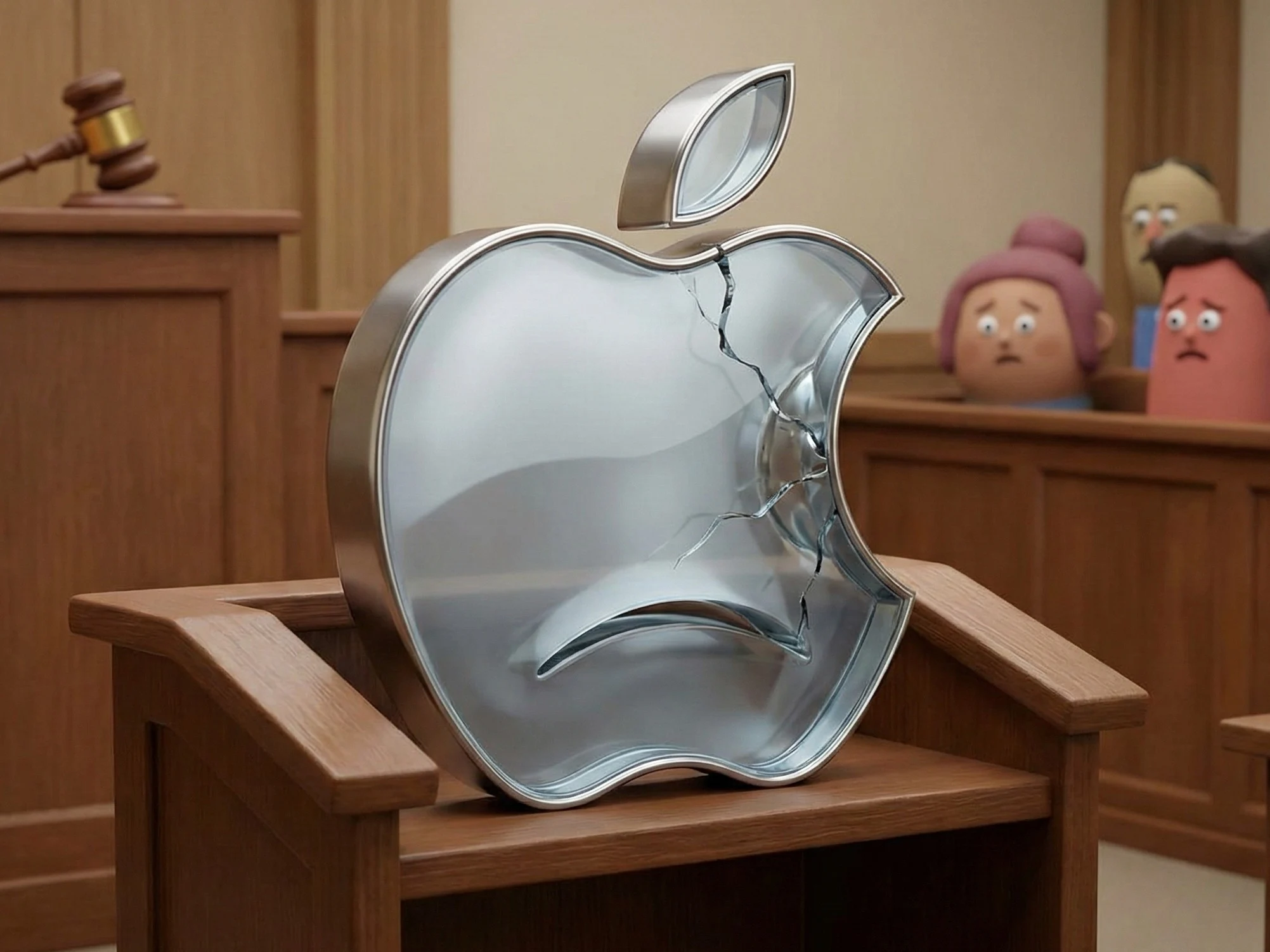
    The ongoing discussion about monopolies in software distribution has gained more attention, especially regarding tech giants like Apple and Google. Recently, a UK court determined that Apple misused its dominant position in the App Store, imposing high prices via its well-known 30% commission, often referred to as the “Apple tax.”

    Apple’s Response to the Ruling

    In response to this decision, Apple has decided to appeal. The judges were clear in their findings, suggesting that a commission of 17.5% on app sales and 10% on in-app purchases would be more suitable than the standard 30%. Apple disagrees with this assessment, claiming that the judges have a “flawed view” of the app economy. The company emphasizes that the App Store contributed over $55 billion to the UK economy in 2024 and provides a safe platform for developers. Moreover, Apple points out that many developers actually pay a lower commission of 15%.

    Implications for Future Lawsuits

    If Apple’s appeal does not succeed, it could lead to a wave of similar lawsuits against both Apple and Google. Developers are also joining the fight against these fees. In a separate legal action, more than 2,000 app developers are demanding up to £1 billion in damages, alleging that Apple and Google place unfair burdens on smaller studios with arbitrary commission rates. As a result, the UK courts could pose significant challenges for both Apple and Google by 2026.

    The Guardian

    Source:
    Link


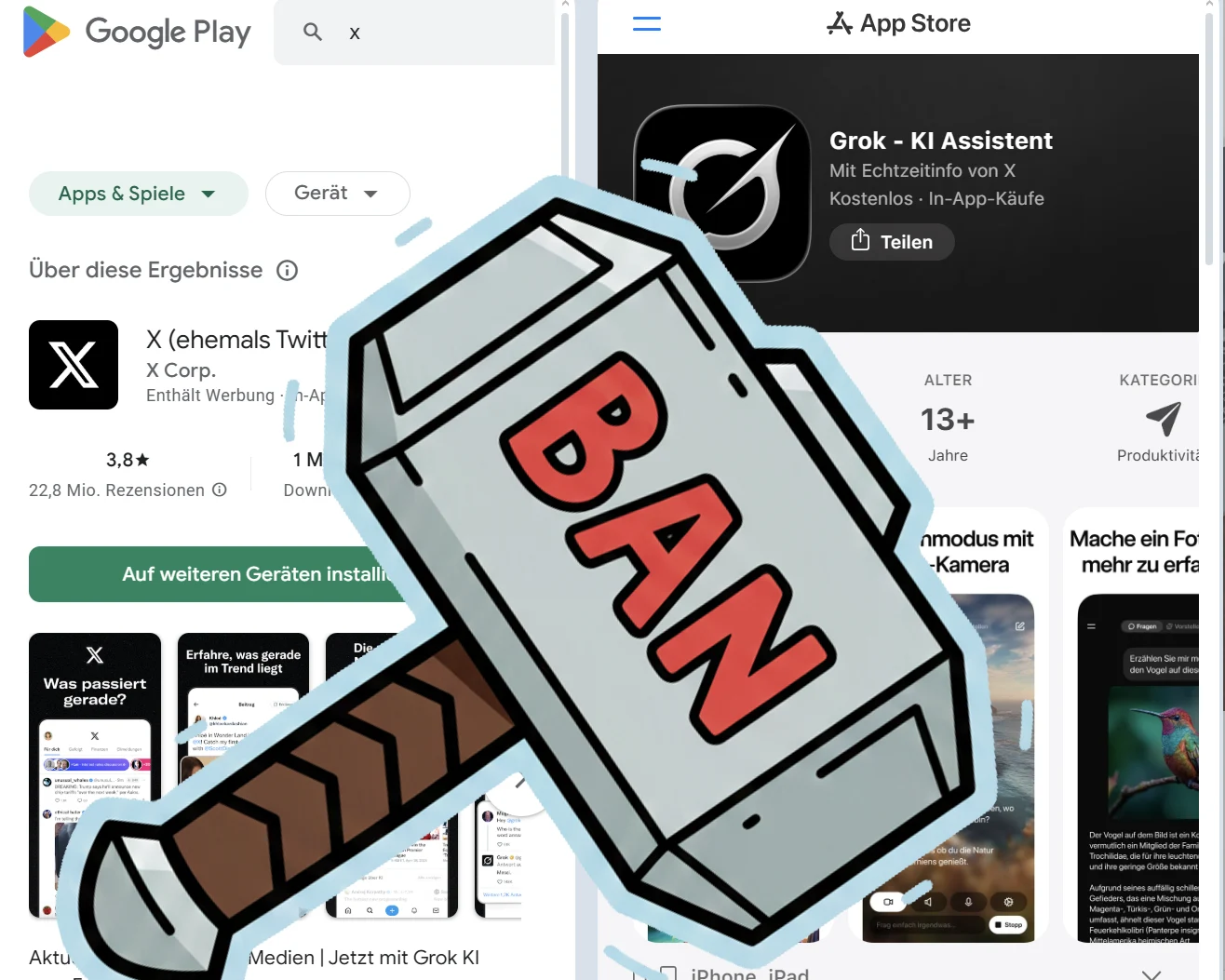
  • US Senators Demand Removal of X and Grok from App Stores

    US Senators Demand Removal of X and Grok from App Stores

    Key Takeaways

    1. Three US senators are urging Apple and Google to remove X (formerly Twitter) and Grok from their app stores due to concerns about non-consensual sexualized images of women and children created by Grok.
    2. The senators claim that Grok violates app store policies by producing illegal content, including images of child abuse, and that X CEO Elon Musk seems to support this issue.
    3. Apple’s and Google’s guidelines explicitly ban content that could lead to child exploitation or abuse, and ignoring these violations could harm the integrity of their app store moderation.
    4. The senators reference previous app removals, arguing that similar action against X and Grok is warranted due to the serious allegations.
    5. They have requested a written evaluation from Apple and Google regarding the situation by January 23, 2026, and suggest suspending the app during an investigation.


    In a strong message from Washington, three US senators are urging Apple and Google to take down X (previously known as Twitter) and Grok from their app stores. In a letter dated January 9, 2026, addressed to Tim Cook (the CEO of Apple) and Sundar Pichai (CEO of Google and Alphabet), they express deep concerns regarding the use of Grok, an AI feature within the X app, in the creation of non-consensual, sexualized images involving women and children.

    Senators’ Concerns

    Senators Ron Wyden from Oregon, Ben Ray Luján from New Mexico, and Edward J. Markey from Massachusetts claim that the content produced by Grok violates the terms of both app stores and clearly breaks their policies. Reports indicate that Grok not just alters images of private individuals but also shows sexualized scenarios while keeping a database of potentially illegal material, which includes images of child abuse. Furthermore, the senators highlight that X CEO Elon Musk seems to endorse this situation through his social media responses.

    Demand for Action

    The request from the senators relies on the current guidelines from Apple and Google that explicitly ban content which could lead to child exploitation or abuse. Apple’s terms specifically forbid any kid-related content that might be deemed “offensive” or “just plain creepy.” The senators stress that ignoring these breaches would jeopardize the integrity of App Store moderation practices, weakening both Apple’s and Google’s arguments against regulatory actions in their app stores.

    Historical Context

    To illustrate their point, they reference past actions taken by both companies, such as removing apps like ICEBlock and Red Dot. Those apps did not include illegal content but merely shared information about the activities of US authorities related to immigration. The senators argue that a similar response is justified considering the serious accusations made against X and Grok. They suggest at the very least, the app should be suspended while a thorough investigation takes place. Apple and Google have been requested to provide their evaluation of the situation in writing by January 23, 2026.

    Source:
    Link