Category: Video / Photo

  • Fujifilm X-T30 III Leaks: Release Date, Compact Design, New Dial

    Fujifilm X-T30 III Leaks: Release Date, Compact Design, New Dial

    Key Takeaways

    1. The Fujifilm X-T30 III is expected to resemble the X-T30 II but with a refreshed control layout and upgraded processor while retaining the X-Trans CMOS 4 sensor.
    2. Launch date speculations suggest an unveiling as soon as October 23, but no official announcement has been made by Fujifilm.
    3. The design will closely follow that of the X-T30 II, introducing a new film simulation dial, though it may lack some ergonomic features from the X-T50.
    4. The inclusion of a film simulation dial and EVF suggests the X-T30 III will likely not have In-Body Image Stabilization (IBIS) to keep production costs lower.
    5. Pricing considerations indicate the X-T30 III will aim to remain budget-friendly, avoiding features that could raise its price closer to the X-T50 and X-E5, which are more expensive options.


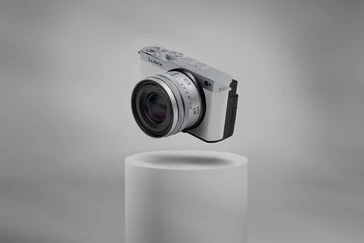
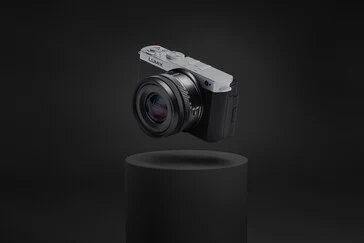
    We have earlier discussed the forthcoming Fujifilm X-T30 III and speculated that this new compact X-Mount camera might resemble a modernized Fujifilm X-T30 II. In other words, it is expected to be a capable APS-C camera featuring the same Fujifilm X-Trans CMOS 4 sensor along with an upgraded processor. However, recent leaks indicate that Fujifilm plans to stick with the well-known X-T30 design while introducing a refreshed control layout.

    Launch Date Speculations

    The latest leaks from FujiRumors suggest that the Fujifilm X-T30 III could be unveiled as soon as October 23, even though Fujifilm has not yet confirmed any official X Summit or similar event. FujiRumors is usually reliable regarding leaks, but it is strange that there has been no official announcement or hints from Fujifilm on their social media about an upcoming release.

    Design Features

    More leaks hint that the Fujifilm X-T30 III will have a body quite similar to the X-T30 II, but it will introduce a film simulation dial. It’s still uncertain if this new dial will take the place of the exposure compensation, shutter speed, or drive dials from the X-T30 II. However, maintaining the design of the X-T30 II means that the X-T30 III will remain a compact camera, although it also means that some ergonomic advancements seen in the X-T50 may be absent.

    Price Considerations

    The addition of both a film simulation dial and an EVF implies that the X-T30 III will likely not have IBIS. This decision might be made to keep the price of the new camera lower, as adding too many features could push it closer to the X-T50 in terms of cost. Both the X-T50 and the X-E5 are not exactly budget-friendly, with the X-T50 priced at $1,599 and the X-E5 at $1,699 on Amazon.

    FujiRumors’

    Source:
    Link


  • Affordable One35 V2: Analog Charm Meets Digital Convenience

    Affordable One35 V2: Analog Charm Meets Digital Convenience

    Key Takeaways

    1. The Flashback One35 V2 resembles a classic 35mm compact camera and is available in eight colors, including two see-through options.
    2. It features a 13 MP sensor, allows saving images as DNG RAW files, and has a xenon flash and a film camera-style winding dial.
    3. The camera includes a unique movie camera mode for reviewing photos the next day, enhancing the retro experience.
    4. Users can transfer images to smartphones via USB-C or Wi-Fi, and the battery lasts approximately two months.
    5. The camera is available for pre-order at $119, with shipping starting on November 27.


    At first glance, the Flashback One35 V2 might seem like a classic 35mm compact camera. It comes in eight colors, including two that are somewhat see-through. The retro-themed packaging adds to its old-school vibe. A small optical viewfinder and the absence of a screen hide the digital features of the camera.

    Features and Functionality

    The xenon flash at the front can be turned on directly with a slider, while the dial on the back mimics the film camera winding. But instead of using a 35mm film roll, this camera has a 13 MP sensor inside. Flashback hasn’t shared specifics about the sensor size or the lens, but users can save images as DNG RAW files.

    Unique Photo Experience

    An extra movie camera mode lets photographers look at their photos taken a day later, which aims to minimize distractions and boost a retro film experience. Users can transfer images to their smartphone app using either a USB-C cable or Wi-Fi. The company claims the battery lasts for two months, although this probably varies with how much it’s used. Charging is done through USB-C.

    Availability and Pricing

    The Flashback One35 V2 is currently up for pre-order on the manufacturer’s website, with shipping set to start on November 27. The price for the camera is $119, not including shipping fees.

    Source:
    Link


  • Skyrover X1 Drone: 4K Camera and 9-Mile Range Rivaling DJI

    Skyrover X1 Drone: 4K Camera and 9-Mile Range Rivaling DJI

    Key Takeaways

    1. The Skyrover X1 is priced at $750 and has received mostly positive reviews for its video quality and flying experience.
    2. It features a 1/1.32-inch CMOS sensor capable of recording 4K videos at 60 fps and taking 48 MP photos, along with a Super AI Night Mode for low-light shooting.
    3. Weighing under 250 grams, the drone is beginner-friendly and compliant with recreational flying regulations in many countries.
    4. It includes obstacle detection and has an optical transmission range of up to 15 kilometers, requiring a smartphone for live feedback.
    5. The X1 boasts a flight time of 32 minutes per battery charge and supports automatic tracking and photography functions.


    The Skyrover X1 is a drone that has been on the market in the USA for a while now, but it hasn’t been launched in other regions yet. Nevertheless, the good news is that there are plenty of reviews from both YouTube and users available online. This can aid those who are looking to buy without spending too much, especially given its $750 price. While it’s not the most affordable drone out there, most reviews seem to be really positive, with many users highlighting the impressive video quality and smooth flying experience.

    High Expectations for Quality

    At this price point, buyers should expect a drone that is well-equipped. It comes with a 1/1.32-inch CMOS sensor that claims to record 4K videos at 60 frames per second and capture 48 MP photos. The drone includes a Super AI Night Mode, which is designed to enhance image quality in low-light conditions, although there are limits to its effectiveness.

    Lightweight Design

    The X1 weighs less than 250 grams, which simplifies recreational flying in several countries. It is said to have obstacle detection all around, which can reduce the risk of damage and make it beginner-friendly. The optical transmission reportedly works up to a distance of 15 kilometers, but a smartphone is needed for live feedback since the controller lacks a display.

    According to the specifications, the drone can achieve an impressive flight time of 32 minutes on a single battery charge. As is often the case, users don’t have to manually pilot the drone the entire time, as it supports automatic tracking and photography of people and objects.

    Source:
    Link


  • Anker Nebula P1 Portable Projector with Detachable Speakers Now Out

    Anker Nebula P1 Portable Projector with Detachable Speakers Now Out

    Key Takeaways

    1. Product Launch: Anker released the Soundcore Nebula P1 portable projector in the US, featuring detachable speakers for enhanced audio.

    2. Pricing and Discounts: The Nebula P1 is priced at $799, with a limited-time discount of $80, reducing the price to $719, and includes a free 100-inch outdoor projector screen.

    3. Audio Features: The projector comes with two detachable 10W speakers that provide 2.0 surround sound, Bluetooth connectivity, and a battery life of up to 20 hours.

    4. Image Quality: The Nebula P1 is a DLP projector with 1080p resolution, up to 180 inches projection size, and 650 ANSI lumens brightness, making it suitable for outdoor use.

    5. Connectivity and Setup: It operates on Google TV, includes real-time autofocus and keystone correction, and supports various devices via HDMI, USB-C, and USB-A ports.


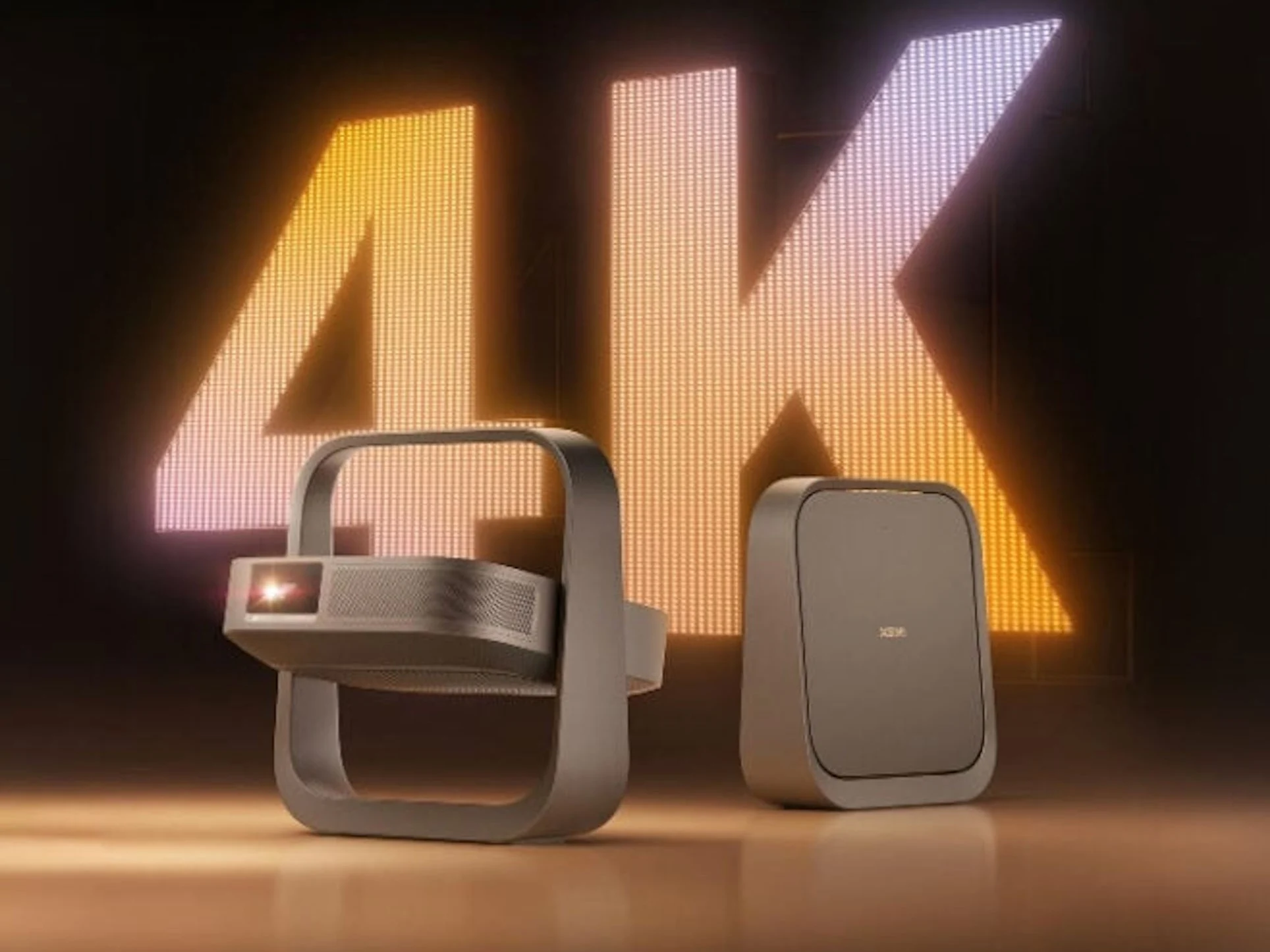
    Anker has released the Soundcore Nebula P1 portable projector in the US after its announcement last month. This device is promoted as the first portable projector that comes with detachable speakers, offering a more affordable and travel-friendly option compared to the Nebula X1 Pro mobile home theater station, which also includes detachable speakers.

    Pricing and Discounts

    The Nebula P1 is set at a price of $799, but Anker has launched it with a limited-time discount of $80, bringing the price down to $719. Additionally, buyers will receive a complimentary 100-inch Outdoor Projector Screen with Stand valued at $169, totaling a savings of $249.

    Features and Specifications

    As mentioned earlier, the Nebula P1 features two detachable 10W speakers that can be positioned anywhere in a room for genuine 2.0 surround sound. Anker claims these speakers instantly connect via Bluetooth, providing room-filling audio with a volume of 85 dB, 65 Hz bass, and support for Dolby Audio. Moreover, the speakers can last up to 20 hours on a single charge, but it’s worth noting that the projector itself does not have a built-in battery. Unlike the older Nebula Mars 3 Air (currently priced at $419.99 with Amazon Prime), users must use an external power source.

    Image Quality and Performance

    The Nebula P1 is a DLP projector capable of displaying clear and detailed images up to 180 inches wide with a 1.2:1 throw ratio and a resolution of 1080p. It utilizes an LED light source that reportedly offers up to 650 ANSI lumens of brightness, making it significantly brighter and more suitable for outdoor use compared to previous Anker portable projectors like the Nebula Mars 3 Air (400 ANSI lumens) and Capsule 3 (300 ANSI lumens). Additionally, the projector covers up to 124% of the Rec. 709 color gamut, ensuring accurate colors right from the start.

    The Nebula P1 also comes with handy setup features, including real-time autofocus and keystone correction. Notably, it has a built-in dual-arm gimbal that lets users adjust the projection angle by as much as 130°. Like its predecessors, it operates on Google TV, featuring popular streaming applications like Netflix already installed. Users can also link external devices such as laptops, gaming consoles, or smartphones through HDMI, USB-C, and USB-A ports. Other specifications include 2GB of RAM, 32GB of internal storage, and IP33 protection for the projector and IP54 for the speakers.

    The Soundcore Nebula P1 is available for purchase on Amazon and Anker’s official Nebula online store at a special launch price of $719, which includes the 100-inch projector screen at no extra cost.

    Source:
    Link


  • Lightest 4K FPV Camera Launches Crowdfunding Against DJI and GoPro

    Lightest 4K FPV Camera Launches Crowdfunding Against DJI and GoPro

    Key Takeaways

    1. Lightweight Design: The AngelEye is the lightest FPV camera at only 32 grams, making it easy to wear on glasses or helmets.

    2. High-Quality Recording: It records in 4K resolution at 30 frames per second and in Full HD at double the frame rate, with the ability to pre-record moments.

    3. Battery and Storage: The camera has a battery life of up to 90 minutes and features 64 GB of built-in memory for storing videos and photos.

    4. Live Streaming Capabilities: It can live stream and includes object and gesture recognition, along with voice control for user convenience.

    5. Crowdfunding Opportunity: Early backers can purchase it for $169, with delivery expected in December, but should be aware of potential crowdfunding risks.


    The AngelEye is a fresh FPV camera. FPV means First Person View, so this camera isn’t just for holding in your hand, but it can also be fixed to glasses or a bike helmet. This feature allows for immersive video capturing, which is especially beneficial for athletes and those who engage in extreme sports. The maker of the AngelEye claims it’s the lightest FPV camera available that records in 4K resolution, making it a strong competitor against other action cameras like those from DJI and GoPro. They also state that the image stabilization comes from both optical and electronic methods.

    Impressive Recording Features

    Weighing only 32 grams, this camera can shoot videos at 30 frames per second in 4K quality. If you’re filming in Full HD, you can record at double the frame rate. It even has a pre-recording feature that saves the moments right before you hit the record button, allowing users to catch unexpected events or quick scenes. You can also record while the camera is charging, and its battery lasts up to 90 minutes. Photos can be taken at a stunning resolution of 8,000 x 6,000 and stored on 64 GB of built-in memory.

    Perfect for Streaming

    This gadget is also capable of live streaming, which might appeal to content creators. It includes features for recognizing objects and gestures, and you can control it using your voice. Early backers can grab one for a super early-bird price of $169, but they should remember the risks associated with crowdfunding, like the chance that the product might not reach the market. The expected delivery date is in December.

    Source:
    Link


  • Samsung Launches World’s Smallest 200 MP Sensor for Oppo Find X9 Pro

    Samsung Launches World’s Smallest 200 MP Sensor for Oppo Find X9 Pro

    Key Takeaways

    1. The new Isocell HP5 sensor has a 200 MP resolution in a smaller 1/1.56-inch format, allowing for compact lenses.
    2. Ideal for ultra-wide-angle and telephoto cameras, the Isocell HP5 is expected to be used in the Oppo Find X9 Pro.
    3. Enhanced micro lenses aim to improve light capture and reduce reflections for better image quality.
    4. Features include dual in-sensor zoom and HDR image merging from three exposures in under two seconds.
    5. Supports 8K video at 30 fps, 4K at 120 fps, and 1080p slow-motion at 480 fps, with potential for 14-bit RAW file storage.


    Until now, Samsung’s smallest sensor was the Isocell HP9, which came in a 1/1.4-inch size and had a resolution of 200 MP. However, things are changing with the introduction of the new Isocell HP5. This new sensor offers the same pixel count but in a smaller 1/1.56-inch format, reducing each pixel size from 0.56 µm to just 0.5 µm. The key benefit of this smaller sensor is that it allows for more compact lenses to be used.

    Ideal for Various Camera Types

    Due to its size, the Isocell HP5 is considered perfect for ultra-wide-angle and telephoto cameras, which typically use smaller sensors compared to the main smartphone camera. It’s anticipated that the Oppo Find X9 Pro will utilize this particular sensor in its telephoto camera. To ensure that image quality remains high and light intensity is sufficient, Samsung is enhancing the micro lenses in front of the sensor, aiming to boost light capture and minimize unwanted reflections.

    Advanced Features for Photography

    The sensor is said to feature dual in-sensor zoom, which should provide better quality digital zoom and extend the capabilities of telephoto cameras. Additionally, it can merge three photos taken with different exposures into one HDR image, which can be done in under two seconds, even at the full resolution of 200 MP. When taking pictures at a resolution of 16,384 x 12,288 pixels, the sensor can shoot at a rate of 7.5 images per second.

    8K video recording is achievable at 30 frames per second, while 4K videos can be recorded at speeds of up to 120 fps, and 1080p slow-motion can hit 480 fps. Finally, the sensor should be able to store 14-bit RAW files, assuming the smartphone it’s in can support such a feature.

    Source:
    Link


  • Fast Drone with DJI Tech and FPV Goggles – Up to 118 MPH Available

    Fast Drone with DJI Tech and FPV Goggles – Up to 118 MPH Available

    Key Takeaways

    1. Drones like the DJI Mini make high-quality aerial footage more accessible and affordable compared to traditional helicopters.
    2. The Nazgul Evoque F5 V3 FPV drone is priced at $583 without GPS and $610 with GPS, but warranty issues may arise when buying from overseas.
    3. This drone offers a top speed of 118 miles per hour and is suitable for racing, but has a short flight time of only 13 minutes.
    4. The Nazgul Evoque F5 V3 has a take-off weight of 736 grams, exceeding the common 250-gram weight limit, which has legal implications in some areas.
    5. It features 4GB of internal storage, expandable via microSD, and a camera with a 1/1.3-inch sensor that records Full HD at 100 frames per second.


    Drones, also known as quadcopters, are easily found in various countries, with brands like DJI leading the market. The DJI Mini, for instance, serves as a portable camera that can capture high-quality footage, something that was traditionally done by helicopters, now making it simpler and cheaper.

    New FPV Drone Release

    A new first-person view (FPV) drone called the Nazgul Evoque F5 V3 is currently up for grabs at Banggood, starting at $583 without a GPS module, or $610 if you want one included. When buying directly from overseas, be aware that warranty issues can be tricky to manage. This drone is made for direct pilot control, meaning you’ll need compatible goggles, like the DJI Goggles 3 available on Amazon. It boasts a maximum range of about 5 miles.

    Performance and Specifications

    The manufacturer boasts an impressive top speed of 118 miles per hour, indicating that it might also be a good choice for racing enthusiasts. However, the Nazgul Evoque F5 V3 has a flight time of only up to 13 minutes, which is rather short compared to typical quadcopters meant for aerial shots. With the DJI O4 Air Unit Pro onboard, it has a take-off weight of around 736 grams, which goes beyond the common 250-gram limit that has legal implications in various areas. Still, even lighter drones are restricted in certain locations.

    Storage and Camera Features

    In terms of internal storage, it offers 4GB, but you can add a microSD card for more space. The camera features a 1/1.3-inch sensor and can record in Full HD at 100 frames per second. The image quality should be satisfactory, even in not-so-great lighting situations.

    Source:
    Link


  • Caira Upgrades iPhone with 400% Bigger Camera Sensor and Lenses

    Caira Upgrades iPhone with 400% Bigger Camera Sensor and Lenses

    Key Takeaways

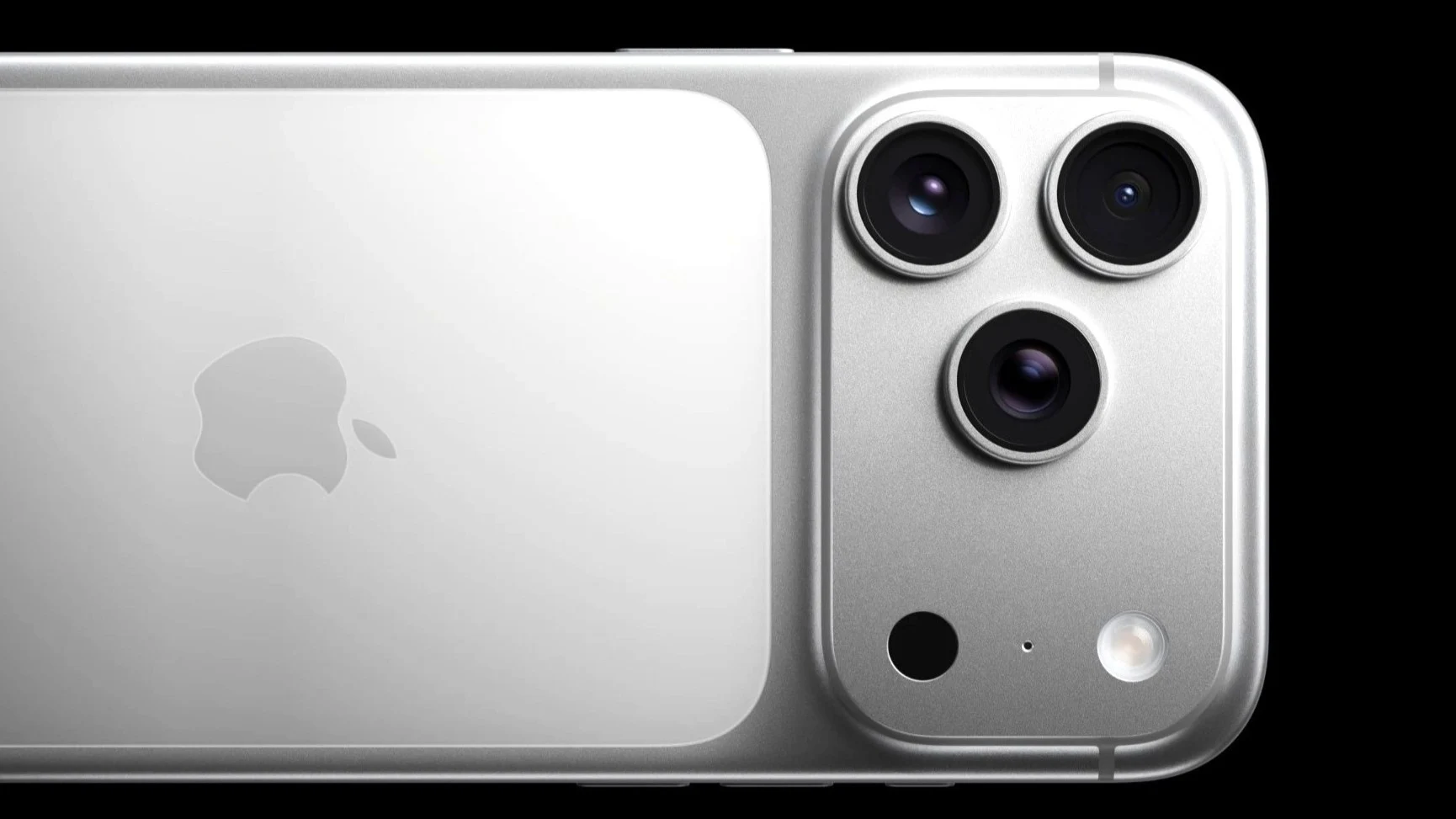
    1. Caira is a camera upgrade for the iPhone, using MagSafe and featuring a FourThirds sensor, which is 400% larger than the iPhone 17 Pro’s main camera sensor.
    2. The micro-FourThirds bayonet allows attachment of various lenses from brands like Olympus and Panasonic, enhancing creative options for photographers.
    3. Caira includes a 5,000mAh battery for “all-day” performance and is controlled through an app on the linked iPhone, with a simple one-button shutter release.
    4. The camera focuses on AI capabilities, using a Qualcomm Snapdragon processor and Google’s Edge AI to instantly adjust photos and allow creative edits through voice commands.
    5. Caira’s crowdfunding campaign will launch on Kickstarter on October 30, with pricing details yet to be announced.


    Caira is being promoted as a complete upgrade for the Apple iPhone’s camera. This camera connects to the smartphone using MagSafe and boasts a FourThirds sensor, which the company claims is 400% larger than the main camera sensor found in the Apple iPhone 17 Pro.

    Versatile Lens Options

    Moreover, the micro-FourThirds bayonet enables the attachment of a wide range of lenses, including those made by Olympus and Panasonic. This enhancement provides photographers with a lot more creative options. With a built-in battery of 5,000mAh, Caira is said to deliver “all-day” battery performance. However, the manufacturer has only shared limited additional technical specifications, like details about the autofocus system or sensor resolution. Users will control Caira through an app on their linked iPhone, and the camera body includes just one button, which acts as the shutter release.

    Focused on AI Capabilities

    Caira primarily centers around generative AI functionalities rather than traditional camera features. Equipped with a Qualcomm Snapdragon processor and Google Edge AI accelerator, Caira can utilize Google’s “Nano Banana” AI model to instantly adjust photos. For instance, it can transform a daytime landscape into one that appears to have been taken at night.

    With simple voice commands, users can also change the color of clothing or alter the design of glasses, and even add elements like jewelry, as demonstrated in the images below. However, Caira makes it clear that altering a person’s skin color or unique facial features isn’t an option.

    Crowdfunding Launch

    Caira will begin its crowdfunding campaign on Kickstarter on October 30, although specific pricing details are yet to be released. Interested individuals can enter their email address on the manufacturer’s site to receive updates on this product.

    Source:
    Link


  • DJI Osmo Mobile 8 Gimbal Leaks in Retail Listing; Pro Model Rumored

    DJI Osmo Mobile 8 Gimbal Leaks in Retail Listing; Pro Model Rumored

    Key Takeaways

    1. DJI is expected to launch new smartphone camera gimbals soon, with the Osmo Mobile 8 confirmed by the FCC.
    2. A Pro version, likely named Osmo Mobile 8P, is anticipated to accompany the standard model, similar to the previous Osmo Mobile 7P.
    3. Features may include LiDAR technology, up to 12 hours of battery life, compatibility with DJI Mic, and support for ActiveTrack 8.0.
    4. Third-party sellers are already listing the Osmo Mobile 8, indicating an imminent launch, with a brief price listing of $149.
    5. The design and specific features of the Osmo Mobile 8 series remain unclear as of now.


    New signs have come up regarding DJI’s upcoming refresh of its camera gimbals, with rumors hinting that it might happen as early as next month. To summarize, DJI’s unreleased smartphone camera gimbals were spotted on the Federal Communications Commission (FCC) in July. Although the FCC didn’t share many specifics beforehand, it did confirm that DJI is preparing to launch at least the Osmo Mobile 8.

    Anticipated Models

    The New Camera reports that a Pro version will likely accompany the standard model. For reference, in February, DJI introduced the Osmo Mobile 7P, a pricier option that featured enhancements like three-axis stabilization and an optional subject tracking module, along with the Osmo Mobile 7 (curr. $149 on Amazon). Therefore, we can expect the new Pro model to be named ‘Osmo Mobile 8P’ instead of Osmo Mobile 8 Pro.

    Features and Battery Life

    In addition, it’s anticipated that DJI will incorporate LiDAR technology across the series with a battery life of up to 12 hours, compatibility with the DJI Mic series, and possibly even support for ActiveTrack 8.0. As of now, it is unclear what the overall design and features of the Osmo Mobile 8 series will be. It’s worth mentioning that while a reseller has already listed the standard Osmo Mobile 8 in anticipation of DJI’s official announcement, the image used is actually from an Osmo Mobile 4.

    Launch Expectations

    Regardless, this listing indicates that third-party sellers are expecting a launch to happen soon. Furthermore, the Osmo Mobile 8 was briefly listed for $149. Unfortunately, it remains uncertain whether this price is a reliable indication or simply a speculative leak.

    Source:
    Link


  • Leica M EV1: First Leica M Camera with Built-in EVF Coming Soon

    Key Takeaways

    1. The Leica M-series camera with an electronic viewfinder is expected to launch by October 23rd, with shipping starting in November.
    2. The upcoming model, likely named the Leica M EV1, will be a compact version of the M11, featuring a 60MP full-frame sensor and Maestro III processor.
    3. The new camera will not include an optical viewfinder or rangefinder, deviating from traditional M-series designs.
    4. The anticipated price for the Leica M EV1 is around €7950 ($9,300) in the UK, potentially exceeding $10,000 in the US due to tariffs.
    5. An official reveal for the Leica Q3 Monochrom is expected on October 16th, just before the M-series EVF camera launch.


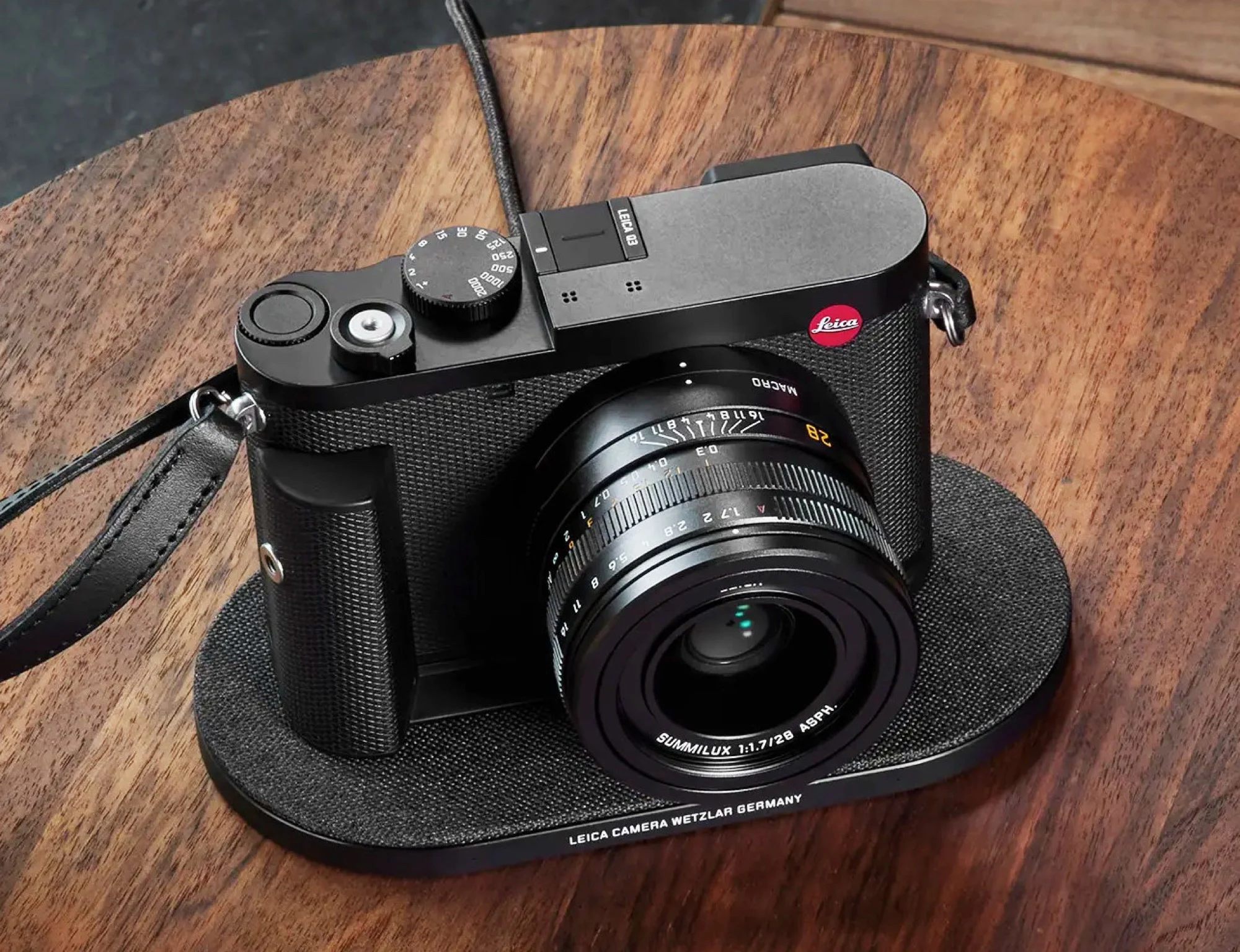
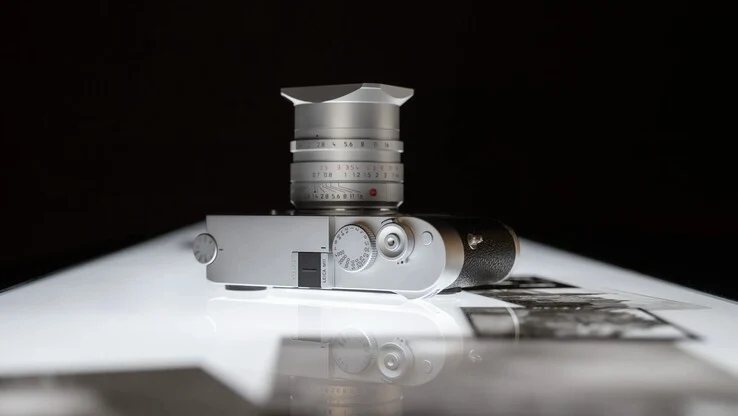
    The enigma surrounding the Leica M-series camera equipped with an electronic viewfinder may soon be resolved in the next few weeks. Recent leaks have unfolded in various stages: initially exploring the idea of a hybrid viewfinder similar to the Fujifilm X100, and later delving into the future of the rangefinder. The latest whispers indicate that Leica will not be featuring either an optical viewfinder or a rangefinder in its upcoming EVF camera, which is expected to debut by October 23rd, with shipping starting in November.

    Release and Specifications

    At the end of last month, a retailer in China began taking pre-orders for a model dubbed the Leica M11-V, scheduled for the same launch date. Reports suggest this camera will be a more compact version of the Leica M11, housing a Maestro III processor, a 60MP full-frame sensor, 64GB of built-in storage, and a 0.5-inch electronic viewfinder. According to LeicaRumours, this new device is likely the Leica M EV1, designed more like a Q-series camera with an M-mount, rather than resembling a traditional Leica M. This aligns with the absence of the familiar rangefinder in the M-series.

    Pricing Insights

    As a result, the Leica M EV1 is anticipated to be somewhat less expensive than the standard M11, but still more costly than the Leica Q3 (currently priced at $6625.85 on Amazon). The projected cost for the Leica M EV1 is approximately €7950 ($9,300) in the UK, taxes included, while US tariffs could push the price above $10,000. For reference, the M11 is listed for $9899.95 on Amazon, though there are often good bargains available for second-hand units.

    In addition, another update from LeicaRumours suggests that an official reveal for the Leica Q3 Monochrom is anticipated by October 16th, right before the rumored launch of Leica’s M-series EVF camera.

    Source:
    Link