Category: Video / Photo

  • Smartphone Grip with Tripod Thread and 9300mAh Battery for All

    Smartphone Grip with Tripod Thread and 9300mAh Battery for All

    Key Takeaways

    1. Modern smartphones can replace traditional cameras for casual users due to their compact size and touchscreen operation.
    2. Belkin has introduced the Stage PowerGrip, a grip-enhancing accessory for smartphones priced at $80.
    3. The Stage PowerGrip features a 9,300mAh built-in battery, capable of recharging phones up to 1.6 times, ideal for long video recordings.
    4. The accessory can function as a stand and includes a 1/4-inch tripod thread for easy attachment to tripods or selfie sticks.
    5. The Stage PowerGrip supports both wired and wireless charging, compatible with various smartphones that have magnetic attachment and wireless charging capabilities.


    Modern smartphones can serve as substitutes for traditional cameras, especially for casual users who aren’t professional photographers, as shown by our recent evaluations and comparisons of smartphone cameras. These devices are mainly operated through a touchscreen and are quite compact, making them great for on-the-go use, but they might not feel as comfortable to hold as full-sized cameras.

    New Accessory from Belkin

    To address this concern, the US company Belkin has launched the Stage PowerGrip, a new accessory designed to enhance the grip on smartphones. This product is now available for $80 on Amazon, with plans to expand into other regions soon after.

    Features of the Stage PowerGrip

    The Belkin Stage PowerGrip offers more than just a better hold; it also functions as a power bank. It includes a built-in battery boasting a capacity of 9,300mAh, which can fully recharge compatible smartphones up to 1.6 times. This feature is especially important for users looking to capture longer video recordings. The device even has a small screen that provides the current battery level as an exact figure.

    Moreover, while the accessory claims to be ergonomic, users don’t actually have to hold the phone, as the PowerGrip can also act as a stand. The addition of a 1/4-inch tripod thread means smartphones can be attached to either a tripod or a selfie stick, making it handy for taking selfies or participating in video calls.

    Connectivity and Compatibility

    A 29.5-inch retractable USB cable is included, along with a USB-C port. However, users don’t always need to connect via cable, since the Belkin Stage PowerGrip can also charge phones wirelessly at up to 15 watts. There is also a single button available to control the phone’s camera.

    Most importantly, this device is designed to be compatible with a variety of smartphones, although they need to support both magnetic attachment and wireless charging to access all functions of this accessory. This extensive compatibility list includes the Google Pixel 10 series and many iPhones, even older ones like the MagSafe-compatible iPhone 12 and iPhone 13.

    Source:
    Link


  • DJI Osmo Pocket 4 Rumored to Upgrade from Osmo Pocket 3

    DJI Osmo Pocket 4 Rumored to Upgrade from Osmo Pocket 3

    Key Takeaways

    1. DJI is launching updates to the Osmo Mobile 7 and Osmo Mobile 7P, along with a new compact drone in November.
    2. The Osmo Pocket 4 is set to replace the current Osmo Pocket 3, with rumors supported by a leaked confidentiality agreement.
    3. The Osmo Pocket 4 will be slightly smaller yet 35% lighter than its predecessor, weighing only 116 g.
    4. It is expected to feature two cameras and retain the rotating viewfinder from the Osmo Pocket 3.
    5. More details about the Osmo Pocket 4 are anticipated to be revealed in the coming weeks, generating excitement among DJI and vlogging fans.


    DJI has already launched many products this year, but there’s still more on the way before 2026 arrives. Recent whispers suggest that the company is finalizing updates to the Osmo Mobile 7 and Osmo Mobile 7P, alongside a new compact drone under its Neo label.

    Upcoming Launches in November

    These three devices are anticipated to debut in November. Meanwhile, it looks like DJI is also set to replace the Osmo Pocket 3, which currently retails for $645 on Amazon. Although no official announcement has been made, leaker Igor Bogdanov has shared a confidentiality agreement related to the Osmo Pocket 4 on X. The image included does not reveal the next vlogging camera itself.

    Specifications of the Osmo Pocket 4

    What the document does show is that the Osmo Pocket 4 is about 3.5 mm thinner, 4 mm narrower, and 5 mm taller than the previous model. While these changes are not drastic compared to the Osmo Pocket 3, they come with a 35% reduction in weight, bringing it down to just 116 g.

    In addition, the Osmo Pocket 4 is expected to feature two cameras while keeping the rotating viewfinder from its predecessor. Presently, DJI is likely to use the OV50R40 sensor for one of these cameras, which OmniVision announced earlier this month. More information regarding the Osmo Pocket 4 should surface in the next few weeks.

    Conclusion: Exciting Times Ahead

    With all these developments, Igor Bogdanov and the team are generating buzz about the new camera. Exciting times lie ahead for DJI fans and vlogging enthusiasts alike!

    Source:
    Link


  • Martian Probes Capture Unseen Cosmic Event

    Martian Probes Capture Unseen Cosmic Event

    Key Takeaways

    1. Mars is currently observing the interstellar comet 3I/ATLAS, which travels at over 60 kilometers per second.
    2. The Mars Express and ExoMars Trace Gas Orbiter are monitoring the comet, despite it being 29 million kilometers away from Mars.
    3. The brightness of the comet is 10,000 times dimmer than typical objects the spacecraft observe, posing significant challenges.
    4. The CaSSIS imaging system successfully captured a clear image of the comet, revealing its coma made largely of ice.
    5. The upcoming Juice mission will begin observing the comet as it nears the sun, potentially providing valuable insights.


    Located millions of kilometers away from Earth, Mars is now witnessing a rare event. The interstellar visitor known as 3I/ATLAS, a comet, is racing through our solar system at speeds exceeding 60 kilometers per second. However, due to limitations in observation from Earth, astronomers with the European Space Agency have dedicated the Mars Express and ExoMars Trace Gas Orbiter spacecraft to closely monitor this celestial traveler.

    A Historic Challenge

    This endeavor presents a unique challenge and marks a first in history, as the cameras on these two spacecraft are designed to capture images of objects that are less than 1,000 kilometers away. In contrast, this comet is situated a staggering 29 million kilometers from Mars, making the task particularly tough, if not close to impossible.

    Surprising Results

    To add to the difficulties, this comet shines with a brightness that is 10,000 times dimmer than what these probes typically observe. Nevertheless, thanks to the CaSSIS imaging system on the ExoMars TGO, astronomers managed to capture a surprisingly clear image of the comet.

    The details are stunning, revealing the comet’s coma, which is essentially the cloud of gas surrounding its nucleus, made largely of ice. Future research is expected to shed more light on this enigmatic object, which has even been speculated to be an alien probe.

    Upcoming Observations

    In just a few weeks, the Juice mission will begin its observations of this comet as it approaches its closest point to the sun. There is little doubt that these forthcoming observations will yield important insights into the nature of this object and its trajectory.

    Source:
    Link


  • Xiaomi 17 Ultra Launch Rumors: Leica Camera Surprise Ahead
Xiaomi 17 Ultra Release Date and Leica Camera Rumors Explored

    Xiaomi 17 Ultra Launch Rumors: Leica Camera Surprise Ahead Xiaomi 17 Ultra Release Date and Leica Camera Rumors Explored

    Key Takeaways

    1. Two models of the Xiaomi 17 Ultra have been certified in China, suggesting a potential launch as early as December 2025.
    2. Speculation exists about the camera system, with rumors of a possible shift from a quad-camera to a three-camera setup, featuring a 200 MP telephoto lens with continuous optical zoom.
    3. Conflicting reports indicate that the Xiaomi 17 Ultra may have either three or four camera sensors, with suggestions of innovative optical technology in the premium variant.
    4. Discussions on Weibo suggest a dual telephoto setup with two sensors and one lens, potentially achieving enhanced zoom capabilities.
    5. Xiaomi is developing two international models of the 17 Ultra, both expected to have four Leica camera sensors and a 50 MP front camera, with a global release anticipated at MWC 2026.


    What’s the connection between an image of the “Modular Optical Systems” that Xiaomi showcased at MWC 2025 and the latest news about the Xiaomi 17 Ultra? We will dive into that soon. Before we do, let’s address some undeniable facts: Two versions of the next generation following the Xiaomi 15 Ultra have recently appeared in China’s certification process. The first model, numbered 2512BPNDAC, was spotted at the Chinese certification agency TENAA (Telecommunication Equipment’s Network Access Management) back in September. Now, there’s also a listing for the second variant, identified as 25128PNA1C, in the TENAA records.

    Possible Launch Timing

    Examining these model numbers, it seems that a launch might happen as early as December this year in China. Nevertheless, it’s uncertain if this will be the case, as Xiaomi often takes longer than indicated by their model numbers for smartphone releases. However, a recent post by the Indian leaker Kartikey Singh hinted at a launch within the next two months, finishing with a hopeful “See you in December.”

    Camera System Speculation

    The leaker mentions another issue that remains unclear. There were previous rumors suggesting that instead of a Xiaomi 16 Ultra, the company would shift from a quad-camera setup in the Xiaomi 15 Ultra to a three-camera system with a single 200 MP telephoto lens. This telephoto lens is rumored to have a continuous optical zoom feature, similar to models like the Sony Xperia 1 VII and its predecessors. According to Kartikey Singh, at least one prototype has a zoom camera alongside a triple camera, but he isn’t certain if it includes three or four sensors.

    Meanwhile, Erencan Yılmaz from Xiaomitime has suggested, with some degree of certainty, based on code found in HyperOS, that the Xiaomi 17 Ultra will boast four sensors instead of three. While this information isn’t definitive, it shouldn’t be dismissed. The conflicting statements have led to much speculation, particularly on Weibo, which has only grown with a recent post from the leaker Digital Chat Station.

    Advanced Camera Features

    This well-known Chinese leaker hints that the Xiaomi 17 Ultra might come with four camera sensors, including three at 50 MP and one 200 MP. He also teases innovative optical tech in the periscope module, paired with a highly dynamic new main sensor, while the other two sensors are expected to be standard. He claims that there will be two variants of the Xiaomi 17 Ultra featuring the same sensors and lenses, but only the premium version is projected to introduce groundbreaking camera technology, possibly the anticipated optical zoom unit. It’s still uncertain whether his mention of hyphenated 50 MP sensors hints at further surprises or if it’s just a mistake, but this topic has sparked lively discussion in the comments.

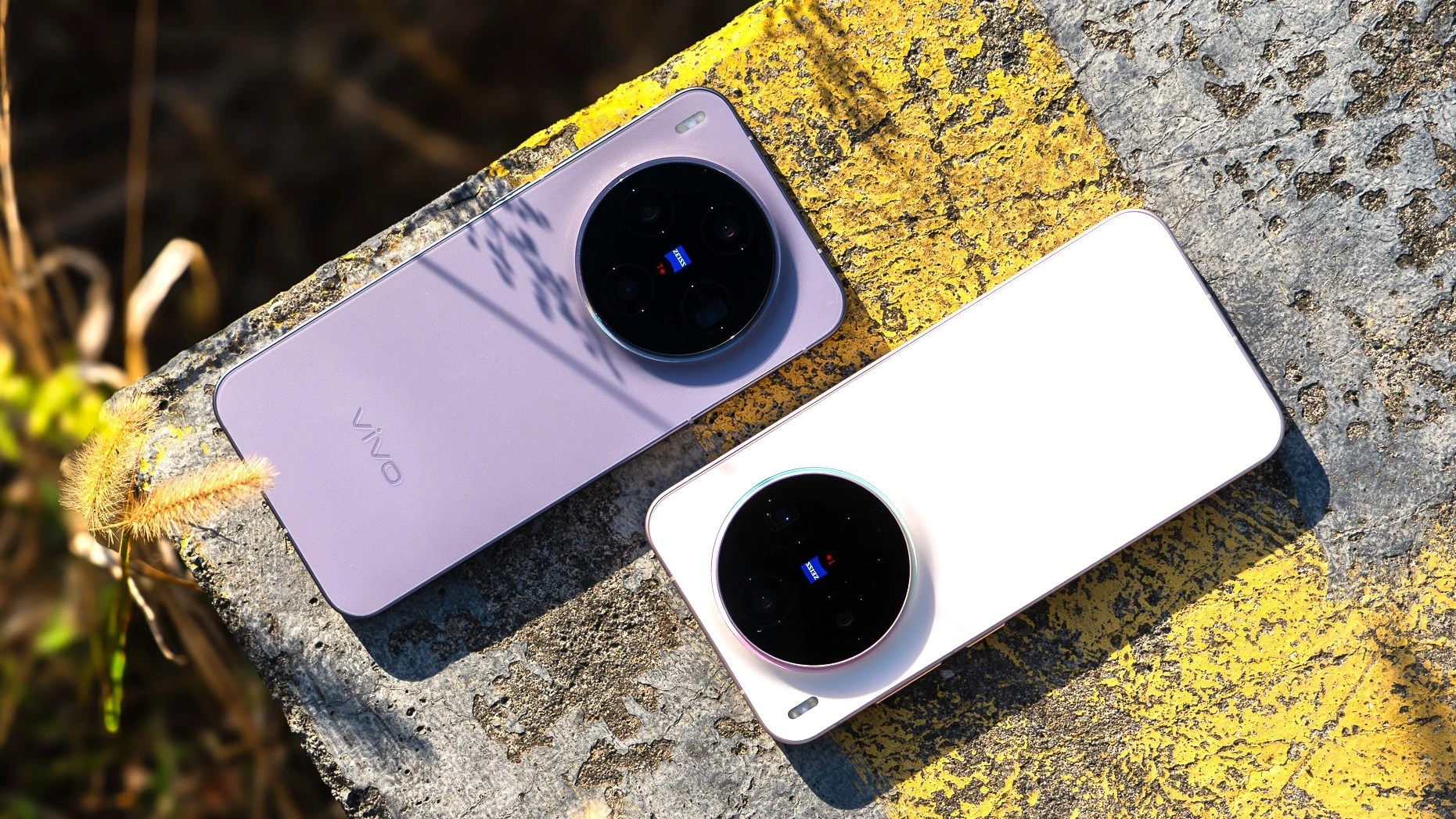
    Among the comments is also a mention of the modular optical system Xiaomi revealed at MWC 2025. Back then, it was just a concept device featuring a magnetically attachable external camera with a 100 MP MicroFourThirds sensor, a 35mm lens, and a 10 Gbit/s connection to the chipset known as LaserLink. It’s possible that one of the two versions of the Xiaomi 17 Ultra could accommodate a similar clip-on lens, in addition to an integrated satellite connection. This setup could potentially provide true optical zoom, unlike the simple teleconverter options seen in the Oppo Find X9 Pro and Vivo X300 Pro.

    Additional Speculation on Weibo

    There’s more discussion happening on Weibo, summarized by user @Devinarde. Some users speculate about a sensor combination that includes a 1/1.4-inch 200 MP ISOCELL HPE and a 1/1.276-inch ISOCELL JN5, which seemingly create a dual telephoto arrangement with optics reminiscent of the Huawei Pura 80 Ultra’s moving slider, but in reverse.

    Instead of utilizing a sensor with dual lenses like Huawei, Xiaomi might implement two sensors with one lens alternately, potentially achieving around 3x or 7x zoom at the same distance. However, this wouldn’t offer a variable focal length, functioning as a dual telephoto lens that seems to have been overlooked in discussions and confused by some. Whether such a sophisticated design would truly deliver measurable optical enhancements over a simple crop zoom utilizing the 200 MP sensor is still uncertain. Ultimately, it’s important to note that all these rumors are speculative and remain unverified.

    Conclusion

    In conclusion, not much is definitively known. What is certain is that Xiaomi is developing two Xiaomi 17 Ultra models for the global market, as indicated by two international model numbers (2512BPNDAG and 25128PNA1G) found in the IMEI database. The two models are primarily differentiated by the high-end version supporting satellite connectivity; however, both are expected to feature the same four Leica camera sensors and a 50 MP front camera. We still don’t know if either version will include cutting-edge camera technologies. While a launch in China could occur as soon as December, the global release is anticipated to be at Mobile World Congress 2026, starting March 1, 2026.

    Source:
    Link


  • Redtiger F17 Plus Dash Cam: Quad-Lens, IR Night Vision, IPS Touchscreen

    Redtiger F17 Plus Dash Cam: Quad-Lens, IR Night Vision, IPS Touchscreen

    Key Takeaways

    1. The Redtiger F17 Plus is a new four-channel dash cam that offers a full 360° view around the vehicle, featuring one front camera, two cabin cameras, and one rear camera.

    2. The front camera uses a Sony IMX675 sensor with Starvis 2 technology, providing 2.7k resolution at 30 fps, while the other cameras capture video in 1080p at 30 fps.

    3. It includes dual IR night vision for low-light recording and a 3-inch IPS touchscreen for easy operation and camera switching.

    4. Additional features include built-in GPS, voice control, G-sensor, 5.8 GHz WiFi, loop recording, and 24-hour parking recording, with storage support up to 512 GB.

    5. The F17 Plus is priced at $285.70, which includes a free 128 GB SD card and parking monitor hardwire kit, available on Redtiger’s website and Amazon.


    Redtiger, known for making dash cams and car accessories, has added a new product to its F-series dash cam line—the F17 Plus. This new four-channel dash cam joins the F17 Elite and the F17 3-channel models. What sets the F17 Plus apart from the others is its four-camera setup, which includes one camera in the front, two inside the cabin, and another at the back. The brand claims that this configuration offers a full 360° view of the area around the vehicle.

    Camera Features

    Regarding the specifications of the cameras, the front camera uses the Sony IMX675 image sensor with Sony’s Starvis 2 technology, delivering a resolution of 2.7k at 30 frames per second and supports Wide Dynamic Range (WDR). The company hasn’t revealed the specifics for the sensors in the cabin and the dual-lens rear cameras, but we know that all three can capture video in 1080p at 30 fps.

    Night Vision and Touchscreen

    The dash cam features dual IR night vision, which is supposed to allow for infrared recording in low-light conditions both inside and outside the car. Similar to the F17 Elite, the F17 Plus comes with a 3-inch IPS touchscreen, enabling users to operate the dash cam directly from the display. Additionally, users can easily switch between the front and rear cameras using the touchscreen. There’s also a split-screen mode that lets you see all four cameras at once.

    Additional Features and Pricing

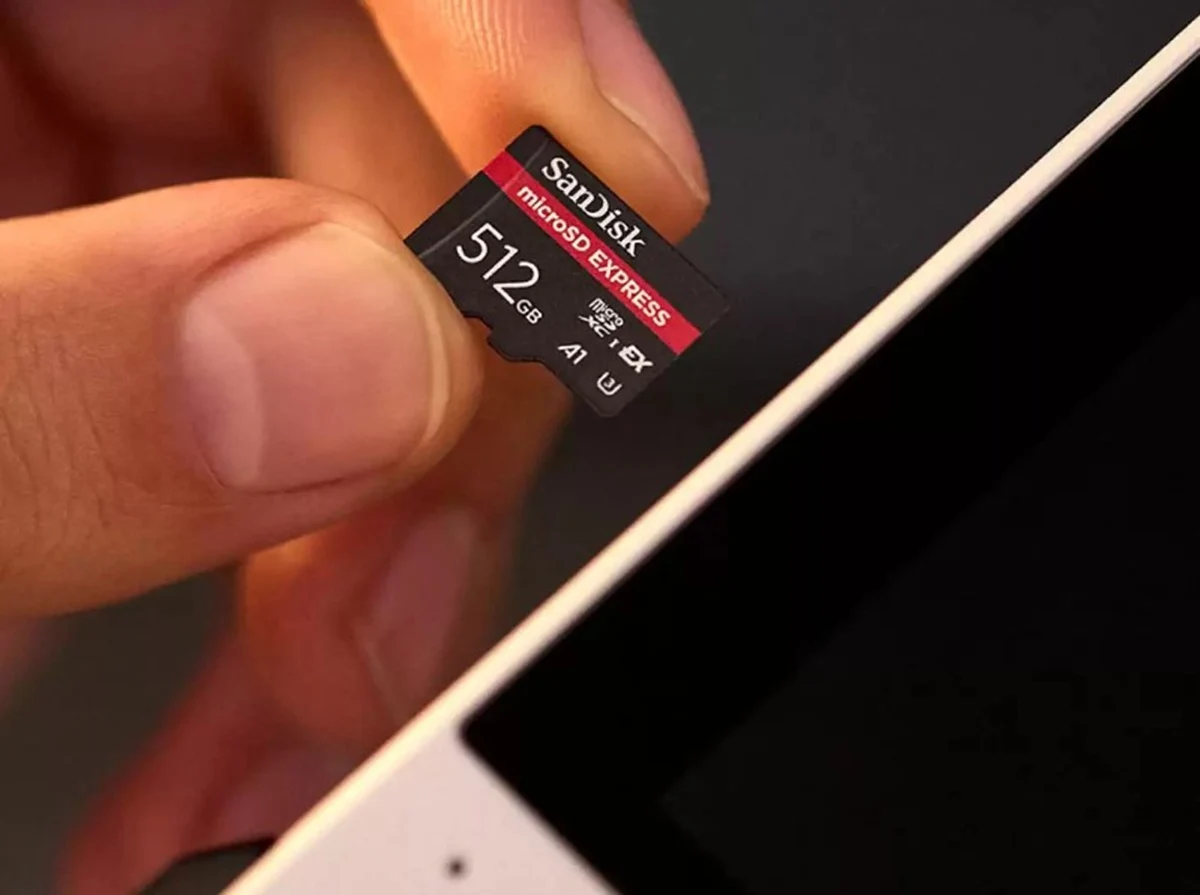
    This dash cam includes built-in GPS for tracking routes, speed, and location. Like its counterparts, the F17 Plus is compatible with Redtiger’s app, which enables users to adjust settings and download recorded footage. Other notable features consist of voice control, G-sensor for active recording, 5.8 GHz WiFi, loop recording, and a 24-hour parking recording feature. The device can also support storage expansion up to 512 GB.

    In terms of cost, the Redtiger F17 Plus four-channel dash cam is available for $285.70, which includes a free 128 GB SD card and a parking monitor hardwire kit. Potential customers can find this dash cam on Redtiger’s official website as well as on Amazon.

    Redtiger via PRNewswire

    Source:
    Link


  • Dangbei S7 Ultra Pro: 4K Projector with 4500 Lumens & Zoom

    Dangbei S7 Ultra Pro: 4K Projector with 4500 Lumens & Zoom

    Key Takeaways

    1. The Dangbei S7 Ultra Pro projector claims a brightness of up to 4,500 CVIA lumens, but these are not ANSI lumens, so caution is advised when comparing brightness levels.
    2. Priced at around $2,250 in China, there is currently no information on pricing for other regions, and it requires installation on a wall or ceiling.
    3. The projector supports a maximum projection size of 300 inches and requires approximately 11 feet of distance for a 100-inch projection.
    4. It features a dynamic contrast ratio of up to 65,000:1, supports HDR 10, HDR 10+, and Dolby Vision, and includes gesture control and voice command capabilities.
    5. The S7 Ultra Pro operates quietly at just 24dB due to its unique cooling system, but is not available in the US market.


    The S7 Ultra Pro is a fresh 4K projector from Dangbei, a brand that’s becoming more recognized. Dangbei claims that this projector can reach a brightness of up to 4,500 CVIA lumens. However, it’s crucial to understand that these are not ANSI lumens, so anyone interested should be cautious, as these figures might not be directly comparable. It’s worth mentioning that CVIA specifications are mainly used in China, which is the origin of the Dangbei S7 Ultra Pro.

    Pricing Information

    In China, consumers can now purchase the Dangbei S7 Ultra for around $2,250, but there’s still no details on pricing for other regions. This 4K projector comes with a zoom lens allowing the throw ratio to be adjusted from 0.98 to 1.6:1. It’s important to note that this isn’t an ultra-short throw projector (UST), meaning it needs to be installed on a wall or ceiling. The largest projection size it supports is 300 inches, and to achieve a 100-inch projection, you need about 11 feet of distance.

    Features and Specifications

    Dangbei boasts a dynamic contrast ratio that can reach up to 65,000:1 and a native contrast ratio of 8,000:1. Both HDR 10 and HDR 10+ are supported, alongside Dolby Vision. The operating system allows for gesture control and voice commands, and it can stream from the usual services, eliminating the need for an external media player or source. Additionally, the S7 Ultra is equipped with a unique cooling system, which is designed to operate quietly at just 24dB. Since this product isn’t available in the US market, those interested in home theaters might consider looking at other 4K laser projectors available on Amazon.

    Source:
    Link


  • Realme GT 8 Pro Camera Samples in 5 Ricoh GR IV Styles

    Key Takeaways

    1. Realme is collaborating with Ricoh GR, entering competition with established brands like Xiaomi-Leica and Vivo-Zeiss.
    2. The Ricoh GR IV camera’s classic film aesthetic appeals to younger users, influencing Realme’s new GT 8 Pro camera.
    3. The GT 8 Pro will feature five customizable photo styles, including two black and white options and two color settings.
    4. There is skepticism about the authenticity of camera sample photos, but the GT 8 Pro shows promise against competitors.
    5. The camera design includes a bulky round unit with two large cameras and an interchangeable module, differing from earlier leaks.


    Realme began as a budget branch of the Oppo brand but has been working on its own for a while now. This was highlighted by their recent announcement of a collaboration with Ricoh GR. This move places Realme directly up against established partnerships like Xiaomi-Leica, Vivo-Zeiss, and Oppo-Hasselblad. With these three major European camera brands, Realme faces competition from the iconic style of Japanese Ricoh cameras, which will soon be entering the ring.

    Ricoh GR IV Popularity

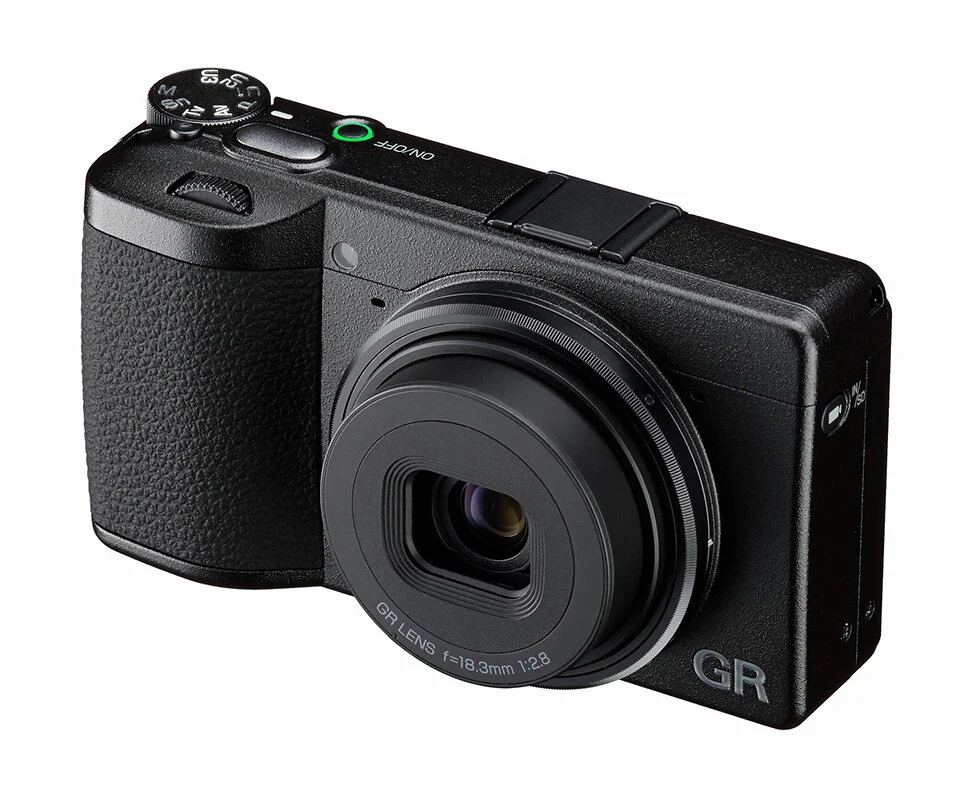
    The Ricoh GR IV compact camera has gained a lot of traction, especially among younger users, thanks to its classic film aesthetic. It offers customizable options through various photo styles and signature tones. Realme revealed that five of these styles will be featured on their new GT 8 Pro camera, as announced today on X and through Weibo in China.

    Captivating Photo Styles

    In addition to the regular setting for balanced images, users will have access to two distinct black and white styles: the high-contrast B&W tone typical of Ricoh and a more subtle monotone B&W style. For vivid colors, there’s the vibrant Positive style or the more muted Negative setting, which evokes a retro film feel. To give a glimpse of what users can expect, Realme has shared several striking photos taken with the Realme GT8 Pro camera on Weibo, embedded below.

    Skepticism About Samples

    As is often the case with official camera samples, a bit of skepticism is reasonable. While there are occasional instances of dishonesty from some companies, professional photographers tend to capture the best possible images. Still, the photos indicate that the Realme GT 8 Pro camera offers a distinctive appearance and will stand strong against competitors like the Xiaomi 17 Pro, Vivo X300 Pro, and Oppo Find X9 Pro, regardless of its specs.

    The video below showcases more photos, along with a few clips of the Realme GT8 Pro and its camera app, which allows users to choose from the aforementioned camera styles. Street photographers, in particular, might find the Snapdragon 8 Elite Gen 5 flagship from Realme an intriguing option for smartphone photography. A global launch date for the Realme GT 8 Pro has been rumored but not officially confirmed yet.

    Design Insights

    We’ve added some screenshots from the video down below. The design of the camera doesn’t completely match what previous leaks suggested, although the external module is said to be interchangeable. In the video, it features a round camera unit positioned at the top left corner of the back, which appears quite bulky and contains two large round cameras on top, with a square periscope telephoto lens underneath.

    Source:
    Link


  • Skyrover S1 Drone: 39,000 ft Video Transmission & 40 Min Flight Time

    Skyrover S1 Drone: 39,000 ft Video Transmission & 40 Min Flight Time

    Key Takeaways

    1. The Skyrover S1 aims to compete with DJI’s mini drones, featuring 4K video capability at 60 frames per second.
    2. It uses a 1/2-inch Sony sensor, but its professional image quality is yet to be confirmed through testing.
    3. The drone offers a flight time of up to 40 minutes per battery, with a future bundle option for three batteries.
    4. It includes intelligent tracking modes for filming activities like jogging or surfing.
    5. Weighing under 250 grams, the drone is suitable for recreational flying in many countries.


    We just shared news about the Skyrover X1, and now there’s a new arrival: the Skyrover S1. It’s currently listed on Amazon, though it’s not available for purchase yet. The Skyrover S1 seems to be aiming directly at DJI’s mini drones, boasting the ability to shoot high-quality 4K video at 60 frames per second. The company claims it offers professional-grade image quality, but whether the 1/2-inch Sony sensor can produce images good enough for professional uses like advertising photography will need to be seen through testing and reviews. Given its current status on Amazon, this might take some time.

    Battery Life and Flight Time

    The drone is said to have a flight time of up to 40 minutes per battery. For users looking for extended flight experiences, there’s a bundle option that includes three batteries, but that option isn’t available yet. The Skyrover S1 also comes with intelligent modes designed for tracking people, which can be particularly useful if you want to film activities like jogging in nature or surfing at the beach, assuming the tracking feature operates properly. The camera is mounted on a gimbal to help reduce visible shakes in the footage.

    Weight and Regulations

    With a weight of less than 250 grams, the drone falls below the legal limit for recreational flying in many countries. This makes it an attractive choice for hobbyists. For more information about the Skyrover S1, you can find additional details here on Amazon.

    Source:
    Link


  • Hubble’s Stunning Galaxy Image with Starburst Ring of the Week

    Hubble’s Stunning Galaxy Image with Starburst Ring of the Week

    Key Takeaways

    1. NGC 6951 is a spiral galaxy with star-birth regions (nebulae) visible as red dots, alongside young blue stars in its spiral arms.
    2. Recent observations provide detailed views of star formation areas, improving understanding of star development in the galaxy.
    3. The galaxy’s core features an elongated bar of older stars that helps direct gas towards the center, contributing to star formation.
    4. A circumnuclear starburst ring, appearing whitish-blue, is located at the center of NGC 6951 and is rich in gas suitable for new stars.
    5. Over 80 possible star clusters have been identified within the starburst ring, which may have existed for up to 1.5 billion years, aiding future astronomical studies.


    NGC 6951 is a spiral galaxy filled with a lot of stars that can be found in its spiral arms. Hubble’s earlier images showed shining blue stars along these arms. However, that view didn’t provide much info about the areas where stars are being formed.

    Detailed Observation

    The latest observations have improved this view significantly. Now, we can see star-birth regions, known as nebulae, in excellent detail. These areas appear as red dots scattered throughout the galaxy’s arms. Alongside them, many blue stars are visible. These stars are young and extremely hot. Additionally, filament-like dust clouds can be seen lining the spiral arms.

    Galaxy’s Core Features

    At the heart of the galaxy, there’s an elongated bar of yellow light. This bar consists mainly of older stars and rotates slowly. It plays a crucial role in directing gas towards the center. This gas builds up in a circular area that spans about 3,800 light-years.

    This process might be the reason for NGC 6951’s most impressive characteristic—a circumnuclear starburst ring. In the images, this ring appears whitish-blue and is located right at the center of the galaxy. It has a concentration of gas that is suitable for creating many stars.

    Star Clusters and Their Age

    Astronomers have identified over 80 possible star clusters within this starburst ring. Although a lot of the stars here are relatively young (less than 100 million years old), the ring itself could have been around for as long as 1.5 billion years.

    This observation could help astronomers in many ways, such as creating maps of dust in nearby galaxies, understanding the cores of disk galaxies, and keeping an eye on supernovae.

    Source:
    Link


  • Optimize Realme GT 8 Pro with Ricoh GR vs Xiaomi 17, Oppo X9 Pro

    Optimize Realme GT 8 Pro with Ricoh GR vs Xiaomi 17, Oppo X9 Pro

    Key Takeaways

    1. Realme has formed a partnership with Ricoh GR to enhance smartphone camera technology, aiming to compete with brands like Xiaomi and Oppo.
    2. The collaboration, lasting four years, focuses on camera sensor tuning and software algorithms for achieving the “Ricoh GR Look.”
    3. The upcoming Realme GT8 Pro is expected to feature a unique triple-camera setup with two 50 MP wide-angle lenses and a 200 MP telephoto lens.
    4. The device will be powered by the Snapdragon 8 Elite Gen 5 and include a 6.78-inch AMOLED display with a high refresh rate and a nearly 7,000 mAh battery.
    5. A global partnership with Ricoh GR has been confirmed, with a launch event scheduled for October 14 to promote the collaboration.


    It has been officially announced through teaser posters and a detailed message from Realme’s vice president on Weibo: Realme has formed a significant partnership with a traditional camera brand, aiming to compete in the smartphone camera arena. This move positions Realme against well-known alliances such as Xiaomi with Leica and Oppo with Hasselblad.

    Collaboration Details

    The vice president of Realme shared that this partnership, revealed today, is the result of a collaboration that has lasted four years. This means that the camera in the forthcoming Realme GT8 Pro flagship will gain substantial advantages from the expertise and adjustments provided by the Ricoh GR team. Notably, the focus is on camera sensor tuning and specialized software algorithms that will help achieve the “Ricoh GR Look” in future Realme cameras, especially concerning color tuning and scene lighting.

    Camera Specifications

    Earlier leaks indicate that the Realme GT 8 Pro will have a unique camera setup featuring a replaceable module at the back. The setup is said to include a triple-camera arrangement with two 50 MP wide-angle lenses and a 200 MP telephoto lens. It is yet unclear if any signature features from the Ricoh GR IV will be included. Additionally, the device is expected to be powered by the Snapdragon 8 Elite Gen 5, alongside a 6.78-inch AMOLED display with a high refresh rate, and a battery capacity nearing 7,000 mAh. This is for the Chinese variant, which is anticipated to launch in October.

    Global Partnership Confirmation

    Realme has also confirmed its global partnership with Ricoh GR, as seen in teasers on X (formerly Twitter). The collaboration, which spans four years, is being promoted, and there are hints of a launch event scheduled for October 14. This event will likely spotlight the camera partnership rather than the debut of the Realme GT8 Pro itself.

    Source:
    Link