Category: Video / Photo

  • Panasonic Lumix S9 Camera: New Colors & Limited Titanium Gold Edition

    Panasonic Lumix S9 Camera: New Colors & Limited Titanium Gold Edition

    Key Takeaways

    1. Panasonic launched a limited edition Lumix S9 called Titanium Gold, featuring a unique three-layer finish for durability and metallic shine.
    2. The limited edition comes with a leather strap and exclusive Lumix stickers, while a new standard model with a silver body and leather options has been introduced.
    3. The Lumix S9 is compact, weighing only 403 grams, with a 24MP full-frame sensor and five-axis stabilization, but lacks a viewfinder.
    4. The Titanium Gold edition is limited to 200 pieces, priced at $1,599, and includes a color-matched 18-40mm lens.
    5. The standard Lumix S9 variant will be available with new leather options by the end of October, retaining the same specifications as previous models.

    Panasonic has launched a limited edition of the Lumix S9 called Titanium Gold today. This special edition showcases a unique three-layer finish, which includes a deep black base coat, a mirrored lacquer layer, and a tinted clear coat, giving the camera its distinct color. This finish aims to provide a metallic shine while ensuring durability at the same time.

    New Leather Strap and Variants

    Along with the limited edition camera, customers will receive a leather strap adorned with titanium and limited Lumix stickers. Furthermore, Panasonic has also rolled out a new version of the standard Lumix S9, currently priced at $1,498 on Amazon. This updated model features a silver body instead of the traditional black, and it is available with leather options in white, blue, or black. Overall, buyers now have four new camera options to select from, but it is important to highlight that the specifications and internal components remain the same.

    Compact Design and Features

    One of the standout features of the Lumix S9 is its compact size. The camera packs a 24MP full-frame sensor but weighs only 403 grams and is equipped with five-axis stabilization. However, it lacks a viewfinder; instead, it has a foldable 3-inch touchscreen with 1.84 million dots. Additionally, the camera is compatible with all lenses that use the Leica L-mount. On the downside, the Lumix S9 has two major limitations: it does not support external flashes, and it only comes with an electronic shutter.

    As stated earlier, the Panasonic Lumix S9 in Titanium Gold is limited to just 200 pieces. This exclusive edition is available solely through the Panasonic Online Store for $1,599. The price includes a compact, color-matched 18-40mm f/4.5–6.3 zoom lens. The silver body variant with optional leather in black, white, or blue will be available by the end of October.

    Source:
    Link


  • Understanding the Chain Fountain Effect in Space Behavior

    Understanding the Chain Fountain Effect in Space Behavior

    Key Takeaways

    1. Steve Mould partnered with NASA astronaut Don Pettit to explore the chain fountain effect in zero gravity on the ISS.
    2. The chain fountain effect occurs when a chain of beads is pulled from a cup, creating an upward force that defies classical mechanics.
    3. The experiment faced challenges in zero gravity, leading Mould and Pettit to arrange the chain into a closed loop for smoother movement.
    4. The results confirmed Mould’s theory, showing the chain flowed through its loop as expected while maintaining its shape in weightlessness.
    5. The project was a personal milestone for Mould, who fulfilled his childhood dream of doing science with an astronaut.


    British science communicator Steve Mould, who is one of the top science YouTubers with 3.44 million subscribers, has partnered with NASA astronaut Don Pettit on the International Space Station (ISS) to explore the chain fountain effect in a zero-gravity setting for the very first time.

    Discovery of the Chain Fountain Effect

    Mould stumbled upon this phenomenon nearly a decade ago: when a chain of beads is pulled out of a cup, it briefly lifts above the rim before dropping down – an occurrence that seemed to go against classical mechanics at first. Later, he showed that the impact of the chain links against the edge of the container creates an extra upward force – a discovery that has been validated by physical models since then.

    The Experiment in Space

    Through the European Space Agency (ESA), Mould connected with astronaut Samantha Cristoforetti, who took a four-meter chain to the ISS. Since she had limited time for experiments, she handed the project over to NASA astronaut Don Pettit, who performed the experiment under Mould’s supervision via a Microsoft Teams call.

    In the weightlessness of space, it quickly became apparent that setting up the experiment was nearly impossible without chaos. The chain moved in an unpredictable way, acting almost like molecules. In zero gravity, objects continue to move forever since there’s no energy loss. After a few unsuccessful tries, Mould and Pettit opted to arrange the chain into a closed loop, which allowed for smoother movement without tangling.

    Surprising Results

    What they found was unexpected: the chain “flowed” through its own loop precisely as Mould’s theory suggested. Initially, the loop kept a more angular form, but gradually smoothed out over time due to friction between the links and slight air movements. Ultimately, Mould determined that the experiment proved his theory correct – a chain in zero-gravity holds its shape as long as it moves steadily and is free from outside forces.

    The feedback on the video has been extremely positive. Viewers commended Mould’s enthusiasm and Pettit’s childlike wonder, while also making jokes about using Microsoft Teams in space (“Even in space, you can’t escape Teams”). For Steve Mould, this project was a personal achievement: “I wanted to be an astronaut when I was young – and now I’m doing science with one.”

    Source:
    Link


  • Apple iPhone 18 Pro Camera Feature Missing in Android Flagships

    Apple iPhone 18 Pro Camera Feature Missing in Android Flagships

    Key Takeaways

    1. Honor has removed the variable aperture feature from its new Magic8 flagship cameras, which many photographers value for creative control.
    2. Xiaomi has also eliminated the variable aperture feature from the Xiaomi 15 Ultra, leaving Huawei as the only manufacturer offering it in its top-tier cameras.
    3. Apple is reportedly planning to reintroduce the variable aperture feature in the iPhone 18 Pro and iPhone 18 Pro Max, potentially influencing other brands.
    4. Samsung previously offered a limited variable aperture feature in the Galaxy S9 and S10, allowing only two aperture settings, unlike Huawei’s continuous adjustment capability.
    5. Apple’s decision to include a variable aperture may prompt Android manufacturers, like Samsung and Xiaomi, to reconsider adding this feature back into their devices.


    Honor has recently launched its Magic8 flagship cameras in China, and they have removed a feature that many enthusiastic photographers value: the variable aperture. This feature, similar to traditional cameras, enables users to control the amount of light that enters the lens, making it useful for creating special effects like a starburst. With Xiaomi also dropping this feature from the Xiaomi 15 Ultra, Huawei stands as the sole manufacturer that still offers a variable aperture in its top-tier cameras, including the Pura 80 Ultra.

    Upcoming Changes in the Market

    In a twist, another company is set to bring back this feature, according to reports from Korea. Industry insiders have shared with ETNews that Apple has completed its plans for a variable aperture in the primary camera of the iPhone 18 Pro and iPhone 18 Pro Max. This news validates a rumor that originally emerged in November 2024. Interestingly, this development might compel Android brands like Samsung to reconsider reintroducing the feature.

    Samsung’s Past Innovations

    Samsung previously offered a similar capability in the Galaxy S9 in 2018 and the Galaxy S10 in 2019, but back then, users could only toggle between two aperture settings. In contrast, the Huawei Pura 80 Ultra allows for continuous adjustment of the aperture between F/1.6 and F/4.0. It is yet to be determined if Apple’s move to incorporate this camera feature will motivate Xiaomi and other manufacturers to bring it back in the future.

    ETNews via @Jukanlosreve

    Source:
    Link


  • DJI Pocket 4 Gimbal Camera Leaks Reveal Pro Version for 2025

    DJI Pocket 4 Gimbal Camera Leaks Reveal Pro Version for 2025

    Key Takeaways

    1. The DJI Pocket 4 is expected to be released by the end of 2025, along with a Pro version, the DJI Pocket 4 Pro.
    2. The Pocket 4 will have a single camera focused on enhanced zoom capabilities, rather than a dual-lens setup.
    3. It will feature Hasselblad tuning, marking a first for DJI cameras, and will be more compact and lighter than the Pocket 3.
    4. The rumored sensor for the Pocket 4 is a new OmniVision 50 MP, 1/1.3-inch sensor, which will also appear in high-end smartphones.
    5. DJI is also anticipated to launch the Osmo Action 6 soon, adding excitement for video creators and action camera enthusiasts.


    Previously, we shared details about the DJI Pocket 4, which is the newest gimbal camera from the compact camera company. Recent leaks and rumors from The New Camera suggest that various unnamed sources familiar with DJI’s supply chain have basically confirmed that the DJI Pocket 4 will be released by the end of 2025.

    New Model on the Horizon

    Additionally, this new compact camera is expected to be accompanied by another model, the DJI Pocket 4 Pro, launching around the same time. However, not much information is available about this Pro version, except that it will debut around late 2025. It will have the same design as the standard Pocket 4, but it might offer some extra features. This is the first indication of a Pro model coming out alongside the Pocket 4, so it’s wise to take this information with caution.

    Features and Specifications

    The last updates we had on the DJI Pocket 4 hinted at a dual-lens configuration, with a second camera likely intended for selfies and creative framing. However, according to the leaks from The New Camera, the Pocket 4 will actually have only one camera, focusing mainly on enhanced zoom capabilities. It looks like the DJI Pocket 4 will be the first DJI camera to utilize Hasselblad tuning, besides the one on the Mavic 4 Pro, following DJI’s purchase of the famous camera brand. A leaked NDA and pictures of a prototype of the DJI Pocket 4 previously showed that this new gimbal camera will be much more compact than the Pocket 3 (currently priced at $628.90 on Amazon), with a weight reduction of about 35%. It also seems to continue featuring the rotating viewfinder found on the Pocket 3.

    Insights on the Camera Setup

    The claims regarding the single-camera setup for the Pocket 4 imply that the camera shown in earlier leaks — which had a secondary rear-mounted lens — might actually be the Pocket 4 Pro. The sensor that is reportedly being used here is the new OmniVision 50 MP, 1/1.3-inch sensor, which will also be featured in high-end smartphones from brands like Oppo, Vivo, and Xiaomi.

    DJI is also expected to launch the Osmo Action 6 later this month, making it an exciting time for video creators and fans of outdoor or action cameras alike.

    The New Camera

    Source:
    Link


  • Realme GT 8 Pro: Snap Focus & 3 Camera Features from Ricoh GR IV

    Realme GT 8 Pro: Snap Focus & 3 Camera Features from Ricoh GR IV

    Key Takeaways

    1. The Realme GT 8 Pro will be the first flagship camera with Ricoh co-branding, highlighting its unique photographic features.
    2. The camera is quick to activate, taking only 0.6 seconds, competing with rivals like the Apple iPhone 17.
    3. A standout feature is Snap Focus, allowing manual focus distance settings for street photography, minimizing shutter lag.
    4. The camera app includes Ricoh GR Film Tones, offering various aesthetic filters and simulating focal lengths of 28mm and 40mm.
    5. The app allows users to hide distractions and buttons for a focused shooting experience, similar to the Ricoh GR IV.


    The Realme GT 8 Pro, which is the first flagship camera to feature Ricoh co-branding, is expected to be revealed later this month. Recently, Realme has showcased some remarkable sample images and has prominently promoted the lens’s anti-reflective coating, though lens flare is rarely an issue with modern smartphones.

    Speed and Competition

    When it comes to speed, the 0.6 seconds it takes for the camera to be ready is indeed quick; however, rivals like the Apple iPhone 17 also boast similar speeds. Realme has shared additional teaser images, and it’s becoming increasingly evident that the collaboration with Ricoh will introduce at least four features that will likely excite photography lovers.

    Unique Features for Photographers

    One of the most distinctive features on this list is Snap Focus. This function turns off autofocus, allowing users to manually set the focus distance beforehand. While the implementation may not be as effective as that seen in the Ricoh GR IV, as indicated by a screenshot, the camera app does not display which objects are in focus apart from the chosen distance. Still, this feature proves handy for street photography since it eliminates the need to activate autofocus before taking a shot, potentially minimizing shutter lag.

    Film Tones and Focal Lengths

    The Ricoh GR Film Tones derive from the filters found in the Ricoh GR IV, providing photographers with a diverse range of aesthetics, including Negative Film, Positive Film, Standard, and two stylish black-and-white modes as seen in early sample images. The camera app of the Realme GT 8 Pro can simulate a 35mm equivalent focal length of 28mm and 40mm, imitating the focal lengths of both the Ricoh GR IV and Ricoh GR IIIx.

    Nevertheless, because Realme has to rely on digital zoom for this feature, it can negatively affect image quality. Finally, the Ricoh camera app from Realme includes a function that allows users to hide all distractions and unnecessary buttons, enabling full focus on the shot, similar to the display button on the Ricoh GR IV.

    Source:
    Link


  • Fujifilm Instax LiPlay Plus: Hybrid Instant Camera with Selfie Features

    Fujifilm Instax LiPlay Plus: Hybrid Instant Camera with Selfie Features

    Key Takeaways

    1. The Instax LiPlay Plus is a hybrid instant camera that combines two cameras and an image printer, allowing for unique photo experiences.
    2. Users can link a three-second sound clip to each printed photo through the Instax Mini LiPlay+ smartphone app, enhancing the storytelling aspect of images.
    3. The camera features a main 28 mm f/2.0 autofocus lens and a selfie camera with a 23 mm f/2.2 fixed-focus lens, with options for internal memory or microSD storage.
    4. The device includes remote control capabilities via the Instax Mini LiPlay app, allowing users to shoot photos and print remotely.
    5. The Fujifilm Instax LiPlay Plus is priced at $234.95 and will be available in Sand Beige and Midnight Blue starting in late October 2025.


    Fujifilm has introduced the Instax LiPlay Plus, a hybrid instant camera featuring two cameras, an image printer, and the ability to record sound.

    Sound Features

    All photos printed can include a three-second sound clip linked to them through the Instax Mini LiPlay+ smartphone application. Users can record audio while taking pictures or add sounds from other sources later. Scanning the QR code on an Instax Sound Print photo with a smartphone will play the associated sound. Additionally, an Instax Sound Album can be created, which is a slideshow of pictures paired with sound, also linked via a QR code.

    Camera Specifications

    Images captured by the main camera, which has a 28 mm f/2.0 autofocus lens, or the selfie camera, with a 23 mm f/2.2 fixed-focus lens, can be stored in the internal memory of the LiPlay Plus or on an optional microSD card. The LiPlay+ supports creating photo collages in Layered Photo mode, using images from both cameras, and these can be previewed on its 3.0-inch TFT color LCD screen, boasting a resolution of around 920,000 dots.

    Remote Control Features

    By utilizing the Instax Mini LiPlay app, users can control the Instax LiPlay Plus for remote shooting and also use it as a printer.

    The Fujifilm Instax LiPlay+ is priced at $234.95 and is set to be released in late October 2025. It will be available in two colors: Sand Beige and Midnight Blue, through the Fujifilm store on Amazon.

    Source:
    Link


  • Realme GT 8 Pro: Ricoh GR-Inspired Phone with 24/40mm Lens

    Key Takeaways

    1. Notable partnerships between camera brands and Chinese smartphone companies include Leica with Xiaomi, Hasselblad with Oppo, and Zeiss with Vivo.
    2. The collaboration between Ricoh GR and Realme has been in the works for four years and goes beyond mere marketing.
    3. The Realme GT8 Pro will feature five Ricoh GR “signature tones” and classic focal lengths inspired by older Ricoh models.
    4. The main camera will have a 23 mm lens with options to switch to 28 mm or 40 mm, targeting street photography enthusiasts.
    5. The Realme GT8 Pro is expected to launch in China this month, with a global release likely to follow.


    We have witnessed a variety of partnerships between well-known camera manufacturers and rising Chinese smartphone companies, such as the collaborations of Leica with Xiaomi, Hasselblad with Oppo, and Zeiss with Vivo. Just last week, the collaboration between Ricoh GR and Realme, which was previously a sub-brand of Oppo, was officially announced. This partnership may turn out to be the most interesting one yet. In a video showcasing the history of their partnership, which quietly started four years ago, Realme’s vice-president Chase Xu and Ricoh’s general manager Kazunobu Saiki highlighted that this collaboration between two culturally different teams from Japan and China goes much deeper than just a marketing tactic. For example, the forthcoming Realme GT8 Pro will include five Ricoh GR “signature tones” and classic focal lengths inspired by older Ricoh models.

    Camera Features

    It appears that the main camera on the Realme GT8 Pro will keep a 23 mm lens, while also providing the chance to switch to 28 mm or 40 mm (which were introduced in the Ricoh GR IIIx) via the camera app. These focal lengths are especially appropriate for street photography, an area where Ricoh GR has long been recognized as an authority. Additionally, a viewfinder mode will be part of the features. In recent official teasers shared on Weibo and X, Realme disclosed that the GT8 Pro comes with an “anti-glare” lens, resembling the Zeiss T* coating found in Vivo flagship phones, aimed at minimizing unwanted reflections and producing vivid and detailed photographs.

    Sample Images and Release Date

    More sample photos captured with the Ricoh camera on the Realme GT8 Pro have been discovered, all sourced from Weibo. More images had already surfaced last week. Although it is highly awaited due to its Ricoh GR tuning, the flagship device still lacks a confirmed release date. The GT8 Pro is anticipated to debut this month in China, with a global launch likely to follow soon, considering Realme’s international marketing efforts.

    Source:
    Link


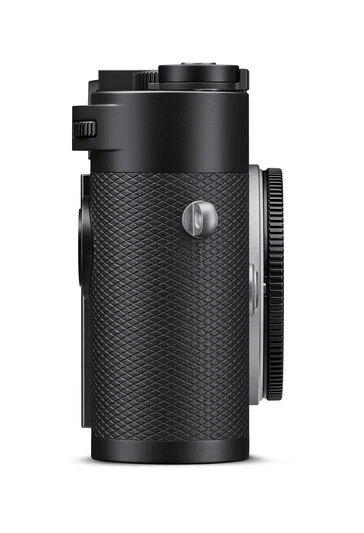
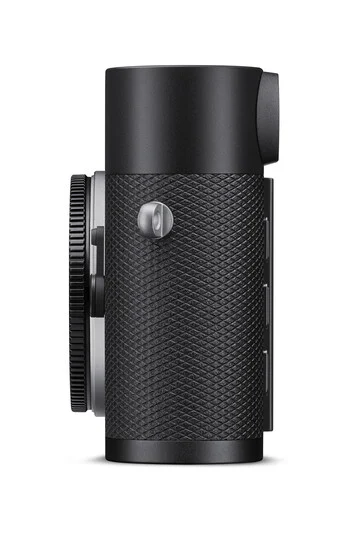
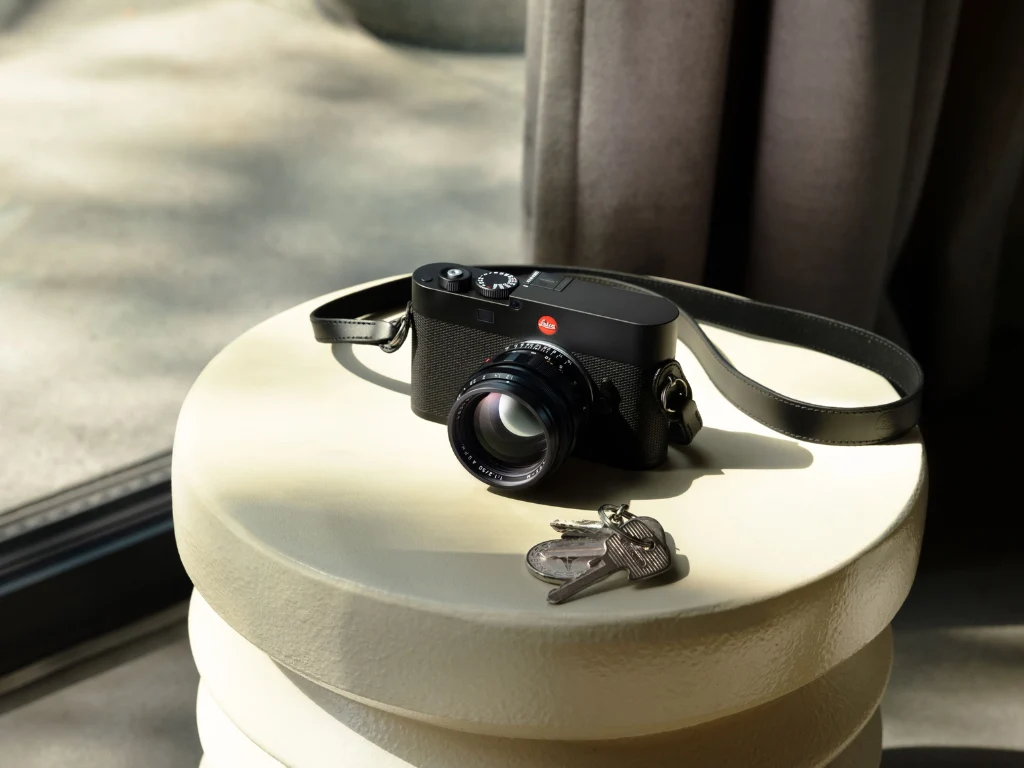
  • Leica M EV1 Rumors: Compact Full-Frame Camera Details Before Launch

    Leica M EV1 Rumors: Compact Full-Frame Camera Details Before Launch

    Key Takeaways

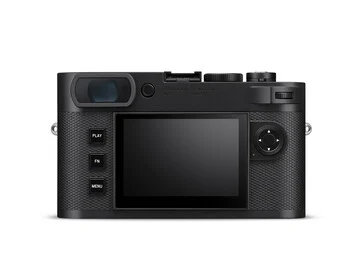
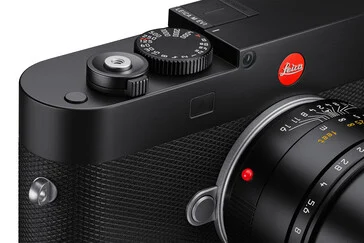
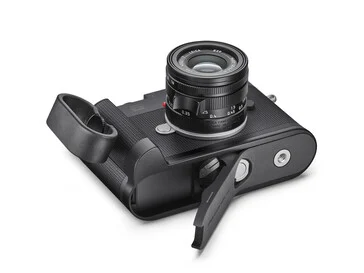
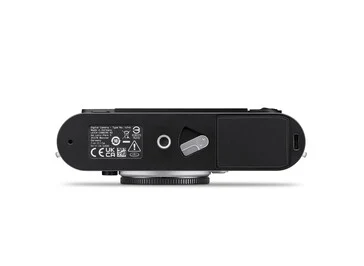
    1. The Leica M EV1 will be officially revealed on October 23 and resembles a Leica Q3 with interchangeable lenses, functioning similarly to a Leica M11 with an electronic viewfinder.
    2. It uses the older Leica Maestro III processor and has only 3 GB of buffer memory, with limited features like no wireless charging and a smaller battery capacity of 1,800 mAh.
    3. Weighing 485 grams with the battery, the M EV1 is one of the lightest full-frame cameras available, though it lacks autofocus and image stabilization.
    4. The camera features a 60 MP full-frame sensor and a 0.5-inch OLED viewfinder with 5.76 million pixels, but will not support autofocus lenses due to its M-mount.
    5. The price in Hong Kong is listed at $75,000 HKD (around $9,600), with expectations for the U.S. price to exceed $10,000 due to tariffs.


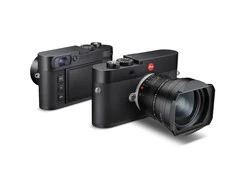
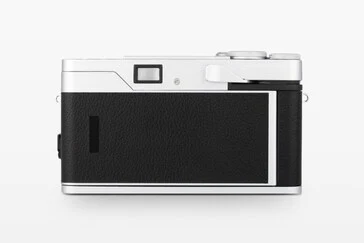
    The Leica M EV1 is set to be officially revealed on October 23. This camera is a response to many customers’ requests, resembling a Leica Q3 that features interchangeable lenses on the outside. However, technically, it can be more accurately seen as a Leica M11, but with an electronic viewfinder instead of a traditional rangefinder. Reportedly, the electronic components are the same as those found in the Leica M11.

    Older Technology

    This is somewhat disappointing, as it means that the Leica M EV1 operates on the older Leica Maestro III processor, which has only 3 GB of buffer memory. The likelihood of having wireless charging is also slim. Furthermore, the battery is expected to be a bit smaller, with Leica using the BP-SCL7, which has a capacity of 1,800 mAh at 7.4 volts. On a positive note, the camera is relatively lightweight; according to the latest updates from LeicaRumors, the Leica M EV1 weighs just 410 grams without the battery and 485 grams with it.

    Compact and Lightweight

    For comparison, the Leica M11 comes in at 530 grams with a battery, while the Sony A7r IV is heavier at 662 grams. Even the very compact Panasonic Lumix S9 weighs slightly more at 486 grams. This makes the Leica M EV1 one of the most compact and light full-frame cameras currently available, although it seems Leica is still not including autofocus or image stabilization. This is quite unfortunate, because if it had an L-mount instead of the M-mount, it could have supported autofocus lenses and also used Leica M lenses with an adapter.

    The slider located next to the lens mount, which is used to choose the frame lines on the Leica M11, will instead activate focus peaking and magnification in the viewfinder on the M EV1. In Hong Kong, the Leica M EV1 is listed at $75,000 HKD (approximately $9,600), which suggests that its price in the United States might exceed $10,000 due to the new Trump tariffs. It will feature a 60 MP full-frame sensor, a 0.5-inch OLED viewfinder with 5.76 million pixels, and will support Content Credentials.

    Source:
    Link


  • DJI Osmo Action 6 Launching This Month at $329 Starting Price

    DJI Osmo Action 6 Launching This Month at $329 Starting Price

    Key Takeaways

    1. DJI is rumored to launch three new products: Osmo Mobile 8, Osmo Mobile 8P, and Mic 3 Pro, along with the Neo 2 in November.
    2. The company is shifting focus from these products to the Osmo Action series, specifically the upcoming Osmo Action 6.
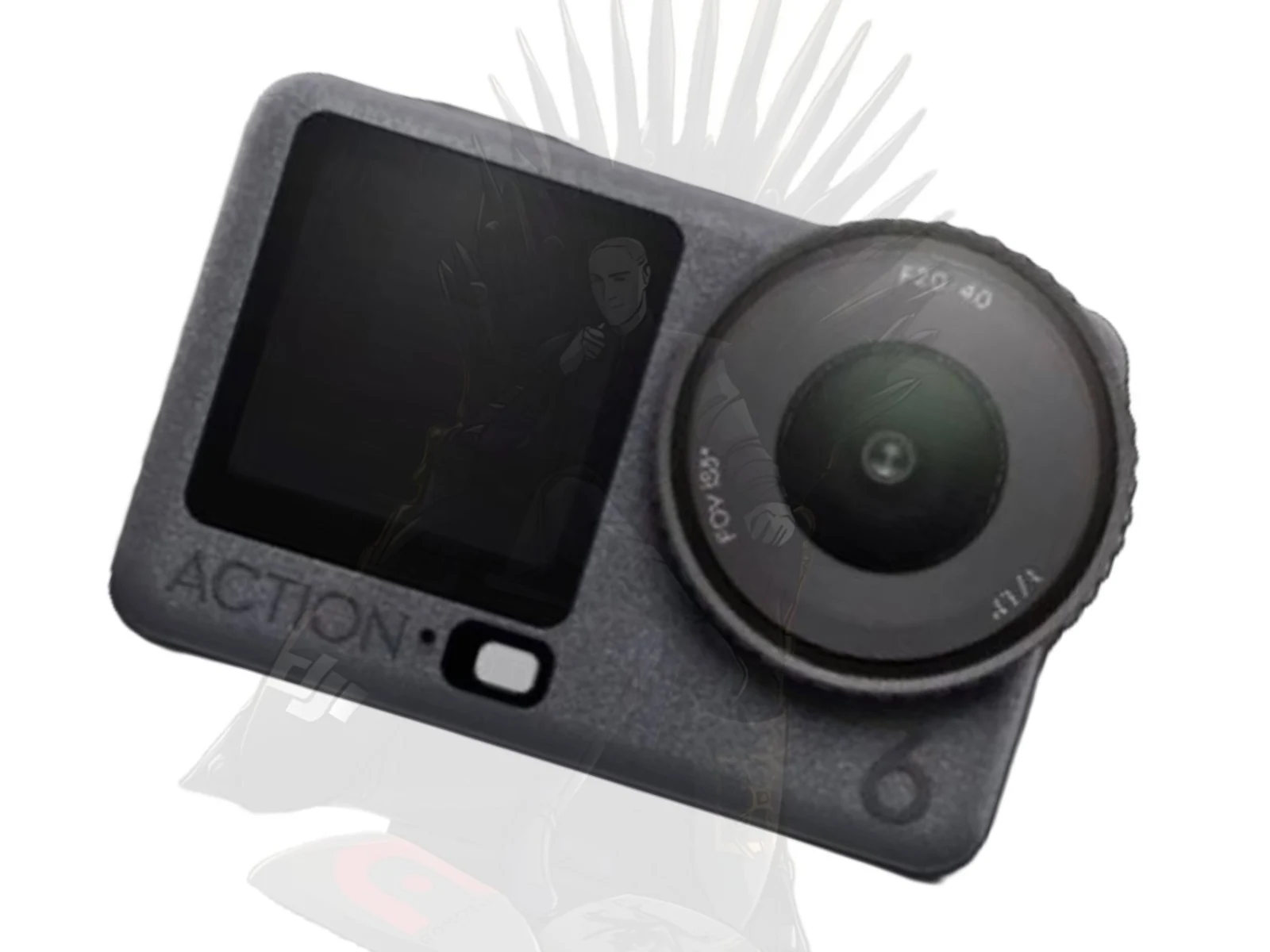
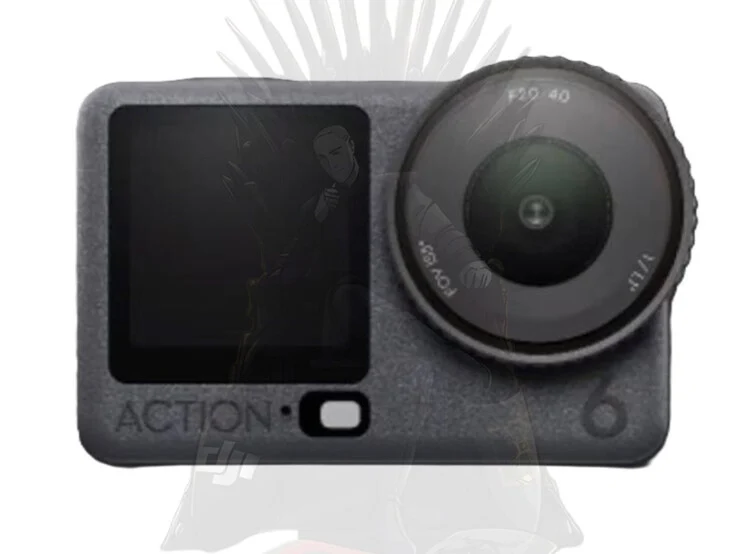
    3. The Osmo Action 6 will maintain a traditional action camera design with a rectangular shape and screens on both sides.
    4. An October 24 launch event for the Osmo Action 6 is suggested, with a teaser expected by October 17.
    5. The Osmo Action 6 is rumored to feature a 1-inch camera sensor, a 1,950 mAh battery, and a starting price of around $329 in the US.


    Recently, there has been buzz about DJI planning to launch three new products in November. This talk started earlier in the month, suggesting that DJI might finally unveil the Osmo Mobile 8, Osmo Mobile 8P, and the Mic 3 Pro along with the Neo 2. Two of these items were spotted a few months back through the Federal Communications Commission (FCC) in the United States.

    Change of Plans

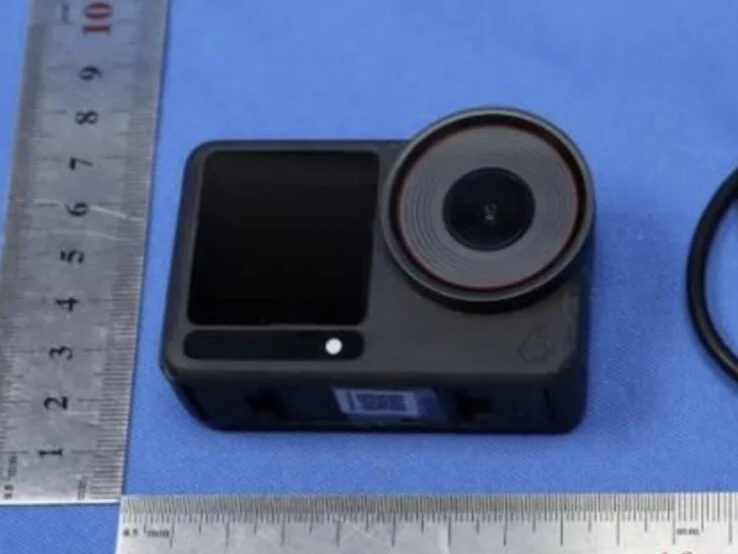
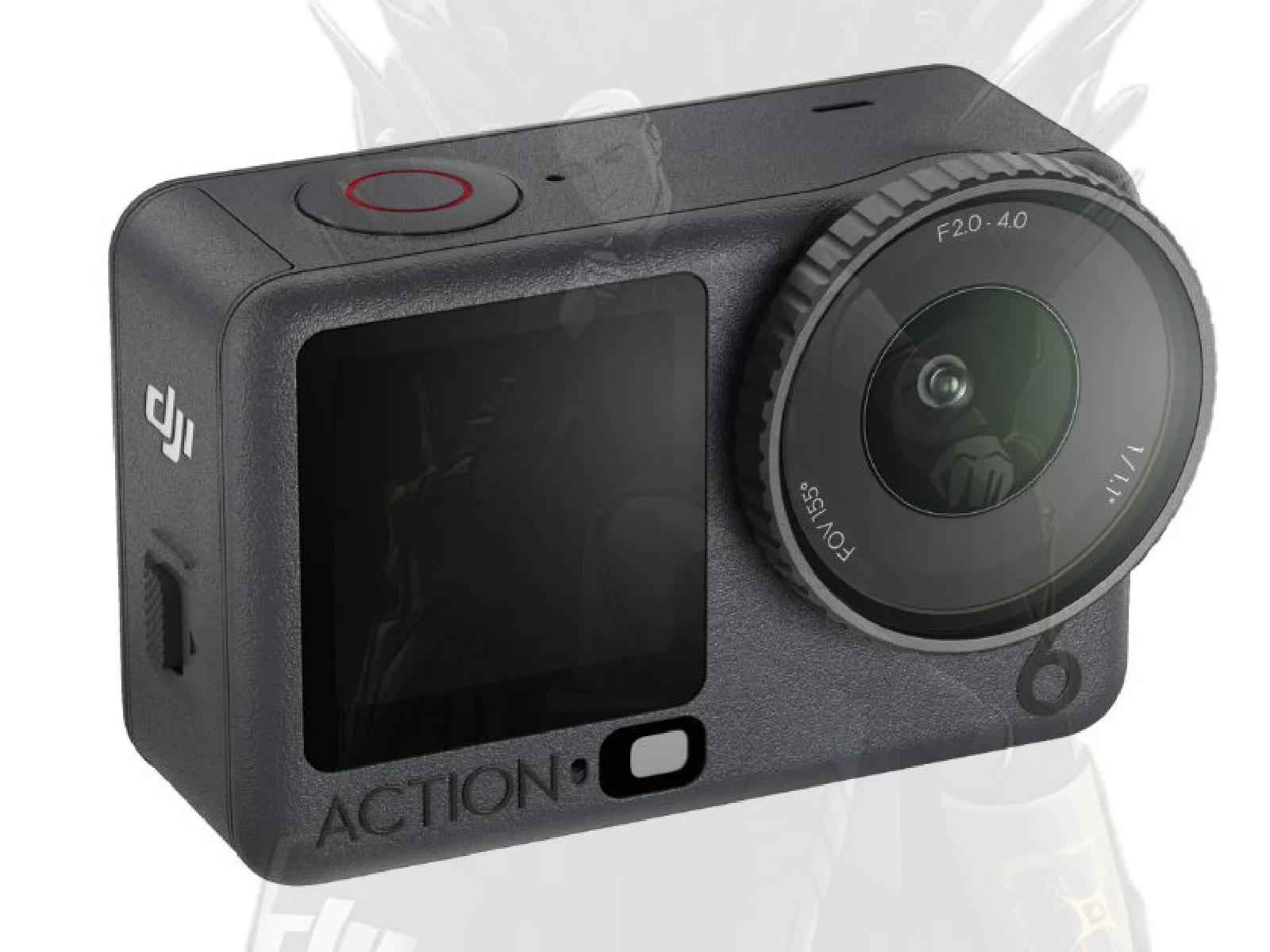
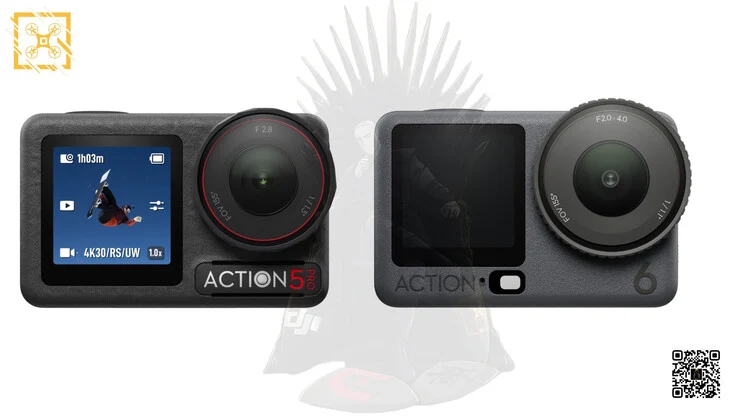
    Nevertheless, a new update indicates that these items might not be the next consumer products from DJI. Instead, it appears the company is shifting focus to its Osmo Action series with the upcoming Osmo Action 6. Earlier this year, DJI also introduced the Osmo 360 and Osmo Nano, priced at $299 on Amazon. Unlike those new designs, the Osmo Action 6 is expected to stick to the traditional action camera look, featuring a rectangular shape with a main camera and screens on both the front and back.

    Upcoming Launch Event

    In line with this, the FCC released images of the Osmo Action 6 from various perspectives months ago. Reports from The New Camera indicate that multiple insiders have suggested DJI is gearing up for an October 24 launch event for this new action camera. However, no solid proof to back up this information has surfaced yet.

    If this timeline holds, we should see a teaser from DJI by October 17 at the latest. Presently, the Osmo Action 6 is rumored to feature a 1-inch style camera sensor along with a 1,950 mAh battery, and it may be priced starting at about $329 in the US.

    Source:
    Link


  • Xgimi Z9X Compact 4K Projector with VRR and ALLM Support

    Xgimi Z9X Compact 4K Projector with VRR and ALLM Support

    Key Takeaways

    1. The Xgimi Z9X is a lightweight and portable projector, weighing 1.5 kg and measuring 7.8 cm thick.
    2. It offers 4K resolution with a 0.39-inch DMD chip, providing clear and crisp images.
    3. The projector has a brightness level of 1,300 CVIA lumens and an adjustable projection ratio of 0.98 to 1.3:1.
    4. It features a smart design with internal storage and RAM, allowing direct access to streaming services.
    5. The projector supports gaming features like 240 Hz in Full HD, VRR, and ALLM, making it suitable for gamers.


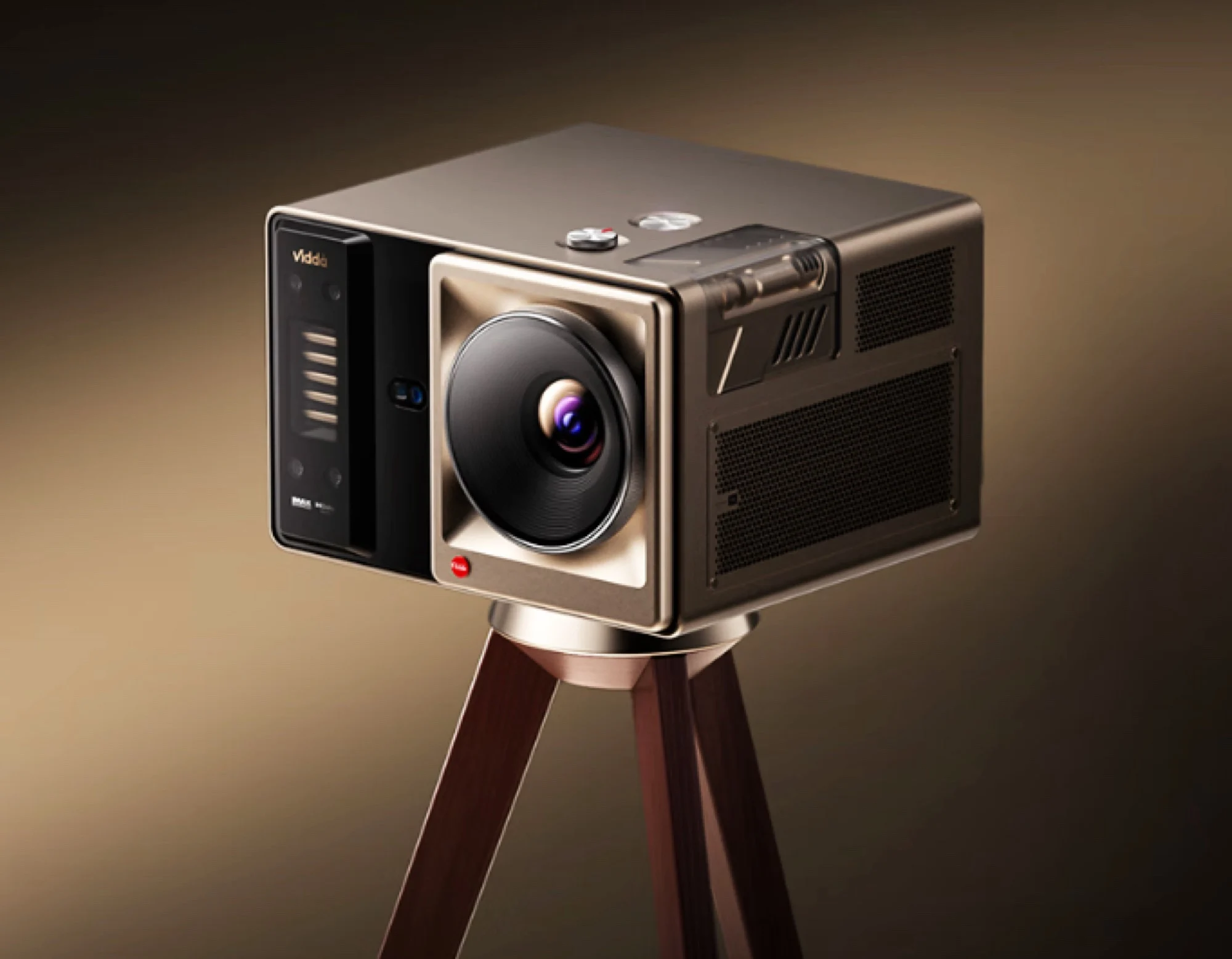
    The Xgimi Z9X is a lightweight and portable new projector. It boasts 4K resolution, ensuring a clear and crisp image. For generating images, it utilizes a 0.39-inch DMD chip. Like many small projectors, its brightness is lower than that of traditional ones, with a brightness level rated at 1,300 CVIA lumens. The projection ratio can be adjusted from 0.98 to 1.3:1, and it comes equipped with a zoom lens, making setup a bit easier. While wall mounting isn’t an option, the projector can rotate 150 degrees thanks to a special gimbal design, which also helps protect the optics during transport.

    Size and Portability

    Weighing in at 1.5 kilograms and measuring 7.8 centimeters in thickness, this projector is quite easy to take along in a bag or backpack. It functions as a smart projector, meaning it includes a SoC, RAM, and internal storage, allowing users to access streaming services without needing an external device.

    Gaming Features

    The BT.2020 color gamut is covered at 110%, with a Delta E color deviation of below 1. Xgimi claims that the projector can handle image content at 240 Hz in Full HD resolution, and it supports features like VRR and ALLM, which are sure to delight gamers.

    Source:
    Link