Category: Software

  • Xiaomi 14 Ultra HyperOS 3 Update: Release Timeline Revealed

    Xiaomi 14 Ultra HyperOS 3 Update: Release Timeline Revealed

    Key Takeaways

    1. The HyperOS 3 update for the Xiaomi 14 Ultra is complete and set for release.
    2. The update is based on Android 16 and carries the build number OS3.0.1.0.WNAMIXM.
    3. The global rollout is expected by the end of November, starting with Mi Pilot program users.
    4. Key improvements include a revamped user interface, optimized performance, and enhanced security features.
    5. The Chinese version of the update will be released shortly before the global version.


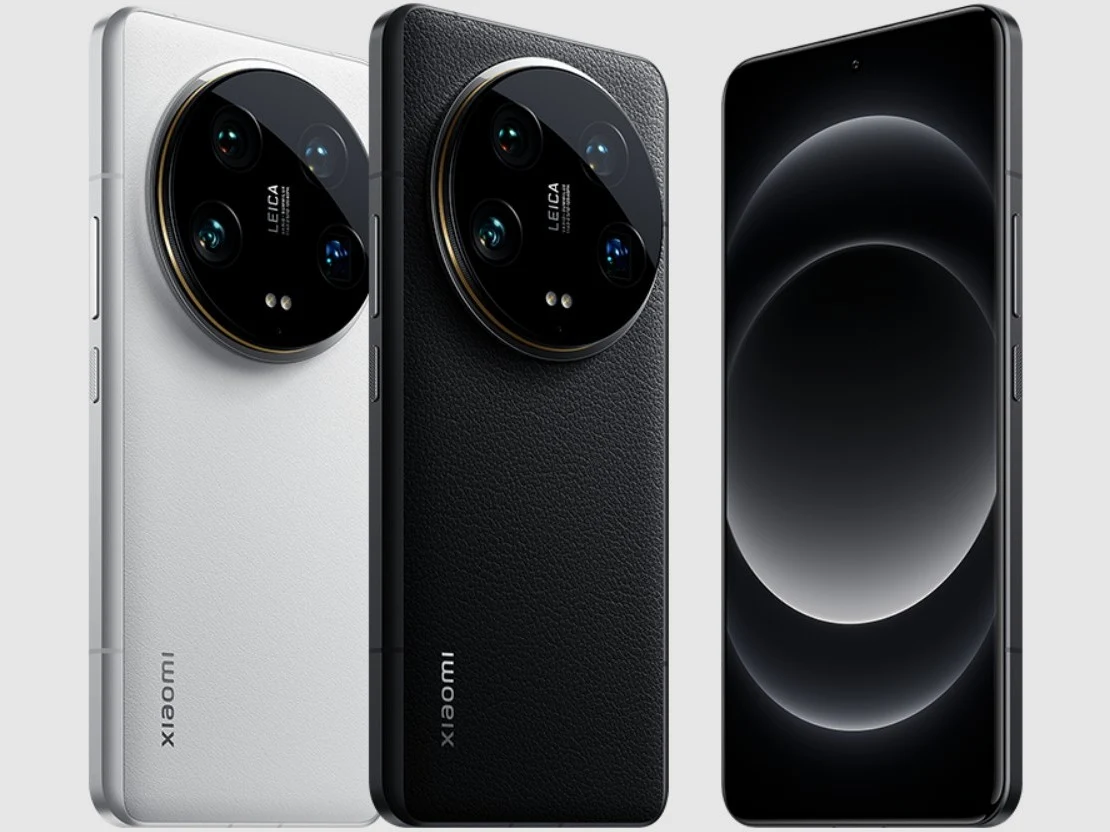
    The anticipation for an improved software upgrade for Xiaomi’s top-tier smartphone from last year, the Xiaomi 14 Ultra, is nearing its conclusion. Trustworthy sources have confirmed that the HyperOS 3 update for the global version of the Xiaomi 14 Ultra is finished and is set to be released.

    Update Details

    As per tech insider Erencan Yılmaz, the eagerly awaited software update, which is based on Android 16, has successfully completed its stable testing phase for the international market. The final software version is said to carry the build number OS3.0.1.0.WNAMIXM. The build number ending in “MIXM” indicates that this version is indeed the stable release intended for the global audience.

    Rollout Timeline

    The global rollout is expected to take place by the end of November, according to the report. Those who are part of the Mi Pilot program will likely be the first to receive the update.

    So, what can users look forward to with this upgrade? The HyperOS 3 comes with significant improvements, starting with a revamped user interface. Users will notice a new design and updated animations that aim to enhance the fluidity of system navigation. More importantly, the update places a strong emphasis on system optimization. It intends to resolve minor performance problems, like minor stutters and battery issues, ensuring long-term optimal performance. Additionally, building on Android 16 introduces the latest security updates and essential privacy-enhancing features from the newest platform.

    Chinese Version Arrival

    The Chinese version of the ROM is expected to be released very shortly. Since the global build is now encoded and ready for deployment, international users can anticipate that the update will not be far behind the one released in China.

    Source:
    Link


  • Xiaomi Releases Global OTA Update for HyperOS 3 Launcher

    Xiaomi Releases Global OTA Update for HyperOS 3 Launcher

    Key Takeaways

    1. Xiaomi is launching a global update for its HyperOS launcher, improving performance and stability for Xiaomi, Redmi, and Poco smartphones.
    2. The new launcher version (RELEASE-6.01.02.1321-10302137) enhances user experience with faster app transitions, animations, and memory management.
    3. The update is available via over-the-air (OTA) rollout and works well on both Global and China versions of HyperOS.
    4. Users can find the update through the System app updater in Settings, with availability varying by region and device model.
    5. Future enhancements for HyperOS 3 are in development, including a revamped control center, dynamic icons, and AI-driven app grouping, expected in early 2026.


    Xiaomi is currently launching a fresh global update for its HyperOS launcher, enhancing both performance and stability for its Xiaomi, Redmi, and Poco smartphones. The update, identified as RELEASE-6.01.02.1321-10302137, is now accessible through an over-the-air (OTA) rollout and is functioning well on both Global and China versions of HyperOS.

    Enhanced User Experience

    Early users have noted that the new launcher version is quicker and more responsive. Improvements can be seen in app transitions, animations, and memory management. Testers have also mentioned faster app switching, particularly on devices that utilize the Snapdragon 7 Gen 1 and MediaTek Helio chipsets.

    Recent Developments

    This update comes after the company’s recent advancements in broadening the support for HyperOS 3. As mentioned by Notebookcheck, Xiaomi began distributing its stable Android 16-based firmware to an additional 20 models earlier this month.

    To find the new launcher update, users can go to the System app updater or head to Settings → About phone → System apps updater. The update is being rolled out gradually, so its availability could differ depending on the region and the model of the device.

    Future Enhancements

    Xiaomi is said to be working on more improvements for HyperOS 3, such as a revamped control center, dynamic icons, and AI-driven app grouping. Internal testing suggests that these features are under development and might be released in early 2026.

    Source:
    Link


  • Garmin Resolves Do Not Disturb Issue in Latest App Update

    Garmin Resolves Do Not Disturb Issue in Latest App Update

    Key Takeaways

    1. The Garmin Connect app for Android has been updated to version 5.19, addressing user concerns from version 5.18.
    2. The update restores the Do Not Disturb (DND) feature to operate independently from the paired smartphone’s DND settings.
    3. Users expressed dissatisfaction with the change in DND settings in version 5.18, prompting Garmin to revert the feature.
    4. Some users have requested a customizable option to choose between linked or separate DND settings, but Garmin has not indicated plans to implement this.
    5. Users may need to force close the app, clear the cache, or restart devices to see the changes after updating to version 5.19.


    The Garmin Connect app for Android has received an update, now at version 5.19, which addresses a problem recently reported by users. After the earlier version, 5.18, numerous customers expressed their dissatisfaction on the Garmin Forum regarding a modification made to the Do Not Disturb (DND) settings.

    Changes to DND Settings

    Traditionally, the DND feature on a Garmin smartwatch was independent from the DND settings on the paired smartphone. This allowed the smartwatch to continue receiving notifications with vibrations or sounds as long as it wasn’t in DND mode. However, with the update to version 5.18, Garmin altered this feature so that it synced with the Android smartphone’s DND, muting all notifications from the watch.

    User Feedback and Reversion

    After receiving significant feedback from users, Garmin Connect app version 5.19 for Android has reverted to the previous DND settings. Now, the smartwatch operates independently of the phone’s DND status. Some users are suggesting that Garmin should introduce a feature that allows them to choose whether DND settings should be linked or separate from the smartphone. Nevertheless, there has been no indication that Garmin is considering this feature.

    Update Process

    Several users have reported on the Garmin Forum that they needed to force close the app, clear the cache, or even restart their devices to see the changes after updating the app. The Garmin Connect app version 5.19 is currently being rolled out globally and can be obtained from the Google Play Store.

    Source:
    Link


  • Debian APT Requires Rust Toolchain from May 2026 for Legacy Ports

    Debian APT Requires Rust Toolchain from May 2026 for Legacy Ports

    Key Takeaways

    1. Debian’s APT tool will begin using Rust-based code by May 2026, creating a dependency on the Rust toolchain.
    2. The change aims to improve memory safety and long-term maintainability of Debian’s core components, with potential impacts on architectures lacking Rust support.
    3. Community reactions are mixed, with some viewing the change as a careful improvement while others worry about compatibility issues for older architectures.
    4. The integration of Rust aligns with broader trends in open-source software aimed at enhancing security and reliability in low-level applications.
    5. Discussions among developers highlight concerns about long-term support for niche architectures, affecting strategies for hardware testing and specialized development.


    Debian developers have announced a significant change in the core package manager of the project. A message from long-time contributor Julian Andres Klode shared on the official Debian developer mailing list states that the APT tool will start using Rust-based code no sooner than May 2026, which will create a hard dependency on the Rust toolchain.

    Aiming for Safety and Maintainability

    This change aims to enhance memory safety and ensure the long-term maintainability of one of Debian’s key system components. Klode mentioned that this update will mainly impact architectures and derivative distributions that lack a functioning Rust toolchain. He cautioned that ports that cannot support Rust might need to be discontinued if compatibility issues aren’t resolved in a timely manner.

    Community Reactions and Concerns

    The announcement, reported by Linuxiac and broadly discussed in Reddit’s r/Linux community, has been characterized by users as a careful, step-by-step improvement instead of a complete overhaul. Some users pointed out that legacy ports such as m68k and SH-4 will likely remain unaffected, as they are no longer officially supported by Debian. The news has also made its way to X (formerly Twitter), where developers and open-source advocates have engaged in similar conversations about Debian’s gradual incorporation of Rust-based components.

    Aligning with Open-Source Trends

    Integrating Rust into APT fits within a broader trend in open-source software, as major Linux distributions and kernel subsystems increasingly adopt Rust to bolster security and reliability in low-level software applications. This transition is also projected to influence build environments, CI pipelines, and driver packaging processes across embedded and industrial platforms where Rust has not yet been integrated into the default toolchain.

    Klode expressed that the project must adopt modern tools instead of trying to fit new software onto outdated hardware platforms. This viewpoint has sparked conversations among port maintainers about long-term support and sustainability.

    Mixed Feelings in the Community

    Discussions within the community have shown a mix of optimism and skepticism. Some users appreciate the emphasis on safety and modernization, while others voice worries over compatibility issues and the possible discontinuation of older architectures.

    For hardware testers and Linux maintainers, this transition could reshape long-term support strategies, especially for niche architectures that continue to be utilized in benchmarking, retrocomputing, and specialized hardware development.

    Source:
    Link


  • Xiaomi Launches Stable Android 16 HyperOS 3 Update for 20 Devices

    Xiaomi Launches Stable Android 16 HyperOS 3 Update for 20 Devices

    Key Takeaways

    1. Xiaomi started distributing stable HyperOS 3 globally in late October 2025, with several devices already receiving the Android 16 firmware.
    2. Current devices with stable HyperOS 3 include the Xiaomi 15T series, Xiaomi 15 series, Poco F7 Ultra, and Xiaomi Pad 7 Pro.
    3. Additional Xiaomi devices are expected to receive the update within a week, as firmware versions have been spotted.
    4. Many global smartphones and tablets are projected to get the stable HyperOS 3 update by December 2025.
    5. A complete list of devices scheduled for the update will be available by March 2026.


    Xiaomi began distributing the stable HyperOS 3 to global devices in late October 2025, and until now, several international smartphones and one tablet have received the Android 16 firmware. The company has previously indicated that many more devices are scheduled to get the update throughout November 2025.

    Upcoming Devices

    As noticed by XiaomiTime, updated firmware versions for several Xiaomi devices have appeared, indicating that they will receive the stable HyperOS 3 update shortly. The devices that are currently in focus are:

    For those curious, Xiaomi has already launched stable HyperOS 3 for the global Xiaomi 15T series, Xiaomi 15 series, Poco F7 Ultra, and Xiaomi Pad 7 Pro (12/512 GB currently priced at $600.61 on TradingShenzhen). Regarding the devices mentioned previously, since their firmware numbers have reportedly surfaced, they might receive the Android 16 update in about a week or so.

    Future Rollouts

    It is also important to highlight that many global smartphones and tablets are expected to receive the stable HyperOS 3 update by December 2025, with the complete list anticipated by March 2026. Refer to the chart below for more details on the rollout schedule.

    Source:
    Link


  • Linux Gaming Surges: SteamOS Market Share Exceeds 3%

    Key Takeaways

    1. Linux and SteamOS now represent over three percent of Steam users, marking a record high.
    2. Growth in Linux gaming is driven by devices like the Steam Deck and mini PCs with open-source systems.
    3. Increased Linux user adoption is prompting better hardware support and optimization in the gaming industry.
    4. The decline of Windows 10 usage parallels the rise of Linux as a legitimate gaming option.
    5. Linux gaming has shifted from a niche to an established segment in the performance landscape, warranting regular benchmarking and support.


    Linux gaming has hit a significant point on Steam. According to Valve’s optional Steam Hardware and Software Survey for October 2025, Linux and SteamOS now represent just over three percent of all Steam users who responded, marking the highest level ever documented.

    Steady Growth in Linux Gaming

    Although three percent might seem small, it indicates the consistent growth of Linux gaming. This growth is driven by devices like the Steam Deck and an increasing array of handheld and mini PCs that come equipped with open-source systems like Bazzite and HoloISO.

    A post from @SlashdotMedia on X pointed out this achievement, bringing attention to the official survey results and the rising acknowledgment of Linux as a legitimate gaming option.

    A Turning Point for Hardware Support

    For the wider hardware market, this number could signify a key moment, where support for Linux is recognized as an important performance element rather than just an afterthought.

    This change is starting to shape hardware development throughout the sector. Optimizing GPU drivers, tweaking firmware, and managing SoC power for Linux platforms are becoming mainstream engineering focuses. As more users adopt Linux, component suppliers and PC builders are likely to enhance official driver validation, thermal tuning, and battery optimization for Mesa and Proton environments.

    The Decline of Windows 10 and Rise of Linux

    This achievement also mirrors the slow decrease in Windows 10 usage and the broader acceptance of cross-platform software ecosystems. For hardware reviewers and PC builders, Linux has transitioned from a niche interest to a well-established segment of the performance landscape that merits regular benchmarking and ongoing support.

    Source:
    Link


  • Apple Launches iOS 26.1 and macOS 26.1 with Liquid Glass Feature

    Apple Launches iOS 26.1 and macOS 26.1 with Liquid Glass Feature

    Key Takeaways

    1. iOS 26 update (4.6 GB) introduces features like reduced transparency and tinted “Liquid Glass” for better text visibility.
    2. Apple Music mini-player gains gesture controls for easier track navigation and a setting to disable the lock screen swipe for the camera.
    3. Alarm clock now requires a swipe to deactivate instead of tapping, addressing previous user feedback.
    4. Fitness app updated to allow users to create custom workouts.
    5. iPadOS 26.1 returns “Slide Over” multitasking, while macOS 26.1 features minor updates, including darker Liquid Glass and revamped icons.


    Following the debut of iOS 26 in September with the iPhone 17, the first major upgrade to the current iPhone operating system is here. This update, which is about 4.6 GB, brings several enhancements, including a feature to lessen transparency and the option to tint Apple’s “Liquid Glass” for better text visibility.

    New Features in Apple Music

    In Apple Music, the mini-player now includes new gesture controls, letting users swipe to skip to the next track or go back to the previous one. There’s also a fresh setting that lets users turn off the swipe gesture on the lock screen that usually opens the camera app. For those using a USB-C connected microphone, it is now possible to adjust its level and choose where voice recordings are saved. Additionally, Apple has enhanced audio quality for FaceTime calls when the internet connection is not strong.

    Alarm Clock Changes and Fitness Updates

    To deactivate an alarm instead of hitting snooze, you now need to swipe rather than simply tap the large button. This change comes after Apple faced a lot of criticism for the new alarm clock design in iOS 26. The fitness app has also been updated to let you create your own custom workouts.

    iPadOS and macOS Updates

    The Apple iPad gets similar updates through iPadOS 26.1, but it also sees the return of the “Slide Over” multitasking feature, which allows users to place an app on the right side of the screen as a floating window. Meanwhile, macOS 26.1 has fewer noticeable changes: Liquid Glass can now appear in a darker tone on Macs, and both the Apple TV and hard drive icons have been revamped.

    Apple’s ongoing updates continue to enhance user experience across its devices, making them more intuitive and user-friendly.


  • New Web Version of Apple App Store for iPhone, Mac, Apple Watch & TV

    New Web Version of Apple App Store for iPhone, Mac, Apple Watch & TV

    Key Takeaways

    1. The redesigned App Store web preview allows users to explore the entire App Store, including sales rankings and Apple’s “Today” suggestions.
    2. Easy navigation between different Apple platforms is available, aiding users in browsing software for various devices before purchase.
    3. Each app has a dedicated page featuring screenshots, video trailers, descriptions, and user feedback, along with details on updates and data handling.
    4. Apple Arcade is integrated into the web version, showcasing subscription games and offering a three-month free trial for new device purchasers.
    5. The pricing for Apple Arcade is $6.99 per month, targeting casual gaming rather than major releases, making it more affordable than competitors like Xbox Game Pass.


    The App Store has had a web preview for quite some time, and now there is a brand-new version of it. The redesigned site not only showcases individual app previews but also permits users to explore the entire App Store. This includes access to the latest sales rankings, Apple’s “Today” suggestions, and various categories.

    Easy Navigation Across Platforms

    An upper left button on the screen makes it easy to switch between different Apple platforms. This feature is handy for those looking to browse software available for devices like the Apple Watch, Apple TV 4K, or Apple Vision Pro before deciding to purchase the respective product.

    Detailed App Information

    The site also provides a dedicated page for each app, where users can find screenshots, video trailers, descriptions, and user feedback. As in the past, the App Store continues to share details about prior app updates, how personal data is handled, and information about app tracking.

    Apple Arcade and Pricing

    Apple Arcade is integrated into the web version of the App Store, enabling users to see which games are part of Apple’s subscription service on each platform. The price for Apple Arcade is $6.99 per month, making it more affordable compared to Xbox Game Pass; however, it leans more towards casual games instead of the latest big-name releases. Customers who purchase a compatible Apple device can enjoy a three-month free trial of Apple Arcade. If a user selects an app in the browser while on the correct platform, like an iOS app in an iPhone’s web browser, they can directly download it from the App Store.

    Source:
    Link


  • Xiaomi Devices Not Getting HyperOS 3.1 Update: List Inside

    Xiaomi Devices Not Getting HyperOS 3.1 Update: List Inside

    Key Takeaways

    1. Xiaomi is rolling out HyperOS 3 internationally and in China, with different release schedules for each region.
    2. The HyperOS 3.1 beta program has started in China, featuring a new recent apps drawer inspired by Apple’s design.
    3. HyperOS 3.1 will improve memory management for smoother animations and faster app launches.
    4. Only devices upgraded to HyperOS 3 based on Android 16 will be eligible for updates to HyperOS 3.1.
    5. Over 20 older models, including the Redmi Note 12 Turbo, will not receive the HyperOS 3.1 update.


    Xiaomi is making significant progress with the rollout of its HyperOS 3, both internationally and in China. It’s important to note that the company follows different schedules for software releases in China compared to other regions. For example, the Poco X7 Pro has recently joined the Poco F7, which is currently priced at $519.99 on Amazon, by receiving HyperOS 3 globally, but not yet in China.

    HyperOS 3.1 Beta Program

    According to XiaomiTime, the company has commenced recruitment for the HyperOS 3.1 beta program for devices registered in China. One of the key features that will set HyperOS 3.1 apart from its predecessor is a revamped recent apps drawer. This update takes a cue from Apple’s design, similar to how Hyper Island is inspired by the Dynamic Island. The new recent apps drawer will be enhanced with improved memory management, which aims to make animations smoother and decrease the time it takes for apps to start.

    Device Eligibility for Updates

    It seems that only those devices that have transitioned to the Android 16 version of HyperOS 3 will be eligible for HyperOS 3.1. On the other hand, devices still using HyperOS 3 based on Android 15 will not receive such updates. XiaomiTime reports that the list of devices that will remain on HyperOS 3 after the stable builds of HyperOS 3.1 are released consists of over 20 models, including older ones like the Redmi Note 12 Turbo.

    Source:
    Link


  • SeaMonkey 2.53.22 Drops 32-Bit Support, Ignores Reddit

    SeaMonkey 2.53.22 Drops 32-Bit Support, Ignores Reddit

    Key Takeaways

    1. SeaMonkey offers a nostalgic design appealing to users of older browsers like Internet Explorer, with features like large buttons and specific tool tabs.

    2. The latest version of SeaMonkey (2.53.22) is only available in 64-bit for Linux, macOS, and Windows, leaving 32-bit users without support.

    3. Despite some website compatibility issues, SeaMonkey remains a good option for users with older systems, as earlier versions worked well on older operating systems.

    4. SeaMonkey is maintained by a small team with limited resources, and there is an opportunity for developers to contribute to the project.

    5. Other browsers like Supermium and Chromium Legacy cater to older operating systems but have not seen recent updates, making them less reliable options.


    Like Chromium, Firefox is foundation for many alternative web browsers, including Basilisk. While it may not be the fastest at loading websites, it still attracts users who prefer the classic look of older Firefox versions.

    SeaMonkey’s Unique Features

    One alternative browser is SeaMonkey, which features a nostalgic design that Internet Explorer users might find appealing. It includes large buttons, specific tool tabs, and status lines. Earlier versions of SeaMonkey were known for working well with older versions of macOS and Windows, such as 10.12 and 7. Additionally, there were x86 builds available, not just the typical x86-64 ones. Although it’s not the most reliable application, it served as a good choice for people with older systems and computers. YouTube and Google Mail functioned quite well, at least.

    Changes for 32-bit Users

    Unfortunately, users on 32-bit operating systems are now out of luck because version 2.53.22 is only offered in 64-bit versions for Linux, macOS, and Windows. To make matters worse, similar to versions 2.53.21 and 2.53.20 before it, this new release does not display some websites correctly (which the developers have acknowledged, giving them some credit).

    Fortunately, version 2.53.21 is still available for download.

    Support for SeaMonkey

    As with many projects like this, SeaMonkey is managed by a small team with limited funding and workforce. If you’re a software developer, you might be able to lend a hand.

    In other news, Supermium, another browser that supports older Windows operating systems, has been using Chromium 132 since November 02, 2025, but it has not seen an update in more than two months.

    On the other hand, Chromium Legacy, designed for older macOS systems, hasn’t been updated since the first half of 2024. However, it still remains a good choice for those who prefer to stick with an older macOS build instead of upgrading through a workaround. For instance, Chromium Legacy 108 works well on Mac OS X 10.10.

    Source:
    Link