Category: Gaming

  • Indie Game Awards Disqualify Clair Obscur: Expedition 33

    Indie Game Awards Disqualify Clair Obscur: Expedition 33

    Key Takeaways

    1. Clair Obscur: Expedition 33 won both Game of the Year and Debut Game at the Indie Game Awards.
    2. Controversy arose when Sandfall Interactive revealed the use of generative AI in the game’s development.
    3. The Indie Game Awards have strict rules against the use of generative AI in nominated games.
    4. The game’s producer admitted to using generative AI on the day of the awards, leading to disqualification.
    5. The awards were reassigned, with Sorry We’re Closed winning Debut Game and Blue Prince winning Game of the Year.


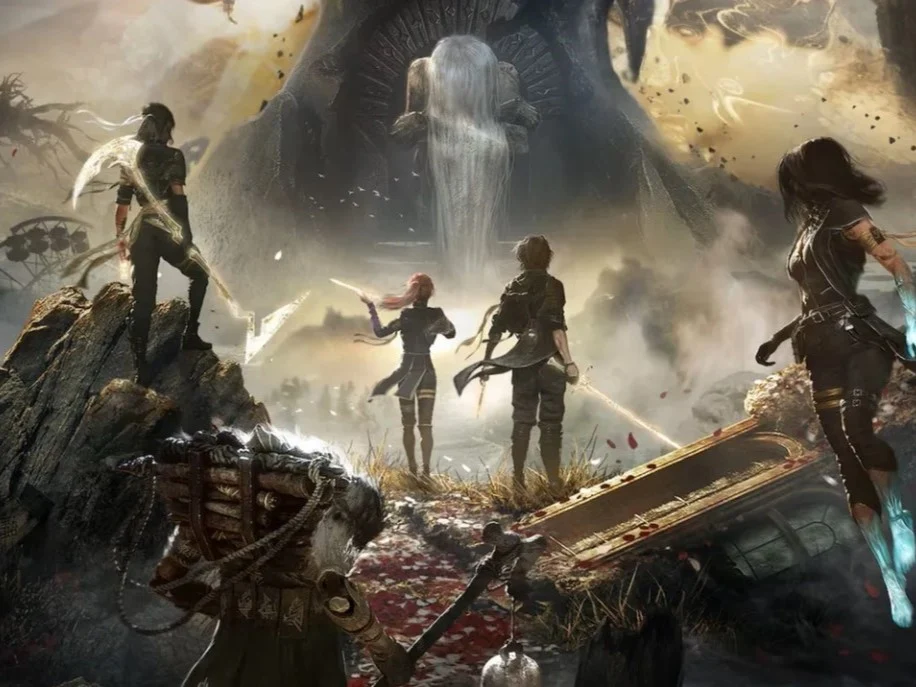
    Clair Obscur: Expedition 33 had an exciting evening at the Indie Game Awards, where it took home both the Game of the Year and Debut Game trophies, which are two of the most prestigious honors given at the event. For Sandfall Interactive, this was an incredible achievement. Nevertheless, the joy was short-lived.

    Controversy Erupts

    Soon after the ceremony, a wave of controversy emerged when Sandfall Interactive disclosed that they had utilized generative AI in the making of Clair Obscur: Expedition 33. The Indie Game Awards have stringent guidelines regarding the use of generative AI, and it appears those guidelines were violated. As a result, they decided to rescind both awards.

    Statement from Indie Game Awards

    The Indie Game Awards issued a statement clarifying their decision, emphasizing that no generative AI can be employed at any phase of game development for titles being considered for the awards. When Clair Obscur was initially submitted, Sandfall Interactive had affirmed that generative AI was not part of the project. This assurance allowed the game to compete and ultimately be crowned as a winner.

    “The Indie Game Awards firmly oppose the use of generative AI during both the nomination and award processes. When Sandfall Interactive submitted Clair Obscur: Expedition 33, they confirmed that no generative AI was involved in its development.”

    The Producer’s Admission

    However, on the very day of the Indie Game Awards 2025, the game’s producer, François Meurisse, acknowledged that some generative AI had indeed been utilized during production. Although these assets were subsequently removed through patches, the awards committee maintained that this action still violated their rules. Consequently, they ruled that the game could no longer qualify for any awards.

    “Given that Sandfall Interactive admitted to using generative AI art during production on the day of the Indie Game Awards 2025, Clair Obscur: Expedition 33 is disqualified from its nomination. Although the assets were patched out and the game itself is remarkable, it does conflict with our established regulations. Thus, the IGAs nomination committee has decided to officially revoke both the Debut Game and Game of the Year awards.”

    With Clair Obscur: Expedition 33 now disqualified, the awards will be reassigned to the runners-up, with Sorry We’re Closed receiving the Debut Game award and Blue Prince taking home the Gamer of the Year honor.

    Source:
    Link


  • Anbernic RG477V: Affordable Retro Handheld with PS2 & Wii U Emulation

    Anbernic RG477V: Affordable Retro Handheld with PS2 & Wii U Emulation

    Key Takeaways

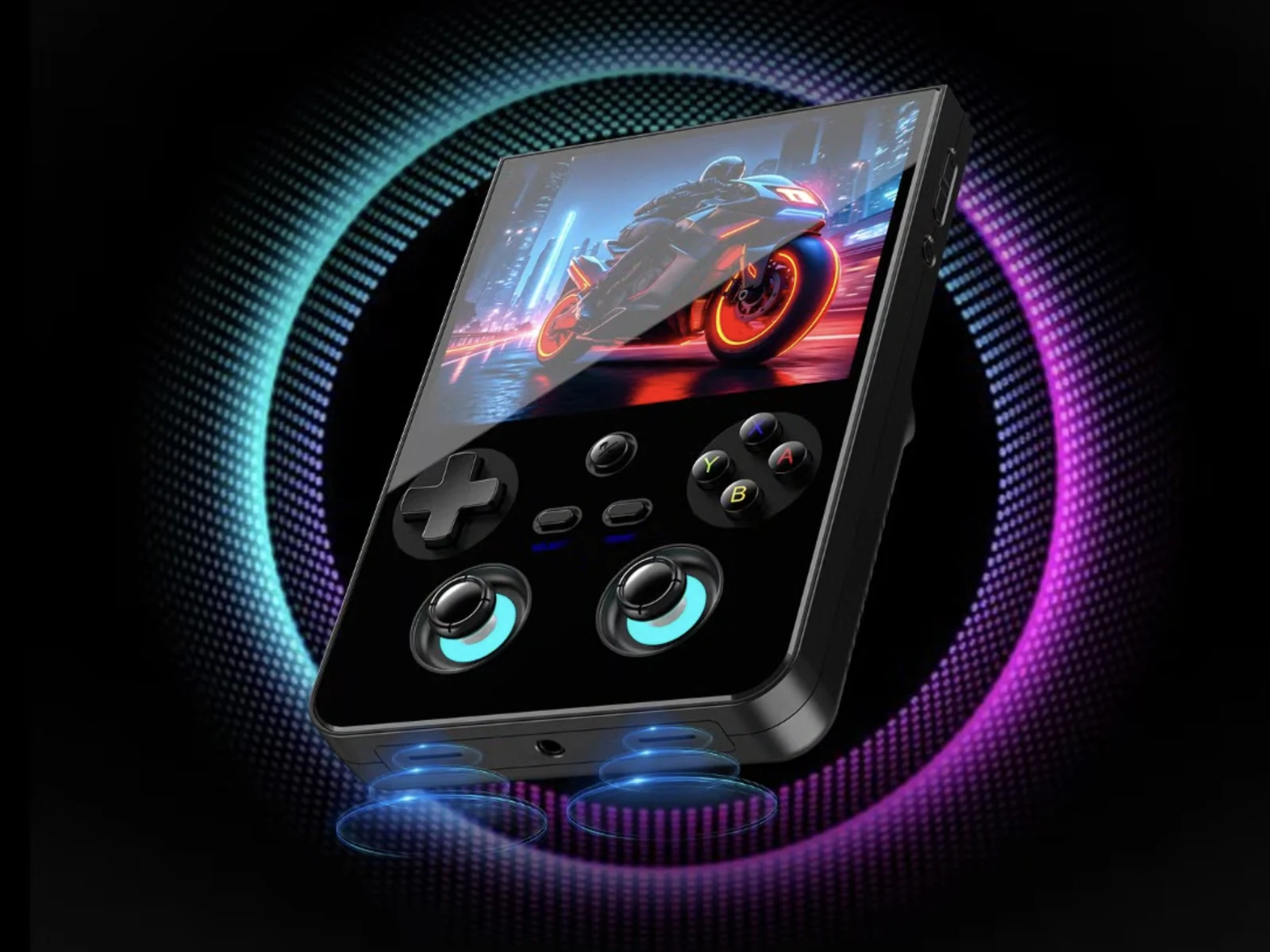
    1. The Anbernic RG477V is a new vertical retro gaming handheld, competing with devices like the Retroid Pocket Classic and upcoming models.
    2. It features Hall effect joysticks, a 4.7-inch IPS display with 1,280 x 960 resolution, and a 120 Hz refresh rate for enhanced gaming experience.
    3. The RG477V is powered by a MediaTek Dimensity 8300 chipset, capable of emulating games up to Nintendo Wii U and PlayStation 2.
    4. It has a 5,500 mAh battery with 27 W charging, Bluetooth 5.3, and WiFi 6E connectivity, starting at $199.99 for the 128 GB model without a microSD slot.
    5. Anbernic will increase prices by $20 across the board starting December 23, 2023.


    The Anbernic RG477V has recently joined the growing list of vertical retro gaming handhelds. Its predecessor, the RG406V, which is currently priced at $195 on Amazon, mainly competed with the Ayaneo Pocket DMG. However, the RG477V now faces competition from the more budget-friendly Retroid Pocket Classic, along with the upcoming Pocket Vert and a speculated TrimUI Brick refresh.

    Pricing and Features

    The Retroid Pocket Classic offers a lower price point compared to the RG477V, yet it features the impressive Snapdragon G1 Gen 2 chipset. On the flip side, the RG477V boasts several advantages. For starters, it comes with Hall effect joysticks located beneath the ABXY buttons and a four-way dpad. Anbernic also enhances the experience with a 4.7-inch IPS display that has a resolution of 1,280 x 960 pixels and a 120 Hz refresh rate, allowing for Black Frame Insertion (BFI) while keeping gameplay at 60 FPS.

    Performance Insights

    At its core, the RG477V runs on a MediaTek Dimensity 8300 chipset. This hardware includes a Mali-G615 MP6 GPU and an octa-core CPU, featuring one Cortex-A715 and seven Cortex-A510 cores. With this power, the Dimensity 8300 is capable of emulating games up to the Nintendo Wii U and PlayStation 2, partly due to options for 6 GB or 8 GB of RAM.

    Battery and Connectivity

    Anbernic has also fitted the device with a substantial 5,500 mAh battery that supports charging up to 27 W. It includes a modem that provides Bluetooth 5.3 and WiFi 6E connectivity. The RG477V starts at $199.99 with 128 GB of storage but lacks a microSD card slot. For those looking for more memory, a variant with 12 GB of RAM and 256 GB of storage is available for an additional $40, bringing the total to $269.99, which includes a 256 GB microSD card in either Black or Retro Grey. Anbernic plans to increase prices by $20 across the board starting December 23 at 10:00 UTC.

    Source:
    Link


  • Monster Hunter Wilds Update 4 Boosts FPS and Reduces Stutter

    Monster Hunter Wilds Update 4 Boosts FPS and Reduces Stutter

    Key Takeaways

    1. Performance Update: Monster Hunter Wilds receives a significant performance update (Title Update 4) that reduces heavy stuttering from high texture streaming across all platforms.

    2. GPU Requirements: The update lowers GPU performance requirements by about 8-9% on Medium and High settings, improving gameplay for users with 8GB GPUs, such as the Nvidia GeForce RTX 3070.

    3. Texture Quality Issues: Despite improvements in overall texture quality on Medium settings, some High settings textures have worsened, with longer loading times or failures to load.

    4. Future Updates Planned: Title Update 4 is the first of three planned updates aimed at optimizing the game on PC, with further updates scheduled to continue into 2026.

    5. Community Impact: The update’s timing follows the game director’s appeal for a fresh start, raising questions about whether future improvements will help regain the Monster Hunter community’s support.


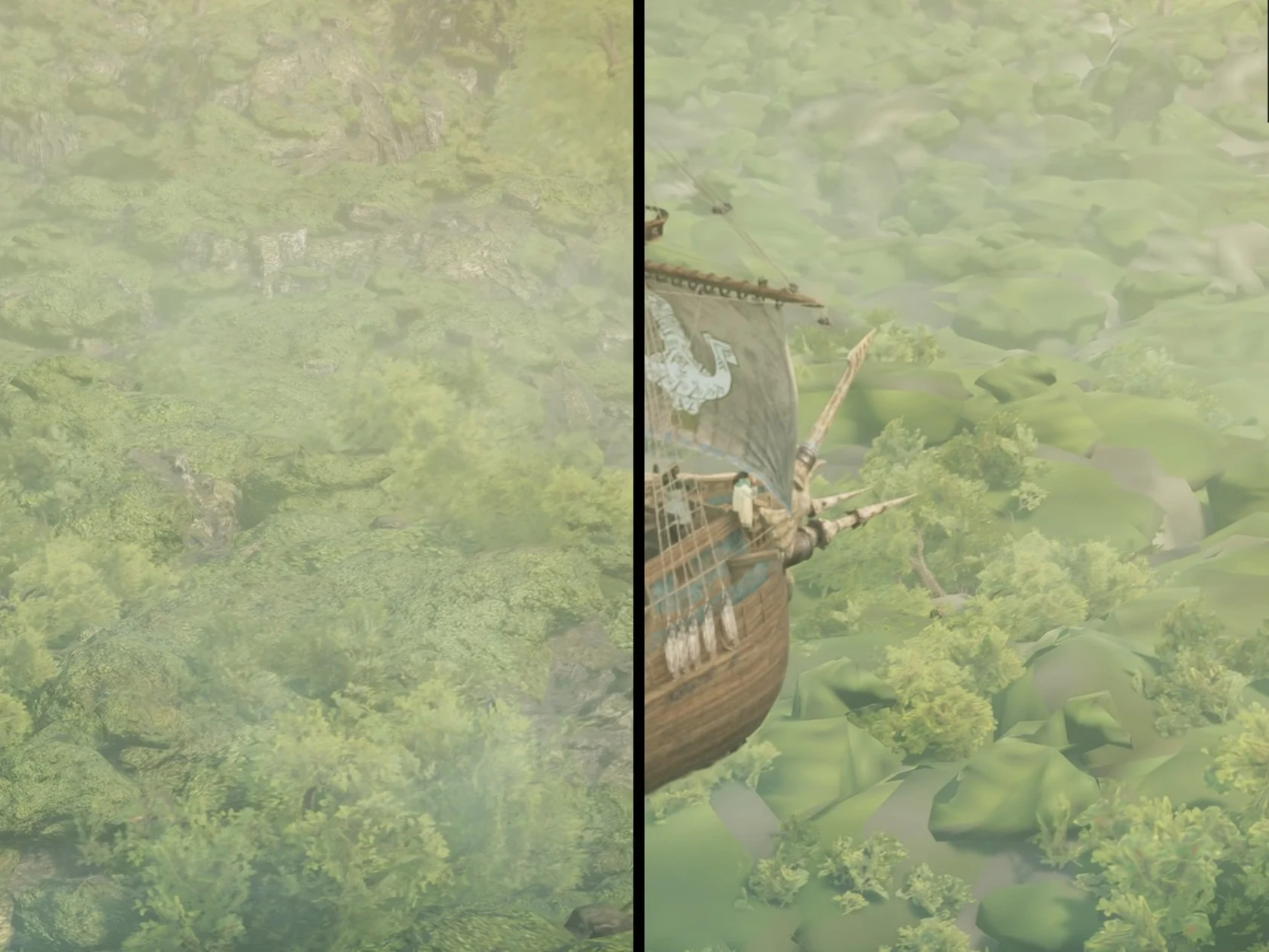
    Two steps forward and one step back—Monster Hunter Wilds has at last gotten a long-awaited performance update for all platforms. This is the first of three updates specifically for PC, and Capcom has managed to eliminate the heavy stuttering caused by streaming high textures. According to Digital Foundry’s analysis video, the free Title Update 4 has also cut down GPU performance requirements by about 8-9% on Medium and High settings, at least on the 8GB Nvidia GeForce RTX 3070 used for testing.

    Texture Quality Issues

    However, it’s hard to overlook the major issue—despite the overall texture quality improving on Medium, some textures on High have actually worsened, take longer to load, or sometimes fail to load completely. The header image from Digital Foundry’s analysis perfectly illustrates this problem, but thankfully, this extreme example isn’t how the game typically looks.

    Update Insights

    Title Update 4 is the first of two updates aimed at boosting performance across platforms for Wilds, and it’s also the first of three updates intended to properly optimize the game on PC. To Capcom’s credit, this update seems to enhance the gaming experience for PC players significantly. As they promised, the updates are planned to continue into 2026, and the timing of Title Update 4 being released shortly after the game director’s appeal for “another chance” likely isn’t just a coincidence. With more balancing and optimization on the horizon, will Monster Hunter Wilds win back the love of the larger Monster Hunter community?

    Future Expectations

    Only time will reveal the answer. Meanwhile, Digital Foundry’s analysis effectively outlines the differences between Title Update 3 and Title Update 4, showing an overall better experience for Medium settings users. High settings remain visually inconsistent, but the reduction of performance stutters on 8GB GPUs is certainly a significant improvement. For fans of other RE Engine games, though, the subpar performance of Wilds and Dragon’s Dogma 2 raises many questions. Is the RE Engine really only effective for games designed on a room-by-room basis, like Devil May Cry and Resident Evil, or are there other elements complicating the optimization for more open-world games?

    Source:
    Link


  • ModRetro Unveils Chromatic Retro Handheld from Military Drone Materials

    ModRetro Unveils Chromatic Retro Handheld from Military Drone Materials

    Key Takeaways

    1. ModRetro’s Chromatic handheld console plays original Game Boy and Game Boy Color games flawlessly.
    2. The new “Anduril Edition” model features materials linked to Anduril, a military contractor known for drones.
    3. The Anduril Edition includes a durable ceramic-polymer coating and features Anduril’s logo.
    4. ModRetro promotes the Anduril Edition as a high-performance device suitable for all conditions.
    5. The connection between ModRetro’s owner, Palmer Luckey, and Anduril has sparked controversy, leading some retro gaming platforms to withdraw support for ModRetro products.


    ModRetro is a company focused on retro gaming that has gained attention for its device called the Chromatic. This handheld console, resembling the Game Boy, is capable of flawlessly playing original Game Boy and Game Boy Color titles. While the build quality of the Chromatic has received positive feedback, the newest version has stirred up quite a debate.

    New Release Sparks Debate

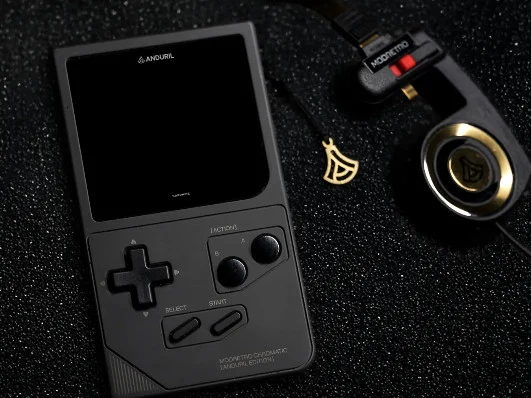
    The latest model, introduced by ModRetro this week, is known as the “Anduril Edition.” Its name is derived from the materials used in its make-up, which includes “the same magnesium aluminum alloy and Anduril’s attack drones,” as stated by ModRetro. Anduril is a manufacturer of weaponry that has contracts with the U.S. military, specializing in devices like autonomous attack drones.

    Unique Features

    Moreover, the Anduril Edition features a coating made from the “same ultra durable ceramic-polymer formulation that protects Ghost – Anduril’s flagship autonomous air vehicle,” according to ModRetro. It also sports Anduril’s logo, and a charm featuring the logo is included with the console.

    ModRetro claims that this version of the Chromatic is “for those in need of performance and reliability under any and all conditions.”

    Community Reaction

    It’s important to mention that Palmer Luckey, who owns ModRetro, is also the CEO of Anduril. This connection has caused quite a reaction within the retro gaming community. Several prominent retro gaming platforms, like Time Extension, have published articles responding to the announcement and have declared they will no longer feature ModRetro products.

    Source:
    Link


  • Larian Studios CEO: RAM Shortage Impacts New Divinity Game Development

    Larian Studios CEO: RAM Shortage Impacts New Divinity Game Development

    Key Takeaways

    1. RAM prices are rising rapidly, impacting both gamers and game developers.
    2. Larian Studios faces unprecedented challenges in development due to the RAM shortage.
    3. Rising RAM costs disrupt development planning and resource management for game studios.
    4. Extensive performance optimization is now required earlier in the development process.
    5. The RAM shortage is driven by high demand from AI data centers, complicating the market for consumers and developers.


    RAM prices have been increasing rapidly in recent months, and there are no obvious signs that this trend will reverse in the near future. Gamers are already feeling the pinch when attempting to enhance their PCs, but the issue runs deeper, affecting game developers as well.

    Challenges for Game Developers

    Larian Studios, the creators of Baldur’s Gate 3, are currently developing a new game in the Divinity series. In a recent chat with TheGamer, CEO Swen Vincke shared how the persistent RAM shortage is causing significant hurdles in their development process. He noted that this situation is unprecedented for the studio. Typically, teams can anticipate hardware trends and adapt their plans accordingly. However, this time, those strategies are ineffective.

    Vincke remarked, “Interestingly, another [issue Larian is facing] is really the price of RAM and the price of SSDs and fk, man. It’s like, literally, we’ve never had it like this.”

    Impact on Development Planning

    Vincke elaborated that the increasing costs of memory have thrown off their forecasts and complicated resource management. As RAM has become scarce and pricey, the development team must now prioritize heavy optimization much earlier than they had initially intended.

    “It kind of ruins all of your projections that you had about it because normally, you know the curves, and you can protect the hardware. It’s gonna be an interesting one.” He added, “It means that most likely, we already need to do a lot of optimization work in early access that we didn’t necessarily want to do at that point in time. So it’s challenging, but it’s video games.”

    Early Access Complications

    Similar to Baldur’s Gate 3, the new Divinity game is set to debut in early access, which presents its own set of challenges. Early access requires developers to maintain a live version of the game while it is still being built. However, the need for extensive performance optimization on top of that significantly complicates the process. Vincke acknowledged that this additional workload was not part of their original plans but has become essential due to current hardware constraints.

    The RAM shortage is primarily fueled by the soaring demand from AI data centers. Major companies are purchasing vast quantities of memory, which leaves scant supply for consumer and creative sectors. This has driven DDR5 prices to extreme heights. For example, Asgard recently introduced a 256GB DDR5 RAM kit in China that costs more than Nvidia’s flagship RTX 5090 GPU.

    A Sapphire PR manager recently suggested that consumers should avoid panic buying, indicating that DDR5 prices might improve in about six months. However, given the unstable market and ongoing demand from AI businesses, it may take longer than expected for prices to stabilize.

    Source:
    Link


  • Nex Playground Ranks No. 2 US Game Console by Prioritizing Fun

    Nex Playground Ranks No. 2 US Game Console by Prioritizing Fun

    Key Takeaways

    1. Affordability and Popularity: Nex Playground is priced at $250 and has become the second best-selling console in the U.S., surpassing PS5 sales before Black Friday.

    2. Gameplay Focus: The console prioritizes fun and engaging gameplay over high-end graphics, appealing to a wide audience with a straightforward approach.

    3. Unique Control System: Nex Playground uses a simple remote instead of traditional controllers, reducing costs and allowing for up to four players to be tracked simultaneously.

    4. Effective Pricing Strategy: Starting at $199 and later rising to $249, the pricing remains competitive, especially during holiday sales when it dropped to $200, attracting casual gamers.

    5. Market Positioning: Nex Playground shows that a focus on gameplay rather than graphics can succeed in a market dominated by high-end consoles, appealing to budget-conscious gamers.


    In a market where giants like Xbox, PlayStation, and Nintendo have long ruled, Nex Playground has popped up as a budget-friendly, family-oriented gaming option competing against the PlayStation 5 and Xbox Series S.

    Pricing and Popularity

    The Nex Playground is available for $250. This unique cube-shaped console has become quite popular, even surpassing PS5 sales in the week before Black Friday. Moreover, it ranks as the second best-selling console in the U.S., just behind the Nintendo Switch 2.

    Gameplay Focus

    Instead of following the trend of realistic graphics and ray tracing, Nex Playground opts for a more straightforward approach. Its design prioritizes fun and engaging gameplay, making it appealing to a wide range of players, largely due to its affordable pricing.

    Nex CEO David Lee has mentioned that Nex Playground is like a spiritual successor to the now-defunct Kinect motion sensor from Xbox.

    Insights on Success

    In a recent chat with the Game Business, Lee openly shared what he believes led to Playground’s impressive performance. He remarked:

    “We are not going to compete with high-end graphics. The graphic abilities on the Nex Playground are about the same as the PS3. But we can produce fun games on PS3.”

    He added, “The graphics are fine. It’s ten times better than the Wii. It’s not like it hasn’t improved since the Wii; it certainly has. And it allows us to create engaging games.”

    Another significant factor behind Playground’s triumph, as stated by Lee, is the absence of traditional controllers. He explained, “And there are no controllers. Controllers can be pricey these days. We use a simple remote to control games, and that’s all. Everything runs through the camera, which can track up to four players simultaneously. We made choices that keep the cost low.”

    Strategic Pricing

    Nex’s pricing strategy has proven effective. The Nex Playground started at $199 but rose to $249 in 2025. Still, it’s much more affordable compared to current-generation consoles from PlayStation, Nintendo, and Xbox.

    During the holiday sales, the Playground dropped back to $200, which further attracted casual gamers. Interestingly, the Playground surpassed Xbox hardware sales on Black Friday in terms of units sold, even though Xbox made more revenue due to the higher price of the Series S|X.

    As gaming costs rise, with RAM prices climbing and the industry focusing on visual quality over gameplay, the Nex Playground shows that sometimes a simple cube can be a better choice, especially for budget-conscious gamers in 2025 and beyond.

    Source:
    Link


  • Mangmi Unveils New Colors for Pocket Max Gaming Handheld

    Mangmi Unveils New Colors for Pocket Max Gaming Handheld

    Key Takeaways

    1. The Pocket Max will be available in three colors: Black, White, and Retro GB.
    2. The Black and White models feature color-matched buttons, while the Retro GB model has unique color accents.
    3. It will have a 7-inch OLED display with a 144Hz refresh rate and Full HD resolution.
    4. The display supports HDR, has a contrast ratio of 100,000:1, and covers 155% of the sRGB color gamut.
    5. Further details on the processor, RAM, storage, and battery life are expected but may not be revealed until 2026.


    Mangmi has been slowly sharing updates about its new handheld device, the Pocket Max. Just a few days back, they unveiled detailed info about the design and display features. Now, they have also released images showcasing the device in two new colors.

    Color Options

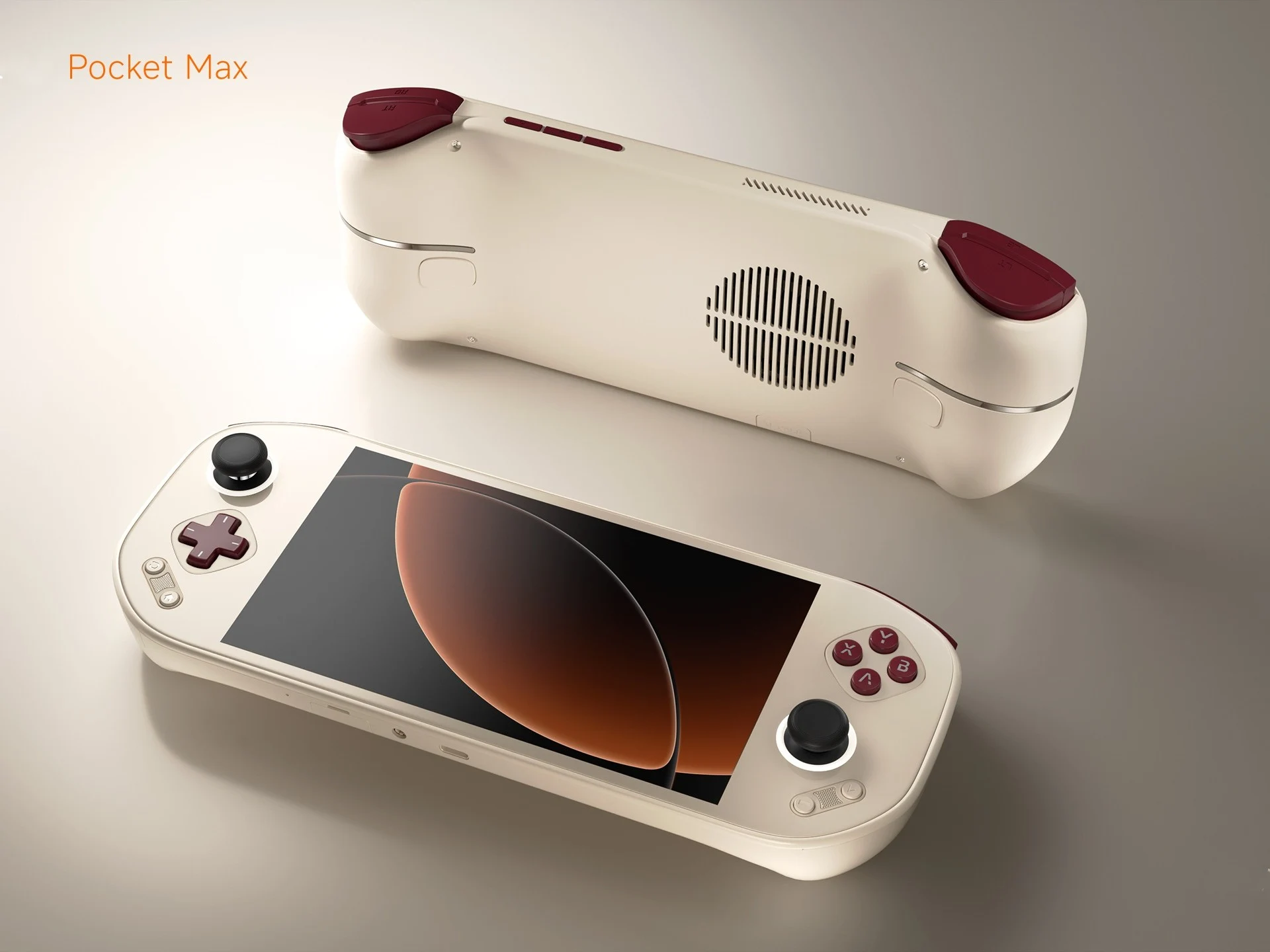
    From the earlier announcements, we already knew that the Pocket Max would be available in Black. Now, Mangmi has shared pictures of the Pocket Max in two more colors: White and Retro GB. All three color options feature a glass front that goes beyond the screen.

    Button Features

    Regarding the buttons and triggers, the Black model has buttons and triggers that match its color, while the action buttons feature orange accents. The White version follows the same pattern, but the Retro GB model, which resembles the Mangmi Air X, has black thumbsticks, and its D-Pad, triggers, and shoulder buttons are in a burgundy hue.

    Display Specifications

    Currently, Mangmi has only confirmed the display specs for the Pocket Max. It will sport a 7-inch OLED screen with a refresh rate of 144Hz and Full HD resolution. Reports indicate that it will support HDR, have a contrast ratio of 100,000:1, and cover a 155% sRGB color gamut.

    As time goes by, it is anticipated that Mangmi will reveal more information related to the processor, RAM, storage, and battery life. However, it’s still unclear whether all these details will be disclosed before the end of 2025 or if we will have to wait until 2026 for the complete information.

    Mangmi on X

    Source:
    Link


  • CEO criticizes Apple’s junk fees as Fortnite remains off iOS in Japan

    CEO criticizes Apple’s junk fees as Fortnite remains off iOS in Japan

    Key Takeaways

    1. Fortnite will not return to iOS in Japan due to Apple’s response to the Mobile Software Competition Act.
    2. Epic Games’ CEO, Tim Sweeney, criticized Apple for obstructing competition and disrespecting Japanese regulations.
    3. Despite legal victories allowing Fortnite’s return in some regions, Japan’s situation remains unchanged.
    4. Developers face high fees and mandatory reporting requirements when using competing app stores on iOS.
    5. Apple claims its policies are necessary for user safety and privacy, despite criticism from Epic Games.


    Epic Games has shared some disappointing updates regarding the iOS version of Fortnite in Japan. The well-known battle royale game will not be making a comeback on iOS devices or the App Store in Japan. This decision comes after Japan introduced a new regulation called the Mobile Software Competition Act, which mandates that Apple must permit third-party app stores on iPhones to enhance competition.

    Epic’s Criticism of Apple

    Epic’s CEO, Tim Sweeney, took to X to criticize Apple, stating that the company has engaged in “another travesty of obstruction and lawbreaking in gross disrespect to the government and people of Japan.” The relationship between Apple and Epic Games has been strained for several years, primarily due to Epic’s rejection of Apple’s 30% cut from in-app purchases. This dispute led to Apple removing Fortnite from the App Store back in 2020.

    Previous Comebacks

    Despite this ongoing conflict, Fortnite did make a return on iOS in the EU through third-party stores and the official App Store in the US after winning some legal battles. There was optimism that Fortnite would also return to iOS in Japan, but Apple’s response to the new regulations changed that outlook.

    Apple has technically opened iOS to competing app stores on iPhones, but not for iPads. Sweeney emphasized that they are imposing a “competition-crushing 21% junk fee on third-party in-app payments, and 15% for web purchases.”

    Legal Issues and Developer Concerns

    This situation has already been deemed illegal in a contempt of court case that Apple lost, which was affirmed by the 9th Circuit Court. From Epic’s viewpoint, the circumstances are worsening, as Apple is now taking a 5% cut from all apps sold through competing stores. Additionally, developers are required to use a “mandatory reporting API” that tracks every transaction and sends the data back to Apple.

    Moreover, users face warning messages when attempting to access alternative stores, which appears to be a tactic to create fear regarding privacy and security. Sweeney has pledged to escalate the issue to Japan’s Fair Trade Commission, asserting that “Obviously, real competition won’t happen, and consumers won’t benefit, when Apple abuses its position between users and competitors to obstruct honest dealing between them.”

    Apple’s Defense

    In contrast, Apple defends these actions as necessary to ensure user privacy and child safety, claiming that the fees are essential to cover the expenses associated with payment processing technology.

    Source:
    Link


  • Valve Replaces Steam Deck LCD with OLED, Impacting Budget Handhelds

    Valve Replaces Steam Deck LCD with OLED, Impacting Budget Handhelds

    Key Takeaways

    1. Valve has discontinued the Steam Deck LCD 256GB model, stating it will no longer be produced once sold out.
    2. Currently, only the 512GB and 1TB OLED versions of the Steam Deck are available, starting at $549, compared to the original LCD price of $399.
    3. Despite the discontinuation of the LCD model, other portable gaming PCs like the Asus ROG Xbox Ally and Lenovo Legion Go S offer alternatives.
    4. The OLED models feature a praised 7.4-inch display with high contrast, a 90Hz refresh rate, and HDR capabilities, although performance remains similar to the LCD version.
    5. The discontinuation may be influenced by memory shortages and rising DRAM costs, with potential impacts on future product launches.


    Despite the emergence of new options such as the ROG Xbox Ally, a lot of gamers still view the Steam Deck LCD as a better value. Sadly, for those who haven’t purchased the budget gaming device, they might be in trouble. In the U.S. at least, Valve’s online store shows that only the enhanced OLED version is available.

    Ominous Signs for Buyers

    When potential buyers visit the site, they’ll notice a concerning note beneath the cheaper model. Valve states that “We are no longer producing the Steam Deck LCD 256GB model. Once sold out, it will no longer be available.” To make matters worse, a sold-out tag is already displayed next to the LCD model.

    Limited Options Available

    Currently, customers can only select from the 512GB and 1TB versions of the Steam Deck OLED. The price difference is quite noticeable, with the base model now starting at $549. In contrast, the often-discounted LCD gaming device originally had a price of $399.

    Even with the discontinuation of Valve’s budget-friendly option, there remains a good variety in the portable gaming PC market. Alongside the Asus ROG Xbox Ally, the Lenovo Legion Go S falls within a similar price bracket. For those who don’t mind a little work, SteamOS can be installed on Windows 11 devices. However, fans have always enjoyed distinct Steam Deck features like its dual trackpads.

    Praise for the OLED Screen

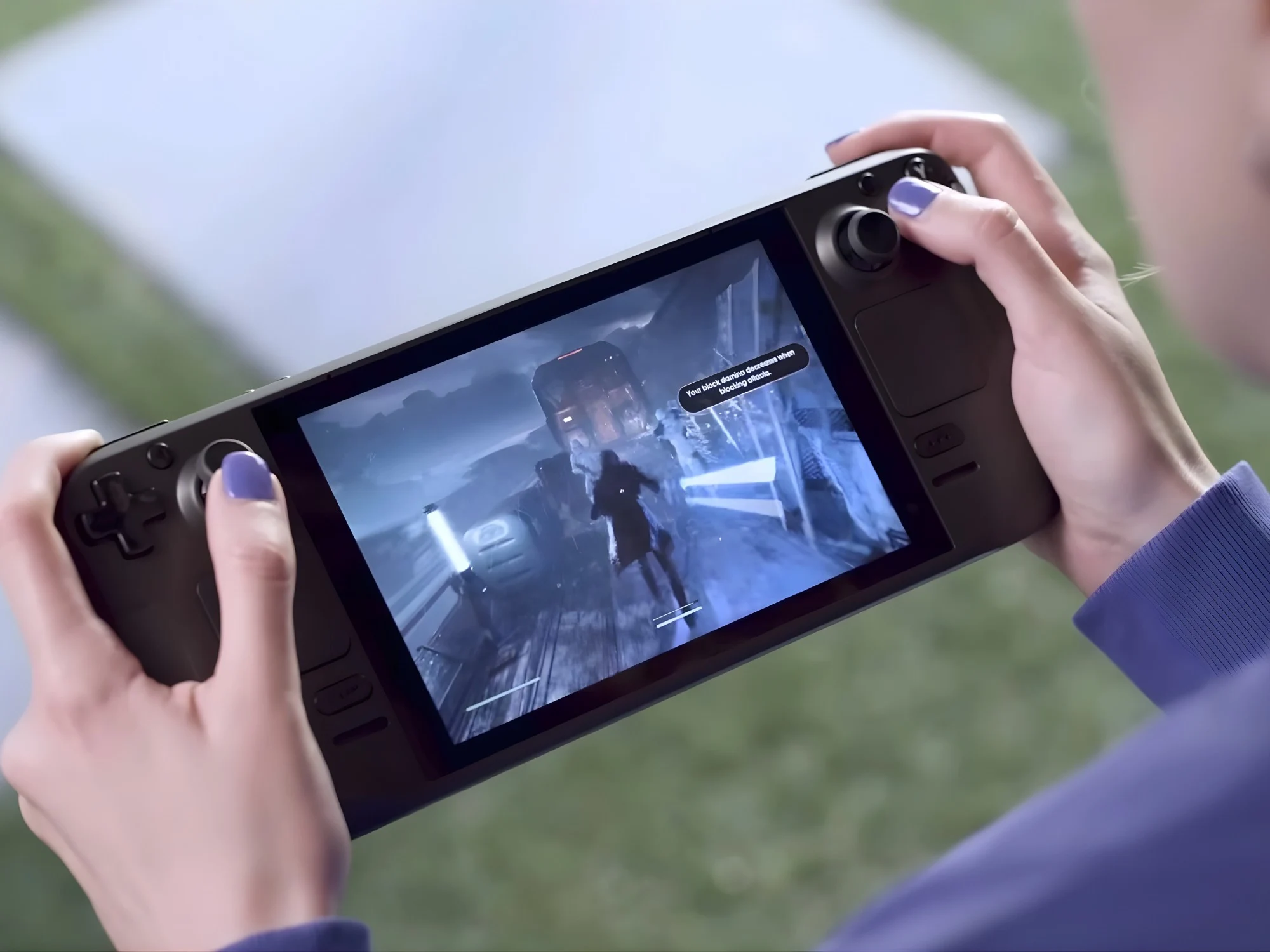
    A number of current owners are praising the slightly larger 7.4-inch OLED display on the remaining Valve models. This screen not only has high contrast but also boasts a 90Hz refresh rate and HDR capabilities. However, players shouldn’t expect a huge increase in performance since the processor remains similar.

    Regarding why Valve chose to stop the Steam Deck LCD now, one popular theory is gaining traction. A shortage of memory and increasing DRAM costs are creating difficulties for manufacturers. There have already been whispers that the company might postpone the launch of the new Steam Machine as a result.

    Valve might have concluded that after almost four years, it was time to retire the device. Nevertheless, the second-hand market is likely to keep the budget gaming handheld alive for a while longer.

    Source:
    Link


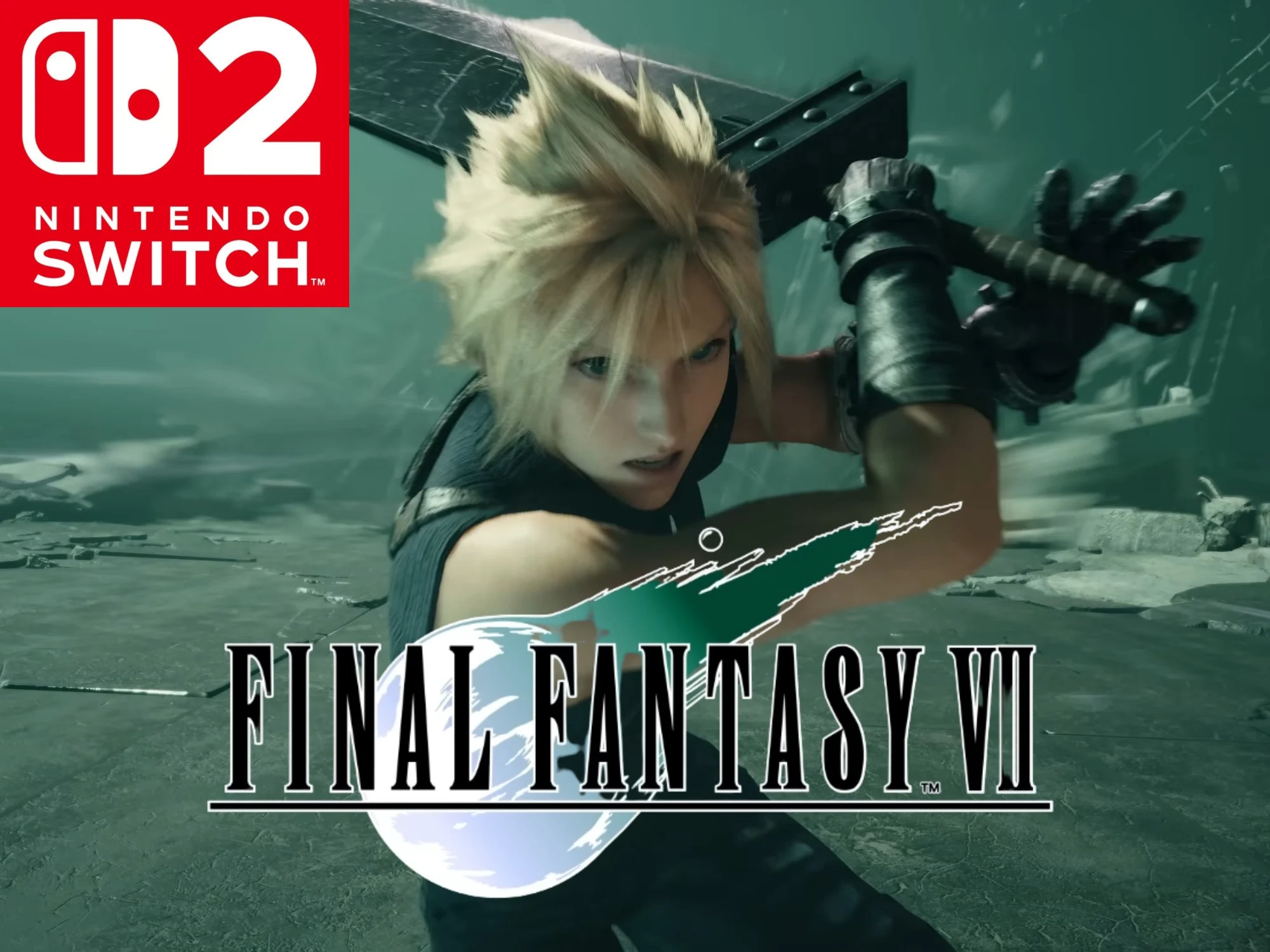
  • Final Fantasy 7 Remake Switch 2 Demo Beats Xbox Series S, PS4

    Final Fantasy 7 Remake Switch 2 Demo Beats Xbox Series S, PS4

    Key Takeaways

    1. The Switch 2 shows strong third-party support, with Final Fantasy 7 Remake performing well compared to Xbox Series S and PS4 versions.
    2. Frame rates on the Switch 2 remain stable around 30 fps, with fewer issues than previous versions, though handheld mode has more frame drops.
    3. The visuals are competitive with PS4 and even PS5/Series X, benefiting from DLSS technology for clearer images, despite some texture issues.
    4. The Switch 2 version often appears clearer than Xbox Series S, showcasing the advantages of its upscaling technology over others.
    5. A dedicated team for each platform during development has contributed to the game’s performance, but challenges may arise with upcoming titles like Final Fantasy 7 Rebirth.


    With the demo of Final Fantasy 7 Remake, the Switch 2 has made notable progress in gaining third-party support. An analysis from Digital Foundry reveals that the Nintendo version holds its own against the Xbox Series S and PS4 editions. Even gamers on PS5 and Series X may find that they need to make only slight sacrifices.

    Performance Insights

    Some may be doubtful about whether the specifications of the Switch 2 can handle such a demanding game from Square Enix. Thankfully, frame rates stayed close to 30 fps, showing fewer stutters compared to previous footage. While handheld mode does experience more frame drops, testers noted that the performance is still on par with the PS4 experience.

    Image Quality Comparison

    When it comes to image quality, this new port not only competes with the PS4 but also challenges the PS5 and Series X. Unique to this version, Nintendo’s console utilizes DLSS. Though it may be a lighter version of the upscaling technology, it produces surprisingly sharp visuals.

    In portable mode, the resolution upgrades from 720p to 1080p, but there’s some indication of Dynamic Resolution Scaling (DRS). Because of this, some textures can look softer at times. A significant downside of the Final Fantasy 7 Remake demo on Switch 2 is an overabundance of dithering, leading to shadows that are less defined compared to those seen on other consoles.

    Visual Quality in Action

    The static images provided by Digital Foundry show mostly clear textures on the handheld. However, during intense combat scenes, objects tend to display more jagged edges. Nevertheless, especially when docked, the increased pixel count at 1080p helps conceal these issues.

    Interestingly, the Switch 2 often appears cleaner than what the Xbox Series S produces. Microsoft’s less powerful console runs the game at 1440p in graphics mode, yet the handheld’s 1080p resolution comes out on top. The analysis attributes this success again to DLSS, which surpasses the TAA that Unreal Engine 4 relies on.

    Development and Future Challenges

    Naoki Hamaguchi, the director of the remake series, assigned dedicated teams for each platform. This decision seems to be beneficial, but Final Fantasy 7 Rebirth may present a greater challenge. Before players embark on the open-world adventure in that Switch 2 title, Remake Intergrade is set to launch on January 22nd.

    Digital Foundry YouTube.

    Source:
    Link