Category: Gaming

  • Xbox Sales Decline: Microsoft Focuses on Game Pass and Cloud Gaming

    Xbox Sales Decline: Microsoft Focuses on Game Pass and Cloud Gaming

    Key Takeaways

    1. Xbox console sales in the UK dropped by 39% in 2025, marking the worst year in Xbox sales history.
    2. In the U.S., Xbox sales fell by 70% year-over-year in November 2025, the lowest month for video game console sales since 1995.
    3. Microsoft laid off thousands of workers and canceled many projects in its gaming division amid these sales declines.
    4. Microsoft is shifting focus to the Xbox Game Pass subscription service and expanding first-party titles to more platforms.
    5. Despite challenges, Xbox has upcoming titles like Forza Horizon 6 and plans for a Developer Direct Stream to showcase future content.


    2025 has been quite a challenging year for Microsoft, especially for its Xbox gaming sector, particularly in the UK, where console sales have dropped by 39% compared to 2024.

    Sales Decline Insights

    Christopher Dring from The Game Business has provided insights into the decline in Xbox hardware sales. The reported drop is astonishing, marking a 39% decrease from the previous year, making 2025 the worst year in the history of Xbox sales.

    In contrast, Sony’s PlayStation 5 only experienced a smaller sales drop of about 12% in the UK. This highlights that while the gaming industry is facing some challenges, Xbox appears to be bearing the majority of the impact.

    A Troubling Trend in the U.S.

    However, the situation looks even bleaker for Microsoft’s gaming division in the U.S. Data from Circana indicated that Xbox console sales plummeted by 70% year-over-year in November 2025. Many experts have labeled November 2025 as the worst month for video game console sales since 1995.

    PlayStation also faced a notable decline that month, with a 40% decrease in sales, but Xbox’s drop is significantly more severe.

    Major Changes Ahead

    It’s clear that Xbox went through major changes in 2025. The company had to lay off thousands of workers within its gaming division and scrapped many highly anticipated projects.

    Despite these challenges, Microsoft is not giving up. They are refocusing their efforts on the Xbox Game Pass subscription service and expanding their first-party titles to more platforms. Interestingly, Sony is also starting to follow this trend by gradually releasing its in-house games on both Xbox and PlayStation PC.

    Xbox Cloud is becoming increasingly important for delivering AAA gaming experiences on various devices, including smartphones, PCs, low-end notebooks, and even cars with compatible OS. It’s been evident for some time that profit margins on console sales are quite slim, so this strategy seems logical. Nonetheless, it is a tough adjustment for gamers who are deeply invested in the Xbox ecosystem.

    Looking Forward

    Nevertheless, Microsoft appears unfazed by the recent setbacks. Matt Booty, the company’s president of game and content studios, mentioned that Xbox will be hosting a Developer Direct Stream next month. He stated, “We’ve got more stuff coming up than we can fit in one show.”

    Regardless, Xbox has several much-anticipated titles, with gamers looking forward to Forza Horizon 6, which is set in Japan. However, after a difficult 2025, it will require more than just promises for Xbox to regain its footing in a market that is currently dominated by Sony’s PS5 and Nintendo’s Switch 2, both of which boast extensive libraries of exclusive games.

    Source:
    Link



  • Nvidia DLSS 4.5: 2nd-Gen Transformer Boosts RTX 50, 20, 30

    Nvidia DLSS 4.5: 2nd-Gen Transformer Boosts RTX 50, 20, 30

    Key Takeaways

    1. Nvidia is launching DLSS 4.5 at CES 2026, not the anticipated RTX 50 Super series GPUs.
    2. DLSS 4.5 features a 2nd generation Transformer model that improves temporal stability, reduces ghosting artifacts, and enhances anti-aliasing.
    3. DLSS 4.5 currently upgrades only the Transformer model, with no changes to ray reconstruction or Nvidia Reflex.
    4. Multi-Frame Generation (MFG) technology is enhanced in RTX 50 GPUs, achieving up to 6x frame generation for smoother gameplay, with improved frame pacing and quality.
    5. Nvidia’s app allows users to apply DLSS 4.5 directly to compatible games, but MFG 6x will be available only in Spring 2026 for RTX 50 series GPUs.


    While it might catch some off guard, Nvidia is not revealing the anticipated RTX 50 Super series GPUs today. Instead, the company is presenting a new treat for gamers at CES 2026: the launch of DLSS 4.5.

    Improvements in DLSS 4.5

    The Transformer model in DLSS 4 significantly enhanced the quality of visual upscaling compared to the earlier convolution neural network (CNN) technique utilized in previous DLSS versions. Although the transition to Transformer was generally welcomed, it had its flaws, especially regarding ghosting effects and a drop in temporal stability in certain games.

    Nvidia aims to address these issues with the 2nd gen Transformer in DLSS 4.5 Super Resolution.

    As per Nvidia, the 2nd generation Transformer in DLSS 4.5 offers better temporal stability, which should lead to sharper images, fewer ghosting artifacts, and improved anti-aliasing.

    Some Drawbacks to Consider

    However, there are a few caveats to keep in mind! First, DLSS 4.5 currently only upgrades the Transformer model for upscaling purposes. There are no adjustments to DLSS 4’s ray reconstruction or Nvidia Reflex at this time.

    DLSS 4’s Transformer has some performance costs. Digital Foundry pointed out in their DLSS 4 analysis that the Turing RTX 20 series and Ampere RTX 30 series cards face a substantial performance hit with the Transformer, mainly because their Tensor cores only support FP16 inference natively.

    With the Ada Lovelace RTX 40 generation, Nvidia introduced native FP8 into the 4th gen Tensor cores, which greatly enhances Transformer-based upscaling. The latest Blackwell RTX 50 series GPUs are equipped with 5th gen Tensor cores that support native FP4 inference, making it the optimal choice for running Transformer with minimal performance loss.

    Nvidia suggests that the 2nd gen Transformer model in DLSS 4.5 is five times more compute-heavy and will significantly benefit from FP8 acceleration when used with RTX 40 series cards and newer.

    Thus, it’s reasonable to think that older RTX 20 and RTX 30 series GPUs will incur a relatively larger performance drop when enabling Transformer v2, although the precise amount can’t be determined until proper testing is conducted.

    Frame Generation Advancements

    While Ada brought frame generation thanks to the architecture’s optical flow accelerator, the RTX 50 Blackwell GPUs have taken it further with multi-frame generation (MFG), achieving rates up to four times the base frame rate using a clever feature called hardware flip metering.

    Even though MFG greatly enhanced the smoothness of gameplay and created the sensation of a higher frame rate, it has not been without issues.

    The primary worry has been about increased latency and input lag, much of which can be mitigated with Nvidia Reflex. Another significant concern was the appearance of glaring artifacts, particularly during fast-moving scenes.

    Alongside the 2nd generation Transformer, Nvidia is now rolling out MFG up to 6x on RTX 50 Blackwell GPUs. The company claims that MFG 6x brings better frame pacing and quality aimed at reaching 240 fps, as 240 Hz monitors are becoming more common.

    To facilitate this, DLSS 4.5 incorporates Dynamic Multi Frame Generation, allowing the system to automatically select the appropriate MFG multiplier (up to a maximum of 6x) to match the monitor’s refresh rate.

    According to Nvidia, DLSS 4.5 along with 6x MFG can achieve up to 246 fps on an RTX 5080 at 4K with path tracing enabled in Black Myth: Wukong.

    You won’t have to wait for game developers to implement DLSS 4.5 support in their games. The Nvidia app should let you apply the DLSS 4.5 override directly to any game in your library that supports DLSS starting today.

    Since older RTX cards might see performance penalties, Nvidia is also providing the option to switch between CNN, Transformer v1, and Transformer v2 as needed.

    However, MFG 6x will be available only in Spring 2026 for — you guessed it — exclusively the RTX 50 series GPUs.

    Source:
    Link


  • Acer Launches Predator X34 F3: 360Hz QD-OLED, KVM, USB-C

    Acer Launches Predator X34 F3: 360Hz QD-OLED, KVM, USB-C

    Key Takeaways

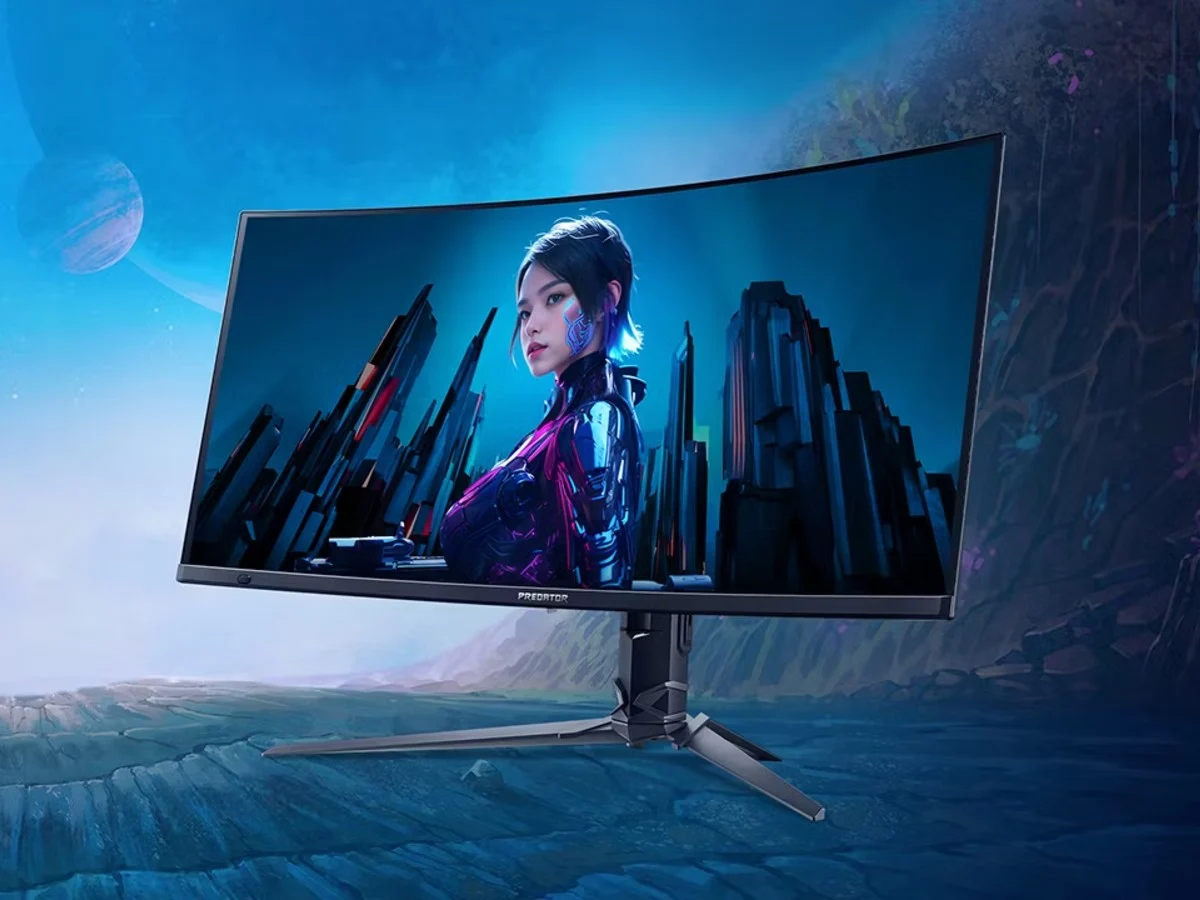
    1. Acer introduced the Predator X34 F3, a new 360 Hz OLED gaming monitor featuring a 34-inch ultrawide screen with a 1800R curvature.
    2. The monitor has a native resolution of 3440 x 1440, 99% DCI-P3 color coverage, and VESA DisplayHDR True Black 500 certification for enhanced brightness.
    3. Designed for competitive gaming, it includes FreeSync Premium Pro, a 0.03 ms response time, and aims to reduce motion blur.
    4. Connectivity options include HDMI 2.1, DisplayPort 1.4, and USB-C with 65 W Power Delivery, along with a KVM switch and built-in speakers.
    5. The Predator X34 F3 is set to launch in Q2 2026, priced at $1,199.99 in North America and €1,199 in EMEA regions.


    Acer is broadening its collection of OLED gaming monitors by introducing a new 360 Hz model that seems to incorporate one of Samsung’s newest QD-OLED panels. This was revealed at CES 2026, where they also showcased the Predator XB273U F6, which boasts a rapid 1,000 Hz refresh rate, and the Nitro XV270X P, featuring a 5K display. The fresh addition, Predator X34 F3, provides an ultrawide choice to Acer’s monitor offerings for 2026.

    Features of the Predator X34 F3

    The Predator X34 F3 is equipped with a 34-inch ultrawide screen that has a 1800R curvature and a native resolution of 3440 x 1440. It achieves 99% coverage of the DCI-P3 color space and holds a VESA DisplayHDR True Black 500 certification, allowing for brightness levels of up to 500 nits in HDR and 300 nits in SDR. Nevertheless, it remains uncertain if Acer is utilizing the new Samsung QD-OLED panel featuring an RGB Stripe sub-pixel arrangement, which is rumored to enhance text clarity and eliminate fringing.

    Designed for Competitive Gaming

    Clearly, the Predator X34 F3 targets competitive gamers. Besides its impressive 360 Hz refresh rate, it is compatible with FreeSync Premium Pro, which helps to lessen screen tearing. It also boasts an incredibly responsive 0.03 ms reaction time, significantly reducing motion blur during rapid gameplay. Furthermore, Acer has included a robust array of connectivity options, such as HDMI 2.1, DisplayPort 1.4, and USB-C that supports 65 W Power Delivery. Additional features encompass a KVM switch, built-in audio speakers, and Acer’s vision care suite, designed to cut down blue light, screen flickering, and reflections.

    Availability and Pricing

    The Predator X34 F3 has been announced by Acer during CES 2026, with an expected launch in Q2 2026, starting at a price of $1,199.99 in North America and €1,199 in EMEA regions.

    Source:
    Link


  • Alienware 18 Area-51: Most Powerful Gaming Laptop Yet

    Alienware 18 Area-51: Most Powerful Gaming Laptop Yet

    Key Takeaways

    1. High Power Limits: The Alienware 18 Area-51 can reach a combined gaming power budget of up to 280 W, enhancing performance compared to earlier models.

    2. Advanced Hardware Compatibility: It supports Intel Core Ultra 200HX processors and Nvidia GeForce RTX 50-series GPUs, including the powerful RTX 5090 with 24 GB of GDDR7 memory.

    3. Enhanced Cooling System: Features a new Cryo-Chamber design that improves airflow by 35% and reduces noise by 15%, with vapor-chamber cooling for RTX 5070 Ti models and above.

    4. Impressive Display and Connectivity: Offers an 18-inch WQXGA display with 300 Hz refresh rate, full DCI-P3 coverage, and extensive connectivity options including dual Thunderbolt 5 ports and Wi-Fi 7 support.

    5. High Memory and Storage Options: Configurable up to 64 GB of DDR5 memory and 12 TB of storage with multiple PCIe NVMe drives in RAID 0, weighing approximately 4.34 kg with a fast-charging 96 Wh battery.


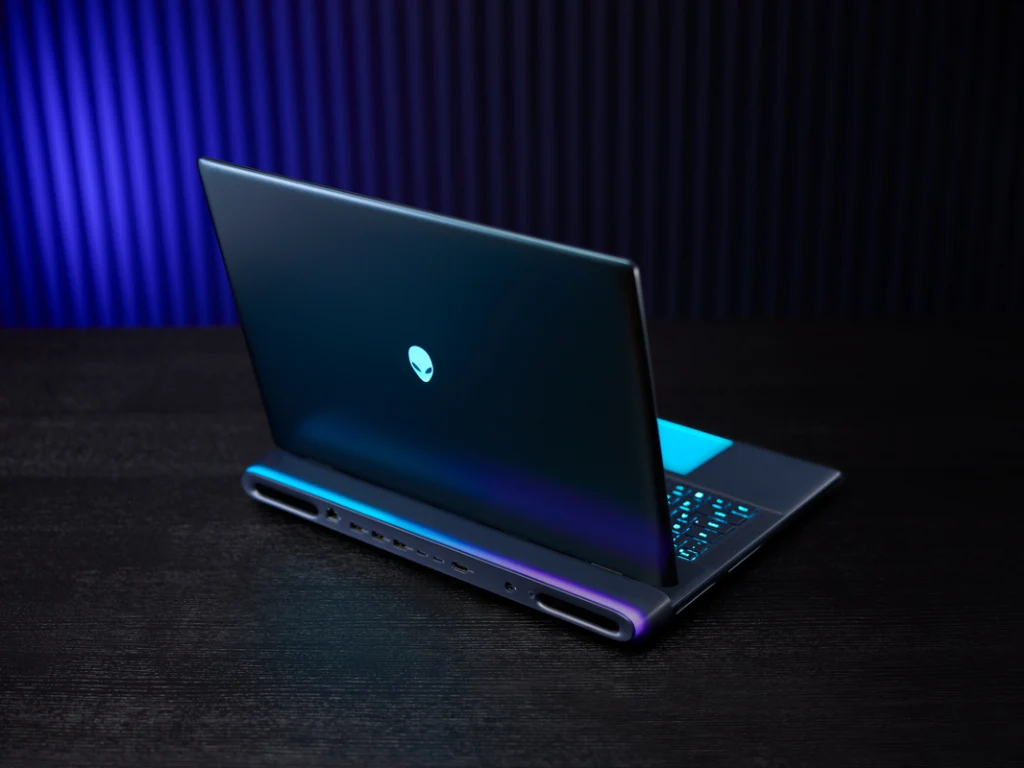
    Alienware has made a big announcement regarding the Alienware 18 Area-51, now the top model in its newly updated Area-51 laptop series. This new machine operates at a higher power limit compared to earlier Alienware models, allowing for a combined gaming power budget that can reach as high as 280 W.

    Power and Performance

    The Alienware 18 Area-51 is compatible with Intel Core Ultra 200HX series processors and Nvidia GeForce RTX 50-series laptop GPUs, which can go up to the RTX 5090 that includes 24 GB of GDDR7 memory. To support this powerful hardware, Alienware has introduced an enhanced power delivery system, featuring an 11-phase GPU and an 8-phase CPU voltage regulation, along with a 360 W GaN power adapter to handle the increased loads.

    Cooling and Design Features

    To manage heat, this laptop uses a newly designed Cryo-Chamber, which Alienware says boosts airflow by as much as 35% while also lowering system noise by 15%. The cooling system incorporates a larger vapor chamber and expanded copper coverage, but vapor-chamber cooling is only available for RTX 5070 Ti models and higher.

    Display and Connectivity Options

    The laptop boasts an 18-inch WQXGA (2560 × 1600) display that offers a 300 Hz refresh rate and a 3 ms response time, along with Nvidia G-Sync and Advanced Optimus support for seamless switching between integrated and discrete GPUs without a reboot. The display achieves full DCI-P3 coverage and can reach brightness levels up to 500 nits, plus it includes ComfortView Plus and Dolby Vision across all configurations.

    Memory can be configured up to 64 GB of DDR5, while storage options can reach as much as 12 TB by using multiple PCIe NVMe drives in a RAID 0 setup. The laptop provides connectivity options like dual Thunderbolt 5 ports, HDMI 2.1, several USB-A ports, a standard SD card reader, and 2.5G Ethernet. For wireless connectivity, it supports Wi-Fi 7 and Bluetooth 5.4. The total weight of the system is around 4.34 kg and it comes with a 96 Wh battery that can charge to 80% in just 35 minutes.

    As of now, specific pricing and availability information has not been released.

  • Alienware Aurora 16X: Portable Gaming with OLED and RTX 50 GPUs

    Alienware Aurora 16X: Portable Gaming with OLED and RTX 50 GPUs

    Key Takeaways

    1. Powerful Performance: Equipped with Intel Core Ultra HX processors and Nvidia RTX 50-series GPUs, the Aurora 16X features a robust cooling system for heavy use.

    2. Impressive Display: The 16-inch OLED screen has a resolution of 2560 × 1600, a 240 Hz refresh rate, and VESA ClearMR 9000 certification, ensuring high-quality visuals.

    3. Memory and Connectivity: Supports up to 64 GB of DDR5 RAM and PCIe Gen 4 NVMe storage, with various ports including Thunderbolt 4 and Wi-Fi 7 for enhanced connectivity.

    4. Design and Build: Weighs approximately 2.66 kg, features an anodized aluminum chassis, a 1-zone RGB keyboard, and a redesigned hinge for easier opening.

    5. Pricing and Availability: No pricing or availability details have been announced yet for the Aurora 16X.


    At CES 2026, Alienware has launched the Aurora 16X, a smaller gaming laptop positioned below the Area-51 series. It still comes equipped with Intel Core Ultra HX processors and Nvidia’s RTX 50-series laptop GPUs.

    Powerful Performance

    The Aurora 16X is powered by Intel Core Ultra 5, 7, or 9 HX processors, paired with Nvidia’s GeForce RTX 5060 or RTX 5070 laptop GPUs. The GPU performance is limited to 115 W, though Dynamic Boost can raise it by an additional 15 W depending on the specific setup. To ensure it runs smoothly under heavy use, the cooling system features Alienware’s Cryo-Chamber design, which includes dual fans, copper heat pipes, and several exhaust vents.

    Impressive Display

    This gaming laptop boasts a 16-inch OLED screen with a resolution of 2560 × 1600, offering a refresh rate of 240 Hz and a response time of just 0.2 ms. It is VESA ClearMR 9000 certified, supports HDR True Black 500, and covers an impressive 120% of the DCI-P3 color gamut, achieving a peak HDR brightness of up to 620 nits. Additionally, Alienware has added pixel-protection software to help minimize the risk of OLED burn-in.

    Memory and Connectivity

    The Aurora 16X can hold up to 64 GB of DDR5 RAM and PCIe Gen 4 NVMe storage, with options for RAID 0 in dual-drive setups. It features a wide array of ports, including Thunderbolt 4, USB-C with DisplayPort support, HDMI 2.1 linked directly to the discrete GPU, USB-A ports, and an RJ-45 Ethernet port. For wireless connections, it supports Wi-Fi 7 and Bluetooth 5.4.

    The laptop has a weight of around 2.66 kg and comes with a 90 Wh battery. The power supply is managed through either a 180 W or 280 W barrel charger, based on the GPU configuration, with an option for USB-C charging separately. The chassis is made of anodized aluminum for both the lid and bottom, features a 1-zone RGB keyboard with 1.4 mm key travel, and includes a redesigned hinge for easier one-handed opening.

    Pricing and Availability

    Currently, Alienware has not disclosed any pricing or availability information for the Aurora 16X.

  • Acer Nitro XV270X P: 5K 165Hz & 1440p 330Hz Monitor for $800

    Acer Nitro XV270X P: 5K 165Hz & 1440p 330Hz Monitor for $800

    Key Takeaways

    1. The Acer Nitro XV270X P gaming monitor features a top resolution of 5K (5,120 x 2,880) and a refresh rate of 165 Hz.
    2. It supports HDMI 2.1 and DisplayPort 1.4 connections, with a DFR mode allowing 1440p gaming at 330 Hz.
    3. The monitor has a minimum grey-to-grey response time of 0.5 ms and includes AMD FreeSync Premium for smooth visuals.
    4. It meets HDR400 standards with a peak brightness of 400 nits and covers 95% of the DCI-P3 color space.
    5. The Nitro XV270X P will be available in Q2 2026 for $799.99 in North America and will feature adjustable stand options.


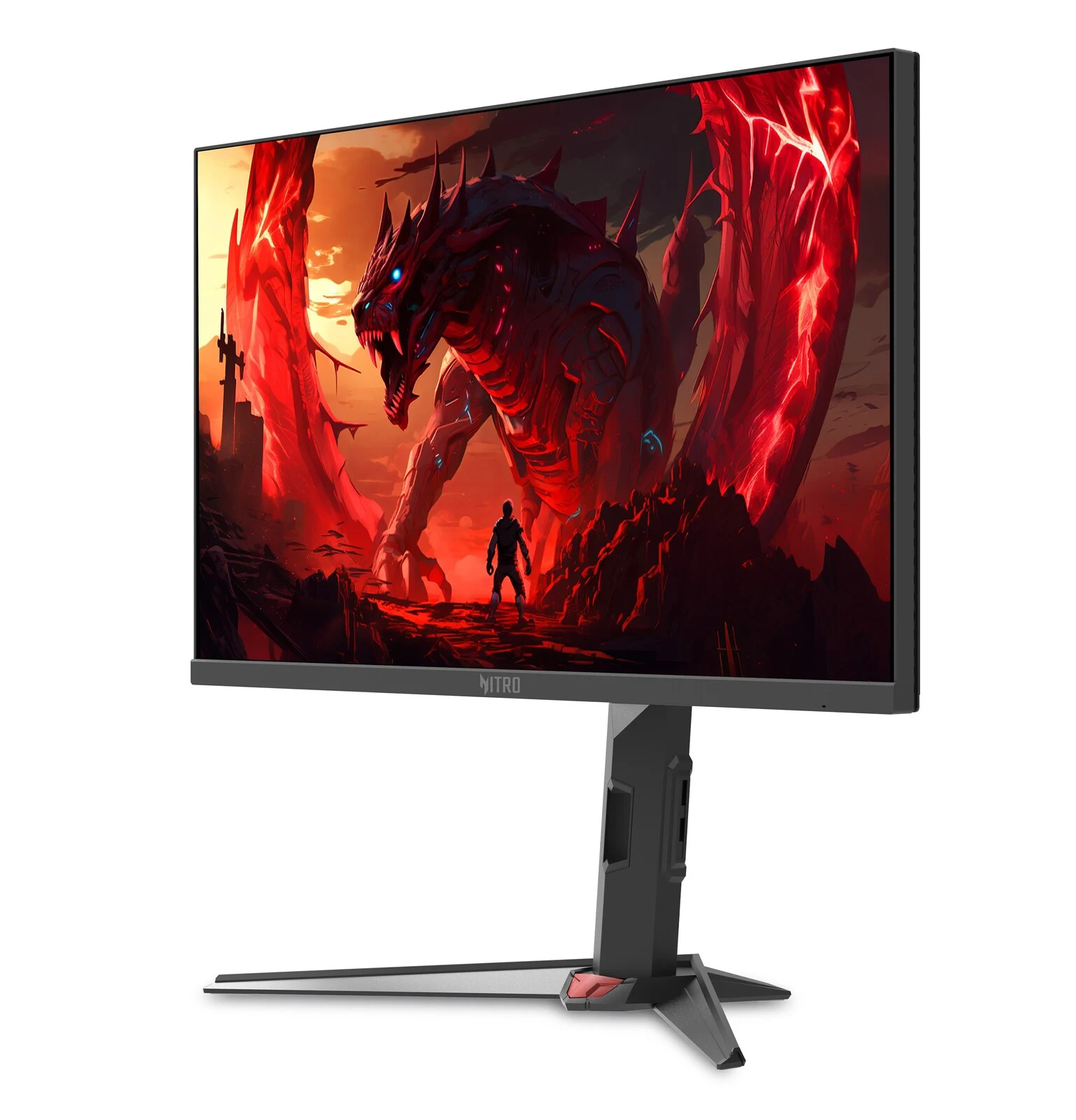
    While Acer’s Predator line is capturing attention at CES 2026 with astounding 1,000 Hz refresh rates and 360 Hz QD-OLED models, the brand isn’t neglecting everyday gamers. They are launching a new Nitro XV270X P gaming monitor that boasts a top resolution of 5K (5,120 x 2,880) with a refresh rate of 165 Hz.

    Improved Specs for the Nitro XV Series

    The Nitro XV series is no stranger to impressive specifications. Previously, the Nitro XV270X was showcased at IFA 2025, featuring a 5K resolution at 72 Hz and a QHD mode with a dynamic refresh rate of 144 Hz. This time, Acer is raising the bar by enhancing the 5K refresh rate to 165 Hz in the Nitro XV270X P model.

    Connectivity and Gaming Features

    This monitor achieves its high resolution through HDMI 2.1 or DisplayPort 1.4 connections. Gamers chasing even higher refresh rates can use the DFR mode, which permits 1440p gaming at 330 Hz.

    Acer claims the Nitro XV270X P has a minimum grey-to-grey response time of 0.5 ms for ultra-low latency and includes AMD FreeSync Premium to ensure smooth visuals without tearing. The company also mentions a “native contrast ratio” of 100,000,000:1, which seems a bit unrealistic, especially since there’s no evidence that this is a dual-layer IPS panel, and it certainly doesn’t qualify as a professional-grade monitor.

    Brightness and Design Features

    Nevertheless, the monitor reportedly meets Acer’s HDR400 standards with a peak brightness of 400 nits and covers 95% of the DCI-P3 color space.

    The Nitro XV270X P comes equipped with 2x HDMI 2.1 inputs, 1x DisplayPort 1.4 input, audio-out, and built-in dual 2 W speakers. The stand provided allows for tilt, swivel, height, and pivot adjustments to suit various viewing preferences.

    The Acer Nitro XV270X P is expected to hit the market in North America and China in Q2 2026, priced at $799.99 and ¥6,999, respectively. It will also be available in the EMEA region starting in Q3 2026, with a starting price of €899.

  • Asus ROG Zephyrus G14: Now with Intel and AMD Ryzen CPUs

    Asus ROG Zephyrus G14: Now with Intel and AMD Ryzen CPUs

    Key Takeaways

    1. The ROG Zephyrus G14 now offers options for both Intel and AMD processors, unlike last year’s version.
    2. AMD GPU options are limited to the GeForce RTX 5060, while Intel can be paired with RTX 5080 or RTX 5070 Ti.
    3. The Intel model supports up to 64 GB of LPDDR5x memory, whereas the AMD version is capped at 32 GB.
    4. Port configurations vary, with the Intel version featuring Thunderbolt 4 and the AMD version including a USB 4.0 port.
    5. The ROG Zephyrus G14 has a 14-inch WQXGA+ display with HDR brightness of 1,100 nits and a 120 Hz refresh rate.


    Alongside the ROG Zephyrus G16, Asus has also refreshed its smaller counterpart, the ROG Zephyrus G14. This time, customers can choose between Intel and AMD processors, which was not an option in last year’s version. However, there are some limitations regarding GPU selections. The Intel Panther Lake variant can be combined with either an Nvidia GeForce RTX 5080 or an RTX 5070 Ti GPU.

    AMD GPU Limitations

    Conversely, the AMD Ryzen AI 400 Gorgon Point model is restricted to a GeForce RTX 5060. This GPU not only provides significantly less VRAM compared to the RTX 5070 Ti (12 GB against 8 GB), but it also has fewer CUDA cores and a TDP of 130 Watts versus 100 Watts. This limitation may push gamers to use AI-enhanced upscaling technologies like DLSS and FSR to maintain high framerates. Additionally, the Intel Panther Lake SKU can support up to 64 GB of LPDDR5x-7500 memory, while the AMD version is capped at 32 GB. Both ROG Zephyrus G14 configurations can be set up with a maximum of 2 TB NVMe SSD for storage.

    Port Layout and Other Specs

    There are minor distinctions, such as the arrangement of ports, but these shouldn’t significantly impact everyday usage. The Intel version includes one Thunderbolt 4 port, one USB 3.2 Gen2 Type-C port, two USB 3.2 Gen2 Type-A ports, a micro SD card reader, an HDMI 2.1 port, plus a 3.5mm combo audio jack. Meanwhile, the AMD edition substitutes the Thunderbolt 4.0 port with a USB 4.0 port, a change seen across many laptops. Other specifications, including a 73 Wh battery with 200 W fast charging capability, Wi-Fi 6, Bluetooth 6.0, and a six-speaker array, remain unchanged.

    Display and Availability

    Similar to the ROG Zephyrus G16, the Zephyrus G14 features an enhanced ROG Nebula display. The 14-inch WQXGA+ (2,880 x 1,800) screen achieves a peak HDR brightness of 1,100 nits and boasts a 120 Hz refresh rate. Asus presents the laptop in Grey and White color options. While a price and launch date have not been disclosed, they will be announced in the future.

  • Asus ROG Zephyrus G16 Update: New Intel CPUs & Brighter Display

    Asus ROG Zephyrus G16 Update: New Intel CPUs & Brighter Display

    Key Takeaways

    1. New Intel CPUs: The ROG Zephyrus G16 features likely new Intel Core Ultra X9 388H or Core Ultra 9 368H processors, offering better performance than previous models.

    2. GPU Options: The laptop is available with Nvidia GeForce RTX 5090, RTX 5080, and RTX 5070 Ti graphics cards, with the RTX 5080 model including 64 GB of RAM and a 2 TB SSD.

    3. Display Improvements: The 16-inch WQXGA display has a 240 Hz refresh rate and can reach peak HDR brightness of 1,000 nits.

    4. Design Enhancements: A new circular vent design has been added for better heat dissipation.

    5. Connectivity and Features: The laptop supports Wi-Fi 7, Bluetooth 6, Thunderbolt 4.0, and various USB ports, weighing 1.95 kilograms and powered by a 90 Wh battery.


    Asus has made some exciting updates to its popular ROG Zephyrus G16 gaming laptop, featuring new Intel components. Even though the specific CPU model isn’t named, it’s likely to be either the Core Ultra X9 388H or the Core Ultra 9 368H, both of which include 16 cores. This should result in notable performance improvements compared to the Core Ultra 9 285H seen in last year’s models.

    GPU Choices Remain Steady

    On the graphics front, not much has shifted. The ROG Zephyrus G16 is available in three different versions: Nvidia GeForce RTX 5090, RTX 5080, and RTX 5070 Ti. Asus hasn’t disclosed the memory or storage options for the RTX 5090 model, but the RTX 5080 variant comes equipped with 64 GB of LPDDR5x RAM and a 2 TB SSD. In contrast, the RTX 5070 Ti model is capped at 32 GB of RAM and also features a 2 TB SSD.

    Display and Design Enhancements

    The 16-inch WQXGA (2,560 x 1,600) screen on the ROG Zephyrus G16 maintains its essential features, including a 240 Hz refresh rate. However, Asus asserts that the peak HDR brightness can reach up to 1,000 nits. Moreover, the company has introduced a new circular vent design to enhance heat dissipation. These represent the two most notable improvements for the latest gaming laptop.

    In terms of additional specifications, the laptop supports Wi-Fi 7, Bluetooth 6, one Thunderbolt 4.0 port, one USB 3.2 Gen2 Type-C port, two USB 3.2 Gen2 Type-A ports, one HDMI 2.1 port, an SD card reader, and a 3.5 mm audio combo jack. It weighs in at 1.95 kilograms and is powered by a 90 Wh battery. Asus hasn’t revealed the pricing for the new ROG Zephyrus G16 yet, but based on its predecessor and the recent memory shortage, it’s likely to be on the expensive side.


  • ARC Raiders Surpasses 12 Million Sales, Earns Over $350 Million

    ARC Raiders Surpasses 12 Million Sales, Earns Over $350 Million

    Key Takeaways

    1. ARC Raiders sold over 12 million copies shortly after its release on October 30, 2025, generating over $350 million in revenue.
    2. Sales stabilized by early December but saw a surge due to a 20% price reduction during the holiday season.
    3. January 4 recorded the highest sales day with 3.2 million daily active users, placing ARC Raiders third on Steam’s Most Played charts.
    4. The game sold 1.5 million copies within three days of launch and reached 4 million by the end of its second week.
    5. ARC Raiders won the Most Innovative Gameplay award at the Steam Awards.


    ARC Raiders has emerged as one of the most prominent games of 2025, with its recent sales figures showcasing its remarkable success. Created by Embark Studios, the game made its debut on October 30 and quickly achieved over 12 million copies sold within a brief time period.

    Sales Breakdown

    These impressive sales data were revealed by Rhys Elliott, an analyst from Alinea Analytics, on LinkedIn. He noted that ARC Raiders surpassed the 12 million copies sold milestone over the weekend. As a result of this success, the game has earned more than $350 million in revenue across various platforms.

    Sales Trends

    Rhys pointed out that sales have started to stabilize by early December, which is typical for major game releases after the initial excitement fades. Nevertheless, ARC Raiders experienced an unexpected surge due to a well-timed 20% price reduction on all platforms coinciding with the holiday season.

    This combination of factors significantly influenced the sales trajectory, leading to a rebound rather than a decline. In fact, January 4 marked the highest sales day yet, boasting 3.2 million daily active users. If you check Steam’s Most Played charts, you’ll notice ARC Raiders holding the third position, right behind Counter-Strike 2 and Dota 2.

    Achievements and Recognition

    Regardless, ARC Raiders has solidified its status as a major hit for Embark Studios. Within just three days of its launch, the game sold over 1.5 million copies. By the end of its second week, that figure had surged to 4 million. Furthermore, the game recently received the Most Innovative Gameplay award at the Steam Awards.

    Rhys Elliott shared these insights on LinkedIn.

    Source:
    Link


  • HP HyperX Omen 15: Compact Gaming Laptop with Intel, AMD, RTX 5070

    HP HyperX Omen 15: Compact Gaming Laptop with Intel, AMD, RTX 5070

    Key Takeaways

    1. HP has introduced new models in the HyperX Omen gaming laptop lineup, including the Omen 16 Slim, priced at $1,340 on Amazon.
    2. The Omen 15 features Intel’s Panther Lake platform and supports up to the Core Ultra 9 386H processor, along with options for older Intel and AMD processors.
    3. It can be customized with RTX 5050, RTX 5060, and RTX 5070 GPUs, each with 8 GB of GDDR7 VRAM.
    4. The laptop can include up to 32 GB of DDR5-5600 RAM and a 1 TB PCIe Gen 5 SSD, with display options including a high-end 2.8K OLED screen.
    5. Connectivity features include multiple USB ports, a 3.5 mm audio jack, Gigabit Ethernet, and an HDMI 2.1 port, but limited rear ports.


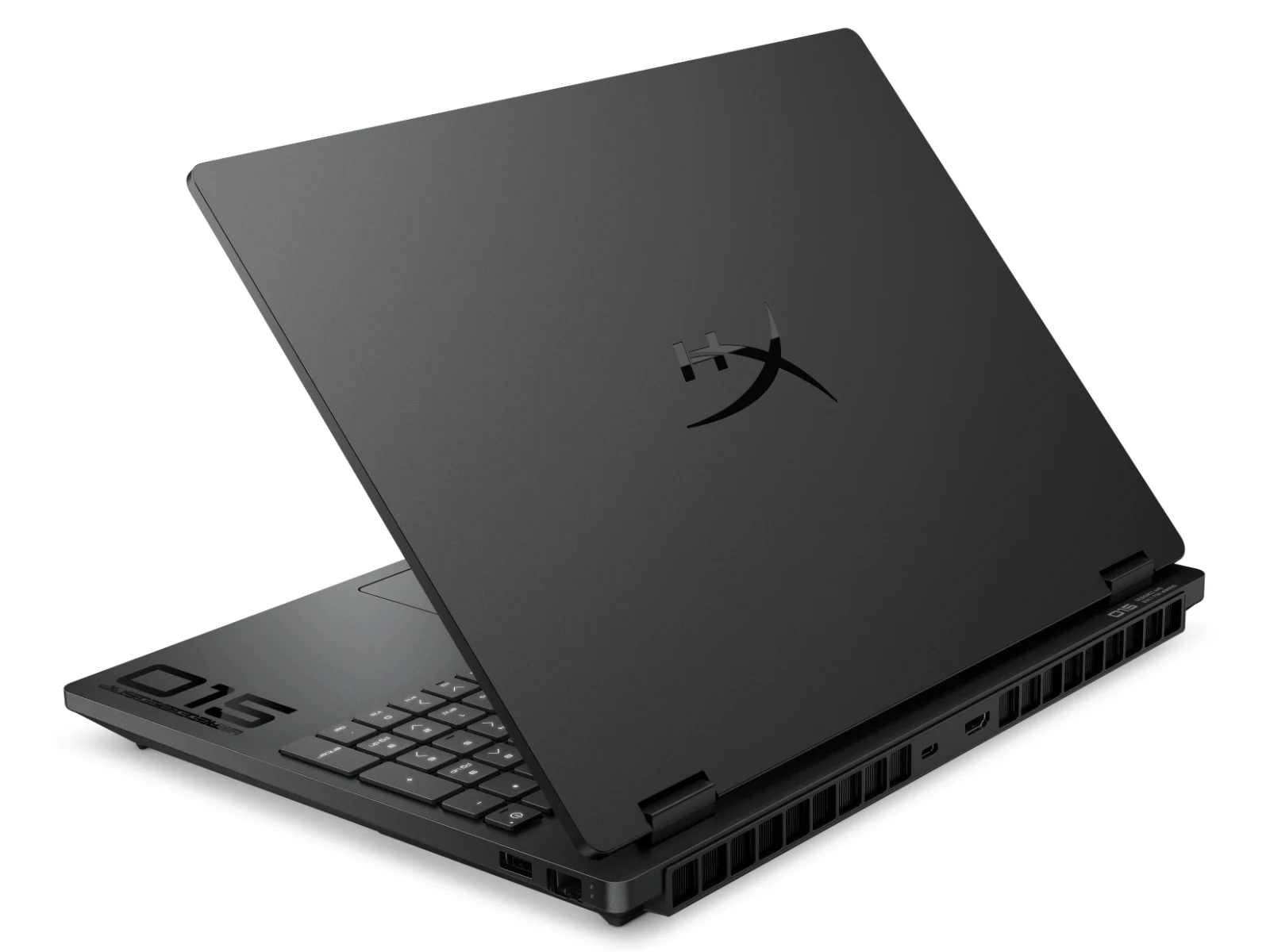
    HP has refreshed its HyperX Omen gaming laptop lineup by introducing a variety of new models to take the place of last year’s versions, such as the Omen 16 Slim, which currently sells for $1,340 on Amazon. While the Omen 15 keeps the Nvidia GeForce RTX 50 series laptop GPUs found in the 2025 models, it also makes several changes from older versions. Notably, the Omen 15 is among the first gaming laptops to use Intel’s Panther Lake platform.

    Processor Options

    HP specifies that it can support up to the Core Ultra 9 386H, along with next-generation AMD Ryzen and various other Intel CPUs. On the other hand, the Omen 15 can also be customized with older Intel processors, which range from the Core 5 210H and Core i5-14450HX to the Core Ultra 9 275HX. To complement these processors, HP pairs them with RTX 5050, RTX 5060, and RTX 5070 laptop GPUs, each carrying 8 GB of GDDR7 VRAM.

    Memory and Storage

    Additionally, the Omen 15 can come equipped with as much as 32 GB of DDR5-5600 MT/s RAM and a 1 TB PCIe Gen 5 SSD. HP also offers options for a white or 4-zone RGB backlit keyboard, including a numeric keypad. For displays, there are four choices, the top one being a 2.8K OLED 15.3-inch screen with a 16:10 aspect ratio, 120 Hz VRR, 1,100 nits HDR brightness, and complete 100% DCI-P3 color space coverage.

    Connectivity Features

    As illustrated in the accompanying images, the Omen 15 is equipped with ports on the left, right, and rear sides. Interestingly, HP has limited the rear to just a 10 Gbps Type-C port and an HDMI 2.1 port, while the side panels host two USB Type-A ports, a 3.5 mm audio jack, Gigabit Ethernet, and a barrel connector for power. At the moment, HP has yet to announce pricing or availability details.

    Source:
    Link