Tag: Nvidia RTX 50-series

  • Lenovo Launches New 15-Inch OLED Laptop with Intel Panther Lake

    Lenovo Launches New 15-Inch OLED Laptop with Intel Panther Lake

    Key Takeaways

    1. Lenovo has launched the Yoga Pro 7i Aura Edition, a premium compact model priced at approximately $2,149 in the US.
    2. The new model features a 15.3-inch OLED display with a 2.5K resolution, 165 Hz refresh rate, and 500 nits peak brightness.
    3. It is powered by Intel’s Panther Lake-H processors and includes dedicated Nvidia RTX 50 series graphics cards.
    4. Connectivity options include dual Thunderbolt 4 ports, a UHS-II card reader, and USB Type-A ports, with configuration choices for processors and GPUs.
    5. Additional charges apply for touchscreen and ForcePad upgrades; all configurations come with 32 GB of RAM and 1 TB storage.


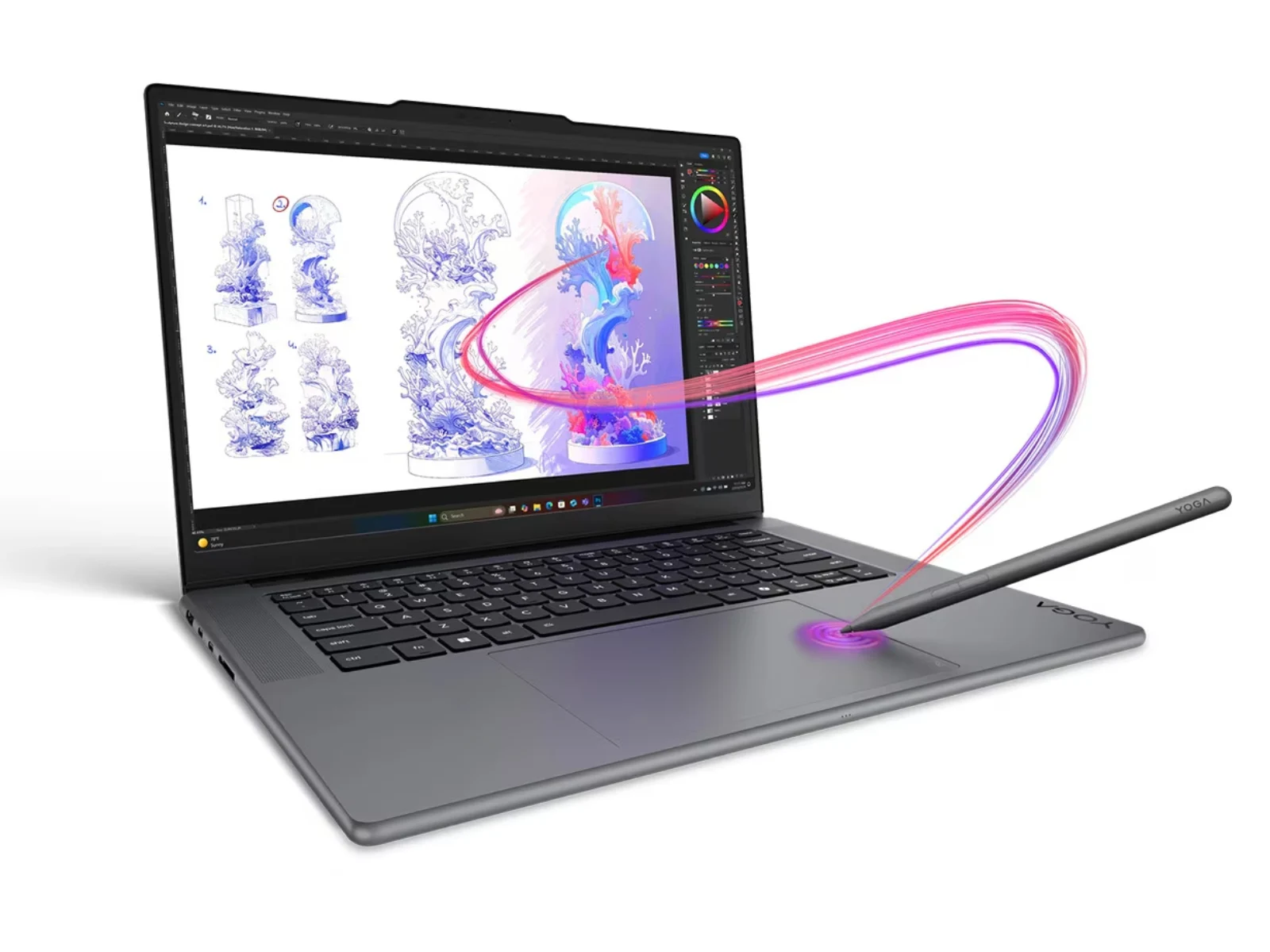
    Lenovo has just launched the Yoga Pro 7i Aura Edition. This model is a more premium yet compact version compared to the Yoga Slim 7i Aura Edition, which is currently priced at $1,202 on Amazon. The previous version of the Yoga Pro 7i Aura Edition was equipped with Intel Arrow Lake-H processors and sported a 14.5-inch OLED screen. For this Gen 11 model, Lenovo has made significant updates to the Yoga Pro 7i Aura Edition.

    Display and Performance Upgrades

    In the latest Gen 11 version, Lenovo has upgraded the Yoga Pro 7i Aura Edition to feature a 15.3-inch OLED display, boasting a 2.5K resolution with a refresh rate of 165 Hz. The screen achieves a peak SDR brightness of 500 nits and covers 100% of the DCI-P3 color spectrum. Additionally, this new edition is powered by Intel’s Panther Lake-H series processors and includes dedicated Nvidia RTX 50 series graphics cards.

    Connectivity and Configuration Options

    Furthermore, the Gen 11 edition comes equipped with various ports, including dual Thunderbolt 4 connections, a full-sized UHS-II card reader, and a pair of USB Type-A ports for convenience. Customers can choose to configure the Yoga Pro 7i Gen 11 Aura Edition with either the Core Ultra 7 356H or Core Ultra 9 386H processors, alongside Nvidia GeForce RTX 5050 or GeForce RTX 5060 laptop GPUs.

    Pricing and Additional Features

    It’s important to mention that Lenovo adds extra charges for the touchscreen display and the ForcePad touchpad upgrades, the latter of which also includes the Yoga Pen Gen 2. The starting price for the Yoga Pro 7i Aura Edition is approximately $2,149 in the US, €2,199 in the Eurozone, CAD 2,989 in Canada, and AUD 4,379 in Australia. All configurations come standard with 32 GB of RAM and 1 TB of M.2 2242 PCIe 4.0 storage.

    Source:
    Link


  • Lenovo Launches New 15-Inch OLED Laptop with Intel Panther Lake

    Lenovo Launches New 15-Inch OLED Laptop with Intel Panther Lake

    Key Takeaways

    1. Lenovo has launched the Yoga Pro 7i Aura Edition, a premium compact model priced at approximately $2,149 in the US.
    2. The new model features a 15.3-inch OLED display with a 2.5K resolution, 165 Hz refresh rate, and 500 nits peak brightness.
    3. It is powered by Intel’s Panther Lake-H processors and includes dedicated Nvidia RTX 50 series graphics cards.
    4. Connectivity options include dual Thunderbolt 4 ports, a UHS-II card reader, and USB Type-A ports, with configuration choices for processors and GPUs.
    5. Additional charges apply for touchscreen and ForcePad upgrades; all configurations come with 32 GB of RAM and 1 TB storage.


    Lenovo has just launched the Yoga Pro 7i Aura Edition. This model is a more premium yet compact version compared to the Yoga Slim 7i Aura Edition, which is currently priced at $1,202 on Amazon. The previous version of the Yoga Pro 7i Aura Edition was equipped with Intel Arrow Lake-H processors and sported a 14.5-inch OLED screen. For this Gen 11 model, Lenovo has made significant updates to the Yoga Pro 7i Aura Edition.

    Display and Performance Upgrades

    In the latest Gen 11 version, Lenovo has upgraded the Yoga Pro 7i Aura Edition to feature a 15.3-inch OLED display, boasting a 2.5K resolution with a refresh rate of 165 Hz. The screen achieves a peak SDR brightness of 500 nits and covers 100% of the DCI-P3 color spectrum. Additionally, this new edition is powered by Intel’s Panther Lake-H series processors and includes dedicated Nvidia RTX 50 series graphics cards.

    Connectivity and Configuration Options

    Furthermore, the Gen 11 edition comes equipped with various ports, including dual Thunderbolt 4 connections, a full-sized UHS-II card reader, and a pair of USB Type-A ports for convenience. Customers can choose to configure the Yoga Pro 7i Gen 11 Aura Edition with either the Core Ultra 7 356H or Core Ultra 9 386H processors, alongside Nvidia GeForce RTX 5050 or GeForce RTX 5060 laptop GPUs.

    Pricing and Additional Features

    It’s important to mention that Lenovo adds extra charges for the touchscreen display and the ForcePad touchpad upgrades, the latter of which also includes the Yoga Pen Gen 2. The starting price for the Yoga Pro 7i Aura Edition is approximately $2,149 in the US, €2,199 in the Eurozone, CAD 2,989 in Canada, and AUD 4,379 in Australia. All configurations come standard with 32 GB of RAM and 1 TB of M.2 2242 PCIe 4.0 storage.

    Lenovo’s presence spans across Australia, Canada, Germany, Ireland, and the US.

    Source:
    Link


  • Nvidia Boosts RTX 5060 Supply, Cuts 16GB Models During Memory Crisis

    Nvidia Boosts RTX 5060 Supply, Cuts 16GB Models During Memory Crisis

    Key Takeaways

    1. Gamers are disappointed with the 8GB RTX 50 series GPUs, expecting at least 12GB of VRAM due to higher memory demands in modern games.
    2. Nvidia plans to adjust the supply of RTX 50 series GPUs in 2026, focusing on reducing high-VRAM models and promoting budget-friendly options.
    3. Shipments of the RTX 5060 Ti 16GB and RTX 5070 Ti 16GB models have been decreased, prioritizing the RTX 5060 and RTX 5060 Ti 8GB versions instead.
    4. The RTX 5060 is expected to be the most supplied GPU in the RTX 50 lineup, targeting the Chinese market as a key sales driver.
    5. High memory prices may lead to further price hikes for lower-VRAM models, making it harder for PC builders to manage costs.


    When Nvidia launched the 8GB RTX 50 series GPUs, gamers had mixed feelings about it. A lot of them believed that even the entry-level cards should come with no less than 12GB of VRAM, particularly as today’s games require more memory. Now, it seems the situation is not getting better but rather worse.

    Nvidia’s Supply Plans for 2026

    A recent report from Board Channels indicates that Nvidia is gearing up to adjust the supply of its RTX 50 series GPUs in 2026. This strategy appears to be a response to the increasing cost of memory chips, which is affecting GPU production costs across the industry. To cope with this issue, Nvidia is said to be reducing the availability of high-VRAM models while promoting more budget-friendly options.

    Changes in Model Shipments

    According to the report, Nvidia has already decreased shipments of the RTX 5060 Ti 16GB and RTX 5070 Ti 16GB versions. Conversely, Nvidia and its partners are expected to prioritize the RTX 5060 and RTX 5060 Ti 8GB models in the future.

    Interestingly, the RTX 5060 is predicted to be the most commonly supplied GPU in the entire RTX 50 lineup, with the RTX 5060 Ti 8GB closely following it. These two models are reportedly being positioned as the main sales drivers for the RTX 50 series, especially within the Chinese market.

    Future Price Concerns

    The report also mentions that, with memory prices remaining high and possibly increasing even further, there’s a chance of additional price hikes in the next quarter. If this occurs, even these lower-VRAM models might see a rise in cost, complicating matters even more for PC builders.

  • Alienware Aurora 16X: Portable Gaming with OLED and RTX 50 GPUs

    Alienware Aurora 16X: Portable Gaming with OLED and RTX 50 GPUs

    Key Takeaways

    1. Powerful Performance: Equipped with Intel Core Ultra HX processors and Nvidia RTX 50-series GPUs, the Aurora 16X features a robust cooling system for heavy use.

    2. Impressive Display: The 16-inch OLED screen has a resolution of 2560 × 1600, a 240 Hz refresh rate, and VESA ClearMR 9000 certification, ensuring high-quality visuals.

    3. Memory and Connectivity: Supports up to 64 GB of DDR5 RAM and PCIe Gen 4 NVMe storage, with various ports including Thunderbolt 4 and Wi-Fi 7 for enhanced connectivity.

    4. Design and Build: Weighs approximately 2.66 kg, features an anodized aluminum chassis, a 1-zone RGB keyboard, and a redesigned hinge for easier opening.

    5. Pricing and Availability: No pricing or availability details have been announced yet for the Aurora 16X.


    At CES 2026, Alienware has launched the Aurora 16X, a smaller gaming laptop positioned below the Area-51 series. It still comes equipped with Intel Core Ultra HX processors and Nvidia’s RTX 50-series laptop GPUs.

    Powerful Performance

    The Aurora 16X is powered by Intel Core Ultra 5, 7, or 9 HX processors, paired with Nvidia’s GeForce RTX 5060 or RTX 5070 laptop GPUs. The GPU performance is limited to 115 W, though Dynamic Boost can raise it by an additional 15 W depending on the specific setup. To ensure it runs smoothly under heavy use, the cooling system features Alienware’s Cryo-Chamber design, which includes dual fans, copper heat pipes, and several exhaust vents.

    Impressive Display

    This gaming laptop boasts a 16-inch OLED screen with a resolution of 2560 × 1600, offering a refresh rate of 240 Hz and a response time of just 0.2 ms. It is VESA ClearMR 9000 certified, supports HDR True Black 500, and covers an impressive 120% of the DCI-P3 color gamut, achieving a peak HDR brightness of up to 620 nits. Additionally, Alienware has added pixel-protection software to help minimize the risk of OLED burn-in.

    Memory and Connectivity

    The Aurora 16X can hold up to 64 GB of DDR5 RAM and PCIe Gen 4 NVMe storage, with options for RAID 0 in dual-drive setups. It features a wide array of ports, including Thunderbolt 4, USB-C with DisplayPort support, HDMI 2.1 linked directly to the discrete GPU, USB-A ports, and an RJ-45 Ethernet port. For wireless connections, it supports Wi-Fi 7 and Bluetooth 5.4.

    The laptop has a weight of around 2.66 kg and comes with a 90 Wh battery. The power supply is managed through either a 180 W or 280 W barrel charger, based on the GPU configuration, with an option for USB-C charging separately. The chassis is made of anodized aluminum for both the lid and bottom, features a 1-zone RGB keyboard with 1.4 mm key travel, and includes a redesigned hinge for easier one-handed opening.

    Pricing and Availability

    Currently, Alienware has not disclosed any pricing or availability information for the Aurora 16X.

  • Razer Core X V2: New Thunderbolt 5 eGPU Enclosure with 140W PD

    Razer Core X V2: New Thunderbolt 5 eGPU Enclosure with 140W PD

    Key Takeaways

    1. The Razer Core X V2 is a Thunderbolt 5 eGPU dock with a bandwidth of up to 80 Gbps, supporting Thunderbolt 4 and USB4 at 40 Gbps max.
    2. It is compatible with Nvidia’s RTX 50 series and Radeon RX 9000 series GPUs, accommodating full-sized desktop cards.
    3. The eGPU dock supports 140 W power delivery for connected devices, suitable for gaming handhelds and laptops.
    4. It features a 120 mm fan with adjustable speed for cooling and includes side ventilation holes for airflow.
    5. The pricing for the Razer Core X V2 is set at $350, but availability details have not been announced.


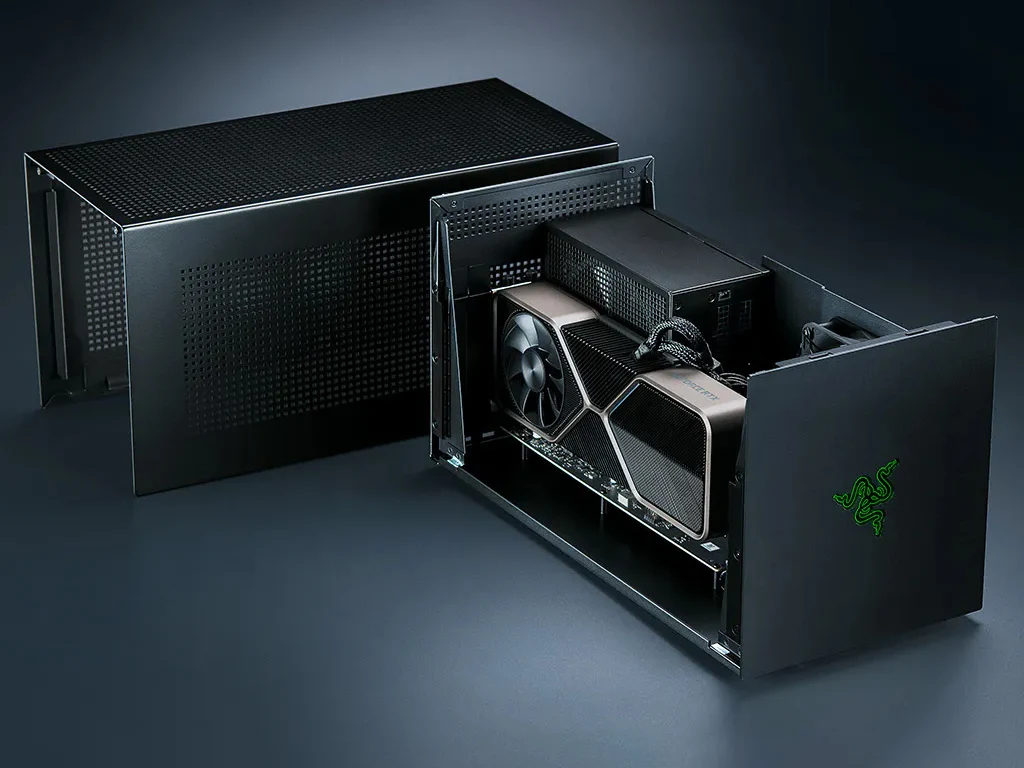
    The Razer Core X V2 has officially launched as a brand-new Thunderbolt 5 eGPU dock. It boasts a bandwidth of up to 80 Gbps, promising desktop-level performance. While it also supports Thunderbolt 4 and USB4 connections, these options will limit the bandwidth to a maximum of 40 Gbps, which is less than the capabilities of OCuLink.

    Compatibility with Latest GPUs

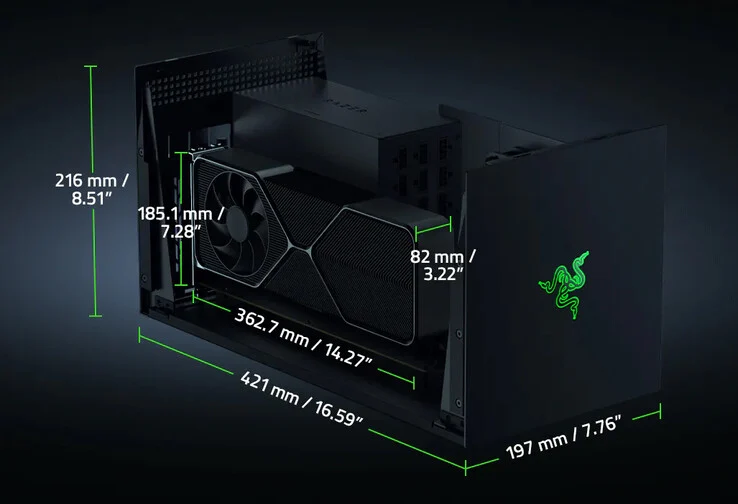
    Razer emphasizes that the Core X V2 is compatible with Nvidia’s RTX 50 series and Radeon RX 9000 series GPUs. This external GPU enclosure is designed to fit full-sized desktop cards, including those that are 4-slot wide (such as the ZOTAC RTX 5070 Ti Solid SFF OC, currently priced at $829.99 on Amazon). Regarding the power supply unit (PSU), the eGPU dock can accommodate a standard ATX power supply, though it is important to mention that one is not included with the enclosure.

    Power Delivery Features

    Another key feature of the Razer Core X V2 is its support for 140 W power delivery. This means the eGPU dock can supply up to 140 W of power to connected devices, which is sufficient for powering gaming handhelds and many laptops.

    To maintain proper cooling, this Thunderbolt 5 eGPU dock is equipped with a 120 mm fan. Razer indicates that the fan can automatically adjust its speed depending on the system load, and the enclosure includes ventilation holes on the side to ensure adequate airflow.

    Pricing and Availability

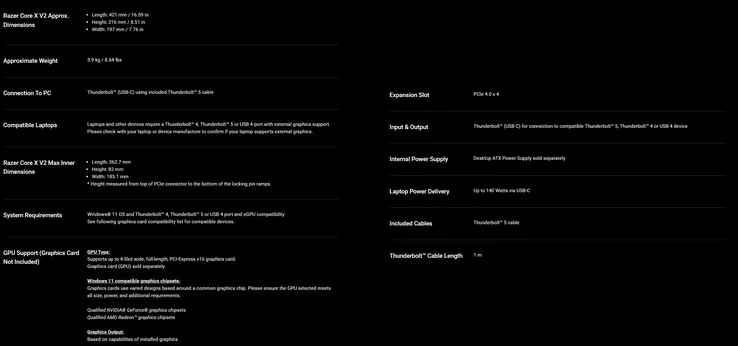
    In terms of pricing, the Razer Core X V2 is set at $350, but the company has not yet announced when the eGPU enclosure will be available for purchase. You can find more details in the attached spec sheet below.

    Source:
    Link


  • Radeon RX 9070 Price Hike Linked to MSRP Drop and AMD Rebate

    Radeon RX 9070 Price Hike Linked to MSRP Drop and AMD Rebate

    Key Takeaways

    1. AMD’s initial pricing for the Radeon RX 9070 was lower than expected, leading to elevated retail prices due to stock hoarding by retailers.
    2. AMD introduced a rebate program for RX 9070 GPUs, focusing on those at base clock speeds, but not uniformly applied across all retailers.
    3. There is a significant price disparity between premium RDNA 4 GPUs and lower-end models due to lack of price reductions from AMD.
    4. Supply issues have contributed to high prices, with AMD claiming that more shipments will eventually lead to better pricing at MSRP.
    5. Consumers may face inflated prices due to limited alternatives in the GPU market, as Nvidia has been criticized for stopping production of older models too soon.


    A recent video from Hardware Unboxed sheds light on the reasons behind the elevated prices of the Radeon RX 9070. One reason is that AMD set prices that were lower than what retailers had anticipated. To help bridge this gap, a rebate program has been introduced, but it specifically targets RX 9070 series GPUs that operate at base clock speeds.

    Production Timeline and Pricing Surprises

    The manufacturing of RDNA 4 graphics cards kicked off in late 2024, several months prior to AMD’s official introduction of the RX 9070 XT and RX 9070. Retailers began hoarding stock, while AMD had initially suggested a higher price of over $549 and $599. Many gamers found the pricing to be surprising, making the RX 9070 XT appear to be a great deal when compared to the Nvidia RTX 5070 Ti.

    Rebate Dynamics and Market Manipulation

    In order to maintain profit margins, AMD has rolled out rebates for retailers, but these adjustments are not being applied uniformly across all stores. There’s a hint of greed involved as well. While most rebates focus on MSRP models, both manufacturers and retailers profit more from overclocked versions that come with RGB lighting. Without AMD reducing prices on the more premium RDNA 4 GPUs, a significant price disparity exists between these and the lower-end models.

    Supply Challenges and Market Response

    Another factor contributing to the unexpectedly high prices for the Radeon RX 9070 is supply issues. David McAfee, AMD’s Corporate Vice President and General Manager, addressed claims of inflated pricing. He asserts that as shipments increase, partners will be able to offer more GPUs at MSRP. Although there was a substantial influx of RDNA 4 cards upon release, inventory has since diminished.

    Hardware Unboxed also touched on problems related to RTX 50-series supply and how they impact the broader market. Nvidia has been criticized for ceasing production of previous models too soon. Because of the lack of alternatives, consumers ended up paying inflated prices for graphics cards even before the Blackwell models were released.

    While AMD and Nvidia provide assurances, it’s understandable for buyers to feel doubtful. Looking back at previous GPU launches, gamers should be prepared for a lengthy wait for more stock at MSRP prices.

    Source:
    Link


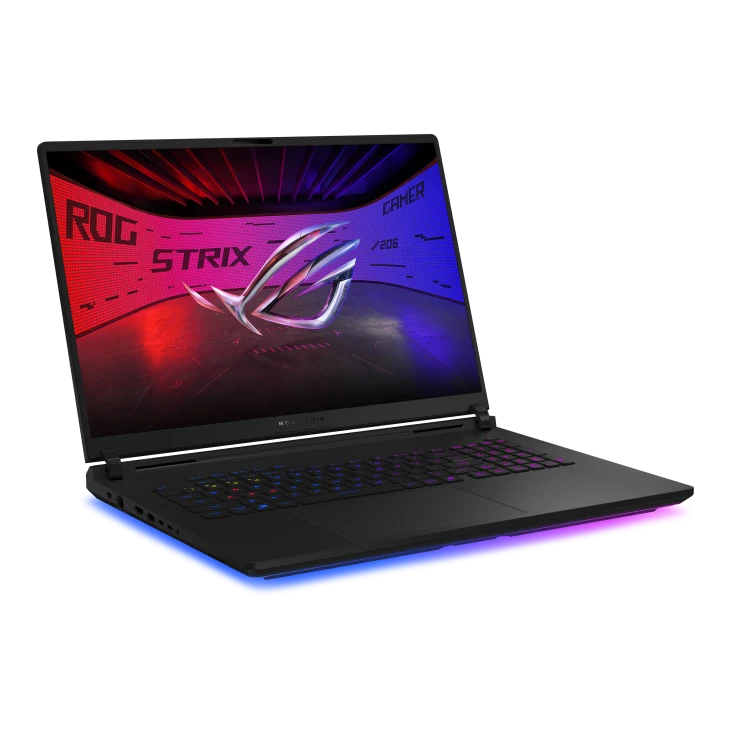
  • Pre-Order ASUS ROG Strix SCAR 16 & 18: Intel Core Ultra 9, RTX 50

    Pre-Order ASUS ROG Strix SCAR 16 & 18: Intel Core Ultra 9, RTX 50

    Key Takeaways

    1. Powerful Specifications: The ASUS ROG Strix SCAR 16 and 18 feature NVIDIA RTX 50 Series GPUs and Intel Core Ultra 9 processors, making them ideal for gamers and heavy users.

    2. Display Options: The SCAR 16 has a 16-inch 2.5K ROG Nebula HDR mini-LED display with a 240Hz refresh rate, while the SCAR 18 sports an 18-inch Pantone-validated mini-LED screen, both offering high brightness levels.

    3. Advanced Cooling Solutions: Both models utilize Tri-Fan Technology, vapor chamber cooling, and liquid metal thermal paste to maintain optimal temperatures and reduce noise during heavy use.

    4. Pricing and Availability: Prices start from $2,699.99 for the SCAR 18 and $3,299.99 for the SCAR 16, with pre-orders available on ASUS’s website and select retailers.

    5. Design and Customization: Both laptops feature RGB lighting with Aura Sync and AniMe Vision LED effects, with the SCAR 18 designed for better airflow and the SCAR 16 prioritizing portability.


    ASUS has started taking pre-orders for their 2025 ROG Strix SCAR 16 and 18 gaming laptops, which come equipped with NVIDIA’s RTX 50 Series GPUs and Intel Core Ultra 9 processors, along with sophisticated cooling solutions. This new range is aimed at gamers and heavy users who require exceptional performance for AAA games, multitasking, and content creation.

    Graphics and Performance Options

    Customers can choose from RTX 5070 Ti, 5080, or 5090 graphics cards. These laptops feature an Intel Core Ultra 9 275HX CPU and can accommodate up to 32GB of DDR5-5600 RAM, paired with a 2TB PCIe Gen4 SSD that can be upgraded without tools. The display options differ by model: the SCAR 16 comes with a 16-inch 2.5K ROG Nebula HDR mini-LED display boasting a 240Hz refresh rate and brightness levels reaching up to 1,200 nits, whereas the SCAR 18 sports an 18-inch Pantone-validated mini-LED screen at the same brightness.

    Cooling and Connectivity

    Both models are designed with Tri-Fan Technology, vapor chamber cooling, and liquid metal thermal paste (Conductonaut Extreme) to control temperature effectively while keeping noise around 45dB under load. For connectivity, they feature Wi-Fi 7, Bluetooth 5.4, and two Thunderbolt 5 ports.

    Pricing and Availability

    Pricing starts at 2,699.99 dollars for the SCAR 18 with an RTX 5070 Ti and 1TB SSD, increasing to 3,399.99 dollars for an RTX 5080 build with 2TB storage and 4,499.99 dollars for the RTX 5090 version. The SCAR 16 begins at 3,299.99 dollars with an RTX 5080 and a 2TB SSD, going up to 4,299.99 dollars with the RTX 5090. Pre-orders are live on ASUS’s website, and the premium SCAR 18 with RTX 5090 is also available at Best Buy. Each model includes a 90Wh battery and supports NVIDIA’s DLSS 4 and Frame Generation for enhanced ray tracing capabilities.

    Design Features

    Both the SCAR 16 and 18 are equipped with RGB lighting via Aura Sync and an AniMe Vision LED array on the lid for custom effects. The SCAR 18’s larger body allows for better airflow, while the SCAR 16 is more portable without compromising on power.


  • Nvidia GeForce RTX 50 Series Benchmarks: DLSS 4.0 Needed for Gains

    Nvidia GeForce RTX 50 Series Benchmarks: DLSS 4.0 Needed for Gains

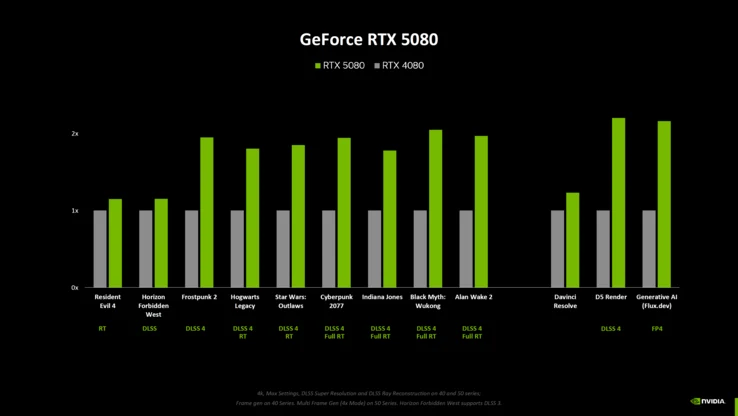
    Nvidia has made some strong statements during the RTX 50 series launch at CES 2025. One notable claim is that the GeForce RTX 5070 could match the performance of the RTX 4090 in certain scenarios. Recently, initial benchmarks from Computerbase have surfaced, showcasing the performance of the Blackwell-based GPUs like the GeForce RTX 5090, RTX 5080, RTX 5070 Ti, and RTX 5070 compared to their Ada Lovelace predecessors.

    Performance Highlights

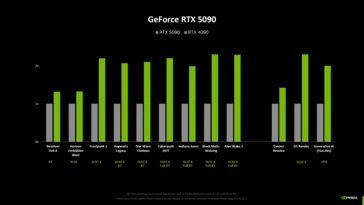
    The real capabilities of Nvidia’s top-tier GeForce RTX 5090 become clear in games like Resident Evil 4 and Horizon Forbidden West. When compared to the GeForce RTX 4090, the former runs about 25% faster on the new Blackwell architecture without any AI-driven upscaling, while the latter shows similar performance using an older DLSS version.

    DLSS 4.0 Impact

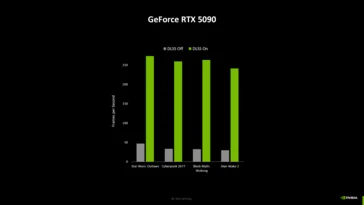
    However, when DLSS 4.0 is utilized, there’s a performance increase of more than double in titles like Black Myth: Wukong, Alan Wake 2, and Star Wars: Outlaws. Even though the GeForce RTX 5090 can handle these games at max settings natively, DLSS 4.0 reportedly offers a 5x improvement in frame rates, according to Nvidia’s tests.

    RTX 5080 Limitations

    On the other hand, the GeForce RTX 5080 doesn’t impress much. Without DLSS, its performance increase over the RTX 4080 is minimal. This isn’t surprising since both cards share similar VRAM and CUDA core specifications, and it appears that the additional power and GDDR7 memory on the RTX 5080 aren’t making a significant difference.

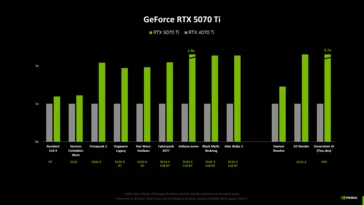
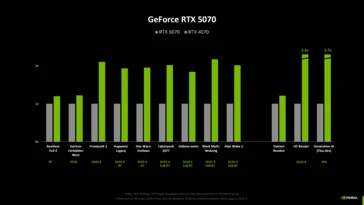
    Even with the GeForce RTX 5070 Ti and RTX 5070 boasting considerably more and quicker GDDR7 VRAM compared to the RTX 4070 Ti and RTX 4070, the actual performance gains in games aren’t remarkable. Once again, significant improvements only arise when DLSS 4.0 is active. This trend is likely to persist across the entire Blackwell series, including the laptop models.

    Overall Assessment

    While some may find the GeForce RTX 5090 compelling enough to upgrade from their RTX 4090, the rest of the series doesn’t seem to deliver substantial generational enhancements. However, advancements like DLSS 4 and Neural Rendering are exciting from a technical perspective.

    In conclusion, the GeForce RTX 50 series could be a good option for users with RTX 30 series cards. Specifically, the GeForce RTX 5070 Ti and RTX 5070 may serve well as solid choices for 1080p and 1440p gaming, respectively. It might be wise to wait for AMD’s launch of the RDNA 4-based Radeon RX 9070 XT and RX 9070, which appear to show some promise based on early rumors.

    Source:
    Link


    Nvidia GeForce RTX 50 Series Benchmarks: DLSS 4.0 Needed for GainsNvidia GeForce RTX 50 Series Benchmarks: DLSS 4.0 Needed for GainsNvidia GeForce RTX 50 Series Benchmarks: DLSS 4.0 Needed for GainsNvidia GeForce RTX 50 Series Benchmarks: DLSS 4.0 Needed for GainsNvidia GeForce RTX 50 Series Benchmarks: DLSS 4.0 Needed for Gains


  • Best Buy Reveals Nvidia RTX 50 Series Gaming Laptops Before Launch

    Best Buy Reveals Nvidia RTX 50 Series Gaming Laptops Before Launch

    Nvidia has officially announced the RTX 50 series GPUs at CES 2025, with desktop models set to launch on January 30. Meanwhile, the laptop GPUs are expected to hit the market in March. However, Best Buy has already begun showcasing several gaming laptops equipped with these new GPUs.

    Gaming Laptops at Best Buy

    As highlighted by X user @Momomo_us, Best Buy has listed nine gaming laptops utilizing the RTX 50 series GPUs. Out of these, eight are from Asus, while one comes from HP. The most budget-friendly choice is the ROG Strix G16, featuring the Nvidia RTX 5070 Ti and AMD “Ryzen 9 HX” processor. Although the listing does not clarify the CPU details, the laptop is priced at $1,899.99.

    Other Options Available

    Another option with a higher price tag is the Asus ROG Zephyrus G16, which includes the Nvidia RTX 5070 and Lunar Lake Intel Core Ultra 9. Again, specific details about the CPU are not provided, but it is listed for $1,999.99. Among the other options, the most expensive one is the ROG Strix Scar 18.

    High-End Gaming Laptop

    This gaming laptop is equipped with the Nvidia RTX 5090 and Intel Core Ultra 9 HX. It currently has a price tag of $4,199.99 on Best Buy. There are various choices available in between these price points, and the HP model is the Omen Max 16, which features RTX 5080 and Core Ultra 9 275HX configuration, listed at $2,699.99.

    It’s important to note that none of the gaming laptops listed are actually available for purchase yet. Best Buy has displayed a “coming soon” notice for all these models, which is expected to be changed in March.

    Source:
    Link

  • Asus Prepares ROG NUC Mini PC with Nvidia RTX 50 Series GPUs

    Asus Prepares ROG NUC Mini PC with Nvidia RTX 50 Series GPUs

    Asus has introduced the ROG NUC, a new series of compact gaming PCs, in July 2024. Recent information suggests that Asus is gearing up to launch the next version of this lineup. The first generation boasted impressive specs, featuring up to an Nvidia RTX 4070 and the Intel Core Ultra 9 185H. According to the latest reports, the upcoming model is set to bring significant upgrades in both CPU and GPU performance.

    New Specifications

    The next version of the Asus ROG NUC is expected to come equipped with Intel Core Ultra 200H processors. In terms of graphics, this new gaming mini PC will utilize Nvidia’s RTX 50 series, with the highest configuration likely featuring an RTX 5070, while another option may include an RTX 5060. This suggests that users can look forward to enhanced gaming experiences with better graphics.

    CES 2025 and Pricing Speculations

    Asus has announced that the new NUC mini PCs will officially be unveiled at CES 2025, which is just around the corner. However, specific pricing details have not been revealed yet. Reports from 孤城Hardware on Weibo indicate that the pricing in China will be based on the 2024 model, but it remains uncertain if this will apply to other markets as well.

    For context, the 2024 Asus ROG NUC 14, featuring an Intel Core Ultra 9 185H, Nvidia RTX 4070, and 16 GB of RAM, was priced at $2,199. This was seen as quite high for a mini PC. At this price point, buyers could alternatively opt for a laptop powered by an RTX 4080, like the ROG Strix G18, currently listed at $2,199.99 on Best Buy. Nevertheless, mini PCs are often favored for setups where space is limited.

    Market Positioning

    If the reports are accurate, the high-end configurations of the upcoming ROG NUC with RTX 50 series GPUs will also likely be on the pricier side. This could position the gaming mini PC as a niche product in the market, appealing to a specific audience looking for compact yet powerful gaming solutions.

    孤城Hardware on Weibo via: VideoCardz and Tom’s Hardware

    Source: Link


    Image 1
    Image 1