
Key Takeaways
1. Gamers are disappointed with the 8GB RTX 50 series GPUs, expecting at least 12GB of VRAM due to higher memory demands in modern games.
2. Nvidia plans to adjust the supply of RTX 50 series GPUs in 2026, focusing on reducing high-VRAM models and promoting budget-friendly options.
3. Shipments of the RTX 5060 Ti 16GB and RTX 5070 Ti 16GB models have been decreased, prioritizing the RTX 5060 and RTX 5060 Ti 8GB versions instead.
4. The RTX 5060 is expected to be the most supplied GPU in the RTX 50 lineup, targeting the Chinese market as a key sales driver.
5. High memory prices may lead to further price hikes for lower-VRAM models, making it harder for PC builders to manage costs.
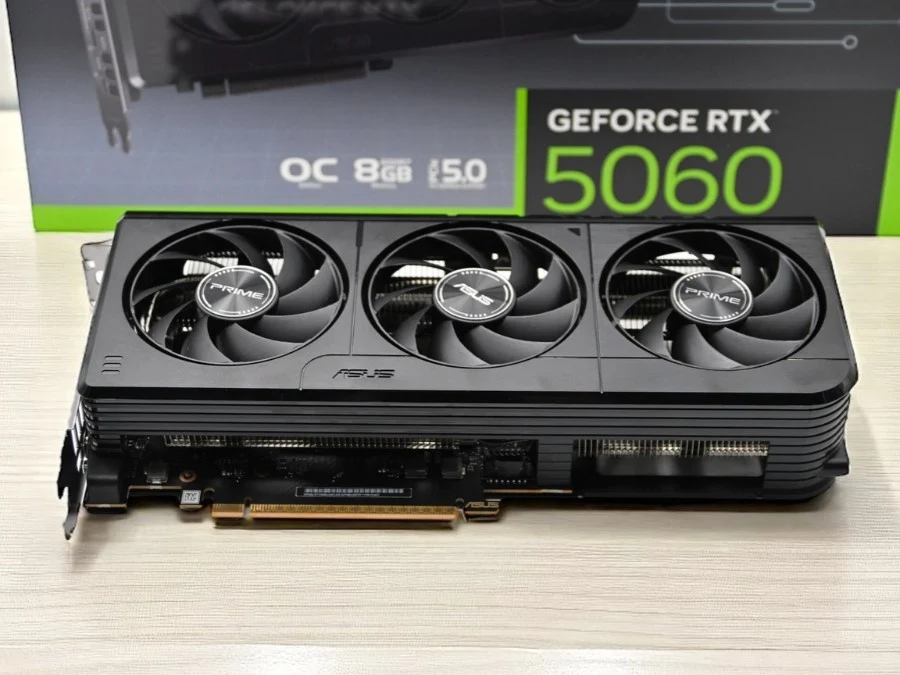
When Nvidia launched the 8GB RTX 50 series GPUs, gamers had mixed feelings about it. A lot of them believed that even the entry-level cards should come with no less than 12GB of VRAM, particularly as today’s games require more memory. Now, it seems the situation is not getting better but rather worse.
Nvidia’s Supply Plans for 2026
A recent report from Board Channels indicates that Nvidia is gearing up to adjust the supply of its RTX 50 series GPUs in 2026. This strategy appears to be a response to the increasing cost of memory chips, which is affecting GPU production costs across the industry. To cope with this issue, Nvidia is said to be reducing the availability of high-VRAM models while promoting more budget-friendly options.
Changes in Model Shipments
According to the report, Nvidia has already decreased shipments of the RTX 5060 Ti 16GB and RTX 5070 Ti 16GB versions. Conversely, Nvidia and its partners are expected to prioritize the RTX 5060 and RTX 5060 Ti 8GB models in the future.
Interestingly, the RTX 5060 is predicted to be the most commonly supplied GPU in the entire RTX 50 lineup, with the RTX 5060 Ti 8GB closely following it. These two models are reportedly being positioned as the main sales drivers for the RTX 50 series, especially within the Chinese market.
Future Price Concerns
The report also mentions that, with memory prices remaining high and possibly increasing even further, there’s a chance of additional price hikes in the next quarter. If this occurs, even these lower-VRAM models might see a rise in cost, complicating matters even more for PC builders.