Key Takeaways
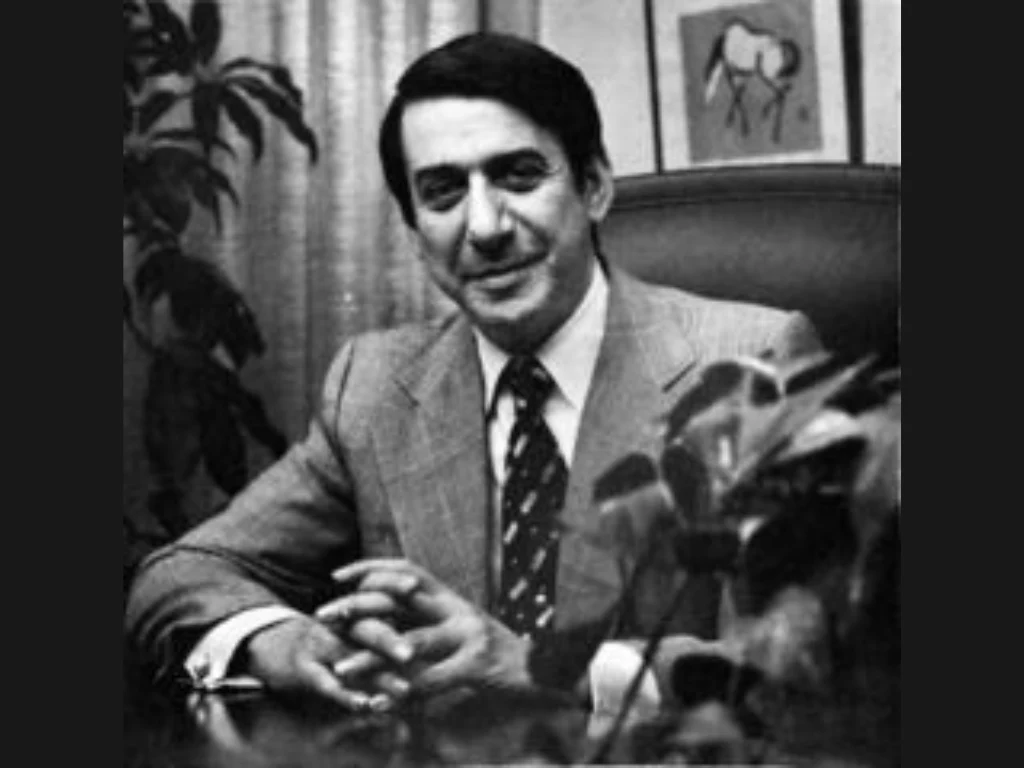
1. David Rosen, co-founder of SEGA, passed away at age 95, having significantly impacted the video game industry in both arcades and home consoles during the 90s.
2. Born in Brooklyn, New York, Rosen served in the U.S. Air Force and later started a business that shifted from shipping Japanese art to importing and promoting coin-operated games in Japan.
3. Rosen led SEGA’s transition from importing to manufacturing arcade games, beginning with the successful 1966 submarine simulator, Periscope.
4. He played a pivotal role in establishing SEGA of America and competed against Nintendo with products like the Master System and Sega Genesis, contributing to iconic games like Outrun and Virtua Fighter.
5. Rosen was known for his marketing genius, notably launching the famous tagline “Sega does what Nintendon’t,” which helped solidify SEGA’s presence in the gaming market.
While many were enjoying their holiday festivities, the co-founder of SEGA, David Rosen, quietly passed away at his residence in the Hollywood Hills, Los Angeles.
Reports from RePlay Magazine say that Rosen was 95 years old and had his family by his side when he died. He played a vital role in shaping the video game industry, leading the change in both arcades and home consoles that kept gamers engaged throughout the 90s.
Early Life and Service
Born on January 22, 1930, in Brooklyn, New York, Rosen’s childhood was marked by the hardships of World War II. He joined the United States Air Force in 1948 and served until 1953, participating in the Korean War, stationed in Japan, where he worked as a pilot.
After his military service, he stayed in Japan for a brief period, witnessing the country’s efforts to revive after the war and how the Japanese adapted to their circumstances. He married Masako Fujisaki in 1954 and started Rosen Enterprises, which initially focused on shipping Japanese art to America and taking ID photos—both services that were in demand during Japan’s recovery.
Business Ventures
As the late 1950s approached, Rosen saw a rising interest in leisure activities. Using his instincts, he shifted his business focus to importing coin-operated pinball machines and jukeboxes from the U.S. and promoting them in various locations like shops and cinemas across Japan. His venture became popular among Japanese consumers.
During this time, he formed a merger agreement with Nihon Goraku Bussan, an American-run company known as Service Games. Rosen quickly became the CEO and managing director of the new firm.
Under his leadership, Sega transitioned from importing games to creating its own. The company began manufacturing and exporting arcade games, including the 1966 submarine simulator Periscope, which marked the start of a successful era for Sega.
Later Developments
In the late 1960s, Rosen negotiated a deal with Gulf and Western Industries, the parent company of Paramount, to sell Sega. However, after the passing of the company’s leader, Charles Bludorn, in 1983, Sega sold off many of its assets.
Seeing the potential risks to Sega’s future, Rosen partnered with Isao Okawa and Hayao Nakayama to reclaim the Japanese operations, ultimately founding Sega Ltd. He then returned to the U.S., playing a key role in establishing Sega of America and serving as its chairman. He remained a director for Sega Japan until 1996 when he decided to retire.
During his chairmanship, Sega solidified its position in the arcade industry, releasing iconic games like Outrun and Virtua Fighter. He also aimed to challenge Nintendo in the home console market with the Master System and the Sega Genesis.
Rosen once shared in an interview about the Atari crash and Nintendo, stating, “Nintendo was a key player in reviving the home console market after the Atari collapse of 1983. We wanted to create a competitive device. Sadly, our first attempt didn’t succeed; it was just made of regular parts. It wasn’t till 1986 we released the Master System.”
Marketing Genius
Rosen was also known for his marketing strategies. For the launch of the Sega Genesis, he recruited Michael Katz, explaining, “We were on a tight schedule. He had a wealth of experience from Coleco and understood the market. I believed he could help us launch the product and bring order to the company, which he successfully did.”
This collaboration led to one of the most iconic ad campaigns ever, “Sega does what Nintendon’t,” a tagline that helped Sega establish its presence among teenagers in the gaming world.
During his retirement, fans would sometimes shout the famous “Sega!” from the company’s ads and game introductions when they spotted him. He was honored with a place in the American Amusement Machine Association’s Hall of Fame and was often referred to as the “founding father” of Japan’s arcade golden age.
David Rosen passed away at the age of 95, with his funeral taking place on January 2, 2026, at Inglewood Park Cemetery. He is remembered fondly by his family, including his adopted daughter.
Source:
Link