Tag: Sega

  • Sega Reveals Life-Size Sonic DNA Figure for 35th Anniversary

    Sega Reveals Life-Size Sonic DNA Figure for 35th Anniversary

    Key Takeaway

    – Sega unveils a life-size chrome Sonic statue for the 35th anniversary.
    – The statue contains a vial of synthetic “Sonic DNA” inside a Chaos Emerald.
    – It was created in collaboration with bio-art collective LOM BABY.
    – The DNA symbolizes that Sonic’s core traits will endure into the future.
    – The statue will be displayed at Sega Store Tokyo starting June 23, 2026.


    Sonic’s 35th Anniversary DNA Statue Unveiled

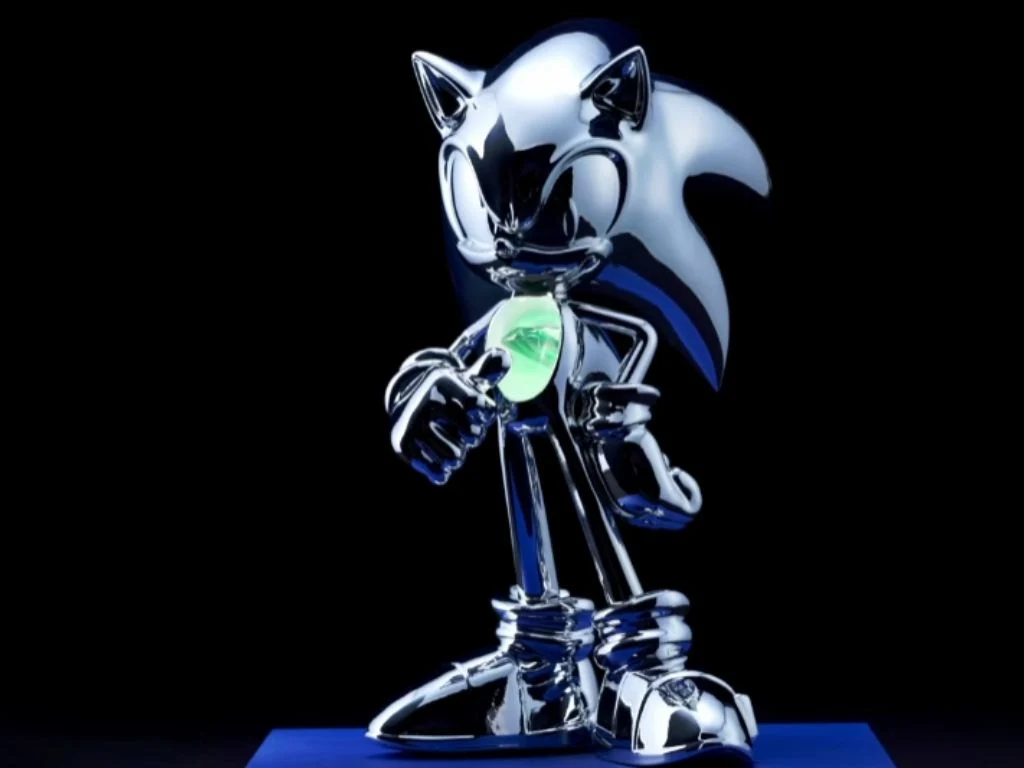
    As the 35th anniversary of Sonic the Hedgehog approaches on June 23, 2026, Sega is stepping things up to celebrate the Blue Blur’s birthday. The company has unveiled a life-size chrome statue of Sonic the Hedgehog that contains a vial of his “DNA” sealed inside a Chaos Emerald. This effigy, or craftsmanship piece, is life-sized and was created in collaboration between Sega and a Japanese bio-art collective. It is scheduled to go on display in Tokyo toward the end of this month. Still, the question remains: what exactly counts as “Sonic the Hedgehog genes” that have been encased in the Chaos Emerald?

    How The Statue Was Made By A Science Collective

    The Sonic effigy was created by the minds at LOM BABY, a “science collective” working under Transeeds Inc., whose experts combine art, engineering, and biotechnology into a single piece. Sega describes the Sonic statue as the result of “cutting-edge biotechnology,” stating that “the essence of Sonic—who has raced through the ages—has been brought into the real world as ‘DNA.’” Sega further stated that “the DNA encapsulated within the Chaos Emerald symbolizes that ‘Sonic’s core’ will endure, never fading, into the future.” Sega published a promotional video of the 35th-anniversary chrome Sonic statue on YouTube, which detailed Sonic’s video game history through the ages and showed labeling markers like “Velocity Cells,” “Sonic bIOS,” “Boost System,” and “Exploration DNA”—a set of traits that feel very much befitting of Sonic the Hedgehog.

    Previous LOM BABY Projects And The DNA Content

    This isn’t the first time LOM BABY has partnered with a Japanese video game company to bring gaming icons and trends to life. Previously, the collective worked on “Dragon Meat” at Tokyo’s National Art Center and recreated the T-Virus from Resident Evil in collaboration with Capcom. Based on the available information, the company appears to have synthesized a synthetic genome housed inside Sonic’s thorax, which is fitted with a Chaos Emerald. The Sonic the Hedgehog DNA Figure will be showcased at the Sega Store Tokyo on the sixth floor of Shibuya PARCO on June 23 for a limited time.

    Other Anniversary Events And Merchandise Plans

    This collaboration is just one of many of Sega’s larger anniversary projects for Sonic’s 35th birthday, which are slated to include limited-edition brand collaborations, concerts paying homage to Sonic music, and special merchandise drops. Fans are obviously hyped about the chrome design and the DNA concept, even though its all synthetic. The statue itself is a striking piece of art that perfectly captures Sonic’s fast and futuristic vibe. It will be interesting to see what other surprises Sega has planned for the big 35th celebration later this year.

    • Life-size chrome Sonic statue with DNA vial
    • Created by LOM BABY science collective
    • Showcase at Sega Store Tokyo from June 23
    • Part of larger 35th anniversary celebrations
    Sources
  • Sonic Frontiers Definitive Edition Switch 2 Leak: Physical Copies Spotted

    Sonic Frontiers Definitive Edition Switch 2 Leak: Physical Copies Spotted

    Key Takeaway

    – A physical copy of Sonic Frontiers: Definitive Edition for Nintendo Switch 2 has leaked at Walmart, showing box art and a legitimate barcode.
    – The Definitive Edition includes all updates, DLC, The Final Horizon campaign, bonus items, a digital art book, and a mini soundtrack.
    – The game is listed for $49.99 with a June 23, 2026 release date, aligning with Sonic’s 35th birthday.
    – The physical edition is a Game Key Card, requiring a 30 GB download.
    – Sega has not officially announced the game, but a standalone reveal is expected.


    Just as it seemed like leaks for Sega and Team Sonic’s Sonic Frontiers: Definitive Edition for the Nintendo Switch 2 was about to die out, another major physical leak has popped up on retail shelves. Sonic Frontiers: Definitive Edition for the Nintendo Switch 2 have already reached retailers, even though Sega have yet to announce an official release date for the platform.

    Walmart Employee Leaks Physical Copies

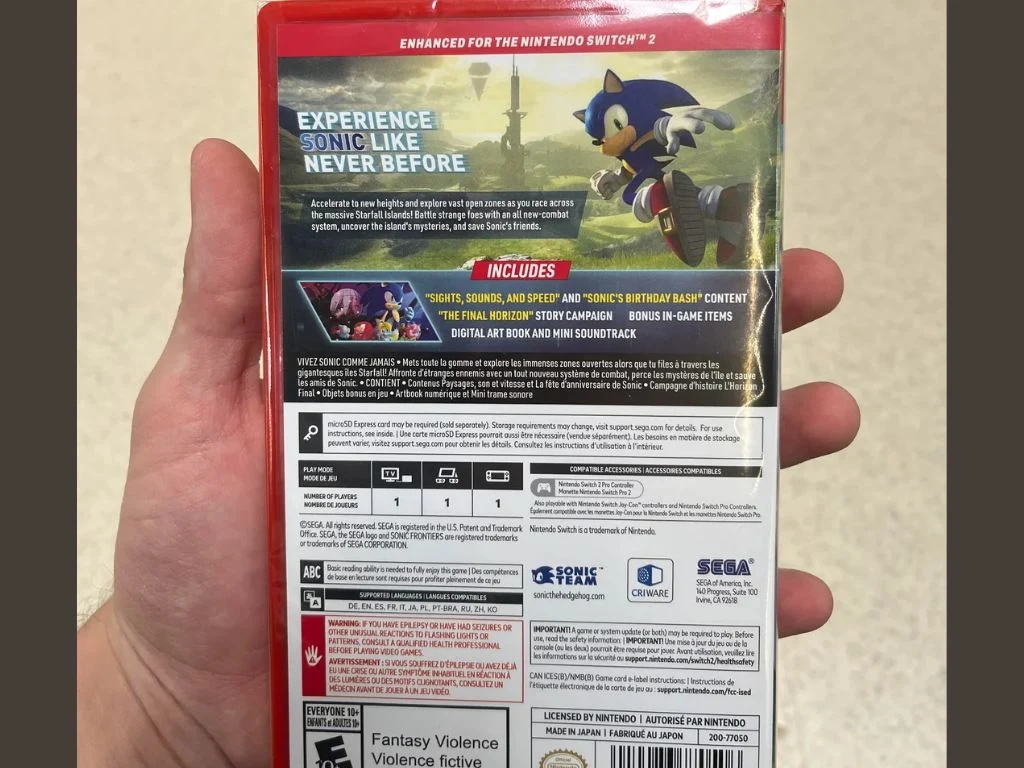
    This leak was shared by a Redditor who goes by the handle “conis-4” on a subreddit (now deleted) and claims to be a Walmart employee. The Redditor posted photos of a sealed physical copy of Sonic Frontiers: Definitive Edition for the Nintendo Switch 2, complete with front and back blurbs and even a barcode that, according to the Nintendo community, apperas to be legitimate. This clear leak lines up with earlier leaks and rumors, providing direct visual evidence of the games existence.

    Leaker Billbil-Kun’s Earlier Predictions

    Previously, leaker billbil-kun had already mentioned on X that “The Definitive Edition features all updates, DLC, and gameplay improvements that were released since the original launch in 2022” and that “Nintendo Switch 2 owners can naturally expect improved performance, better graphics, and even reduced load times.” Its touted as the most complete and “definitive” version of Sonic Frontiers yet.

    As for the new physical Walmart leak, the back of the box mentions “updates and bonus content.” The full game will supposedly include Sights, Sounds, and Speed; Sonic’s Birthday Bash; The Final Horizon story campaign; bonus in-game items; a digital art book; and a mini soundtrack. The physical edition also states that the game is specifically “enhanced for the Nintendo Switch 2.” However, the main downside is that the physical edition of Sonic Frontiers: Definitive Edition appears to be a Game Key Card, which would hypothetically require a 30 GB download after purchase, in line with patterns seen in earlier Nintendo Switch 2 releases.

    Previous Walmart Pre-Order Listings

    Before this leak, Walmart accidentally posted pre-order listings for the game, which were subsequently taken down. That particular listing used placeholder art from another Sonic title but listed the same June 23, 2026, release date and a $49.99 price tag. This would line up exactly with Sonic’s 35th birthday. Still, Sega hasn’t made any official comments, and many expect a standalone reveal via an impromptu Nintendo Direct.

    Sources
  • Alien: Isolation 2 Gets Adaptive AI & Storm Colony

    Alien: Isolation 2 Gets Adaptive AI & Storm Colony

    Key Takeaway

    – Xenomorph AI is smarter, adaptive, and non-scripted, learning player behavior in real time.
    – Setting expands from claustrophobic corridors to a storm-ravaged colony world with both indoor and outdoor environments.
    – New protagonist months after the first game, requiring new tools and tactics for survival.
    – Gameplay described as an evolved “cat and mouse” dynamic, now set in open space.


    New Hunting Grounds in Space

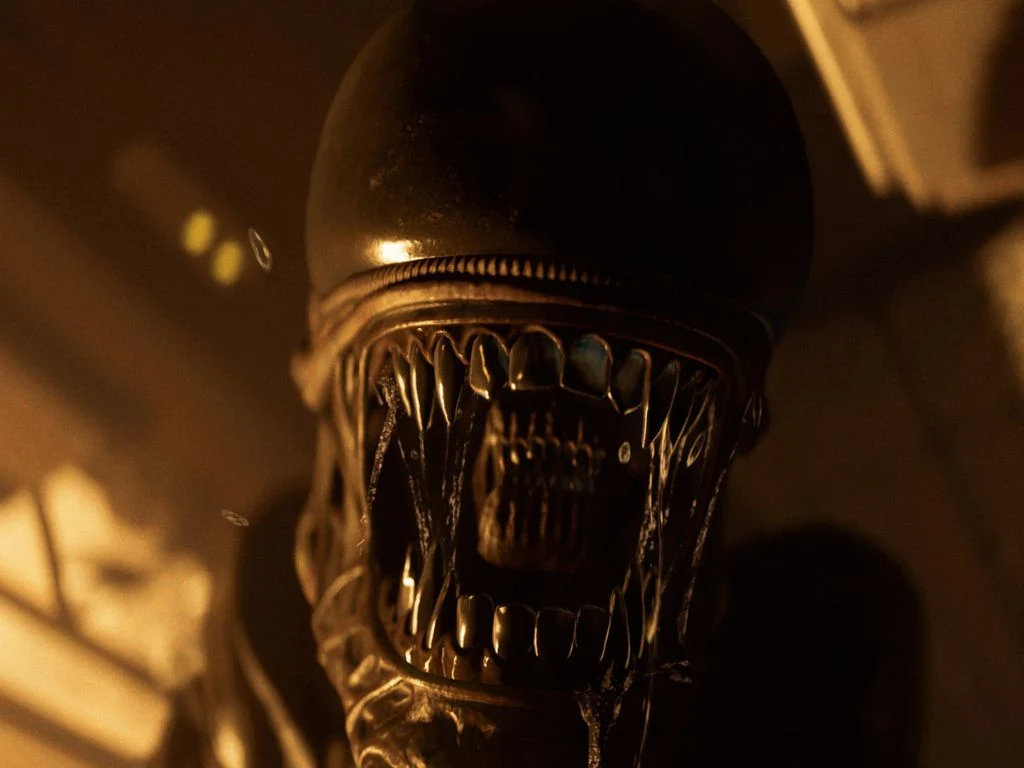
    Alien: Isolation 2 has been dubbed the latest evolution in a “game of cat and mouse,” with Xenomorphs now hunting players in open space. This combination isn’t easy to replicate with smart, reactive NPC AI, which is why the sequel has taken so long.

    For context, two years after Sega and Creative Assembly quietly confirmed that they were developing a follow-up to the 2014 game Alien: Isolation, the sequel, Alien: Isolation 2, appeared seemingly out of nowhere as a brief hands-on demo at Summer Game Fest 2026, taking many Xenomorph fans by surprise.

    Attendees Feel the Tension

    According to attendees at Summer Game Fest, one thing was clear from the start: the game’s atmosphere was incredibly tense and suffocating, as the Xenomorph in Alien: Isolation 2 is smarter than ever before. When the original title was released back in 2014, few games could capture the horror of being hunted by an intelligent NPC stalking you at all times, apart from Outlast (2013), which featured only short chase segments.

    This time around, the Xenomorph in Alien: Isolation 2 doesn’t follow scripted pathways. Instead, it adapts, listens, and learns your movement patterns to track you down, preying on your own instincts and habits.

    Expanding the Environments

    Building on the foundation of the 2014 original, Alien: Isolation 2 steps away from the claustrophobic corridors of Sevastopol Station and throws players into a larger and far more exposed environment. Sega’s official announcement for Alien: Isolation 2 describes the setting as a “remote, storm-ravaged colony world,” where players explore not only the tight industrial halls of Weyland-Yutani’s Kurosaki Station but also the harsh and exposed planetary surface outside.

    Creative Director Speaks

    Speaking to PC Gamer, Alien: Isolation 2 Creative Director Al Hope explained that the team drew deep inspiration from the 1979 sci-fi horror classic Alien, calling it a “real rich vein” that the developers feel honored to explore, flesh out, and further expand. From what we know so far, Alien: Isolation 2 picks up months after the first game and puts players in the shoes of a new protagonist.

    Core Mechanics and Development

    Hope also discussed the game’s core mechanics, stating:

    “It’s a new hunting ground for the Alien, forcing players to improvise and develop new tools, techniques, and tactics to survive the deadly game of cat and mouse.”

    He added that it felt like the right time to return to the series, as the original game has continued to grow in reputation over the years. The title remains in active development and a release date has yet to be formally announced.

    Sources
  • SEGA New 2D Retro Handheld with Physical Cartridges

    SEGA New 2D Retro Handheld with Physical Cartridges

    Key Takeaway

    – Sega may be exploring a new retro handheld focused on physical cartridges and 2D pixel-art games.
    – The device is reportedly cheaper to produce, using low-capacity industrial eMMC modules to avoid high memory costs.
    – The rumor comes from a Reddit user whose company received a quote from a Sega licensing partner like TecToy or AtGames.
    – Past Sega licensed hardware (like AtGames’ portable) had poor build quality, making this project uncertain.
    – Despite speculation, the growing retro gaming market and Sega’s active role make the device plausible.


    Sega Has Stepped Away

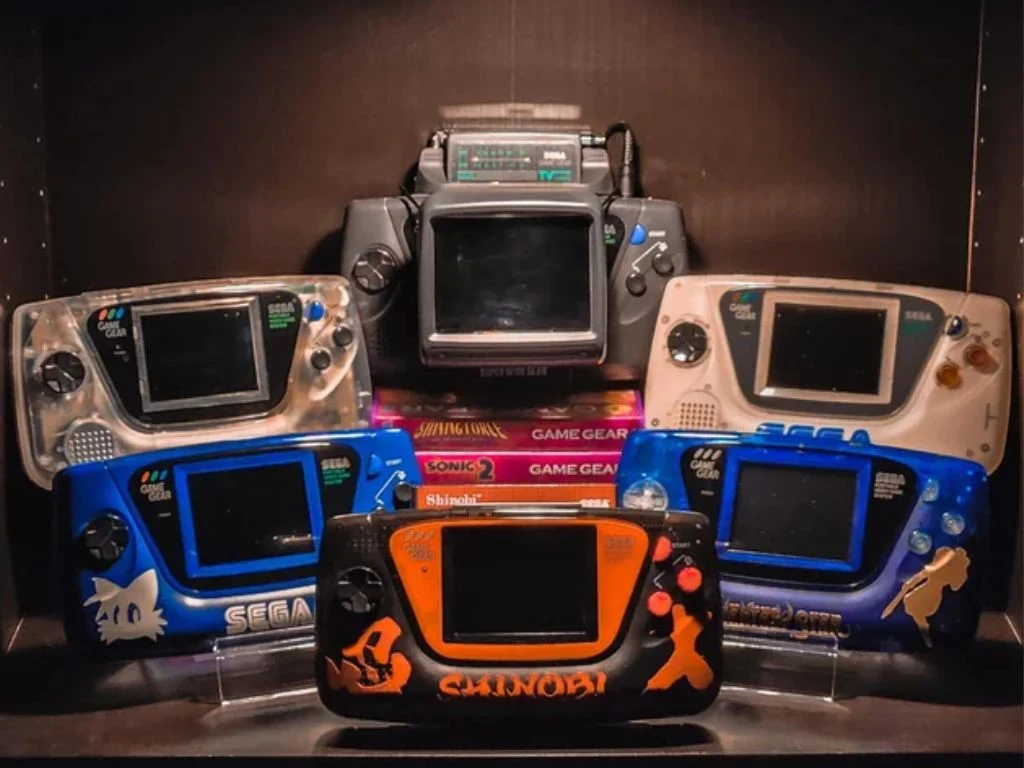
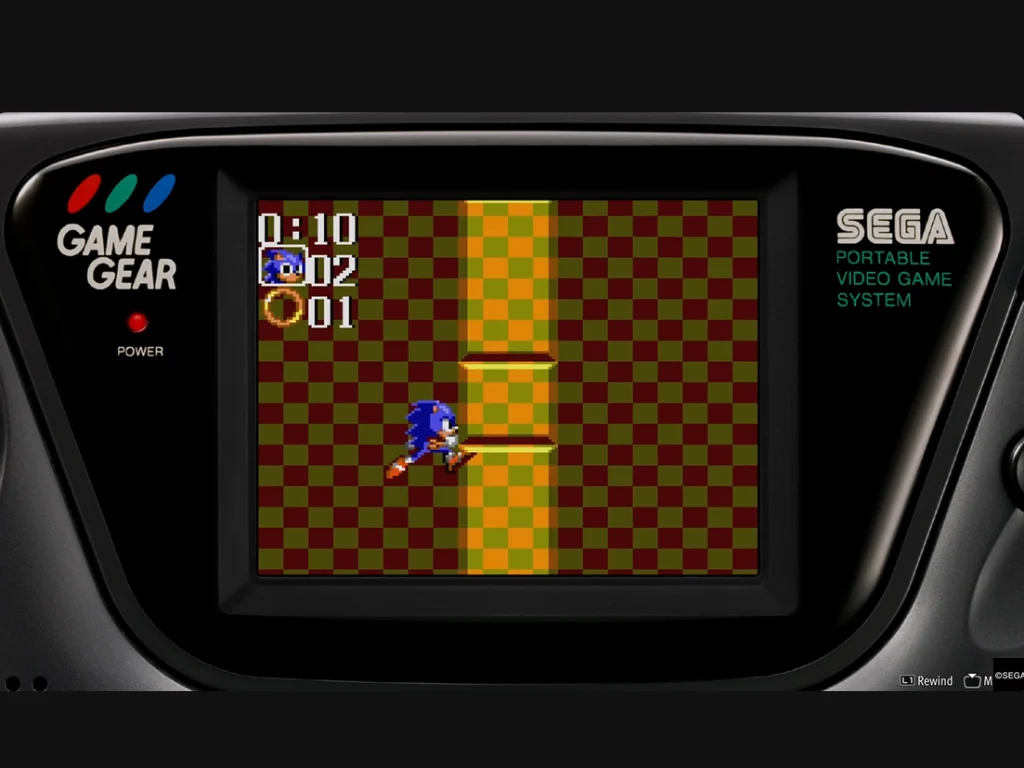
    Sega has stepped away from both the home console and handheld markets in recent years, with the exception of the Japan-exclusive Game Gear Micro, released to commemorate the company’s 60th anniversary and the handheld’s 30th anniversary. However, it didn’t appeal to many fans. Given the recent boom in retro consoles and gaming handhelds, it’s possible that Sega might develop a new gaming handheld.

    A New Rumor Suggests Something

    A new rumor suggests that Sega, or one of its longtime licensing partners, is currently gauging interest in an affordable handheld gaming device centered around physical game cartridges and focused on running 2D pixel-art games. This rumor surfaced on Reddit via r/GamingLeaksAndRumors, posted by user SeraphHS, who claims to work at a small specialist electronics manufacturer that produces low-volume mainboards alongside other hardware.

    According to SeraphHS

    According to SeraphHS, the company recieved a detailed quotation from “a company that has produced licensed Sega hardware before (such as the Sega Genesis Mini). Not Sega directly, but definitely in that orbit—think TecToy, AtGames, etc.” SeraphHS further stated that it was a pitch for “an extremely interesting and seemingly significant device” that is described as follows:

    • The Redditor further explained that the most interesting part was that the physical cartridges were “not the usual high-capacity consumer NAND you’d expect from a modern handheld”; rather, the quote was for “low-capacity industrial eMMC modules,” which are readily available and not affected by AI-driven memory price inflation.

    That Said

    That said, the Redditor also mentioned that such RFQs often go no where, with the pitches ultimately scrapped. Furthermore, AtGames has a shaky track record with Sega licensing deals. A key example is the Mega Drive Ultimate Portable, which was widely criticized for its poor build quality. For now, Sega’s rumored 2D retro handheld console is little more then speculation, but it could very well become reality given the sheer amount of interest in retro gaming of late, coupled with the fact that the publisher itself is increasingly active in said circles.

    r/GamingLeaksandRumors

    Sources
  • Sega Vet: Sonic Creator Wanted to Rename Billy Hatcher ‘Giant Cock’

    Sega Vet: Sonic Creator Wanted to Rename Billy Hatcher ‘Giant Cock’

    Key Takeaway

    – Billy Hatcher was originally going to be named “Giant Eggs” by Yuji Naka.
    – The U.S. team rejected “Giant Eggs” because “to lay a big egg” is slang for failure.
    – The team chose “Billy Hatcher” over Naka’s objection.
    – Naka suggested “Giant Cock” as an alternative title, which was rejected.
    – Despite the naming disputes, the game gained a small cult following.


    Interview Raises Eyebrows Over Sega’s Marketing Past

    A recent interview has raised quite a few eyebrows regarding Sega’s early video game marketing history. Former Sega of America executive Mike Fischer sat down with Sega-16 and shared some unusual ideas from Sonic co-creator Yuji Naka for the 2003 GameCube title Billy Hatcher and the Giant Egg during its localization for Western audiences.

    Giant Eggs or Billy Hatcher?

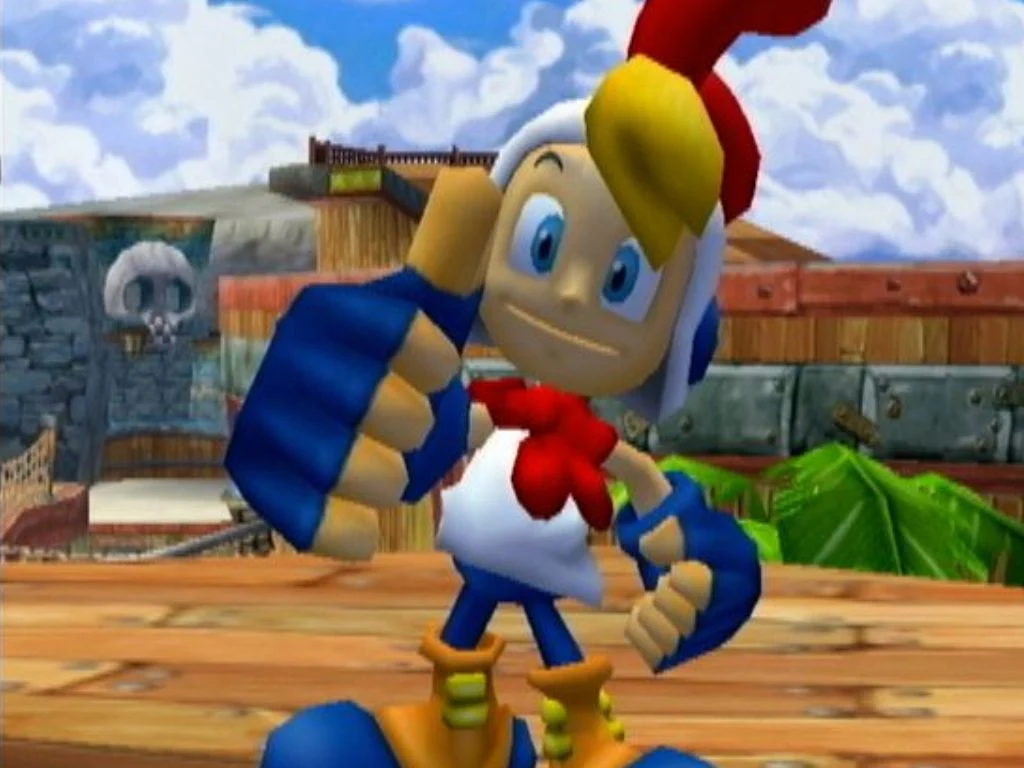
    Mike Fischer handled marketing for Billy Hatcher during his second stint at Sega, and he explained that Naka originally wanted to name the game Giant Eggs. The U.S. team wasn’t fond of this idea, and they told Naka that “to lay a big egg” is American slang for a spectacular failure. Another member of Fischer’s team suggested that the game should be called Billy Hatcher, since it was about a cute character in a rooster suit. However, Naka, the co-creator of Sonic, disliked that idea as well.

    Despite Naka’s reservations, the team settled on Billy Hatcher and the Giant Egg. During a tour of the U.S., with Fischer sometimes acting as an intermediary translator, Naka offered one last idea: “Well, I know another name for the boy wearing a rooster suit. Another name for rooster is cock. Can we call the game Giant Cock in English?” Fischer emphasized that this actually happened and said in the interview, “I promise you, I am not making up this story. I have two witnesses.” He also noted that Naka seemed to have a curious “obsession with eggs” in his projects.

    Gameplay and Cult Following

    Despite the odd localization-naming debate, Billy Hatcher and the Giant Egg was an unusual platforming game by Sonic Team. Players step into the shoes of Billy, who obtains a magical rooster suit and gains the ability to befriend giant eggs, which later hatch into creatures that help him clear levels.

    The game featured vibrant, hand-drawn visuals, a catchy, eccentric soundtrack, and local four-player co-op, which was typical of the GameCube era. Billy Hatcher and the Giant Egg still has a small cult following. Still, we will never know whether Billy the Giant Cock would have helped or hurt the game’s popularity when it was released in September 2003.

    Sources
  • Sonic CD Remake Rumor: Ex-Sega Exec Shares New Claim

    Sonic CD Remake Rumor: Ex-Sega Exec Shares New Claim

    Key Takeaway

    – Sega is reportedly working on a full-scale remake of *Sonic CD* (1993).
    – The claim comes from former Sega VP Mike Fischer, who stated, “I’ve heard that they’re remaking Sonic CD.”
    – It is unclear if the remake will use classic 2D side-scrolling or the modern “Boost Formula” gameplay.
    – Fischer criticized modern Sonic games, calling the 2011 *Sonic CD* port and fan-made games superior to recent official titles.


    Former Sega Exec Drops Bombshell News About Sonic CD Remake

    A former high-level Sega executive has given many Sonic fans a ray of hope, saying he’s herd that Sega is working on a remake of the 1993 classic Sonic game Sonic CD, which introduced time-travel mechanics and debuted Metal Sonic and Amy Rose. This news about Sonic CD getting a remake come from Mike Fischer, former Vice President of Marketing at Sega of America, who worked at the company during the heyday of the Sega Genesis.

    Interview Reveals Shocking Revelation

    He dropped this shocking revelation during an interview with Sega-16 while reflecting on the Blue Blur’s long-drawn history. Sonic CD was initially released for the Sega CD add-on for the Genesis home console, and it took an interesting turn for a Sonic title, with a banger opening cutscene, time-travel gameplay, and a catchy, memorable soundtrack. Sonic CD was treated to a polished update in 2011 by a third-party developer we know as Christian Whitehead, the very same developer who went on to create Sonic Mania in collaboration with Headcannon and PagodaWest Games with Sega’s blessing in 2017.

    Full-Scale Remake Or Boost Formula?

    But it seems that Sega is planning a full-scale remake of the original Sonic CD. However, its not clear if the remake will stick to the retro 2D side-scrolling platforming gameplay or switch it up with the “Boost Formula” seen in Sonic Unleashed and subsequent titles. During the interview, Fischer said, “I’ve heard that they’re remaking Sonic CD, which would be wonderful. That was my favorite Sonic game.” He also made a jab at recent Sonic titles for failing to capture the charm of the Blue Blur in modern Sonic games by stating:

    “I don’t think that they’ve ever really met the creative potential that Sonic really brings since that original generation of 16-bit games. And, you know, Takashi Iizuka has taken over from Naka, and there’s some important handover legacy there, but the games just aren’t good. The only good Sonic game they had in a very long time was a fan-made game.”

    No Specific Title Mentioned

    However, he didn’t specify which title in particular, given the myriad of fan releases that happen every day. Sega could be working on a Sonic CD remake, given the amount of spotlight the company has given to Sonic in recent years, including back-to-back Sonic the Hedgehog movies that turned out to be major commercial and critical successes. Furthermore, Sonic Generations was given an overhaul with a standalone re-release plus expansion in late 2024 called Sonic X Shadow Generations, focusing on Shadow’s perspective during the events of the original game.

    Sources
  • Why Standalone Retro Game Releases Are Unlikely for Sega

    Why Standalone Retro Game Releases Are Unlikely for Sega

    Key Takeaways

    1. The Yakuza series, also known as Like a Dragon, features retro Sega mini-games, inspired by the Shenmue series.
    2. Arcade games within Yakuza are unlikely to be released as standalone titles due to high production costs and a limited audience.
    3. Sega’s executives acknowledge the difficulty of selling retro games individually in today’s market.
    4. Yakuza integrates older titles into its franchise, allowing fans to enjoy them without the financial concerns of standalone releases.
    5. Yakuza Kiwami 3 introduces several Sega Game Gear titles, expanding the retro game offerings in the series.


    Sega’s Yakuza, recognized also as the Like a Dragon series, is packed with numerous mini-games, including some retro Sega classics. This idea was borrowed from the Shenmue series. Through Yakuza, gamers can experience a selection of vintage games that have subtly made their way onto modern consoles, like Daytona USA 2, The Ocean Hunter, and Toylets.

    Limited Arcade Access

    Sadly, these arcade games and mini-games are mostly stuck within the Yakuza franchise, leading many fans to wish for separate releases.

    In a recent statement, Yutaka Ito, the technology head at Ryu Ga Gotoku Studio, and Ryosuke Horii, the producer and director of Like a Dragon: Infinite Wealth and Like a Dragon Gaiden: The Man Who Erased His Name, confirmed that Sega isn’t planning to offer stand-alone releases anytime soon.

    Ito shared his thoughts on the difficulties of bringing retro games out as standalone titles during an interview with Automaton Media, noting,

    “People often say, ‘I want you to sell retro games individually,’ but I believe it would be super hard to make that a feasible business in today’s market. Sega is a large company, and the expenses to release even just one game is high. If other companies want to license Sega games, they are welcome to reach out to us.”

    Financial Constraints

    Horii also shared his perspective on the economic aspects of selling retro games individually and mentioned the relatively small audience for such titles. He stated,

    “If we were to sell older games on their own, we couldn’t set high prices, and we’d be limited in how many people we could reach. On the flip side, because these games are part of the bigger Yakuza series, we can include older titles without worrying about those business issues.

    By reviving these titles through Yakuza, I think we’re contributing something important, almost like giving back to gaming culture.”

    Ito also talked about the NAOMI arcade board, the Dreamcast’s arcade counterpart, which functions as an in-game emulator allowing players to enjoy arcade games such as Slashout (2000), Emergency Call Ambulance (1999), and Magical Truck Adventure (1998).

    He remarked, “This is the first time we’ve added an emulator for the NAOMI arcade board, and since NAOMI works with the Dreamcast, it’s possible that Dreamcast games could eventually be playable in Yakuza.”

    New Additions in Yakuza Kiwami 3

    Yakuza Kiwami 3 also introduces several Sega Game Gear titles for the first time, including Sonic Chaos, Sonic Drift, Streets of Rage, Pac-Man, and Mappy, among others.

    Check out Yakuza Kiwami 3 & Dark Ties on Amazon here.

    Source:
    Link


  • David Rosen, Sega Architect and Rivalry Pioneer, Dies at 95

    David Rosen, Sega Architect and Rivalry Pioneer, Dies at 95

    Key Takeaways

    1. David Rosen, co-founder of SEGA, passed away at age 95, having significantly impacted the video game industry in both arcades and home consoles during the 90s.
    2. Born in Brooklyn, New York, Rosen served in the U.S. Air Force and later started a business that shifted from shipping Japanese art to importing and promoting coin-operated games in Japan.
    3. Rosen led SEGA’s transition from importing to manufacturing arcade games, beginning with the successful 1966 submarine simulator, Periscope.
    4. He played a pivotal role in establishing SEGA of America and competed against Nintendo with products like the Master System and Sega Genesis, contributing to iconic games like Outrun and Virtua Fighter.
    5. Rosen was known for his marketing genius, notably launching the famous tagline “Sega does what Nintendon’t,” which helped solidify SEGA’s presence in the gaming market.


    While many were enjoying their holiday festivities, the co-founder of SEGA, David Rosen, quietly passed away at his residence in the Hollywood Hills, Los Angeles.

    Reports from RePlay Magazine say that Rosen was 95 years old and had his family by his side when he died. He played a vital role in shaping the video game industry, leading the change in both arcades and home consoles that kept gamers engaged throughout the 90s.

    Early Life and Service

    Born on January 22, 1930, in Brooklyn, New York, Rosen’s childhood was marked by the hardships of World War II. He joined the United States Air Force in 1948 and served until 1953, participating in the Korean War, stationed in Japan, where he worked as a pilot.

    After his military service, he stayed in Japan for a brief period, witnessing the country’s efforts to revive after the war and how the Japanese adapted to their circumstances. He married Masako Fujisaki in 1954 and started Rosen Enterprises, which initially focused on shipping Japanese art to America and taking ID photos—both services that were in demand during Japan’s recovery.

    Business Ventures

    As the late 1950s approached, Rosen saw a rising interest in leisure activities. Using his instincts, he shifted his business focus to importing coin-operated pinball machines and jukeboxes from the U.S. and promoting them in various locations like shops and cinemas across Japan. His venture became popular among Japanese consumers.

    During this time, he formed a merger agreement with Nihon Goraku Bussan, an American-run company known as Service Games. Rosen quickly became the CEO and managing director of the new firm.

    Under his leadership, Sega transitioned from importing games to creating its own. The company began manufacturing and exporting arcade games, including the 1966 submarine simulator Periscope, which marked the start of a successful era for Sega.

    Later Developments

    In the late 1960s, Rosen negotiated a deal with Gulf and Western Industries, the parent company of Paramount, to sell Sega. However, after the passing of the company’s leader, Charles Bludorn, in 1983, Sega sold off many of its assets.

    Seeing the potential risks to Sega’s future, Rosen partnered with Isao Okawa and Hayao Nakayama to reclaim the Japanese operations, ultimately founding Sega Ltd. He then returned to the U.S., playing a key role in establishing Sega of America and serving as its chairman. He remained a director for Sega Japan until 1996 when he decided to retire.

    During his chairmanship, Sega solidified its position in the arcade industry, releasing iconic games like Outrun and Virtua Fighter. He also aimed to challenge Nintendo in the home console market with the Master System and the Sega Genesis.

    Rosen once shared in an interview about the Atari crash and Nintendo, stating, “Nintendo was a key player in reviving the home console market after the Atari collapse of 1983. We wanted to create a competitive device. Sadly, our first attempt didn’t succeed; it was just made of regular parts. It wasn’t till 1986 we released the Master System.”

    Marketing Genius

    Rosen was also known for his marketing strategies. For the launch of the Sega Genesis, he recruited Michael Katz, explaining, “We were on a tight schedule. He had a wealth of experience from Coleco and understood the market. I believed he could help us launch the product and bring order to the company, which he successfully did.”

    This collaboration led to one of the most iconic ad campaigns ever, “Sega does what Nintendon’t,” a tagline that helped Sega establish its presence among teenagers in the gaming world.

    During his retirement, fans would sometimes shout the famous “Sega!” from the company’s ads and game introductions when they spotted him. He was honored with a place in the American Amusement Machine Association’s Hall of Fame and was often referred to as the “founding father” of Japan’s arcade golden age.

    David Rosen passed away at the age of 95, with his funeral taking place on January 2, 2026, at Inglewood Park Cemetery. He is remembered fondly by his family, including his adopted daughter.

    Source:
    Link


  • SuperSega FPGA Console Project Fails After Trademark Dispute

    SuperSega FPGA Console Project Fails After Trademark Dispute

    Key Takeaways

    1. Alejandro Martin announced the official cancellation of the SuperSega Project, which aimed to create an all-in-one Sega console using FPGA technology.
    2. The project raised over $156,000 but faced issues, including trademark concerns from Sega and Martin’s previous crowdfunding failures.
    3. Initial excitement turned to skepticism as prototype videos revealed technical flaws, leading to accusations of misleading backers and potential software emulation instead of true FPGA performance.
    4. Martin encountered legal challenges from Sega, which demanded the abandonment of the SuperSega name and destruction of prototypes.
    5. Many backers are still awaiting refunds after the project’s abrupt end and Martin’s lack of communication regarding updates or future developments.


    In a surprising development, the journey of the SuperSega vaporwave has officially come to an end. Alejandro Martin, a Spanish engineer, has declared the “official demise” of the SuperSega Project, which was touted as the ultimate all-in-one Sega console built on FPGA technology.

    After nearly two years filled with excitement, concerning signs, and unmet promises amounting to over $156,000, the project has been halted. What many suspect was a product that may have never actually existed has now been officially cancelled.

    Project Launch and Vision

    Martin initiated the project in June 2024, introducing SuperSega as a groundbreaking emulation device leveraging Xilinx UltraScale+ FPGA technology. This innovation aimed to enable gamers to natively emulate classic Sega consoles, including the Sega 8-bit Master System, Sega Mega Drive, Sega Saturn, and Sega Dreamcast.

    Unlike other emulators that often suffer from glitches and artifacts, the FPGA was supposed to deliver backers pixel-perfect precision, zero latency, and perfect compatibility. It felt almost too fantastic, especially since no consumer FPGA had previously achieved such extensive compatibility.

    The Dream Device Turns Sour

    Martin marketed the console as a dream come true for retro enthusiasts, branding it as “one device to experience the entire history of the company’s hardware.” The SuperSega was offered at a pre-order price of €299. Everything appeared to be progressing smoothly until Sega expressed concerns regarding the Super Sega trademark. Coincidentally, Martin’s past also came under scrutiny.

    Previously, Martin had run a crowdfunding campaign for the Cinimartin 8K camera, which ultimately went bankrupt, leaving backers without their promised products.

    Rising Doubts and Criticism

    As early as 2024, Martin faced heavy backlash. He shared prototype videos showcasing the FPGA obscured by an unusually large heatsink. Observant experts pointed out that the PCBs were not complete. The gameplay audio was glitchy, and the so-called “FPGA” gaming looked suspiciously like software emulation running on a PC.

    Rival retro gaming company Analogue openly criticized Martin; however, he dismissed their remarks, labeling them as thieves while showcasing a Lamborghini Gallardo and seeking further funding in a post from November.

    Backers who pledged a mere $3 were unexpectedly charged the full amount. Subsequent demonstrations turned out to be a major letdown, with games crashing, missing audio, and a child on camera declaring that the SuperSega “sucked.”

    Legal Troubles and Final Announcement

    Trouble escalated for Martin when Sega contacted the Spanish IP firm Cuatrecasas, insisting that he abandon the SuperSega name and destroy all prototypes.

    After a series of excuses ranging from health issues to ongoing negotiations with Sega and even selling his Lamborghini to repay disgruntled backers, Martin finally announced SuperSega’s end in an email to Time Extension, stating, “There will be no further videos or updates unless it’s brought back, which is highly unlikely.”

    While the SuperSega crowdfunding saga appears to be over, many backers are still waiting for their refunds.

    Source:
    Link


  • Sonic Rumble Faces Criticism for Aggressive Monetization Issues

    Sonic Rumble Faces Criticism for Aggressive Monetization Issues

    Key Takeaways

    1. Sonic Rumble launched on November 5, 2025, for iOS, Android, and PC, featuring cross-play capabilities.
    2. The game supports up to 32 players in a toy-like environment, similar to Fall Guys, with iconic characters from the Sonic franchise.
    3. Over 10 million players registered before launch, and the game generally runs well on Linux and Steam Deck with stable FPS.
    4. Player reception is mixed, with low ratings on Steam due to complaints about aggressive monetization tactics, including expensive skins and emotes.
    5. Multiple paid battle passes are available, leading to criticism from gamers who feel the game prioritizes microtransactions over player experience.


    Sega’s much-anticipated Sonic Rumble finally made its global debut on November 5, 2025, for iOS, Android, and PC via Steam, after facing several delays. This game offers cross-play capabilities between mobile devices and PC. Players on Linux and Steam Deck can join in as well, since Sonic Rumble is verified for Steam Deck. However, the launch on Steam has been less than smooth, with users voicing concerns about “predatory” monetization tactics.

    Gameplay Overview

    In Sonic Rumble, 32 players compete in a toy-like environment, controlling mini versions of iconic characters such as Sonic, Tails, Shadow, Amy, and Dr. Eggman. The gameplay is reminiscent of Fall Guys, where participants race through an obstacle-filled course to gather the most rings.

    Pre-launch Buzz and Technical Performance

    Sega revealed that over 10 million players registered for Sonic Rumble before its launch. Additionally, the game runs on Linux and the Steam Deck, generally maintaining a solid 90 FPS and a stable 60 FPS, with battery life lasting between 3 to 4 hours.

    User Reception and Monetization Issues

    Sadly, Sonic Rumble’s release has not gone as planned. On Steam, it holds a Mixed User Rating, with only a 44% user score from 1,418 reviews. The game has a 3.9-star rating on the Google Play Store from 13,900 reviews and a 4.4-star rating on iOS from 709 reviews.

    Gamers are expressing dissatisfaction with Sega’s “aggressive” monetization methods. Across various platforms, players have reported numerous pop-ups encouraging them to buy skins. These skins are quite pricey, with prices ranging from $40 to $60. For instance, the Neon Suit Sonic is available for 999 Red Star Rings, costing over $50. Individual emotes in Sonic Rumble are priced at 99 Red Star Rings, translating to more than $10.

    Continuing Monetization Practices

    Unfortunately, Sonic Rumble’s monetization strategies don’t stop there, as multiple paid battle passes are available at the same time. The Season Pass is priced at $9.99, the Halloween Pass is $8.99, and the Premium Pass+ costs $20.

    PC gamers have heavily criticized Sonic Rumble, with some labeling it a “microtransaction-slop-filled nightmare,” a harsh critique for a game that was supposed to be a key part of Sega’s mobile strategy. As of now, Sega has not responded to the uproar regarding the game’s microtransaction policies.

    Source:
    Link