Tag: Counter-Strike 2

  • Reasons Why Counter-Strike Doesn’t Deserve This Weapon

    Reasons Why Counter-Strike Doesn’t Deserve This Weapon

    Key Takeaway

    1. The M249 in Counter-Strike 2 is extremely overpriced relative to its performance, offering rifle-tier kill rewards at a machine gun price.
    2. Its stats, such as high inaccuracy, slow movement, and long reload time, make it highly impractical and ineffective in competitive gameplay.
    3. The weapon is virtually absent from professional play and is largely viewed as a meme or a furniture item, with little strategic value.
    4. Valve’s loadout system and default hiding of the M249 imply its status as an irrelevant and underperforming choice.

    The M249: The Forgotten Gun in Counter-Strike 2

    There’s this weapon in Counter-Strike 2’s buy menu, kinda sitting there, quiet like, and nobody really talks about it. Not because it’s some hidden treasure, nor because pros are gonna pick it surprise-style, but because it’s basically furniture. Yes, furniture. It takes up space, and sometimes, someone buys it by mistake and instantly regrets it.

    Pricing and Basic Details

    The M249 costs a hefty $5,200, making it the priciest weapon in the game. For comparison, the AWP is $4,750, and that gun is pretty legendary. But the AWP earns every penny—it’s a game-changer. The M249? So, it’s just a slow, bulky disappointment with a big magazine that’s hard to justify. It’s like buying a luxury car that’s purely for show, not for function.

    Value Against Other Weapons

    Looking at the numbers, the M249’s nearly double the price of a typical rifle. An AK-47 costs roughly $2,700, while a popular CT rifle, the M4A1-S, is $2,900. With that much cash, you can outfit almost two players with top guns and probably win more rounds. The question is, why would you spend so much on something that doesn’t even come close to matching their performance?

    Its Performance Really Sucks

    And it’s not just about the $$$. From a gameplay perspective, the M249’s stats are weak. It fires at 750 rounds per minute, with decent armor penetration, but its inaccuracy rating is a painful 9.7—way worse than the M4A1-S’s 5.4. Plus, it makes you slow—reducing your speed by 22%, which is double the M4A1-S’s 10%. Holding an angle with it? Basically, broadcasting where you are, like a billboard. Repositioning? With a reload time that’s nearly twice as long as a standard rifle—about 5.7 seconds versus 3.1—you’re practically dead before you can shoot again.

    The Competition: Negev

    Then there’s the Negev, priced at just $1,700—less than a third of the M249—and outperforming it in nearly every aspect. Higher damage per second, bigger magazine, and that laser-accuracy post-warmup that’s perfect for holding choke points on eco rounds. The Negev, sometimes called a meme, can become very serious when used properly. Meanwhile, the M249 just sits there, kind of embarrassing, like a joke that doesn’t land.

    Economic and Competitive Analysis

    The M249 doesn’t just fail in performance; it also fails economically. Its damage and DPS are lower than the Negev’s, with only a marginal armor penetration advantage. Given it costs way more, it’s baffling. Serious players know that in professional play, the M249 is practically invisible. You won’t see it used in tournaments, and if you do, it’s probably just a flex or a laugh. Since launch, Valve’s own interface acknowledged its unimportance—it’s hidden by default, and players have to actively select it if they want to buy it. It’s more of an under-the-radar joke than a serious weapon.

    Possible Improvements and Future Ideas

    Maybe if Valve dropped its price to around $2,500, cut some recoil, and made its kill rewards less ridiculous, it could have a purpose. Like, if it was a dedicated defensive gun—maybe for holding a specific spot, like Dust 2’s B tunnel—it could be useful. Imagine it as a suppression tool, firing hundreds of rounds without needing to reload, making it a niche but viable pick. However, with current stats and cost, it just remains a really expensive piece of furniture.
    Sources

    • Counter-Strike 2 Pro Gets Lifetime Ban for Punching Opponent at LAN Event

      Counter-Strike 2 Pro Gets Lifetime Ban for Punching Opponent at LAN Event

      Key Takeaway

      1. MAUschine punched his opponent during a Counter-Strike 2 tournament award ceremony, leading to a shock and outrage.
      2. The incident was fueled by taunts and mocking after MAUschine’s team lost, escalating tensions.
      3. He received a 10-year ban from the German DACH League, was suspended from Twitch, and was issued a lifetime ban by the Esports Integrity Commission.

      Unexpected Violence During Counter-Strike 2 Tournament

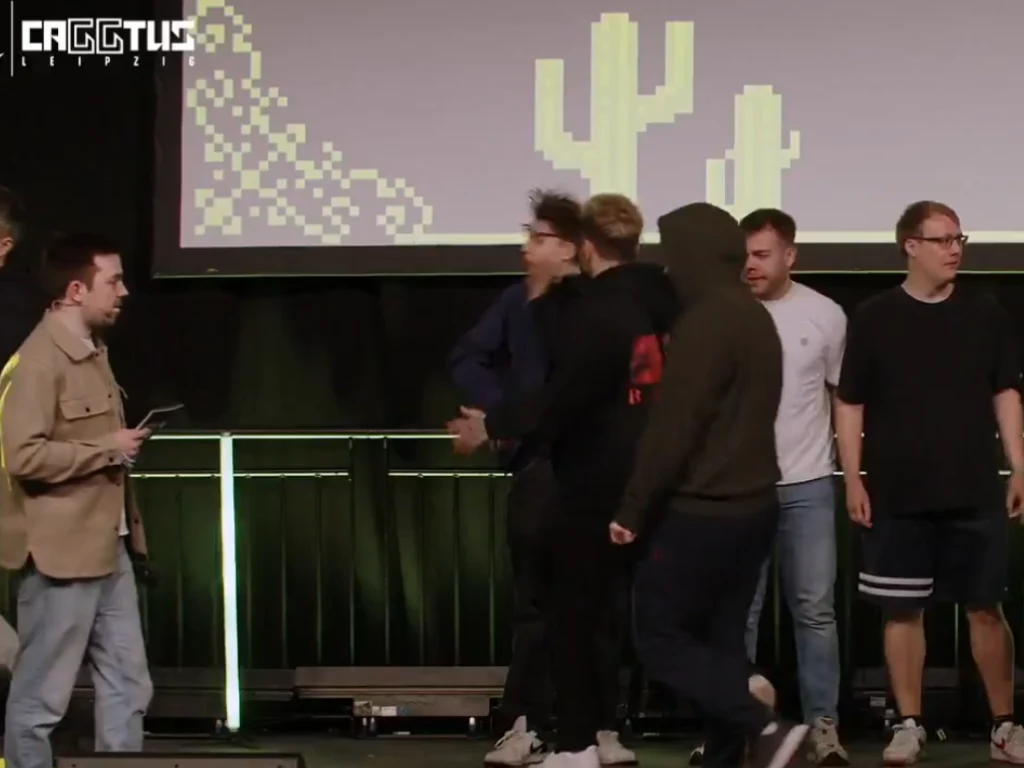
      Recently, a very shocking incident occured during a Counter-Strike 2 event when a player assaulted his opponent visibly in front of everyone. This took place at a LAN in Germany at the CAGGTUS Leipzig tournament, specifically during the award ceremony, which was supposed to be a celebrations moment but turned into chaos.

      Player Details and the Incident

      Maurizio “MAUschine” Weber, a 31-year-old streamer from Berlin known for his semi-professional gaming, abruptly walked up and punch his opposing player, Fabian “Spidergum” Salomon, straight in the face. The punch was forceful enough to cause Spidergum’s glasses to fly off into the audience, and the entire crowd and event host appeared stunned. Interestingly, MAUschine didn’t stop or show any sign of anger, instead he proceeded to shake hands and act normal, which made it even more shocking when the host had to step in and remove him from the stage.

      Background and Motivation Behind the Attack

      This violent act was a direct consequence of the intense rivalry at the tournament, especially after MAUschine’s team was defeated by Spidergum’s team, Legends Lobby, in the grand finals. The event didn’t feature large cash prizes, nor were the stakes exceptionally high, making this outburst even more unexpected. During the finals, Spidergum mocked MAUschine by shouting “papichulo,” a phrase which is a signature catchphrase of MAUschine himself. The teasing clearly ruffled him, and his frustration boiled over after repeated taunts, leading to the uncalled for violence.

      Community and Organizational Response

      Following the incident, the German Counter-Strike community and the tournament organizers, DACH CS Masters, wasted no time in condemning what had happened. They issued a statement emphasizing that violence has no place in gaming competitions and announced that MAUschine would face a ban for ten years. The incident was reported to the Esports Integrity Commission, highlighting its seriousness. Later, the fallout extended beyond just the tournament as MAUschine was banned from the broader DACH League and Fragster, plus his Twitch account was also suspended, further damaging his reputation.

      Serious Consequences Implemented

      Adding to the gravity of the situation, on April 21 the ESIC (Esports Integrity Commission) handed down a lifetime ban to Maurizio “MAUschine” Weber, which means he is barred from participating in any ESIC-sanctioned events worldwide. This marked the sixth lifetime ban in the history of the organization and symbolizes the strict stance against violence within the esports community. This decisive punishment underlines the importance of sportsmanship and the zero-tolerance policy toward physical assaults during official events.

      Sources
    • Counter-Strike 2 New Scenic Map Launches April 12

      Counter-Strike 2 New Scenic Map Launches April 12

      Key Takeaway

      1. Shawn “FMPONE” Snelling is releasing his standalone CS2 map, Splinter, on April 12, 2026, marking his first independent release since Valve’s acquisition of Cache.
      2. Splinter, a remake of de_Coaline, features industrial and mountain terrain, utilizing Source 2’s advanced visual capabilities with high-fidelity textures and lighting.
      3. The map will be freely available on Steam Workshop and emphasizes verticality and tight angles, with iterative improvements expected based on player feedback.
      4. Snelling plans to release one more map, de_Vegas, before moving into independent game development.

      Shawn “FMPONE” Snelling’s New Map, Splinter, Incoming Soon

      Shawn Snelling, known widely by his online alias FMPONE, is getting ready to drop his latest map for Counter-Strike 2 named Splinter. This map is dropping on Sunday, April 12, 2026. He shared a quick 14-second teaser clip on X (which was previous called Twitter), where it clearly said that the map would be out “tomorrow.” It’s a big deal because this is his first solo project since Valve took over his famous Cache remake last year, making it a notable milestone for fans.

      Preview of the Map and Its Visuals

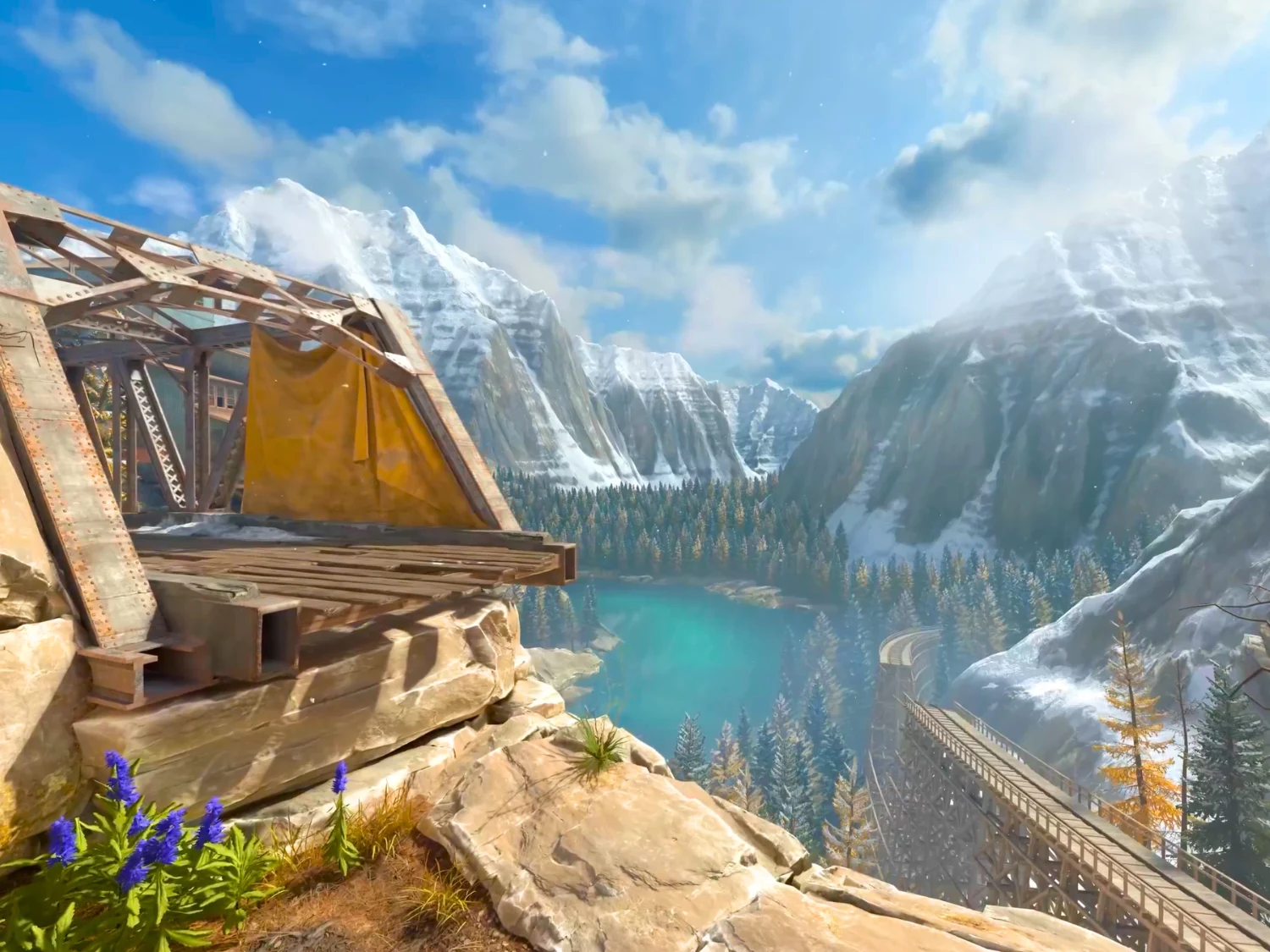
      • The teaser shows a industrial scene, involving a sawmill and rugged mountain terrains. It looks like a very stylish remake of the old de_Coaline map.
      • According to @FMPONE, Splinter has inspirations from Lake Moraine and the Canadian Rockies, giving it a rugged, natural feel.
      • The graphics seem quite impressive, especially with the Source 2 engine, featuring detailed textures and realistic environmental lighting, especially inside workshop areas.

      Details About the Map and What’s Next

      While Cache remains in Valve’s hands as they tweak and optimize it for future competitive play, Splinter is expected to be a community project that is released freely. Snelling has also mentioned he plans to finish one more map, de_Vegas, after this, before shifting into independent game development. Fans are eager to see how Splinter plays, especially since past images include vertical gameplay and tight corners, promising an intense experience. Snelling will probably tweak the map based on how players use it and how it performs on Source 2, so keep an eye on his Steam Workshop page for latest updates.

      Sources
    • Valve Responds to NY Attorney General’s Loot Box Lawsuit: Disappointed

      Valve Responds to NY Attorney General’s Loot Box Lawsuit: Disappointed

      Key Takeaways

      1. Valve claims that loot boxes in their games do not count as illegal gambling, viewing them as a common gaming feature.
      2. The lawsuit was filed by New York Attorney General Letitia James, who argues that loot boxes can create harmful gambling patterns, especially for children.
      3. Valve highlights their belief that their loot boxes are similar to traditional collectible activities and do not give players any competitive advantages.
      4. The company refutes the lawsuit’s demand to make digital items non-transferable, stating that item transfer benefits consumers.
      5. Valve has taken actions against real gambling sites misusing their game items, disabling over one million accounts involved in gambling and fraud.


      Valve has finally made a statement regarding a lawsuit that was brought against them by New York Attorney General Letitia James. In their response, Valve insisted that the loot boxes found in their games do not constitute illegal gambling and are simply a common feature in the gaming industry.

      Valve’s Reaction

      It’s not common for Valve to release statements like this one, which came out on March 11. The company mentioned that they were disappointed, noting they had been collaborating with the Attorney General’s office since 2023, yet still ended up facing this legal challenge.

      Details of the Lawsuit

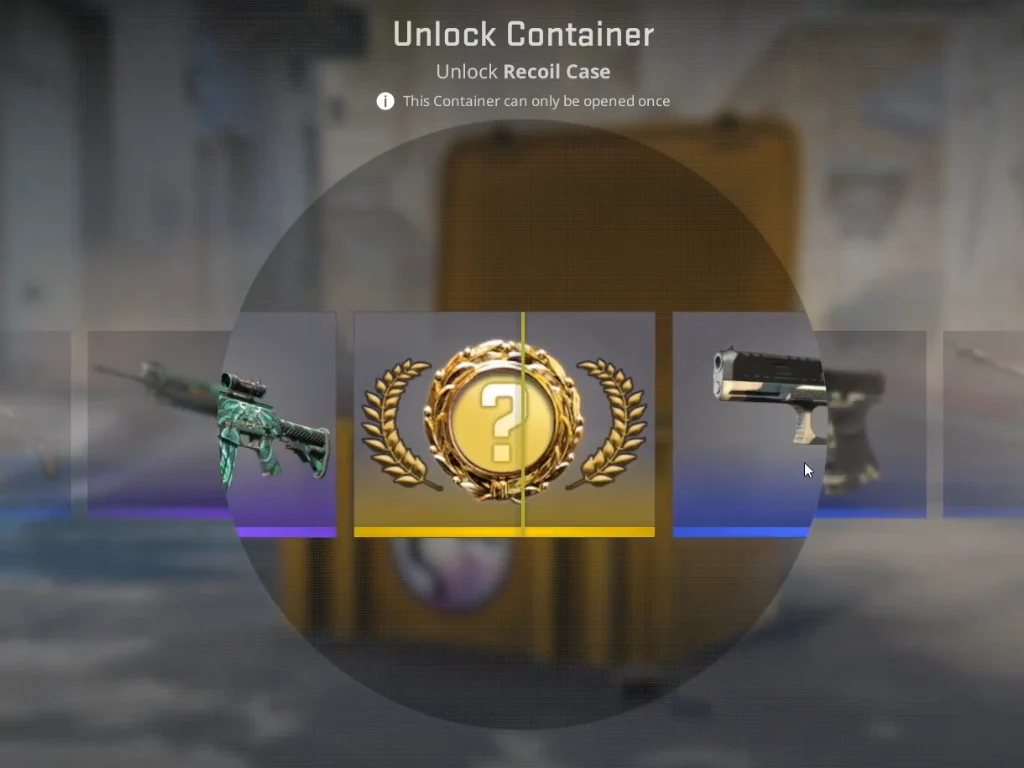
      To provide some background, the lawsuit was filed against “mystery boxes” in popular Valve games such as Counter-Strike 2, Dota 2, and Team Fortress 2. Attorney General James claimed that these loot boxes let players spend real money for a chance to get rare and valuable virtual items, which can eventually be sold for real cash.

      She described this as a harmful gambling loop that particularly affects kids and teenagers. The lawsuit aims to compel Valve to eliminate loot boxes in New York, surrender profits, and pay fines. However, Valve countered that their loot box system doesn’t breach any laws in New York.

      Valve’s Defense

      Valve articulated their stance, addressing players in New York, saying, “We informed the NYAG that these types of boxes in our games are commonly used, not only in video games but also in the real world, where many have grown up opening baseball card packs and blind boxes, trading and selling the items they find.”

      Valve’s statement is significant since the trend of blind-box openings, Pokémon card collecting, and the currently popular Labubus has been around for many years. The concept of trading digital items, seen in games like World of Warcraft, Diablo II, and RuneScape, predates the introduction of loot boxes by Valve.

      Moreover, Valve emphasized that the digital items available in their games are purely cosmetic and do not provide any pay-to-win advantages. They reassured gamers that they can enjoy their titles without ever needing to engage with loot boxes. Valve stated, “Since the items in the boxes are just cosmetic, players who don’t spend money won’t face any disadvantages.”

      Efforts Against Gambling

      The company also pointed out the extensive efforts they’ve made to combat real gambling websites that misuse their Counter-Strike cosmetics. “Valve does not work with gambling sites,” they asserted. “So far, we’ve disabled over one million Steam accounts that were misused by third parties for gambling, fraud, and theft.”

      The lawsuit includes a notable demand from the New York Attorney General that items must not be transferable. Valve, however, disagrees, asserting, “We believe that allowing the transfer of digital game items benefits consumers.”

      In conclusion, Valve wrapped up their announcement by stating, “In the end, it will be up to a court to determine whose viewpoint—ours or the NYAG’s—is the right one.”

      Source:
      Link


    • Lawsuit Claims Valve’s Loot Boxes Rigged Against Players from Start

      Lawsuit Claims Valve’s Loot Boxes Rigged Against Players from Start

      Key Takeaways

      1. Valve is facing two major lawsuits regarding loot boxes, one from the New York Attorney General and another nationwide class-action lawsuit from Hagens Berman.
      2. The New York Attorney General claims Valve operates a “gambling enterprise” targeting minors and argues that loot boxes in games like Counter-Strike 2 are essentially gambling under US law.
      3. The lawsuits allege that Valve uses psychological tactics, such as near-miss visuals, to manipulate players into spending money on loot boxes, similar to slot machines.
      4. The class-action lawsuit by Hagens Berman accuses Valve of knowingly running unlawful gambling operations and failing to protect young players through age verification.
      5. Valve has not publicly responded to the gambling allegations or the ongoing legal challenges.


      Valve is facing two significant legal battles: one initiated by the New York Attorney General in February 2026, and another federal class-action lawsuit brought by the Washington law firm Hagens Berman. The focus of these lawsuits revolves around loot boxes, specifically the Counter-Strike 2 cases, Dota 2 Treasures, and Supply Crates from Team Fortress 2.

      New York Attorney General’s Claims

      In February, Letitia James, the New York Attorney General, filed a lawsuit against Valve, accusing the company of running a “gambling enterprise” that targets minors and those with questionable decision-making.

      The lawsuit asserts that under US law, the loot boxes offered by Valve are considered “quintessential gambling.” It claims that CS2 cases encourage players to spend money, either by opening cases through gameplay or by buying keys afterward. Moreover, it points out that third-party sites frequently sell these out-of-rotation cases or loot boxes at inflated prices.

      Psychological Manipulation Allegations

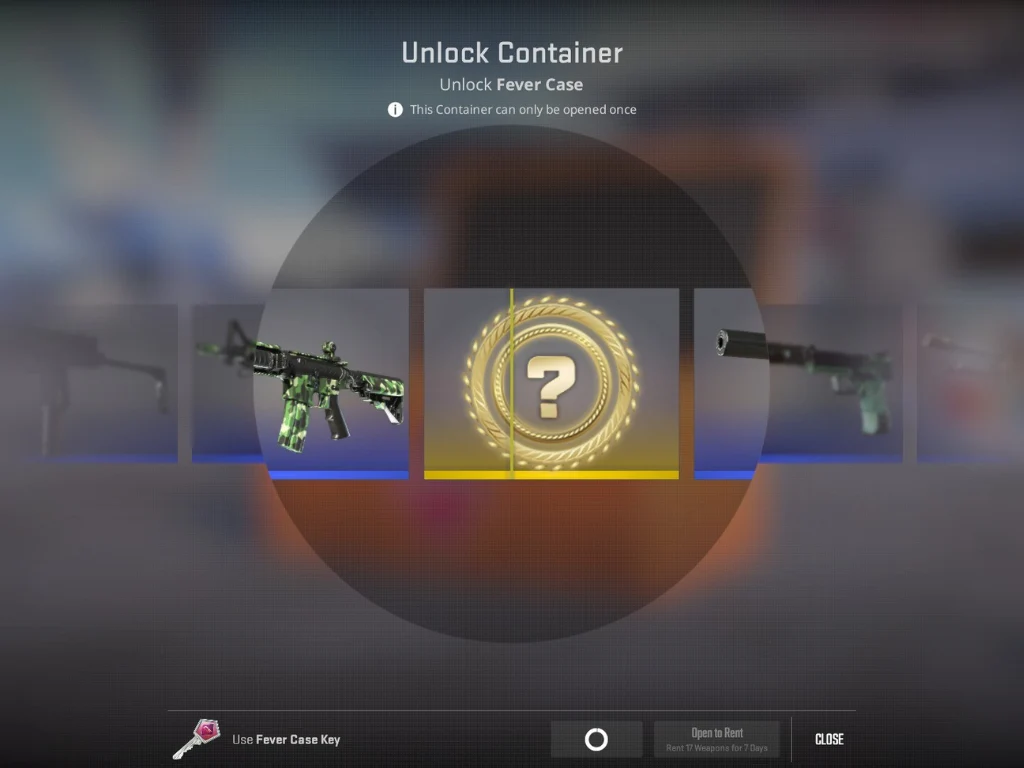
      The lawsuit goes on to argue that the animations involved in unboxing cases, with their near-miss visuals, are designed to psychologically replicate the experience of playing slot machines. The proposed outcome might seem extreme to some, especially since the estimated market cap for CS2 (by volume) exceeds $8 billion. The New York Attorney General aims to entirely ban loot boxes in the state, secure restitution for affected consumers, and impose a penalty that equals three times Valve’s alleged “illegal” profits.

      But this isn’t the whole story, as another lawsuit, now a nationwide consumer class action, was filed by Hagens Berman on March 9, 2026.

      Nationwide Class Action Lawsuit

      The law firm accuses Valve of “knowingly operating unlawful gambling through its loot box system.” Steve Berman, the firm’s founder and managing partner, stated, “Consumers played these games for fun, unaware that Valve had purportedly rigged the odds against them. We plan to hold Valve responsible and return money to consumers.”

      Highlighted in the class-action lawsuit are several prominent Valve games, including Counter-Strike 2, Counter-Strike: Global Offensive, Dota 2, and Team Fortress 2.

      In a manner similar to the New York lawsuit, a segment of the Washington class-action case claims that Valve crafted a “deliberate and carefully engineered revenue model” and that “Valve was aware that children were involved in these transactions.”

      Berman added, “Instead of safeguarding young players through age verification or parental consent systems, we believe Valve set the game in a way that would maximize profits from them.”

      At this point, Valve has not made any public statements regarding the gambling allegations or the ongoing lawsuits, despite the possible consequences if the claims are upheld.

      Source:
      Link


    • Valve Faces Lawsuit Over Loot Box Gambling in Steam Games

      Valve Faces Lawsuit Over Loot Box Gambling in Steam Games

      Key Takeaways

      1. The legality of loot boxes in gaming is under scrutiny, with a current lawsuit against Valve by New York Attorney General Letitia James.
      2. James alleges that Valve violates state laws, claiming that paid cosmetic items in games like Counter-Strike 2 can lead to addiction and financial loss among players.
      3. Minors are particularly at risk, often using their parents’ cards to purchase loot boxes without permission.
      4. If the lawsuit is successful, Valve may face significant fines and players could receive restitution.
      5. The debate over whether loot boxes constitute gambling continues, with arguments around the value of in-game items and their ability to be bought and sold on marketplaces.


      Courts are still looking into whether loot boxes are legal in areas where gambling laws apply. The newest lawsuit is against Valve, the company behind popular Steam titles like Counter-Strike 2 and Dota 2. The New York Attorney General, Letitia James, believes that the paid cosmetic items in these games are particularly damaging to kids.

      Allegations Against Valve

      As reported by Reuters, James has accused Valve of breaking multiple state laws. Even though gambling is banned in New York, there are a few exceptions that allow for regulated sports betting. Nonetheless, there aren’t any similar protections for gamers who find it hard to resist the temptation of loot boxes.

      In Counter-Strike 2, which is free to play, users spend money on cases in hopes of getting rare cosmetic items. The keys needed to open these boxes can be bought easily in-game. Attorney General James claims that the low chances of winning sought-after items lead to disappointment. Gamers often become frustrated and may develop an addiction, resulting in significant debts.

      Minors at Risk

      James also refers to research indicating that young players are especially vulnerable when it comes to chasing after weapon skins. Without permission, they might use their parents’ credit or debit cards to support their habits. Other games on Steam, like Dota 2, do have loot boxes but are more open about what items are inside and the odds of winning.

      If New York wins its case against Valve, players could receive restitution, and the company might be hit with hefty fines. While some businesses have managed to dodge penalties in the past, they have experienced major losses too. In both 2021 and 2023, Epic Games settled for large amounts due to unfair practices in games like Rocket League and Fortnite.

      Ongoing Debate

      The argument about what counts as gambling in the gaming industry continues to stir up controversy. Publishers argue that, unlike other gambling scenarios, players at least get a low-value item for their money. A more debatable point is that these winnings have no value outside the gaming environment. However, players often have the ability to buy and sell items on various marketplaces, both official and unofficial.

      Source:
      Link


    • Steam Achieves Record $1.6 Billion Revenue in December 2025

      Steam Achieves Record $1.6 Billion Revenue in December 2025

      Key Takeaways

      1. Steam achieved record revenue of $1.6 billion in December 2025, its highest-grossing month ever.
      2. Revenue in December 2025 was 22.7% higher than in December 2024, showing significant year-over-year growth.
      3. ARC Raiders was the best-selling game on Steam during the holiday period, selling 1.2 million copies.
      4. Counter-Strike 2 was the top revenue-generating game, earning about $32 million during the same timeframe.
      5. Other notable sales included discounts leading to high sales for titles like Detroit: Become Human, PEAK, and Icarus.


      Steam keeps showing why it’s the biggest video game store in the whole world, and the latest figures confirm its growth isn’t slowing down. Every year, Valve’s platform draws in more players, more developers, and more money. According to new data, December 2025 was Steam’s best month ever.

      Record Revenue

      In the most recent newsletter from Alinea Analytics, it was revealed that Steam made $1.6 billion in gross revenue in December 2025. This revenue was generated from over 100 million players, marking it as the highest-grossing month in Steam’s entire history.

      Year-over-Year Growth

      When looking at previous years, the growth is quite remarkable. December 2025’s revenue was 22.7% higher than in December 2024, showcasing robust year-over-year growth. It also outperformed December 2020, which brought in around $1.4 billion during the pandemic, a time when game spending was particularly high.

      Game Performance Highlights

      Alinea Analytics also revealed which games played a major role in Steam’s holiday triumph. ARC Raiders emerged as one of the top performers, being the best-selling game on Steam for the last two weeks of the year, moving 1.2 million copies. Overall, across all platforms, ARC Raiders sold 12 million copies, with 7 million sold on Steam alone.

      Even though ARC Raiders was the top-selling game in terms of volume, it came in second for revenue during that two-week timeframe, earning about $32 million. The top revenue spot went to Counter-Strike 2, which wasn’t a surprise.

      Other Noteworthy Sales

      Several other titles also saw great success over the holiday period from December 21 to January 5, mainly due to attractive discounts. Detroit: Become Human sold roughly 993,000 copies after its price was slashed to just $4. PEAK also did well, moving 779,000 copies during the same timeframe, bringing its total Steam sales to over 16 million. Icarus dropped from $35 to $3, which resulted in 735,000 copies sold. Battlefield 6 also performed admirably, selling around 706,000 copies owing to a 30% discount.

      Source:
      Link


    • Minh Le Regrets Leaving Valve as CS2 Boosts Former Colleagues

      Minh Le Regrets Leaving Valve as CS2 Boosts Former Colleagues

      Key Takeaways

      1. Minh Le, also known as Gooseman, co-developed Counter-Strike as a modification for Half-Life in the late 1990s, leading to the creation of Counter-Strike 2.

      2. Le expressed mixed feelings about leaving Valve, especially as Counter-Strike 2 has become a hugely successful game, generating significant revenue for the company.

      3. He joined Valve at age 20 after the company recognized Counter-Strike’s potential, which fulfilled a dream of working with his idols.

      4. Le felt constrained at Valve, leading to a friendly separation after being assigned to develop Counter-Strike: Source, which he felt lacked innovation.

      5. Despite regrets about not achieving financial success at Valve, Le believes his career path outside the company has been more rewarding for his personal and professional growth.


      Minh Le, also known as Gooseman, is recognized as the creator of Valve’s popular FPS game, which continues to attract millions of players each day. He co-developed Counter-Strike as a modification for Half-Life towards the end of the 1990s.

      Collaboration with Jess Cliffe

      Working alongside fellow developer Jess Cliffe in his college dorm, Le helped launch a franchise that has transformed into Counter-Strike 2, generating billions for Valve. Sadly, Le departed from Valve before it became a leading force in gaming. Recently, he expressed mixed feelings about his decision, especially considering the financial success of his ex-colleagues.

      In a recent discussion with Edge Magazine, Le shared his reflections, stating, “I do have some regrets. Many of the people I still talk to at Valve seem to be doing really well financially.” This sentiment resonates with many, but for Le, it’s intensified by the fact that Counter-Strike 2 has turned into a cash-generating powerhouse, not only because of its gameplay and eSports but also due to the rarity of certain cosmetic weapon skins.

      Joining Valve

      Le became part of Valve when the company recognized the potential of Counter-Strike. At the age of 20 in 2000, he was brought on board to help transform CS into an official game. Being young and enthusiastic, he was thrilled to work with his idols. He noted, “I held Valve in such high regard. They were my idols. It was surreal that they recognized the game.”

      Counter-Strike went through several changes to include turn-based gameplay and an in-game economy, distinguishing it from other FPS titles of that era. However, after spending a year at Valve, Le began to feel confined. He remarked, “I could see what Counter-Strike had become, and it hadn’t really changed in six years.”

      A Shift in Direction

      Valve assigned Le to develop Counter-Strike: Source, which was primarily a visual refresh without any groundbreaking features. In contrast, Le desired innovation. This led to a friendly separation after a conversation with Valve’s head, Gabe Newell, and other executives. He recalled, “They just told me, ‘You know, Minh, we feel like you’d develop better on your own and not in a professional environment.’” He added:

      “If I had stayed with Valve, I would have been able to retire by now. I took a different path, a much more challenging path. But I feel like it was a much more rewarding path in terms of my career, my development, and my growth as a developer and a person. I saw some sides of the game industry that I wouldn’t have seen if I had stayed with Valve.”

      Source:
      Link


    • Steam Parts Down on Christmas Day After Major Outage

      Steam Parts Down on Christmas Day After Major Outage

      Key Takeaways

      1. Valve’s services went offline around 1 PM EST on Christmas Eve, affecting many gamers during the festive season.
      2. Downdetector recorded a peak of 13,850 reports of issues, with users struggling to log in and access community features.
      3. SteamDB indicates that most problems are related to community features, such as discussion boards and mod workshops, while the store remains operational.
      4. There is speculation about the cause of the outage, with theories ranging from potential hacking to server overload due to increased traffic.
      5. Gamers have not received an official explanation for the downtime, highlighting concerns about the reliability of Steam during peak usage times.


      During the festive season, a lot of gamers take advantage of their time off from work or school to enjoy Steam. Unfortunately, starting around 1 PM EST/7 PM CET on Christmas Eve, many of Valve’s services went offline. Almost a full day later, games that rely on Valve’s API, such as Counter-Strike 2, are finally booting up. The store is back online too, but some users are still having trouble logging in and using community features.

      Reports of Issues

      After the problems began on December 24th, Downdetector recorded a peak of 13,850 reports. Twelve hours later, it seemed like the server issues were resolved. However, complaints about Steam being down started to rise again, with players struggling to access gameplay tips on forums. Some users even encounter errors while trying to log in on mobile devices.

      Service Status Insights

      SteamDB gives a clear view of how Valve’s services are functioning. Right now, the website states that most of the issues are related to community features. This prevents gamers from accessing discussion boards related to each game on Steam. Additionally, workshops that provide popular mods and other downloads are also unavailable for the holidays.

      It’s frustrating for some fans that while essential parts of Steam are down, the store itself is fully operational. This allows customers to buy discounted Steam games and redeem gift cards. However, the social features of the platform are a big draw for many users, making them prefer it over the Epic Games Store. One theory is that Valve focused on keeping sales running smoothly instead of fixing other issues.

      Speculations and Outages

      As of now, gamers have not received any official explanation for the downtime during such a busy time. The last significant outage happened on the much-anticipated release date of Hollow Knight: Silksong. A month later, in October, fans faced a shorter outage.

      One possibility could be that hackers are responsible, similar to the 24-day outage the PlayStation Network experienced in 2011. Yet, it seems more plausible that the surge of traffic is causing the problems. Steam has seen unprecedented growth, surpassing 41 million users in Fall 2025. The holiday rush during Christmas and New Year only adds extra pressure to the servers.

      Source:
      Link


    • Counter-Strike 2 Patch Costs $2B+ in Skin Market, Knives Craftable

      Counter-Strike 2 Patch Costs $2B+ in Skin Market, Knives Craftable

      Key Takeaways

      1. Valve has introduced a patch for Counter-Strike 2 that changes the skin trading system, allowing players to trade multiple items for a knife or gloves.
      2. The total skin market cap dropped from approximately $6 billion to around $4.27 billion within a day, losing nearly $2 billion in value.
      3. The prices of rare items, especially knives and gloves, have decreased significantly (40%–60%) due to increased crafting ease, while red skins have gained value.
      4. The update is seen as a way to correct an inflation bubble in the skin market, making high-tier items less rare and more accessible.
      5. This change may increase trading activity on the Steam marketplace, benefiting Valve financially by encouraging more in-game transactions.


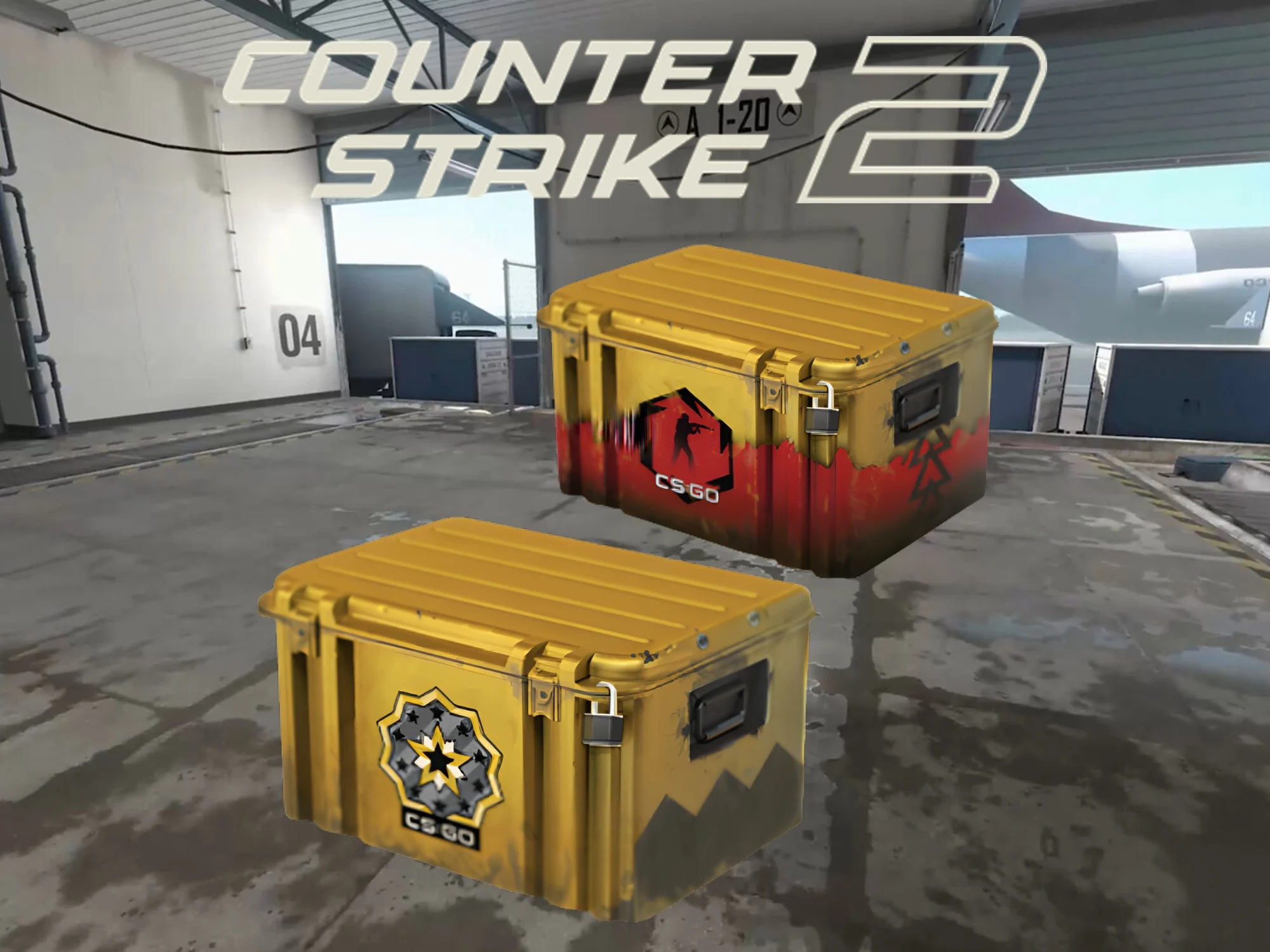
      Valve, the firm behind the leading PC gaming platform, has quietly introduced a patch for Counter-Strike 2 that significantly alters the game’s multi-billion-dollar skin marketplace. This update allows players to trade five StatTrak™ Covert items for a single StatTrak™ knife, or swap five regular Covert items for one regular knife or a pair of gloves from the available collections.

      Rapid Market Changes

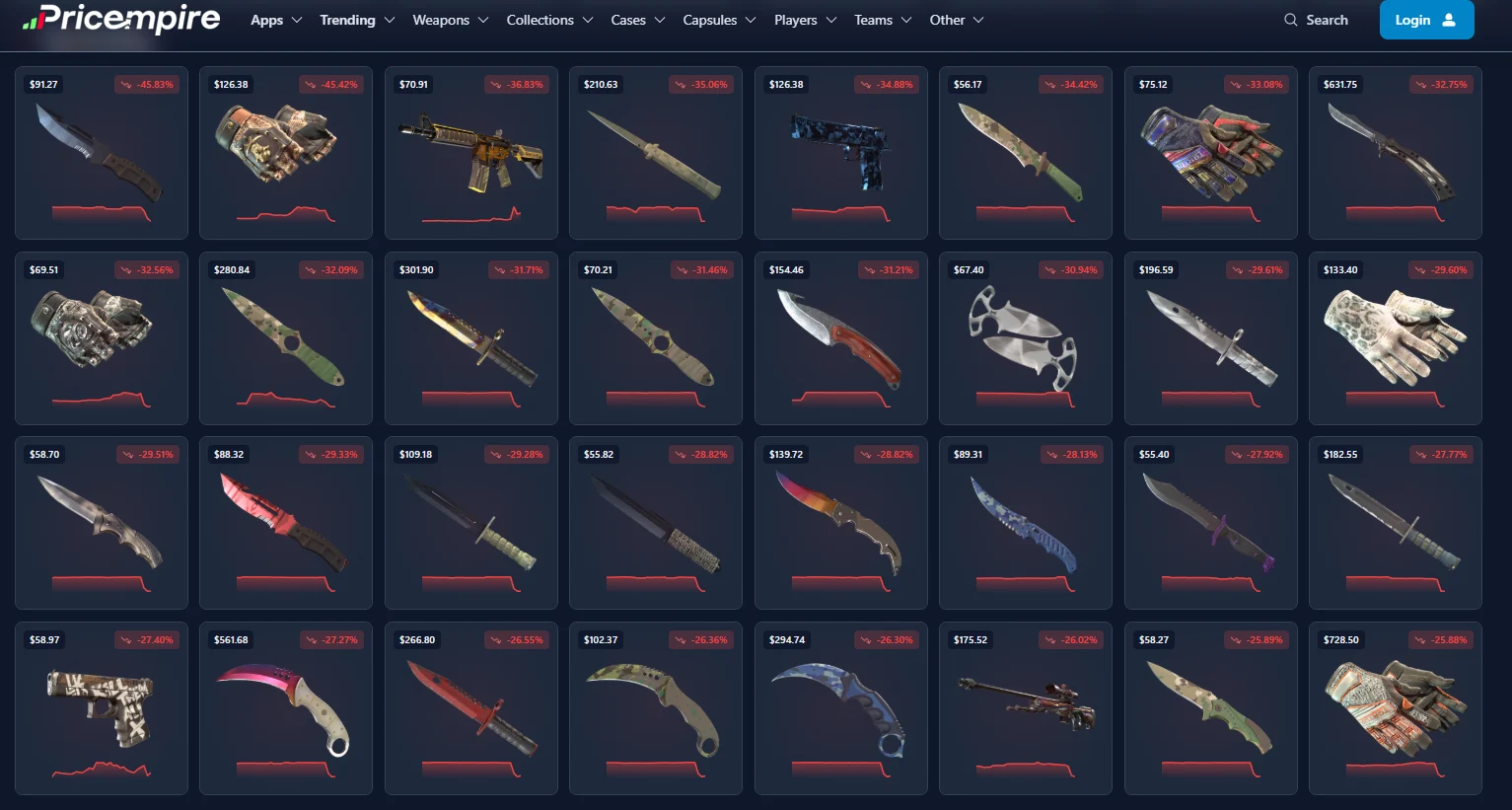
      The effects of this update were immediate and severe. The tracking platform PriceEmpire recorded a rapid decrease in the total skin market cap, plummeting from approximately $6 billion to around $4.27 billion within a day. This represents a loss of nearly $2 billion in market value, disappearing almost instantly.

      Impact on Rare Items

      Rare items, especially knives and gloves that were previously hard to obtain through trade-ups, suffered the most. Many sought-after knives that were once valued at several thousand dollars have seen their prices drop by 40%–60% as the ease of crafting them has increased. Conversely, the red skins used in trade-up contracts have skyrocketed in value, as they have now become the new “currency” for creating high-tier items.

      Economic Implications

      The reasoning behind this change is straightforward: by allowing players to create knives and gloves from previously lower-value items, Valve has reduced the rarity of its top-tier items and initiated a necessary re-evaluation of the overall market. Some traders believe this move corrects a long-term inflation bubble within the skin market, while others see it as a threat to the value for those who invested for the long haul. A comment on the r/CS2 subreddit encapsulates this sentiment: “I got burned a bit … but honestly, this is a good move for the game’s future … it’s now easier for people to get the skins they desire.”

      Business Benefits for Valve

      From a business angle, this update could boost activity on the Steam marketplace. With lower price points for sought-after skins, more players may become involved in trading, leading to an increase in transactions from which Valve can profit in-game, instead of missing out on off-platform trades. As one Reddit user remarked: “Valve just executed a brilliant strategy in platform capitalism.”

      While Valve has not yet officially addressed the market consequences, the effects are already becoming apparent. Whether you’re a collector or simply after your first knife, this update has transformed the landscape overnight and carries significant implications for what many traders once viewed as appreciating digital assets.