
Key Takeaways
1. Valve is facing two major lawsuits regarding loot boxes, one from the New York Attorney General and another nationwide class-action lawsuit from Hagens Berman.
2. The New York Attorney General claims Valve operates a “gambling enterprise” targeting minors and argues that loot boxes in games like Counter-Strike 2 are essentially gambling under US law.
3. The lawsuits allege that Valve uses psychological tactics, such as near-miss visuals, to manipulate players into spending money on loot boxes, similar to slot machines.
4. The class-action lawsuit by Hagens Berman accuses Valve of knowingly running unlawful gambling operations and failing to protect young players through age verification.
5. Valve has not publicly responded to the gambling allegations or the ongoing legal challenges.
Valve is facing two significant legal battles: one initiated by the New York Attorney General in February 2026, and another federal class-action lawsuit brought by the Washington law firm Hagens Berman. The focus of these lawsuits revolves around loot boxes, specifically the Counter-Strike 2 cases, Dota 2 Treasures, and Supply Crates from Team Fortress 2.
New York Attorney General’s Claims
In February, Letitia James, the New York Attorney General, filed a lawsuit against Valve, accusing the company of running a “gambling enterprise” that targets minors and those with questionable decision-making.
The lawsuit asserts that under US law, the loot boxes offered by Valve are considered “quintessential gambling.” It claims that CS2 cases encourage players to spend money, either by opening cases through gameplay or by buying keys afterward. Moreover, it points out that third-party sites frequently sell these out-of-rotation cases or loot boxes at inflated prices.
Psychological Manipulation Allegations
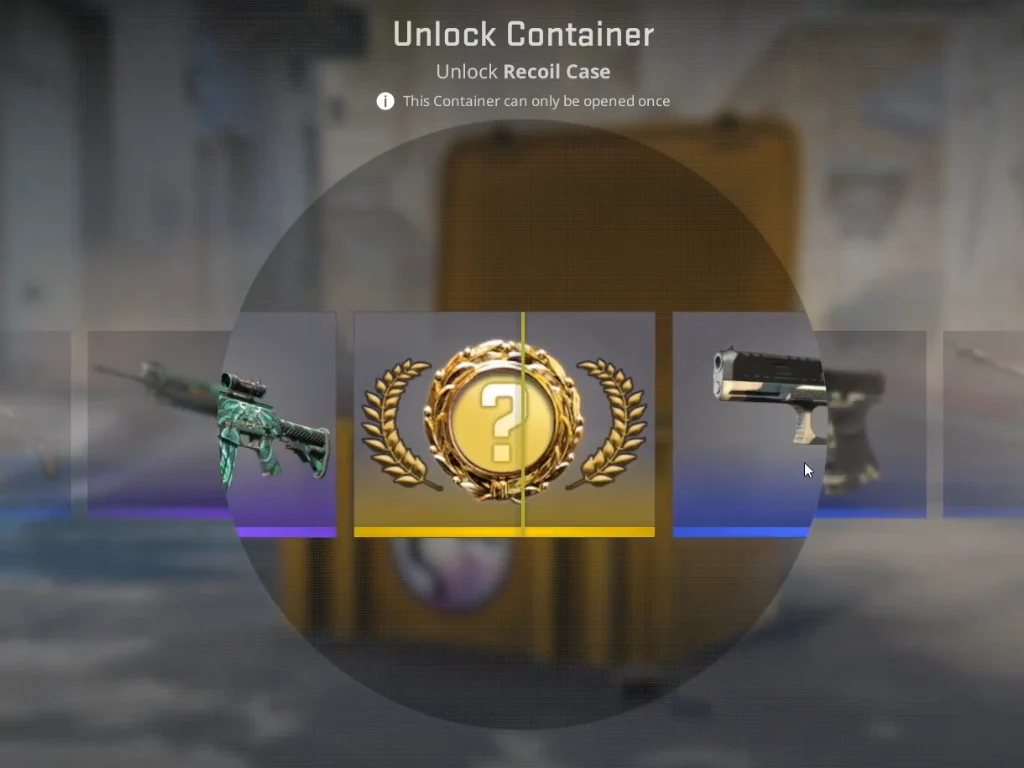
The lawsuit goes on to argue that the animations involved in unboxing cases, with their near-miss visuals, are designed to psychologically replicate the experience of playing slot machines. The proposed outcome might seem extreme to some, especially since the estimated market cap for CS2 (by volume) exceeds $8 billion. The New York Attorney General aims to entirely ban loot boxes in the state, secure restitution for affected consumers, and impose a penalty that equals three times Valve’s alleged “illegal” profits.
But this isn’t the whole story, as another lawsuit, now a nationwide consumer class action, was filed by Hagens Berman on March 9, 2026.
Nationwide Class Action Lawsuit
The law firm accuses Valve of “knowingly operating unlawful gambling through its loot box system.” Steve Berman, the firm’s founder and managing partner, stated, “Consumers played these games for fun, unaware that Valve had purportedly rigged the odds against them. We plan to hold Valve responsible and return money to consumers.”
Highlighted in the class-action lawsuit are several prominent Valve games, including Counter-Strike 2, Counter-Strike: Global Offensive, Dota 2, and Team Fortress 2.
In a manner similar to the New York lawsuit, a segment of the Washington class-action case claims that Valve crafted a “deliberate and carefully engineered revenue model” and that “Valve was aware that children were involved in these transactions.”
Berman added, “Instead of safeguarding young players through age verification or parental consent systems, we believe Valve set the game in a way that would maximize profits from them.”
At this point, Valve has not made any public statements regarding the gambling allegations or the ongoing lawsuits, despite the possible consequences if the claims are upheld.
Source:
Link
Leave a Reply