Tag: loot boxes

  • Valve Responds to NY Attorney General’s Loot Box Lawsuit: Disappointed

    Valve Responds to NY Attorney General’s Loot Box Lawsuit: Disappointed

    Key Takeaways

    1. Valve claims that loot boxes in their games do not count as illegal gambling, viewing them as a common gaming feature.
    2. The lawsuit was filed by New York Attorney General Letitia James, who argues that loot boxes can create harmful gambling patterns, especially for children.
    3. Valve highlights their belief that their loot boxes are similar to traditional collectible activities and do not give players any competitive advantages.
    4. The company refutes the lawsuit’s demand to make digital items non-transferable, stating that item transfer benefits consumers.
    5. Valve has taken actions against real gambling sites misusing their game items, disabling over one million accounts involved in gambling and fraud.


    Valve has finally made a statement regarding a lawsuit that was brought against them by New York Attorney General Letitia James. In their response, Valve insisted that the loot boxes found in their games do not constitute illegal gambling and are simply a common feature in the gaming industry.

    Valve’s Reaction

    It’s not common for Valve to release statements like this one, which came out on March 11. The company mentioned that they were disappointed, noting they had been collaborating with the Attorney General’s office since 2023, yet still ended up facing this legal challenge.

    Details of the Lawsuit

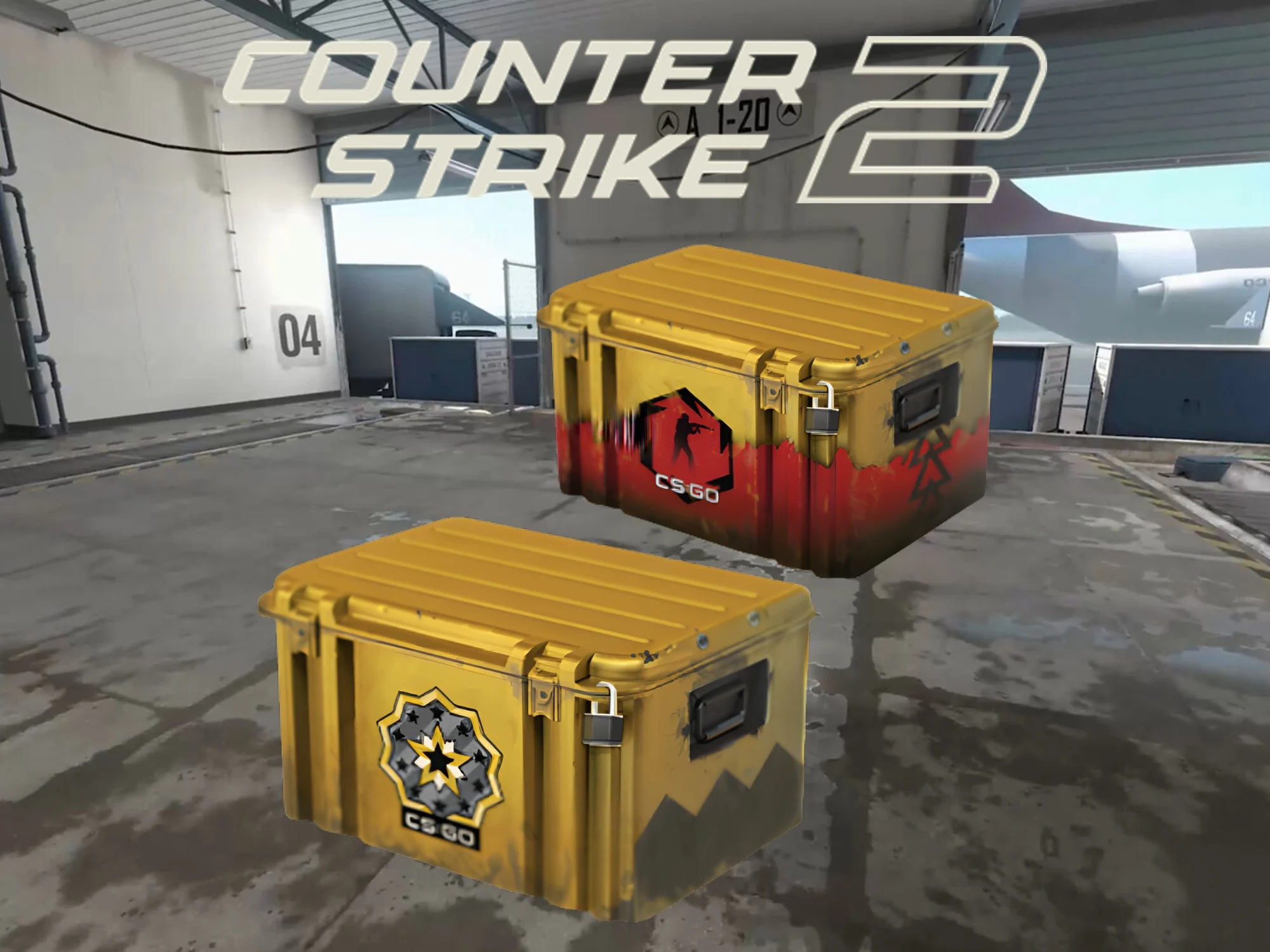
    To provide some background, the lawsuit was filed against “mystery boxes” in popular Valve games such as Counter-Strike 2, Dota 2, and Team Fortress 2. Attorney General James claimed that these loot boxes let players spend real money for a chance to get rare and valuable virtual items, which can eventually be sold for real cash.

    She described this as a harmful gambling loop that particularly affects kids and teenagers. The lawsuit aims to compel Valve to eliminate loot boxes in New York, surrender profits, and pay fines. However, Valve countered that their loot box system doesn’t breach any laws in New York.

    Valve’s Defense

    Valve articulated their stance, addressing players in New York, saying, “We informed the NYAG that these types of boxes in our games are commonly used, not only in video games but also in the real world, where many have grown up opening baseball card packs and blind boxes, trading and selling the items they find.”

    Valve’s statement is significant since the trend of blind-box openings, Pokémon card collecting, and the currently popular Labubus has been around for many years. The concept of trading digital items, seen in games like World of Warcraft, Diablo II, and RuneScape, predates the introduction of loot boxes by Valve.

    Moreover, Valve emphasized that the digital items available in their games are purely cosmetic and do not provide any pay-to-win advantages. They reassured gamers that they can enjoy their titles without ever needing to engage with loot boxes. Valve stated, “Since the items in the boxes are just cosmetic, players who don’t spend money won’t face any disadvantages.”

    Efforts Against Gambling

    The company also pointed out the extensive efforts they’ve made to combat real gambling websites that misuse their Counter-Strike cosmetics. “Valve does not work with gambling sites,” they asserted. “So far, we’ve disabled over one million Steam accounts that were misused by third parties for gambling, fraud, and theft.”

    The lawsuit includes a notable demand from the New York Attorney General that items must not be transferable. Valve, however, disagrees, asserting, “We believe that allowing the transfer of digital game items benefits consumers.”

    In conclusion, Valve wrapped up their announcement by stating, “In the end, it will be up to a court to determine whose viewpoint—ours or the NYAG’s—is the right one.”

    Source:
    Link


  • Lawsuit Claims Valve’s Loot Boxes Rigged Against Players from Start

    Lawsuit Claims Valve’s Loot Boxes Rigged Against Players from Start

    Key Takeaways

    1. Valve is facing two major lawsuits regarding loot boxes, one from the New York Attorney General and another nationwide class-action lawsuit from Hagens Berman.
    2. The New York Attorney General claims Valve operates a “gambling enterprise” targeting minors and argues that loot boxes in games like Counter-Strike 2 are essentially gambling under US law.
    3. The lawsuits allege that Valve uses psychological tactics, such as near-miss visuals, to manipulate players into spending money on loot boxes, similar to slot machines.
    4. The class-action lawsuit by Hagens Berman accuses Valve of knowingly running unlawful gambling operations and failing to protect young players through age verification.
    5. Valve has not publicly responded to the gambling allegations or the ongoing legal challenges.


    Valve is facing two significant legal battles: one initiated by the New York Attorney General in February 2026, and another federal class-action lawsuit brought by the Washington law firm Hagens Berman. The focus of these lawsuits revolves around loot boxes, specifically the Counter-Strike 2 cases, Dota 2 Treasures, and Supply Crates from Team Fortress 2.

    New York Attorney General’s Claims

    In February, Letitia James, the New York Attorney General, filed a lawsuit against Valve, accusing the company of running a “gambling enterprise” that targets minors and those with questionable decision-making.

    The lawsuit asserts that under US law, the loot boxes offered by Valve are considered “quintessential gambling.” It claims that CS2 cases encourage players to spend money, either by opening cases through gameplay or by buying keys afterward. Moreover, it points out that third-party sites frequently sell these out-of-rotation cases or loot boxes at inflated prices.

    Psychological Manipulation Allegations

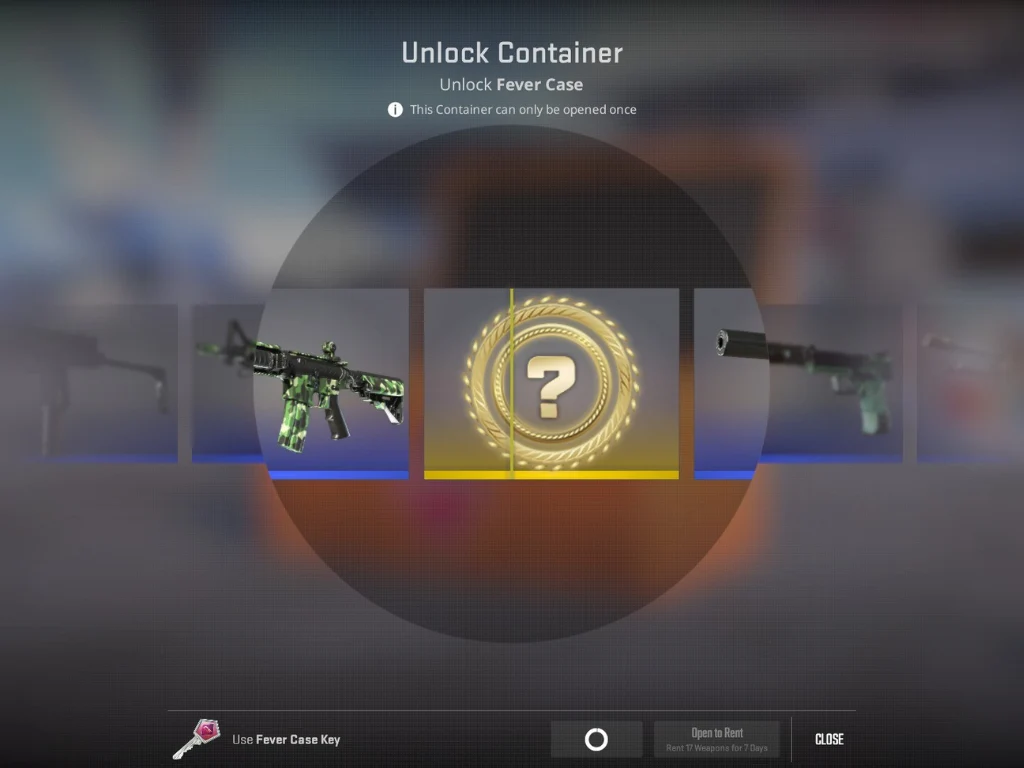
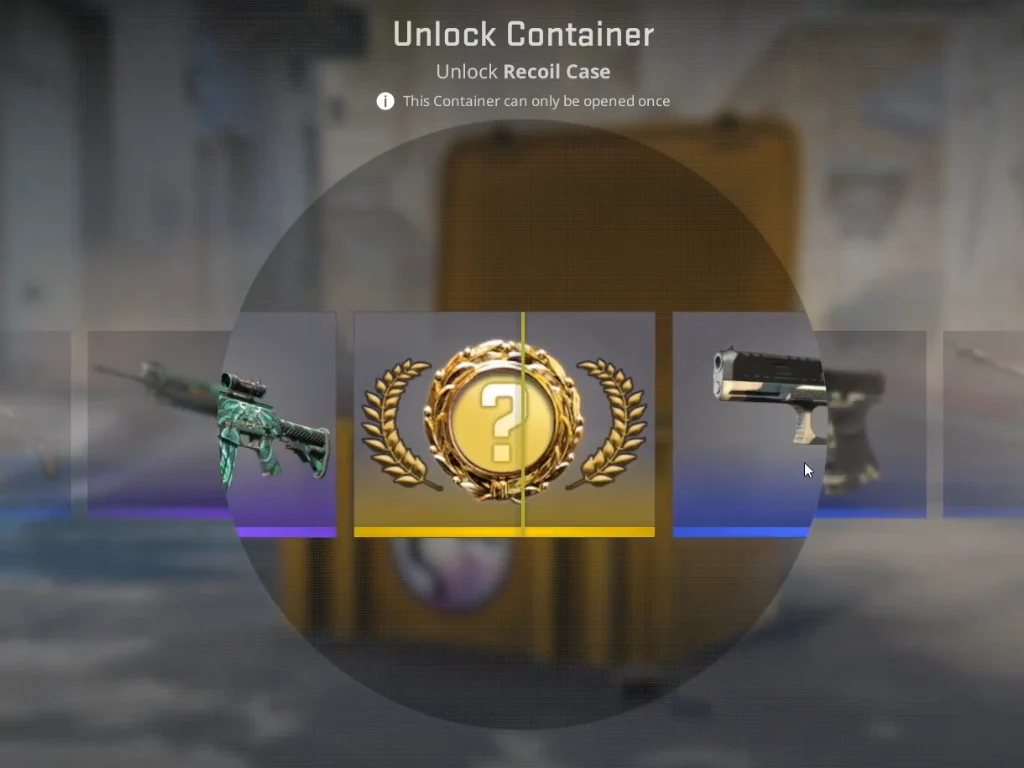
    The lawsuit goes on to argue that the animations involved in unboxing cases, with their near-miss visuals, are designed to psychologically replicate the experience of playing slot machines. The proposed outcome might seem extreme to some, especially since the estimated market cap for CS2 (by volume) exceeds $8 billion. The New York Attorney General aims to entirely ban loot boxes in the state, secure restitution for affected consumers, and impose a penalty that equals three times Valve’s alleged “illegal” profits.

    But this isn’t the whole story, as another lawsuit, now a nationwide consumer class action, was filed by Hagens Berman on March 9, 2026.

    Nationwide Class Action Lawsuit

    The law firm accuses Valve of “knowingly operating unlawful gambling through its loot box system.” Steve Berman, the firm’s founder and managing partner, stated, “Consumers played these games for fun, unaware that Valve had purportedly rigged the odds against them. We plan to hold Valve responsible and return money to consumers.”

    Highlighted in the class-action lawsuit are several prominent Valve games, including Counter-Strike 2, Counter-Strike: Global Offensive, Dota 2, and Team Fortress 2.

    In a manner similar to the New York lawsuit, a segment of the Washington class-action case claims that Valve crafted a “deliberate and carefully engineered revenue model” and that “Valve was aware that children were involved in these transactions.”

    Berman added, “Instead of safeguarding young players through age verification or parental consent systems, we believe Valve set the game in a way that would maximize profits from them.”

    At this point, Valve has not made any public statements regarding the gambling allegations or the ongoing lawsuits, despite the possible consequences if the claims are upheld.

    Source:
    Link


  • Valve Faces Lawsuit Over Loot Box Gambling in Steam Games

    Valve Faces Lawsuit Over Loot Box Gambling in Steam Games

    Key Takeaways

    1. The legality of loot boxes in gaming is under scrutiny, with a current lawsuit against Valve by New York Attorney General Letitia James.
    2. James alleges that Valve violates state laws, claiming that paid cosmetic items in games like Counter-Strike 2 can lead to addiction and financial loss among players.
    3. Minors are particularly at risk, often using their parents’ cards to purchase loot boxes without permission.
    4. If the lawsuit is successful, Valve may face significant fines and players could receive restitution.
    5. The debate over whether loot boxes constitute gambling continues, with arguments around the value of in-game items and their ability to be bought and sold on marketplaces.


    Courts are still looking into whether loot boxes are legal in areas where gambling laws apply. The newest lawsuit is against Valve, the company behind popular Steam titles like Counter-Strike 2 and Dota 2. The New York Attorney General, Letitia James, believes that the paid cosmetic items in these games are particularly damaging to kids.

    Allegations Against Valve

    As reported by Reuters, James has accused Valve of breaking multiple state laws. Even though gambling is banned in New York, there are a few exceptions that allow for regulated sports betting. Nonetheless, there aren’t any similar protections for gamers who find it hard to resist the temptation of loot boxes.

    In Counter-Strike 2, which is free to play, users spend money on cases in hopes of getting rare cosmetic items. The keys needed to open these boxes can be bought easily in-game. Attorney General James claims that the low chances of winning sought-after items lead to disappointment. Gamers often become frustrated and may develop an addiction, resulting in significant debts.

    Minors at Risk

    James also refers to research indicating that young players are especially vulnerable when it comes to chasing after weapon skins. Without permission, they might use their parents’ credit or debit cards to support their habits. Other games on Steam, like Dota 2, do have loot boxes but are more open about what items are inside and the odds of winning.

    If New York wins its case against Valve, players could receive restitution, and the company might be hit with hefty fines. While some businesses have managed to dodge penalties in the past, they have experienced major losses too. In both 2021 and 2023, Epic Games settled for large amounts due to unfair practices in games like Rocket League and Fortnite.

    Ongoing Debate

    The argument about what counts as gambling in the gaming industry continues to stir up controversy. Publishers argue that, unlike other gambling scenarios, players at least get a low-value item for their money. A more debatable point is that these winnings have no value outside the gaming environment. However, players often have the ability to buy and sell items on various marketplaces, both official and unofficial.

    Source:
    Link