
Key Takeaways
1. Valve claims that loot boxes in their games do not count as illegal gambling, viewing them as a common gaming feature.
2. The lawsuit was filed by New York Attorney General Letitia James, who argues that loot boxes can create harmful gambling patterns, especially for children.
3. Valve highlights their belief that their loot boxes are similar to traditional collectible activities and do not give players any competitive advantages.
4. The company refutes the lawsuit’s demand to make digital items non-transferable, stating that item transfer benefits consumers.
5. Valve has taken actions against real gambling sites misusing their game items, disabling over one million accounts involved in gambling and fraud.
Valve has finally made a statement regarding a lawsuit that was brought against them by New York Attorney General Letitia James. In their response, Valve insisted that the loot boxes found in their games do not constitute illegal gambling and are simply a common feature in the gaming industry.
Valve’s Reaction
It’s not common for Valve to release statements like this one, which came out on March 11. The company mentioned that they were disappointed, noting they had been collaborating with the Attorney General’s office since 2023, yet still ended up facing this legal challenge.
Details of the Lawsuit
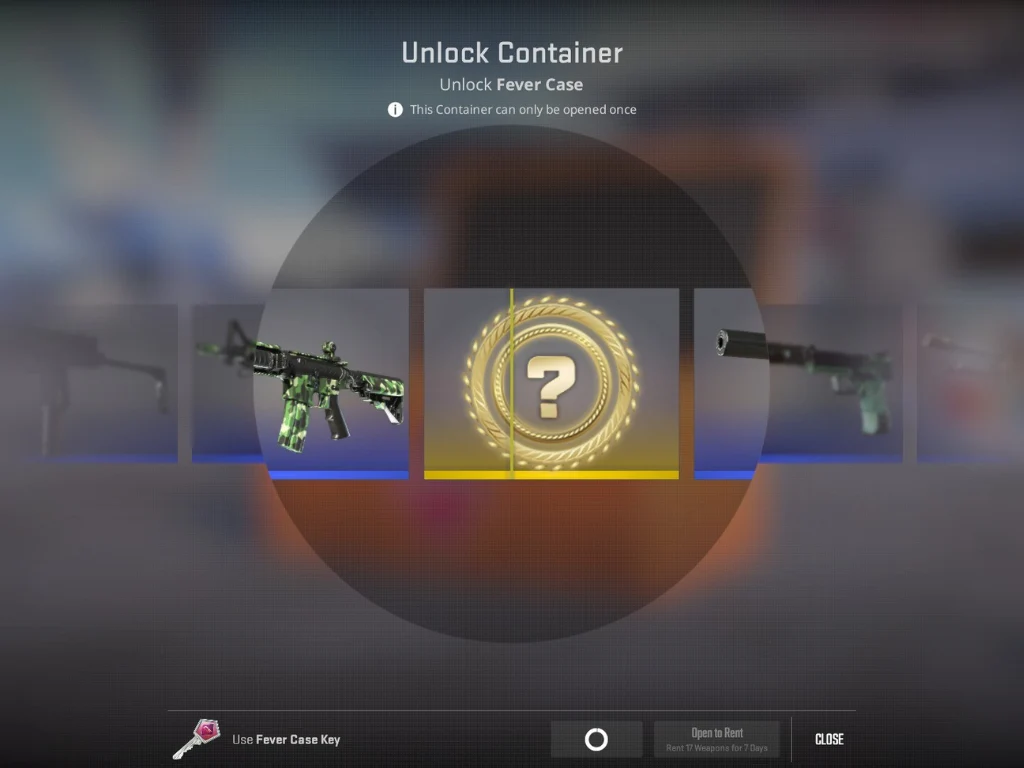
To provide some background, the lawsuit was filed against “mystery boxes” in popular Valve games such as Counter-Strike 2, Dota 2, and Team Fortress 2. Attorney General James claimed that these loot boxes let players spend real money for a chance to get rare and valuable virtual items, which can eventually be sold for real cash.
She described this as a harmful gambling loop that particularly affects kids and teenagers. The lawsuit aims to compel Valve to eliminate loot boxes in New York, surrender profits, and pay fines. However, Valve countered that their loot box system doesn’t breach any laws in New York.
Valve’s Defense
Valve articulated their stance, addressing players in New York, saying, “We informed the NYAG that these types of boxes in our games are commonly used, not only in video games but also in the real world, where many have grown up opening baseball card packs and blind boxes, trading and selling the items they find.”
Valve’s statement is significant since the trend of blind-box openings, Pokémon card collecting, and the currently popular Labubus has been around for many years. The concept of trading digital items, seen in games like World of Warcraft, Diablo II, and RuneScape, predates the introduction of loot boxes by Valve.
Moreover, Valve emphasized that the digital items available in their games are purely cosmetic and do not provide any pay-to-win advantages. They reassured gamers that they can enjoy their titles without ever needing to engage with loot boxes. Valve stated, “Since the items in the boxes are just cosmetic, players who don’t spend money won’t face any disadvantages.”
Efforts Against Gambling
The company also pointed out the extensive efforts they’ve made to combat real gambling websites that misuse their Counter-Strike cosmetics. “Valve does not work with gambling sites,” they asserted. “So far, we’ve disabled over one million Steam accounts that were misused by third parties for gambling, fraud, and theft.”
The lawsuit includes a notable demand from the New York Attorney General that items must not be transferable. Valve, however, disagrees, asserting, “We believe that allowing the transfer of digital game items benefits consumers.”
In conclusion, Valve wrapped up their announcement by stating, “In the end, it will be up to a court to determine whose viewpoint—ours or the NYAG’s—is the right one.”
Source:
Link
Leave a Reply