
Key Takeaways
1. The legality of loot boxes in gaming is under scrutiny, with a current lawsuit against Valve by New York Attorney General Letitia James.
2. James alleges that Valve violates state laws, claiming that paid cosmetic items in games like Counter-Strike 2 can lead to addiction and financial loss among players.
3. Minors are particularly at risk, often using their parents’ cards to purchase loot boxes without permission.
4. If the lawsuit is successful, Valve may face significant fines and players could receive restitution.
5. The debate over whether loot boxes constitute gambling continues, with arguments around the value of in-game items and their ability to be bought and sold on marketplaces.
Courts are still looking into whether loot boxes are legal in areas where gambling laws apply. The newest lawsuit is against Valve, the company behind popular Steam titles like Counter-Strike 2 and Dota 2. The New York Attorney General, Letitia James, believes that the paid cosmetic items in these games are particularly damaging to kids.
Allegations Against Valve
As reported by Reuters, James has accused Valve of breaking multiple state laws. Even though gambling is banned in New York, there are a few exceptions that allow for regulated sports betting. Nonetheless, there aren’t any similar protections for gamers who find it hard to resist the temptation of loot boxes.
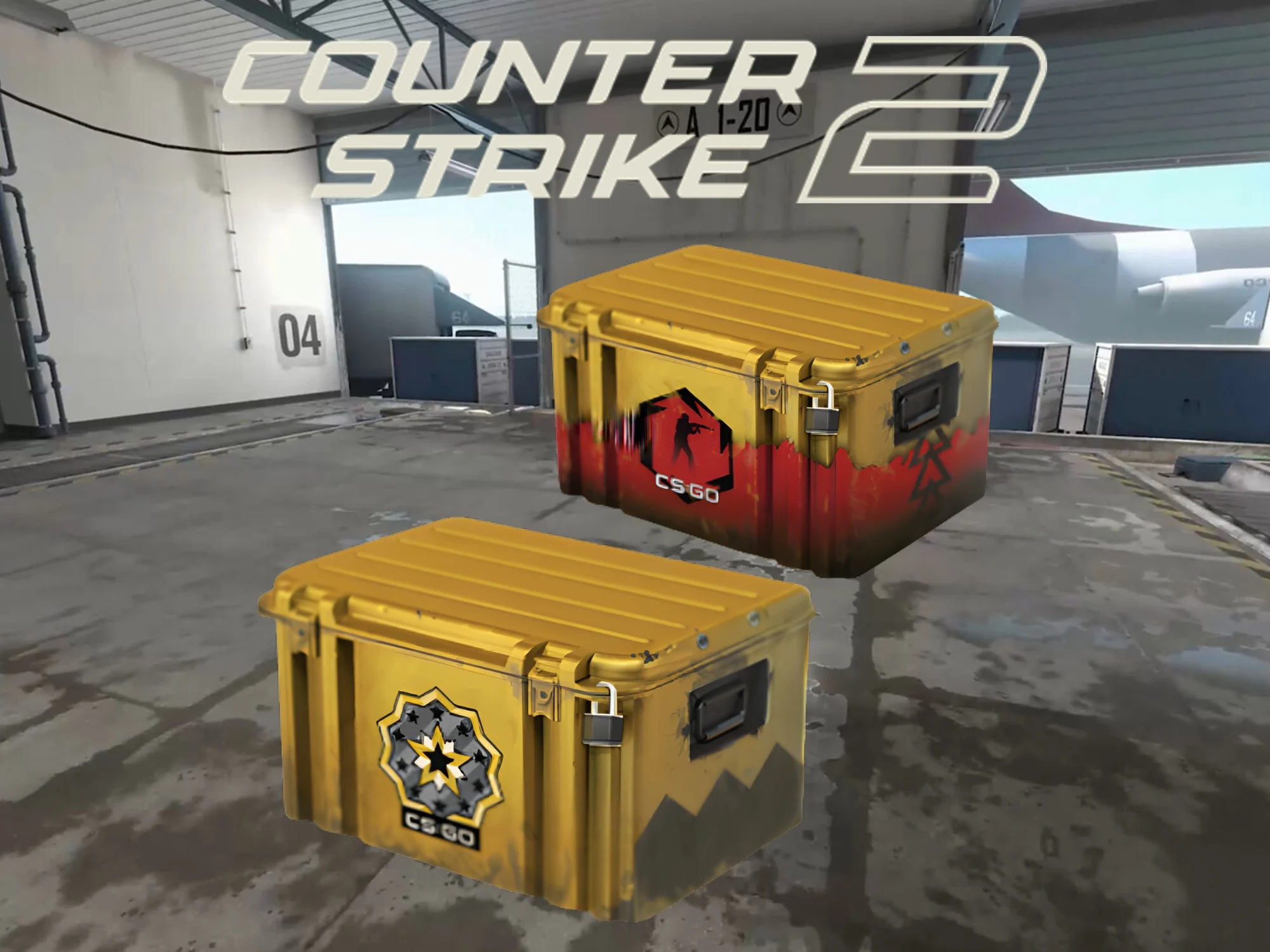
In Counter-Strike 2, which is free to play, users spend money on cases in hopes of getting rare cosmetic items. The keys needed to open these boxes can be bought easily in-game. Attorney General James claims that the low chances of winning sought-after items lead to disappointment. Gamers often become frustrated and may develop an addiction, resulting in significant debts.
Minors at Risk
James also refers to research indicating that young players are especially vulnerable when it comes to chasing after weapon skins. Without permission, they might use their parents’ credit or debit cards to support their habits. Other games on Steam, like Dota 2, do have loot boxes but are more open about what items are inside and the odds of winning.
If New York wins its case against Valve, players could receive restitution, and the company might be hit with hefty fines. While some businesses have managed to dodge penalties in the past, they have experienced major losses too. In both 2021 and 2023, Epic Games settled for large amounts due to unfair practices in games like Rocket League and Fortnite.
Ongoing Debate
The argument about what counts as gambling in the gaming industry continues to stir up controversy. Publishers argue that, unlike other gambling scenarios, players at least get a low-value item for their money. A more debatable point is that these winnings have no value outside the gaming environment. However, players often have the ability to buy and sell items on various marketplaces, both official and unofficial.
Source:
Link
Leave a Reply