
Tag: Minh Le

  • Minh Le Regrets Leaving Valve as CS2 Boosts Former Colleagues

    Minh Le Regrets Leaving Valve as CS2 Boosts Former Colleagues

    Key Takeaways

    1. Minh Le, also known as Gooseman, co-developed Counter-Strike as a modification for Half-Life in the late 1990s, leading to the creation of Counter-Strike 2.

    2. Le expressed mixed feelings about leaving Valve, especially as Counter-Strike 2 has become a hugely successful game, generating significant revenue for the company.

    3. He joined Valve at age 20 after the company recognized Counter-Strike’s potential, which fulfilled a dream of working with his idols.

    4. Le felt constrained at Valve, leading to a friendly separation after being assigned to develop Counter-Strike: Source, which he felt lacked innovation.

    5. Despite regrets about not achieving financial success at Valve, Le believes his career path outside the company has been more rewarding for his personal and professional growth.


    Minh Le, also known as Gooseman, is recognized as the creator of Valve’s popular FPS game, which continues to attract millions of players each day. He co-developed Counter-Strike as a modification for Half-Life towards the end of the 1990s.

    Collaboration with Jess Cliffe

    Working alongside fellow developer Jess Cliffe in his college dorm, Le helped launch a franchise that has transformed into Counter-Strike 2, generating billions for Valve. Sadly, Le departed from Valve before it became a leading force in gaming. Recently, he expressed mixed feelings about his decision, especially considering the financial success of his ex-colleagues.

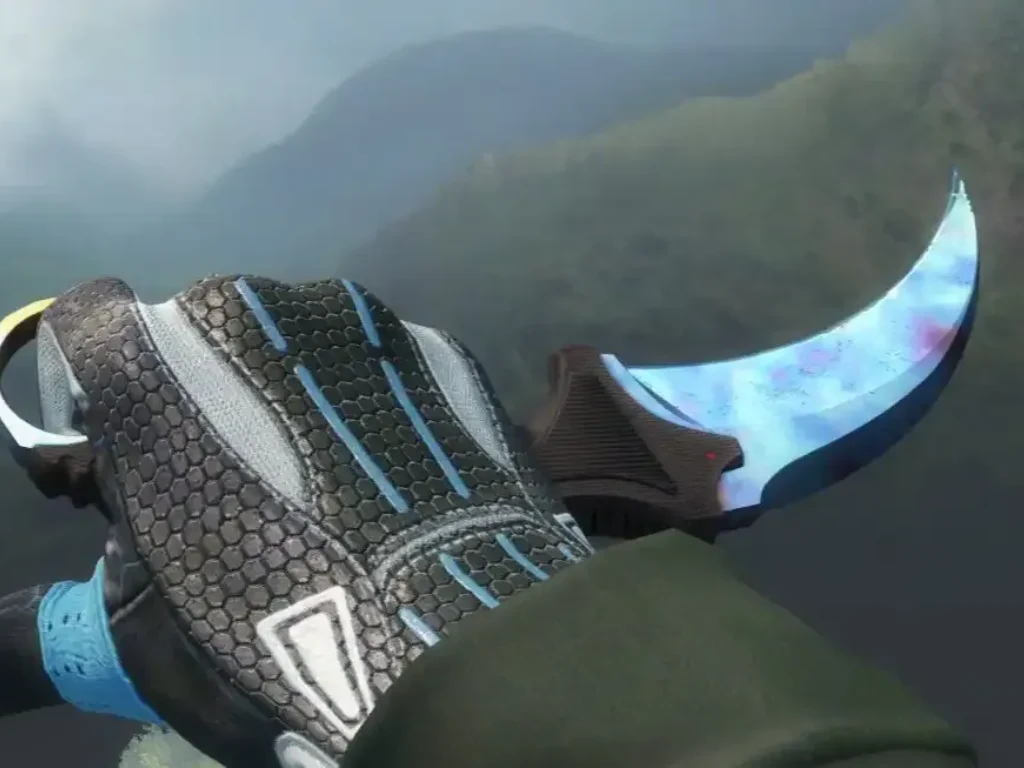
    In a recent discussion with Edge Magazine, Le shared his reflections, stating, “I do have some regrets. Many of the people I still talk to at Valve seem to be doing really well financially.” This sentiment resonates with many, but for Le, it’s intensified by the fact that Counter-Strike 2 has turned into a cash-generating powerhouse, not only because of its gameplay and eSports but also due to the rarity of certain cosmetic weapon skins.

    Joining Valve

    Le became part of Valve when the company recognized the potential of Counter-Strike. At the age of 20 in 2000, he was brought on board to help transform CS into an official game. Being young and enthusiastic, he was thrilled to work with his idols. He noted, “I held Valve in such high regard. They were my idols. It was surreal that they recognized the game.”

    Counter-Strike went through several changes to include turn-based gameplay and an in-game economy, distinguishing it from other FPS titles of that era. However, after spending a year at Valve, Le began to feel confined. He remarked, “I could see what Counter-Strike had become, and it hadn’t really changed in six years.”

    A Shift in Direction

    Valve assigned Le to develop Counter-Strike: Source, which was primarily a visual refresh without any groundbreaking features. In contrast, Le desired innovation. This led to a friendly separation after a conversation with Valve’s head, Gabe Newell, and other executives. He recalled, “They just told me, ‘You know, Minh, we feel like you’d develop better on your own and not in a professional environment.’” He added:

    “If I had stayed with Valve, I would have been able to retire by now. I took a different path, a much more challenging path. But I feel like it was a much more rewarding path in terms of my career, my development, and my growth as a developer and a person. I saw some sides of the game industry that I wouldn’t have seen if I had stayed with Valve.”

    Source:
    Link


  • Skins Drive CS2’s Steam Success, Not Gameplay, Says Creator

    Skins Drive CS2’s Steam Success, Not Gameplay, Says Creator

    Key Takeaways

    1. Minh Le attributes Counter-Strike 2’s popularity largely to the community’s interest in in-game cosmetic skins, rather than gameplay or storyline.
    2. Counter-Strike originated as a mod for Half-Life and was bought by Valve in 2000, leading to its lasting success and significant player base.
    3. The skin market for Counter-Strike has grown to billions of dollars, although recent updates have faced criticism for affecting the skin economy negatively.
    4. Minh Le initially did not foresee the game’s potential in esports and rejected suggestions to make it more competitive during its early development.
    5. After leaving Valve in 2006, Le faced challenges with his own game, Tactical Intervention, which ultimately failed due to poor timing and competition, despite his ambition to create a larger title.


    Creator of the well-known Counter-Strike mod, Minh “Gooseman” Le, believes that the main reason Counter-Strike 2 stays so popular on Steam isn’t about how it plays or its storyline. He simplified it to a single factor: the community’s strong focus on in-game cosmetic skins that have different float values and levels of rarity.

    A Brief History of Counter-Strike

    To give some background, Minh Le worked on Counter-Strike with Jess Cliffe as a mod for Half-Life. Because of its long-lasting success, Valve purchased Counter-Strike in 2000. Now, Counter-Strike 2 sees an average of one million players online every day.

    The skin market for the game has exploded in recent years, amounting to billions of dollars. Nevertheless, the latest ‘Trade Up’ update sparked major criticism within the CS community for negatively impacting the skin economy.

    Insights from Minh Le

    In an honest interview with Edge Magazine #418 through GamesRadar, Minh Le shared, “I used to think the theme mattered – I still find counter-terrorism to be a captivating theme. But I believe people play mainly to collect skins and stuff.”

    Le explained that he never envisioned Counter-Strike becoming a big name in esports. He mentioned:

    When we were around beta 5, a competitive league contacted us, saying, ‘It would be awesome if you could tweak this and that to make the game better for competition.’

    Yet, Le wasn’t very interested in their suggestions and turned them down, saying:

    I was like, ‘Stop bothering me. I’m too busy trying to create the game. I can’t focus on turning it into an esports title. Their requests annoyed me, and I didn’t think about making Counter-Strike an esports game.

    A Shift in Career

    As creative differences grew and the esports scene evolved, Le decided to leave Valve in 2006 to start MostWanted Entertainment. He still feels regret over that choice.

    In 2012, he developed Tactical Intervention, which aimed for a hyper-realistic multiplayer FPS experience. It included 10 modes, destructible settings, and gadgets suited for player roles. He aspired to create something larger than Counter-Strike.

    Sadly, the game failed commercially due to its surprise release, lack of marketing, and tough competition from popular titles like Titanfall and Battlefield 3. Although the game continued for a time, its servers were ultimately closed in October 2017.

    It’s truly remarkable how a mod created in a dorm room transformed into one of the largest multiplayer FPS titles in history with its own economy.

    Source:
    Link