Category: EV vehicles

  • Huawei’s Juniper to Compete with Tesla Model Y at a Loss

    Huawei’s Juniper to Compete with Tesla Model Y at a Loss

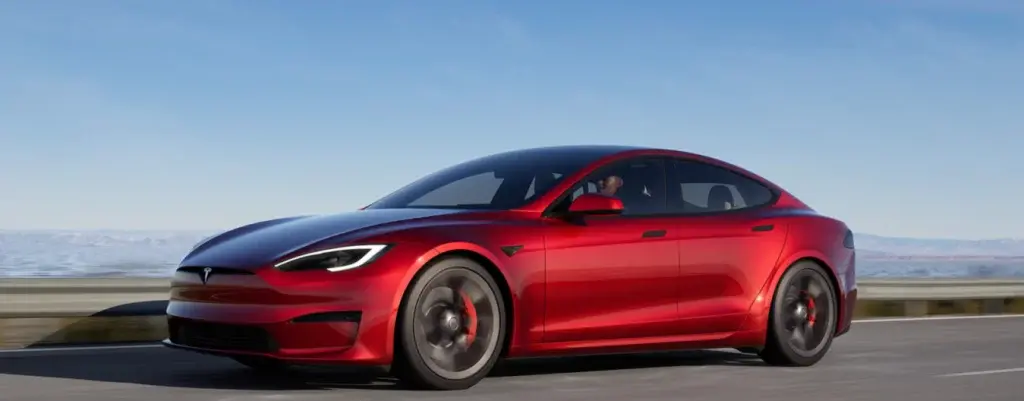
    As the release of the Model Y Juniper refresh approaches, various electric vehicle manufacturers are rushing to introduce their own competitors to Tesla’s most popular model.

    Rising Electric SUVs

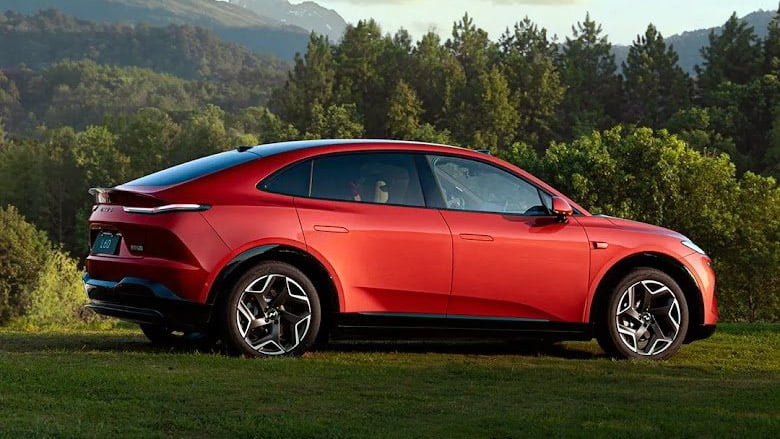
    Recently, several electric SUVs in the Model Y category have been announced, including the impressive Onvo L60, which boasts better specifications than Tesla’s offering at a significantly lower price. Onvo is a new midrange brand from the well-known EV producer NIO, recognized for its top-quality electric vehicles. However, other brands with less experience in manufacturing are struggling to keep up with Tesla’s updates.

    Huawei’s New Entry

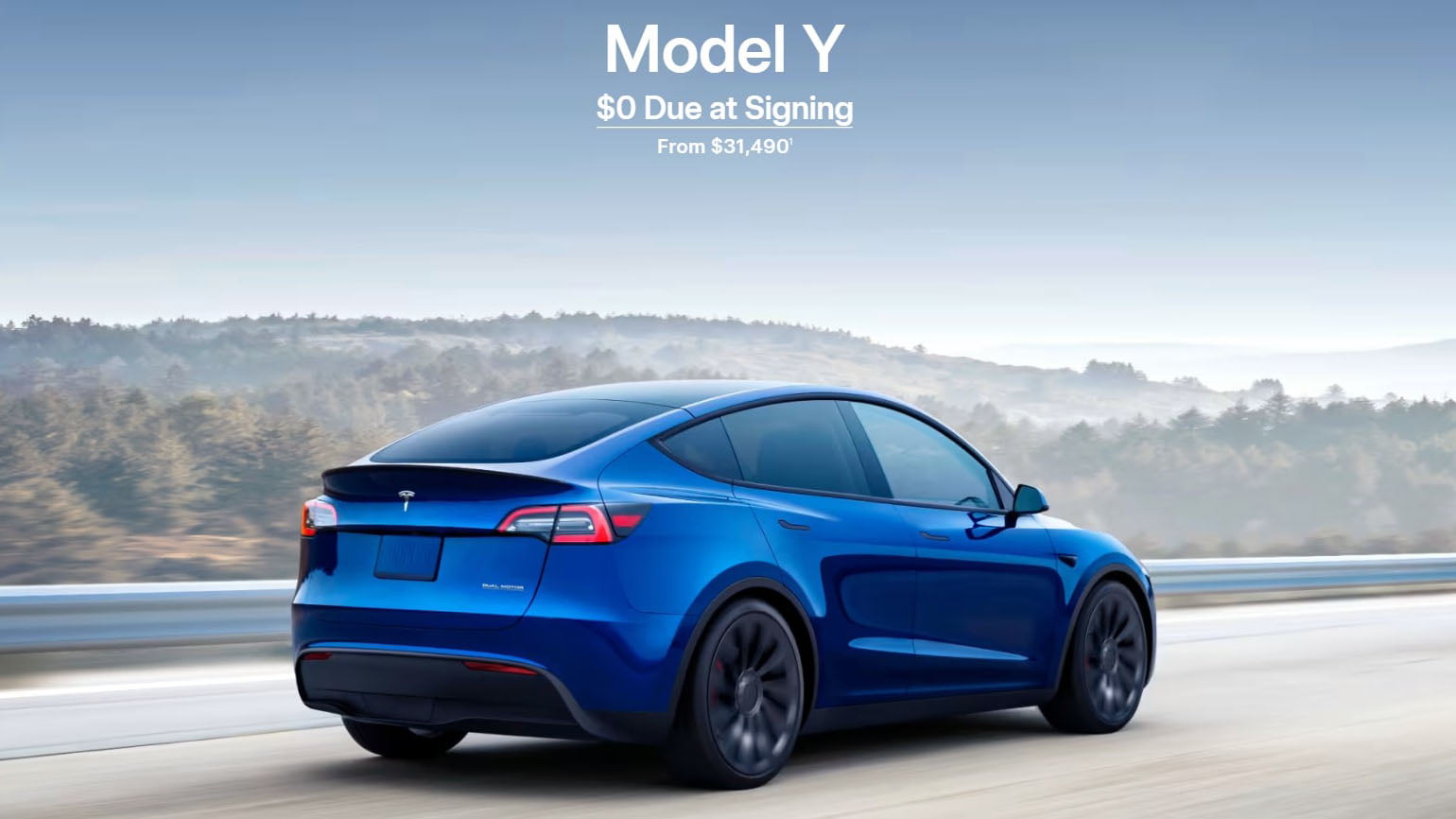
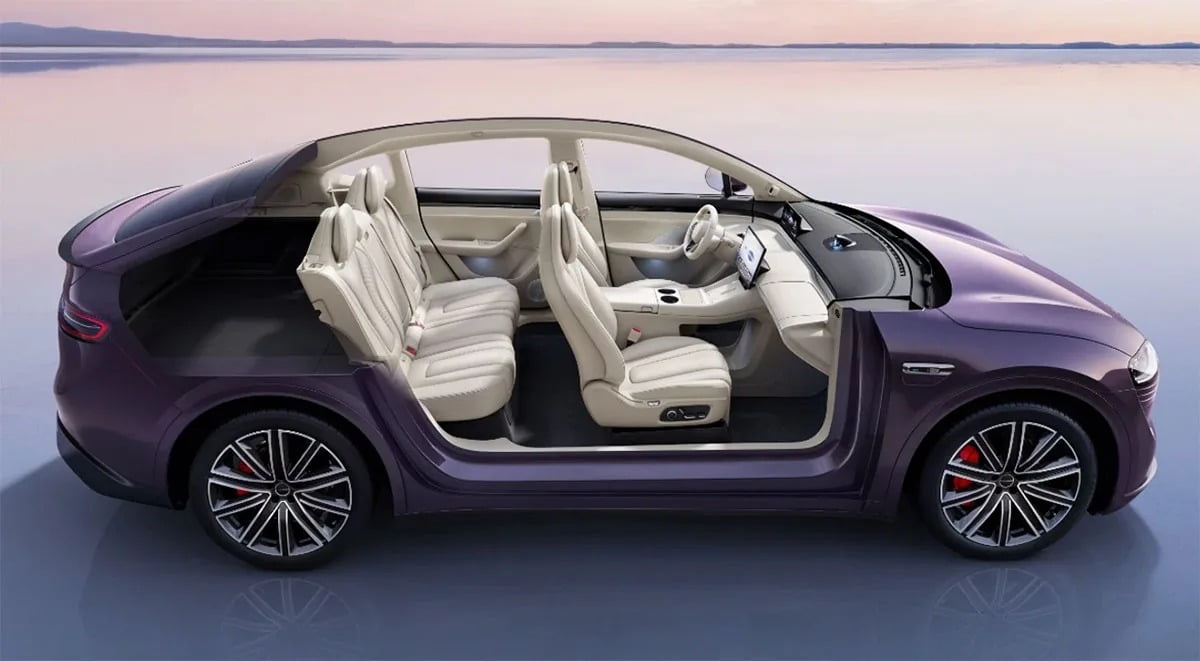
    One such brand is Huawei, a major player in telecommunications and consumer electronics, but still relatively new to the electric vehicle sector. Its sub-brand, Luxeed, which is developed in collaboration with Chery—one of China’s largest automakers—has just unveiled its own competitor to the Model Y Juniper called the R7. This stylish SUV has some advantages over the aging Model Y, including an 800V powertrain. However, the upcoming Juniper facelift will also feature an 800V architecture, along with numerous enhancements in both performance and design.

    Specifications and Pricing

    The Luxeed R7’s specifications, however, are not particularly impressive; it offers either an 82 kWh or a 100 kWh long-range battery, with only the top variant equipped with a dual-motor setup for all-wheel drive. Acceleration figures are comparable to Tesla’s or even slower. While the larger batteries provide a slightly longer range than the current Model Y, this edge might be diminished by the time the Juniper is launched in Q1. The R7 includes appealing features like a mini fridge in the center console and heated, ventilated massage seats, but similar offerings are available in NIO’s Onvo L60.

    Huawei is also relying on its software expertise to ensure a seamless self-driving experience, equipping the Luxeed R7 with its Qiankun ADS 3.0 driver-assist system, which includes LiDAR and is AI-driven like Tesla’s Full Self-Driving system, approved for both highway and city use.

    Market Challenges

    Despite these features, Huawei has struggled to price the Luxeed R7 lower than the Model Y. It starts at approximately $36,940, which is slightly more expensive than Tesla’s base model. Huawei’s CEO, Richard Yu, acknowledged that the company would still incur losses of around 30,000 RMB (about $4,267) on each R7 sold. He remains optimistic that increased production could lead to profitability.

    This situation is common for many new entrants in the industry, except for Xiaomi, which has leveraged its experience in consumer electronics manufacturing to quickly ramp up production of its first SU7 electric vehicle. Xiaomi’s EV business is now profitable, even with a competitive package in terms of specifications. The company is also developing its own direct competitor to the Model Y Juniper, which is expected to launch next year, coinciding with Tesla’s facelift.


    Image 1
    Image 1
  • High-Mileage Model Y Battery Degradation Shows Tesla Longevity

    High-Mileage Model Y Battery Degradation Shows Tesla Longevity

    According to Tesla, its electric vehicle batteries typically lose about 12%-15% of their original capacity by the time they reach 200,000 miles, varying by model. The Model Y, Tesla’s most popular vehicle, was introduced in 2020, and there are now examples that have surpassed the 200,000-mile mark.

    High Mileage Model Ys

    Some Model Ys have exceeded 210,000 miles, while others are approaching the 200,000-mile threshold with the average battery degradation Tesla mentions. Interestingly, some owners report extensive usage and rely solely on Superchargers for charging. One owner with a 180,000-mile Model Y has experienced only 12% battery degradation and charges the vehicle rapidly two times a day without a noticeable increase in battery capacity loss.

    Charging Habits and Battery Degradation

    A recent study has shown that the battery capacity loss from frequent Supercharger use versus slow charging from home wall chargers is statistically negligible. Research from Recurrent indicates that Tesla owners who frequently use Superchargers—around 90% of the time—show similar battery degradation rates as those who use them less often. The high-mileage examples of Model Ys support these findings.

    Historical Context of Battery Performance

    It’s worth noting that Tesla’s official statistics on battery degradation likely do not include early Model S vehicles produced until fall 2015. These older models had a fuse door at the top of the battery pack that could allow moisture to damage them prematurely. While these vehicles contribute to the average EV battery failure rate, they do not affect the average degradation figures because they often did not reach 200,000 miles before the battery was replaced, typically under warranty.

    Nonetheless, some Model S units have been recorded with up to 430,000 miles on their original battery, showing a 28% degradation after eight years. This aligns closely with the capacity loss that Tesla predicts for every 200,000 miles of usage.

    Future Battery Performance

    As the Model 3 and Model Y utilize newer battery technology, the average capacity degradation for Tesla vehicles may improve over time. More Model Y units are expected to surpass the 200,000-mile mark, potentially leading to better overall battery performance statistics.


    Image 1
  • New Iron-Based Cathode Could Cut EV Battery Costs by 40% in 5 Years

    New Iron-Based Cathode Could Cut EV Battery Costs by 40% in 5 Years

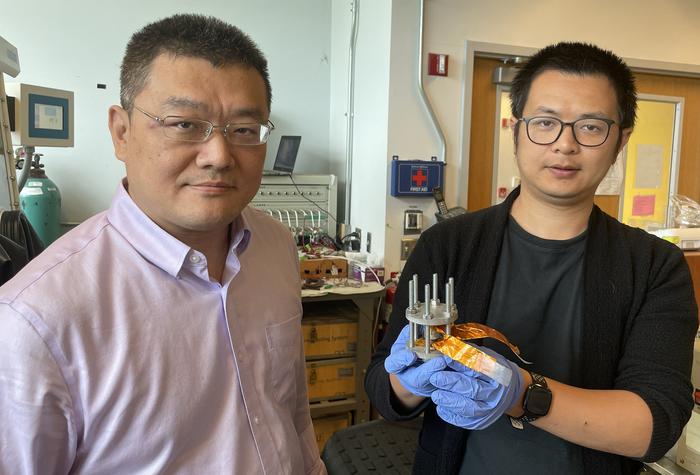
    The electric vehicle (EV) industry is experiencing significant growth, but a key challenge remains—cost. A significant portion of the expense arises from the batteries used in EVs, particularly lithium-ion batteries (LIBs), which account for about 50% of the overall vehicle price. These batteries are efficient and dependable, yet they are made from costly metals such as cobalt and nickel. Fortunately, a group of researchers led by Hailong Chen from Georgia Tech may have discovered a way to significantly reduce EV prices and lessen the environmental impact of battery manufacturing.

    New Cathode Material

    The team’s innovation focuses on a novel cathode material created from iron chloride (FeCl3), which is a far more affordable and sustainable option compared to conventional cathode materials. While traditional cathodes are expensive and depend on scarce resources, the researchers assert that FeCl3 costs only 1-2% of the price of these materials, all while providing comparable energy storage performance. Chen believes this advancement could drastically change both the EV market and large-scale energy storage solutions, significantly lowering costs.

    Impact on EV Pricing

    Utilizing FeCl3 could lead to a 30-40% reduction in the total cost of lithium-ion batteries. This reduction could help bridge the price gap between electric vehicles and internal combustion engine (ICE) vehicles, addressing one of the primary reasons consumers hesitate to switch to electric powertrains.

    Georgia Tech via ScienceDaily


    Image 1
  • Tesla Cybertruck Window Breaks After 12 Blows in Firefighter Test

    Tesla Cybertruck Window Breaks After 12 Blows in Firefighter Test

    The Tesla Cybertruck captured attention when it debuted at a Los Angeles event in 2019. Its unique, angular design was striking, but the real buzz came after a demonstration where the truck’s "armored glass" shattered unexpectedly when Elon Musk threw a steel ball at it. This moment quickly went viral, eclipsing other features of the truck. Nonetheless, pre-orders skyrocketed, and now, nearly five years later, another demonstration has showcased the strength of the Cybertruck’s windows.

    Firefighters Put the Glass to the Test

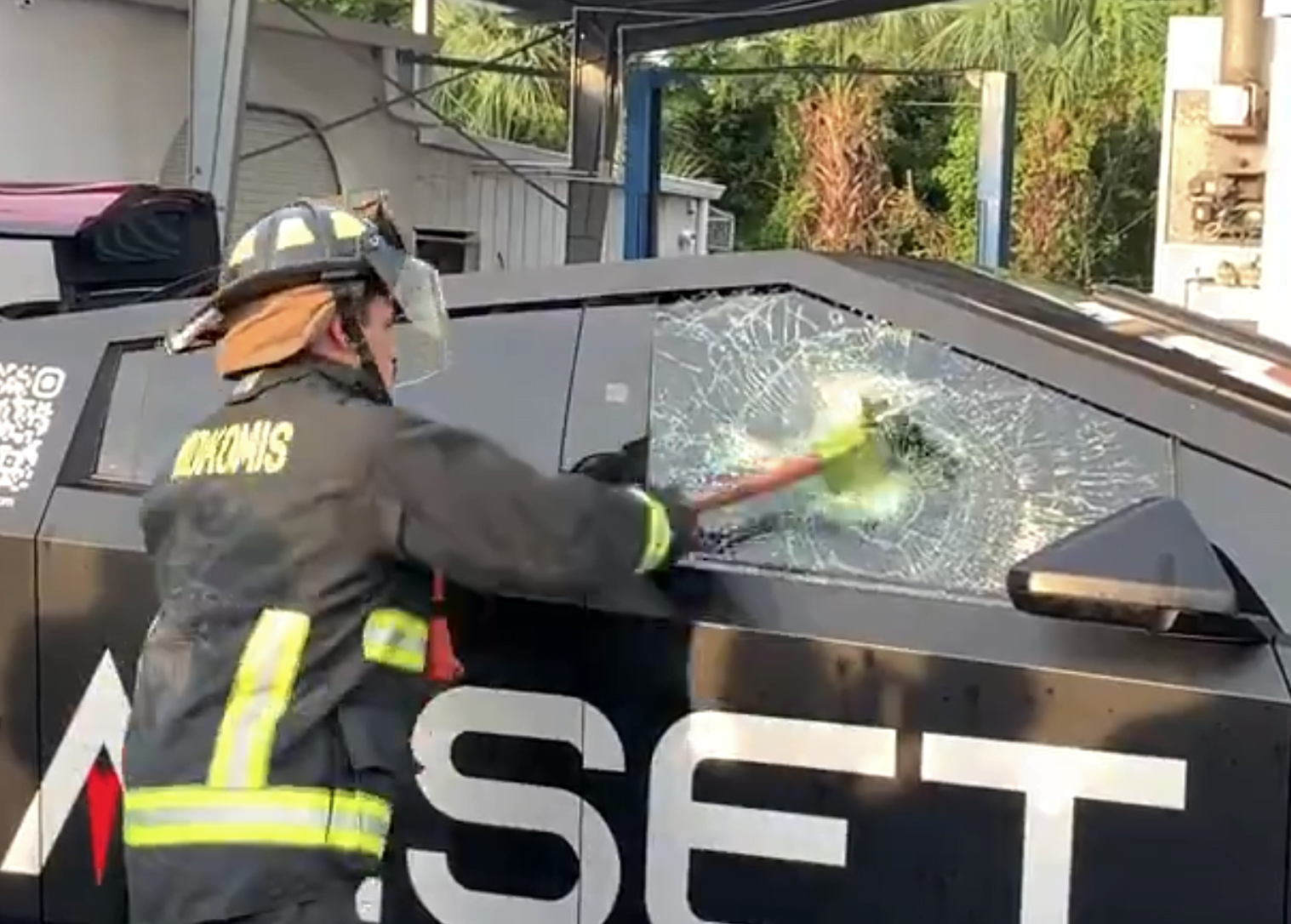
    In a recent training exercise, firefighters attempted to break the Cybertruck’s glass to assess its durability. The test revealed that it took three strikes for the first crack to appear and almost twelve strikes to completely shatter the window. This exercise highlighted the robustness of the Cybertruck’s reinforced glass—a significant aspect that Tesla emphasizes. For first responders, knowing how resilient these windows are is crucial, especially when they need to breach a vehicle’s glass in emergencies, like during accidents or rescue missions.

    Safety Considerations in Emergency Situations

    During the glass-breaking test, the firefighters did not use their full strength while striking the Cybertruck’s windows. Their main concern in real-life scenarios is ensuring the safety of anyone trapped inside the vehicle. When breaking glass in emergencies, responders must be cautious to prevent shards from flying inward, which could injure the occupants.

    Concerns About Escape in Emergencies

    However, the impressive durability of the Cybertruck’s windows does raise some questions. If the glass is excessively strong, it may hinder individuals inside from escaping during a critical situation, such as after an accident. While the security features are beneficial, there is a risk that the windows’ strength could delay rescue efforts or make it difficult for occupants to exit quickly. Future real-world tests may provide further insights into these concerns.

    Owen Sparks (@OwenSparks_ on X/Twitter)


  • Model Y Fails Road Test: Examiners Consider Banning Teslas

    Model Y Fails Road Test: Examiners Consider Banning Teslas

    The Arizona Department of Transportation (ADOT) has highlighted key features of the Model Y, such as one-pedal driving and driver-assist capabilities, as the basis for failing a road test and denying a driving license.

    Road Test Issues

    A candidate, after completing a driving test in her parents’ Model Y, was set to take her driving license test the following day. She was informed that she failed due to excessive active driver-assist features in the vehicle. The examiners noted that she "didn’t touch the brake pedal enough," leading them to assume that the car was in Full Self-Driving (Supervised) mode.

    Despite clarifying that this specific Model Y did not have the Full Self-Driving option purchased, the examiners maintained that the brake pedal was not used in the manner they expected. Even after discussing how regenerative braking and one-pedal driving function in the Model Y, ADOT still argued that the rules do not apply to other vehicles, making the test invalid.

    Comparison to Other Vehicles

    One parent pointed out that driving tests conducted in automatic vehicles are still accepted for those driving manual transmissions. They argued that the absence of one-pedal driving in internal combustion engine (ICE) vehicles should not disqualify the test. In response, state officials indicated they are considering a ban on Teslas for driving license road tests altogether.

    In the end, ADOT opted to address the situation, issued the driving license, and stated they would explore how to integrate electric vehicles with one-pedal driving and driver-assist features into their testing procedures.

    Testing Practices in Different Regions

    In regions like Europe and Australia, a driving test in an automatic vehicle does not qualify one to operate a manual vehicle, necessitating the use of exam center cars for the test. Conversely, in the United States, road tests tend to be less stringent, as most DMV test centers permit candidates to take the exam in their own vehicles, which they will likely continue to drive afterward.

  • Affordable Model Y Puddle Lights with High-Def Tesla Logo

    Affordable Model Y Puddle Lights with High-Def Tesla Logo

    After a successful introduction in China, Tesla has now brought an affordable and eye-catching accessory to the US: car door puddle lights.

    Affordable Pricing and Easy Installation

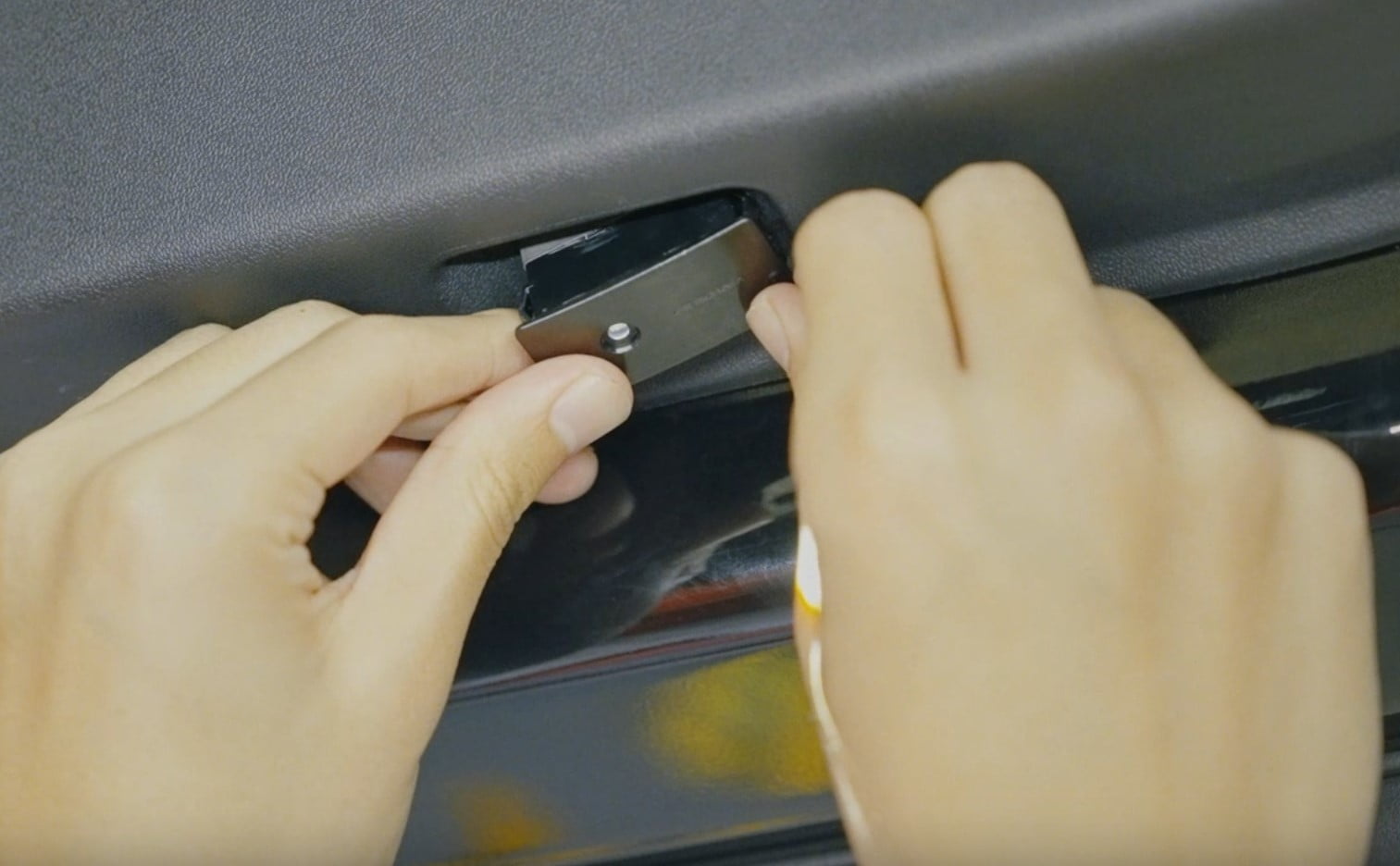
    These new Model 3 and Model Y Projection Lights are available for only $65, making them a competitive option compared to other Tesla accessories. Installing them is straightforward; just remove the current driver and passenger door lights and replace them with the new $65 lights.

    Although a 4-pack of similar Model Y projection lights is available for half the price on Amazon, they are not official Tesla products. The official puddle lights from Tesla project a high-definition logo onto the ground whenever the doors are opened.

    Unique Features of Tesla’s Puddle Lights

    According to Tesla, "Model Y Projection Lights project a high-definition Tesla wordmark onto the ground every time you open the door of your Model Y." This set includes two projection lights designed to replace the standard door lights of both the Model 3 and Model Y. The old lights can be easily removed with a flathead screwdriver, and the new puddle lights can be installed by connecting the existing cable.

    Tesla has also introduced an ambient light retrofit for the Model Y in China, which pairs well with the new Projection Lights accessory. This RGB retrofit, featuring 256 colors, costs $180 in China. However, it requires modifications to the textile dashboard of the updated 2023 Model Y, meaning the wood grain dashboard must be swapped out.

    Simple Replacement Process

    Fortunately, no such modifications are needed for the new official Model Y Projection Lights, as they simply replace the existing lights at the bottom of the driver and passenger doors.


    Image 1
  • NIO Onvo L60 Review: Why Tesla Model Y Juniper May Be Obsolete

    NIO Onvo L60 Review: Why Tesla Model Y Juniper May Be Obsolete

    With its 900V architecture, an impressive drag coefficient of 0.229, swappable battery, a more energy-efficient drivetrain, and a significantly lower starting price, the new Onvo L60 crossover seems to outshine the Model Y Juniper even before Tesla’s major reveal.

    Design and Efficiency

    The Onvo L60 is larger than the Model Y but has a lower profile and a superior drag coefficient compared to the existing Y model. The vehicle’s design, along with NIO’s lightweight 900V motors and powertrain, contributes to its remarkable energy efficiency of 12.7 kWh/100km in the all-wheel-drive version, which easily surpasses the dual-motor Model Y.

    Battery and Charging

    Equipped with an up to 85 kWh LFP battery pack, which is notably thin and forms the floor of the Onvo L60, the car offers spacious rear seating despite its sleek, aerodynamic rear design. Charging takes between 20 and 25 minutes, but future owners can also utilize any current NIO battery swap station for a quick battery change in just a few minutes.

    Interior Features and Performance

    Inside, the Onvo L60 boasts heated and vented massage front seats, a sizable 17.2-inch main display, a smaller screen for rear passengers, a 50W wireless charging pad, and a 1000W sound system equipped with 18 speakers. Its driver-assist system functions on highways and in urban settings, using 13 cameras and a 4D mmWave radar for accurate monitoring and autoparking.

    With a 0-60 mph time of just 4.6 seconds, the Onvo L60 combines luxury and performance while undercutting the Model Y’s price by over $4,000. If Tesla launches the Juniper at the same price point as the previous model, it will face stiff competition from the impressive new L60.

    NIO introduced its Onvo brand on May 15, with the first model set to debut on September 19, featuring a major event to unveil the L60’s specifications, pricing, and battery-as-a-service discounts that could lower its price to around $22,500.

  • BYD Launches First Dealership in Warsaw, Poland

    BYD Launches First Dealership in Warsaw, Poland

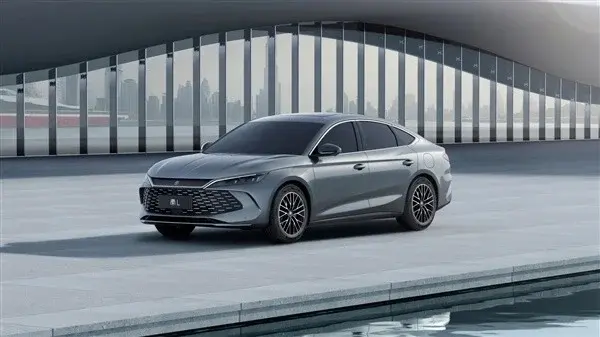
    Chinese automotive giant BYD has strengthened its presence in Europe with the inauguration of its first dealership in Poland. Situated in Warsaw, the new showroom represents a pivotal step in BYD’s plan to broaden its footprint across Europe.

    Expansion Plans

    The dealership will feature a variety of BYD’s electric vehicles, including the well-known Seal model. BYD has ambitious expansion plans in Poland, with future dealerships set to open in key cities such as Poznan, Wroclaw, Krakow, and Szczecin.

    European Expansion Strategy

    BYD’s entrance into the Polish market is part of a larger strategy to expand across Europe. The company aims to bring sustainable mobility solutions to European customers and support the region’s shift towards a more sustainable future. By focusing on electric vehicles, BYD is positioning itself as a major player in the European automotive industry.

    The launch of the Warsaw dealership underscores BYD’s commitment to Poland and its confidence in the increasing demand for electric vehicles in the area.

  • Xpeng Unveils 800kW S5 Chargers: 187 Miles in 5 Minutes

    Xpeng Unveils 800kW S5 Chargers: 187 Miles in 5 Minutes

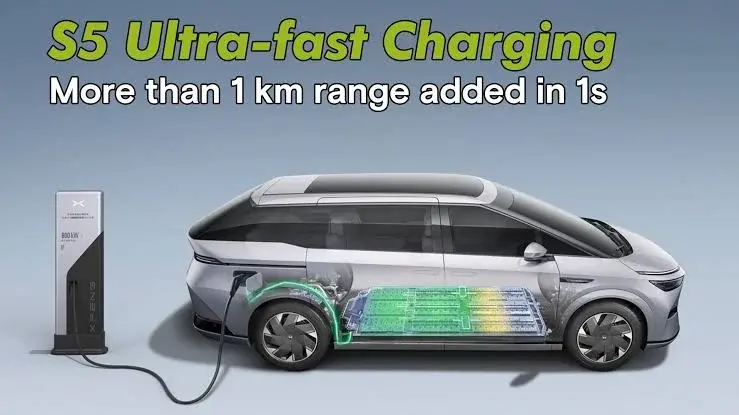
    The new Xpeng S5 charging station is set to outperform the company’s previous 480kW units, NIO’s 500kW and 640kW systems, and Zeekr’s 600kW chargers. With an impressive 800kW power capacity, Xpeng’s latest offering could dominate for a while. The S5 station boasts an 800v current output and a voltage of 1000v, making it a liquid-cooled powerhouse that surpasses even Tesla’s Supercharger and other market options.

    Rapid Charging Capabilities

    Chinese EV manufacturers are fiercely competing to establish the fastest charging networks. Xpeng has introduced a new charging architecture that promises up to 187 miles (300 km) of range in just 5 minutes. The S5 stations, with their 800kW capacity, are expected to be operational by the third quarter of the year. This makes the S5 likely the fastest EV charger globally, capable of adding over 1 km of range per second of charging. The competition among Chinese EV makers like NIO, Xpeng, and Zeekr for the best charging system is intensifying, with many building vehicles on 800v or 900v platforms but lacking the necessary power infrastructure. However, the landscape is changing with the advent of these ultra-fast charging stations.

    Support from Battery Manufacturers

    Companies like BYD and CATL have also developed batteries that support super-fast charging while ensuring reliability and durability. The number of ultra-high-speed charging stations is on the rise. Xpeng projects that its 800kW charging station network will be functional by Q3 2024 and aims to establish up to 1,000 fast EV charging networks by 2026.


    Xpeng Unveils 800kW S5 Chargers: 187 Miles in 5 Minutes
  • Tesla Shifts Focus to Charging Infrastructure, Drops Thailand Factory

    Tesla Shifts Focus to Charging Infrastructure, Drops Thailand Factory

    Tesla has decided to put its plans for a manufacturing plant in Thailand on hold. Instead, the company will focus on enhancing its charging infrastructure within the nation.

    Shift in Priorities

    The change in strategy comes after earlier discussions between Tesla and Thai officials, including a notable meeting in November 2023 between Tesla CEO Elon Musk and Thai Prime Minister Srettha Thavisin. Although initial conversations pointed to a potential $5 billion investment for a factory in Thailand, Tesla has chosen to prioritize the development of charging infrastructure over local production.

    Global Strategy

    This move is in line with Tesla’s overarching global approach, which centers on expanding its charging network to facilitate the increasing adoption of electric vehicles. As the company continues to boost production at its existing plants in China, the United States, and Germany, Tesla seems to be directing its resources toward market expansion and charging infrastructure rather than establishing new manufacturing sites.