Category: EV vehicles

  • Model Y Juniper Facelift Panel Gaps and Light Bar Parallax Issues

    Model Y Juniper Facelift Panel Gaps and Light Bar Parallax Issues

    Just like many other car manufacturers, especially those from Asia, Tesla is jumping on the trendy light bar trend to give the updated Model Y Juniper a fresh appeal.

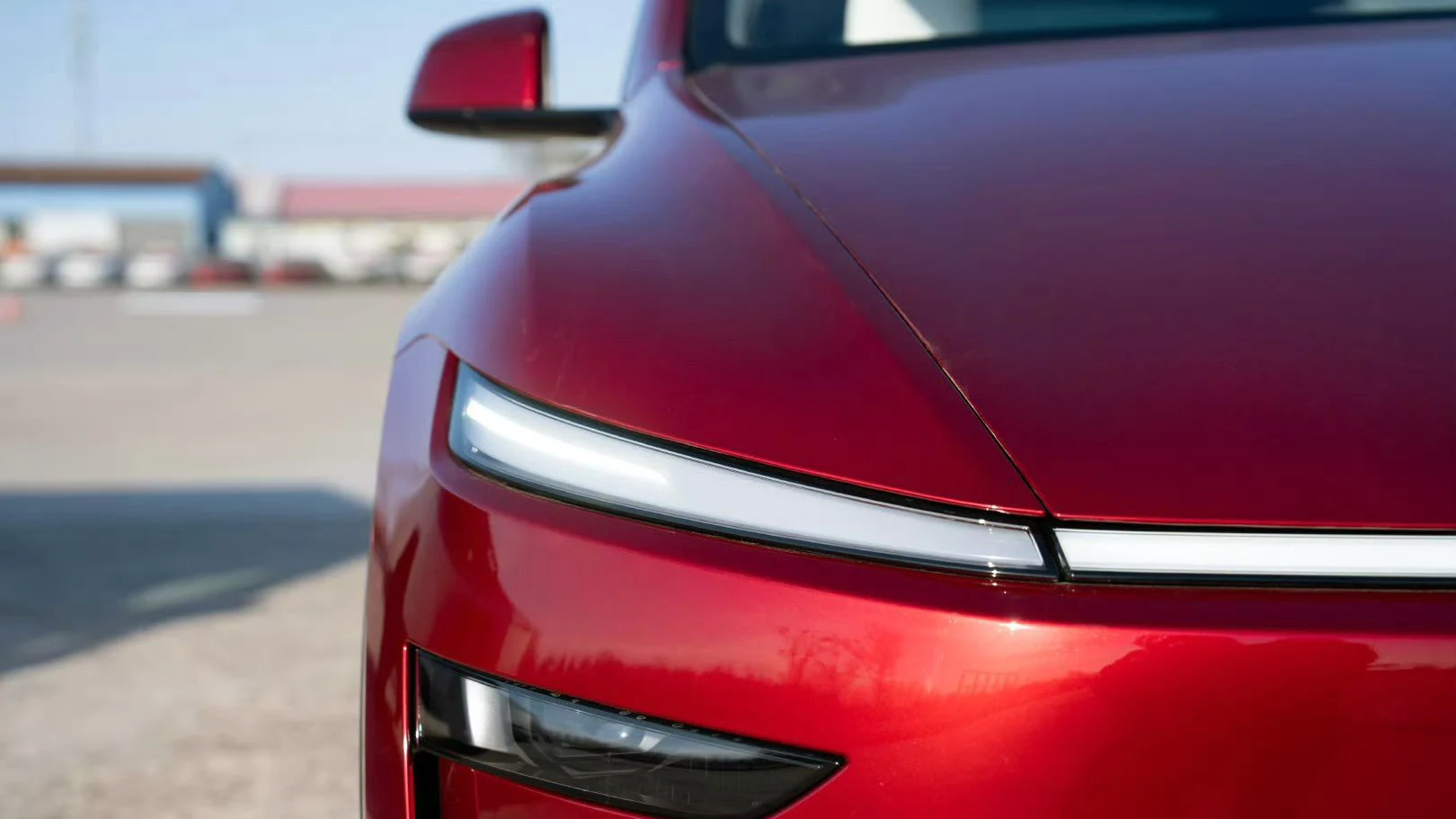
    They’ve added a distinctive reflective light bar at the back, along with a front light bar similar to the one seen on the Cybertruck or Cybercab. This front bar includes headlights and turn signals, making it quite unique.

    Rear Light Bar Features

    The rear light bar provides a gentle and spread-out light that helps illuminate the area behind the Juniper refresh during nighttime driving. On the other hand, the front light bar has a more conventional design, but sadly, it is segmented.

    Instead of having a continuous light strip across the front like the Cybertruck, Tesla opted to divide it into three sections to accommodate the headlights and turn signals on either side.

    Design Concerns

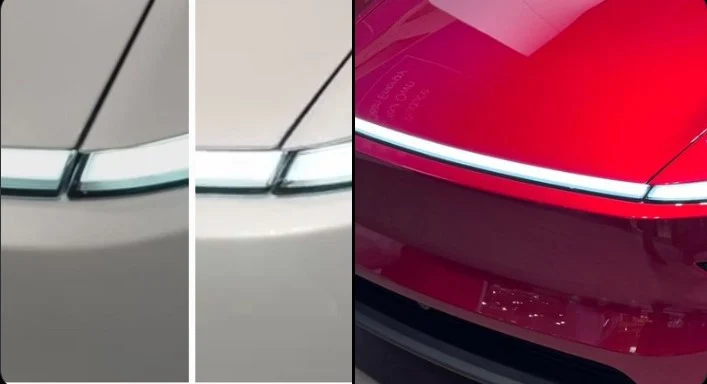
    This segmented approach results in a less streamlined appearance compared to the Cybertruck, where the headlights are mounted significantly lower. It also creates some visual inconsistencies.

    When you look from one side of the hood gap to the other, the spacing of the light bar between the two sections seems misaligned, reminding some of Tesla’s previous issues with panel gaps.

    Despite this, the manufacturing quality of the Model Y Juniper vehicles currently showcased at Tesla showrooms is not in question, mainly due to a common optical illusion.

    Manufacturing Quality Insights

    The gap in the hood panel seems misaligned with the interruption of the light bar at its end, which is primarily caused by the parallax effect. This effect, measured by the angle of inclination, causes a noticeable shift in the appearance of an object when viewed from two different angles.

    Tesla could have easily avoided this by using a single uninterrupted light bar or by considering the visual effects of parallax while inspecting the vehicle. The mass production of the refreshed Model Y is set to begin this month at all four major Gigafactories, meaning it may be too late for design modifications on the first units that will be available in a few weeks.

    While this may seem like a minor issue, Tesla might eventually choose to adjust the positioning of the light bar along the hood’s gap line, along with addressing any other minor issues that will likely arise in the weeks and months following the release of the 2026 Model Y facelift.

    Source:
    Link

  • Tesla Reduces Insurance Costs for FSD Drivers

    Tesla Reduces Insurance Costs for FSD Drivers

    As Tesla’s Full Self-Driving (FSD) technology shows fewer major interventions, the company is laying the foundation to persuade regulators that its autonomous driving system is safer than human drivers.

    Safety Comparisons

    Elon Musk has mentioned that FSD has an 8x safety benefit, although this figure is based on older NHTSA data. In contrast, Tesla’s own statistics indicate that FSD and Autopilot result in 6x fewer accidents when compared to traditional manual driving.

    Insurance Discounts

    Tesla is taking a careful approach, only offering its insurance in a few states. Musk is so confident in the safety of FSD compared to human driving that Tesla is now providing discounts on insurance premiums, which increase based on the number of miles driven using FSD.

    Starting in Texas and Arizona, new policyholders can expect reduced insurance costs this month, or starting March 8 for those renewing their policies. The process involves Tesla tracking the total miles driven each month and calculating the percentage of those miles driven while FSD was active.

    Incentives for FSD Use

    The greater the percentage of miles driven using FSD, the larger the discount, which could encourage drivers to utilize FSD more often instead of manual driving. To qualify for the discount, a driver must log at least five miles or 1% of their total miles using FSD within a 30-day timeframe.

    If a Tesla operates on FSD for half of the time, the company will reduce the insurance premium by 10% on the next payment. However, this offer is exclusive to those who have either purchased FSD or are monthly subscribers, and it does not apply to new owners currently in their free 30-day FSD trial. Additionally, certain aspects of the policy, like comprehensive insurance or coverage for uninsured drivers, are excluded from the FSD discount, meaning the total savings might be lower.

    Although Tesla’s insurance offerings are limited to a few states and may not be the best option overall, the clear goal is to have FSD influence a driver’s safety rating for insurance purposes, and to showcase such a discount program to regulators.

    Future Plans

    Tesla is gearing up to introduce unsupervised FSD in Austin this June, and it will need all the positive regulatory support it can get to broaden its robotaxi service in more significant cities by the year’s end.

    Source:
    Link

  • Pebble Flow Smart RV Set for Production Launch

    Pebble Flow Smart RV Set for Production Launch

    Pebble has introduced the Pebble Flow RV, which is equipped with an Nvidia Drive Orin. This advanced system allows for AI-driven features, including MagicHitch, which helps in automatically positioning the RV onto towing hitches. Users can even operate the Flow remotely, similar to an RC car, through an app to park it at campsites. Once parked, the InstaCamp feature activates with a single touch, deploying the RV’s stairs, stabilizers, and levelers automatically.

    Power and Battery Features

    The Pebble Flow comes with an optional 1.1 kW solar panel and a 45 kWh lithium iron phosphate (LFP) storage battery. This battery can power the heating, cooling, electrical, and internet systems (it’s ready for Starlink), as well as supply energy to a home during emergencies. It also provides 12 kW of 240V AC output, useful for recharging electric vehicles.

    For charging, the battery can handle Level 1 and Level 2 AC charging (up to 6.6 kW) and Level 3 DC fast charging (CCS1, capable of charging from 0-100% in one hour). While the RV is being towed, the battery supports its dual-motor drive to alleviate range anxiety and can regenerate electricity during braking.

    Sleeping and Living Space

    The RV accommodates up to four adults, featuring a queen murphy bed and a convertible full bed. When the queen bed is flipped up, it reveals a well-lit work desk complete with AC power outlets and optional Starlink Internet access. The kitchen area is outfitted with a sink, induction cooktop, convection microwave, and a full-size refrigerator.

    The bathroom includes a shower and a macerating toilet, supported by a 40-gallon fresh water tank, a 37-gallon gray tank, and a 13-gallon black tank. The electrochromic shower glass can switch between transparent and translucent instantly for user privacy, and all exterior windows also feature electrochromic technology.

    Specifications and Pricing

    Weighing in at a dry weight of 5,800 lbs. (2,631 kg) and a gross vehicle weight of 6,800 lbs. (3,084 kg), the Pebble Flow has dimensions of 24.61 x 7.55 x 8.86 ft. (7.5 x 2.3 x 2.7 m). The Founders Edition of the Pebble Flow carries an MSRP of $175,500, which includes the remote control and dual-motor drive capabilities. Those interested can secure a pre-order with a refundable $500 deposit on the Pebble Flow website, with delivery anticipated for spring 2025. Meanwhile, future owners can explore camping options for their Pebble Flows by checking out a related book on Amazon.

    Source:
    Link

  • Tesla Prices Rise CA$9,000 in Canada Amid Cybertruck and Model 3 Changes

    Tesla Prices Rise CA$9,000 in Canada Amid Cybertruck and Model 3 Changes

    Tesla has raised the prices of its vehicles by as much as $9,000 CAD (about $6,189 USD) following the recent announcement of a 25% tariff by the Trump administration over the weekend.

    In response, Canada imposed its own import tariffs, prompting Tesla to implement the price hikes it had initially warned about on January 22.

    Price Changes on Model 3 and Model Y

    For example, the price for the new Model 3 Performance has increased to $79,990 in Canada, marking a 9% rise from its previous price, which suggest that Tesla might be absorbing some of the extra costs due to the tariff hike.

    The Model Y saw a smaller increase of $4,000 for the older model. It remains unclear if the price for the upcoming 2026 Model Y Juniper Launch Series will also rise from the current $84,990 as its release date approaches in Canada.

    Promotions and Discounts

    In other news, Tesla is kicking off its quarterly promotions for the Model 3 and Cybertruck earlier than usual, aiming to boost sales before the 2026 Model Y becomes available.

    For instance, the referral credit for buying a new Model 3 has been increased five times, from $500 to $2,500. Additionally, monthly lease prices for both the Model 3 and Cybertruck have been reduced by as much as 17%.

    The dual-motor Cybertruck can now be leased for $749/month, down from $899/month. The base Model 3 Long Range RWD is now available for $249/month, a decrease from the previous $299/month lease price.

    Tax Credits and Special Offers

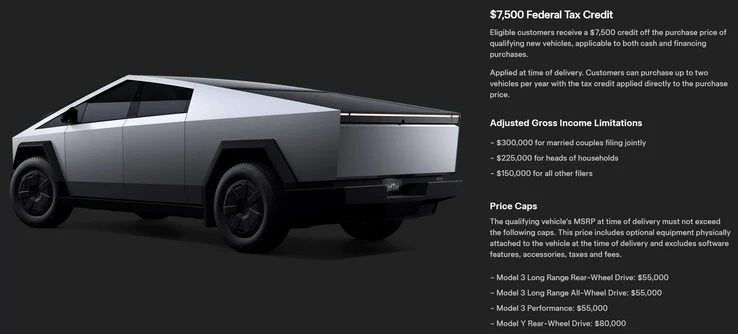
    These leases still qualify for the $7,500 federal tax credit. To help clear out the Cybertrucks sitting in inventory, Tesla is also offering complimentary XPEL wraps for orders made in the U.S. or Canada before the end of March.

    Source:
    Link


  • US Universities Offering Robot Delivery Services

    US Universities Offering Robot Delivery Services

    Avride began its journey in 2017 and has become a leader in the field of robot delivery and self-driving technology, famously launching the first driverless taxi in Europe! In a recent statement made on Thursday alongside Grubhub, Avride’s CEO, Dmitry Polishchuk, commented, “Our robots have already shown their worth in campus settings, bringing ease and joy to students.”

    The Robots’ Features

    The robots made their debut during the pandemic, providing a no-contact delivery service. They come equipped with a roomy compartment that can carry a variety of items, including wings, pizza, or beer (only for those over 21). Each robot is designed with a large LED screen that can be tailored to fit the needs of individual college campuses. By restricting the delivery robots to specific areas like campuses, Avride can test them in various situations. Observing how the robots’ sensors react in crowded settings when classes are dismissed, or in adverse weather conditions like rain or snow, offers valuable insights for improving their technology.

    Grubhub and Avride Partnership

    Grubhub is focused on expanding campus-specific delivery options across as many states in the US as they can. Teaming up with Avride appears to be a smart move for them.

    Source:
    Link


  • Ola S1 Gen 3 Launches in India: Up to 320km Range, From Rs 79,999

    Ola S1 Gen 3 Launches in India: Up to 320km Range, From Rs 79,999

    Ola Electric has recently launched the Ola S1 Gen 3 series of electric scooters in India. This new generation of electric two-wheelers brings multiple upgrades compared to earlier models. Let’s explore the specifications, pricing, and other relevant information.

    Overview of Ola S1 Gen 3 Series

    The Ola S1 Gen 3 series represents the brand’s cutting-edge electric vehicles, coming with enhancements like the innovative brake by wire technology and an advanced ABS system featuring unique brake sensors. Additionally, Ola Electric is refreshing the design of its entire e-scooter range to provide a more stylish yet comfortable appearance. It runs on MoveOS 5, which includes DIY mode, Smart Park, a smartwatch app, road trip mode, Bharat mood, and a specialized SOS alert that can notify your contacts in the event of an accident.

    Different Models and Pricing

    The lineup includes four models, each with different pricing:

    Ola S1X Gen 3
    The entry-level model, Ola S1X Gen 3, comes equipped with the latest brake by wire technology, a fresh design, chain drive, and a colorful LCD display. It is offered in three variants: 2kWh, 3kWh, and 4kWh. The S1X Gen 3 delivers a peak power of 7kW, boasts an impressive 242km IDC range, and achieves a top speed of 123kmph.

    Ola S1X+ Gen 3
    The Ola S1X+ Gen 3 provides an upgrade with similar features to the base model but is available only in the 4kWh variant. It generates a peak power output of 11kW, maintains the 242km range, and reaches a top speed of 125kmph. This model can be purchased in five color choices: Midnight Blue, Jet Black, Passion Red, Industrial Silver, and Porcelain White.

    Higher-End Models

    Ola S1 Pro Gen 3
    The Ola S1 Pro Gen 3 also includes the brake by wire technology and a mid-drive motor. Additionally, it features new rim decals, a die-cast aluminum grab handle, better seat ergonomics, and mirrors that match the body color. This model is available in both 3kWh and 4kWh versions, with a peak power of 11kW, an IDC range of 242km, and a top speed of 125kmph.

    Ola S1 Pro+ Gen 3
    Lastly, the Ola S1 Pro+ Gen 3 stands as the premium option, incorporating all the features of its more affordable counterparts, such as brake by wire technology and rim decals. It also boasts Dual ABS and a dual-tone seat design. The Pro+ is available in both 4kWh and 5.3kWh variants, with the 5.3kWh version utilizing the 4680 Bharat Cell from the Ola Gigafactory. This model achieves a higher peak power of 13kW and a longer range of up to 320km IDC, along with an impressive top speed of 141kmph.

  • Tesla Autopilot and FSD: 6x Safer Than Distracted Human Drivers

    Tesla Autopilot and FSD: 6x Safer Than Distracted Human Drivers

    During the last quarterly call with Tesla, Elon Musk announced that the company will launch a fleet of its vehicles featuring the unsupervised FSD function in Austin, Texas, this coming June.

    New Models Coming Soon

    Most of these vehicles are expected to be the 2026 Model Y Juniper and Model 3, equipped with AI4 (Hardware 4.0) systems and an FSD 13 update. This upgrade will enable these cars to navigate city streets autonomously, without the need for a driver onboard. This fleet will serve as the initial test for the paid Robotaxi ride-sharing service, allowing Tesla owners and the two-seat Cybercabs to join the platform in the following year.

    Regulatory Hurdles Ahead

    To gain approval for this unsupervised FSD, which operates without a driver, Tesla must prove that its self-driving technology is safer than human drivers, even in states like Texas where regulations are more relaxed. This might explain why, just before the earnings call, Tesla’s AI team released the latest safety figures for Autopilot and FSD, which Elon Musk presented to investors.

    In the fourth quarter, there was one crash for every 5.94 million miles driven with Autopilot engaged, compared to one crash for every 1.08 million miles when it wasn’t used. In contrast, the most recent data from NHTSA and FHWA shows that in the US, there is an automobile crash roughly every 702,000 miles.

    A Complex Situation

    These statistics don’t differentiate between city and highway driving, and Musk mentioned that the vehicles are eight times safer than human drivers when comparing to NHTSA numbers, rather than the six times safer when using Tesla’s own data. Additionally, he pointed out that current human drivers using FSD must deactivate it to check messages or emails, which creates a frustrating situation for many. “We’re in this odd situation where people turn off autopilot just to check a text, while steering with their knee,” said Musk.

    When asked about the rollout of unsupervised FSD following the Austin pilot in June, Elon mentioned that the US is expected to have it this year, with China and Europe likely following by the end of 2026. He noted that the main challenges in Europe are regulatory, as various bodies meet at set intervals to discuss such features, while in China, geopolitical factors and complicated local driving rules present significant hurdles.

    Tackling Training Challenges

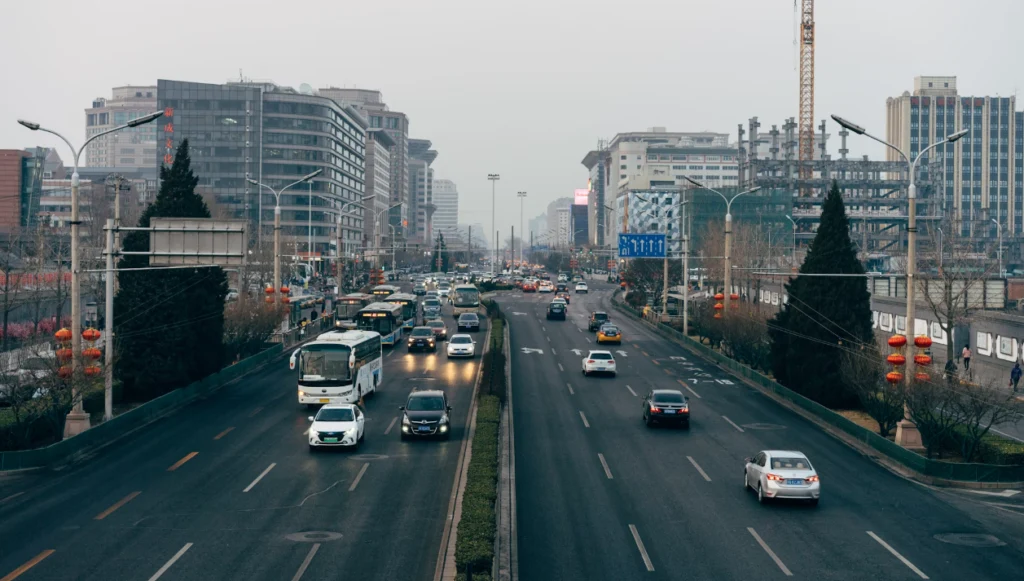
    In China, Tesla faces difficulties due to restrictions on transferring training videos out of the country, while the US government isn’t allowing training to occur in China. To address this, the company is analyzing publicly available videos of Chinese streets to enhance their training materials. They are also developing a simulator to replicate complex scenarios, such as bus lanes, which have strict operating hours. “If you accidentally enter a bus lane at the wrong time, you get an automatic ticket, so it’s a serious issue,” Musk explained.

    While Tesla competes with companies that are introducing their own driver-assist technologies in China, including autonomous battery swapping and existing robotaxis, the unsupervised FSD seems to be poised for success in Europe and the US. However, whether this will lead to the remarkable profits Musk has been forecasting for Tesla and its vehicle owners is still uncertain.

    Source:
    Link


  • Tesla Cars Feature Rear Charging Port Inspired by Elon Musk’s Garage

    Tesla Cars Feature Rear Charging Port Inspired by Elon Musk’s Garage

    Elon Musk had concerns about potentially tripping over the Model S charging cable in his rented garage if the NACS port was positioned at the front left of the vehicle, as was initially planned. As a result, he directed Tesla’s engineers to relocate the port to the rear.

    A Lesson from Steve Jobs

    This incident, where Elon made a decision based on personal convenience, mirrors some of the leadership styles of Apple’s Steve Jobs. It was shared by Rawlinson, the CEO of Lucid, who previously served as a lead engineer at Tesla before pursuing his vision for electric vehicles.

    Lucid’s Innovations

    Since then, Rawlinson has demonstrated his skills by designing some of the most luxurious and efficient electric cars available, including the new Gravity SUV. This model can travel 40% farther on a single charge compared to Tesla’s Cybertruck, using the same battery capacity.

    The Gravity also became the first non-Tesla vehicle equipped with a NACS charging port that gained access to the Supercharger network. Interestingly, Lucid positioned the port at the rear left corner, allowing the relatively short cable from the V3 Superchargers to easily reach it.

    Charging Port Controversy

    Initially, Rawlinson advocated for placing the Model S charging port at the front, reasoning that many Americans do not typically back into parking spots as Europeans are taught to do. For the front placement, Tesla’s engineers selected a location between the wheel well and the driver’s door to avoid the need for the driver to walk around the car to plug it in.

    They opted against placing the charging port directly under the brand logo at the front, as that area is susceptible to damage, and even minor collisions could disable the port.

    Elon Musk, however, was not in favor of the front location, expressing concerns about tripping over the charging cable in the garage of his rented home in Los Angeles.

    He insisted on the rear placement, saying it was due to his fear of tripping over the cable. Even though he was renting the house and didn’t own it, the decision resulted in the Model S having its charge port on the left rear, influenced by the setup of Musk’s temporary garage in Bel Air. Consequently, every Tesla charger nationwide requires backing into the spot since the charge port is at the rear, which some find quite odd. Now, Lucid has also placed its charging port on the left rear of the Gravity to ensure compatibility.

    As most major electric vehicle manufacturers gain access to the Supercharger network, and the Tesla NACS ports become the standard for charging, it’s likely that rear port placements will continue to be the norm. This is happening even while Tesla is launching upgraded V4 stations, which not only provide more power but also feature longer cables that extend outside the charging station.

    Source:
    Link

  • Tesla Covers HW3 Upgrade Costs for FSD Owners in Older Cars

    Tesla Covers HW3 Upgrade Costs for FSD Owners in Older Cars

    During the event for announcing the Cybercab, all demo robotaxis were equipped with the new Full Self-Driving version 13. Tesla began to slowly introduce this update to the rest of its vehicles last quarter, fulfilling its promise.

    Limited Availability of FSD 13

    However, the release isn’t broadly available yet. Currently, FSD 13 is only accessible to a small group of owners who have recent models featuring Tesla’s latest Hardware 4.0 computer already installed.

    For those with HW3, “we recently put out the 12.6 version, which is like a mini V13, but it’s a big step up from what they had before,” explained Tesla’s Vaibhav Taneja during the Q4 investor call.

    Continued Support for HW3

    Tesla hasn’t abandoned its HW3 vehicles entirely, and they are working to adapt FSD 13 to function on those older computers. “We won’t give up on Hardware 3; we are still putting effort into it,” Vaibhav noted, but added that “the updates will lag behind those for Hardware 4.”

    There remains some optimism that Tesla will succeed in making FSD 13 compatible with older Hardware 3.0 computers. After all, Elon Musk hinted at an unsupervised FSD rollout for this year during the Cybercab event, and this feature will utilize version 13. If Tesla cannot achieve this, they will upgrade all HW3 computers of customers who bought FSD to the HW4 version, as Elon stated during the Q3 call.

    Elon Musk’s Assurance on Upgrades

    He reinforced this commitment during the Q4 earnings call, expressing greater confidence that a retrofit will indeed be necessary. When queried about whether Tesla would absorb the costs for upgrading the computers and how it might affect future profits, Elon acknowledged that older vehicles would likely need new computers:

    “The honest answer is we’ll have to upgrade the Hardware 3 computers for those who purchased Full Self Driving, and that’s the truth. It will be tough and challenging, but we’ll make it happen. Honestly, I’m kind of relieved that not too many people opted for the FSD package.”

    The only puzzle left from his statement is whether Tesla plans to upgrade HW3 vehicles with HW4 computers to support FSD 13 or if a swap won’t be required before FSD 14 comes out.

    Future Plans for Cybercab

    The Cybercab ride-sharing service is set to roll out to the general public next year, meaning Tesla may have time to sort out FSD 13 compatibility for HW3 users in the meantime. For future updates, owners of the older Tesla models will likely receive a HW4 upgrade at no cost, and Tesla will need to cover the costs involved.

    Source:
    Link

  • Tesla Launches Driverless 2026 Model Y and Model 3 Ride-Share in Texas

    Tesla Launches Driverless 2026 Model Y and Model 3 Ride-Share in Texas

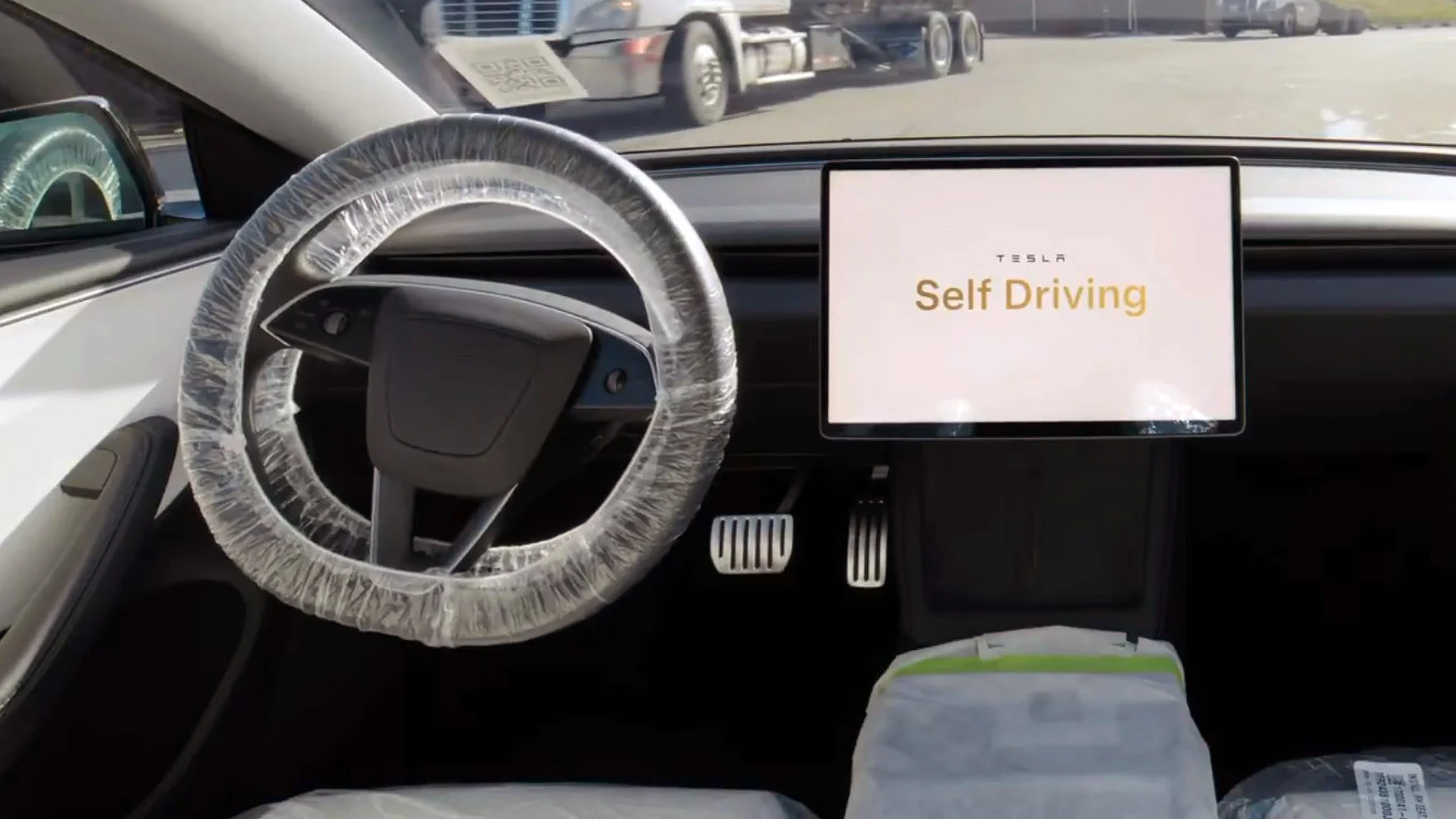
    When Elon Musk presented at the Cybercab launch event on October 10, he announced that Tesla plans to roll out unsupervised Full Self-Driving (FSD) technology this year. This is intended to serve as the foundation for a robotaxi ride-share platform.

    Release Timeline for Autonomous Vehicles

    During the Q4 earnings call, Musk provided a timeline for the introduction of driverless Teslas on public roads, referring specifically to the unsupervised FSD. He mentioned that Tesla will deploy a fleet of vehicles, likely including the 2026 Model Y and the updated Model 3 equipped with HW4 technology, in Austin starting in June.

    As he stated, “The Teslas will be out there, all alone in June in Austin… We’ll be starting off slowly, just to make sure everything is alright. Our AI solution is generalized, meaning we don’t need super precise local maps. So we want to be careful. It works beyond Austin, we just want to test the waters safely before going all in.”

    Expansion Plans Across the U.S.

    The robotaxi service, which will utilize Tesla’s own cars, is expected to grow to California and other parts of the U.S. by year-end. Musk shared that once Tesla feels confident about the safety and functionality of its unsupervised FSD and ride-share services, they will open the fleet to Tesla owners in the following year.

    “It’ll be our fleet testing it out first. We’re being cautious and monitoring everything closely. But yes, we will have autonomous ride-hailing for payment in Austin come June. Soon after, we hope to expand to other U.S. cities. I believe we’ll be operating unsupervised with our fleet in multiple cities by the year’s end. Then, probably next year, we’ll allow people to add or remove their cars from our fleet. It’s not like we are inventing something entirely new; we just have to ensure all systems work properly, from car ordering to payments.”

    Initial Launch Locations

    Initially, Tesla indicated it would kick off the unsupervised FSD for the Cybercab service in Texas and California, where regulations on autonomous vehicles are either lenient or already established. It seems they opted for Texas due to a more relaxed regulatory environment.

    In December, Tesla organized a training session for first responders in Austin about handling driverless cars, which hinted at its choice of Texas for the first launch of the robotaxi service.

    The service will begin with Tesla’s own fleet, followed by the addition of private vehicles from owners willing to share them on the platform for durations ranging from a few hours to several months in 2026. Ultimately, the Cybercab, designed without a steering wheel or pedals, is also expected to debut around 2026.

    Source:
    Link