Category: EV vehicles

  • Tesla Launching Affordable Model 2 and Updated Model S, X in 2025

    Tesla Launching Affordable Model 2 and Updated Model S, X in 2025

    Key Takeaways

    1. Tesla’s affordable car, possibly named Model 2 or Q, is set to launch in 2025, with assurances that it will not be inferior to existing models.
    2. The success of the budget-friendly vehicle will heavily depend on its pricing, estimated to be between $22,000 and $25,000 after subsidies.
    3. The design is expected to be a smaller version of the Model Y, featuring a 54 kWh battery with a range of 250 to 300 miles per charge.
    4. Tesla is also planning refreshed versions of the Model S and Model X later this year, with a complete lineup refresh expected in 2025.
    5. Current production efforts are focused on ramping up the Model Y Juniper refresh, with more details about the Model 2 and S/X updates to follow after its launch.


    Tesla’s affordable car is set to launch in 2025, and chief engineer Lars Moravy assures that it will be “not worse” than Tesla’s other models, regardless of its lower price.

    “The hardest part of this is to ensure that these cars are not inferior, so I can guarantee that they won’t be a huge downgrade from our current offerings,” Moravy stated.

    Price Point is Key

    While Moravy’s comments may not be the most enthusiastic regarding the upcoming budget-friendly vehicle, often referred to as the Model 2 or Q, its success will definitely rely on its pricing strategy.

    Before Elon Musk chose to unveil the Cybercab first and then aim for its mass-market five-seater version, the anticipated cost for the Model 2 was estimated to range between $22,000 and $25,000, although this would likely be after any subsidies were applied.

    Given that the Cybercab is expected to be priced below $30,000, the Model 2 could very well be Tesla’s long-awaited $25,000 vehicle.

    Specs and Design

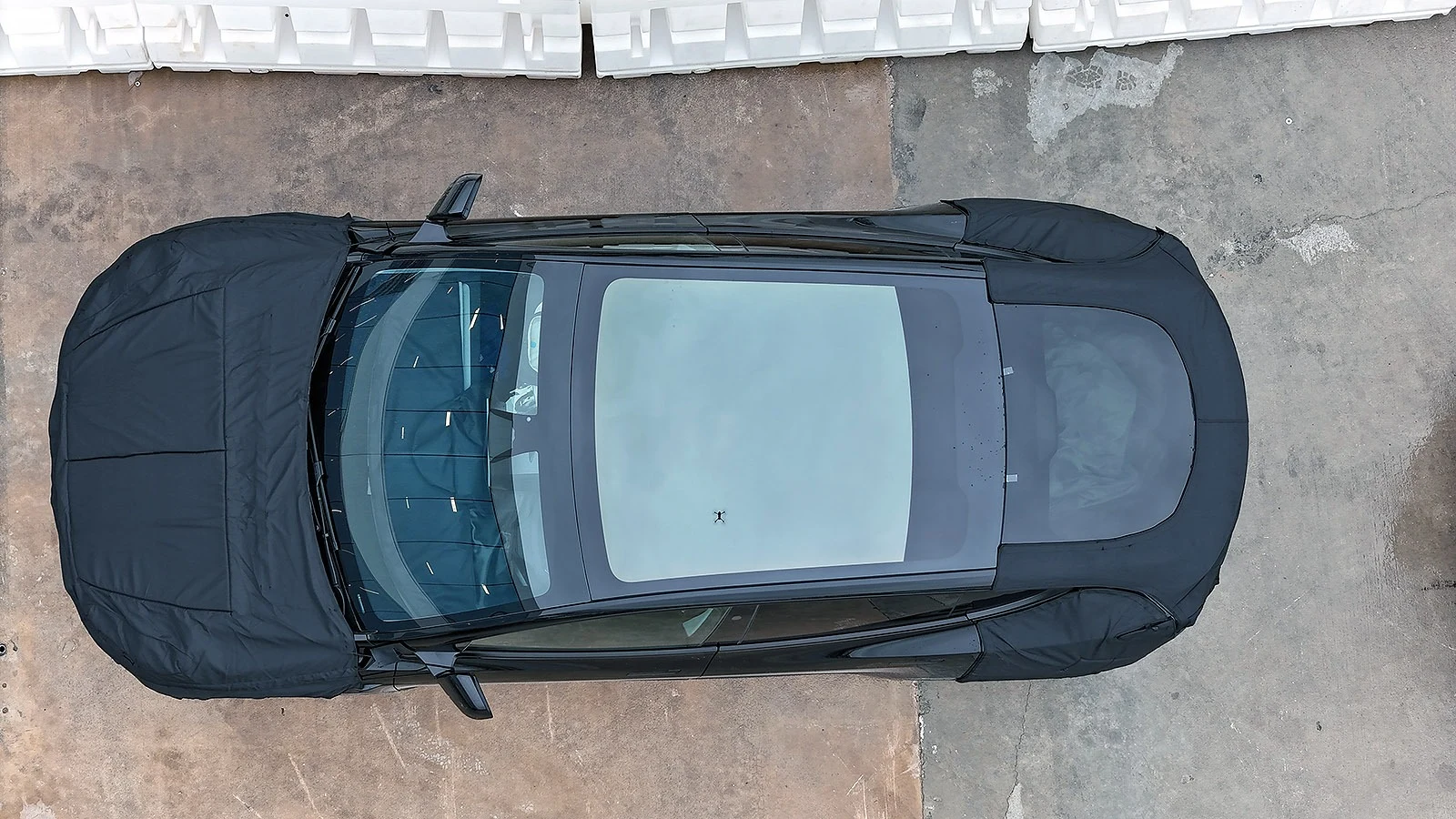
    In terms of design and specifications, reports suggest that it will resemble a smaller version of the Model Y, equipped with a 54 kWh battery that offers a range between 250 to 300 miles per charge, thanks to its lighter build. Recently, a drone flight over Giga Texas spotted a disguised test model that seemed to mirror a compact Model Y, leading to speculation that this is indeed Tesla’s prototype for the affordable car.

    In addition to the budget vehicle, Tesla is also planning to release refreshed versions of the Model S and Model X later this year, according to Lars. “We’ll be working on those later this year since everyone here has a soft spot for the S/X,” he mentioned, hinting that a complete refresh of the Tesla lineup could be expected in 2025.

    Focus on Production

    For the moment, Moravy is completely concentrated on ramping up production for the Model Y Juniper refresh, which will utilize all four Tesla Gigafactories simultaneously. Thus, more information about the Model S/X updates or the economical Model 2 is likely to emerge only after the Model Y launch.

    Source:
    Link
  • Tesla’s In-House Robotaxi Platform Revealed by Uber CEO

    Tesla’s In-House Robotaxi Platform Revealed by Uber CEO

    Key Takeaways

    1. Tesla is seen as a direct competitor to Uber, as they declined collaboration on the robotaxi service.
    2. Uber’s CEO, Dara Khosrowshahi, remains open to future partnerships despite Tesla’s decision to develop ride-hailing services independently.
    3. Khosrowshahi highlighted the potential benefits of a partnership with Tesla to stabilize demand in the autonomous vehicle market.
    4. Tesla is actively advancing in the ride-hailing sector, including testing a mobile app for booking rides.
    5. Tesla plans to launch the two-seat Cybercab in October 2024, which will operate with Unsupervised Full Self-Driving technology.


    Uber’s CEO Dara Khosrowshahi has disclosed that Tesla will be a direct rival to his company, as Tesla declined an offer for collaboration on its forthcoming robotaxi service. According to a report by Fortune, both Khosrowshahi and Tesla’s CEO Elon Musk had several talks, but Musk firmly stated that the ride-hailing service would be developed entirely in-house.

    Competing Head-to-Head

    Khosrowshahi mentioned, “I’ve had discussions with him at this point. They want to build it alone, so in a way, in Austin, we and Waymo will be going against Tesla when they launch… Life is long, but we would love to partner with them.” This indicates that despite the competition, Khosrowshahi remains open to future collaboration.

    Strategic Partnership Appeal

    Khosrowshahi emphasized the advantages of a possible partnership with Tesla at the time of launch. He noted that Uber could help ensure a steady demand for newcomers in the autonomous vehicle (AV) market, which can often see fluctuating interest.

    Tesla’s Ride-Hailing Advancements

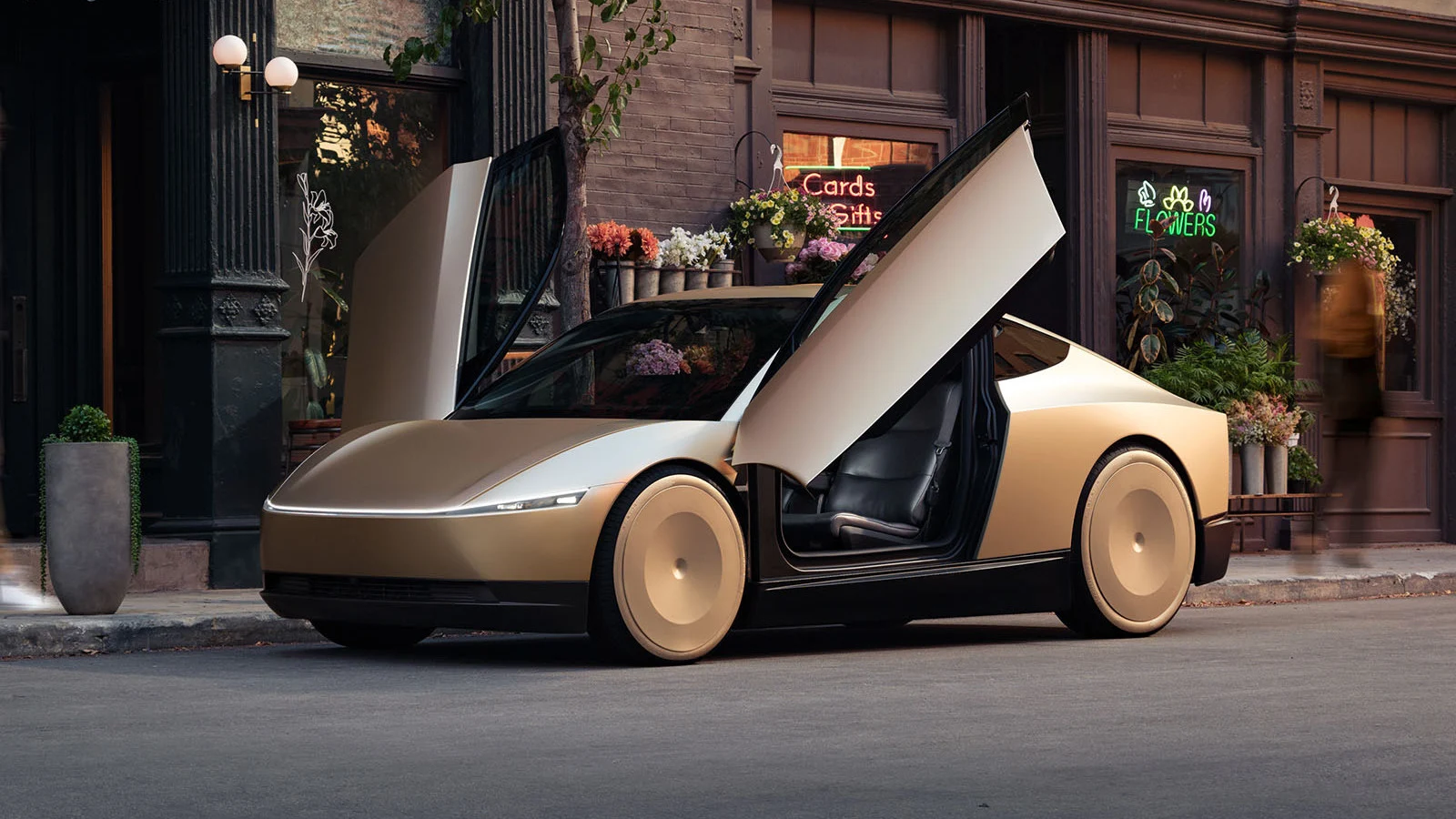
    Tesla has been advancing in the ride-hailing sector. They revealed the mobile app for booking rides during an investor call last year. Currently, the company is testing the service with its staff in California and Texas, following the introduction of the two-seat Cybercab, which lacks a steering wheel, in October 2024. This self-driving vehicle will be utilized to initiate Unsupervised Full Self-Driving (FSD) in June.

    Source:
    Link


  • Cheaper Model Y Juniper Now Available with Longest RWD Range

    Cheaper Model Y Juniper Now Available with Longest RWD Range

    Key Takeaways

    1. Tesla has opened preorders for the affordable RWD Model Y Juniper version, priced at $60,000 in the US.
    2. In Europe, the AWD Long Range version is available for €52,990, with the lowest-priced RWD model starting at €44,990.
    3. The Long Range RWD model offers a range of 386 miles, but may not be available in the US due to battery sourcing restrictions.
    4. The RWD Long Range variant is expected to launch later than premium versions, with availability anticipated by June.
    5. The cheapest Model Y Juniper trim has a range of 310 miles and a 0-60 mph time of 5.9 seconds, set for release in May or June.


    Tesla has recently opened preorders for the RWD Model Y Juniper version, which is the most affordable option. This comes shortly after they released a more expensive facelift version of the vehicle.

    Pricing and Features in the US

    In the United States, the Model Y Juniper is offered as a Launch Series edition priced at $60,000. This version includes Full Self-Driving (FSD), premium wheels, and unique badging.

    European Market Launch

    In Europe, where FSD is not available, Tesla has introduced the more costly AWD Long Range version for €52,990 in Germany, along with its less expensive RWD versions. Sales in that region may not be as strong, prompting Tesla to quickly make available all variants of the Model Y Juniper refresh, including the base RWD model. The lowest-priced 2026 Model Y trim is set at €44,990, which is 15% cheaper than the highest trim. An interesting aspect of the Model Y facelift is the exclusive Long Range RWD version, which is unlikely to reach the US market.

    Long Range RWD Capabilities

    This new Long Range RWD model offers a significantly larger battery, boasting an impressive range of 386 miles. However, it likely features an LFP battery sourced from Chinese manufacturers such as CATL or BYD, meaning it probably won’t be available in the US while federal tax credits for domestically made vehicles are in place. By contrast, the Long Range AWD Model Y Juniper can achieve 364 miles on a single charge, according to the European WLTP cycle, which is around 10% less strict than the EPA ratings used in the US.

    Despite this, the 2026 Model Y Juniper LR AWD trim provides better range compared to its earlier version, which was rated for 600 km (373 miles) on 19-inch wheels under the same WLTP cycle. The current facelift utilizes the same batteries as its predecessor, so the enhanced range is attributed to improved aerodynamics and efficiency, rather than an increase in battery capacity, which Tesla claims would have made it too expensive for a mass-market electric vehicle like the Model Y, its best seller.

    Release Timeline and Performance

    Although Tesla has shared the specifications and pricing for the RWD Model Y Juniper variants to give European consumers an option for a lower-priced trim, these models will launch later than the premium versions. The RWD Long Range model, which boasts the best range, is expected to be available as late as June, even though early buyers can place an order right now for €49,990. This Long Range Model Y RWD variant is equipped with a more powerful rear motor and can go from 0-60 mph in just 5.6 seconds, despite the added weight of the larger battery.

    On the other hand, the least expensive Model Y Juniper trim has a 0-60 mph acceleration time of 5.9 seconds. While this might appear to be a minor trade-off for saving five grand, it also has the smallest battery and the shortest range, which is 310 miles on the WLTP cycle. Tesla has stated that the cheapest Model Y is expected to be released in May or June, unlike the premium Long Range AWD version, which is set for a March release.

    Source:
    Link

  • Honda Unveils New Hydrogen Fuel Cell: Halves Cost, Triples Energy

    Honda Unveils New Hydrogen Fuel Cell: Halves Cost, Triples Energy

    Key Takeaways

    1. Honda introduced its next-gen fuel cell module, the Clarity Fuel Cell, at the International Hydrogen & Fuel Cell Expo in Tokyo.
    2. The new fuel cell model features a 50% cost reduction, double the durability, and over three times the volumetric power density compared to the previous version.
    3. The Clarity Fuel Cell is designed entirely by Honda, unlike the earlier model developed with General Motors.
    4. Honda plans to start mass production of the new fuel cell module by 2027, with an initial batch of 300 CR-V vehicles using this technology.
    5. The new fuel cell module has a power rating of 150 kW and a peak efficiency of 59.8%, operating effectively in a temperature range from -30°C to +60°C.


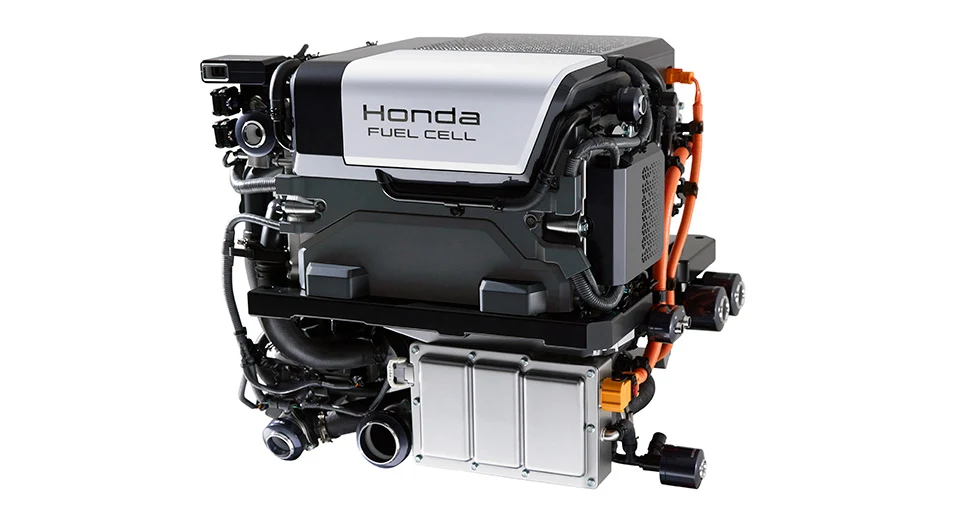
    Honda, a well-known car maker from Japan, has introduced its next-gen fuel cell module at the 23rd International Hydrogen & Fuel Cell Expo held in Tokyo. The company claims that this new model has made impressive improvements compared to the older version, including a 50% drop in cost, twice the durability, and more than a threefold increase in volumetric power density, which adds to the versatility of installation options.

    New Developments in Fuel Cell Technology

    The latest model, called the Clarity Fuel Cell, is the first one entirely designed by Honda. This is different from the current version, which was developed together with General Motors (GM). Honda aims to start mass production of this innovative fuel cell module by the year 2027.

    Performance Specs and Design

    This new fuel cell module is rated at 150 kilowatts (kW) and reaches a peak efficiency of 59.8%, as outlined in the latest development details. In terms of size, the module measures 73cm x 58cm x 70cm and weighs around 250 kilograms. It’s built to perform well in a temperature range of -30°C to +60°C.

    Additionally, Honda has revealed its intention to manufacture 300 CR-V vehicles that will use these fuel cell models. These vehicles will be available in the U.S., specifically in California, as it is currently the only state equipped with public hydrogen refueling stations.

    Commitment to Sustainability

    “Honda is dedicated to expanding the applications and sales territories of this next-gen fuel cell module to help create a sustainable energy-focused society,” the company stated in a press release.

    Source:
    Link

  • Elon Musk Dismisses Nissan Factory Investment Rumors

    Elon Musk Dismisses Nissan Factory Investment Rumors

    Key Takeaways

    1. Nissan is seeking investors after unsuccessful merger talks with Honda.
    2. Nissan plans to present a proposal to Tesla for potential investment or collaboration.
    3. Elon Musk believes that Tesla’s own manufacturing facilities are superior and may not benefit from investing in Nissan’s plants.
    4. Musk emphasizes the innovative production lines at Tesla’s factories, particularly the unprecedented Cybercab line.
    5. Nissan’s U.S. assembly plants have a capacity of one million vehicles but are currently producing only 500,000 units.


    Nissan is currently seeking investors after its merger discussions with Honda, another Japanese automobile manufacturer, did not succeed. Recent news suggests that Nissan is looking to engage Tesla, and CEO Elon Musk has shared his thoughts on why investing in Nissan’s facilities might not be the best move for his company.

    Nissan’s Proposal to Tesla

    A report from Fortune indicates that Nissan, with support from major industry figures and politicians in Japan, plans to present Tesla with a proposal. This has led to rumors that Tesla could take over Nissan’s manufacturing plants in the United States. However, in response to a post on X that highlighted the article, Musk remarked, “the Tesla factory is the product.” He emphasized that the production line for the Cybercab is unprecedented in the automotive sector.

    Musk’s Factory Insights

    Musk frequently highlights the advancements in his manufacturing facilities. He has stated that Giga Shanghai was built on the enhancements made in the Fremont factory, and Giga Berlin learned from the experiences of the Chinese plant. It’s important to note that upgrading an existing production site to meet Musk’s high standards can be more difficult than constructing a new facility from scratch.

    Nissan’s Production Capacity

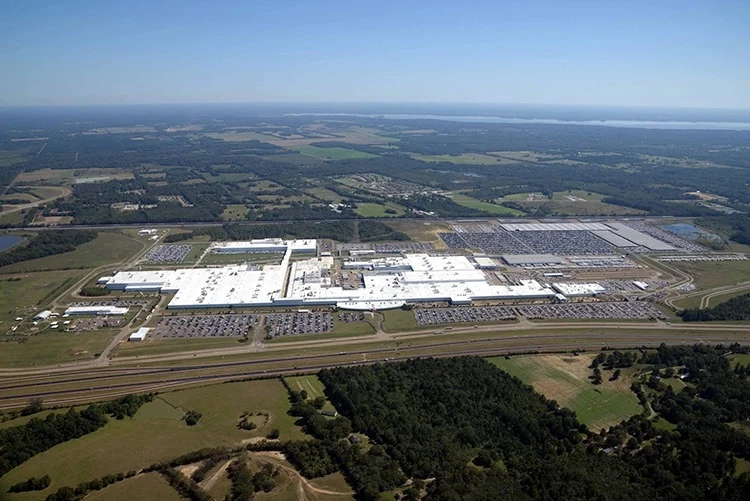
    Nissan operates two assembly plants in the United States, with a total output capability of one million vehicles; however, they are only managing to produce around 500,000 units.

    Source:
    Link

  • Tesla Introduces Virtual Queuing After Supercharger Fight Video

    Tesla Introduces Virtual Queuing After Supercharger Fight Video

    Key Takeaways

    1. Charging an electric vehicle (EV) can take a long time, leading to interactions and potential conflicts at public charging stations.
    2. Tesla plans to test a virtual queuing system starting in Q2 2025 to manage access to chargers and reduce tensions among drivers.
    3. The proposed queuing system will likely use a first-come, first-served method to organize charging access.
    4. Tesla aims to increase network capacity by 20% year-over-year to help reduce congestion and disputes at charging locations.
    5. It’s unclear how the new queuing system will work with EVs from other manufacturers, raising the potential for conflicts in city areas.


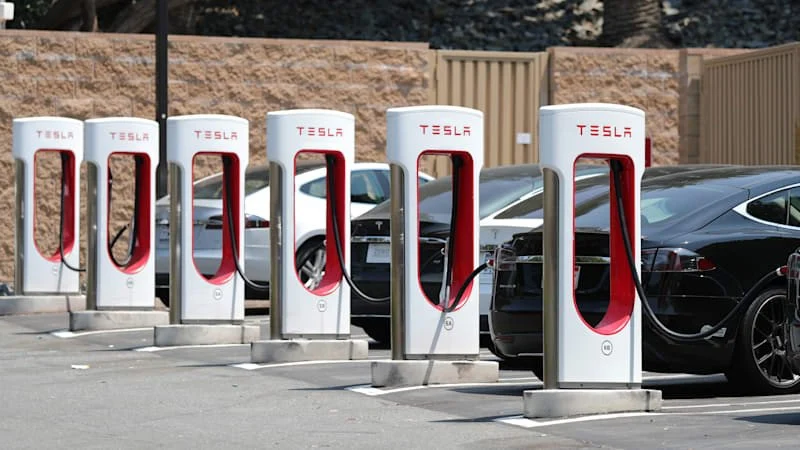
    Charging an electric vehicle can take quite a bit of time, even when using the quickest chargers available. As a result, owners of EVs often find themselves having to engage with others at public charging stations, and sometimes this can lead to tense situations. Following the popularity of a video showing a conflict at a Supercharging location, Tesla has shared plans to test a virtual queuing system at selected sites starting in Q2 2025.

    A New Approach to Charging

    The proposed system is expected to manage the order in which drivers access the chargers, likely utilizing a first-come, first-served method. Although major confrontations are rare, the limited availability of parking and instances of queue-jumping can escalate tensions, making the experience of public charging less than enjoyable for drivers of electric vehicles.

    Expansion Plans

    According to Tesla, the company might implement the virtual queuing solution more broadly depending on user feedback. Additionally, they unveiled plans for a significant 20 percent increase in network capacity year-over-year to help ease congestion and minimize disputes.

    Compatibility with Other Brands

    Currently, it’s not clear how this new system will function with electric vehicles from other manufacturers. Tesla has been slowly allowing these brands to use their Superchargers, which raises the likelihood of conflicts between drivers, particularly in city environments.

    Source:
    Link

  • Tesla Model Y Juniper Refresh Accessories: New Frunk Cooler Fit

    Tesla Model Y Juniper Refresh Accessories: New Frunk Cooler Fit

    Key Takeaways

    1. The updated Model Y Juniper features a new frunk design with a drain plug for easy water management.
    2. The frunk can be used as a cooler for tailgating or camping, enhancing convenience.
    3. Tesla has introduced a portable frunk cooler, priced at $275, specifically designed for the new Model Y.
    4. The cooler has dimensions of 29.8″ x 17.4″ x 11.5″ and offers a cooling capacity of 42 qt (40 L).
    5. The cooler is compatible with previous Model Y frunks and is made from durable materials for effective insulation.


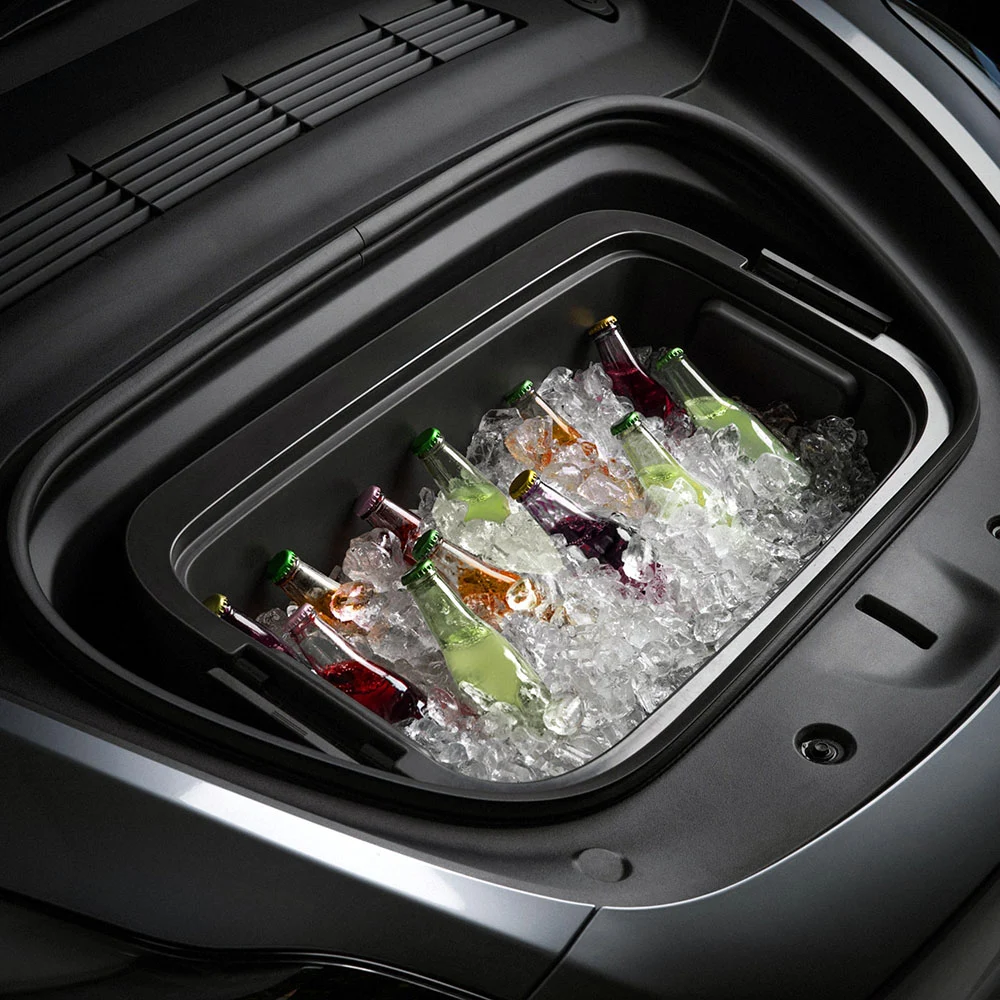
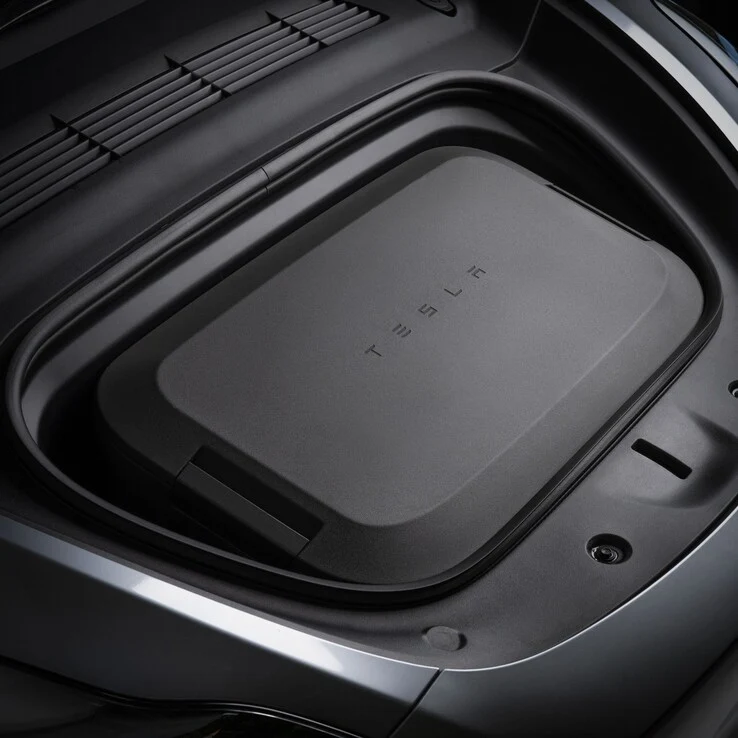
    The recently updated Model Y Juniper has introduced a new frunk design at the front of the car, which now includes a drain plug for the very first time.

    This enhancement makes it easier to use the frunk as a cooler for tailgating or camping, allowing for quick and easy drainage when ice melts, which can be a great convenience when you just have ice and no way to manage the water.

    However, it’s important to mention that while this may be suitable for a casual party with friends, it isn’t the best option for transporting cold drinks in a more serious manner. Therefore, Tesla has also revealed a dedicated cooler designed specifically for the new Model Y.

    Cooler Details

    The new portable frunk cooler features the Tesla logo and is priced at $275. This item is part of a larger selection of new all-weather accessories created especially for the 2026 Model Y refresh.

    Although 2026 Model Y owners can opt for various budget-friendly frunk coolers available on platforms like Amazon, the official Tesla version is designed to fit perfectly within its dimensions of 29.8″ x 17.4″ x 11.5″ (75.7cm x 44.2cm x 29.2cm), providing a useful cooling capacity of 42 qt (40 L).

    Compatibility and Quality

    Additionally, the new Juniper refresh cooler is compatible with the frunk of previous Model Y vehicles and is made from “durable, lightweight materials and high-quality insulation to keep perishables cold and ice frozen for days at a time,” according to Tesla’s claims.

    Source:
    Link


  • American Startup’s Flying Car Hits 3,000+ Pre-Orders

    American Startup’s Flying Car Hits 3,000+ Pre-Orders

    Key Takeaways

    1. Alef Aeronautics is developing the electric Model A flying car, capable of vertical takeoff and landing.
    2. The Model A has a range of 220 miles on the road and 110 miles when flying, with FAA Special Airworthiness Certification.
    3. The vehicle has received 3,300 pre-orders at a starting price of $300,000, with deposits starting at $150.
    4. Production of the Model A is set to begin in late 2025, with deliveries to follow soon after.
    5. Alef Aeronautics plans to release a more affordable flying car, the Model Z, priced at $35,000 in 2035.


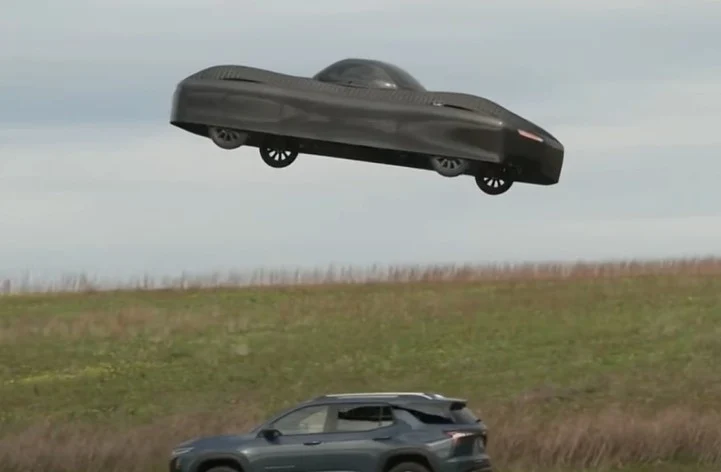
    Flying cars have long been a dream in science fiction, yet an American startup is working hard to turn this dream into reality. Alef Aeronautics has shared a video showcasing its electric Model A, which can take off and land vertically, as well as hover over a regular car, all happening in California.

    Model A Specifications

    The Model A has been under development since 2017, and Alef Aeronautics asserts that it can travel 220 miles on a single charge when on the road and 110 miles when flying. The US Federal Aviation Administration has granted it a Special Airworthiness Certification.

    Pre-orders and Pricing

    The startup has also released another video that depicts the Model A performing regular driving tasks on public roads. This has led to the company receiving 3,300 pre-orders for this innovative vehicle, starting at a price of $300,000. Flying car fans can still reserve one directly on the company’s website with a deposit of $150, while those willing to pay $1,500 can move up the waiting list.

    Future Plans

    Production is set to begin in late 2025, with deliveries to follow shortly after. Alef Aeronautics has partnered with Boeing contractors Pucara Aero and MYC to provide necessary car components. Moreover, the company plans to introduce a more affordable option, the “Model Z,” priced at $35,000 in 2035, aimed at customers who want flying cars without breaking the bank.

    Source:
    Link

  • Xiaomi SU7 Ultra EV Sets Record at Shanghai Circuit, Beats Taycan

    Xiaomi SU7 Ultra EV Sets Record at Shanghai Circuit, Beats Taycan

    Key Takeaways

    1. The Xiaomi SU7 Ultra achieved a record lap time of 2:09.94 at the Shanghai International Circuit, making it the fastest production car on that track.
    2. The electric sedan can reach speeds of 323 km/h (201 mph) and accelerates from 0-100 km/h in just 1.98 seconds.
    3. It features a triple motor configuration that produces 1,548 horsepower.
    4. The SU7 Ultra is powered by the world’s first CATL Kirin II battery, enhancing its performance and power delivery.
    5. Initial sales for the SU7 Ultra will start at approximately 800,000 Yuan (around 110,000 US Dollars).


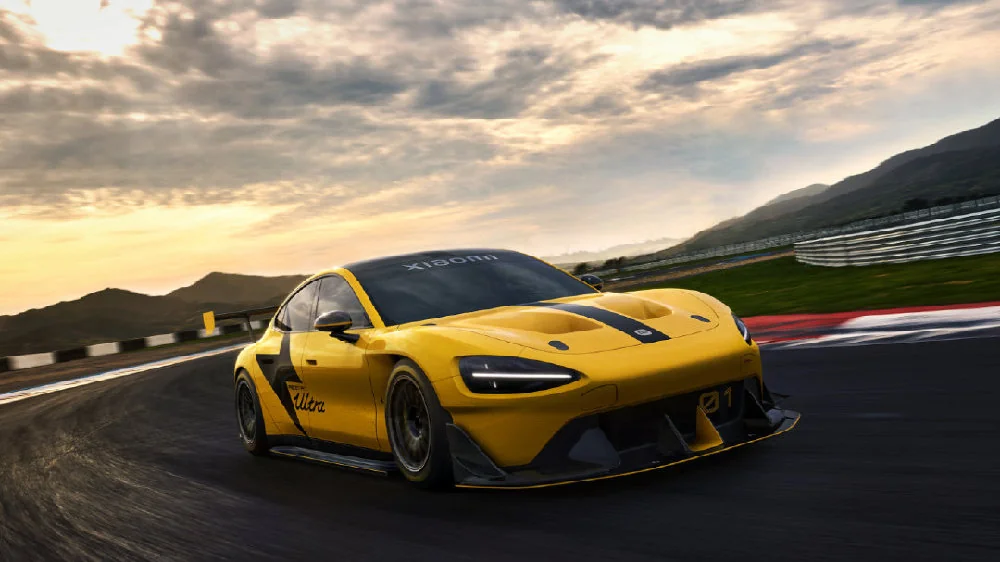
    Xiaomi has recently unveiled the capabilities of its SU7 Ultra. This new electric vehicle had the opportunity to showcase its skills at the Shanghai International Circuit (SIC) and has claimed the title of the fastest production car on that track. Let’s dive into what happened.

    SU7 Ultra’s Impressive Lap Time

    The tech powerhouse from China took its Xiaomi SU7 Ultra for a test drive at the SIC, where it achieved a remarkable lap time of 2:09.94. This time sets a new record for production vehicles on this circuit, regardless of the type of power. The SUV 7 Ultra EV surpassed the previous record held by the Porsche Taycan Turbo GT, which completed the 5.45km (3.39 miles) course in 2:11.28.

    Electric Sedan Features

    In a video released by Xiaomi (via Carscoops), the SU7 Ultra was shown hitting speeds of 323 km/h (201 mph) on the straight part of the circuit. It is also worth mentioning that the Xiaomi SU7 Ultra is expected to make its global debut at the upcoming MWC 2025 event. This electric sedan features a triple motor configuration (V8s + V8s + V6s), producing an impressive 1,548 horsepower. It can accelerate from 0-100 km/h in only 1.98 seconds and reach 0-200 km/h in just 5.86 seconds.

    Advanced Power and Sales Info

    This model is powered by the world’s first CATL Kirin II battery, which enables excellent power delivery. The record-setting run reinforces Xiaomi’s assertions that the SU7 Ultra comes with a braking system specifically designed for track use, capable of stopping the car from 100 km/h in a mere 25 meters. The initial sales of the Ultra are about to commence, with prices starting from approximately 800,000 Yuan (around 110,000 US Dollars).

  • Cybertruck Crash Test Shows Battery Pack Safety Features

    Cybertruck Crash Test Shows Battery Pack Safety Features

    Key Takeaways

    1. The Tesla Cybertruck has a 5-star crash safety rating from the NHTSA, indicating strong passenger safety in frontal and side tests.
    2. The Cybertruck is currently under investigation for a crash involving its Full Self-Driving feature, but passenger safety features remain unquestioned.
    3. European authorities have not allowed the Cybertruck on public roads due to its sharp edges, which exceed safety regulations.
    4. While crash tests showed good results for occupants, pedestrian safety evaluations for the Cybertruck are still uncertain.
    5. Tesla is developing a more affordable rear-wheel drive (RWD) version of the Cybertruck, but it’s unclear if design changes will be made for compliance in Europe.


    While Tesla’s Cybertruck, a massive 3-ton electric pickup made of stainless steel, has faced its share of controversies, one thing is clear: no one is questioning the safety of its passengers.

    Accident Investigations

    Recently, the Cybertruck was involved in a crash while using its Full Self-Driving (FSD) feature, which is currently under investigation by the NHTSA. Additionally, European authorities are not permitting it to be driven on public roads as usual due to its sharp edges. Still, there seems to be no doubt about the safety features inside the vehicle’s cabin.

    Safety Ratings

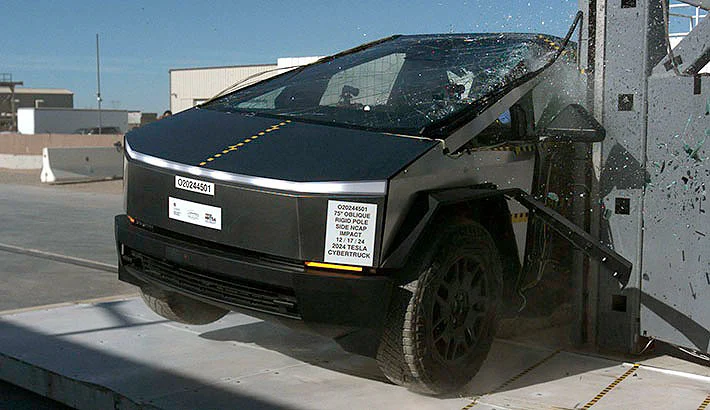
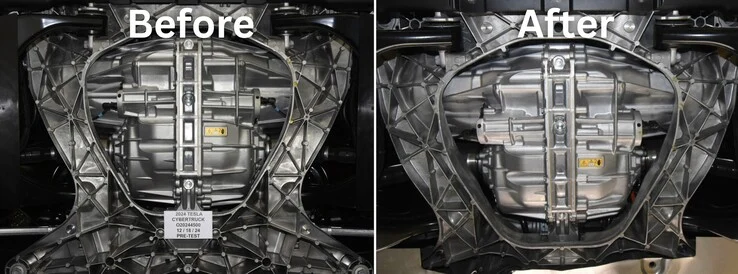
    The NHTSA, which is looking into Tesla’s self-driving-related accidents, has awarded the Cybertruck a commendable 5-star crash safety rating. However, this rating was only achieved in frontal and side crash tests, with the NHTSA estimating a low 12% chance of rollover. The images taken before and after the crash tests reveal that the Cybertruck’s frame and underbody, where the battery and drivetrain are located, have an impressive capability to absorb impact.

    Future Considerations

    While the crash dummies in Tesla’s electric truck performed exceptionally well during the safety tests, it is still uncertain how the Cybertruck will perform in pedestrian safety evaluations. The sharp edges of its stainless steel body exceed the allowed radius set by European regulators, which is one of the reasons Tesla has not yet launched it there. Elon Musk even mentioned in previous investor calls that modifications to the Cybertruck’s design will be needed for a European release.

    Tesla is also working on a new, more affordable RWD version of the Cybertruck that is expected to launch this year. This model has already appeared in the IRS database as qualifying for tax credits. However, it remains unclear whether Tesla will make the necessary changes to sell it in Europe, where the NCAP safety tests include pedestrian safety evaluations.