Category: Computers

  • NASA’s StarBurst Mission Successfully Completes Key Tests

    NASA’s StarBurst Mission Successfully Completes Key Tests

    Key Takeaways

    1. StarBurst is a NASA mission aiming to find short gamma-ray bursts from neutron star mergers, which create heavy metals like gold and platinum.
    2. The mission will detect gamma-rays simultaneously with gravitational waves from neutron star mergers.
    3. StarBurst has successfully completed thermal and vibration tests to prepare for space conditions.
    4. The next step is instrument calibration, with a planned launch in 2027 to align with observations from the Laser-Interferometer Gravitational Wave Observatory.
    5. StarBurst could help discover up to 10 neutron star merger events each year, significantly increasing observations of these cosmic phenomena.


    StarBurst is a mission led by NASA that aims to find the first signs of short gamma-ray bursts created by neutron star mergers. These bursts are some of the most intense explosions in the cosmos. The heavy metals we see in the universe, like gold and platinum, are primarily produced from these neutron star collisions.

    Groundbreaking Detection

    On Earth, observatories can already pick up the gravitational waves resulting from neutron star mergers. The StarBurst mission is designed to detect gamma-rays at the same time as these gravitational waves.

    Testing Success

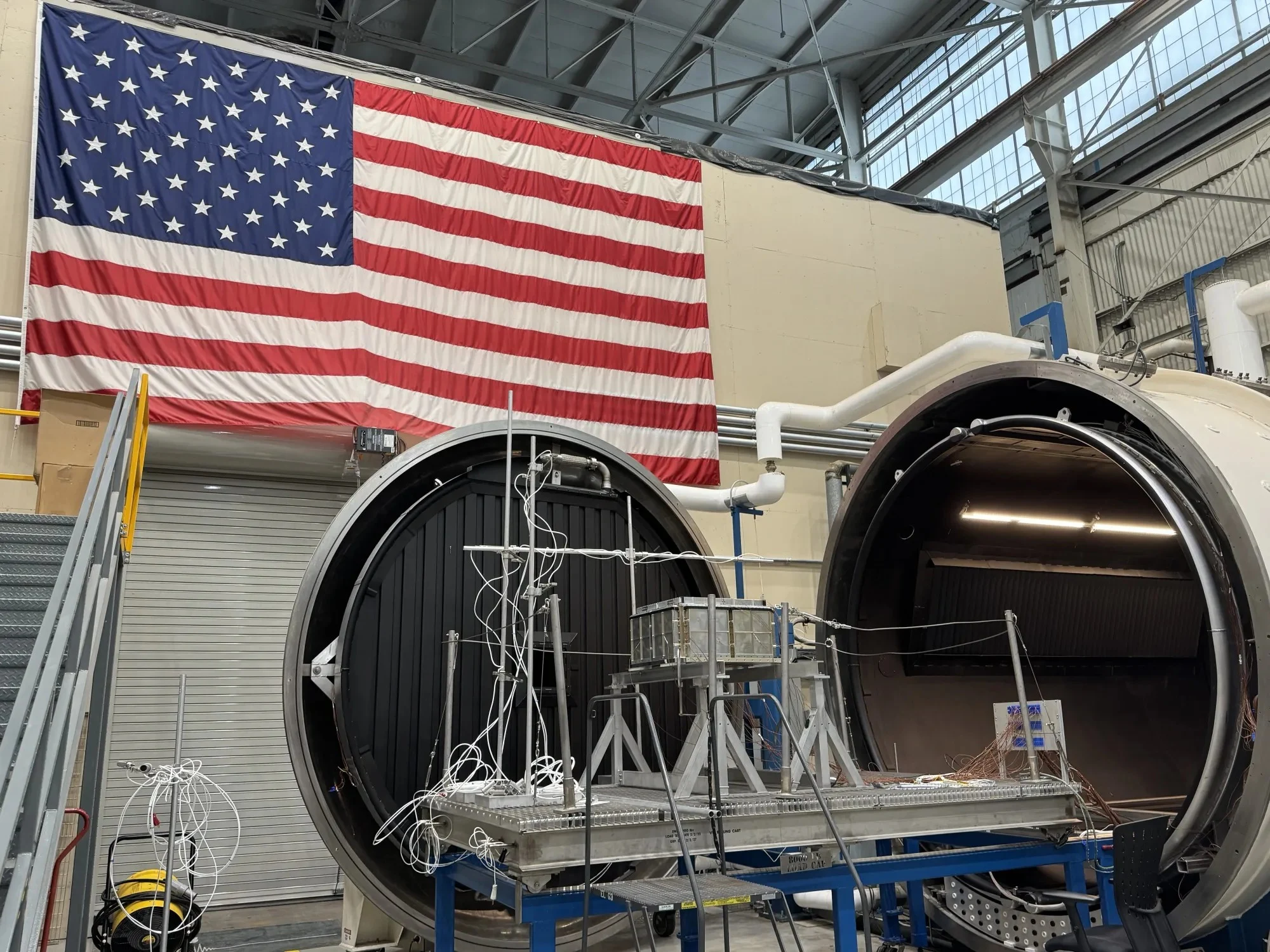
    StarBurst has successfully completed its thermal and vibration tests at NASA Marshall. The thermal test was conducted in a vacuum chamber to replicate the extreme temperatures the device will face in space. Vibration testing was done to mimic the shaking and turbulence StarBurst will experience during its launch.

    Moving Forward

    The next step for StarBurst is instrument calibration, moving it closer to being ready for launch. NASA plans to launch StarBurst as soon as 2027, coinciding with the next series of observations from the Laser-Interferometer Gravitational Wave Observatory. This timing is meant to increase the likelihood of catching gamma-ray bursts at the same time as gravitational waves.

    Anticipating Discoveries

    So far, astronomers have only seen one neutron star merger where both a gamma-ray burst and gravitational waves were detected together. With the help of StarBurst, scientists believe they could discover up to 10 such events each year.

    Source:
    Link


  • AMD Collaborates with Partners to Avoid GPU Price Increases

    AMD Collaborates with Partners to Avoid GPU Price Increases

    Key Takeaways

    1. The tech industry is experiencing a memory crisis, impacting DDR5 RAM, SSDs, GPUs, and potentially power supplies and CPU coolers.
    2. AMD is focused on maintaining GPU prices close to the manufacturer’s suggested retail price (MSRP) despite rising costs.
    3. AMD has built long-term relationships with DRAM suppliers to secure stable pricing and supply for memory components.
    4. Collaborations with add-in card partners aim to align market prices with AMD’s recommended MSRPs, but predicting market conditions remains difficult.
    5. Price hikes are anticipated in the future, leading to advice for consumers to purchase GPUs before the end of 2025.


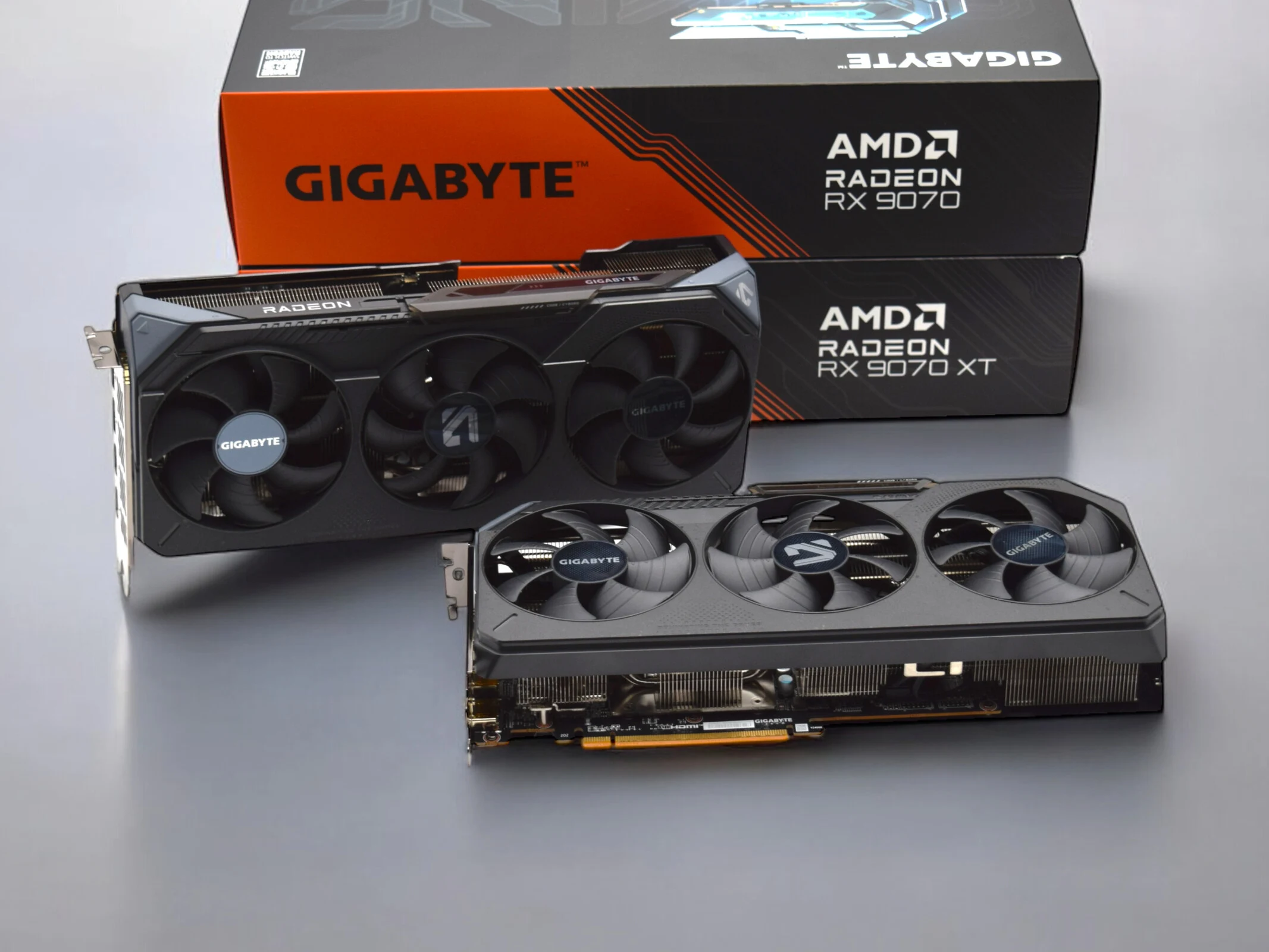
    The tech industry is currently facing a significant memory crisis. It began with a dramatic rise in DDR5 RAM prices, but the repercussions have extended beyond that. SSDs and GPUs are also feeling the squeeze, and there are indications that power supplies and CPU coolers may be the next to see price hikes. With a multitude of essential PC parts experiencing simultaneous cost increases, the future appears challenging for those building PCs. In the midst of this turmoil, AMD seems to be striving to maintain its graphics card prices as close to the manufacturer’s suggested retail price (MSRP) as possible.

    AMD’s Strategy

    In a conversation with Gizmodo, David McAfee, who leads AMD’s Ryzen division, shared that managing GPU pricing effectively in 2026 is a crucial objective for the company. He mentioned that AMD has established long-term relationships with key DRAM suppliers, which aids in securing adequate supply and more stable pricing for memory components. This is vital since memory costs significantly impact the final price of a graphics card.

    “We’ve built very strategic partnerships over many years with all the DRAM manufacturers to ensure that both the quantity of supply required and the cost structure we can get from them align with what we support in our graphics business,” he said.

    Challenges Ahead

    McAfee also pointed out that AMD is collaborating closely with its add-in card (AIC) partners to keep actual market prices in line with AMD’s recommended MSRPs. However, he acknowledged that predicting the market situation is difficult. Should memory prices continue to climb, it will become increasingly challenging for board partners to manufacture GPUs that meet the desired performance and price equilibrium. Essentially, without reasonably priced memory, even the best-laid plans for GPU pricing can quickly unravel.

    Nonetheless, it’s crucial to remember that a few months back, a spokesperson from PowerColor, one of AMD’s main board partners, advised users on Reddit to purchase GPUs before the end of 2025, hinting that price hikes are anticipated. Currently, AMD claims it is doing all it can to keep GPU prices within a reasonable range. Whether these efforts will suffice while memory and component prices keep rising remains to be seen.

    Gizmodo

    Source:
    Link


  • Keychron Q3 Ultra: New TKL Mechanical Keyboard with 8K Polling

    Keychron Q3 Ultra: New TKL Mechanical Keyboard with 8K Polling

    Key Takeaways

    1. The Keychron Q3 Ultra is the company’s first mechanical keyboard using ZMK firmware, offering improved battery life of up to 660 hours compared to the Q3 Max’s 180 hours.

    2. It features an 80% TKL layout, customizable knob, and an increased polling rate of 8,000 Hz for better performance in wired and 2.4 GHz wireless modes.

    3. The keyboard uses new Silk POM switches available in linear and tactile types, enhancing the typing experience.

    4. It has a CNC-cut aluminum chassis with a double-gasket design, sound-dampening layers, and a hot-swappable PCB, along with Bluetooth, 2.4 GHz, and USB-C connectivity options.

    5. The Keychron Q3 Ultra is priced at $229.99 in the US and €236.99 in Europe, available in black or white with customizable RGB lighting and double-shot PBT keycaps.


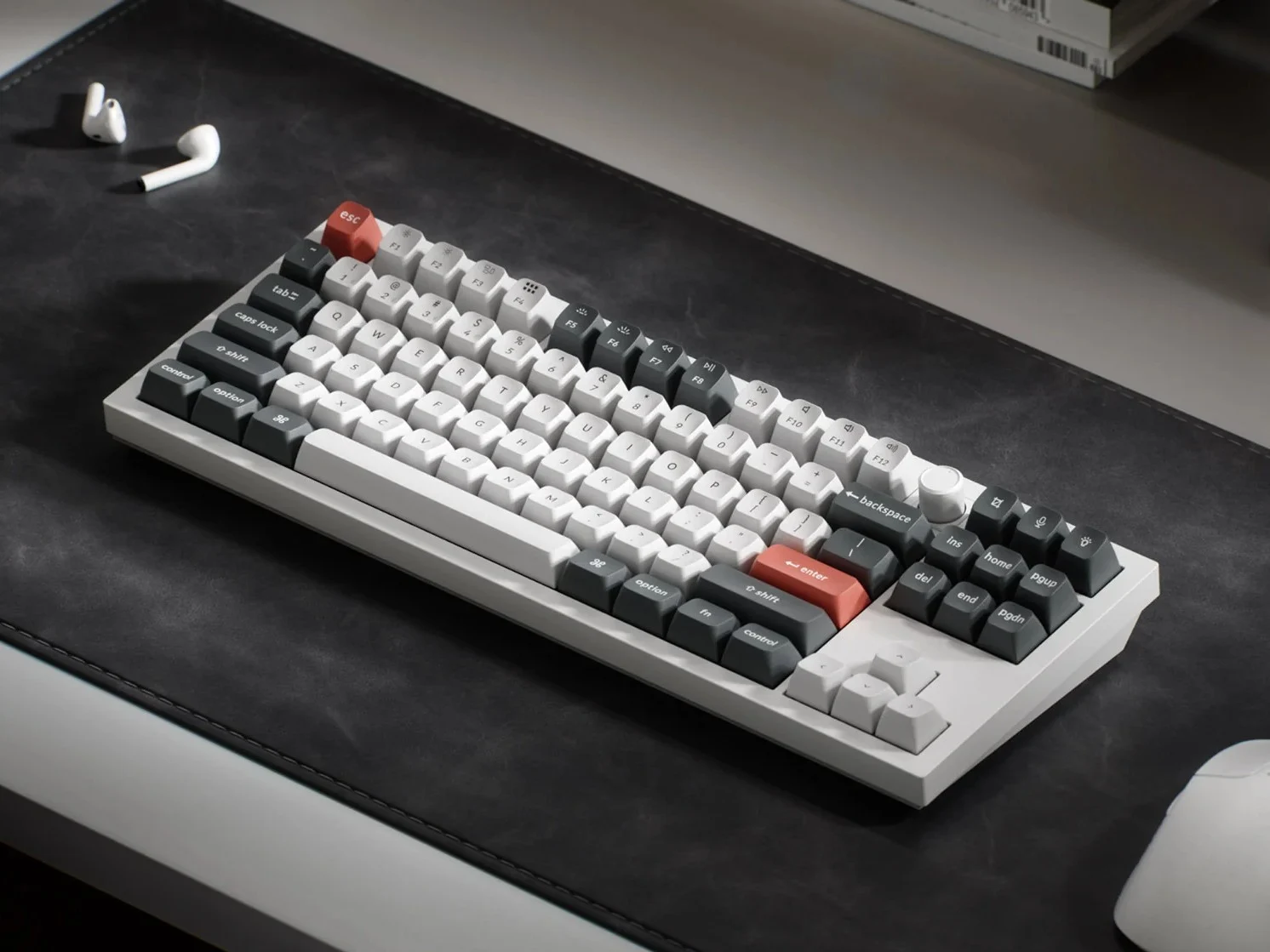
    The Keychron Q3 Ultra was revealed at CES 2026 as the company’s first mechanical keyboard that uses ZMK firmware. Alongside this model, Keychron also introduced the Q6 Ultra, Q1 Ultra, and the more affordable V Ultra. It’s important to note that the Q3 Ultra is different from the Keychron Q3 Max, which is compatible with QMK/VIA and currently sells for $229.99 on Amazon. The ZMK firmware of the Q3 Ultra is designed for better battery efficiency, allowing it to boast a battery life of up to 660 hours, in contrast to the 180 hours offered by the Q3 Max.

    Enhanced Features

    The Q3 Ultra maintains a similar 80% TKL layout as the Q3 Max, featuring a customizable knob located in the function row. However, it comes with several key enhancements. The polling rate has been increased to 8,000 Hz for both wired and 2.4 GHz wireless connections, a significant upgrade from the Q3 Max’s 1,000 Hz. This model also includes new Silk POM switches available in both linear and tactile types, providing a smoother typing experience.

    Design and Options

    Constructed with a CNC-cut aluminum chassis, the keyboard features a double-gasket design along with various sound-dampening layers and a hot-swappable PCB. It offers Bluetooth and 2.4 GHz wireless connectivity, as well as a wired option through USB-C. Customers have the choice between black or white colors, with three switch types to select from: red (linear), brown (tactile), and banana (tactile). Furthermore, the keyboard is equipped with double-shot PBT keycaps in Keychron’s KSA profile and customizable RGB lighting.

    The Keychron Q3 Ultra is now available for order in the US at a price of $229.99 through Amazon and the Keychron website. In Europe, it is listed at €236.99 and can be purchased directly from Keychron.

    Source:
    Link


  • DDR3 Motherboard Sales Surge as DDR4 and DDR5 Prices Rise

    DDR3 Motherboard Sales Surge as DDR4 and DDR5 Prices Rise

    Key Takeaways

    1. Memory prices, especially for DDR5 RAM, have increased sharply, making upgrades difficult for PC builders.
    2. DDR4 RAM prices are also significantly higher than before, leading some builders to revert to older systems.
    3. Demand for DDR3 motherboards has surged, with sales reportedly three times higher than before the price hikes.
    4. DDR3 is currently the most budget-friendly option, as it remains widely accessible and cheaper compared to DDR4 and DDR5.
    5. The memory crisis is expected to persist until at least 2028, with further price increases anticipated this year.


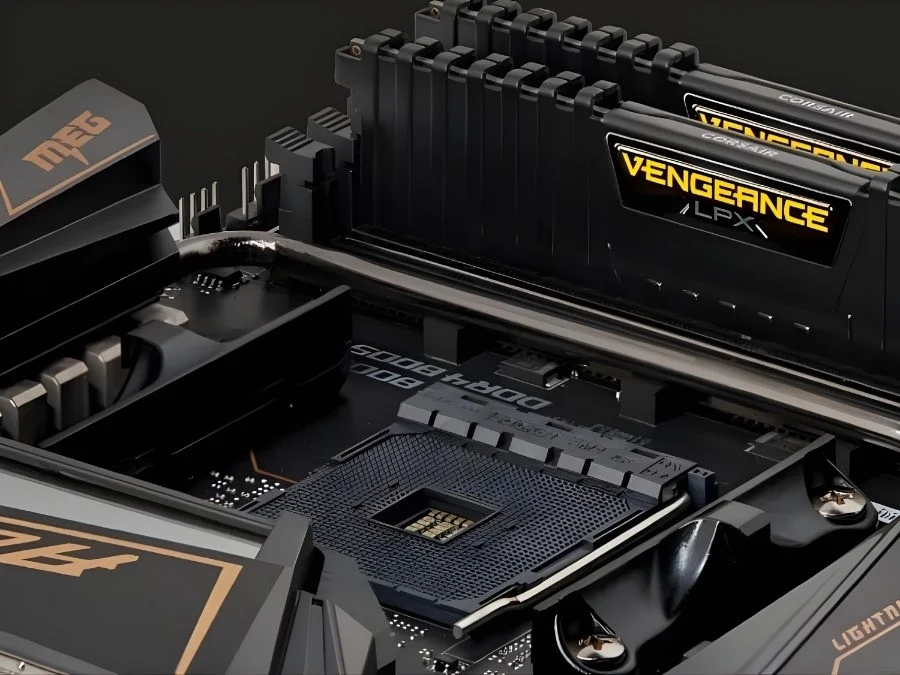
    Over the last few months, the cost of memory has risen sharply. Prices for DDR5 RAM have surged, making it tough for PC builders to upgrade. Even DDR4, which used to be the cheaper choice, is now significantly pricier than it used to be. Because of this ongoing memory situation, some PC builders are reverting to older systems, and DDR3 is unexpectedly regaining popularity.

    Increase in Demand for DDR3

    A report from Board Channels states that motherboard manufacturers in China are experiencing a noticeable increase in demand for DDR3 motherboards. Actually, sales of DDR3 motherboards are supposedly three times higher than before the price hike in memory. In addition to standalone boards, bundled packages that include these motherboards with Intel CPUs from the 6th to 9th generation are also doing well.

    Current Market Challenges

    This situation shows just how severe the market has become. DDR5 RAM kits that could be bought for a few hundred dollars not long ago are now being sold for well over $1,000. For many users, upgrading to the newest platform has become impossible. While DDR4 prices are a bit lower than DDR5, they still remain unstable and significantly higher than earlier. In contrast, DDR3 is still widely accessible and much cheaper, making it the most budget-friendly option at present.

    SK Hynix has reportedly projected that the memory crisis will persist until at least 2028, and some other companies expect no improvements before 2031. With memory prices predicted to increase by another 45% this year, the outlook suggests that the situation may worsen significantly.

    Source:
    Link


  • Intel Core Ultra 9 290HX Plus Benchmarks Show Boosted Laptop Performance

    Intel Core Ultra 9 290HX Plus Benchmarks Show Boosted Laptop Performance

    Key Takeaways

    1. Intel’s Panther Lake targets slim gaming laptops, while Arrow Lake-HX focuses on high-end laptop performance.
    2. The Intel Core Ultra 9 285HX was the fastest chip until leaks about the upcoming Arrow Lake-HX relaunch in March or April.
    3. The new Intel Core Ultra 9 290HX Plus features eight performance cores and 16 efficiency cores, similar to its predecessor.
    4. The Core Ultra 9 290HX Plus shows slight clock speed improvements, with boost frequencies close to 5.4 GHz, depending on laptop power capacity.
    5. Geekbench results indicate a 5.6% increase in single-threaded and a 4.6% increase in multi-core performance compared to the 285HX, but no major architectural changes.


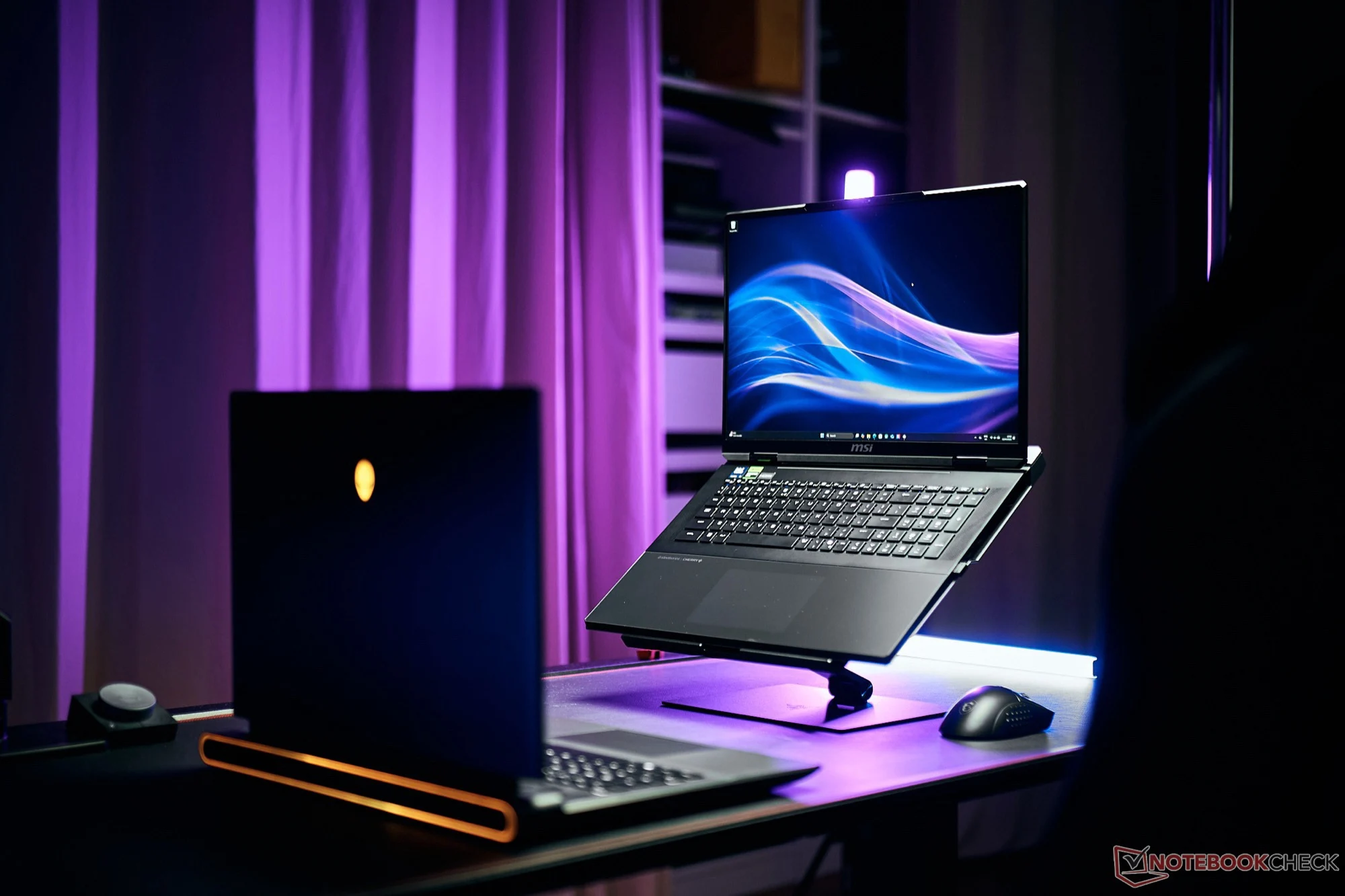
    While Intel’s Panther Lake is set to deliver impressive performance for slim gaming laptops, the company still has the Arrow Lake-HX series aimed at achieving the best CPU performance for high-end laptops like the MSI Titan 18 HX. Until recently, the Intel Core Ultra 9 285HX held the title for the fastest chip in its lineup. However, recent leaks from Golden Pig Upgrade suggest that the Arrow Lake-HX series is set for a relaunch around March or April.

    New Benchmark Insights

    Geekbench has given us an early look at this update, running tests on an Acer Predator PHN18-I71 equipped with the Intel Core Ultra 9 290HX Plus. The benchmark indicates that this new chip features eight performance cores along with 16 efficiency cores, mirroring the configuration of the Core Ultra 9 285HX. Nevertheless, it’s anticipated that the refreshed processor will achieve slightly elevated clock speeds. Geekbench highlights boost clock frequencies just shy of 5.4 GHz, which is 100 MHz less than its predecessor. However, the real clock speeds will largely depend on the power capacity provided by the specific laptop.

    Performance Benchmarks

    In the Geekbench 6 results, the Core Ultra 9 290HX Plus scored 3,198 points in single-threaded performance and 21,581 points in multi-core performance. This indicates an increase of 5.6% and 4.6%, respectively, compared to the Core Ultra 9 285HX in this benchmark. Thus, while there is some performance improvement, a drastic leap shouldn’t be anticipated, as the new chips utilize the same architecture as the previous Arrow Lake models.

    Source:
    Link


  • Thunderobot Aibook 14 Air Carbon: X1 Carbon Alternative with 85Wh Battery

    Thunderobot Aibook 14 Air Carbon: X1 Carbon Alternative with 85Wh Battery

    Key Takeaways

    1. Thunderobot is launching its first gaming laptop, the Zero Air, featuring an Intel Core Ultra 9 386H processor and Nvidia GeForce RTX 5060 GPU.
    2. The Zero Air has a larger 15.3-inch OLED screen while competing in weight with 14-inch laptops.
    3. The Aibook 14 Air Carbon is inspired by the ThinkPad X1 Carbon and features a 14-inch display in a 1 kg casing.
    4. The Aibook 14 Air Carbon is expected to offer better performance with its AMD Ryzen AI 9 H 365 APU, which has 10 cores and 20 threads.
    5. The Aibook 14 Air Carbon includes an 85 Wh battery and a high-quality 2.8K OLED display, with a release planned for April.


    Thunderobot is getting ready to launch its first gaming laptop featuring the Intel Panther Lake processor. This model, called the Zero Air, is designed with a Core Ultra 9 386H processor and an Nvidia GeForce RTX 5060 laptop GPU. It aims to compete with 14-inch laptops in terms of weight while providing a larger 15.3-inch OLED screen. In addition, the company has also revealed some preliminary information about the Aibook 14 Air Carbon, which was on display last week at CES 2026.

    Aibook 14 Air Carbon Specs

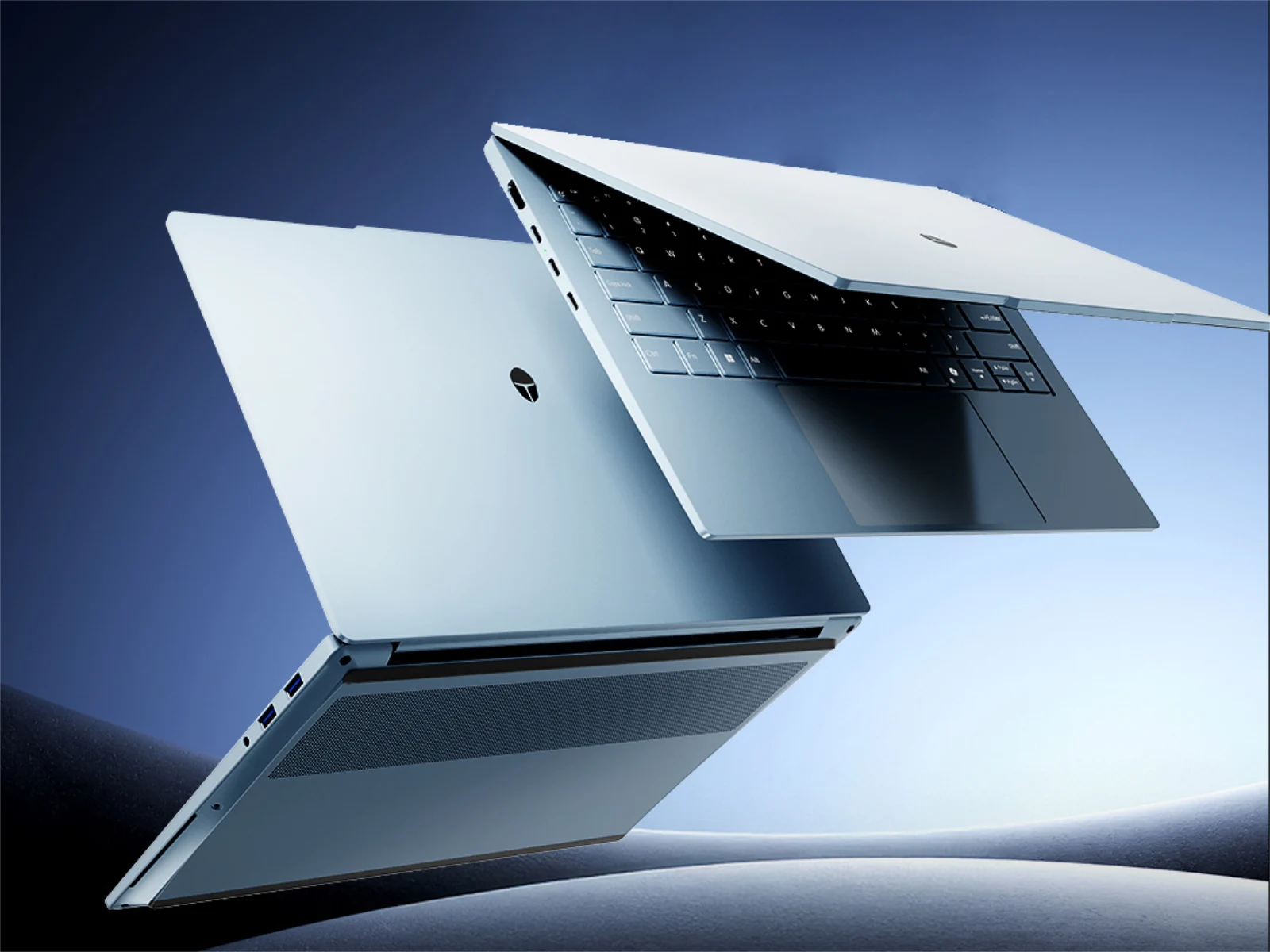
    The Aibook 14 Air Carbon takes inspiration from the ThinkPad X1 Carbon and is set to house a 14-inch display in a casing weighing about 1 kg. While it is a bit heavier than the ThinkPad X1 Carbon Gen 13 that we reviewed previously (currently priced at $1,387 on Amazon), the Aibook 14 Air Carbon is expected to deliver greater performance due to its AMD Ryzen AI 9 H 365 APU. This specific version of the Ryzen AI 9 365, made for the Chinese market, combines 10 cores and 20 threads with a Radeon 880M iGPU, featuring a 45 W TDP.

    Battery Life and Display Features

    Furthermore, the Aibook 14 Air Carbon is equipped with an 85 Wh battery, which is a 49% enhancement over the 57 Wh capacity found in the ThinkPad X1 Carbon Gen 13. It appears that Thunderobot has secured the identical 14-inch OLED display that Lenovo utilizes in the ThinkPad X1 Carbon Gen 13, offering a resolution of 2.8K, a refresh rate of 120 Hz, full coverage of the DCI-P3 color space, and DC dimming. Thunderobot is aiming to release the Aibook 14 Air Carbon in April.

    Source:
    Link


  • New AMD Strix Halo: Ryzen AI Max+ 392 Stars in CES 2026 Benchmarks

    New AMD Strix Halo: Ryzen AI Max+ 392 Stars in CES 2026 Benchmarks

    Key Takeaways

    1. The Ryzen AI Max+ 392 matches the Ryzen AI Max 390 and Ryzen AI Max+ 395 in single-core performance with a score of 2,917.
    2. It offers approximately 3% better performance than the Ryzen AI Max 390 and over 12% more than the Ryzen AI Max Pro 390.
    3. The Ryzen AI Max+ 392 is about 15% behind the Ryzen AI Max+ 395, particularly in the ROG Flow Z13 setup.
    4. The only confirmed global launch for the Ryzen AI Max+ 392 is with the TUF Gaming A14.
    5. There are ongoing speculations about using the Ryzen AI Max+ 392 in the AXP77 to compete with the Asus ROG Flow Z13, but launch details remain unclear.


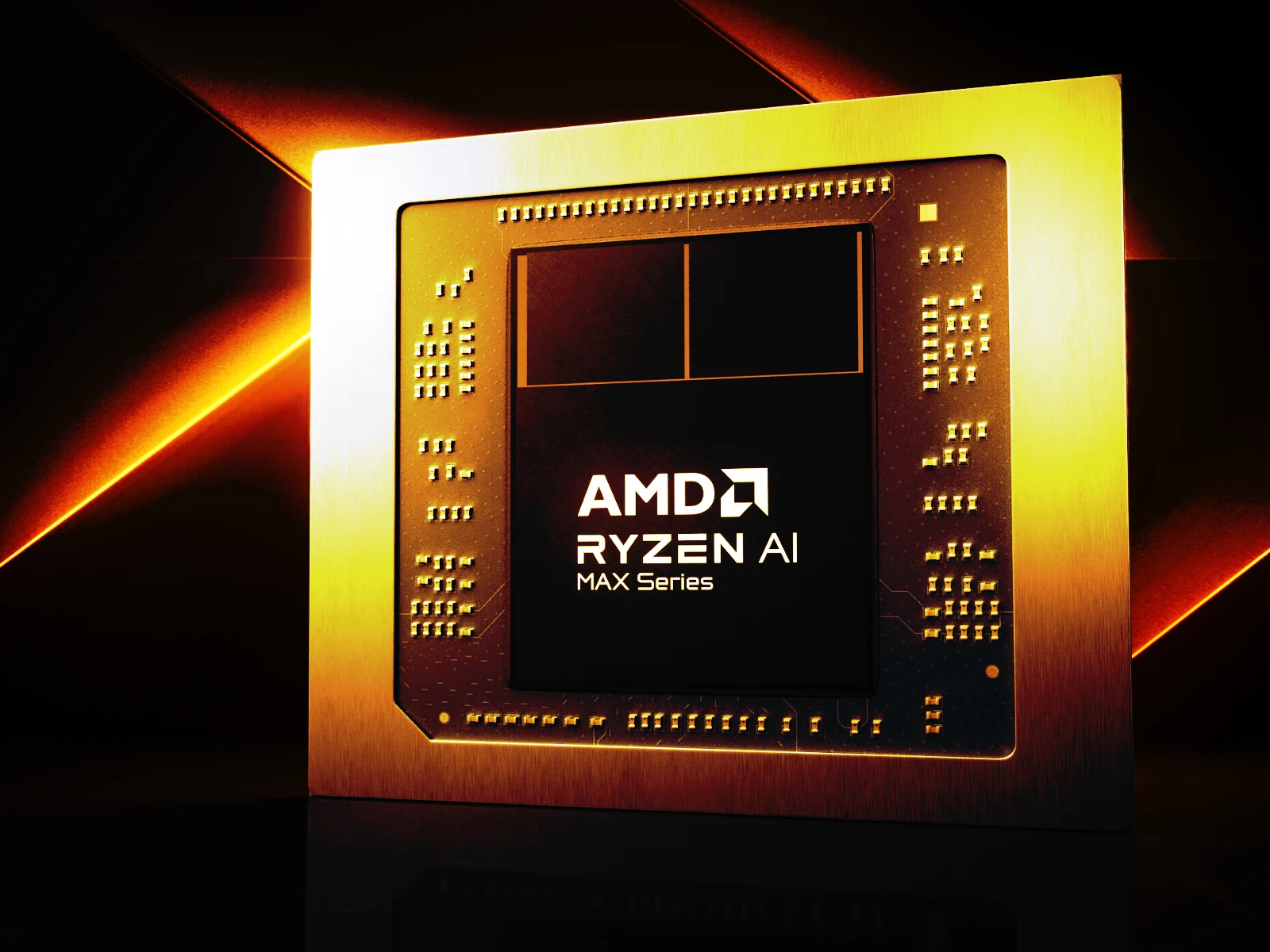
    The Ryzen AI Max+ 392 has been unofficially known for a few months now. Sixunited first showcased it in November, and last week, during CES 2026 in Las Vegas, AMD formally introduced the Strix Halo APU. Recently, Geekbench provided some details on how the Ryzen AI Max+ 392 compares with current Strix Halo APUs.

    Performance Insights

    As expected, the Ryzen AI Max+ 392 is pretty much on par with both the Ryzen AI Max 390 and Ryzen AI Max+ 395 regarding single-core performance, achieving a score of 2,917. This indicates that the 100 MHz lower boost clock compared to the Ryzen AI Max+ 395 does not significantly affect performance. On the other hand, the Ryzen AI Max+ 392 manages to deliver around 3% more performance from its 12 Zen 5 cores compared to the Ryzen AI Max 390, and over 12% more than the Ryzen AI Max Pro 390 we tested in the HP ZBook Ultra G1a.

    Device Variances and Shortcomings

    These performance variances could possibly be due to differences in device configurations. However, when comparing it to the Ryzen AI Max+ 395, the Ryzen AI Max+ 392 is about 15% behind, especially in the ROG Flow Z13 setup. Currently, the only confirmed global launch for the Ryzen AI Max+ 392 is with the TUF Gaming A14. Sixunited also hinted back in November that they might use this same APU for the AXP77 as a competitor to the Asus ROG Flow Z13, which is currently priced at $2,169 on Amazon. Unfortunately, details about the launch for both devices are still unclear at this moment.

    Source:
    Link


  • New MSI Prestige 14 Flip and 16 Laptops Now Available for Purchase

    New MSI Prestige 14 Flip and 16 Laptops Now Available for Purchase

    Key Takeaways

    1. MSI introduced new 14-inch and 16-inch Prestige laptops using Intel’s Panther Lake platform at CES 2026.
    2. The new models include the Core Ultra 7 355 and the powerful Core Ultra X9 388H, replacing older Lunar Lake processors.
    3. Availability is currently limited in the UK to specific models, with the Prestige 14 Flip A4+ and Prestige 16 AI+ being offered at Currys.
    4. The Prestige 14 Flip AI+ is now priced at $1,299 in the US, reduced by $100 from the initial price announced at CES 2026.
    5. Both UK and US retailers have started stocking these new laptops, but not all versions are available yet.


    Hardly any time has gone by since MSI updated its Prestige laptop lineup with fresh 14-inch and 16-inch variants. Unveiled at CES 2026 in Las Vegas, these new laptops use Intel’s Panther Lake platform in different forms. For example, MSI highlighted the Core Ultra 7 355 and the much more powerful Core Ultra X9 388H during their initial presentations to take the place of older models that used Lunar Lake processors (curr. $1,280 on Amazon).

    Availability in Retail Stores

    Currently, some of these laptops have begun to appear at retailers in both the UK and the US. However, not all versions are available at this moment. MSI is limiting availability in the UK to Core Ultra 7 355 versions of the Prestige 14 Flip A4+ and Prestige 16 AI+. As a point of reference, Currys has both models in stock, featuring 32 GB of RAM and 1 TB of storage for £1,449 and £1,399, respectively.

    Pricing Adjustments

    On the other side of the pond, the Prestige 14 Flip AI+ has made its way to the US for a price lower than MSI’s earlier claim. The company previously stated that Core Ultra X7 358H models would retail for $1,399, including a free Nano Pen. Yet, the price has been reduced by $100 since CES 2026. Now, both B&H Photo Video and MSI’s store offer this model for $1,299. For more insights into the Prestige Flip 14 AI+ and Prestige 16 AI+, check out our launch articles.

    Source:
    Link


  • Schenker’s Element 16 Laptop: Modular Design to Compete with Framework

    Schenker’s Element 16 Laptop: Modular Design to Compete with Framework

    Key Takeaways

    1. The Schenker Element 16 is expected to be released this year, potentially in June, and is currently not available for purchase.
    2. It features Intel’s Panther Lake processors, specifically the Core Ultra 7 356H, which offers strong performance with 16 cores and a capable integrated GPU.
    3. The laptop has a modular design, allowing users to swap out the motherboard and upgrade processors, as well as replace the battery, keyboard, and fans for easier repairs.
    4. Memory options include 16 GB of soldered DDR5-6400 and an additional SODIMM slot for up to 64 GB, along with an M.2 slot for storage.
    5. Swappable I/O modules on either side of the laptop cater to different user needs, with more details to be revealed closer to the launch date.


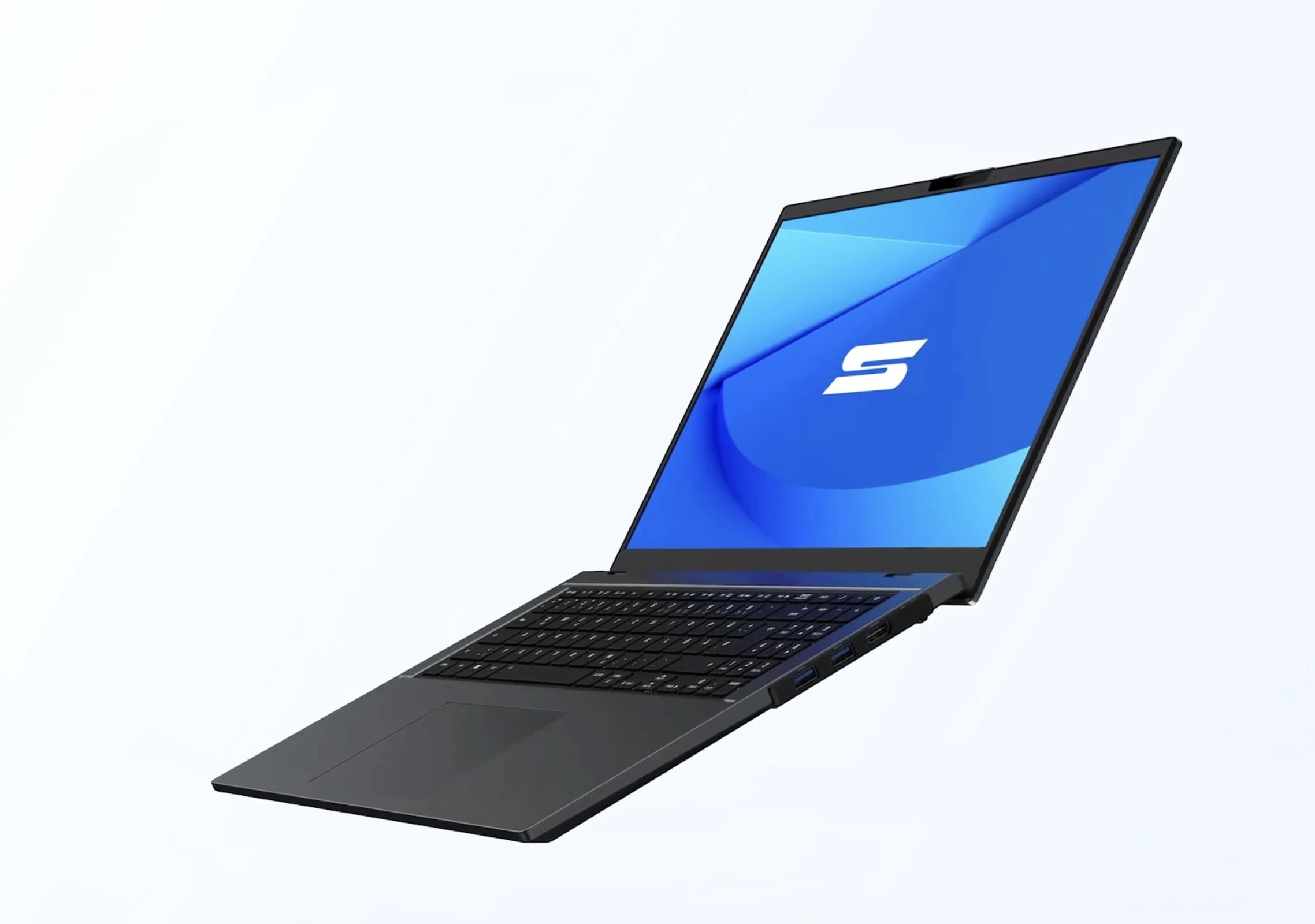
    The Schenker Element 16 is not available for purchase at the moment. Nevertheless, the German company anticipates that it will be released this year, potentially as early as June. Crafted by Pegatron and Schenker with contributions from Intel, the Element 16 aims to rival Framework with its focus on customization and easy repairs.

    Powerful Performance

    This laptop will be driven by Intel’s newest Panther Lake processors, particularly the Core Ultra 7 356H, which boasts 16 cores, 16 threads, and a 4-core Xe3 integrated GPU. This chip is expected to deliver impressive performance in synthetic CPU benchmarks, and leaked Geekbench results suggest that the integrated GPU will perform somewhere between the Radeon 840M and Radeon 760M.

    Modular Design

    However, the standout feature of the Schenker Element 16 is its modular design. Users can swap out the motherboard, allowing for upgrades to better processors in the future. Memory is handled with 16 GB of soldered DDR5-6400, plus a SODIMM slot that can accommodate an extra 64 GB. There’s also an M.2 slot for storage, with a 1 TB WD Black currently priced at $210 on Amazon.

    The battery and keyboard are both replaceable, which is a big plus for those who are frequently on the move. The swappable battery can be a lifesaver, though replacing it won’t be tool-free, as the bottom cover will need to be taken off first. Additionally, the fans are replaceable, making repairs significantly easier when necessary.

    Customizable I/O Options

    Moreover, it’s clear that users with various workloads will have different I/O needs. Schenker addresses this issue by providing swappable I/O modules on either side of the laptop, enabling customers to choose what suits them best. While it’s still uncertain how many different options will be available, more information is expected as the launch date approaches.

    Liliputing, Schenker via Bestware.

    Source:
    Link


  • Seagate Launches 32TB SkyHawk AI, Exos & IronWolf Pro Drives

    Seagate Launches 32TB SkyHawk AI, Exos & IronWolf Pro Drives

    Key Takeaways

    1. Seagate has launched new 32 TB hard drives in the Exos, IronWolf Pro, and SkyHawk AI series using Mozaic 3+ technology.
    2. Mozaic 3+ features HAMR (heat-assisted magnetic recording) for high-density data storage on CMR platters.
    3. Each drive series has tailored data handling: SkyHawk AI for video streams, Exos for low power use, and IronWolf Pro for NAS compatibility.
    4. The drives have a high reliability with an MTBF of 2.5 million hours and the SkyHawk AI version offers a transfer rate of up to 285 MB/s.
    5. Pricing for the drives is set at $699.99 for SkyHawk AI, $729.99 for Exos, and $849.99 for IronWolf Pro, available from January 14, 2026.


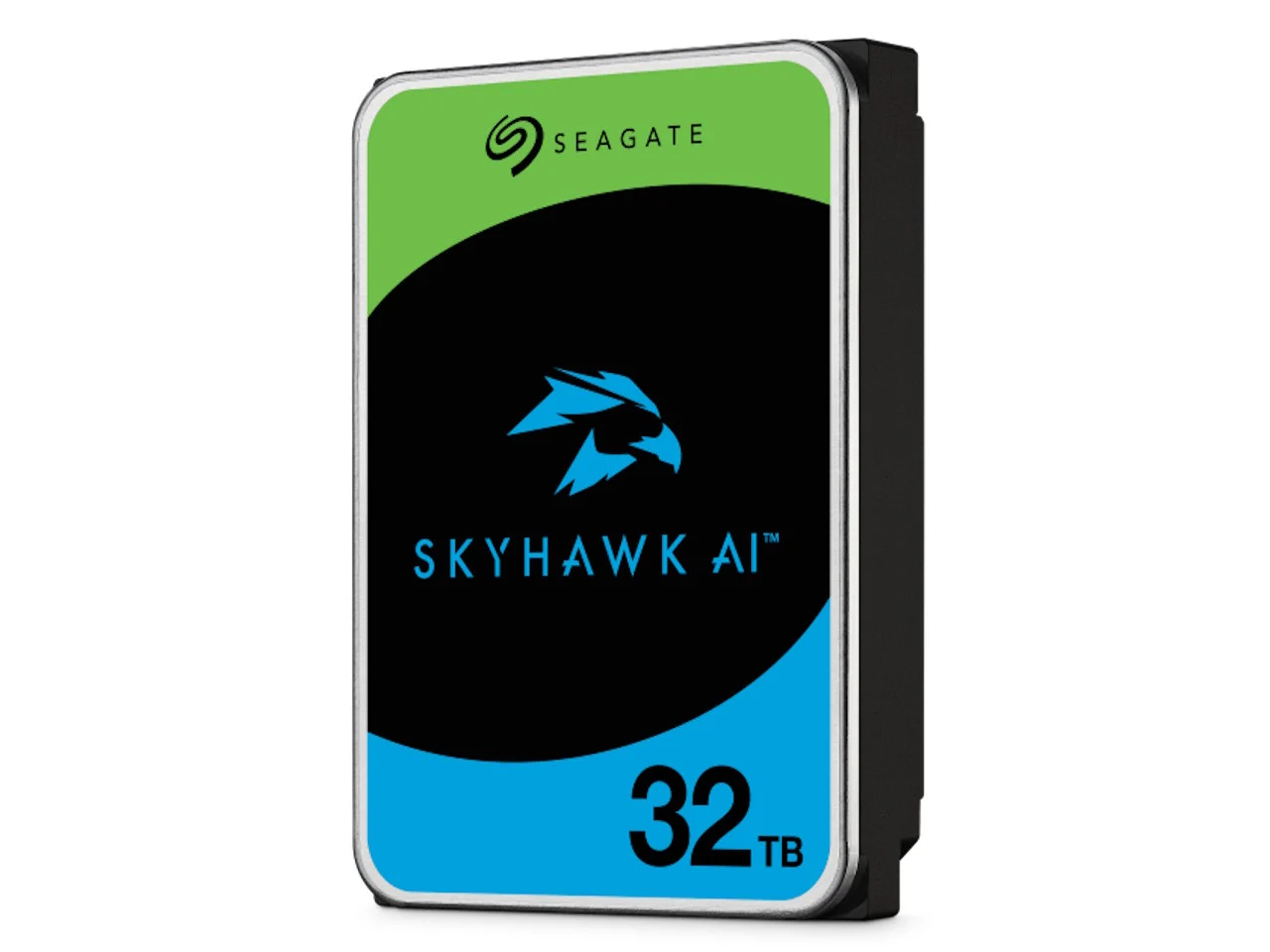
    Seagate has just revealed the release of its new 32 TB hard drives, which will be available in the Exos, IronWolf Pro, and SkyHawk AI series. These products make use of the Mozaic 3+ technology to deliver impressive data storage capacities.

    High-Density Recording Technology

    Originally, Mozaic 3+ was introduced with the 30 TB Exos hard drive designed for data centers. This technology includes HAMR (heat-assisted magnetic recording) that employs a plasmonic laser writer, allowing for precise recording of magnetic bits at high density on CMR (conventional magnetic recording) platters.

    Tailored Data Handling

    Each line of drives comes with specific data handling algorithms and electronics. The SkyHawk AI line is optimized for recording several video streams, while the Exos line prioritizes low power consumption, and the IronWolf Pro line emphasizes NAS compatibility with minimal vibration.

    Performance and Pricing

    These helium-filled drives have an MTBF (mean time between failure) rated at 2.5 million hours when operating under 550 TB of sustained writes annually. The SkyHawk AI version boasts a sustained transfer rate of up to 285 MB per second, averaging just 8.2 watts of power usage.

    For pricing, the 32TB Seagate SkyHawk AI is set at an MSRP of $699.99, the Exos at $729.99, and the IronWolf Pro at $849.99. Customers can start purchasing these drives from January 14, 2026, through authorized Seagate retailers, including the official Seagate store on Amazon.

    Source:
    Link