Category: Computers

  • Ubiquiti Unveils Fanless Router and New UniFi Industrial Series

    Ubiquiti Unveils Fanless Router and New UniFi Industrial Series

    Key Takeaways

    1. Ubiquiti launched the UniFi Industrial product range, starting with the Cloud Gateway Industrial (UCG Industrial) priced at $579.
    2. The UCG Industrial features a rugged design with passive cooling, multiple PoE+++ ports, and a total power budget of 270 watts.
    3. It includes a rack-mount kit option for easy installation and supports WiFi 7, though the 6GHz band from WiFi 6E is not available yet.
    4. The router has two non-operational SIM card slots, expected to be activated in a future update for remote SIM capabilities.
    5. Additional UniFi Industrial products, like switches and access points, are anticipated, with a showcase planned for MWC 2026 in Barcelona.


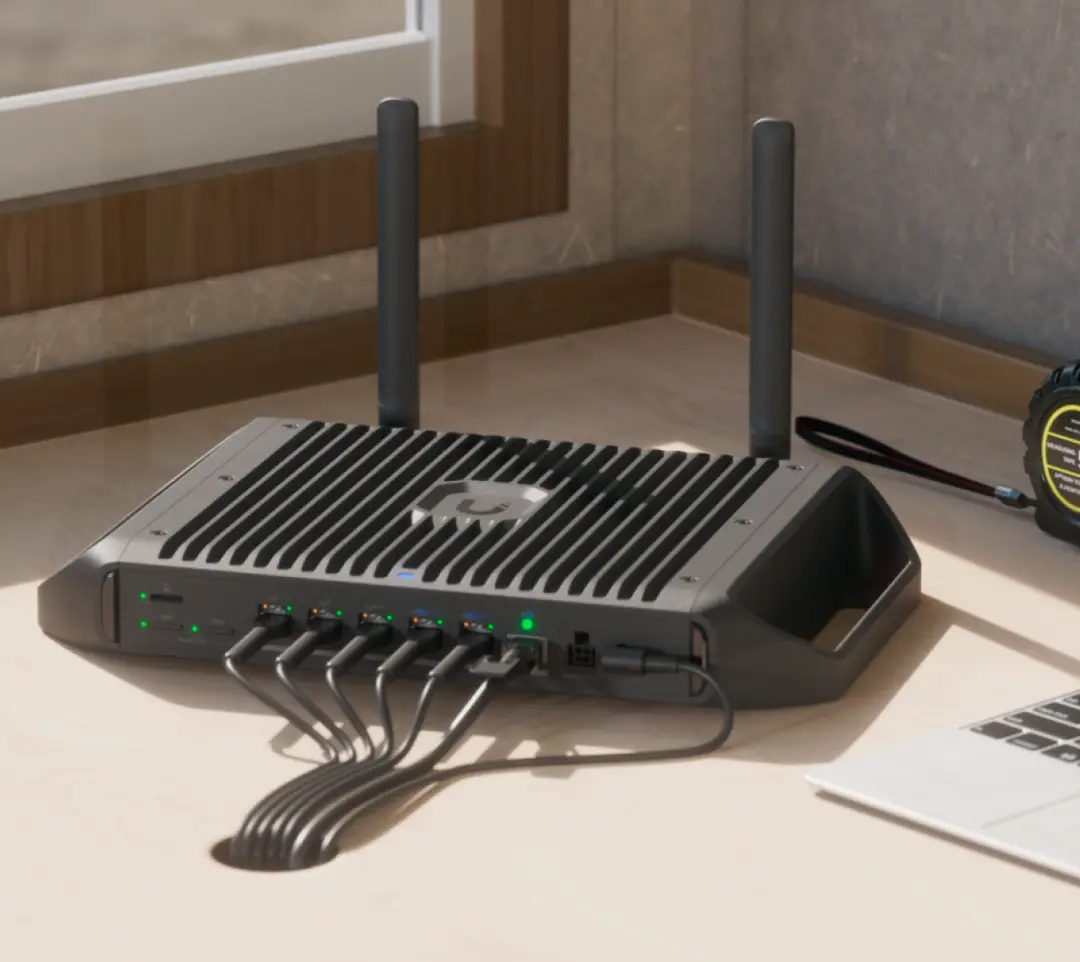
    Ubiquiti has introduced a fresh product range within the UniFi family. The new line, called UniFi Industrial, aims to provide items that are particularly tough and very dependable. The inaugural product in this series is the Cloud Gateway Industrial (UCG Industrial), which is priced at $579 and is now up for grabs.

    Rugged Design and Features

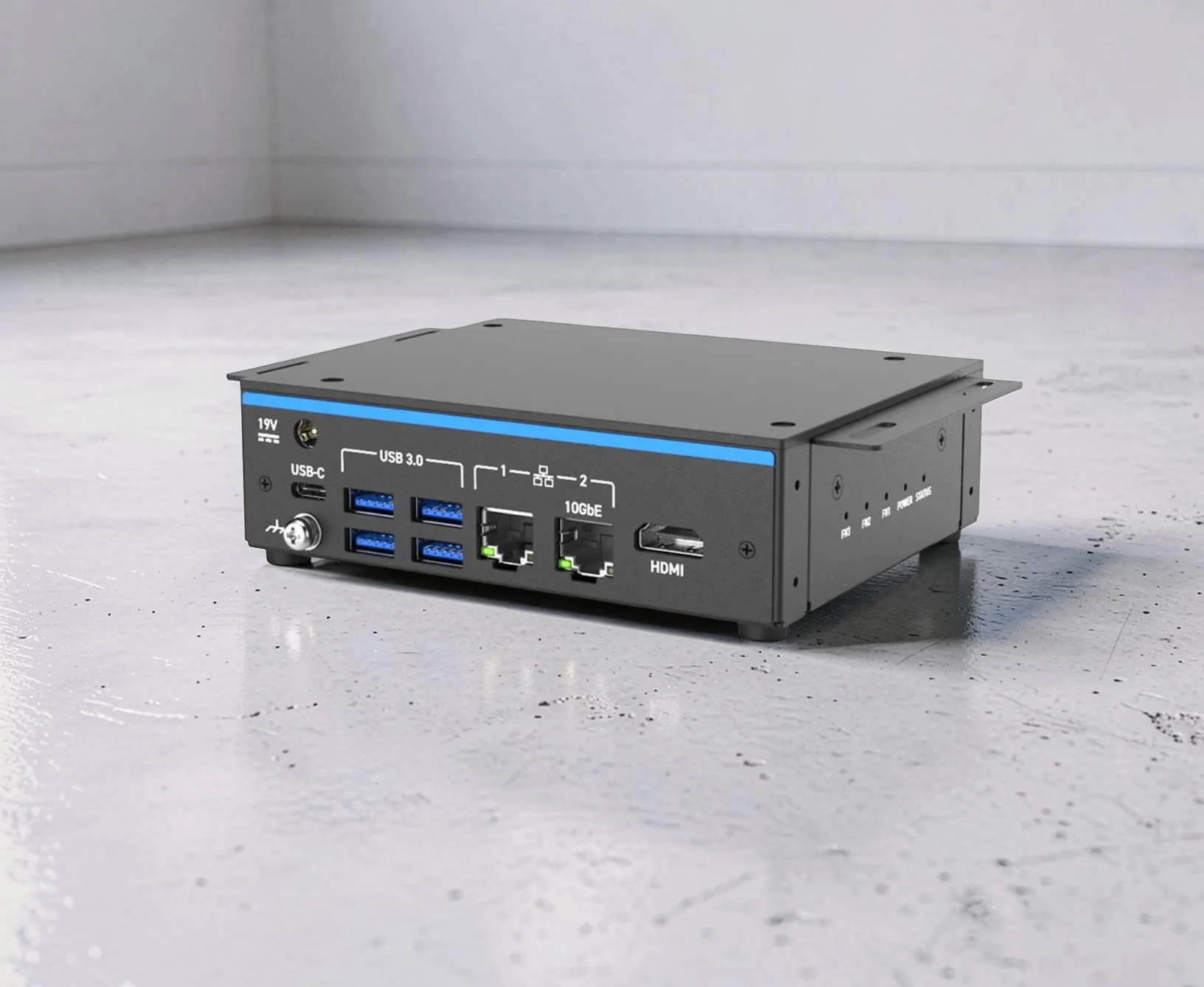
    At this price point, customers receive a robust and passively cooled router packed with various features. For instance, the UCG Industrial comes with multiple PoE+++ ports rated at 90 watts, and it boasts a total power budget of 270 watts. With a standard power of 28 watts, this gateway requires proper heat dissipation. To tackle this potential concern, Ubiquiti, like many other brands, uses a metal casing that has a large finned area for effective cooling. This design contributes to a weight of 5.3 lb, not counting extras like feet or mounting gear. A stand is provided by default and can be replaced with handles for vertical placement of the Ubiquiti router.

    Mounting Options and Connectivity

    Additionally, there’s a rack-mount kit available for $59 that includes a standard rack ear and a support surface for the external power supply, enabling the UCG Industrial to fit within 1U rack shelves. The router also supports wireless connections that go up to WiFi 7 (802.11be), although it does not include the 6GHz band introduced with WiFi 6E.

    Moreover, the chassis contains two SIM card slots, but this function is currently not operational and is anticipated to be enabled in a future update. Once this happens, users will be able to connect the UniFi 5G Max Outdoor modem. The concept is to keep the SIM cards within the gateway for easy swapping, while the outdoor modem can be set up in a hard-to-reach but elevated position. This way, the modem’s SIM slots can remain vacant. Ubiquiti refers to this capability as Remote SIM. A software update will also be necessary for this feature.

    Networking Capabilities and Future Plans

    On the networking front, the router is equipped with an SFP+ cage for transceivers or DAC, a single 10GbE RJ45 port, and four 2.5GbE ports. It also includes the standard UniFi Gateway functionalities for camera integration and other devices. Additionally, there is a microSD card slot for expanded storage and 3GB of RAM.

    In addition to the gateway, more UniFi Industrial products are expected to join this new lineup. Videos indicate that Ubiquiti may also launch switches and access points with external antennas. Ubiquiti is likely to have a substantial presence at MWC 2026 in Barcelona this year, where these new UCG Industrial products will probably be showcased. There might also be a sneak peek at the additional products.

    Source:
    Link


  • LG Unveils New 14-Inch Laptops Ahead of Global Launch

    LG Unveils New 14-Inch Laptops Ahead of Global Launch

    Key Takeaways

    1. LG launched its new series of Gram laptops, including compact 14-inch variants, at CES 2026.
    2. The Gram 14 features a lightweight design (1.12 kg) and a robust 72 Wh battery.
    3. Each model is equipped with PCIe 4.0 storage, LPDDR5X RAM, and a 1200p IPS screen with 350 nits brightness.
    4. Pricing starts at JPY 215,820 ($1,395) for the base model with Ryzen AI 5 435 and goes up to JPY 349,800 ($2,255) for the higher-end Ryzen AI 7 450 model.
    5. The Gram 14’s base model is about 10% cheaper than the 2025 Intel Arrow Lake model, with AMD and Intel variants expected later this year.


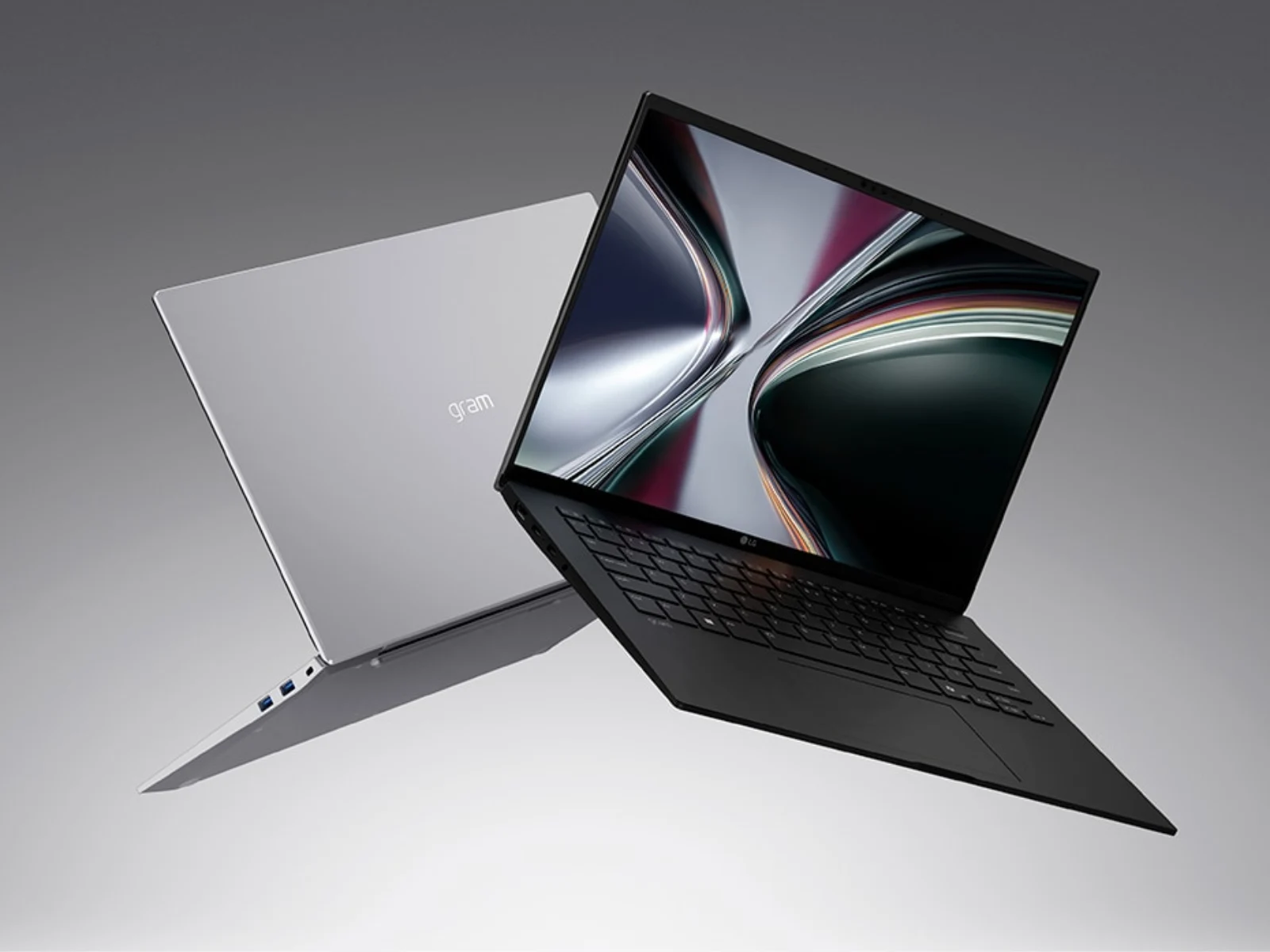
    LG has launched its latest series of Gram laptops, which includes several 14-inch variants. These were first showcased at CES 2026 in January. The Gram 14 is the most compact model in LG’s new lineup, which also features larger 15-inch, 16-inch, and 17-inch versions.

    Key Features

    The Gram 14 carries forward important traits from previous Gram models, including a robust battery and a lightweight design. Each model is equipped with a 72 Wh battery while weighing only 1.12 kg. Moreover, LG has packed its 312 x 214 x 15.7 mm laptop with PCIe 4.0 storage, LPDDR5X RAM, and a 1200p IPS screen that offers a 60 Hz refresh rate and peaks at 350 nits brightness.

    Pricing Options

    The pricing for the new Gram 14 series begins at JPY 215,820 (approximately $1,395) for a model featuring a Ryzen AI 5 435, 16 GB of RAM, and 512 GB of storage. On the other hand, there’s an option with Ryzen AI 7 450 that can go up to 32 GB of RAM and 512 GB of storage, priced at JPY 349,800 (around $2,255).

    It’s important to clarify that this pricing may not reflect costs in other regions. Nonetheless, LG’s base model is roughly 10% less expensive than its 2025 Intel Arrow Lake model, which currently retails for $1,149 on Amazon. Additionally, models based on AMD Gorgon Point and Intel Panther Lake are expected to be available worldwide later this year.

    LG Japan via PCWatch

    Source:
    Link


  • Budget MacBook and Apple Studio Displays Found in macOS 26.3 Code

    Budget MacBook and Apple Studio Displays Found in macOS 26.3 Code

    Key Takeaways

    1. Apple will host the “Apple Experience” event on March 4, with product announcements expected between March 2 and March 4.
    2. A new budget MacBook, codenamed “J700,” is anticipated to be released, featuring the Apple A18 Pro chipset and starting below $800.
    3. The budget MacBook may come with 8GB of RAM and a 12.9-inch display, with multiple color options being tested.
    4. Two new models of the Apple Studio Display are hinted at in the macOS 26.3 code, potentially including a 27-inch 5K version with a higher refresh rate.
    5. The next-gen Studio Display may feature a mini-LED backlight for improved brightness and contrast, but details on size and pricing are still unclear.


    Apple has recently sent out invites for the “Apple Experience” event scheduled for March 4. This gathering is likely to be an interactive session for the media, with product announcements anticipated between March 2 and March 4. Macworld has already discovered references to three new products in the macOS 26.3 code, supporting the speculation that their release is around the corner.

    New Budget MacBook

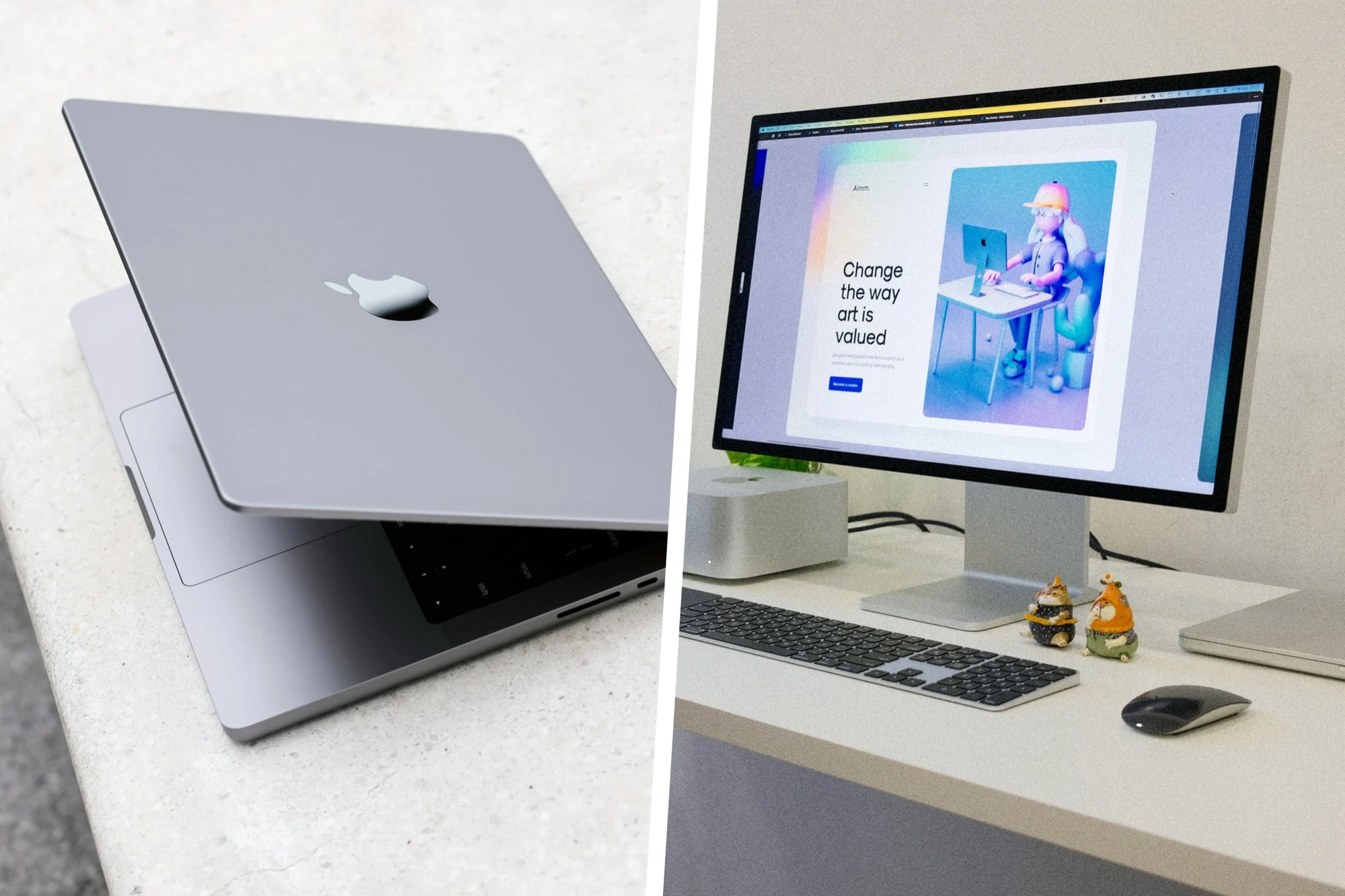
    The first item on the list is the new “budget MacBook,” which has the codename “J700.” This laptop is expected to serve as a more affordable option compared to the MacBook Air, which starts at $849 on Amazon. To achieve a lower price point, it may utilize the Apple A18 Pro iPhone chipset and come with just 8GB of RAM in its basic model. Apple is said to have tested color options including yellow, light green, blue, pink, silver, and dark gray. It’s rumored that the MacBook will sport a 12.9-inch display and an aluminum body, with the starting price anticipated to be below $800.

    Next-Gen Studio Display

    Moreover, the macOS 26.3 code has revealed two additional model identifiers, J427 and J527. These may represent two versions of the upcoming Apple Studio Display, but it remains unclear if the monitor will be available in different sizes or if Apple is considering a more budget-friendly version with fewer features. Speculations indicate that at least one version of the next-gen Apple Studio Display will maintain a 27-inch 5K screen while introducing a higher refresh rate of either 90Hz or 120Hz, along with a mini-LED backlight that could enhance brightness and contrast.

    Source:
    Link


  • Affordable 12.9-inch MacBook with M2 Air Color Options Coming

    Affordable 12.9-inch MacBook with M2 Air Color Options Coming

    Key Takeaways

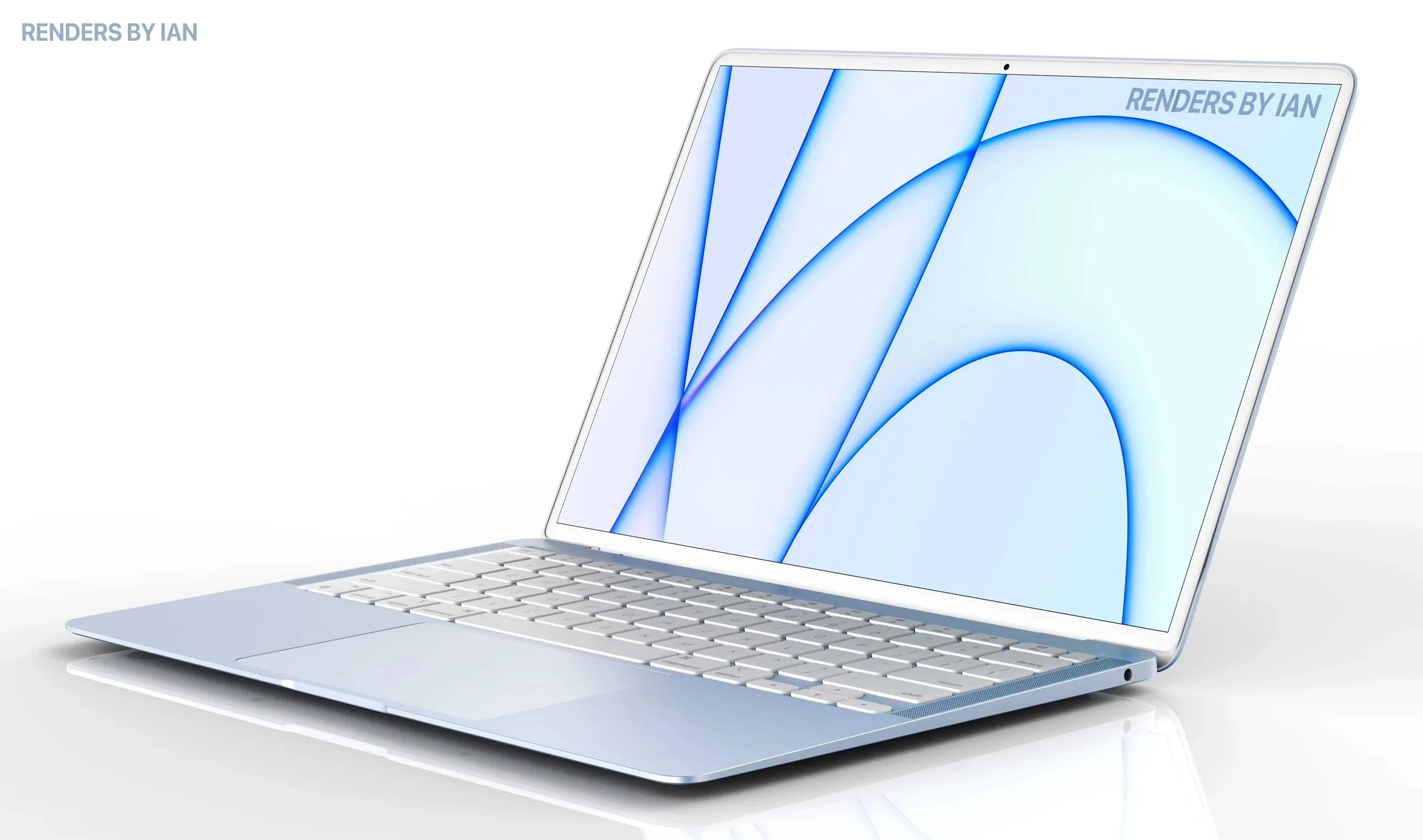
    1. The upcoming budget-friendly MacBook is expected to feature a variety of vibrant color options, including light blue, light yellow, pink, classic silver, and dark gray.
    2. Initial plans for colorful options were originally intended for the M2 MacBook Air but were ultimately shelved in favor of more subdued colors.
    3. Tipster Instant Digital shared that the lively colors were reserved specifically for the new entry-level MacBook, drawing a parallel to the colorful iMac.
    4. The 12.9-inch MacBook is anticipated to launch next month alongside other products like the iPhone 17e and new iPads.
    5. The pricing for the starting model of the M5 MacBook Pro is expected to remain unchanged at $1,449.


    Back in 2021, when chatter about a new MacBook Air powered by Apple Silicon was all the rage, various sources suggested that the upcoming Air would come in the same color options as the 24-inch iMac. This, however, did not materialize a year later when the M2 MacBook Air launched with the more subdued colors that have become a trademark of modern MacBooks.

    Exciting Color Choices

    As we get closer to the release of the budget-friendly MacBook, nearly all major sources have claimed that it will feature a wide range of “fun” color choices. Rumored shades include light blue, light yellow, pink, classic silver, and dark gray, which Apple is said to be experimenting with.

    Insights from Tipsters

    In a recent update on Weibo, well-known tipster Instant Digital mentioned that the color options for the affordable MacBook were initially intended for the M2 MacBook Air, but Apple opted to scrap that plan. Although the leaker didn’t clarify the reason behind this decision, it seems that the budget MacBook has been in the works for a long time, and Apple chose to reserve these lively colors exclusively for the entry-level MacBook, similar to what they did with the iMac.

    Upcoming Product Launches

    The economical 12.9-inch MacBook, likely featuring the A18 Pro SoC, is anticipated to be released next month, alongside the Apple iPhone 17e, new iPads, upgraded MacBook Pros, and possibly new Studio Displays. The starting model of the M5 MacBook Pro (currently priced at $1,449 on Amazon) will, as expected, stay the same.

    Source:
    Link


  • OnLogic Factor 101: Fanless Mini PC with 8-Core ARM CPU

    OnLogic Factor 101: Fanless Mini PC with 8-Core ARM CPU

    Key Takeaways

    1. The Factor 101 mini PC features an 8-core Qualcomm Kryo 670 SoC, with performance cores capped at 2.1 GHz for thermal management in its fanless design.
    2. It supports up to 8 GB of LPDDR4X-3200 memory and includes a Hexagon 770 NPU with 12 Dense TOPS of computing power, but lacks LPDDR5 memory options.
    3. The mini PC’s dimensions are 94 x 157 x 70.5 mm (3.7 x 6.2 x 2.8 inches) and it weighs about 570 grams (1.26 lbs), making it suitable for wall mounting.
    4. The Factor 101 is priced at $599, with potential variations for bulk purchases; alternatives like the M4 Mac mini are available for $569.
    5. OnLogic is recognized for its industrial and edge computing hardware, highlighting the Factor 101’s robust features and durable steel casing.


    OnLogic is a recognized name in the field of industrial and edge computing hardware, presenting a wide array of systems with robust feature sets. Their newest mini PC is the Factor 101, which comes with a reasonably powerful 8-core ARM CPU.

    Specifications Overview

    The mini PC is powered by the Qualcomm Kryo 670 SoC, which includes a total of 8 cores. This consists of one Kryo Gold high-performance core running at up to 2.7 GHz, three Kryo Gold high-performance cores at up to 2.4 GHz, and four Kryo Silver efficiency cores at up to 1.9 GHz. In this case, however, the SoC is capped at 2.1 GHz for this mini PC. Because it is a fanless design, this restriction was likely necessary to maintain performance over time.

    Memory and Storage

    In terms of memory, the device supports up to 8 GB of LPDDR4X-3200 memory, but there seems to be no option for LPDDR5 memory, which the QCS6490 IoT platform is compatible with. Additionally, there’s a Hexagon 770 NPU included, which provides up to 12 Dense TOPS of computing power. For storage, the mini PC offers 128 GB of built-in UFS storage.

    Dimensions and Pricing

    The Factor 101 mini PC has dimensions of 94 x 157 x 70.5 mm, which translates to approximately 3.7 x 6.2 x 2.8 inches. Weighing around 570 grams or 1.26 lbs, it features a lightweight design suitable for wall mounting. Its steel casing ensures that the build quality is good for durability.

    The Factor 101 is currently available for $599 on OnLogic’s website. Bulk pricing might vary significantly, so potential buyers are encouraged to contact OnLogic for further details. Regular consumers, however, might find better value with alternatives like the M4 Mac mini, which is priced at $569 on Amazon and is also based on ARM technology.

    Source:
    Link


  • ASRock Launches Mini PCs with 16-Core Core Ultra X7 CPU

    ASRock Launches Mini PCs with 16-Core Core Ultra X7 CPU

    Key Takeaways

    1. The ASRock NUC Ultra 300 series mini PCs features Intel’s “Panther Lake” processors, including the powerful Intel Core Ultra 7 X358H with 16 cores.
    2. There are four models: NUC Box 358H, NUCS Box 358H, NUC Box 325, and NUCS Box 325, with the 358H models offering superior performance compared to the 325 models.
    3. Graphics capabilities differ, with the 358H models featuring an Arc B390 iGPU and the 325 models having a 4-core Xe3 iGPU.
    4. Both NUC and NUCS models support up to 128 GB of DDR5 memory and have dual M.2 slots for storage, with size differences between the two.
    5. Pricing and availability are not yet disclosed, and interested buyers should check ASRock’s official website for updates.


    Back when the ASRock NUC Ultra 300 series of efficient mini PCs was introduced at CES 2026, we didn’t have a lot of information. However, it looks like we now have some insights, as ASRock has finally disclosed the complete specifications of these systems.

    Powerful Performance

    The NUC Ultra 300 Box mini PC collection will be driven by Intel’s “Panther Lake” processors, including the robust Intel Core Ultra 7 X358H CPU. This CPU consists of 16 cores, which are divided into 4 high-performance cores, 8 efficiency cores, and 4 additional low-power efficiency cores. They have provided details on four different models: the NUC Box 358H, the NUCS Box 358H, the NUC Box 325, and the NUCS Box 325.

    As indicated by the product names, the models with the 358H label will come with the previously mentioned Core Ultra X7 CPU, whereas the models ending in 325 will be equipped with a less powerful Core Ultra 5 325 CPU, which has only 8 cores. The X7 models will also feature the impressive Arc B390 iGPU that has 12 cores, which offers performance close to the RTX 4050 Laptop dGPU.

    Graphics Capability

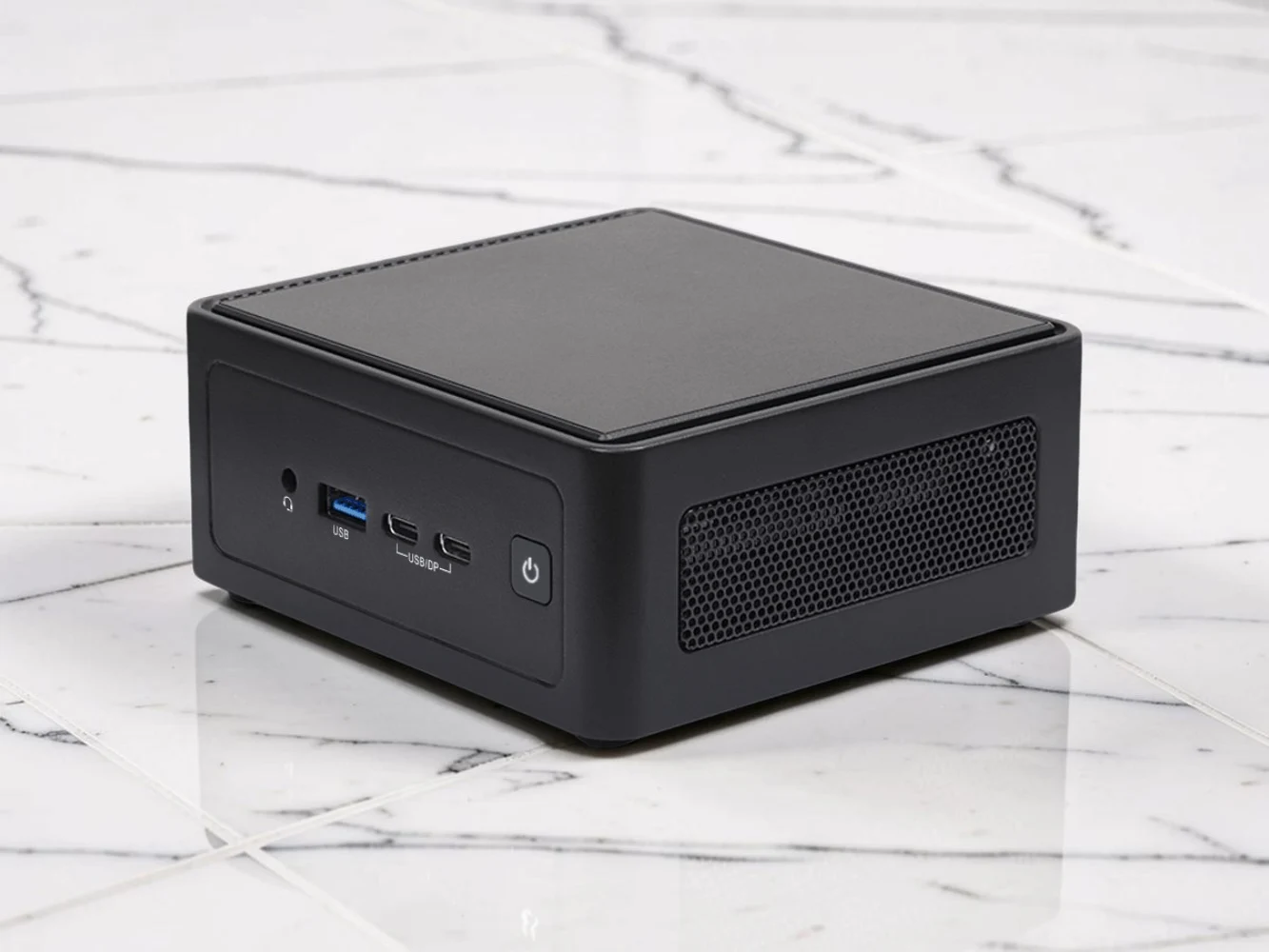
    On the other hand, users of the Core Ultra 5 325 mini PC will have to settle for its 4-core Xe3 iGPU, which is expected to perform similarly to the Radeon 760M iGPU found in older mid-range Ryzen APUs. The distinction between the NUC and NUCS models is straightforward: the NUCS is thinner and has one less 2.5G Ethernet and USB 3.2 Gen2 Type-A port. The I/O details are as follows:

    Memory can go up to 128 GB of DDR5-7200/6400 memory, while storage can be managed through dual M.2 slots (M.2 2280 PCIe Gen 5 x4, M.2 2242 PCIe Gen 4 x4). Both the NUC and NUCS models share dimensions of 117.5 x 110 mm, but the NUCS is slimmer at 38 mm compared to 49 mm for the NUC. They both come with active cooling, and support for WiFi 7 and Bluetooth 6 is included.

    Pricing and Availability

    Details on pricing and availability haven’t been made public, which is common for industrial mini PCs. For further information, interested buyers are encouraged to check ASRock’s official website for the NUC Ultra 300 mini PC series.

    For regular users searching for a good mini PC for everyday tasks, they might consider the AMD Ryzen 7 8845HS-powered GMKtec K8 Plus, which is currently priced at $630 on Amazon.

    Source:
    Link


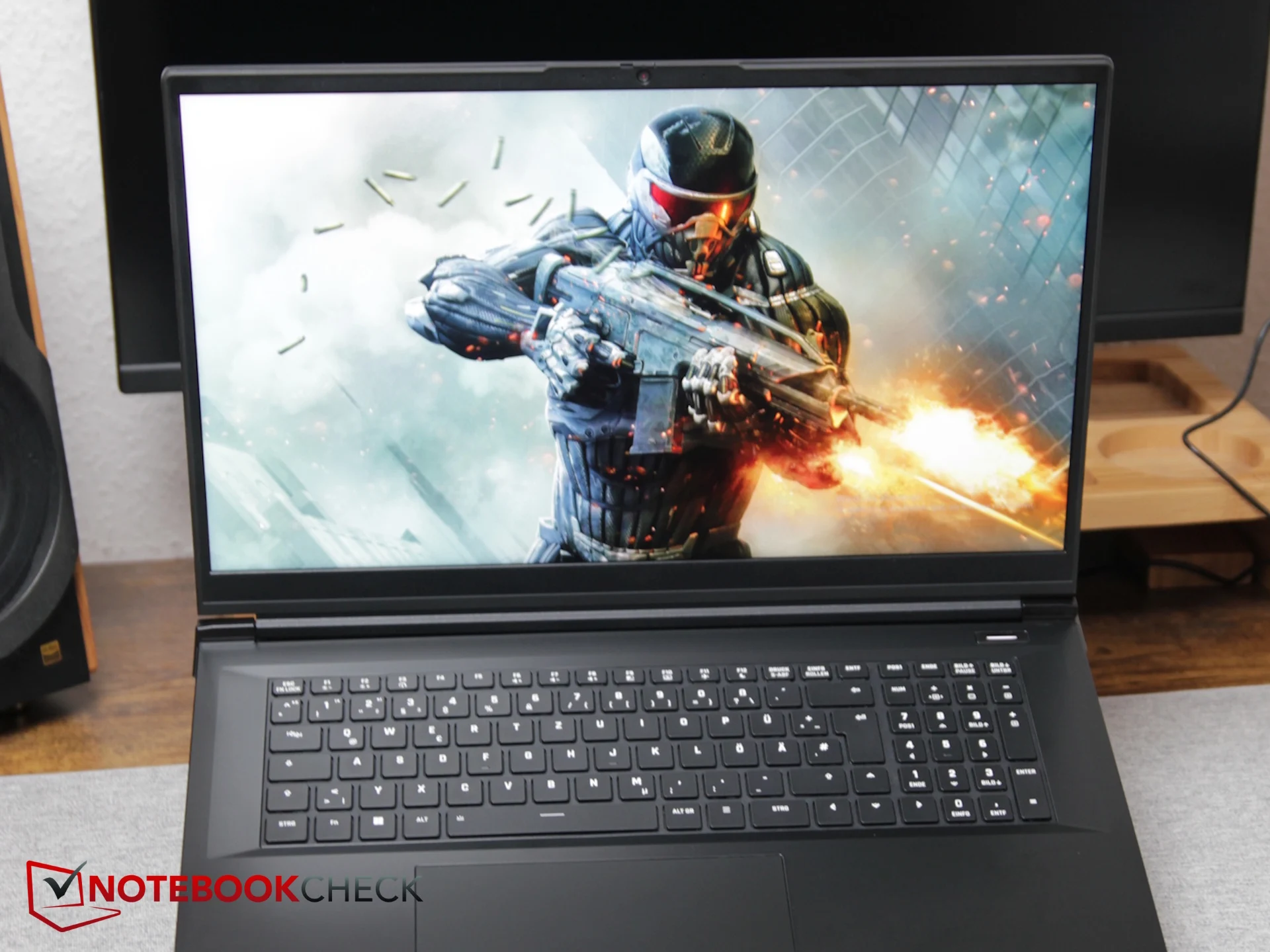
  • XMG Apex 17 Review: Stunning QHD Display with Accurate Colors

    XMG Apex 17 Review: Stunning QHD Display with Accurate Colors

    Key Takeaways

    1. The XMG Apex 17 offers strong performance with the RTX 5060 and operates quietly in entertainment mode, making it suitable for gamers and content creators alike.
    2. It features a matte QHD display (2560 × 1440 pixels) with a refresh rate of up to 240 Hz, but average brightness levels at 325 nits and color accuracy need improvement.
    3. Manual calibration significantly enhances display quality, achieving low DeltaE values (0.62 in grayscale and 0.81 in ColorChecker), confirming full DCI-P3 color space coverage.
    4. The laptop’s design is sleek and simple, though it comes with a high price starting at 2,049 Euro.
    5. Despite average brightness, the Apex 17’s low color deviations post-calibration and capable performance make it a strong choice for content creation beyond gaming.


    We’ve discussed how the XMG Apex 17 (check out our review) is a strong—though pricey—option for gamers wanting to maximize their frame rates with the RTX 5060. Additionally, we noted that the laptop operates significantly quieter than many rivals in entertainment mode, while still providing solid performance.

    Performance and Value

    Strong performance, quiet functioning when required, and a sleek, simple design? Added to its high price (starting at 2,049 Euro on bestware), this might be a potential candidate for content creation tasks. But how does the display perform in practice?

    Display Quality

    The Apex 17 boasts a matte QHD display with a resolution of 2,560 × 1,440 pixels. Its 17.3-inch screen can refresh at rates up to 240 Hz, and according to the maker, it covers the sRGB and DCI-P3 color spaces. But what do our tests reveal?

    Brightness levels are quite average, measuring at 325 nits, which isn’t exactly breathtaking. The factory color accuracy also shows some room for enhancement, with average DeltaE deviations of 3.16 in grayscale and 4.35 in the ColorChecker test—numbers that are too high for serious photo or video editing.

    Calibration Improvements

    Nonetheless, the display has significant potential, as shown by our manual calibration findings. Post-calibration, DeltaE values plummet to an impressive 0.62 in grayscale and 0.81 in the ColorChecker test. This drops deviations below 1—a really strong outcome. We also were able to confirm it covers the full DCI-P3 color space.

    The display doesn’t rely on PWM for brightness adjustments, and backlight bleeding is hardly noticeable, even in dark scenes. The only downside is a slightly higher black level, which diminishes overall contrast a bit.

    In conclusion, even with its average brightness, the XMG Apex 17 remains an attractive option for content creators. With its complete DCI-P3 coverage, remarkably low color and grayscale deviations post-calibration, neat design, high performance, and quiet operation when it’s needed, it proves to be a surprisingly competent choice beyond just gaming.

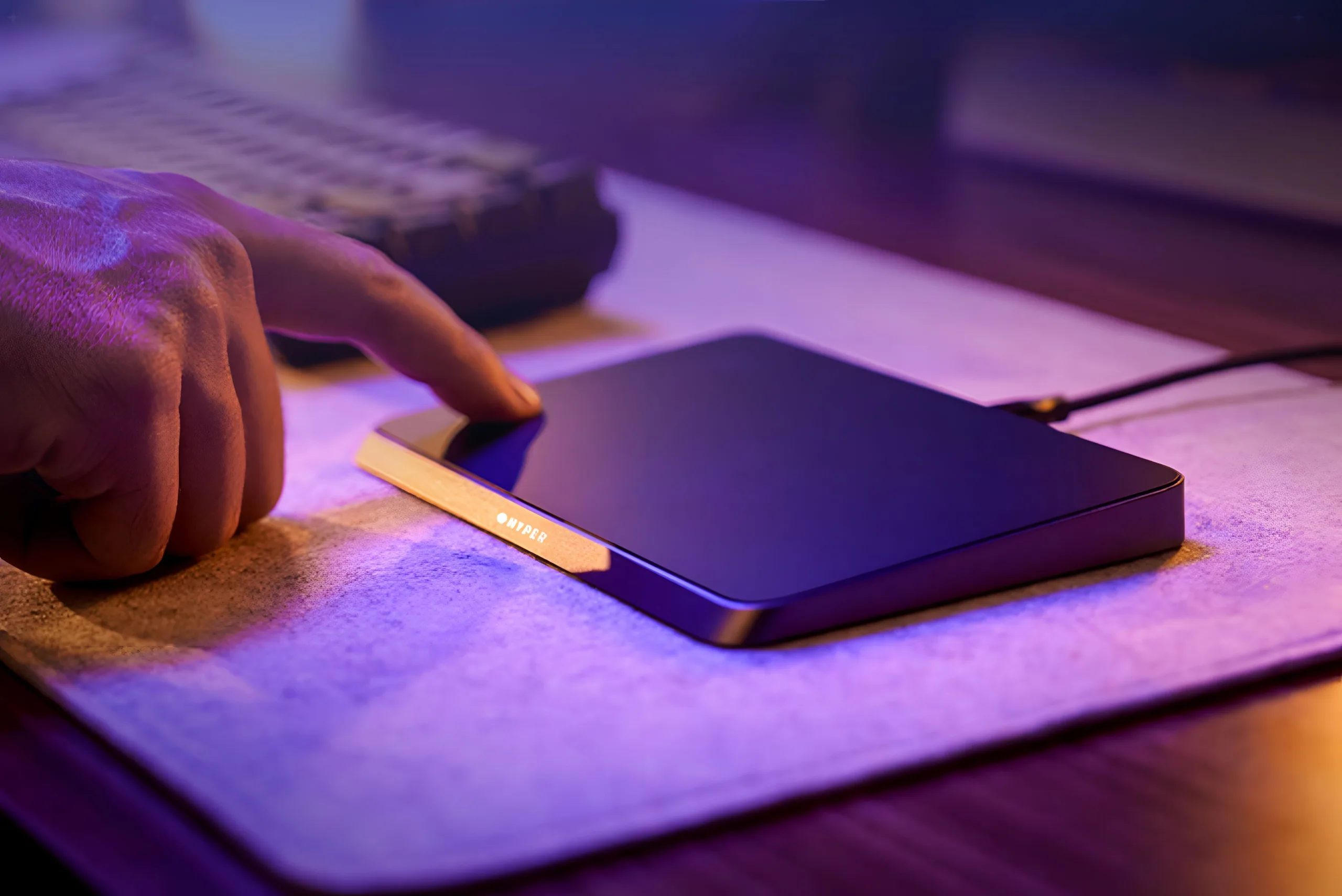
  • $200K Crowdfunded Hyper Trackpad in Limbo: Refunds Offered

    $200K Crowdfunded Hyper Trackpad in Limbo: Refunds Offered

    Key Takeaways

    1. HyperSpace TrackPad Pro, a crowdfunding project, raised over $200,000 but is facing production delays.
    2. The delays are due to supply chain issues, pushing back the expected launch date with no clear timeline.
    3. The product is designed to be a Windows equivalent of the Apple Magic Trackpad, featuring advanced specifications.
    4. Backers have three options: get a full refund, wait indefinitely, or accept store credit with a $50 bonus.
    5. The initial price for early backers was $109-$120, but final prices may increase due to ongoing supply chain problems.


    It looks like a new crowdfunding project that raised over $200,000 has hit some bumps in the road. The team at Hyper is now advising backers to either take a refund or wait “indefinitely” to get their product.

    Product Details

    The item in question is the HyperSpace TrackPad Pro, which started its funding campaign about six months ago. Just a quick look at this product shows it’s aiming to be the Windows equivalent of the Apple Magic Trackpad, which is currently priced at $120 on Amazon.

    Production Delays

    Hyper recently shared an update stating that the TrackPad Pro is facing production delays due to supply chain problems. This has forced the company to push back its expected launch date with no clear timeline in sight.

    The trackpad, which has a sleek design and an aluminum casing, measures 6.5 x 4 x 0.5 inches. It offers a variety of impressive features, including a 250 Hz response rate, a 30-day battery life powered by a 1,000-mAh battery, piezoelectric actuators for haptic feedback, and compatibility with Microsoft Precision Touchpad. It’s definitely a tempting option for Windows users looking for a high-quality touchpad, which explains why backers are feeling disappointed.

    Options for Backers

    Currently, backers of the project have three choices according to Hyper. They can withdraw their pledge and get a full refund, wait indefinitely while the situation is resolved, or take a refund in the form of store credit along with a $50 bonus.

    For the very first backers, the HyperSpace TrackPad Pro was available at prices of $109 and $120. The final price is expected to be significantly higher, especially if the supply chain problems persist longer than anticipated.

    Source:
    Link


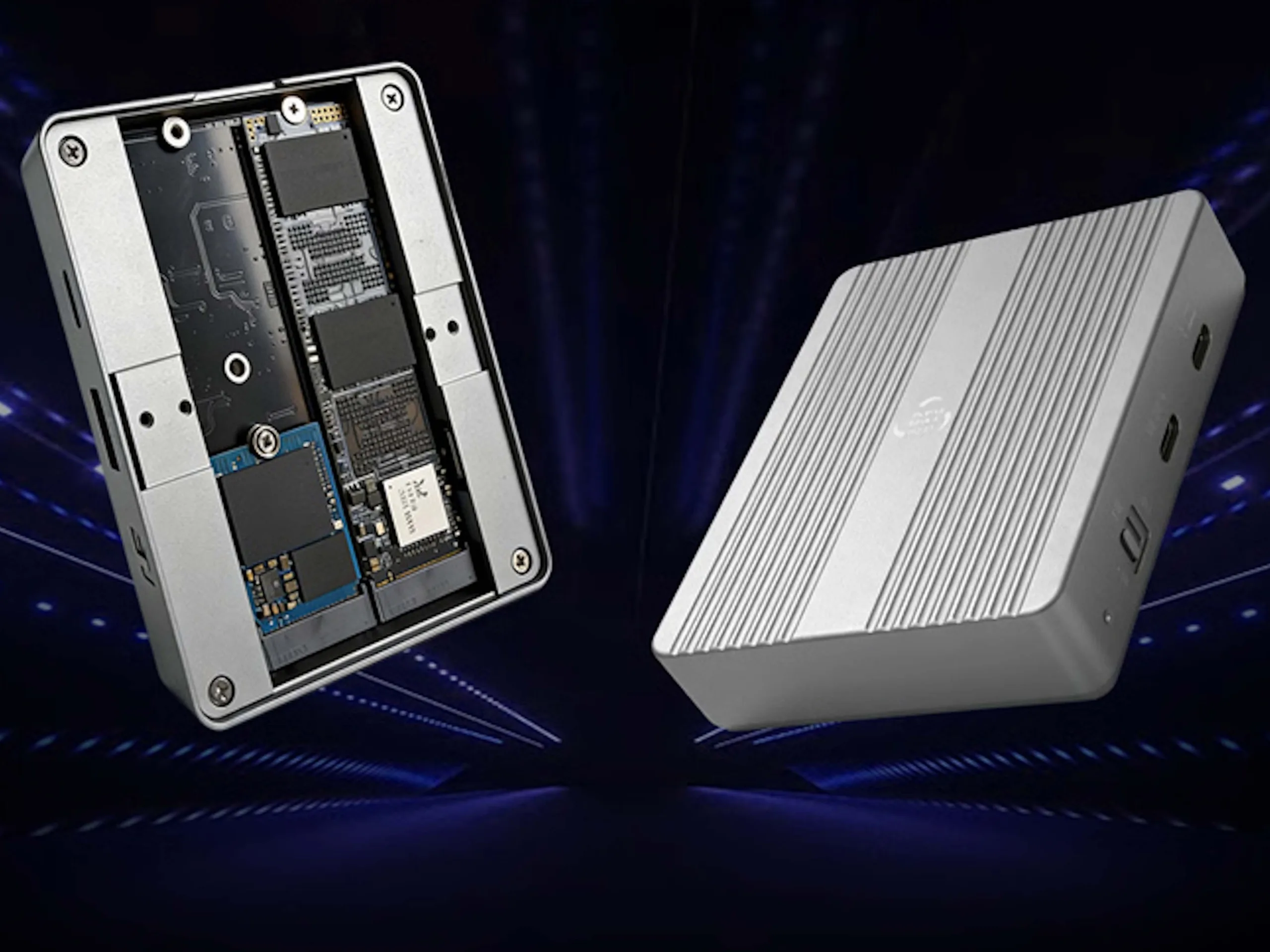
  • YZG-X1 External Enclosure for Two M.2 2280 SSDs, Up to 8TB

    YZG-X1 External Enclosure for Two M.2 2280 SSDs, Up to 8TB

    Key Takeaways

    1. Crowdfunding is used by both startups and established companies to promote new products, not just for funding.
    2. The YZG-X1 is an external enclosure for up to two SSDs, compatible with various M.2 sizes and supports up to 8TB of storage.
    3. The enclosure features active cooling with a fan and an aluminum case to prevent overheating during data transfers.
    4. There are inconsistencies in the product specifications, particularly regarding the peak transfer rate (10 Gbps vs. 40 Gbps).
    5. The X1 can magnetically attach to an iPhone for convenient storage of high-resolution videos and images.


    Crowdfunding can be a great way to gather money for a new product’s development and launch. Yet, it’s not just new startups that use crowdfunding; established companies also get in on the action, even when they don’t really need the funds. They often aim to promote their latest products instead. This current Kickstarter project, however, might come with more risk and offer a product that doesn’t stand out much, as there are already many similar options available in stores.

    Product Details

    The YZG-X1 is an external enclosure designed to hold up to two SSDs. It works with SSDs in the M.2 2280, M.2 2260, M.2 2242, and M.2 2230 sizes, meaning there are few limitations in this aspect. It can handle a maximum capacity of 8TB, giving users the ability to keep a lot of data on hand. To prevent overheating during long data transfers, it features active cooling with a small fan, and the aluminum case helps dissipate heat as well.

    Considerations Before You Back

    That said, there are some inconsistencies in the specs that could be concerning for those considering investing in this campaign. More specifically, the peak transfer rate is cited as either 10 or 40 Gbps. This significant difference could be crucial for users who prioritize speed when transferring large files frequently. According to the given specifications, the enclosure’s dimensions are 3.5 x 2.9 x 0.8 inches and it connects via USB 3.2 Type-C, which corresponds with a transfer speed of up to 10 Gbps. Furthermore, the X1 can magnetically attach to an iPhone, making it easier to save high-resolution videos or images.

    Kickstarter

    Source:
    Link


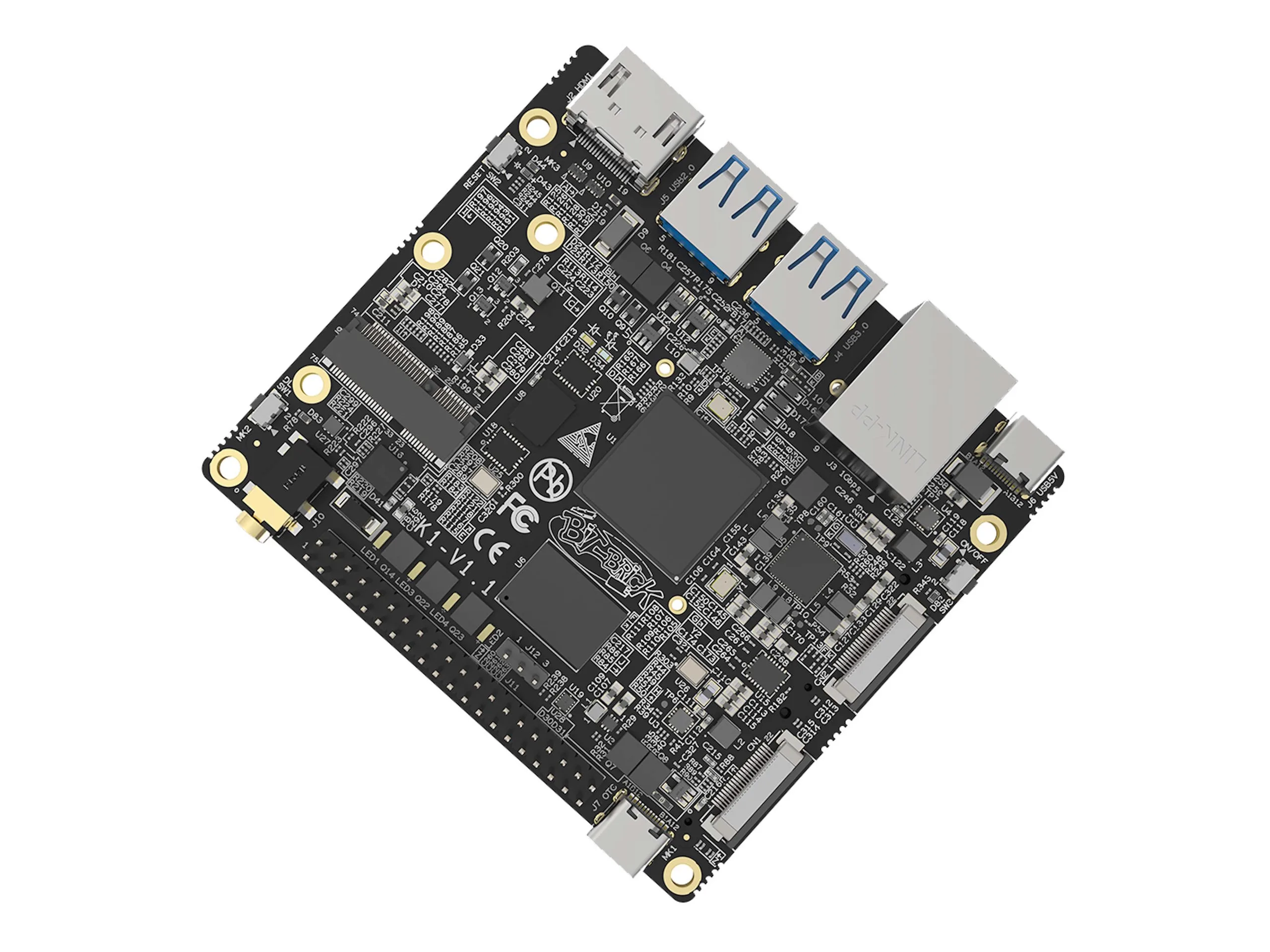
  • Bit-Brick K1: Raspberry Pi 5 Alternative with M.2 and PCIe Support

    Bit-Brick K1: Raspberry Pi 5 Alternative with M.2 and PCIe Support

    Key Takeaways

    1. The Bit-Brick K1 is a single-board computer powered by a RISC-V SpacemiT K1 chipset with eight X60 CPU cores and an IMG BXE-2-32 GPU, achieving 2 TOPS of AI performance.
    2. It supports various operating systems, including Bianbu OS and Open Harmony, but has less compatibility than x86 and ARM devices.
    3. The board measures 3.5 x 3.1 inches, features a Gigabit Ethernet port, and offers display connections via HDMI 1.4 (up to 1080p) and DSI, but lacks built-in WiFi.
    4. It includes multiple ports for connectivity, such as USB 3.0, USB 2.0, a 3.5 mm headphone jack, MIPI CSI for cameras, and three M.2 slots.
    5. The Bit-Brick K1 is priced around €80 on Aliexpress, with options for higher-priced packages that include additional accessories like a memory card and WiFi module.


    We recently shared news about the Bit-Brick K1 Pro. The K1 is also a new single-board computer that is based on a similar idea as the Pro version, but it has some differences. Instead of using an ARM-based SoC, this SBC is driven by a RISC-V chipset known as the SpacemiT K1. This processor has eight X60 CPU cores and an IMG BXE-2-32 GPU, providing a total AI performance of 2 TOPS. The manufacturer claims that several operating systems can be used, although the compatability is not as broad as that of x86 and ARM-based devices. For example, Bianbu OS and Open Harmony are among the supported systems.

    Specs and Features

    The board measures 3.5 x 3.1 inches and features a Gigabit Ethernet port; however, unlike the Raspberry Pi 5, it lacks built-in WiFi. Displays can be connected through HDMI 1.4 or DSI, but the HDMI connection is restricted to a resolution of 1920 x 1080 pixels at 60Hz. Cameras can be linked using MIPI CSI, while the USB 3.0 and USB 2.0 ports are available for connecting other devices. It also includes a 3.5 mm headphone jack and has two microphones integrated. Additionally, the SBC features three M.2 slots in total—one Key E and two Key M. There’s also a 40-pin header for connecting different sensors and motors.

    Pricing and Availability

    Currently, the Bit-Brick K1 is available via direct import from Aliexpress for approximately €80. It comes with 4GB LPDDR4X RAM. For those looking for more, higher-priced packages include a memory card, heatsink, and a WiFi module.

    AliExpress, Bit-Brick

    Source:
    Link