Category: Computers

  • Modder Gets Intel Bartlett Lake CPU to Post on Z790 with AI-Edited BIOS

    Modder Gets Intel Bartlett Lake CPU to Post on Z790 with AI-Edited BIOS

    Key Takeaway

    1. A PC modder managed to get Intel’s OEM-only Bartlett Lake CPU to partially run on a consumer Z790 motherboard through BIOS modifications with AI assistance.
    2. The BIOS was rewritten from scratch to inject the missing CPU microcode, enabling the CPU to be recognized at POST.
    3. Despite recognition at POST, the system still encounters issues booting into the OS or passing the initial black screen, indicating incomplete compatibility.
    4. Intel and Asus potentially could block this workaround with firmware updates, but the mod demonstrates the hardware’s potential beyond official support.

    Modding Intel’s Bartlett Lake CPU for Consumer Motherboards

    With some hardware tinkering, a modder in the PC community has managed to get Intel’s latest OEM-only Bartlett Lake CPU somewhat running on a consumer-grade Z790 motherboard. He managed this with nothing but some BIOS tinkering with the help of Claude AI.

    First Signs of Success

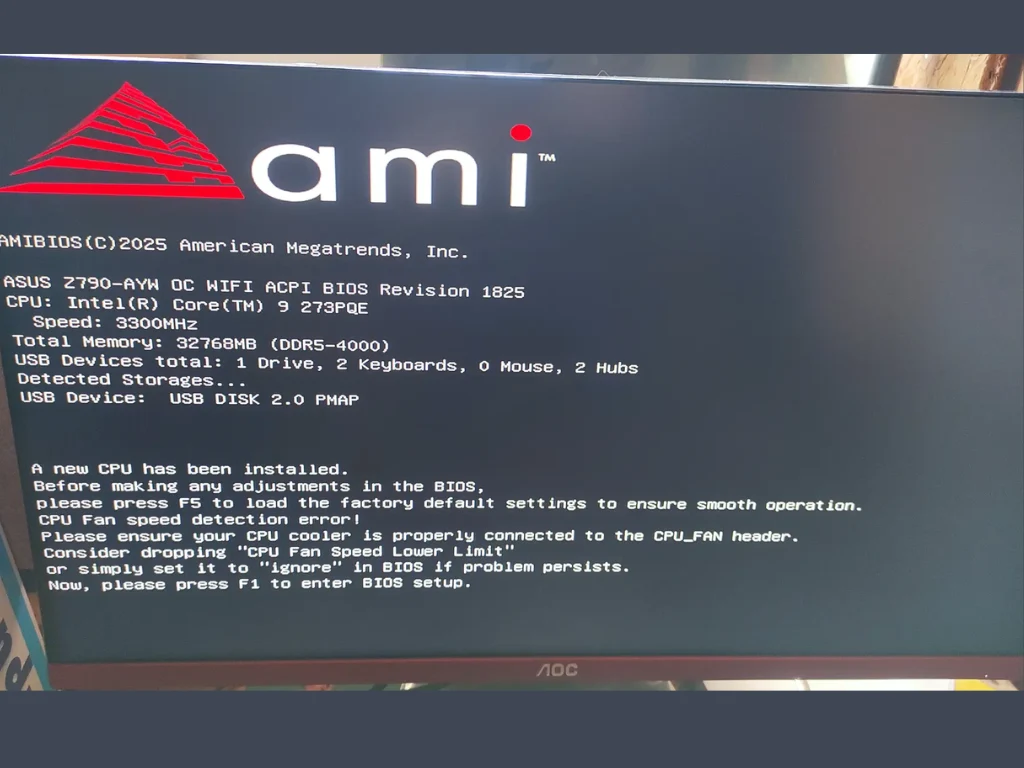
    To his surprise, he reached the POST screen, which displayed the correct CPU name and proved that, with the right BIOS, Bartlett Lake CPUs could technically run on standard consumer boards. However, the system didn’t make it past the POST screen.

    Details about the Bartlett Lake CPU

    For context, the modder got his hands on a top-of-the-line Intel Core 9-273PQE Bartlett Lake CPU, which was launched a few weeks ago specifically for workstations and AI applications. The Bartlett Lake CPU features 12 high-performance cores with 24 threads, operating at a base clock of 3.4 GHz that ramps to 5.9 GHz on a single core or maintains a stable 5.3 GHz across all cores. It also includes 36 MB of L3 cache and supports up to 192 GB of DDR5-5600 memory, fitting into the LGA1700 socket. Interestingly, Intel never intended these CPU for gaming PCs because Z790 boards lack the microcode and firmware support, but this modder pushed the limits.

    The Hack: BIOS Modding & AI Assistance

    The modder, known as “kryptonfly,” shared his progress on Overclock.net after installing the Bartlett Lake CPU into his Asus Z790 motherboard. After inserting the 273PQE CPU, he employed Claude AI to help rewrite the BIOS entirely from scratch. Somehow, the process injected missing microcode, pulling data from official Asus boards that support Bartlett Lake CPUs in industrial and AI setups, which is pretty limited space.

    Outcome & Future Possibilities

    He claimed, “Almost there! The 273PQE is recognized. Claude edited 100% of the BIOS, no module replacement at all.” Photos of the BIOS splash screen confirmed some progress, showing recognition of the CPU. He later added in a follow-up that “It correctly showed the first BIOS screen… It’s still a black screen if I press F1, but at least the CPU is recognized!” Still, errors and a black screen after POST are barriers he’s working through.

    Potential Firmware Solutions

    • Intel or Asus might release a firmware update to fix the microcode and support issues, making this process easier and more accessible.
    • Until then, modders like kryptonfly continue to experiment and find loopholes to make OEM-only hardware work on consumer motherboards.

    Community and Future Prospects

    While the hack isn’t complete yet and still faces hurdles, it showcases the ingenuity within the PC modding community. The possibility of running Enterprise-grade CPUs on consumer hardware opens doors for enthusiasts and researchers to explore new frontier of hardware compatibility. Nevertheless, it’s clear that hardware manufacturers could lock this down with quick firmware patches if they choose to—yet, the battle between open tinkering and strict protections continues.


    Sources
  • Apple CEO Tim Cook Unveils Hidden Prototype Devices

    Apple CEO Tim Cook Unveils Hidden Prototype Devices

    Key Takeaway

    1. Apple has evolved from its founding in 1976 to become one of the largest corporations in history, with significant technological milestones.
    2. Early prototypes of Apple products, such as the Apple Watch and iPod, reveal insights into the development process and design evolution.
    3. Tim Cook’s career at Apple began in 1998, highlighting his role in the company’s development from operations to product innovation.
    4. The success of technologies like the iPod and iPhone revolutionized the way people carry and use digital media and communication.

    History of Apples Technological Advancements

    Apple today stands as one of the biggest corporations in history. It marked 50 years since its founding sometime in 1976, a journey through groundbreaking innovations that shaped the tech world. From the very first Apple I computer to modern devices like the MacBook Neo, priced at $599, the evolution has been incredible.

    Milestones and Prototypes Revealed

    In a video from the Wall Street Journal, Apple’s current CEO, Tim Cook, showcases some of the company’s pivotal moments. The video highlights pivotal products from the earliest iPod to the iPhone, and even the Apple Watch. Interestingly, Cook reveals early prototypes that give us a peek into how these products were developing. For example, an early Apple Watch which looks very much like the final version but had to be connected to an iPhone through a 30-pin connector, showing how the tech was still in progress at that time.

    Early Apple Devices and Leadership

    At around 05:22, viewers can see a prototype of an iPod with a click wheel, though its housing was still in rough form. Tim Cook shares some of his most memorable moments at Apple. He joined the company in 1998 as the Senior Vice President of Worldwide Operations, bringing with him valuable experience from IBM and Compaq. His journey is a testament to how dedication and leadership can radically impact a tech giant’s growth.

    Impact and Notable Events

    From the groundbreaking ability to carry 1,000 songs in your pocket to the success of the iPhone, Cook’s interview, even if brief, is full of insights. Apple also held a series of events for employees, culminating in an exclusive concert by Paul McCartney hosted at the Cupertino headquarters. These moments not only celebrate innovation but also motivate the founders’ vision for the company’s future successes.

    Sources
  • Dell Launches New 14-Inch Laptop with Intel Panther Lake & 32GB RAM Globally

    Dell Launches New 14-Inch Laptop with Intel Panther Lake & 32GB RAM Globally

    Key Takeaway

    1. The Dell Pro 14 Premium (PA14260) has been globally released, replacing the previous models, with significant price variations across regions.
    2. The initial launch availability does not include the Tandem OLED display; only IPS alternatives are offered initially.
    3. Pricing starts at $3,579 in the US, CAD 4,558 in Canada, £1,994 in the UK, and €2,187 in the Eurozone, with more affordable custom configurations available.
    4. The laptop offers various CPU options, from Core Ultra 5 335 vPro to Core Ultra 7 366H vPro, impacting price and performance.
    5. The device is not available for online purchase in Australia at launch.

    Introduction of the New Dell Pro 14 Premium

    Not too long ago, Dell announced their latest Pro 14 Premium (PA14260). This new model is a successor to the previous PA14250 that many were familiar with. At that time, Dell didn’t really give any specific details about the price. All they said was that it would be ready for purchase starting March 31st in the United States. Now, the news is out that this laptop is available worldwide, except they haven’t included the Tandem OLED display options in the initial launch. For now, customers can only pick from two IPS options, 1200p or 1600p, both with a maximum brightness of 400 nits.

    Pricing and Variants

    The cost of the Pro 14 Premium kicks off at $3,579 in the US and CAD 4,558 in Canada. In the UK, it is priced at £1,994 and in Eurozone countries at €2,187. The different pricing across regions is partly because different processor configurations are offered; North American models come with the Core Ultra 7 365 vPro, whereas European models are equipped with the Core Ultra 5 335 vPro. If you are looking for a cheaper option, building your own version can reduce the costs significantly, with some configurations available at $2,349 in the US and CAD 2,996 in Canada.

    Customization and Availability

    People who wants to customize their laptop can upgrade to models with more powerful processors, such as the Core Ultra 7 366H vPro, which has twice as many cores as the basic Core Ultra 5 335 vPro. It seems strange, but the Pro 14 Premium can’t be bought online in Australia at the moment. For additional information, folks are advised to check Dell’s official website and previous launch articles for updates and detailed specs.

    Regional Market Notes

    In summary, this new Dell Pro 14 Premium is a highly anticipated product with various configurations tailored for different markets. While the initial launch excludes the Tandem OLED display, the option for different IPS display types provides some alternatives. The pricing varies notably based on the region and processor options, reflecting local market demands and currency differences. Australians, unfortunately, still seem to be left out for the online purchase option, but the product might still be available through other channels or later releases.

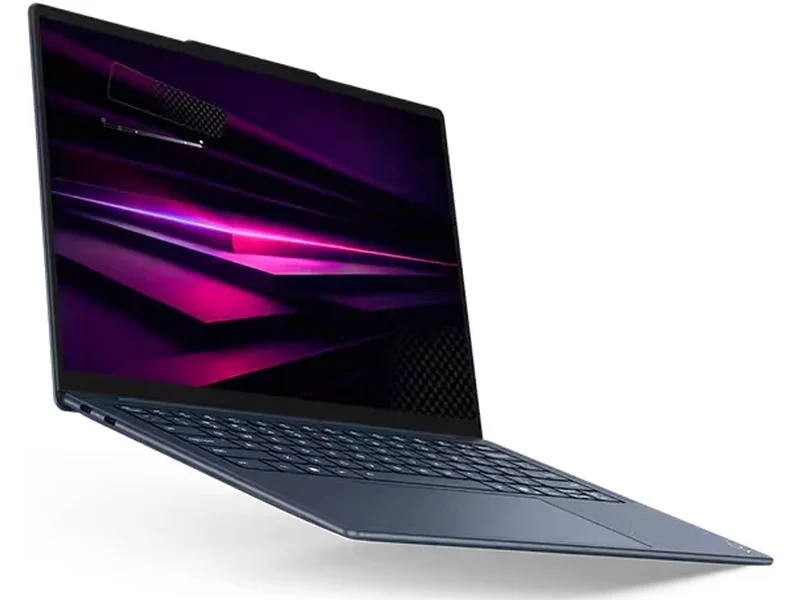
  • Lenovo Yoga Slim 7x with Snapdragon X2 Elite Offers Long-Lasting Battery and Strong Performance

    Lenovo Yoga Slim 7x with Snapdragon X2 Elite Offers Long-Lasting Battery and Strong Performance

    Key Takeaway

    1. The Snapdragon X2 Elite chip offers exceptional battery life, outperforming MacBook Air and previous X models, with up to 25 hours in real-world testing.
    2. The chip delivers around 20% better multi-core performance than current competitors and maintains consistency whether plugged in or on battery.
    3. The Yoga Slim 7x 2026 features a 14-inch 2.8K OLED display at 120Hz, improved design with lighter weight, and upgraded cooling and audio systems.
    4. Software compatibility has improved with native Windows-on-ARM apps, though some games still rely on emulation and face compatibility issues.

    Impressive Battery Life of Lenovo Yoga Slim 7x

    Recently, Youtuber Dave2D shared a teaser about his new review of the Lenovo Yoga Slim 7x equipped with the Snapdragon X2 Elite. And boy, does it impress, especially with its battery performance. It not quite reaches the promises made by Lenovo though, but it still outperforms the MacBook Air quite surprisingly. In some video playback tests, it can last up to 31 hours, though typical usage hits around 25 hours with it’s 70 Wh battery. Keep in mind, this was a pre-production unit, so real-world performance might vary a bit. Still, this is an upgrade over the first Snapdragon X Elite models from last year by about 6 hours, and it even surpasses Apple’s newest MacBook Air models.

    Performance Benchmarks and Real Life Usage

    Now, what about its processing power? Dave2D ran Cinebench 2024 benchmarks and found that the Snapdragon X2 Elite outperforms other current chips like the AMD Ryzen AI HX 470, Intel Core Ultra X9 388H, and the Apple M5 by approximately 20% in multi-core tests. When it comes to single-core speeds, it’s not quite as fast as the M5, but it still leaves Intel and AMD options behind. But the real question is, do these synthetic benchmarks translate into everyday use?

    In practice, the X2 Elite seems to shine, especially in Blender where it beats the competition pretty easily and matches performance in Premiere Pro with Intel and AMD rivals. More impressively, the chip maintains the same performance whether your device is plugged in or running solely on battery, a rarity among competing chips from Intel and AMD. Power efficiency here is key and Lenovo has managed to excel in that area.

    Software Compatibility and Gaming Performance

    On connectivity, Dave2D mentions that most Windows-on-ARM applications are now native, and they’ve addressed the compatibility issues from last year’s models. However, gaming is still a mixed bag; many games rely on Prism emulation, which is decent at 1080p medium settings, but some titles are off-limits due to anti-cheat restrictions, including popular games like Apex Legends, Valorant, and LoL. The iGPU’s performance, though, is promising given the limitations, making casual gaming quite feasible on this device.

    Design, Display, and Pricing Details

    The Yoga Slim 7x 2026 notably reduced weight down to 1.17 kg and shrunk the screen size slightly to a 14-inch display instead of a 14.5-inch. The highlight is the new 2.8K OLED panel boasting 120 Hz refresh rate, 100% P3, and AdobeRGB color coverage, with a brightness up to 1100 nits—all of which promise vibrant visuals. Cooling has also been improved with a flat heatpipe system that keeps fan noise low, around 28 dB in Quiet mode and up to 43 dB if you switch to Performance mode. In addition, the upgrade includes four speakers instead of two, offering much better audio quality.

    Initially, Lenovo indicated that the 16 GB RAM models of the Yoga Slim 7x would start at $900. However, due to current shortages in RAM and storage components, the final prices may go over $1000 once the laptops hit the market. When considering the specs and performance, it seems to be a worthwhile upgrade for professionals and casual users alike.

    Sources
  • DDR5 RAM Prices Drop Up to 30% Amid Ongoing Memory Shortage

    DDR5 RAM Prices Drop Up to 30% Amid Ongoing Memory Shortage

    Key Takeaway

    1. DDR5 prices are decreasing globally, with notable drops in China, though these may be temporary fluctuations.
    2. Memory manufacturers like SK Hynix and Samsung maintain stable contract prices despite market declines.
    3. Demand driven by AI applications, such as data center models and HBM, provides some stability for suppliers.
    4. Recent reductions in OpenAI’s order volume and Google’s AI efficiency improvements may influence future DRAM and HBM consumption.
    5. Analysts view the current price drops as short-term adjustments, with ongoing monitoring needed for potential market shifts.


    Recently, the prices of DDR5 have seen slight reduction across many sales points. Many folks believe that Google’s TurboQuant tech might help ease the global memory shortage. In a recent article from TrendForce, it was revealed that the biggest price drops are happening in China. But experts warn that this could just be a temporary fluctuation, not a permanent change.

    Market Trends and Regional Differences

    According to TrendForce, buyers in the U.S. and Europe are starting to notice the costs of DRAM falling. For example, a Corsair Vengeance 32GB DDR5 RAM kit was found priced at only $379.99, marking its lowest sale price in months, especially on some popular online stores. Meanwhile, in some Asian countries, the price adjustments are bigger, showing more substantial declines.

    Price Drop Details and Impact in China

    In China, popular 16GB DDR5-5600 and DDR5-6000 sticks from well-known brands are going for about 25-30% less than their previous high prices. A more significant decline was seen with a 32GB module costing CNY 3,000, which dropped to CNY 1,950, converting roughly to around $283 USD. This has led to more affordable options for consumers in that region.

    Stock Market Movements and Industry Response

    Shares of big chip manufacturers like SK Hynix and Samsung have fallen recently. Still, the report says that the chipmakers are not overly worried about these changes. Sources from Taiwan mention that “contract prices from major memory suppliers have remained completely stable,” indicating confidence in the market despite the price fluctuations.

    Demand Influences and Future Predictions

    The need for DRAM mainly comes from computer builders, but the real driver of the demand is the booming AI industry. These advanced models, especially in data centers, require large amounts of High Bandwidth Memory (HBM). Suppliers often have fixed, long-term agreements with companies like Nvidia, which helps keep pricing stable even when the market fluctuates.

    Effects of AI Development and Market Concerns

    Some industry watchers think that the news about OpenAI might be a good thing, even though they aimed for a big share of the global supply. There was some blame aimed at OpenAI for causing the memory shortage, but recent reports show they are actually reducing their order quantities after earlier meetings with suppliers. Google’s AI tools like TurboQuant promise to cut down the use of DRAM and HBM significantly. However, with models getting more complex, there’s worry that the demand for memory might grow even more, making the market tighter.

    Summary of Current Market Outlook

    TrendForce says the recent DDR5 price drops are mainly “a short-term, consumer-driven adjustment.” Industry experts will keep an eye on whether these lower prices lead to any larger market shifts in the future.


    Sources
  • Get 64GB Laptop RAM for $6.99 at Liquidator, Redditor Finds

    Get 64GB Laptop RAM for $6.99 at Liquidator, Redditor Finds

    Key Takeaway

    1. Liquidator stores often sell excess, returned, or overstock items at significantly reduced prices, creating opportunities for rare deals.
    2. The Redditor found a 64GB DDR5 laptop memory kit valued around $600 for just $6.99 due to a pricing or labeling mistake.
    3. Shoppers are encouraged to monitor liquidator stores regularly, as they can contain hidden high-value tech bargains.

    Unbelievable Deal on DDR5 RAM Found at Liquidator Store

    These days, scores on high-end pc parts like fast DDR5 RAM can be rare and highly sought after. Gamers and tech enthusiasts alike often scour deals to save a dime, but sometimes luck strikes in the most unexpected ways. One Reddit user, u/L0OK0UTT, shared his incredible experience of scoring a 64GB DDR5 laptop memory kit for just $6.99 at a local liquidator store.

    The Secret Behind the Bargain

    People often ask how such a bargain could happen. It turns out, liquidators buy leftovers, returns, or overstock items from retail giants like Amazon, and then resell them at drastically reduced prices. This approach helps retailers clear excess stock, but it also means shoppers can find high-value items for a fraction of their true price. It’s like digging for treasure in a warehouse full of forgotten goods.

    Discovery of the Lightning Deal

    While browsing the racks, u/L0OK0UTT found a Crucial 64GB DDR5-5600 SO-DIMM kit with 32GB modules designed for laptops. It was hanging loosely without any clear price tag, labeled only as an Amazon return. Eager to see what he could get, he grabbed the kit along with some household items and headed to the checkout. The moment of truth was just around the corner.

    How the Price Was Determined

    At the cash register, the employee scanned the RAM but couldn’t find any pricing or system record. After a brief search with no results, the clerk admitted defeat and decided to charge a flat $6.99 for the entire kit. In comparison, the same 64GB Crucial kit sells for approximately $600 on online stores. This kind of crazy price tag left the user ecstatic and eager to share his find.

    Advice for Bargain Seekers

    u/L0OK0UTT ended his post by urging fellow deal hunters to keep their eyes peeled at local liquidator stores. With a little bit of luck, you never know what hidden gems you might discover marked as returns from big online retailers. Keep looking—you could uncover your next big score just like he did.

    Sources
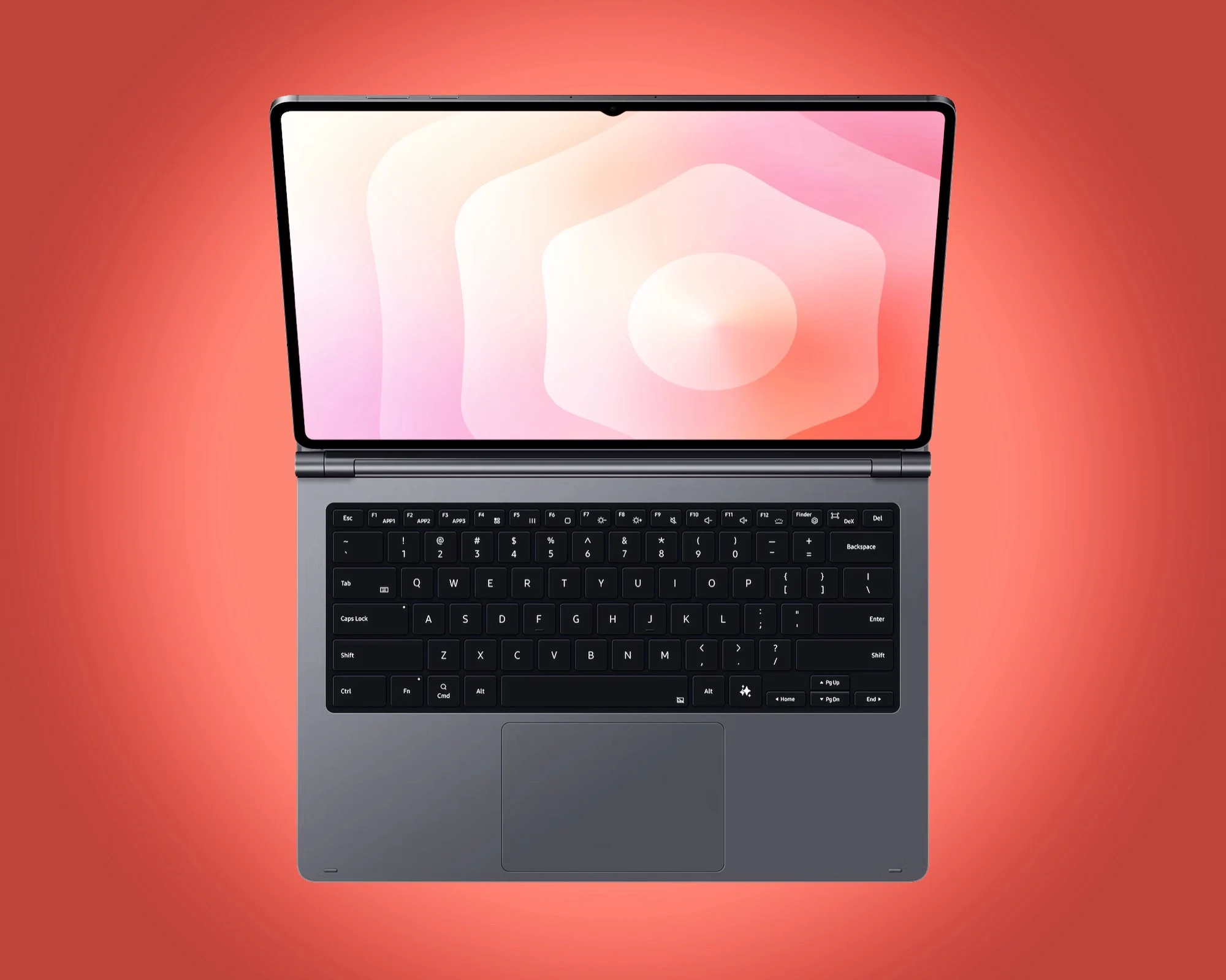
  • Samsung Pro Keyboard Turns Galaxy Tab S11 Ultra Into Laptop but Is Very Pricey

    Samsung Pro Keyboard Turns Galaxy Tab S11 Ultra Into Laptop but Is Very Pricey

    Key Takeaway

    1. The Samsung Pro Keyboard for Galaxy Tab S11 Ultra is now available internationally but is notably expensive, with prices over $350 in the US and Europe.
    2. The keyboard is heavy and high-quality, mainly made of aluminum, and connects via metal pins, eliminating the need for charging or Bluetooth pairing.
    3. It supports a laptop-like foldable design with Samsung’s DeX mode, aiming to replace traditional laptops, and features customizable AI and function keys.

    Introduction to Samsung Pro Keyboard Availability

    After its initial debut in Korea in mid-March, the samsung pro keyboard now is available from samsung US and samsung Germany, making it more accessible to a broader audience. this keyboard is, however, comes with a hefty price tag, with a listed price of $399.99 in the US or €389.90 in Europe, which is quite steep for many users.

    Pricing and Retail Options

    If you’re looking to save some cash, you might want to consider buying from independent retailers where the price is more reasonable. for example, the pro keyboard can be found starting at $349 in the US and €239 in Europe outside of official stores. this price difference can really add up, somaybe making the purchase more affordable for consumers.

    Design and Weight Considerations

    The Pro Keyboard shares some similarities with Apple’s Magic Keyboard not only in price but also in heavy weight. At 0.64 kg (1.4 lbs), the keyboard alone is quite heavy, especially when combined with the tablet, which brings the total weight to around 1.33 kg (2.93 lbs). This makes the entire setup heavier than many 14-inch laptops, which might be an issue for portability.

    Build Quality and Connection Features

    Samsung emphasizes its high-quality finish as justification for the high cost. the keyboard’s body is mostly aluminum, and it has a sturdy hinge that ensures the tablet remains stable during use, facilitating a smooth touchscreen experience. connection wise, it uses metal pins on the back of the tablet, eliminating the need for charging or Bluetooth pairing, making setup straightforward.

    Usage and Functionality

    The device setup allows folding the tablet and keyboard into a laptop-like form factor. combined with DeX, Samsung’s Android desktop mode, this setup aims to serve as a convenient laptop replacement. additionally, the keyboard features a dedicated AI key and three function keys that can be programmed to launch specific applications based on user preference.

    Summary of Features

    • High-quality aluminum casing
    • Heavy weight, designed for stability
    • Connection via metal pins, no Bluetooth needed
    • Supports DeX desktop mode for productivity
    • Includes AI and programmable function keys


    Sources

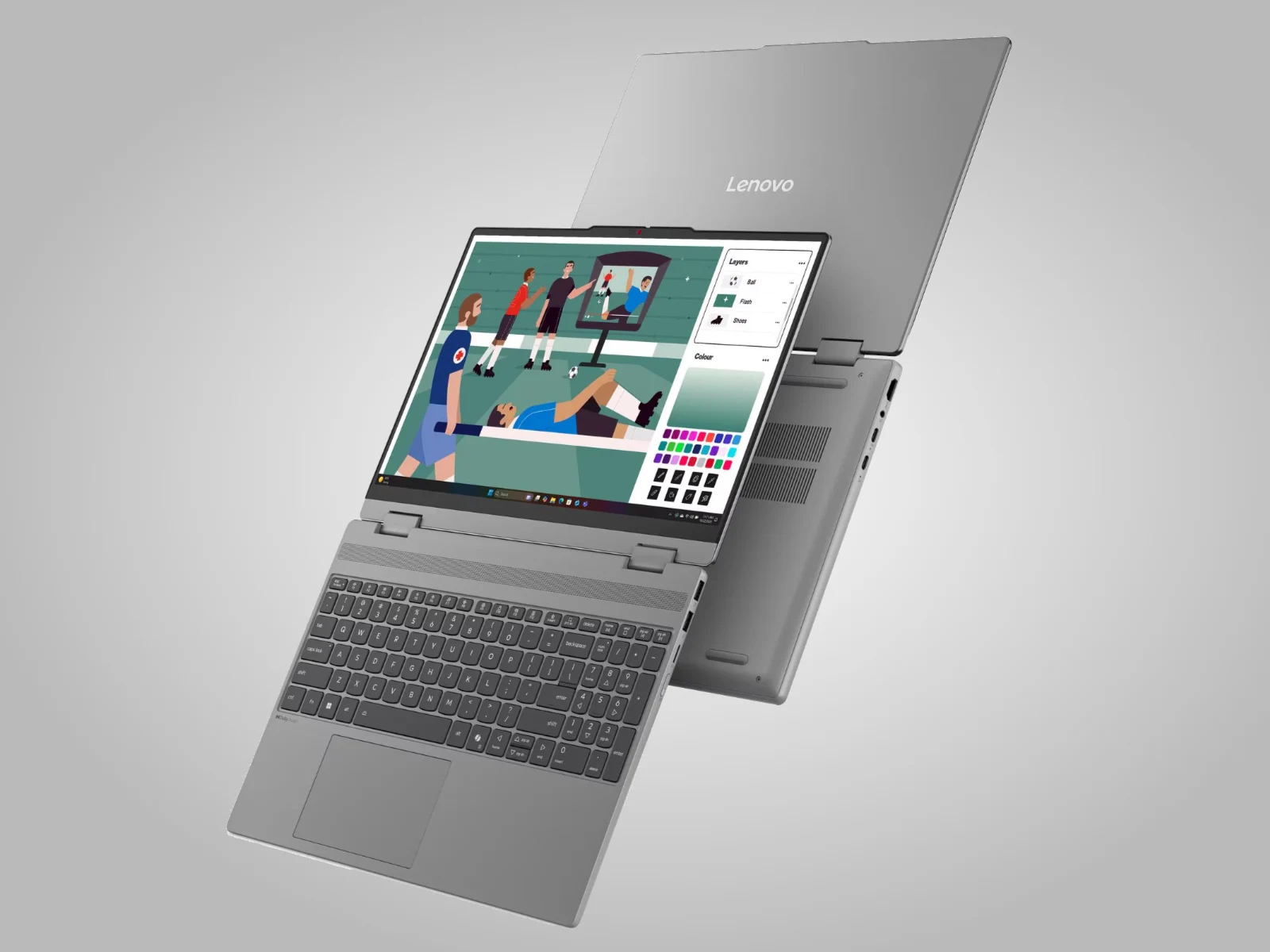
  • Lenovo 1100-Nit OLED Convertible Laptop with Intel Panther Lake Release

    Lenovo 1100-Nit OLED Convertible Laptop with Intel Panther Lake Release

    Key Takeaway

    1. Lenovo’s IdeaPad 5i 2-in-1 (15IPH11) features Intel’s Panther Lake architecture, replacing Arrow Lake-U models, with configurations up to 32 GB RAM and 1 TB storage.
    2. The device offers optional 1200p IPS or 2.5K OLED displays, with the OLED reaching up to 1,100 nits in HDR and a 165 Hz refresh rate.
    3. Notable limitations include an HDMI 1.4b port, restricting external monitor output to 4K/30 Hz, and it has comparable hardware to the Lenovo 15AGP11 but with differences in port features.
    4. The 15IPH11 provides up to 25% longer battery life during video streaming compared to similar models, but it has a slight performance decline (~10%) on standard IPS displays.
    5. Pricing starts at $849 in the US, with regional variations in Canada and Australia.

    Introduction to the Lenovo IdeaPad 5i 2-in-1

    Lenovo has recently launched the new IdeaPad 5i 2-in-1 (15IPH11), which marks the arrival of Intel’s Panther Lake architecture to their 15-inch lineup. As a replacement for last year’s models based on Arrow Lake-U processors, this new generation brings marginal upgrades and some notable changes. The device is currently available in select regions like North America and Australia. Interestingly enough, the same model isn’t available in the Eurozone or the UK right now, which might be a bummer for some potential buyers.

    Hardware and Configurations

    The 15IPH11 can only be configured with the Core Ultra 7 355, an 8-core processor with a 25 W TDP, paired with a 4-core integrated GPU. Users can choose between 16 GB or 32 GB of RAM, and storage options include 512 GB or 1 TB SSDs. When it comes to screens, there are two options: a standard 1200p IPS display or an impressive 2.5K OLED equivalent, which can reach up to 1,100 nits in HDR mode, all with a smooth 165 Hz refresh rate. These specs make the device versatile for both work and entertainment purposes.

    Design and Connectivity

    Most of the hardware similarities with Lenovo’s recently released 15AGP11 are noticeable, but the two models diverge with some specific features. For eveeryone wanting connectivity details, the 15IPH11 includes an HDMI 1.4b port, which is somewhat outdated compared to the HDMI 2.1 found in the 15AGP11. This means while you can connect to external monitors, the output is limited to 4K at only 30 Hz via HDMI, which might be a limiting factor for gamers or those who need higher refresh rates.

    Performance and Battery Life

    In real-world usage, the 15IPH11 is said to last about 25% longer when streaming videos locally on its optional OLED display, which offers vibrant colors and excellent brightness. However, when both models are equipped with the standard 1200p IPS display, the 15IPH11 reportedly falls about 10% behind the 15AGP11 in battery life. Price-wise, the IdeaPad 5i 2-in-1 starts at $849 in the US, reaches $1,149 in Canada, and is priced at AUD 2,099 in Australia, making it an attractive choice for budget-conscious consumers in those regions.


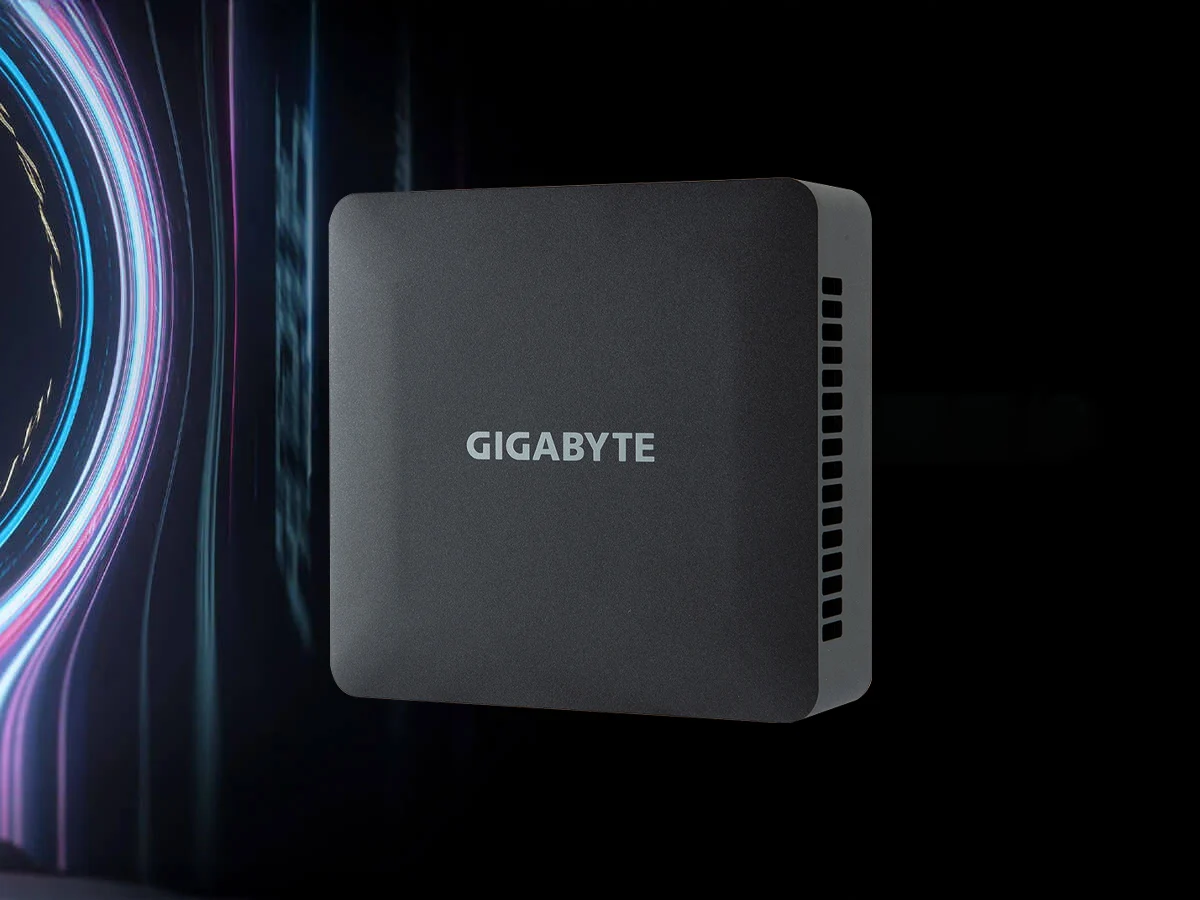
  • Gigabyte Launches AMD Gorgon Point Brix Mini PC

    Gigabyte Launches AMD Gorgon Point Brix Mini PC

    Key Takeaway

    1. The Gigabyte Brix mini PC (model GB-BRR7-450) is equipped with AMD Ryzen 4000 series processors, likely including the Ryzen 7 450 and potentially higher-end options like the AI 9 HX 470.
    2. It supports up to 96GB DDR5 RAM and features two M.2 storage slots, one PCIe Gen4x4 and the other Gen5x4.
    3. The mini PC includes a USB4 port with eGPU support, a slim design, and VESA compatibility; specific pricing and release date are yet to be announced.

    Introduction to the New Gigabyte Brix Mini PC

    Gigabyte has released the spec sheet for their latest mini PC based on AMD’s Gorgon Point platform, known as GB-BRR7-450. This little system is powered by AMD’s Ryzen 400 series processors, but precise CPU options are yet to be announced. On first glance, the model number hints at a possibly equipped Ryzen 7 450 chip, which suggests solid performance capabilities. Given how Gigabyte positioned this device, it might serve as an alternative to their Panther Lake Brix mini PC, potentially offering higher-end processor choices like the AI 9 HX 470.

    Hardware Features and Expansion Options

    • The device supports up to 96GB of DDR5 RAM, which is quite impressive for its size.
    • There are two M.2 slots for storage, both of which are 2280 sizes.
    • One slot supports PCIe Gen4x4, providing fast storage connectivity, while the other supports Gen5x4 for even higher speeds.

    Connectivity and Design Details

    The mini PC comes with a variety of ports, including a USB4 port that enables eGPU support, enhancing graphic options for users needing extra power. Although an OCuLink port would have been a better addition for high-speed external devices, the existing port still provides decent expansion. The system features a slim profile and VESA mount compatibility, making it versatile for different setups. Pricing and exact release dates are still not publicly available, but with the spec sheet now online, these details are likely to be announced soon.

    Sources
  • Scientists Discover Northern Lights Stretching Across Iceland and Canada

    Scientists Discover Northern Lights Stretching Across Iceland and Canada

    Key Takeaways

    1. The VIIRS instrument on the Suomi NPP captured stunning auroras over the Denmark Strait, Iceland, and parts of Canada on February 16.
    2. The instrument detects light across various wavelengths, revealing colorful auroras despite appearing in grayscale images.
    3. The auroras were produced by a G1 geomagnetic storm, a minor storm that can still affect power grids and satellites.
    4. The G1 storm associated with these auroras later intensified into a G2 storm.
    5. NASA’s GNEISS mission seeks to enhance understanding of the electrical conditions that lead to auroras.


    In the early morning of February 16, the VIIRS (Visible Infrared Imaging Radiometer Suite) aboard the Suomi NPP took photos depicting an auroral spectacle (known as aurora borealis or northern lights). The first image displays the lights above the Denmark Strait and Iceland at 4:45 UTC (which is 4:45 a.m. local time in Reykjavík). The subsequent image illustrates the lights swirling around the Canadian provinces of Québec and Newfoundland and Labrador at approximately 06:30 UTC (1:30 a.m. local time in Montreal).

    Capturing Auroras

    The instrument captures light across different wavelengths, from green to near-infrared. It employs filtering methods to identify signals like those from auroras. Even though this image looks grayscale, the auroras themselves are actually vibrant. They showcase a range of colors from green to purple.

    Geomagnetic Storms and Their Impact

    Just like all auroras, this one was generated by a geomagnetic storm, specifically classified as a G1 storm. A G1 storm is considered a minor geomagnetic storm. While it is not as intense as storms with higher classifications, G1 storms can still create electrical disturbances that lead to auroras. They might also cause minor interruptions in power grids and satellite functions. Interestingly, the G1 storm that caused this aurora later escalated into a G2 storm.

    NASA’s GNEISS Mission

    With the recent launch of the GNEISS (Geophysical Non-Equilibrium Ionospheric System Science) mission, NASA aims to obtain a better understanding of the electrical environment that generates auroras like the one captured in these images.

    Source:
    Link