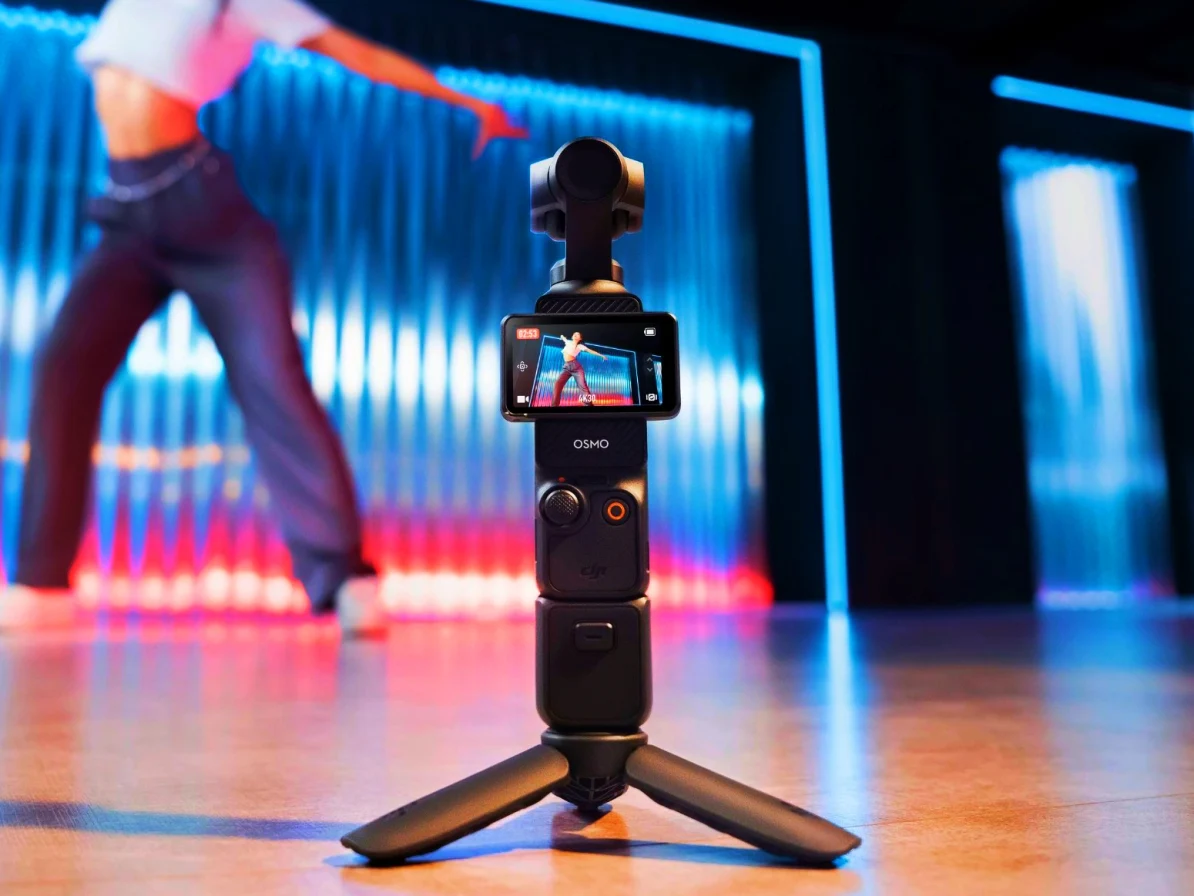
1. The DJI Osmo Pocket 4 is rumored to be announced on April 20, priced starting at $499, with notable upgrades including 14 stops of dynamic range, improved tracking, and 107GB of built-in storage.
2. The Osmo Pocket 4 Creator Combo is expected to bundle the new DJI Mic 3, a premium microphone featuring 32-bit float recording and timecode support, but it will lack the 3.5mm input for external wired mics.
3. The DJI Mic 3 emphasizes portability and simplicity, relying on wireless and USB-C connections, but sacrifices some professional features like wired microphone compatibility.
Anticipated Features and Release Date
Fans of DJI are eagerly awaiting the launch of the Osmo Pocket 4, which rumors suggest might be announced around April 20. The expected pricing starts at $499, making it a more premium choice in compact camera tech. This new camera is said to pack some impressive upgrades, such as 14 stops of dynamic range and enhanced tracking capabilities. The internal storage is also upgraded to 107GB, offering users more space for their media.
Changes in Packaging and Accessories
Leaked photos of the retail box show a noticeably redesigned microphone, hinting at an upgraded bundle for the Osmo Pocket 4 Creator Combo. This is a notable change from previous versions, and it looks like DJI might include the new DJI Mic 3 as part of the package. The box graphics clearly display this new mic, which differs from the DJI Mic 2, indicating a fresh design and possibly improved features. Interestingly, unless DJI decides to include additional accessories, this seems to be the standard mic bundle for the new release.
About the DJI Mic 3
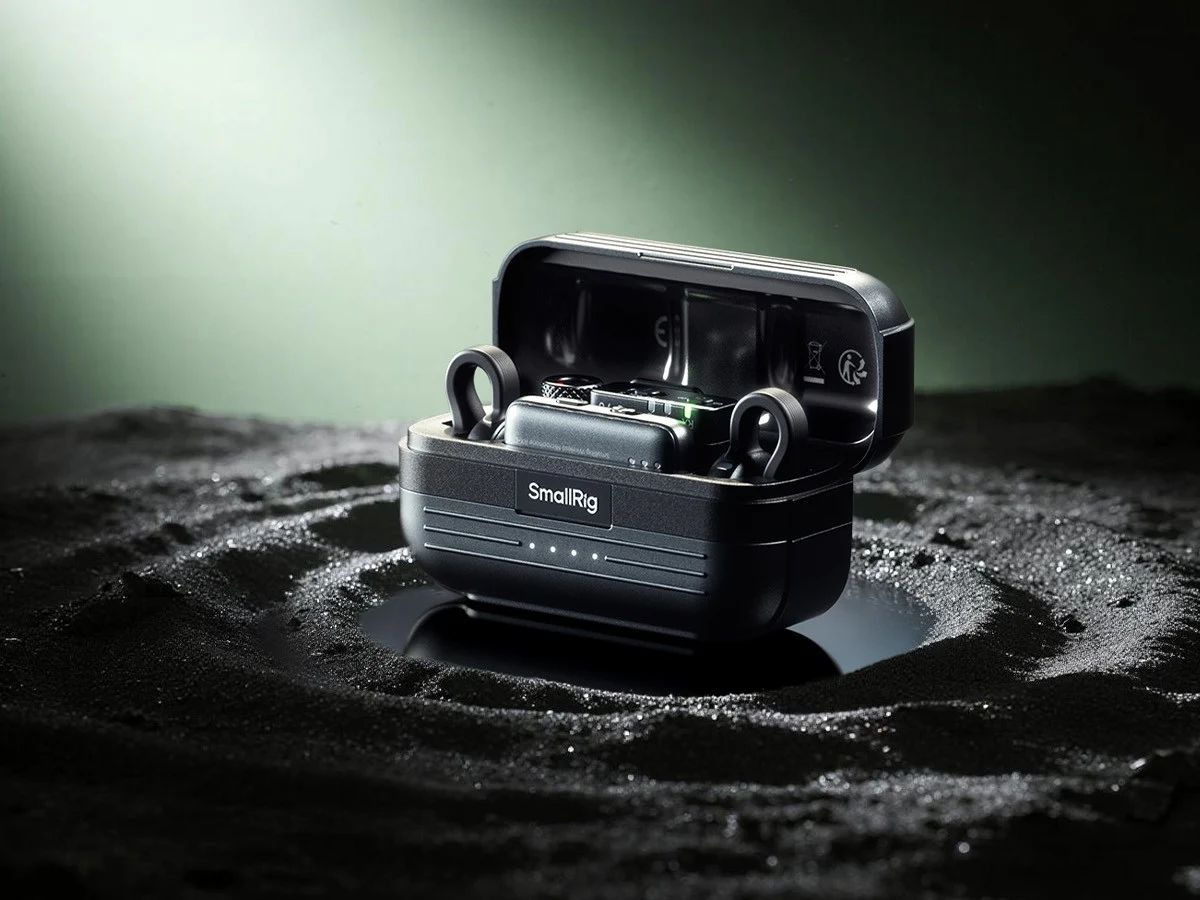
The DJI Mic 3 is currently DJI’s top-tier microphone, boasting 32-bit float internal recording and support for timecode, making it much easier to synchronize audio with video during editing. However, one downside is that it no longer has a 3.5mm input, which means you can’t connect wired lav mics directly anymore—a feature appreciated by professional users. While it delivers superior sound quality, its simplicity and portability come with trade-offs, especially compared to other wireless mics, which would require the use of its USB-C receiver or Bluetooth, with the latter reducing audio quality.