Category: Computers

  • TSMC Invests $350M in High NA EUV for 1.4nm Chip Tech

    TSMC Invests $350M in High NA EUV for 1.4nm Chip Tech

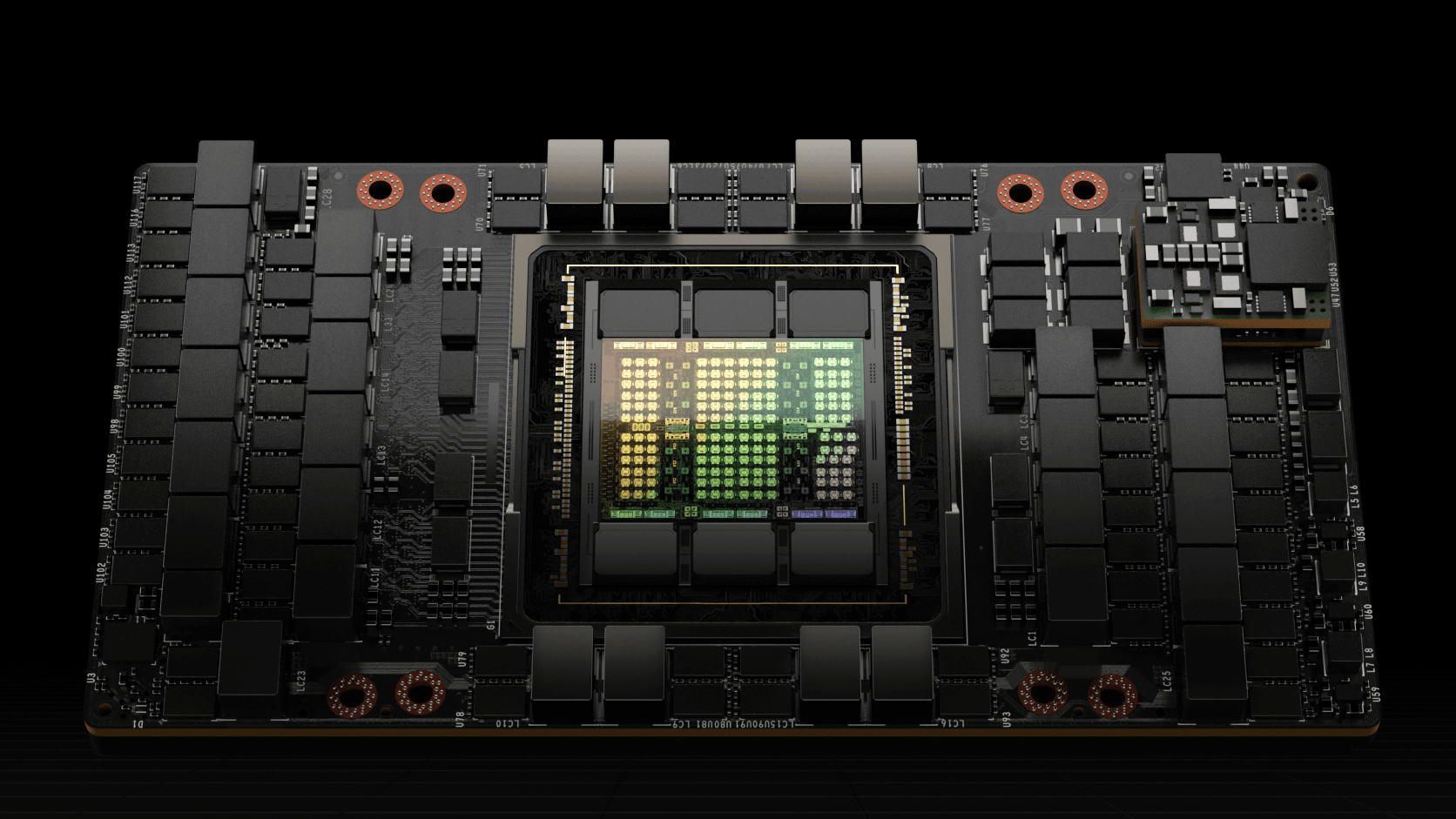
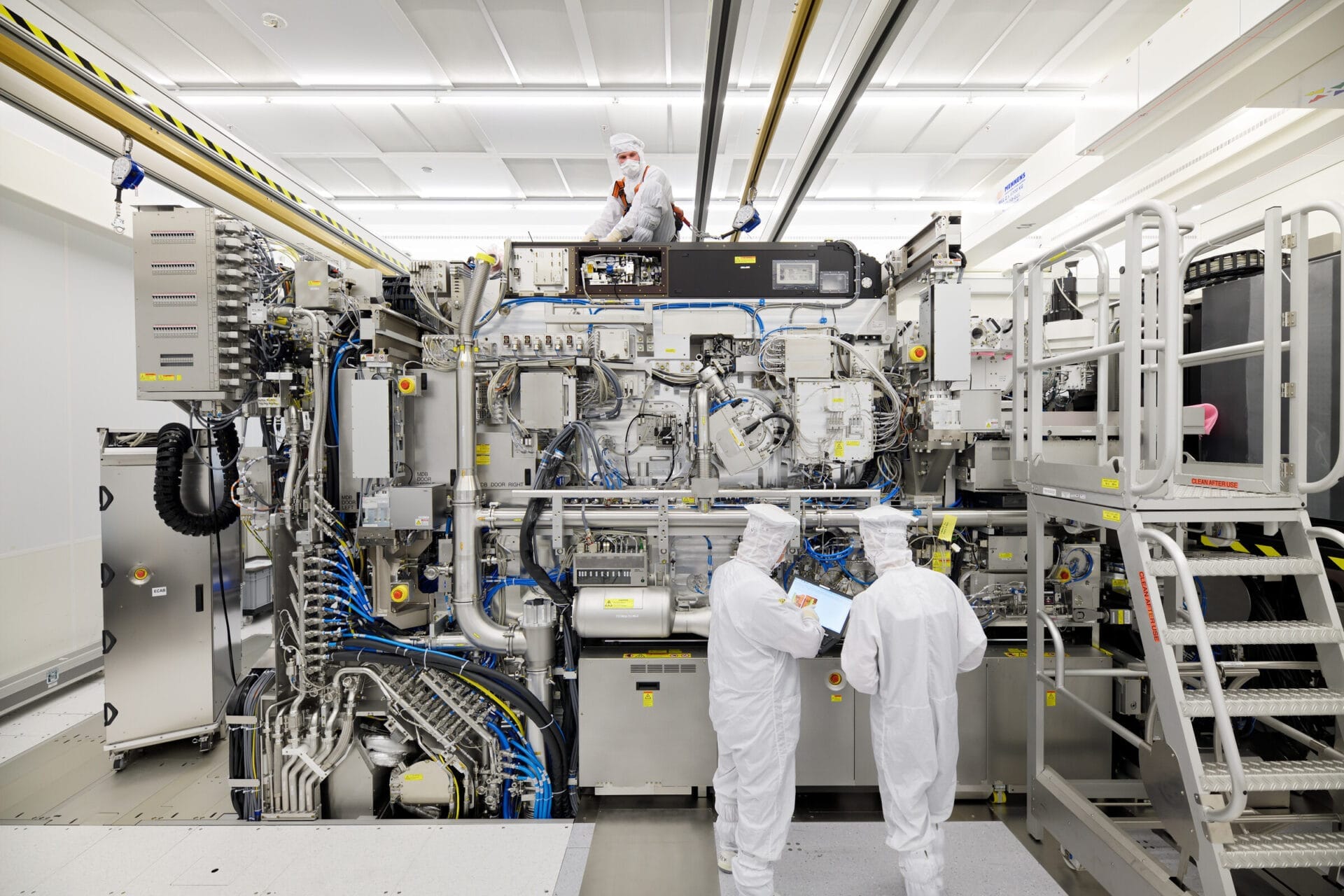
    Taiwan Semiconductor Manufacturing Corporation (TSMC) is planning to buy ASML’s newest High NA EUV lithography system by the end of 2024. This is a big step for the semiconductor field. The machine, called the Twinscan EXE:5000, costs around $350 million and is filled with state-of-the-art tech for chip production.

    Advanced Technology Features

    This high-tech system has an incredible 8nm resolution and operates with a 13.5nm EUV light wavelength. It allows chipmakers to create smaller chips and fit in up to 2.9 times more transistors than what was possible before. TSMC aims to implement this technology in its upcoming 1.4nm (A14) manufacturing process, intending to start mass production by 2027.

    Industry Adoption

    Intel has already taken the leap by being the first to use High NA EUV, having set up two machines at its facility in Oregon earlier in 2024. Samsung is expected to follow suit, likely by early 2025. Currently, Intel, Samsung, and TSMC are the only confirmed companies with access to ASML’s advanced technology, primarily due to international trade regulations that prevent Chinese companies from obtaining it.

    Challenges Ahead

    Although ASML has claimed to receive 10-20 orders for these machines, bringing them into operation isn’t as easy as it sounds. Their large size means that manufacturers may have to significantly upgrade their existing facilities or even construct new ones. Additionally, these machines have a smaller imaging field compared to current NA EUV systems, which requires a redesign of chip architectures.

    TSMC’s decision to invest in High NA EUV highlights its dedication to leading in advanced chip manufacturing, especially as the demand for AI chips keeps rising. Even though it might take a few years before mass production with this technology truly begins, it represents a move towards the future of semiconductor manufacturing.
  • Copilot+ PCs Offer 5x Performance Boost Over 5-Year-Old Models

    Copilot+ PCs Offer 5x Performance Boost Over 5-Year-Old Models

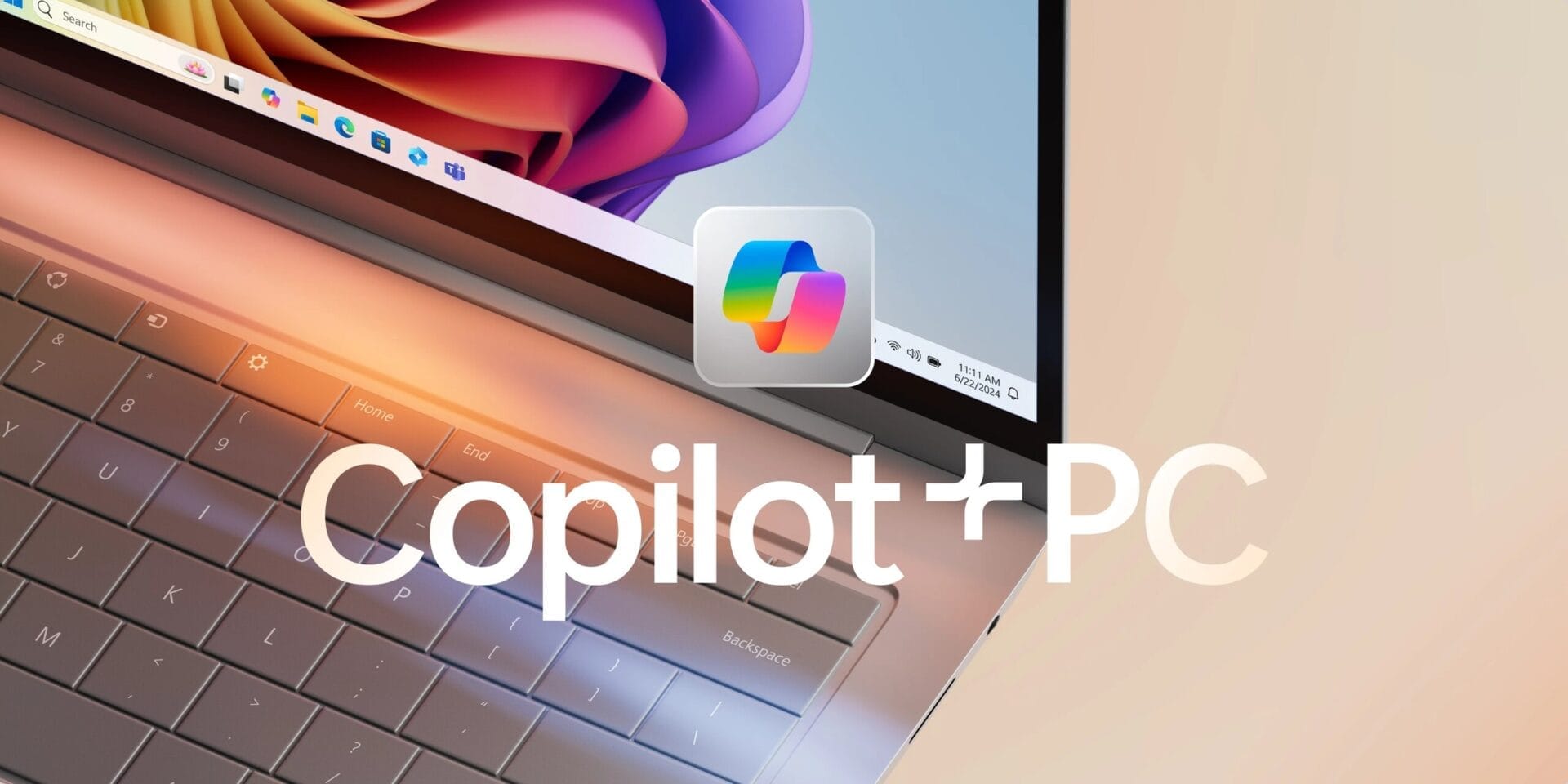
    Microsoft’s Copilot+ PCs are introducing a range of AI features, including Recall, Cocreator, and others. Beyond these intelligent functionalities, they are also said to enhance performance and battery life. According to Microsoft, these Copilot+ PCs represent the fastest and most advanced Windows computers ever made. But how do they compare to older Windows PCs? Microsoft has shared details to clarify this.

    Performance Comparison

    A recent report from Windows Latest indicates that Microsoft conducted a comparison between the Copilot+ PCs and well-known PCs that were popular five years ago. The focus of this assessment was mainly on performance and battery endurance. The Copilot+ PCs utilized in the evaluations are equipped with Snapdragon X Elite 12 core and Snapdragon X Plus 10 core configurations.

    Benchmark Results

    To measure performance, Microsoft used the widely recognized benchmark tool, Cinebench 2024 Multi-Core. The findings reveal that the Snapdragon-powered Copilot+ PCs outperform the most popular Windows PC from 4-5 years ago by 5 times.

    Battery Life Enhancements

    In terms of battery life, the Copilot+ PCs show significant improvements over older Windows models. During local video playback tests, these new devices demonstrated up to 2.3 times longer battery life. All devices during these tests operated on the same Wi-Fi network, with display brightness set to 150 nits.

    When it comes to web browsing, the Copilot+ PCs manage to deliver 3 times more battery life than their predecessors. These findings indicate that while Copilot+ PCs emphasize AI advancements, they also provide enhancements in other important areas. Regarding AI capabilities, Microsoft has yet to introduce features like Recall and Click to Do, but the company has pledged to roll them out by early next year.

  • US Government Considers Intel AMD Merger Proposal

    US Government Considers Intel AMD Merger Proposal

    A recent speculation has emerged suggesting that both Apple and Samsung are interested in purchasing Intel. Prior to this, Qualcomm was also thought to be in the market for a similar acquisition. The idea of Intel merging with another firm seems more plausible now, especially given its reported net losses of $16.6 billion this quarter. Interestingly, it appears that the U.S. government also sees potential in this scenario.

    Government’s Involvement

    According to Semfor, the U.S. Commerce Department is exploring various methods to assist Intel. While a direct financial boost through the CHIPS Act could provide some relief, it may not be sufficient. The department might “suggest” a merger with competitors like AMD or Marvell. Although not specifically named, Apple seems like a likely option due to its significant cash reserves and its role in producing high-end chips. Furthermore, being an American company adds to its appeal.

    Intel’s Current Standing

    For the time being, Intel seems to be in a relatively stable position after securing a large order from the U.S. Department of Defense and Amazon Web Services. The company is pinning its hopes on the success of its 18A node technology to aid in its recovery. However, it’s perhaps premature to guess what the future holds for Intel with government involvement, but we shouldn’t have to wait too long for answers.

  • Samsung Foundry May Spin Off into New Company

    Samsung Foundry May Spin Off into New Company

    Samsung Foundry Faces Challenges

    Samsung Foundry is currently facing difficulties, as shown by a recent report indicating that the company plans to shut down part of its 7 nm, 5 nm, and 4 nm production lines due to low demand. This decision has led to a significant loss of 1 trillion KRW. Although the situation could potentially improve with the introduction of newer nodes, such as 3 nm and beyond, some within Samsung believe it may be wiser to completely separate the foundry business.

    Task Force Formation for Separation

    According to a report from South Korean news outlet Topdaily (H/T @Jukanlosreve on X), Samsung has reportedly established a ‘task force’ aimed at detaching Samsung Foundry from Samsung Electronics. This project is expected to be resource-heavy and could take anywhere from 3 to 5 years to complete. Despite this, Lee Jae-Yong, the leader of Samsung Electronics, is against the plan. There appears to be tension within Samsung regarding this matter, suggesting that it may take some time before any definitive decisions are made.

    The Potential for Increased Autonomy

    On paper, spinning off Samsung Foundry from Samsung Electronics could grant the foundry more independence. However, the company still needs to tackle fundamental issues with its production processes. While TSMC’s N3 family of nodes has attracted major clients like Qualcomm, Apple, MediaTek, and even Intel, Samsung’s equivalent nodes have struggled to find customers, even though they utilize the advanced GAAFET technology.

  • Nvidia to Launch First Consumer CPU in 2025 for High-End PCs

    Nvidia to Launch First Consumer CPU in 2025 for High-End PCs

    Nvidia is preparing to introduce an Arm-based platform for consumer PCs in September 2025, marking a significant step in the company’s bold venture into the CPU sector. This initiative combines Nvidia’s CPU and GPU technologies, targeting high-end devices, with a broader launch anticipated around March 2026.

    Nvidia’s Expertise in the CPU Market

    Nvidia is drawing on its experience from developing Grace CPUs and Tegra processors, as well as its dominance in the AI server and graphics card markets. Experts in the industry believe that this background provides Nvidia with a strong advantage as it enters the consumer PC arena.

    Timing and Competition

    The timing is particularly notable, coinciding with the likely conclusion of Qualcomm’s exclusive agreement for Windows on Arm devices. This opens the field for new competitors and is expected to increase rivalry in the Arm-based Windows PC market.

    Nvidia’s strategy could go in two directions: it might create a more mainstream chip featuring integrated graphics to rival AMD, Intel, and Qualcomm, or it could develop a high-performance CPU focused on gaming, paired with a separate GPU. The second option could challenge the traditional x86 gaming landscape.

    Gaming Performance and Past Efforts

    For Nvidia to succeed in the gaming sector, it must ensure that contemporary games perform well, but its established relationships with game developers may facilitate this process. Nvidia previously attempted to enter the PC market during the launch of Windows RT in 2011, but that effort didn’t work out as hoped back then.

  • TobenOne Laptop Dock: Space-Saving Solution with Multiple Ports

    TobenOne Laptop Dock: Space-Saving Solution with Multiple Ports

    TobenOne has made a name for itself in the world of docking solutions and is now working on an innovative new device. The TobenOne 10-in-1 Adaptive Vertical USB C Docking Station boasts a name that suggests it offers a lot of features. It comes equipped with several ports, and the design allows you to store your laptop in the station when it’s not in use. While this means you can’t use the laptop’s display and keyboard while it’s docked, it does help clear up desk space significantly. However, it’s important to consider if this setup fits your personal working style before making a purchase.

    Adjustable Design for Compatibility

    One of the standout features of this docking station is its adjustable width, which can be tailored to fit your laptop. This minimizes the risk of compatibility issues and prevents any wobbling while the laptop is docked. The connection between the docking station and your laptop is made through USB-C. In terms of ports, the docking station includes one USB-A port with a data transfer rate of 10 GBit/s, plus two USB-C ports that also support the same speed. Additionally, there’s a USB 2.0 port available for connecting a keyboard or mouse. Other features include an Ethernet port, two USB-A ports with a speed of 5 GBit/s, and two HDMI ports that can output 4K video at 60 frames per second. However, to utilize these features, your laptop must also be capable of supporting such high bandwidth through USB-C. Furthermore, it offers USB Power Delivery with a maximum capacity of 100 watts.

    Crowdfunding Launch and Pricing

    Currently, the TobenOne 10-in-1 Adaptive Vertical USB C Docking Station is in the development phase as part of a crowdfunding campaign. Supporters can get it for an introductory price of $99, with shipping expected to begin in December. It’s important to remember the typical financial risks associated with crowdfunding initiatives. If you’re in the market for a combination laptop stand and docking station, you might want to explore another offering from TobenOne.


    Image 1
    Image 1
  • GPD Pocket 4 Launching Soon: 144Hz Display, Ryzen AI 9, 64GB RAM

    GPD Pocket 4 Launching Soon: 144Hz Display, Ryzen AI 9, 64GB RAM

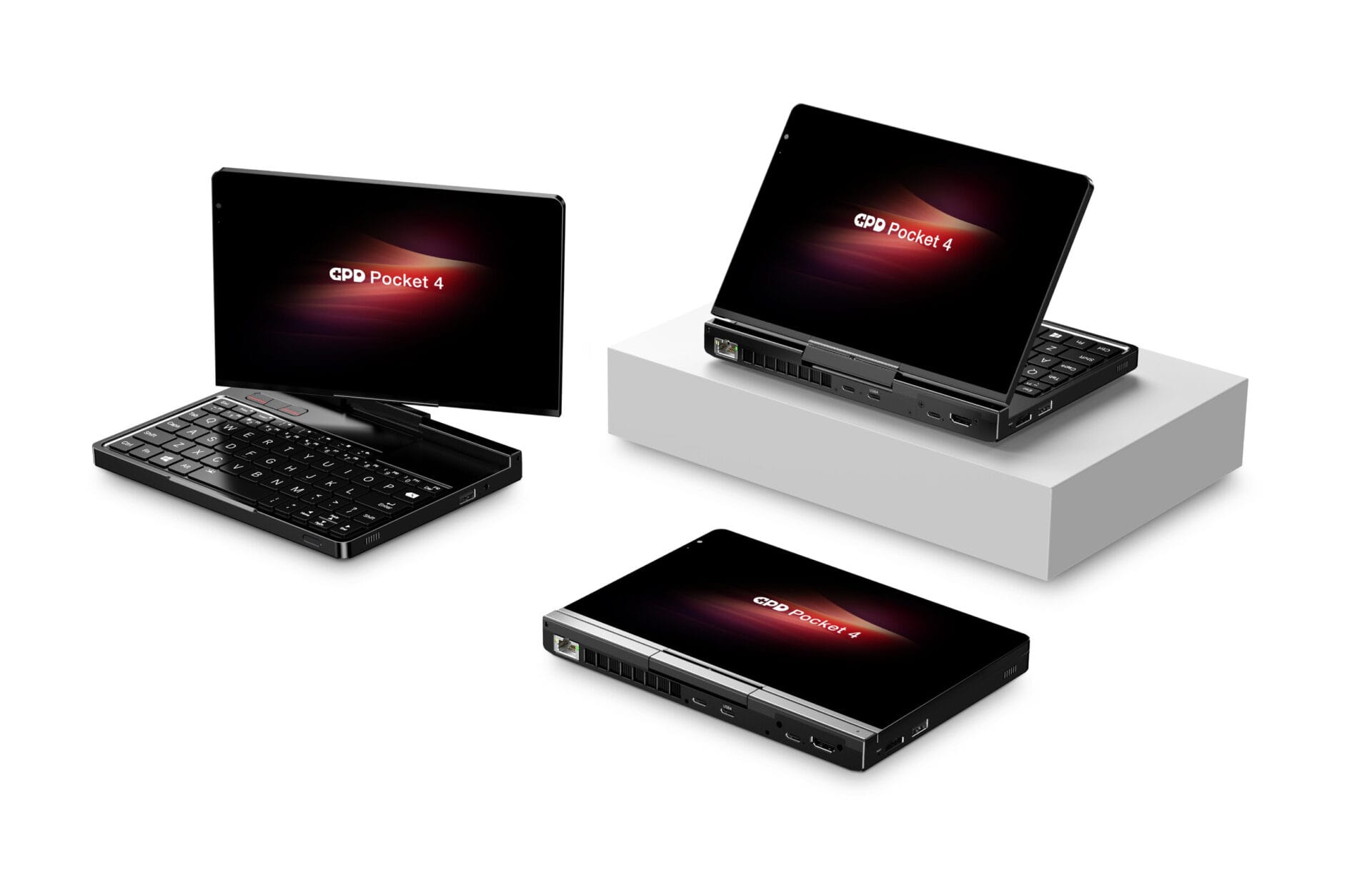
    It looks like GPD is just about set to launch the Pocket 4, which will take the place of the Pocket 3 (currently priced at $679.95 on Amazon). The Pocket 3 has been around for more than three years now, so it’s no surprise that the new model will have some improved features.

    Powerful Upgrades

    According to the latest updates from the company, the upcoming Pocket 4 will be equipped with the Ryzen AI 9 HX 370 from AMD’s latest Strix Point line. This means the Pocket 4 will benefit from a robust Radeon 890M integrated graphics processor, which will support a stunning 2,560 x 1,600-pixel resolution on a 144 Hz IPS display measuring just 8.8 inches.

    Additional Options

    Interestingly, GPD is also planning to provide the Pocket 4 with the older Ryzen 7 8840U APU. This choice seems to be a strategy to keep the initial price of the Pocket 4 more affordable. Even with the Ryzen 7 8840U, users can expect much better performance compared to the Intel Pentium Silver N6000, Pentium Gold 7505, or Core i7-1195G7 that were options for the Pocket 3.

    Memory and Launch Plans

    Moreover, GPD intends to offer the Pocket 4 with a maximum of 64 GB of LPDDR5 RAM running at 7,500 MT/s. However, the company notes that the availability of the 64 GB RAM models might be limited to its upcoming Indiegogo campaign and may not make it to the final retail version. While no specific launch date for the crowdfunding initiative has been shared, we believe it might happen before the year wraps up.

    GPD via Liliputing


    Image 1
    Image 1
  • Mobile Pixels Launches Tetra Keyboard and Monitor Fundraiser

    Mobile Pixels Launches Tetra Keyboard and Monitor Fundraiser

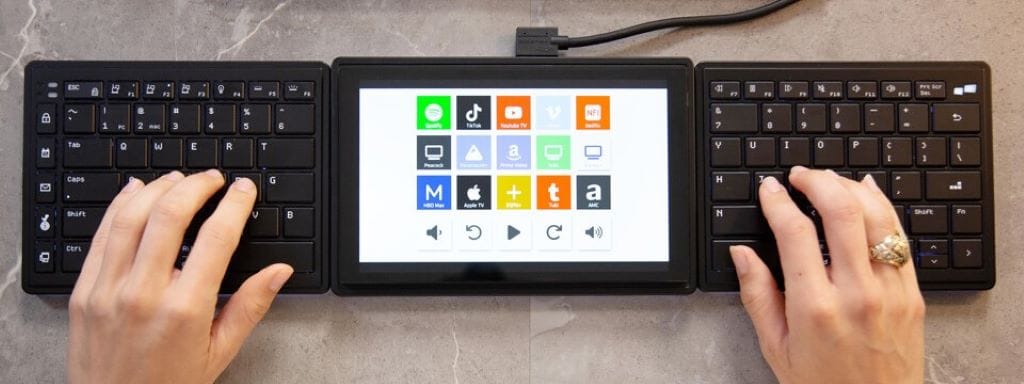
    Mobile Pixels has started a fundraising effort on Kibidango for its innovative Tetra Keyboard and Monitor. This set features two keyboard halves that can be arranged anywhere on your desk, plus an 8-inch LCD touchscreen monitor that works with all Windows and Mac systems. Future updates will include full support for smartphones, especially with Samsung’s DEX-mode.

    Display Features

    The 8-inch LCD touchscreen boasts a resolution of 1,280 x 800 pixels and refreshes at 60 Hz. It has a peak brightness of 300 nits and a contrast ratio of 700:1. The Tetra Board App allows users to create on-screen shortcuts for quickly accessing apps, macros, virtual key inputs, and more, enhancing productivity. A tilting stand ensures that the display can be positioned to avoid glare. The monitor connects to any computer via USB and uses 6.2 watts of power, while it can pass through up to 65 watts to charge other devices. Its dimensions are 207 x 136 x 19 mm (8.1 x 5.4 x 0.7 in.) and it weighs in at 498 g (17.6 oz.).

    Keyboard Details

    Each half of the Tetra keyboard is powered by a 1,200 mAh battery, allowing for flexible placement. When charging, the battery draws 134 mA when docked to the monitor and 320 mA when plugged into a USB-C power source. The keyboard can connect to three Bluetooth devices simultaneously, with a latency of less than 15 msec. Both halves feature magnets on their sides, enabling them to attach to each other or the monitor easily. The dimensions of each half are 172mm×132mm×13.8mm, with the left half weighing 200 g (7.1 oz.) and the right half at 196 g (6.9 oz.).

    Key Specifications

    The keys measure 19.683 x 19.4 mm (0.77 x 0.76 in.) with a pitch of 2.4 mm (0.094 in.). The scissor switches have a travel distance of 1.3 mm +/- 0.3 mm (0.051 in. +/- 0.012 in.). Each half supports two-key rollover and all keys are backlit, with accent lighting around the edges of each half’s body.

    The Mobile Pixels Tetra Keyboard Monitor is available at an early bird price starting from 53,500 yen (~$349), which is 20% lower than the suggested retail price. The fundraising campaign on Kibidango will run until December 23, 2024. For those who don’t require the flexible setup of the Tetra but still desire a keyboard with a display, an expansion dock, and SSD plus SD slots, they might want to consider this all-in-one keyboard available on Amazon.

    Mobile Pixels can be found on Kibidango and YouTube.


    Image 1
    Image 1
    Image 1
  • Vaio SX14-R: Ultra Lightweight Laptops for Work and Play

    Vaio SX14-R: Ultra Lightweight Laptops for Work and Play

    Vaio has introduced two new laptops that utilize Intel’s older Meteor Lake architecture. This means that the Vaio SX14-R and Vaio Pro PK-R might not compete well in terms of power efficiency and graphics performance with alternatives like the MSI Prestige 13 AI+ Evo, which is currently priced at $1,399.99 on Amazon.

    Lightweight and Compact Design

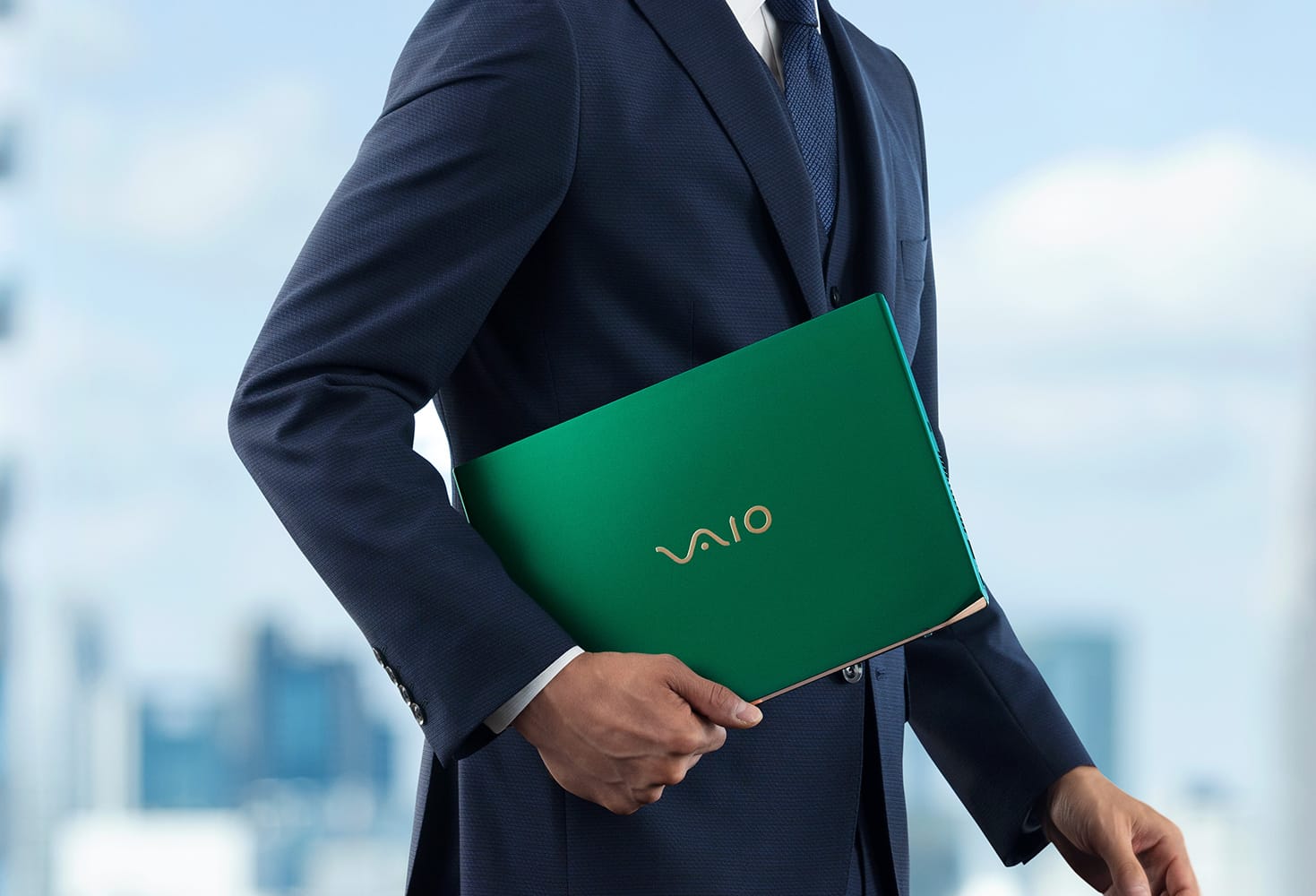
    Regardless of this, the new laptops from Vaio come with a lightweight and slim design, weighing in at less than 1 kg for their basic setups. To put this into perspective, the Vaio SX14-R weighs 1.178 kg when fully loaded with features, while the Vaio Pro PK-R reaches 1.237 kg. Both laptops have dimensions of 312 x 226 x 19 mm.

    Processor and Storage Options

    While Vaio hasn’t yet disclosed the battery specifications for these laptops, it has shared information about the available processors. Both models can be configured with the following Meteor Lake chipsets:

    Moreover, customers can choose up to 64 GB of LPDDR5x RAM and 2 TB of PCIe 4.0 storage, which is upgradeable. Additionally, the laptops come with a variety of ports, such as Thunderbolt 4, Gigabit Ethernet, and HDMI. They also support 4G LTE and GPS, although the Vaio SX14-R offers better wireless connectivity options than the Pro PK-R.

    Display Choices

    In terms of display, Vaio provides several options, all of which are 14-inch screens. Interestingly, while many of these screens have anti-glare features, the Vaio Pro PK-R can be outfitted with glossy touchscreen displays that allow for active pen input, even though it retains a standard laptop design. At present, both laptops are only available in Japan, and Vaio has not announced when they might be available in other countries.


    Image 1
    Image 1
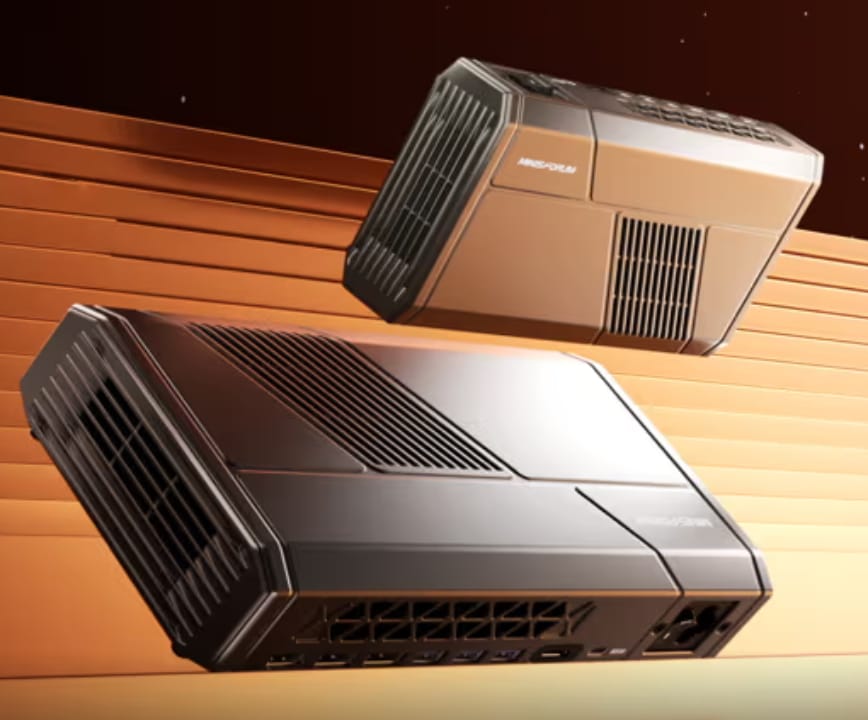
  • MGA1: Minisforum eGPU Lacks USB4 and SSD Expansion Features

    MGA1: Minisforum eGPU Lacks USB4 and SSD Expansion Features

    Minisforum has been on a roll with its product launches, and just a few days after starting orders for the EliteMini AI370, they have now rolled out the MGA1. This new device is already available in various markets.

    Overview of the MGA1

    The MGA1 is yet another external GPU (eGPU) that is built upon AMD’s Radeon RX 7600M XT GPU. It features 32 Compute Units (CUs) that use AMD’s RDNA 3 architecture. Additionally, the eGPU comes with 8 GB of GDDR6 VRAM, which operates at 18 Gbps across a 128-bit memory bandwidth. Similar specs can be found in One-Netbook’s OneXGPU, which is currently listed at $569.99 for refurbished models on Amazon, along with several other comparable devices.

    Performance and Connectivity

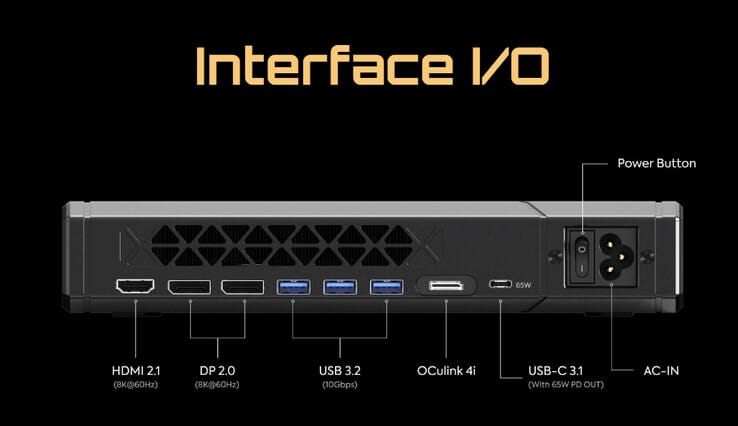
    Essentially, the MGA1 will deliver performance in line with its competitors. However, it does not have a USB4 port for hooking up external gadgets. Instead, Minisforum decided to include a USB 3.1 Type-C port that supports 65 W Power Delivery. The MGA1 opts for OCuLink 4i, offering a PCIe 4.0 x4 interface instead of the more common options.

    Additional Features

    On top of that, the MGA1 is equipped with two DisplayPort 2.0 video outputs, one HDMI 2.1 port, and three USB 3.2 Type-A ports, which can achieve a peak data transfer rate of 10 Gbps. Unfortunately, the device also lacks support for M.2 2280 storage expansion. Nevertheless, Minisforum has set the price for this first eGPU at $559, positioning it similarly to its more flexible competitors, and possibly even higher in some scenarios.


    Image 1